
Recognizing the Signs: When Social Media is Hurting Your Mental Health

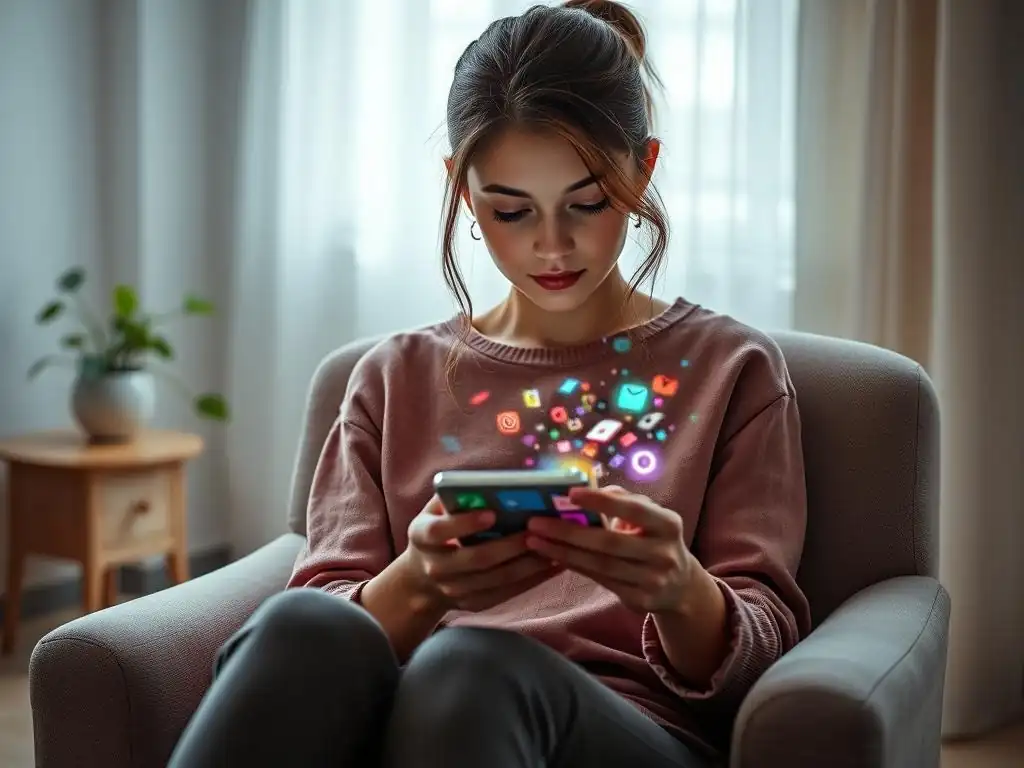
Welcome to Mind Care Guide, your sanctuary for navigating the complexities of mental well-being. Feeling overwhelmed by the digital world? You're not alone. Our latest article, "Recognizing the Signs: When Social Media is Hurting Your Mental Health," delves into the often-unseen social media impacts mental health, offering insights and strategies to reclaim your peace of mind. Curious to learn more about how these digital connections might be affecting you and what you can do about it? Let's explore this together.
- Recognizing the Signs: When Social Media is Hurting Your Mental Health
-
Negative Impacts of Social Media on Mental Wellbeing
- Social Comparison and Feelings of Inadequacy
- Cyberbullying and Online Harassment: A Direct Threat to Mental Health
- Fear of Missing Out (FOMO): The Anxiety of Constant Connection
- Sleep Disruption and Its Effects on Mental Health: Social Media's Role
- The Link Between Social Media Use and Mood Disorders
-
Identifying the Warning Signs: Is Social Media Affecting Your Mental State?
- Increased Anxiety and Stress Levels Related to Online Activity
- Feelings of Depression and Sadness After Social Media Use
- Decreased Self-Esteem and Body Image Issues Due to Social Media
- Social Isolation and Loneliness Despite Online Connections
- Irritability and Mood Swings Associated with Social Media Consumption
- How Social Media Use contributes to Mood Disorders
-
Strategies to Protect Your Mental Health from Social Media's Negative Influence
- Setting Healthy Boundaries: Limiting Time on Social Media Platforms
- Curating Your Feed: Unfollowing Accounts That Trigger Negative Emotions
- Practicing Mindful Social Media Use: Being Present and Intentional
- Focusing on Real-Life Connections and Activities for Improved Mental Wellbeing
- Seeking Professional Help: When Social Media's Impact Becomes Overwhelming
- Building a Healthier Relationship with Social Media for Improved Mental Health
- Resources for Mental Health Support and Social Media Management
- Conclusion: Taking Control of Social Media Use for Better Mental Wellbeing
-
Frequently Asked Questions
- How does social media potentially impact mental health negatively?
- What are some common signs that social media is negatively affecting my mental well-being?
- Can excessive social media use contribute to feelings of isolation?
- What are some strategies for mitigating the negative impacts of social media on mental health?
- Where can I find additional support if I'm struggling with the effects of social media on my mental health?
- Final Reflection: Reclaiming Your Wellbeing in the Digital Age
- Uncover Your Digital Wellbeing: Reclaim Your Mental Peace
Social media has woven itself into the fabric of modern life, offering unprecedented ways to connect, share, and access information. For many, it serves as a valuable tool for maintaining relationships, discovering communities, and staying informed. However, the pervasive nature of these platforms also presents significant challenges to mental wellbeing. The intricate relationship between social media use and psychological health is a subject of ongoing research and growing concern. Understanding how social media impacts mental health is crucial for navigating the digital landscape safely.
While platforms like Instagram, Facebook, Twitter, and TikTok can foster positive connections and offer support networks, their design often encourages constant engagement, comparison, and exposure to curated realities. This environment can contribute to a range of negative feelings and behaviors. Exploring the nuanced ways social media impacts mental health requires acknowledging both its potential benefits and its very real risks, particularly concerning mood disorders and overall psychological state.
One of the most widely cited negative impacts of social media on mental health stems from social comparison. Users are constantly exposed to highlight reels of others' lives – carefully curated photos, achievements, and experiences that often present an unrealistic standard. This constant exposure can trigger upward social comparison, where individuals compare themselves unfavorably to others they perceive as "better off," leading to feelings of envy, inadequacy, and low self-worth.
Research consistently shows a correlation between increased time spent on social media and higher levels of social comparison. For example, studies involving young adults have indicated that frequently viewing idealized images of peers or influencers can significantly decrease satisfaction with one's own body, lifestyle, and accomplishments. These persistent feelings of not being "enough" can erode self-esteem over time and contribute to a negative self-image, profoundly affecting one's mental wellbeing.
Cyberbullying and Online Harassment: A Direct Threat to Mental Health
Cyberbullying and online harassment represent a significant and direct threat posed by social media platforms. Unlike traditional bullying, online harassment can be relentless, occurring at any time, and the content can spread rapidly and widely, making it incredibly difficult for victims to escape. This can take many forms, including sending hurtful messages, spreading rumors, sharing embarrassing photos or videos, or excluding someone online.
The psychological toll of cyberbullying is substantial. Victims often experience intense feelings of shame, fear, isolation, and helplessness. Studies have linked cyberbullying exposure to increased rates of depression, anxiety, post-traumatic stress symptoms, and even suicidal ideation among young people. The anonymity that some platforms offer can embolden aggressors, while the public nature of the attacks can amplify the victim's distress, making this a particularly insidious way social media impacts mental health.
Fear of Missing Out (FOMO): The Anxiety of Constant Connection
Fear of Missing Out, commonly known as FOMO, is a phenomenon significantly amplified by social media. By constantly seeing what others are doing – attending parties, traveling, achieving milestones – individuals can develop anxiety that they are missing out on exciting or important experiences. This anxiety is fueled by the curated nature of social media feeds, which often showcase only the most appealing aspects of life, creating a distorted sense of reality.
FOMO can lead to compulsive checking of social media feeds, inability to enjoy current activities because of worry about what others are doing, and feelings of restlessness or dissatisfaction. This constant state of vigilance and anxiety about missing out contributes to stress and can negatively impact mood. The pressure to be constantly connected and available, driven by FOMO, is another way social media impacts mental health by increasing psychological burden.
Excessive social media use, particularly before bedtime, is a major contributor to sleep disruption. The blue light emitted by screens can interfere with the body's production of melatonin, the hormone that regulates sleep. Furthermore, the engaging and often emotionally stimulating content on social media can keep the mind active, making it difficult to fall asleep or stay asleep. The fear of missing out (FOMO) can also drive late-night scrolling.
Chronic sleep deprivation has well-documented negative effects on mental health. It can exacerbate symptoms of anxiety and depression, impair cognitive functions like concentration and decision-making, and lead to increased irritability and stress. The cycle of poor sleep due to social media use, leading to worse mental health outcomes, which in turn might lead to more late-night scrolling as a coping mechanism, illustrates a significant way social media impacts mental health negatively.
Accumulating evidence suggests a strong correlation between heavy social media use and the prevalence or worsening of mood disorders, such as depression and anxiety. While social media may not be the sole cause, it can act as a significant contributing factor or trigger for individuals predisposed to these conditions. The mechanisms include exposure to unrealistic standards, cyberbullying, reduced face-to-face interaction, and sleep disruption, all of which can negatively affect emotional regulation and stability.
Studies have found that individuals who spend several hours a day on social media platforms report higher levels of depressive symptoms and generalized anxiety compared to those who use it less frequently. For instance, some research indicates that young adults who use multiple social media platforms are at a significantly higher risk of experiencing symptoms of depression and anxiety. This body of evidence underscores the critical need to understand how social media impacts mental health, particularly in relation to mood disorders.
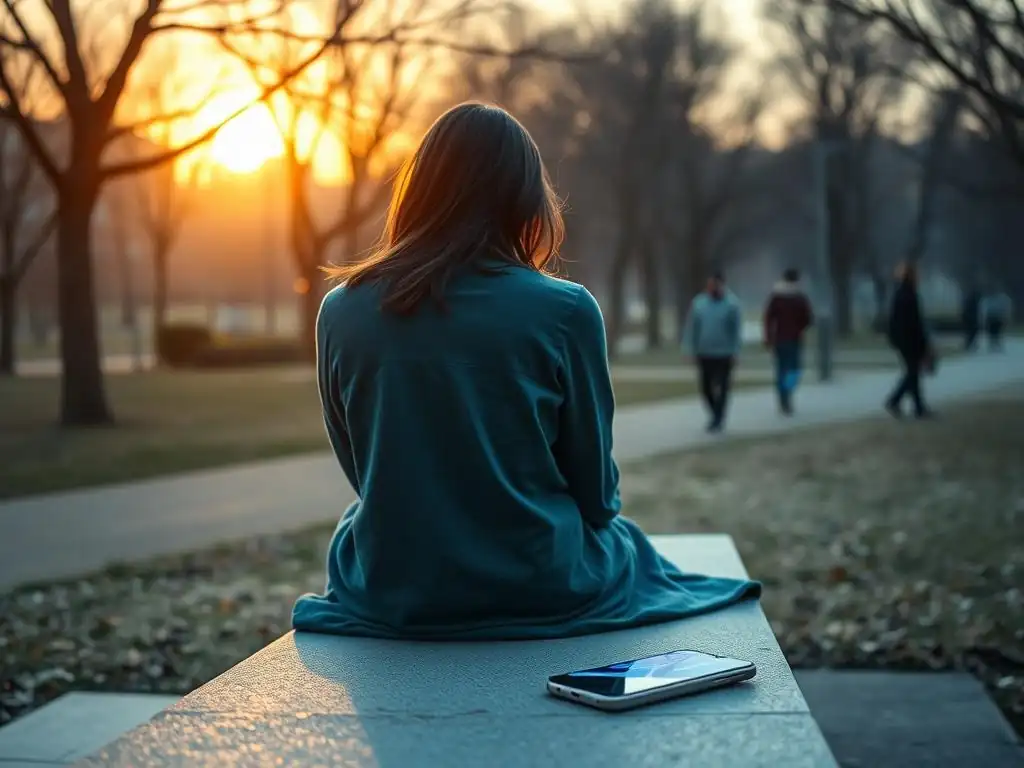
One of the key warning signs that social media is negatively impacting your mental health is a noticeable increase in anxiety and stress specifically tied to online activity. Do you feel a sense of dread or nervousness before checking your notifications? Do you experience stress from comparing yourself to others or from online interactions? These feelings are not normal responses to casual online engagement and can indicate a problem.
This anxiety might manifest as physical symptoms like restlessness, difficulty concentrating, or even panic-like sensations when you think about or engage with social media. For example, constantly checking for likes or comments, worrying about how a post will be received, or feeling overwhelmed by the sheer volume of information and perceived expectations can create a persistent state of stress. Recognizing these elevated anxiety levels as a direct consequence of your social media habits is a crucial first step in addressing how social media impacts mental health for you personally.
Experiencing feelings of sadness, hopelessness, or emptiness after spending time on social media platforms is another significant warning sign. This might occur after comparing your life to the seemingly perfect lives of others, witnessing negative or upsetting content, or feeling excluded from online activities. The contrast between your reality and the curated online world can leave you feeling inadequate or depressed.
This post-social media slump can linger, affecting your mood and motivation for other activities. If you find yourself consistently feeling down or low after scrolling through feeds, or if your general mood has worsened since increasing your social media use, it's a strong indicator that social media impacts your mental health in a detrimental way. Pay attention to whether these feelings are fleeting or if they contribute to a more persistent low mood.
Social media platforms, particularly those focused on visual content, can significantly contribute to decreased self-esteem and negative body image. Constant exposure to idealized and often digitally altered images of bodies and lifestyles sets unrealistic standards that are impossible to meet. This can lead to feelings of dissatisfaction with one's own appearance, accomplishments, and overall worth.
Individuals may start to critique their own bodies more harshly, feeling inadequate compared to the "perfect" bodies they see online. This is particularly prevalent among young people, but affects individuals of all ages. If you notice that your self-esteem has dropped, or you are increasingly unhappy with your physical appearance since engaging more heavily with social media, it's a clear sign that social media impacts your mental health in a negative way, eroding your sense of self-worth.
Paradoxically, heavy social media use can lead to increased feelings of social isolation and loneliness, despite being constantly "connected" online. Spending hours interacting virtually can displace time that would otherwise be spent on face-to-face interactions, which are generally richer and more fulfilling for building deep connections. Furthermore, seeing others connect online without you can amplify feelings of being left out.
The superficial nature of many online interactions – likes, brief comments, curated updates – often lacks the depth and emotional intimacy found in real-life relationships. If you feel more isolated or lonely despite having a large network of online "friends," or if your online interactions are replacing meaningful in-person connections, it suggests that social media impacts your mental health by hindering genuine social bonding.
Another indicator that social media is negatively affecting your mental state is an increase in irritability or experiencing significant mood swings tied to your social media habits. This might involve feeling restless or agitated when you can't access social media, becoming easily frustrated by online interactions, or experiencing rapid shifts in mood based on what you see or how your posts are received.
This heightened reactivity can stem from the constant stimulation, exposure to negative content, or the stress of managing your online persona. If you notice you are more easily annoyed, have a shorter temper, or experience unpredictable changes in your emotional state that seem linked to your social media use, it's a strong signal that social media impacts your mental health by disrupting your emotional regulation.
Social media platforms are designed to be addictive, leveraging the brain's reward system. When you receive a like, comment, or notification, your brain releases dopamine, a neurotransmitter associated with pleasure and reward. This creates a positive feedback loop, encouraging you to seek out these interactions repeatedly. This constant, unpredictable reinforcement schedule is similar to that used in gambling, making it difficult to disengage.
Over time, this constant stimulation of the dopamine pathways can potentially alter brain chemistry and lead to a dependency on social media for mood regulation. When the expected rewards aren't received, or when negative interactions occur, it can lead to feelings of disappointment, frustration, or anxiety, contributing to mood instability and potentially exacerbating or triggering symptoms of mood disorders in vulnerable individuals. Understanding this neurological impact is key to grasping how social media impacts mental health at a fundamental level.
The Perpetuation of Unrealistic Expectations and its Effect on Mental Health
Social media platforms are breeding grounds for unrealistic expectations about life, success, happiness, and appearance. Users are typically presented with highly curated versions of reality, showcasing only the highlights, successes, and idealized images. This constant exposure creates a distorted benchmark against which individuals measure their own lives, often leading to feelings of inadequacy and failure.
The pressure to maintain a perfect online persona, to appear constantly happy, successful, and popular, adds another layer of stress. This discrepancy between one's real life and the idealized version presented online or seen in others' feeds can lead to chronic dissatisfaction and contribute to feelings of depression and anxiety. The perpetuation of these unattainable standards is a significant way social media impacts mental health, fueling feelings of not being good enough.
For individuals already living with mental health conditions such as depression, anxiety disorders, bipolar disorder, or eating disorders, social media can act as a powerful trigger or exacerbating factor. The very aspects that negatively affect general users – social comparison, cyberbullying, sleep disruption, and exposure to triggering content – can be significantly more damaging for those with pre-existing vulnerabilities.
For example, someone with an eating disorder might be severely triggered by pro-anorexia content or images promoting extreme thinness. Someone with anxiety might find their worries amplified by constant news feeds or pressure to respond instantly. Social media removes many of the protective boundaries and filters present in real-life interactions, making individuals with existing conditions more susceptible to negative influences. Thus, how social media impacts mental health is particularly critical for this vulnerable population.
Establishing clear boundaries around social media use is a fundamental strategy for protecting your mental health. This involves consciously deciding how much time you will spend on platforms daily and sticking to that limit. Many smartphones and apps now offer built-in tools to track and restrict usage, making it easier to monitor your habits. Consider setting timers or scheduling "social media free" periods throughout your day or week.
Beyond time limits, boundaries can also include when you use social media. For instance, avoiding it in the first hour after waking up or in the hour before bed can significantly improve your morning mood and sleep quality. Designating specific times for checking notifications, rather than constantly reacting to alerts, puts you in control and reduces the constant distraction and potential for stress, directly mitigating how social media impacts mental health negatively.
Curating Your Feed: Unfollowing Accounts That Trigger Negative Emotions
The content you consume directly impacts your mood and mental state. Actively curating your social media feed by unfollowing accounts that make you feel inadequate, anxious, or unhappy is a powerful protective measure. This includes accounts that promote unrealistic lifestyles, toxic comparisons, or simply leave you feeling drained or negative after viewing their content.
Instead, seek out and follow accounts that are positive, inspiring, informative, or genuinely connect you with people you care about. Fill your feed with content that uplifts you, aligns with your interests, and promotes a healthy perspective. Taking control of the information you are exposed to is a proactive step in managing how social media impacts mental health, ensuring your online environment is supportive rather than detrimental.
Mindfulness can be applied to social media consumption to make it a more conscious and less reactive activity. Instead of mindlessly scrolling, try to be present and intentional about why you are opening a social media app and what you hope to get from the interaction. Ask yourself: Am I looking for something specific? How does this content make me feel? Am I comparing myself?
Being mindful helps you recognize negative patterns and triggers in the moment. If you notice yourself feeling anxious or inadequate, mindfulness allows you to pause, acknowledge the feeling without judgment, and choose to disengage or shift your focus. This intentional approach empowers you to use social media as a tool on your terms, rather than being passively consumed by it, thus reducing its potential to negatively impact mental health.
Focusing on Real-Life Connections and Activities for Improved Mental Wellbeing

Prioritizing real-life interactions and activities outside of the digital sphere is vital for maintaining good mental health. Spending quality time with friends and family in person, engaging in hobbies, exercising, or pursuing interests that don't involve screens provide genuine fulfillment and strengthen authentic connections. These activities offer a counterbalance to the often superficial nature of online interactions.
Studies consistently show that strong in-person social support networks are crucial buffers against stress, anxiety, and depression. By actively investing time and energy into real-world relationships and activities, you build a foundation of wellbeing that is independent of online validation and comparison. This shift in focus is essential for ensuring that social media impacts mental health positively, by complementing, rather than replacing, real-world experiences.
If you find that social media use is significantly contributing to feelings of anxiety, depression, low self-esteem, or other mental health challenges that you cannot manage on your own, seeking professional help is a sign of strength and a crucial step. Mental health professionals, such as therapists or counselors, are equipped to help you understand the root causes of your distress and develop effective coping strategies.
Therapy can provide a safe space to explore the specific ways social media impacts your mental health, address underlying issues like comparison or fear of missing out, and develop healthier digital habits. They can also help if social media use is linked to more severe conditions like addiction or has exacerbated existing mental health issues. Don't hesitate to reach out for support if the negative effects of social media feel overwhelming.
Developing Self-Awareness: Understanding Triggers and Vulnerabilities
Building a healthier relationship with social media begins with developing self-awareness about your own patterns of use, triggers, and vulnerabilities. Pay attention to how you feel before, during, and after using social media. Do certain types of content or interactions reliably make you feel anxious, sad, or angry? Are there specific times of day or emotional states (like boredom or loneliness) that lead you to excessive scrolling?
Understanding these personal triggers is key to changing your behavior. It allows you to anticipate challenging situations and develop strategies to navigate them, whether that means avoiding certain content, limiting use during vulnerable times, or choosing alternative activities. This self-knowledge is fundamental in taking control of how social media impacts mental health on an individual level.
Countering the negative effects of social comparison on social media requires actively cultivating gratitude and self-compassion. Instead of focusing on what others have or appear to be doing, practice gratitude for what you have in your own life. This can involve keeping a gratitude journal or simply taking a few moments each day to appreciate the positive aspects of your reality.
Self-compassion involves treating yourself with the same kindness, understanding, and acceptance you would offer a friend who is struggling. Recognize that the idealized lives on social media are often not reality and that everyone faces challenges. Be kind to yourself when you stumble or feel inadequate. Practicing gratitude and self-compassion helps build inner resilience, making you less susceptible to the negative ways social media impacts mental health through comparison.
Prioritizing Authentic Connections Over Online Validation
Shift your focus from seeking validation through likes, comments, and follower counts to nurturing authentic connections, both online and offline. Engage in meaningful conversations with people you care about, share genuinely, and support others. Prioritize interactions that leave you feeling connected and understood, rather than those that merely provide a temporary ego boost.
This involves being selective about who you interact with and how. Focus on engaging with close friends and family online, and make a conscious effort to connect with people in person. When online, aim for interactions that are reciprocal and supportive. Prioritizing quality over quantity in your social interactions, both digital and real, is crucial for fostering true wellbeing and mitigating the negative ways social media impacts mental health.
While social media can have negative impacts, it also has the potential to be a force for good. Intentionally using platforms for positive purposes can improve your mental wellbeing. This includes staying connected with friends and family who live far away, joining supportive communities related to your interests or challenges, sharing positive and uplifting content, and using it as a tool for learning and growth.
Many individuals find valuable support groups online for specific mental health conditions, chronic illnesses, or life challenges. These communities can provide a sense of belonging and understanding. By actively choosing to use social media as a tool for genuine connection, support, and positive engagement, you can harness its potential benefits while minimizing its risks, thereby ensuring that social media impacts mental health in a more constructive way.
National Mental Health Resources
If you are struggling with your mental health, including issues potentially exacerbated by social media use, numerous national resources are available to provide support. These often include crisis hotlines and text lines that offer immediate, confidential help from trained counselors, available 24/7. These services are invaluable for those experiencing acute distress or suicidal thoughts.
Beyond crisis support, national mental health organizations often provide extensive online libraries of information about various conditions, treatment options, and coping strategies. They may also offer directories to help you locate mental health professionals or support groups in your area. These resources serve as a vital first step for individuals seeking help and understanding how social media impacts mental health issues they may be facing.
Given the challenges of limiting social media time, various apps and built-in phone features are designed specifically to help manage and reduce usage. These tools can track the amount of time you spend on specific apps, provide weekly reports on your usage patterns, and allow you to set daily time limits for individual platforms or categories of apps.
Some apps offer features like scheduled downtime, where certain apps are blocked during specified hours, or "focus mode," which silences notifications and restricts access to distracting apps. Utilizing these technological tools can provide external support and accountability in setting and maintaining healthy boundaries around your social media consumption, effectively helping you control how social media impacts mental health by limiting exposure.
Therapy is a highly effective option for addressing mental health issues that may be linked to or worsened by social media use. Various therapeutic approaches can be beneficial. Cognitive Behavioral Therapy (CBT), for example, can help individuals identify and challenge negative thought patterns related to social comparison, low self-esteem, or fear of missing out, which are often amplified by social media.
Other forms of talk therapy can help explore underlying vulnerabilities, develop healthier coping mechanisms, and build resilience against the negative influences of online environments. Therapists can also work with individuals to establish healthier digital habits and boundaries. Seeking professional guidance is particularly important if social media use feels compulsive or is significantly interfering with daily life and wellbeing, providing tailored support for how social media impacts mental health specifically for you.
Understanding the complex ways social media impacts mental health is the first step towards building a healthier relationship with these powerful platforms. While offering connection and information, social media also presents significant risks, including fostering comparison, enabling harassment, disrupting sleep, and potentially worsening mood disorders. Recognizing the warning signs in your own life is crucial for identifying when your social media habits are becoming detrimental.
Fortunately, you are not powerless against these negative influences. By setting healthy boundaries, curating your online environment, practicing mindfulness, prioritizing real-life connections, and seeking support when needed, you can mitigate the risks and harness the potential benefits of social media. Taking intentional steps to manage your social media use is an investment in your overall mental wellbeing, allowing you to engage with the digital world on your terms for a healthier and happier life.
Frequently Asked Questions
Social media can contribute to negative mental health outcomes through comparison culture, cyberbullying, and fear of missing out (FOMO). These factors can lead to feelings of inadequacy, anxiety, and depression.
Signs may include increased anxiety or depression, decreased self-esteem, a constant need for validation through likes and comments, and difficulty disconnecting from online platforms.
Yes, despite connecting with others online, excessive social media use can paradoxically lead to feelings of isolation due to reduced face-to-face interactions and a focus on curated online personas.
Strategies include setting time limits for social media use, curating your feed to include positive and supportive content, and prioritizing real-life connections and activities.
Mind Care Guide offers resources and information. You can also seek support from mental health professionals who can provide personalized strategies and coping mechanisms.
Final Reflection: Reclaiming Your Wellbeing in the Digital Age
The pervasive nature of social media in modern life means its impact on our mental health is no longer a fringe concern, but a critical issue demanding our attention. We've explored the subtle and not-so-subtle ways platforms designed for connection can, ironically, contribute to feelings of inadequacy, anxiety, and depression. The insidious nature of curated perfection and the constant pressure to compare ourselves to others online is a potent cocktail for mental distress.
The insidious creep of social media's influence on our self-perception and emotional wellbeing is a phenomenon I've witnessed firsthand, not only in my research but also in the experiences of friends and family. Comparison is the thief of joy,
Theodore Roosevelt famously said, and this rings truer than ever in the age of Instagram and TikTok. The curated highlight reels we see online often obscure the struggles and imperfections of real life, creating a distorted sense of reality and fostering unrealistic expectations. This constant exposure to idealized versions of others can lead to a downward spiral of self-doubt and dissatisfaction.
Now, consider your own relationship with social media. Are you consciously curating your online experience to prioritize your mental wellbeing? I urge you to take a moment to reflect on your usage patterns, identify potential triggers, and actively cultivate a healthier digital diet. Unfollow accounts that leave you feeling inadequate, limit your screen time, and prioritize real-life connections. Remember, your mental health is invaluable, and reclaiming control of your digital experience is a crucial step towards a happier, healthier you.
Uncover Your Digital Wellbeing: Reclaim Your Mental Peace
Thanks for taking the time to explore the impact of social media on mental health. We hope you gained valuable insights into recognizing the signs and understanding your own relationship with online platforms. Now, let's take that knowledge and turn it into positive action.
- Prioritize a Digital Detox: Schedule specific times each day to disconnect completely from social media and engage in activities you enjoy offline. This could be anything from reading a book to going for a walk – choose something that truly rejuvenates you.
- Re-evaluate Your Follow List: Take some time to audit your social media feeds. Are you following accounts that consistently trigger negative feelings or contribute to comparison? Unfollow or mute accounts that don’t support your mental well-being.
- Share Your Journey: This is a powerful step! Talk to friends and family about what you've learned, or share this article on your social media if it resonates. Let’s create a more supportive digital environment together.
So, what small step will you take today to foster a healthier relationship with social media and prioritize your mental well-being?