
The Brain's Reward System: Plasticity and Motivation

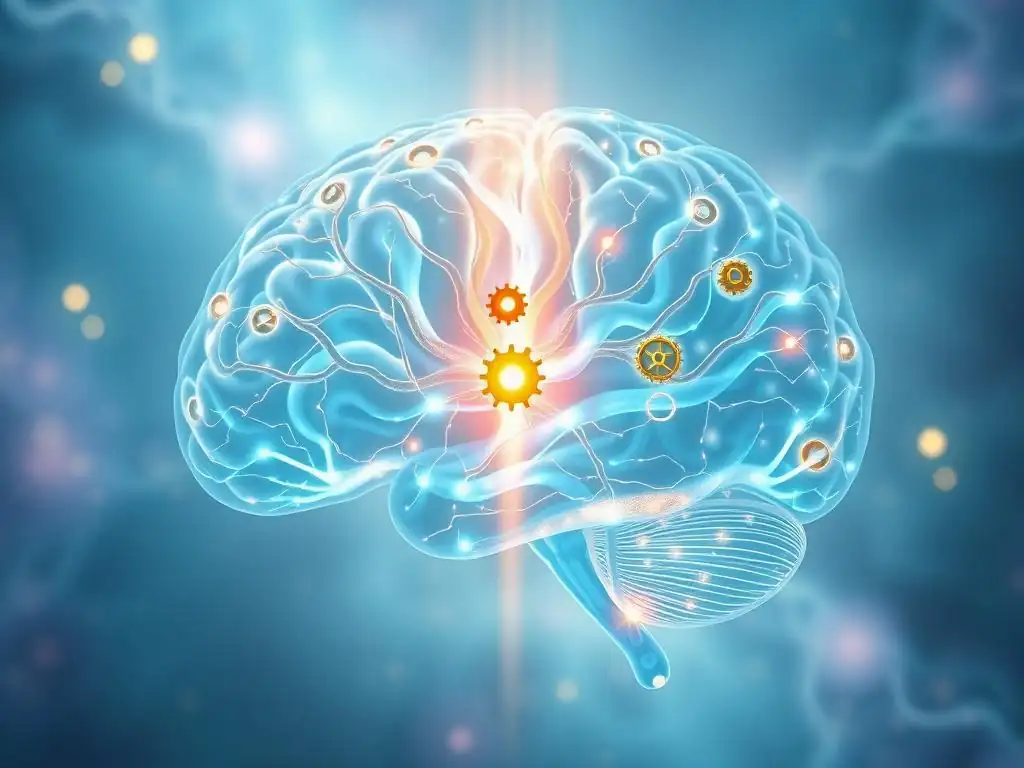
Welcome to Mind Care Guide, a safe space dedicated to your mental well-being.
Ever wondered how your brain's reward system truly shapes your desires and drives? Dive into our latest exploration of understanding brain reward plasticity motivation and unlock the secrets to harnessing its power. Are you ready to learn how your brain adapts and influences your motivation? Let's begin this insightful journey together...
The Brain's Reward System: Plasticity and Motivation - A Mind Care Guide
- Understanding the Brain's Reward System and Motivation
- Brain Plasticity: Rewiring the Reward System
- The Link Between Reward Plasticity and Motivation
- Reward System Dysfunction: Impact on Mental Health
- Strategies to Enhance Reward System Plasticity and Motivation
- The Neuroscience of Motivation: Deeper Dive
- Practical Applications: Harnessing Reward Plasticity for Well-being
- Supporting Brain Health: Key Nutrients and Supplements for Optimal Reward Function
- Conclusion: The Potential of Brain Reward Plasticity for Enhanced Motivation and Mental Well-being
-
Frequently Asked Questions
- What is brain reward plasticity and why is it important for understanding motivation?
- How does the brain's reward system typically function?
- What factors can influence brain reward plasticity?
- How can understanding brain reward plasticity help with mental health challenges?
- What are some strategies to promote healthy brain reward plasticity and enhance motivation?
- Final Reflection: Rewiring Reward: A Path to Lasting Motivation
- Unlock Your Brain's Potential: Boost Motivation Today!
Understanding the Brain's Reward System and Motivation
The brain's reward system is a complex network of neural structures that plays a crucial role in motivation, learning, and goal-directed behavior. It evolved to encourage actions essential for survival, such as eating, drinking, and reproduction, by associating them with pleasurable sensations. Understanding how this system functions is fundamental to grasping the roots of motivation and how it can be influenced by our experiences and environments.
What is the Reward System and How Does it Work?
The core of the brain's reward system involves several interconnected regions, including the ventral tegmental area (VTA), the nucleus accumbens (NAcc), and the prefrontal cortex (PFC). When we engage in rewarding activities, the VTA releases dopamine, a key neurotransmitter, into the NAcc. This surge of dopamine signals pleasure and reinforces the behavior that led to the reward, increasing the likelihood that we will repeat it in the future.
The PFC then integrates this information with other cognitive processes, helping us make decisions and plan future actions based on predicted rewards. This intricate interplay forms the basis of our drive and desire.
This system isn't just about immediate pleasure; it's also deeply involved in learning. The brain learns to associate cues and contexts with potential rewards. For instance, the sight of a favorite restaurant might trigger a desire for food, even if you're not currently hungry, because your brain has learned to predict the rewarding experience associated with that location.
This predictive learning is mediated by changes in the strength of connections between neurons, a process known as synaptic plasticity, which allows the reward system to adapt and become more efficient at seeking out beneficial outcomes. Understanding brain reward plasticity motivation highlights this dynamic learning process.
Key Neurotransmitters: Dopamine, Serotonin, and Glutamate
While dopamine is often highlighted as the primary "pleasure" neurotransmitter in the reward system, its role is more accurately described as signaling reward prediction and salience. It drives our motivation to seek rewards and learn from our experiences. Research suggests that dopamine release is highest not when we receive a predicted reward, but when we receive a reward that is better than expected.
This "reward prediction error" signal is critical for learning. For example, a study might show that unexpected positive feedback on a task leads to a stronger dopamine response than expected positive feedback, reinforcing the behavior more effectively.
Other neurotransmitters also play significant roles. Serotonin, often associated with mood regulation, interacts with the dopamine system and influences the value we place on rewards and our capacity for patience in waiting for them. Low serotonin levels, for instance, have been linked to impulsivity and a reduced ability to delay gratification.
Glutamate is the brain's main excitatory neurotransmitter and is crucial for synaptic plasticity, the very mechanism by which the reward system learns and adapts. It is heavily involved in the pathways connecting the PFC, VTA, and NAcc, facilitating the formation and strengthening of neural connections that underpin reward-related learning and understanding brain reward plasticity motivation.
Brain Plasticity: Rewiring the Reward System
The concept of brain plasticity, or neuroplasticity, refers to the brain's remarkable ability to reorganize itself throughout life by forming new neural connections. This capacity for change isn't limited to childhood; the adult brain remains highly adaptable, constantly rewiring itself in response to experiences, learning, and even physical changes. This dynamic nature of the brain is fundamental to our ability to learn new skills, recover from injury, and adapt to changing environments.
This inherent flexibility means that the neural pathways within the reward system are not fixed. They can be strengthened or weakened based on repeated experiences. Engaging in a rewarding activity repeatedly can strengthen the connections between the neurons involved in processing that reward, making the pathway more efficient and the associated behavior more habitual. Conversely, if a behavior is no longer rewarding, or leads to negative outcomes, the connections can weaken, making the behavior less likely to occur in the future. This ongoing process of rewiring is at the heart of understanding brain reward plasticity motivation.
Neuroplasticity and the Brain's Capacity for Change
Neuroplasticity operates at multiple levels, from changes in the strength of individual synapses (synaptic plasticity) to the birth of new neurons (neurogenesis), although neurogenesis is more limited in the adult brain, particularly in areas directly involved in the core reward circuit like the NAcc. Synaptic plasticity is perhaps the most relevant mechanism for understanding how the reward system is shaped by experience. It involves changes in the efficiency of communication between neurons, often through altering the number or sensitivity of neurotransmitter receptors or the amount of neurotransmitter released.
This capacity for change is what allows us to learn new habits, break old ones, and adapt our motivational drives over time. For example, practicing a musical instrument strengthens the neural pathways involved in coordinating movements and interpreting sounds, and if this practice is rewarding, it also engages the reward system, further reinforcing the learning. Similarly, overcoming a challenge and experiencing success can strengthen the reward pathways associated with perseverance and effort, making future difficult tasks seem more approachable. The ability to rewire these pathways is central to psychological growth and resilience.
How Experiences Shape Reward Pathways: Long-Term Potentiation and Depression
Synaptic plasticity is often described through two primary mechanisms: Long-Term Potentiation (LTP) and Long-Term Depression (LTD). LTP is a persistent strengthening of synapses based on recent patterns of activity. If two neurons are repeatedly activated together, the connection between them becomes stronger, making future communication more efficient.
In the context of the reward system, if a specific cue or action is consistently followed by a rewarding outcome, the synapses connecting the neurons representing the cue/action and the reward signal are strengthened via LTP. This makes the cue more effective at triggering the expectation of reward and motivating the associated behavior.
Conversely, LTD is a persistent weakening of synapses. This occurs when the activity of two neurons is uncorrelated or when a predicted reward does not materialize. If a cue or action is no longer followed by a reward, or leads to a negative outcome, the synaptic connections involved can be weakened through LTD.
This process helps the brain extinguish responses to cues that are no longer predictive of reward, or to behaviors that are no longer beneficial. Both LTP and LTD are crucial for the adaptive learning and rewiring of the reward system, illustrating the dynamic nature of understanding brain reward plasticity motivation.
The Link Between Reward Plasticity and Motivation
Motivation is the internal drive that propels us towards goals. It's not just about wanting something; it involves the planning, effort, and persistence required to achieve it. The brain's reward system, with its capacity for plasticity, is intricately linked to this process. Our motivation is shaped by our past experiences with rewards and punishments, which have sculpted the neural pathways that predict the value and likelihood of future rewards. Understanding brain reward plasticity motivation reveals how our history of reinforcement directly impacts our current desires and behaviors.
This link is evident in how we choose between different actions or goals. The brain constantly evaluates the potential rewards and costs associated with various options, and this evaluation is heavily influenced by the learned associations stored within the reward system's plastic pathways. A strong, well-worn pathway associated with a particular reward makes the pursuit of that reward feel more compelling and less effortful, thereby increasing our motivation to engage in the necessary behavior.
Motivation Defined: Intrinsic vs. Extrinsic
Motivation can broadly be categorized into two types: intrinsic and extrinsic. Intrinsic motivation arises from within the individual; the activity itself is rewarding. This could be the joy of learning, the satisfaction of mastering a skill, or the pleasure derived from a hobby. The reward is the internal feeling of accomplishment or enjoyment. Extrinsic motivation, on the other hand, is driven by external rewards or consequences, such as praise, money, grades, or avoiding punishment.
While both types engage the reward system, they may do so in slightly different ways or involve different neural circuits. Intrinsic motivation might rely more on the internal processing of satisfaction and personal growth, potentially involving areas like the insula and anterior cingulate cortex in addition to the core reward circuit. Extrinsic motivation is more directly tied to tangible outcomes and external validation, strongly engaging the dopamine pathways associated with predicting and receiving external rewards. Understanding brain reward plasticity motivation helps us see how both internal drives and external incentives can shape our neural landscape and influence our behavior.
How Reward System Plasticity Influences Goal-Oriented Behavior: The Role of Expectancy
Goal-oriented behavior is heavily dependent on our ability to anticipate and value future rewards. The plasticity of the reward system allows us to update these predictions based on new information and experiences. When we successfully achieve a goal and receive a predicted reward, the pathways associated with that goal and the actions taken are reinforced. This strengthens the expectancy that similar actions will lead to similar positive outcomes in the future, thereby boosting our motivation for related goals.
Conversely, if our efforts repeatedly fail to yield the expected reward, or result in a negative outcome, the relevant pathways are weakened through LTD. This reduces our expectancy of reward for that specific goal or set of actions, potentially leading to decreased motivation or a shift in focus to more promising pursuits.
This dynamic adjustment of expectancy based on experience, facilitated by brain reward plasticity, is a critical mechanism for adapting our behavior and optimizing our efforts in pursuit of valuable goals. Studies show that the strength of dopamine release is closely tied to the discrepancy between the expected reward and the actual reward received, driving this learning process.
Reward System Dysfunction: Impact on Mental Health
When the brain's reward system is not functioning optimally, it can have profound effects on motivation, decision-making, and overall mental well-being. Dysregulation of this system is implicated in a range of mental health conditions, from addiction to depression and anxiety. Understanding these dysfunctions requires examining how plasticity is altered and how neurotransmitter signaling goes awry, offering insights into potential therapeutic targets.
Problems can arise from various issues, including genetic predispositions, chronic stress, trauma, and exposure to certain substances. These factors can alter the structure and function of key reward circuit areas, leading to imbalances in neurotransmitter levels or altered synaptic plasticity. The resulting changes can manifest as an inability to experience pleasure, excessive craving, impaired impulse control, or maladaptive learning patterns, all of which significantly impact a person's quality of life.
Addiction and Altered Reward Pathways: The Dopamine Hypothesis
Addiction is perhaps the most direct example of reward system dysfunction. Drugs of abuse hijack the brain's natural reward pathways, often causing a massive, unnatural surge in dopamine release in the NAcc. This overwhelming signal is far stronger than the dopamine response to natural rewards like food or social interaction, leading to intense pleasure and powerful reinforcement of drug-seeking behavior. Chronic drug use causes significant neuroplastic changes in the reward system and related areas like the PFC.
Over time, the brain adapts to these unnaturally high dopamine levels. The number of dopamine receptors in the NAcc can decrease, and the response to natural rewards becomes blunted. This phenomenon, known as tolerance and anhedonia (inability to experience pleasure), means that individuals with addiction may no longer find joy in activities they once enjoyed and require the drug simply to feel "normal" or to alleviate withdrawal symptoms. The intense craving and compulsive drug-seeking behavior characteristic of addiction are driven by these persistent, maladaptive changes in understanding brain reward plasticity motivation caused by the substance.
Depression and Reduced Reward Sensitivity: Anhedonia and its Neural Correlates
Depression is often characterized by anhedonia, a significantly reduced capacity to experience pleasure or interest in activities. This symptom is directly linked to dysfunction in the brain's reward system. Research indicates that individuals with depression may exhibit reduced activity in reward-related brain regions like the NAcc when anticipating or receiving rewards. They may also show lower levels of dopamine or reduced sensitivity to dopamine signals.
Studies using fMRI, for example, have shown that depressed individuals often have a blunted neural response in the ventral striatum (which includes the NAcc) when presented with rewarding stimuli, such as winning money or receiving positive feedback, compared to non-depressed individuals. This lack of responsiveness makes typically enjoyable activities seem less appealing and contributes to the pervasive lack of motivation and withdrawal often seen in depression. Understanding brain reward plasticity motivation in the context of depression highlights the challenge of restoring the system's sensitivity to positive experiences.
Anxiety and Maladaptive Reward Seeking Behaviors: Avoidance and Compulsions
Anxiety disorders can also involve dysregulation of the reward system, although in potentially different ways than addiction or depression. In anxiety, individuals may develop maladaptive avoidance behaviors to escape feared situations. This avoidance can be negatively reinforced – the temporary relief from anxiety acts as a "reward," strengthening the avoidance behavior through the reward system. This creates a vicious cycle where the individual becomes increasingly avoidant, limiting their life and preventing them from learning that the feared situation might not be as dangerous as anticipated.
Obsessive-compulsive disorder (OCD), a type of anxiety disorder, often involves compulsive behaviors performed to reduce anxiety associated with obsessive thoughts. The temporary relief gained from performing the compulsion acts as a powerful negative reinforcement, engaging the reward system and making the compulsive behavior more likely in the future, despite its long-term negative consequences. Understanding brain reward plasticity motivation helps explain how these avoidance and compulsive cycles become deeply ingrained and difficult to break.
Strategies to Enhance Reward System Plasticity and Motivation
Given the brain's capacity for plasticity, there is hope for rewiring dysfunctional reward pathways and enhancing motivation. Various therapeutic approaches and lifestyle changes can promote positive neuroplastic changes, helping individuals regain their capacity for pleasure, pursue meaningful goals, and improve overall well-being. These strategies often focus on modifying behavior, changing thought patterns, and supporting brain health.
The goal is to gradually strengthen the neural pathways associated with healthy, adaptive behaviors and natural rewards, while weakening those linked to maladaptive patterns. This isn't an overnight process; it requires consistent effort and practice, much like learning any new skill. By actively engaging in rewarding activities and challenging negative thought patterns, individuals can actively participate in understanding brain reward plasticity motivation and harnessing it for positive change.
Mindfulness and Meditation Techniques: Impact on Dopamine Release
Mindfulness and meditation practices, which involve focusing attention on the present moment without judgment, have been shown to influence brain activity, including areas within the reward system. Regular meditation practice can increase activity in the prefrontal cortex, which is involved in regulating emotions and making deliberate choices, potentially helping individuals resist impulsive behaviors driven by immediate, but ultimately unfulfilling, rewards.
Some research suggests that mindfulness can also impact dopamine signaling. While direct evidence of increased baseline dopamine is limited, studies indicate that meditation might alter the brain's response to rewards or stress, potentially making individuals less reliant on external rewards for happiness and increasing their appreciation for internal states and natural pleasures. For example, experienced meditators might show different patterns of activation in reward-related areas when experiencing positive emotions or receiving non-material rewards. This practice supports understanding brain reward plasticity motivation by shifting focus towards internal sources of satisfaction.
Cognitive Behavioral Therapy (CBT) and Reward Restructuring: Challenging Maladaptive Beliefs
Cognitive Behavioral Therapy (CBT) is a widely used psychotherapy that helps individuals identify and challenge negative thought patterns and behaviors. In the context of reward system dysfunction, CBT techniques can be used to restructure how individuals perceive and respond to rewards and challenges. For someone with depression and anhedonia, CBT might involve behavioral activation – scheduling and engaging in activities that were previously enjoyable, even if the person doesn't feel motivated initially.
By engaging in these activities, even without immediate pleasure, the individual provides the brain with opportunities to relearn the association between the activity and potential positive feelings or a sense of accomplishment. Over time, as the individual persists, the reward pathways associated with these healthy activities can begin to strengthen through plasticity, gradually restoring the capacity for pleasure and increasing motivation. CBT directly addresses the learned associations and expectancies that influence understanding brain reward plasticity motivation.
Lifestyle Changes: Exercise, Diet, and Sleep for Brain Health
Fundamental lifestyle factors like regular exercise, a balanced diet, and sufficient sleep are critical for overall brain health, including the optimal functioning and plasticity of the reward system. Physical exercise, particularly aerobic exercise, is known to increase levels of various neurotransmitters, including dopamine, serotonin, and norepinephrine, which are all involved in mood and motivation. Exercise also promotes neurogenesis and synaptic plasticity in areas like the hippocampus, which interacts with the reward system.
A nutrient-rich diet provides the building blocks for neurotransmitter synthesis and supports overall brain structure and function. For example, adequate intake of omega-3 fatty acids is important for cell membrane health and synaptic function, crucial for plasticity. Poor sleep can disrupt dopamine signaling and impair the function of the prefrontal cortex, negatively impacting motivation, impulse control, and the ability to assess rewards effectively. Prioritizing these lifestyle factors provides a strong foundation for supporting understanding brain reward plasticity motivation.
The Neuroscience of Motivation: Deeper Dive
Exploring the neuroscience of motivation involves delving into the specific brain regions and computational processes that govern our drives and goal pursuit. Beyond the core VTA-NAcc pathway, other areas and mechanisms play critical roles in evaluating options, making decisions, and exerting the effort needed to achieve desired outcomes. This deeper dive reveals the sophisticated neural architecture underlying motivated behavior.
Understanding these intricate processes provides a more complete picture of how our internal states, external cues, and learned experiences converge to shape our actions. It highlights that motivation is not a single switch but a complex interplay of predictive coding, value assessment, and executive control, all influenced by the dynamic nature of brain plasticity.
The Nucleus Accumbens and Reward Prediction Error: Computational Models
The Nucleus Accumbens (NAcc) is a central hub in the reward circuit, receiving dopamine input from the VTA. Its activity is closely linked to the concept of "reward prediction error," a key principle in computational models of learning. Reward prediction error occurs when the actual reward received differs from the expected reward. If the reward is better than expected, dopamine neurons in the VTA fire more vigorously, signaling a positive prediction error. This signal strengthens the association between the preceding cues/actions and the positive outcome.
If the reward is worse than expected (or absent), dopamine neuron firing is suppressed, signaling a negative prediction error. This weakens the association and helps the brain learn not to expect a reward in similar circumstances. Computational models propose that this prediction error signal is a fundamental learning signal that drives changes in synaptic strength (plasticity) throughout the reward circuit, constantly updating our predictions about the world and influencing our future motivation and behavior. This mechanism is central to understanding brain reward plasticity motivation from a computational perspective.
The Prefrontal Cortex and Executive Function in Motivation: Goal-Directed Behavior
While the NAcc is crucial for processing reward value and prediction error, the Prefrontal Cortex (PFC) plays a vital role in higher-level aspects of motivation, particularly goal-directed behavior and executive functions. The PFC receives information from the reward system and integrates it with information about our goals, plans, and potential consequences. It allows us to evaluate the long-term value of rewards, delay gratification, and make decisions that require effort and planning.
The PFC is involved in setting goals, planning the steps needed to achieve them, inhibiting impulsive behaviors that might derail progress, and monitoring our progress towards the goal. Damage or dysfunction in the PFC can lead to difficulties with planning, decision-making, and impulse control, significantly impacting motivated behavior. The connections between the PFC and the NAcc are critical; the PFC can regulate activity in the NAcc, allowing us to override immediate desires in favor of long-term goals, a key aspect of understanding brain reward plasticity motivation in complex human behavior.
Ketterson & Floresco, 2023: Dopamine-dependent decision making in reward-guided behaviors.
Research continues to illuminate the intricate mechanisms by which dopamine influences decision-making related to rewards. A recent review by Ketterson & Floresco (2023) highlights the multifaceted role of dopamine in various aspects of reward-guided behavior. Their work underscores that dopamine isn't just about signaling pleasure; it's critically involved in evaluating the costs and benefits of actions, assessing the likelihood of receiving a reward, and determining how much effort we are willing to expend to obtain it.
Specifically, their review discusses how different dopamine pathways and receptor subtypes contribute to distinct components of decision-making, such as choosing between options with different reward magnitudes or probabilities, or deciding whether to persist in a task despite challenges. This research reinforces the idea that dopamine, and the plasticity of the circuits it influences, is central to understanding the complex cognitive processes underlying motivation and adaptive behavior, further enhancing our understanding brain reward plasticity motivation.
Practical Applications: Harnessing Reward Plasticity for Well-being
Applying the principles of brain reward plasticity can empower individuals to cultivate healthier habits, increase motivation, and improve mental well-being. By consciously engaging in behaviors that promote positive reward learning and strengthening adaptive pathways, we can actively participate in reshaping our motivational landscape. These practical strategies leverage the brain's natural capacity for change.
The focus is often on creating environments and routines that reinforce desired behaviors and gradually weaken the pull of maladaptive ones. This involves setting achievable goals, acknowledging progress, and seeking support, all of which contribute to building positive momentum and reinforcing the reward pathways associated with growth and well-being.
Setting Realistic Goals and Celebrating Achievements: Micro-goals and Positive Reinforcement
One effective strategy is to break down larger goals into smaller, more manageable "micro-goals." Achieving a micro-goal provides a sense of accomplishment and a small, but significant, reward signal to the brain. Celebrating these small wins, even with a simple mental acknowledgment or a brief break, reinforces the behavior that led to the achievement. This consistent positive reinforcement helps to strengthen the neural pathways associated with effort and success through the mechanisms of plasticity.
For example, if your goal is to exercise regularly, start with a micro-goal of exercising for just 15 minutes. Successfully completing this goal, and acknowledging it, provides a rewarding experience that makes it easier to repeat the next day. Over time, as these small successes accumulate, the reward pathways associated with exercise become stronger, increasing your overall motivation for physical activity. This systematic approach directly utilizes the principles of understanding brain reward plasticity motivation.
Our social environment plays a significant role in shaping our reward system. Positive social interactions, support from others, and validation of our efforts can be powerful natural rewards. Creating a supportive environment involves surrounding yourself with people who encourage your goals and celebrate your successes. Sharing your goals with trusted friends or family can create accountability and provide external reinforcement.
Receiving encouragement or praise for making progress towards a goal activates the brain's reward pathways, strengthening the association between your efforts and positive social outcomes. Conversely, a lack of support or negative feedback can undermine motivation and weaken the pathways associated with goal pursuit. Actively seeking out and nurturing supportive relationships provides valuable external reinforcement that aids in understanding brain reward plasticity motivation and fostering positive change.
Contingency Management for Substance Use Disorders
Contingency Management (CM) is a behavioral therapy widely used in the treatment of substance use disorders that directly applies the principles of reward system plasticity. CM involves providing tangible rewards (like vouchers for goods or services) to individuals who achieve specific, verifiable goals, such as submitting drug-negative urine samples or attending counseling sessions.
This approach works by providing consistent, positive reinforcement for abstinence and engagement in treatment behaviors. By making abstinence more immediately rewarding than substance use, CM helps to strengthen the reward pathways associated with sobriety and treatment engagement, while simultaneously weakening the maladaptive pathways associated with drug seeking. Studies have shown that CM can be highly effective in promoting abstinence, demonstrating the power of understanding brain reward plasticity motivation in clinical settings.
Supporting Brain Health: Key Nutrients and Supplements for Optimal Reward Function
Beyond behavioral strategies, supporting overall brain health through nutrition is essential for maintaining optimal reward system function and plasticity. The brain requires a steady supply of specific nutrients to synthesize neurotransmitters, build and maintain neural structures, and support the energy demands of complex neural processing. A deficiency in key vitamins or minerals can impair these processes.
While no single nutrient is a magic bullet, a balanced diet rich in essential fatty acids, vitamins, and minerals provides the necessary foundation for the brain to function effectively, including its capacity for plasticity and its ability to process rewards. Supporting the biological underpinnings of the reward system enhances the effectiveness of behavioral and therapeutic interventions aimed at understanding brain reward plasticity motivation.
The Role of Vitamins and Minerals in Neurotransmitter Production: B Vitamins and Magnesium
Several vitamins and minerals are essential cofactors in the synthesis of neurotransmitters like dopamine, serotonin, and norepinephrine. B vitamins, particularly B6, B9 (folate), and B12, are crucial for the enzymatic reactions involved in converting amino acids into neurotransmitters. For example, Vitamin B6 is required for the synthesis of dopamine and serotonin. Magnesium is involved in numerous enzymatic reactions in the brain and plays a role in regulating neurotransmitter release and receptor function.
Deficiencies in these nutrients can potentially impair neurotransmitter production and signaling, negatively impacting mood, motivation, and reward system function. While supplements should only be taken under the guidance of a healthcare professional, ensuring adequate intake of these vitamins and minerals through a balanced diet is a foundational step in supporting brain health and the intricate processes involved in understanding brain reward plasticity motivation.
Omega-3 Fatty Acids and Brain Plasticity
Omega-3 fatty acids, particularly EPA (eicosapentaenoic acid) and DHA (docosahexaenoic acid), are structural components of cell membranes throughout the brain, including neurons. They are critical for maintaining the fluidity and function of these membranes, which is essential for efficient neurotransmitter signaling and synaptic plasticity. DHA is particularly abundant in the synapses, the junctions where neurons communicate.
Research suggests that adequate intake of omega-3 fatty acids supports neuroplasticity by influencing processes like LTP and LTD, which are crucial for learning and memory, including reward-related learning. Some studies indicate that omega-3 supplementation may improve mood and reduce symptoms of depression, potentially by supporting the health and function of reward-related brain regions. Including sources like fatty fish, flaxseeds, and walnuts in the diet is beneficial for supporting understanding brain reward plasticity motivation.
Dietary Strategies to Optimize Reward System Function: Balanced Nutrition and Gut Health
Beyond specific nutrients, a balanced dietary pattern is key. Diets high in processed foods, sugar, and unhealthy fats can contribute to inflammation and oxidative stress, which can negatively impact brain health and potentially impair reward system function. Conversely, a diet rich in fruits, vegetables, whole grains, lean proteins, and healthy fats provides the broad spectrum of nutrients needed for optimal brain performance.
The gut-brain axis is another important consideration. The gut microbiome, the trillions of bacteria living in our digestive tract, communicates with the brain and can influence mood and behavior. A healthy gut microbiome, supported by a diet high in fiber and fermented foods, can positively impact brain health and potentially influence neurotransmitter production and signaling, indirectly supporting the reward system and enhancing understanding brain reward plasticity motivation.
Conclusion: The Potential of Brain Reward Plasticity for Enhanced Motivation and Mental Well-being
Understanding brain reward plasticity motivation reveals a dynamic and hopeful picture of the brain's capacity for change. The reward system, the engine of our motivation, is not static but is constantly being shaped by our experiences, learning, and choices. While dysfunctions in this system are implicated in various mental health challenges, the principles of neuroplasticity offer pathways for recovery and enhanced well-being.
By applying evidence-based strategies rooted in neuroscience, such as behavioral activation, mindfulness, and supporting brain health through lifestyle, individuals can actively engage in rewiring their reward pathways. This process can help restore the capacity for joy, increase motivation towards healthy goals, and build resilience against future challenges.
The Future of Research in Reward System and Plasticity: Personalized Interventions
Research into the brain's reward system and plasticity continues to evolve rapidly. Future directions include developing more targeted and personalized interventions based on an individual's specific neural profile and patterns of reward system function. Advances in neuroimaging and genetic research may allow for tailoring therapeutic approaches, such as specific types of therapy or pharmacological interventions, to better address individual differences in understanding brain reward plasticity motivation and dysfunction.
For example, research might explore how genetic variations influence dopamine receptor density or how early life stress permanently alters reward circuit development, leading to tailored prevention or intervention strategies. The goal is to move towards precision medicine in mental health, where treatments are optimized for each person's unique brain characteristics.
Empowering Individuals Through Understanding Brain Function
Empowering individuals with knowledge about how their brain works, particularly regarding the reward system and its plasticity, can be a powerful tool for promoting mental well-being. Understanding that their brain is capable of change can instill hope and agency, encouraging them to engage actively in strategies that support positive neuroplasticity.
Educating people about the links between lifestyle, behavior, and brain function helps demystify conditions like depression and addiction and reduces self-blame. By recognizing that their motivation and capacity for pleasure are influenced by biological processes that can be modified, individuals are better equipped to seek help, adopt healthier habits, and embark on a journey of recovery and personal growth. This knowledge fosters a deeper understanding brain reward plasticity motivation and its potential for positive transformation.
Frequently Asked Questions
What is brain reward plasticity and why is it important for understanding motivation?
Brain reward plasticity refers to the brain's ability to change and adapt its reward pathways in response to experiences. This is crucial because it directly influences how we learn, form habits, and experience motivation to pursue goals.
How does the brain's reward system typically function?
The reward system primarily involves the release of dopamine, a neurotransmitter that signals pleasure and reinforces behaviors. This system is activated when we experience something rewarding, leading us to repeat those behaviors in the future.
What factors can influence brain reward plasticity?
Several factors can influence plasticity, including stress, drug use, and chronic pain. These factors can alter the structure and function of reward pathways, affecting an individual's ability to experience pleasure and maintain motivation.
How can understanding brain reward plasticity help with mental health challenges?
Understanding this concept can inform the development of interventions for mental health challenges like addiction and depression. By targeting the reward system, we can potentially restore healthy brain function and boost motivation for recovery.
What are some strategies to promote healthy brain reward plasticity and enhance motivation?
Strategies include engaging in meaningful activities, practicing mindfulness, and maintaining a healthy lifestyle. These actions can help strengthen healthy reward pathways and improve overall mental well-being.
Final Reflection: Rewiring Reward: A Path to Lasting Motivation
Understanding the brain's reward system is not just a scientific pursuit; it's the key to unlocking lasting motivation and personal growth in a world constantly demanding our attention. The plasticity of this system, as explored throughout this article, offers a powerful message of hope and agency – we are not simply slaves to our ingrained reward pathways, but active participants in shaping them.
The implications of brain reward plasticity extend far beyond the laboratory, impacting our daily choices, our relationships, and the very fabric of our society. We see its influence in everything from the addictive nature of social media to the enduring power of human connection. The ability to reshape our reward pathways offers a profound opportunity for self-improvement and societal change. The brain that grows is the brain that changes.
– Norman Doidge, The Brain That Changes Itself. This quote encapsulates the transformative potential inherent in understanding and harnessing the plasticity of our reward systems.
Consider, for a moment, the power you hold. You have the capacity to consciously cultivate rewarding experiences that align with your values and long-term goals. By understanding the mechanisms of reward and reinforcement, you can actively rewire your brain to prioritize healthier habits, stronger relationships, and a more fulfilling life. This is not a passive process; it requires conscious effort and consistent practice. But the potential rewards – a life driven by intrinsic motivation and lasting fulfillment – are immeasurable. Embrace the plasticity of your brain; it is your greatest asset in the pursuit of a life well-lived.
Unlock Your Brain's Potential: Boost Motivation Today!
Thanks for exploring the fascinating world of the brain's reward system and its incredible plasticity! You've now unlocked key insights into how motivation works and how you can harness its power. Let's put this knowledge into action:
- Prioritize one small, rewarding task: Identify a single goal aligned with your values (even something as small as calling a friend), complete it, and savor the accomplishment. This actively reinforces your brain's reward pathways.
- Share your "win" with others: Inspire others to tap into their own motivational reserves by sharing your success story. Let's build a supportive community of positive change!
- Experiment with a new habit-building technique:* Reflect on the strategies discussed and try one new method—maybe a time-blocking technique, or a reward system— to build momentum and see what works best for you.
Ready to make today your most motivated day yet? What small step will you take to harness the power of your brain's reward system?