
Mental Health in Christian Minority Communities: Cultural Influences on Faith and Care

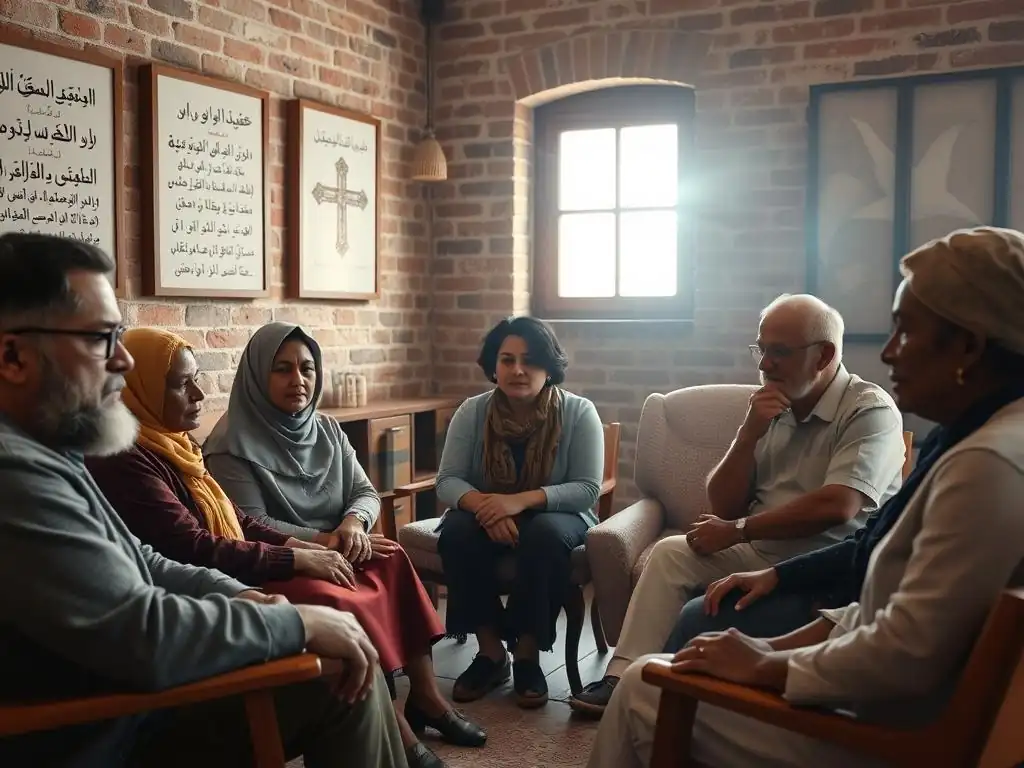
Welcome to Mind Care Guide, a space dedicated to nurturing your mental well-being.
Feeling unseen or unheard in your mental health journey? We understand. This month, we're diving deep into Christian minority mental health support, exploring the unique cultural and spiritual factors that influence mental health within these communities. Uncover resources and insights designed to foster faith-based healing and empower you to navigate your path to well-being. Ready to explore how faith and culture intersect with mental health support? Let's begin.
Mental Health in Black Christian Communities: Cultural Influences on Faith and Care
-
Understanding Mental Health Challenges in Black Christian Groups
- Defining Black Christian Communities and Their Unique Experiences (e.g., Historical Trauma, Systemic Racism)
- Prevalence of Mental Health Issues within Black Christian Groups: A Statistical Overview (e.g., Depression, Anxiety, PTSD)
- The Intersection of Faith, Culture, and Mental Well-being (e.g., Impact of Racial Identity, Church Involvement)
-
Cultural Influences Shaping Mental Health in Black Christians
- Stigma and Shame: Cultural Attitudes Toward Mental Illness (e.g., "Strong Black Woman" archetype, Perception of Weakness)
- Family Dynamics and Their Impact on Mental Health Help-Seeking (e.g., Intergenerational Trauma, Family Expectations)
- The Role of Community and Social Support Networks (e.g., Church as a Support System, Importance of Social Connection)
-
The Influence of Faith and Spirituality on Mental Health
- Positive Aspects of Faith: Hope, Resilience, and Meaning-Making (e.g., Prayer, Bible Study, Church Community)
- Potential Challenges: Spiritual Struggles and Religious Guilt (e.g., Judgmental Attitudes, Interpretation of Scripture)
- Faith-Based Coping Mechanisms and Their Effectiveness (e.g., Seeking Guidance from Pastors, Relying on Prayer)
- Barriers to Mental Health Care for Black Christian Individuals
-
Culturally Sensitive Approaches to Mental Health Support
- Integrating Faith and Spirituality into Therapy (e.g., Incorporating Prayer, Addressing Spiritual Concerns)
- Utilizing Community Resources and Faith Leaders (e.g., Training Pastors, Establishing Church-Based Support Groups)
- Addressing Cultural Stigma and Promoting Mental Health Awareness (e.g., Educational Programs, Open Discussions)
-
Mental Health Resources for Black Christian Communities
- Organizations Providing Culturally Relevant Support (e.g., Black Mental Health Alliance, Boris Lawrence Henson Foundation)
- Online Resources and Educational Materials (e.g., Websites, Articles, Videos)
- Finding Culturally Competent Therapists and Counselors (e.g., Directories, Referrals from Community Leaders)
- Case Studies: Illustrating Mental Health Journeys in Black Christian Communities
-
Promoting Mental Well-being in Black Christian Populations
- Advocacy and Awareness Campaigns (e.g., Addressing Systemic Racism, Promoting Mental Health Education)
- Collaboration between Mental Health Professionals and Faith Leaders (e.g., Joint Workshops, Community Outreach)
- Empowering Individuals to Prioritize Mental Health (e.g., Self-Care Practices, Setting Boundaries)
- The Future of Black Christian Mental Health Support: Trends and Opportunities
-
Frequently Asked Questions
- What specific cultural factors impact mental health within Christian minority communities?
- How does faith influence the perception and treatment of mental health issues in these communities?
- What unique challenges do Christian minorities face when seeking mental health support?
- Where can Christian minorities find specifically tailored mental health support?
- What can community leaders do to improve mental health awareness and access to care within Christian minority communities?
- Final Reflection: Finding Faith and Healing in the Margins
- Unveil Your Strength: Nurturing Faith & Wellbeing
Understanding Mental Health Challenges in Black Christian Groups
Defining Black Christian Communities and Their Unique Experiences (e.g., Historical Trauma, Systemic Racism)
Black Christian communities represent a significant and diverse population group in the United States, bound by shared faith and cultural heritage, yet facing unique challenges stemming from historical and ongoing societal factors. These communities are often shaped by the legacy of historical trauma, including the profound and lasting impact of slavery, Jim Crow laws, and systemic oppression.
This trauma is not merely historical; it manifests as intergenerational trauma, passed down through families and communities, influencing health outcomes, trust in institutions, and overall well-being. Systemic racism continues to impact daily life, creating stressors related to discrimination in housing, employment, education, and the justice system, all of which significantly contribute to mental health burdens.
The church often serves as a central institution within these communities, providing spiritual guidance, social support, and a sense of belonging. However, this central role also means that cultural attitudes towards mental health within the church can heavily influence how individuals perceive and address their struggles.
The intertwining of faith, identity, and the experience of being a racial minority creates a complex landscape for mental health, where traditional coping mechanisms rooted in faith are often prioritized over formal mental health support, sometimes due to lack of awareness, stigma, or mistrust. Understanding these unique experiences is crucial for developing effective Christian minority mental health support strategies.
Prevalence of Mental Health Issues within Black Christian Groups: A Statistical Overview (e.g., Depression, Anxiety, PTSD)
While mental health challenges affect all populations, studies indicate that Black adults are more likely than white adults to report symptoms of emotional distress, though they are less likely to receive treatment. For instance, approximately 16% of Black adults in the U.S. reported experiencing a mental illness in the past year, translating to millions of individuals. Conditions like depression and anxiety are common, often exacerbated by the unique stressors of racial discrimination and socioeconomic disparities. Post-traumatic stress disorder (PTSD) is also a significant concern, particularly in communities exposed to high rates of violence or historical trauma.
Despite the prevalence, there is a persistent treatment gap. Data suggests that only about one-third of Black adults with mental illness receive mental health care each year, compared to nearly half of white adults. This disparity highlights significant barriers to accessing Christian minority mental health support, ranging from financial constraints and lack of insurance to cultural factors like stigma and mistrust of the healthcare system. Understanding these statistics underscores the urgent need for targeted, culturally sensitive interventions and resources within Black Christian communities.
The Intersection of Faith, Culture, and Mental Well-being (e.g., Impact of Racial Identity, Church Involvement)
For many Black Christians, faith is not just a private belief system but a deeply integrated part of their cultural identity and daily life. Racial identity, shaped by historical context and contemporary experiences of marginalization, interacts profoundly with faith and mental well-being. The church has historically been a source of strength, resilience, and activism in the face of oppression, fostering a collective identity and providing a space for cultural expression. This strong connection can be a protective factor, offering hope and meaning during difficult times.
However, the intersectionality can also present complexities for mental health support. Cultural norms within the community or specific congregations might discourage open discussion of mental health struggles, viewing them as a lack of faith or personal weakness. The emphasis on spiritual coping mechanisms, while often beneficial, can sometimes lead individuals to delay or reject professional mental health care. Navigating this intersection requires a nuanced approach that respects the central role of faith while promoting evidence-based mental health support tailored to the specific needs and cultural context of Black Christian individuals.
Cultural Influences Shaping Mental Health in Black Christians
Stigma and Shame: Cultural Attitudes Toward Mental Illness (e.g., "Strong Black Woman" archetype, Perception of Weakness)
Cultural attitudes within Black Christian communities often contribute to significant stigma surrounding mental illness. Historically, there has been a tendency to view psychological distress through a spiritual lens, attributing it to sin, lack of faith, or spiritual attack rather than a health condition requiring professional intervention. This perspective can foster shame and silence, making individuals hesitant to disclose their struggles even to close friends or family within the community.
Furthermore, pervasive cultural archetypes, such as the "Strong Black Woman," can create immense pressure to appear resilient and capable, even in the face of significant emotional pain. This archetype, while born from necessity in overcoming adversity, can become a barrier to seeking help, as admitting vulnerability might be perceived as failing to embody this idealized strength. The fear of being judged as weak, unfaithful, or a burden can prevent individuals from accessing much-needed Christian minority mental health support.
Family Dynamics and Their Impact on Mental Health Help-Seeking (e.g., Intergenerational Trauma, Family Expectations)
Family dynamics play a crucial role in shaping how mental health is perceived and addressed within Black Christian households. Intergenerational trauma, stemming from historical injustices and ongoing systemic issues, can manifest as complex family dynamics, including strained communication, difficulty processing emotions, and cycles of unresolved pain. These dynamics can create an environment where mental health issues are either normalized as part of life's struggles or dismissed entirely.
Family expectations often influence help-seeking behaviors. There might be pressure to keep personal struggles within the family, fearing judgment from the wider community or church. Additionally, older generations might hold more traditional views on mental health, making it difficult for younger family members to gain support for seeking professional care. Navigating family beliefs and potential resistance is a significant hurdle for individuals seeking Christian minority mental health support.
Despite the challenges of stigma, the strong sense of community and social connection within Black Christian groups, particularly through the church, can serve as a powerful protective factor. The church often functions as a central hub for social support, providing a network of individuals who share similar values and experiences. Church members may offer practical assistance, emotional comfort, and spiritual guidance during times of distress.
This inherent social capital can be leveraged to promote mental well-being. Initiatives that utilize existing community networks, such as peer support groups within congregations or mental health workshops hosted by the church, can effectively reach individuals who might not otherwise access formal care. The trust individuals place in their pastors and fellow congregants makes these networks vital pathways for disseminating information and encouraging the pursuit of Christian minority mental health support.
The Influence of Faith and Spirituality on Mental Health
Positive Aspects of Faith: Hope, Resilience, and Meaning-Making (e.g., Prayer, Bible Study, Church Community)
Faith and spirituality are often significant sources of strength and resilience for Black Christians navigating mental health challenges. Practices such as prayer, meditation, reading scripture, and engaging in Bible study provide comfort, hope, and a framework for understanding suffering. The belief in a higher power and the promise of divine support can instill a sense of hope and purpose, helping individuals persevere through difficult times.
The church community itself offers a vital network of support, providing a sense of belonging, acceptance, and shared experience. Participating in worship services, Sunday school, and church events fosters social connection and reduces feelings of isolation, which are often associated with mental health conditions like depression and anxiety. This communal aspect of faith is a powerful resource for promoting mental well-being and resilience within these communities.
Potential Challenges: Spiritual Struggles and Religious Guilt (e.g., Judgmental Attitudes, Interpretation of Scripture)
While faith is largely positive, it can also present unique challenges for mental health. Individuals may experience spiritual struggles, questioning their faith or feeling abandoned by God when facing mental distress. Some interpretations of scripture within certain congregations might inadvertently contribute to feelings of guilt or shame, particularly if mental illness is framed as a result of sin or spiritual weakness rather than a legitimate health issue.
Judgmental attitudes from fellow congregants or even leadership can also be detrimental. If individuals fear being ostracized or criticized for admitting their struggles, they are less likely to seek help, either within the church or from external professionals. Addressing these potential challenges requires fostering a more compassionate and informed understanding of mental health within faith communities, ensuring that Christian minority mental health support is offered without judgment.
Faith-Based Coping Mechanisms and Their Effectiveness (e.g., Seeking Guidance from Pastors, Relying on Prayer)
Many Black Christians initially turn to faith-based coping mechanisms when experiencing mental distress. This often includes relying heavily on prayer, seeking guidance from pastors or church elders, and finding solace in religious rituals and beliefs. For some, these practices are highly effective in providing comfort, reducing stress, and fostering a sense of peace. Prayer, for example, can be a powerful form of mindfulness and emotional regulation.
However, while faith-based coping is valuable, it may not be sufficient for managing more severe or complex mental health conditions. Relying solely on spiritual means without professional intervention can sometimes delay necessary treatment. The effectiveness of these mechanisms is often enhanced when integrated with evidence-based therapies, demonstrating the importance of a holistic approach that acknowledges both the spiritual and psychological aspects of well-being. Effective Christian minority mental health support often involves bridging the gap between faith practices and clinical care.
Barriers to Mental Health Care for Black Christian Individuals

Lack of Culturally Competent Mental Health Professionals (e.g., Limited Representation of Black Therapists)
A significant barrier to accessing mental health care for Black Christians is the severe lack of culturally competent professionals. This includes a limited representation of Black therapists, psychologists, and psychiatrists who share similar cultural backgrounds and understand the unique experiences of this community, including the role of faith. Patients may feel more comfortable opening up to a therapist who understands the nuances of their cultural identity, religious beliefs, and experiences with racism and discrimination.
Without culturally competent providers, individuals may encounter therapists who lack awareness of these factors, leading to misdiagnosis, ineffective treatment, or a feeling of being misunderstood. This can erode trust in the mental health system and discourage individuals from continuing therapy. Increasing the number of Black mental health professionals and providing cultural competency training to all providers are crucial steps in improving access to effective Christian minority mental health support.
Mistrust of the Mental Health System (e.g., Historical Mistreatment, Concerns about Bias)
Historical mistreatment within the medical and mental health systems has created deep-seated mistrust among many Black Americans, including those within Christian communities. Past abuses, such as the Tuskegee Syphilis Study and the historical pathologizing of Black behavior, have left a lasting legacy of skepticism regarding the intentions and practices of healthcare institutions. This historical context makes individuals hesitant to engage with a system they perceive as potentially biased or harmful.
Contemporary concerns about implicit bias and systemic inequities within healthcare further fuel this mistrust. Black individuals may fear not being taken seriously, receiving inadequate care, or facing discrimination within mental health settings. Addressing this mistrust requires not only providing culturally competent care but also actively working to dismantle systemic barriers and rebuild trust through transparent practices, community engagement, and demonstrating a genuine commitment to equitable Christian minority mental health support.
Financial and Logistical Obstacles to Accessing Care (e.g., Insurance Coverage, Transportation)
Beyond cultural and historical barriers, practical issues like financial constraints and logistical obstacles significantly limit access to mental health care for many Black Christian individuals. Disparities in wealth and income mean that many may lack adequate health insurance coverage, or their plans may have high deductibles or limited mental health benefits. The cost of therapy sessions can be prohibitive for individuals already facing economic hardship.
Logistical challenges, such as lack of transportation, limited availability of appointments outside of work hours, and the need for childcare, also pose substantial barriers. Finding a therapist who is conveniently located and accepts their insurance can be a daunting task. These practical hurdles often prevent individuals from initiating or consistently engaging with mental health treatment, even if they overcome other barriers to seeking Christian minority mental health support.
Culturally Sensitive Approaches to Mental Health Support
Integrating Faith and Spirituality into Therapy (e.g., Incorporating Prayer, Addressing Spiritual Concerns)
Culturally sensitive mental health support for Black Christians often involves integrating faith and spirituality into the therapeutic process. This does not mean replacing evidence-based therapy with religious counseling, but rather acknowledging and respecting the client's faith as a vital part of their identity and coping resources. Therapists can explore how a client's faith informs their understanding of their struggles, their hopes for healing, and their values.
Incorporating faith might involve discussing prayer as a coping mechanism, exploring relevant scripture passages, or addressing spiritual doubts and concerns that may be impacting mental well-being. A therapist trained in this approach can help clients utilize their faith as a source of strength while also employing psychological techniques to address symptoms. This integration can make therapy feel more relevant and acceptable to Black Christian individuals seeking Christian minority mental health support.
Utilizing Community Resources and Faith Leaders (e.g., Training Pastors, Establishing Church-Based Support Groups)
Leveraging existing community resources and partnering with faith leaders is a highly effective strategy for improving mental health support within Black Christian communities. Pastors and church leaders are often trusted figures to whom individuals turn in times of crisis. Providing mental health literacy training to these leaders can equip them to recognize signs of distress, offer initial support, and make appropriate referrals to mental health professionals.
Establishing church-based mental health support groups, facilitated by trained peers or professionals, provides a safe and accessible space for individuals to share experiences and receive support within a familiar and trusted environment. These initiatives reduce isolation and normalize discussions about mental health within the faith community. Collaboration between mental health professionals and faith leaders is key to building a strong network of Christian minority mental health support.
Addressing Cultural Stigma and Promoting Mental Health Awareness (e.g., Educational Programs, Open Discussions)
Actively addressing cultural stigma is paramount to increasing help-seeking among Black Christians. This involves developing and implementing educational programs within churches and community centers that provide accurate information about mental illness, challenge misconceptions, and frame mental health as a legitimate aspect of overall well-being, not a sign of spiritual failure.
Promoting open discussions about mental health within safe spaces is also crucial. Encouraging individuals to share their stories (if they feel comfortable) can break down barriers and demonstrate that it is acceptable and even courageous to seek help. Utilizing platforms trusted by the community, such as church bulletins, community events, and faith-based media, to disseminate messages about mental health awareness can help normalize the conversation and encourage individuals to seek Christian minority mental health support.
Mental Health Resources for Black Christian Communities
Organizations Providing Culturally Relevant Support (e.g., Black Mental Health Alliance, Boris Lawrence Henson Foundation)
Several organizations are dedicated to providing culturally relevant mental health support specifically for the Black community, including those who are Christian. The Black Mental Health Alliance, for example, offers resources, referrals, and educational materials focused on the unique needs of Black individuals. The Boris Lawrence Henson Foundation's "Hope for Healing" program works to eradicate the stigma around mental health in the African-American community and make wellness resources affordable and accessible.
These organizations understand the cultural context, historical trauma, and systemic issues that impact mental health in Black communities. They often work to connect individuals with culturally competent providers and advocate for policies that improve access to care. Utilizing these resources is essential for individuals seeking informed and affirming Christian minority mental health support.
Online Resources and Educational Materials (e.g., Websites, Articles, Videos)
The internet offers a growing array of online resources and educational materials tailored to the mental health needs of Black communities. Websites and blogs provide articles, personal stories, and information about various mental health conditions from a culturally informed perspective. Videos and webinars address topics such as coping with racial trauma, managing stress, and integrating faith and mental wellness.
While online resources should not replace professional care, they can be valuable tools for increasing mental health literacy, reducing isolation, and providing initial support. They offer accessible information for individuals who may be hesitant to seek face-to-face help or are looking for resources that resonate with their cultural and spiritual background. Searching for resources specifically offering Christian minority mental health support online can yield helpful results.
Finding Culturally Competent Therapists and Counselors (e.g., Directories, Referrals from Community Leaders)
Finding a culturally competent therapist is a critical step in accessing effective mental health care. Several online directories are specifically designed to help individuals find therapists of color or those who specialize in working with diverse populations. Psychology Today's therapist directory, for instance, allows users to filter by race/ethnicity and other specializations. Organizations like the Association of Black Psychologists also maintain lists of Black mental health professionals.
Referrals from trusted community leaders, such as pastors, church elders, or community organizers, can also be valuable pathways to finding appropriate support. These leaders often have connections to local mental health professionals or organizations that are known for providing culturally sensitive care. Seeking recommendations within one's trusted network can help identify providers who understand the specific needs related to Christian minority mental health support.
Case Studies: Illustrating Mental Health Journeys in Black Christian Communities

Overcoming Stigma and Seeking Help
Consider the case of a 35-year-old Black Christian woman experiencing symptoms of severe depression. Raised in a church community where mental illness was rarely discussed openly and sometimes attributed to spiritual weakness, she initially felt immense shame and guilt. She tried praying more, attending extra church services, and talking to a close friend, but her symptoms persisted, impacting her work and relationships.
Inspired by a mental health awareness event hosted at a neighboring church, she cautiously decided to seek professional help. She found a Black female therapist through an online directory who also identified as Christian. In therapy, she was able to openly discuss her struggles, including the spiritual guilt she felt. The therapist validated her feelings, helped her understand depression as a treatable illness, and worked with her to integrate her faith into her coping strategies, allowing her to access effective Christian minority mental health support while honoring her beliefs.
Integrating Faith and Therapy for Healing
Another example involves a 50-year-old Black Christian man struggling with anxiety and panic attacks following a period of intense racial stress at his workplace. He initially relied heavily on prayer and seeking counsel from his pastor, which provided some comfort but did not alleviate the physical symptoms of anxiety. His pastor, who had recently received mental health literacy training, recognized the need for professional help and referred him to a local therapist.
The therapist was open to discussing his faith and its importance in his life. They worked together to combine evidence-based cognitive-behavioral techniques with his spiritual practices. For instance, they incorporated prayer into mindfulness exercises and used scripture as a source of affirmations to challenge anxious thoughts. This integrated approach helped him manage his anxiety symptoms effectively, demonstrating how faith can be a powerful ally in the therapeutic process for individuals seeking Christian minority mental health support.
Building a Supportive Community for Mental Wellness
Consider a local Black Christian church that noticed a growing number of congregants struggling with stress, anxiety, and depression, often in silence. Inspired by a desire to provide better support, the church leadership partnered with a local mental health organization specializing in culturally competent care. Together, they established a weekly mental wellness support group facilitated by a licensed therapist and a trained church elder.
The group provided a safe space for congregants to share their experiences, learn coping skills, and receive support from others facing similar challenges. Educational workshops on topics like stress management, recognizing signs of depression, and the importance of seeking help were also integrated into church programming. This initiative not only provided direct Christian minority mental health support but also helped to normalize discussions about mental health within the congregation, reducing stigma and encouraging others to seek help.
Promoting Mental Well-being in Black Christian Populations
Advocacy and Awareness Campaigns (e.g., Addressing Systemic Racism, Promoting Mental Health Education)
Promoting mental well-being in Black Christian populations requires systemic change alongside individual support. Advocacy efforts must address the root causes of mental health disparities, including systemic racism and socioeconomic inequities, which are significant stressors. This involves advocating for policies that promote racial justice, improve access to quality education and employment, and ensure equitable healthcare access, including mental health services.
Awareness campaigns play a crucial role in challenging stigma and increasing mental health literacy within the community. These campaigns should be culturally tailored, utilizing trusted messengers and platforms within the Black Christian community, such as churches, community centers, and faith-based media. Promoting mental health education helps individuals recognize symptoms, understand that mental illness is treatable, and feel empowered to seek Christian minority mental health support without shame.
Collaboration between Mental Health Professionals and Faith Leaders (e.g., Joint Workshops, Community Outreach)
Effective promotion of mental well-being necessitates strong collaboration between mental health professionals and faith leaders. Joint initiatives, such as co-facilitated workshops on mental health topics, community outreach events held at churches, and training programs for pastors on basic mental health first aid, can bridge the gap between clinical care and faith communities.
By working together, mental health professionals can gain a deeper understanding of the cultural and spiritual context of their Black Christian clients, while faith leaders can become better equipped to support their congregants and make appropriate referrals. This partnership is essential for building trust, reducing barriers, and ensuring that individuals have access to integrated and culturally sensitive Christian minority mental health support.
Empowering Individuals to Prioritize Mental Health (e.g., Self-Care Practices, Setting Boundaries)
Ultimately, promoting mental well-being involves empowering individuals within Black Christian communities to prioritize their own mental health. This includes encouraging self-care practices that are culturally relevant and personally meaningful, such as engaging in prayer or meditation, spending time in nature, pursuing hobbies, and connecting with supportive friends and family.
It also involves helping individuals develop skills to set healthy boundaries, manage stress, and advocate for their own needs, both within their personal lives and in interactions with healthcare systems. Empowering individuals with knowledge and skills fosters agency and resilience, enabling them to proactively protect their mental health and confidently seek Christian minority mental health support when needed.
The Future of Black Christian Mental Health Support: Trends and Opportunities
The landscape of mental health support for Black Christian communities is evolving, with growing recognition of the need for culturally specific interventions. One key trend is the increasing integration of faith and spirituality into therapeutic models, moving beyond simply acknowledging faith to actively incorporating it into treatment plans in a clinically sound manner. This includes developing faith-based therapeutic techniques and training therapists in spiritual competency.
Another opportunity lies in leveraging technology to expand access to care. Telehealth services can overcome geographical and transportation barriers, making it easier for individuals in underserved areas to connect with culturally competent therapists. Additionally, developing mental health apps and online platforms specifically designed for Black Christian users, incorporating culturally relevant content and faith-based elements, holds significant promise for increasing access and engagement with Christian minority mental health support. Continued advocacy, research, and community-led initiatives are vital for building a future where mental well-being is prioritized and accessible for all within these communities.
Frequently Asked Questions
What specific cultural factors impact mental health within Christian minority communities?
Answer: Cultural stigma surrounding mental illness, faith-based coping mechanisms, and distrust of secular healthcare are significant factors. These can prevent individuals from seeking necessary help.
How does faith influence the perception and treatment of mental health issues in these communities?
Answer: Faith can be a source of strength and resilience, but also lead to spiritual bypassing where prayer replaces professional care. Balancing faith and therapy is key.
What unique challenges do Christian minorities face when seeking mental health support?
Answer: They may encounter lack of culturally competent therapists, discrimination within the healthcare system, and difficulty finding faith-integrated mental health resources.
Where can Christian minorities find specifically tailored mental health support?
Answer: Look for Christian counseling centers that understand minority experiences, faith-based support groups, and organizations offering culturally sensitive mental health services.
What can community leaders do to improve mental health awareness and access to care within Christian minority communities?
Answer: Leaders can reduce stigma through education, promote mental health resources, and partner with mental health professionals to provide workshops and support.
Final Reflection: Finding Faith and Healing in the Margins
The intersection of faith and mental health within Christian minority communities remains a critically underserved area, demanding immediate attention and innovative solutions. The stigma surrounding mental illness, compounded by unique cultural pressures faced by these communities, creates a significant barrier to accessing much-needed support. This silence perpetuates suffering and hinders the flourishing of individuals and entire communities.
The exploration of this complex issue has underscored the profound impact of cultural beliefs and practices on how mental health is perceived, discussed, and addressed within Christian minority groups. The weight of cultural expectations, often intertwined with religious interpretations, can significantly shape an individual's experience and their willingness to seek help. The church should be a place of healing, not a source of further wounding,
a participant in our research poignantly stated. This quote highlights the urgent need for a paradigm shift within these communities, moving towards a more compassionate and informed understanding of mental health. It's a journey of both individual and collective healing, requiring a re-evaluation of traditional approaches and a commitment to creating safe and supportive spaces.
You, the reader, are now equipped with a deeper understanding of the challenges and opportunities within this critical area. Consider how you can contribute to fostering a more inclusive and supportive environment for those in your community who are struggling. Reach out, listen without judgment, and advocate for increased access to culturally sensitive mental health resources. Let us work together to dismantle the stigma, build bridges of understanding, and empower individuals to find both faith and healing in their journey.
Unveil Your Strength: Nurturing Faith & Wellbeing
Thanks for taking the time to explore the unique challenges and strengths surrounding mental health within Christian minority communities. We hope this article provided valuable insights into the intersection of faith, culture, and self-care. Now, let's move forward together.
- Prioritize self-care: Identify one small, manageable act of self-care you can implement this week – whether it's prayer, meditation, spending time in nature, or connecting with a supportive friend. This is your first step towards nurturing your holistic wellbeing.
- Share this article: Spread awareness and initiate conversations within your community. Help others discover resources and understanding. Sharing is caring!
- Explore community resources: Look for local faith-based organizations or mental health services that specifically cater to your cultural background. Finding the right support can make a significant difference.
What small step can you take today to strengthen your connection between faith and mental wellbeing?