
Guided vs. Unguided: Which Meditation Style is Best for You?

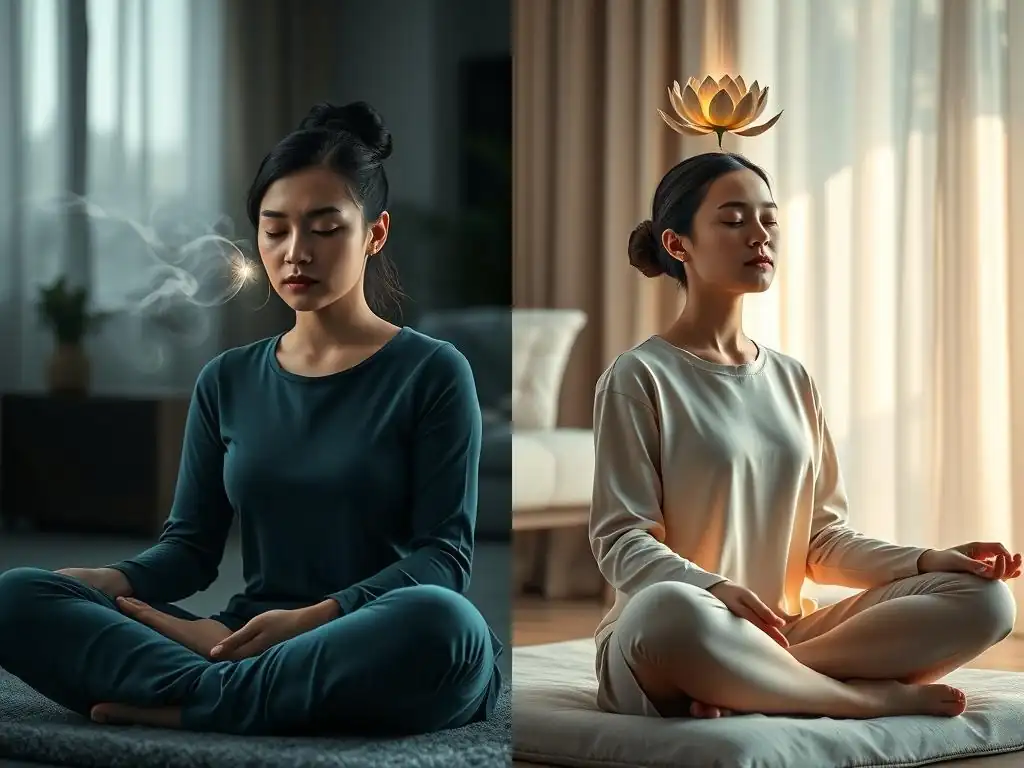
Welcome to Mind Care Guide, a sanctuary for your mental well-being.
Feeling overwhelmed by anxiety? You're not alone. We understand the yearning for peace and clarity, and we're here to help you find it. In this article, we explore the potent practice of meditation, specifically diving into guided meditation anxiety relief. But is guided meditation right for you, or would unguided be a better fit? Discover the nuances and benefits of each approach and unlock the path to inner calm. Your journey to a more peaceful mind starts now.
Meditation Techniques for Anxiety and Stress Reduction: A Comparative Guide
- Guided Meditation for Anxiety and Stress Relief
- Unguided Meditation: Cultivating Inner Peace and Self-Awareness
- Guided Meditation vs. Unguided Meditation: A Detailed Comparison
- Choosing the Right Meditation Technique for Your Needs
- Practical Tips for Starting with Guided Meditation for Anxiety and Stress
- Practical Tips for Starting with Unguided Meditation for Stress Reduction
- Integrating Both Guided and Unguided Meditation into Your Daily Routine
- Deepening Your Practice: Exploring Advanced Meditation Techniques
-
Frequently Asked Questions
- What are the key differences between guided and unguided meditation, especially for anxiety relief?
- How can guided meditation specifically contribute to anxiety relief?
- Is unguided meditation suitable for individuals experiencing anxiety, and if so, under what circumstances?
- How can I determine which meditation style, guided or unguided, is best suited for my individual needs regarding anxiety relief?
- What resources does Mind Care Guide offer for individuals seeking guided meditation anxiety relief?
- Final Reflection: Finding Your Path to Inner Peace Through Meditation
- Unlock Your Inner Peace: Find Your Perfect Meditation Style
Guided Meditation for Anxiety and Stress Relief
What is Guided Meditation and How Does it Work?
Guided meditation involves following instructions provided by a teacher, recording, or app. This guidance leads you through the meditation process, often focusing on breath, bodily sensations, or visualizations. The structure provided by a guide can be particularly helpful for beginners or those whose minds tend to wander frequently. The guide's voice acts as an anchor, gently bringing your attention back whenever it drifts, making it easier to stay present and engage with the practice.
The mechanism behind guided meditation's effectiveness, especially for guided meditation anxiety relief, lies in its ability to shift focus away from anxious thought patterns. By directing attention to specific anchors like the breath or body, it interrupts the cycle of rumination that often fuels anxiety. Furthermore, many guided sessions incorporate techniques like progressive muscle relaxation or visualization of peaceful scenes, which directly counter the physical and emotional manifestations of stress and anxiety. This structured approach simplifies the process, making it accessible and less intimidating for individuals seeking calm.
Benefits of Guided Meditation for Anxiety and Stress Reduction
One of the primary benefits of guided meditation is its accessibility and ease of entry. For someone experiencing significant anxiety, the idea of "just sitting" can feel overwhelming. Guided sessions provide a clear path, reducing the initial barrier to practice. Studies have indicated that even short, regular guided meditation sessions can lead to measurable reductions in stress hormones like cortisol. For instance, research published in journals focusing on complementary therapies has shown participants experiencing a 10-15% decrease in perceived stress levels after just a few weeks of consistent practice.
Beyond stress hormone reduction, guided meditation specifically targets the symptoms of anxiety. By providing techniques like body scans, it helps individuals become more aware of physical tension, a common symptom of anxiety, and learn to release it. Visualization exercises can help cultivate feelings of safety and calm.
Many people find that regular engagement with guided meditation for anxiety relief helps them develop better emotional regulation skills, allowing them to respond to stressful situations with more composure. Anecdotal evidence from users of popular meditation apps often highlights significant improvements in managing panic attacks and general worry after incorporating guided practices into their routine.
Common Types of Guided Meditation: Body Scan, Visualization, and Mindfulness
The body scan is a foundational guided meditation technique where the practitioner is led to systematically bring awareness to different parts of the body, noticing sensations without judgment. This practice helps cultivate present moment awareness and can be particularly effective in grounding individuals experiencing anxiety, which often pulls attention into future worries or past regrets. By focusing on physical sensations, the mind is less likely to engage in anxious thought loops. This technique, often found in guided meditation for anxiety relief resources, helps build a stronger mind-body connection.
Visualization guided meditations involve being led through imaginative scenarios designed to evoke feelings of peace, safety, or strength. This could involve picturing a serene natural setting, a safe internal space, or successfully navigating a challenging situation with calm. Visualization can be a powerful tool for counteracting negative thought patterns and building resilience against stress. Mindfulness-based guided meditations, often rooted in programs like MBSR (Mindfulness-Based Stress Reduction), guide practitioners through observing thoughts, feelings, and sensations as they arise, without getting carried away by them. This cultivates a non-reactive awareness that can significantly reduce the impact of anxious thoughts.
Unguided Meditation: Cultivating Inner Peace and Self-Awareness
What is Unguided Meditation and How Does it Differ from Guided Meditation?
Unguided meditation, also known as silent or self-guided meditation, involves practicing without external instructions. Once you have learned the basic techniques, you sit in silence, directing your own attention according to a chosen method, such as focusing on the breath, observing thoughts, or cultivating loving-kindness. The primary difference from guided meditation is the absence of an external voice or script dictating the practice. This requires the practitioner to take full ownership of their session, deciding where to place their focus and how to respond when the mind wanders.
The evolution from guided to unguided practice often reflects a deepening of one's meditation journey. While guided sessions provide scaffolding, unguided meditation encourages the development of internal discipline and intuition. It allows for a more personal and potentially profound exploration of one's inner landscape, free from external prompts. This style demands greater self-reliance and present-moment awareness, as there's no guide to remind you to return to your anchor. It's a practice of sustained, self-directed attention, fostering a deeper connection with one's own mind and experiences.
Benefits of Unguided Meditation for Reducing Stress and Enhancing Mental Clarity
Unguided meditation can foster a deeper level of self-awareness and introspection compared to guided methods. Without external prompts, practitioners must confront their own internal chatter and patterns of thought and emotion directly. This can lead to profound insights into the root causes of stress and anxiety. As practitioners become more adept at observing their thoughts without judgment, they can develop a greater capacity to detach from stressful narratives, leading to a more sustained reduction in overall stress levels.
Furthermore, unguided practice cultivates a strong sense of mental discipline and focus. The act of consistently bringing the mind back to the chosen anchor without external cues strengthens the attentional muscle. This enhanced focus translates beyond the meditation cushion, improving concentration in daily tasks and reducing the feeling of being overwhelmed by distractions, a common source of stress. Over time, regular unguided meditation can lead to a profound sense of inner peace and clarity, as the mind becomes less turbulent and more settled.
Common Unguided Meditation Techniques: Mindfulness of Breath, Samatha-Vipassana
Mindfulness of Breath (Anapanasati) is one of the most fundamental unguided meditation techniques. It involves simply paying attention to the sensation of the breath entering and leaving the body. There's no effort to control the breath, just to observe its natural rhythm. When the mind wanders, the practitioner gently brings their attention back to the breath. This seemingly simple practice is incredibly powerful for anchoring attention in the present moment and calming the nervous system, offering a direct pathway to stress reduction.
Samatha-Vipassana is a pair of practices often cultivated together in unguided meditation, particularly within Buddhist traditions. Samatha, or "calm abiding," aims to quiet the mind and develop concentration, often using a single object like the breath as an anchor. Vipassana, or "insight meditation," involves observing the nature of reality as it is, noticing the impermanence of thoughts, feelings, and sensations. Practicing both allows for a balance of focused calm and insightful awareness, leading to deeper understanding and freedom from suffering, including the suffering caused by anxiety and stress.
Guided Meditation vs. Unguided Meditation: A Detailed Comparison
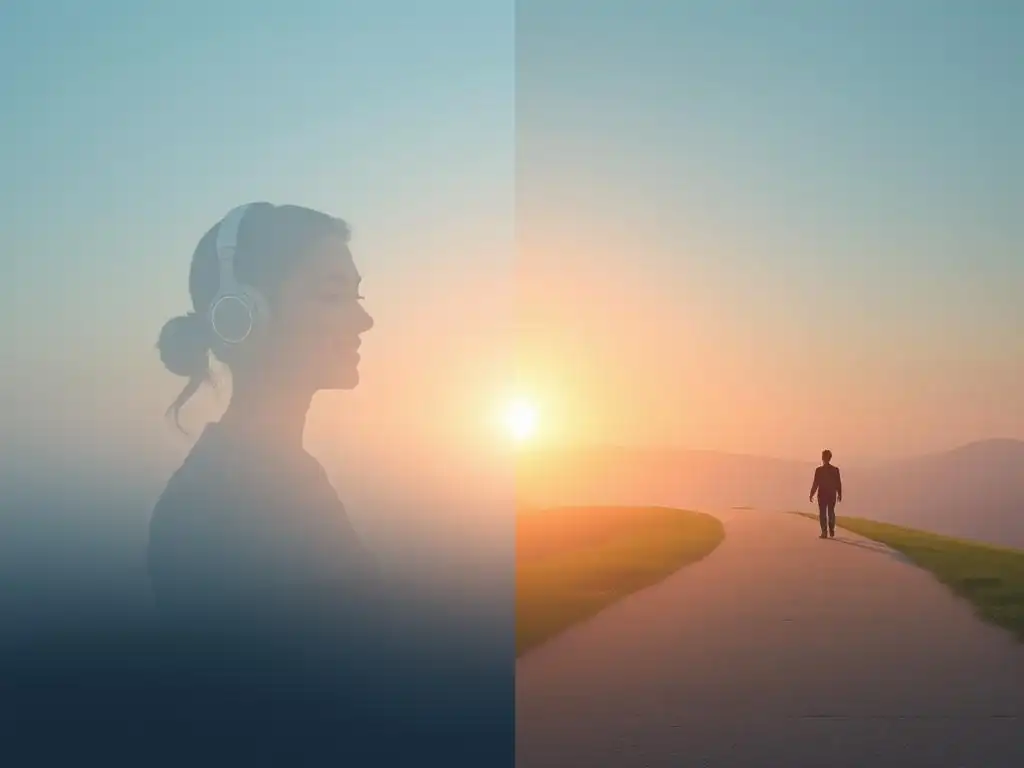
Structure and Focus: Guided vs. Unguided Approaches
The most significant difference between guided and unguided meditation lies in their structure and the locus of control. Guided meditation provides a clear, external structure. The guide dictates the duration, the technique used (e.g., body scan, visualization), and often the pace of the practice. This external structure is beneficial for beginners who may feel lost or unsure how to proceed on their own. The focus is often directed by the guide towards specific themes or techniques designed for relaxation or concentration, such as guided meditation anxiety relief.
Unguided meditation, conversely, relies entirely on internal structure and self-direction. The practitioner chooses the technique, the duration, and manages their own focus. While this offers flexibility and autonomy, it requires prior knowledge of meditation techniques and the discipline to maintain focus without external prompts. The focus in unguided practice is often broader, allowing the practitioner to observe whatever arises in their awareness, whether it's thoughts, emotions, or physical sensations, and work with them according to their chosen method.
Suitability: Which Style Suits Beginners and Experienced Practitioners?
Guided meditation is generally considered ideal for beginners. The instructions alleviate uncertainty and provide a clear starting point. For someone new to meditation or struggling with a very active mind, the guide's voice can be a comforting presence and an effective tool for staying anchored. This makes guided meditation for anxiety relief particularly accessible for individuals seeking immediate tools to manage overwhelming feelings. It reduces the barrier to entry and allows individuals to experience the benefits of meditation relatively quickly.
Unguided meditation is typically better suited for experienced practitioners who have developed a solid foundation in basic techniques and have cultivated a degree of self-discipline and awareness. While some beginners might experiment with short periods of unguided practice, sustained unguided meditation requires the ability to manage distractions and maintain focus independently. Experienced meditators often find that unguided practice allows for deeper personal exploration and a more nuanced understanding of their own minds, facilitating continued growth on their meditation journey.
Anxiety and Stress Reduction: Comparing the Effectiveness of Each Method
Both guided and unguided meditation can be highly effective for reducing anxiety and stress, though they may achieve this through slightly different pathways and suit different individual needs. Guided meditation is often found to provide more immediate relief for acute anxiety or stress because the structured guidance can quickly redirect the mind away from distressing thoughts and towards calming anchors like the breath or body. Specific guided meditation anxiety relief sessions are designed with this immediate effect in mind, often incorporating techniques aimed at rapid relaxation.
Unguided meditation, while potentially more challenging initially, can lead to a more profound and sustained reduction in anxiety and stress over time. By practicing observing the mind's patterns without judgment, individuals develop a greater capacity to relate differently to anxious thoughts and feelings, reducing their power. This can lead to a deeper, more fundamental shift in how stress and anxiety are experienced. While the immediate relief might be less pronounced than a targeted guided session, the long-term benefits of cultivating insight and self-awareness through unguided practice can be significant.
Mental Clarity and Focus: Which Technique Offers the Best Results?
Both styles contribute to enhanced mental clarity and focus, but they do so in distinct ways. Guided meditation, particularly techniques focused on single-pointed concentration or body awareness, helps train the mind to stay focused on a specific object or sensation. This repeated practice of bringing the mind back to the anchor strengthens the neural pathways associated with attention. Many people report feeling more focused and less scattered after regular guided sessions.
Unguided meditation, especially practices like Samatha-Vipassana, often cultivates a different kind of focus – a spacious, open awareness that can hold multiple sensations, thoughts, or feelings without getting lost in them. This develops the capacity for sustained attention and the ability to observe mental content without immediate reaction.
While initial unguided sessions might feel chaotic, persistent practice leads to a profound sense of mental clarity, an ability to see thoughts and emotions more objectively, and improved cognitive function in daily life. The choice between guided and unguided depends on whether the goal is primarily to build focused attention on a specific object or to cultivate a broader, more insightful awareness of the mind's landscape.
Choosing the Right Meditation Technique for Your Needs
Assessing Your Current Mental State and Meditation Goals
Choosing between guided and unguided meditation begins with an honest assessment of your current mental state. Are you experiencing significant, acute anxiety that makes it hard to even sit still? Is your mind constantly racing with worries? If so, starting with guided meditation anxiety relief resources might be the most effective first step. The structure and support provided by a guide can make meditation feel achievable and offer more immediate calming effects. If you are feeling relatively stable but are seeking deeper self-understanding or improved concentration, unguided practice might be a goal to work towards or explore.
Next, consider your specific meditation goals. Are you primarily seeking stress reduction and relaxation? Do you want to develop greater self-awareness and insight into your thought patterns? Is your main aim to improve focus and concentration? For immediate stress and anxiety reduction, guided techniques like body scans or visualizations are often very effective. For cultivating deeper self-awareness and sustained mental clarity, unguided practices like mindfulness of breath or Vipassana may be more suitable in the long run. Setting clear goals helps align your practice with the technique that is most likely to meet your needs.
Factors to Consider When Selecting a Meditation Technique: Time Availability, Environment, and Personal Preferences
Practical factors play a significant role in choosing a meditation style. Consider your time availability: Guided meditations often come in set durations (e.g., 5, 10, 20 minutes), which can be convenient for scheduling. Unguided sessions offer more flexibility in duration, but require you to manage the time yourself. Your environment is also key: If you live in a noisy or distracting environment, a guided meditation with calming music or nature sounds might help block out external noise and create a more conducive atmosphere. Unguided meditation requires you to find or create a quiet space where you can minimize distractions.
Personal preferences are equally important. Some people find the sound of a guide's voice soothing and motivating, while others find it distracting. Experimenting with different guides and voices is recommended if you opt for the guided route. Others prefer the silence and autonomy of unguided practice. Consider what feels most comfortable and sustainable for you. The "best" technique is ultimately the one you will practice consistently, so choose a style that resonates with your personality and current circumstances.
Matching Meditation Styles to Specific Mental Health Challenges: Anxiety, Stress, and Insomnia
For individuals struggling specifically with anxiety, guided meditation anxiety relief is often highly recommended as a starting point. Techniques like body scans help ground anxious energy, while visualizations can create feelings of safety and calm. Mindfulness-based guided practices teach skills for observing anxious thoughts without getting overwhelmed. A study published in the Journal of Consulting and Clinical Psychology found that mindfulness-based interventions, which often include guided practices, led to significant reductions in generalized anxiety disorder symptoms, comparable to some traditional therapies.
For general stress reduction, both guided and unguided methods are effective. Guided practices can offer quick relaxation techniques, while unguided mindfulness of breath can build resilience to daily stressors over time. For insomnia, guided meditations specifically designed for sleep, often incorporating body scans or progressive muscle relaxation, can be very beneficial. Unguided practices that promote deep relaxation and quiet the mind can also aid sleep. The key is often consistency; regular practice of either style can regulate the nervous system and improve sleep quality.
Practical Tips for Starting with Guided Meditation for Anxiety and Stress
Finding Reliable Guided Meditation Resources: Apps, Websites, and Podcasts
The digital age has made guided meditation anxiety relief incredibly accessible. Numerous smartphone apps offer extensive libraries of guided meditations, often categorized by duration, theme (like anxiety, sleep, focus), and style. Popular apps include Headspace, Calm, Insight Timer, and Ten Percent Happier. Many of these offer free introductory courses or a selection of free sessions, allowing you to sample different styles and guides.
Beyond apps, many websites dedicated to mindfulness and mental health offer free guided meditations. Non-profit organizations and meditation centers also often provide recordings online. Podcasts are another excellent resource, with many offering regular guided meditation episodes. When choosing a resource, look for clear audio, a voice you find soothing, and content that aligns with your goals, such as specific sessions labeled for anxiety or stress reduction. Reading reviews or trying a few different sources can help you find what works best for you.
Creating a Comfortable and Peaceful Meditation Environment
While you can meditate anywhere, creating a dedicated space can significantly enhance your practice of guided meditation for anxiety relief. Choose a quiet location where you are unlikely to be interrupted. This doesn't need to be a grand meditation room; a corner of a bedroom, a quiet spot in a living room, or even a comfortable chair can suffice. Inform others in your household that you need quiet time.
Comfort is key. Find a comfortable seated position, either on a cushion on the floor or in a chair, with your spine relatively straight but not rigid. You might want to use a blanket or shawl to stay warm. Dim lighting or natural light can be calming. Some people find it helpful to use headphones to minimize external noise and focus solely on the guide's voice. The goal is to create an environment that supports relaxation and minimizes physical distractions, allowing you to fully engage with the guided practice.
Overcoming Common Challenges in Guided Meditation: Wandering Thoughts, Physical Discomfort
One of the most common challenges, especially when using guided meditation for anxiety relief, is a wandering mind. It's completely normal for thoughts to arise during meditation. The key is not to judge yourself for it, but to gently notice where your mind has gone and kindly bring your attention back to the guide's voice or the anchor they suggest (like the breath or body). Think of it as strengthening a muscle; each time you notice your mind has wandered and return it, you are building your capacity for focus.
Physical discomfort can also arise, whether it's restlessness, itching, or aches. Guided meditations often encourage you to notice these sensations without immediately reacting. Sometimes, the guide will suggest gently adjusting your posture if needed. If discomfort is significant, it's okay to make a small movement. The practice is about cultivating awareness and patience, not enduring pain unnecessarily. If you find yourself consistently uncomfortable, try adjusting your posture or the surface you are sitting on for future sessions.
Practical Tips for Starting with Unguided Meditation for Stress Reduction
Preparing Your Mind for Unguided Meditation
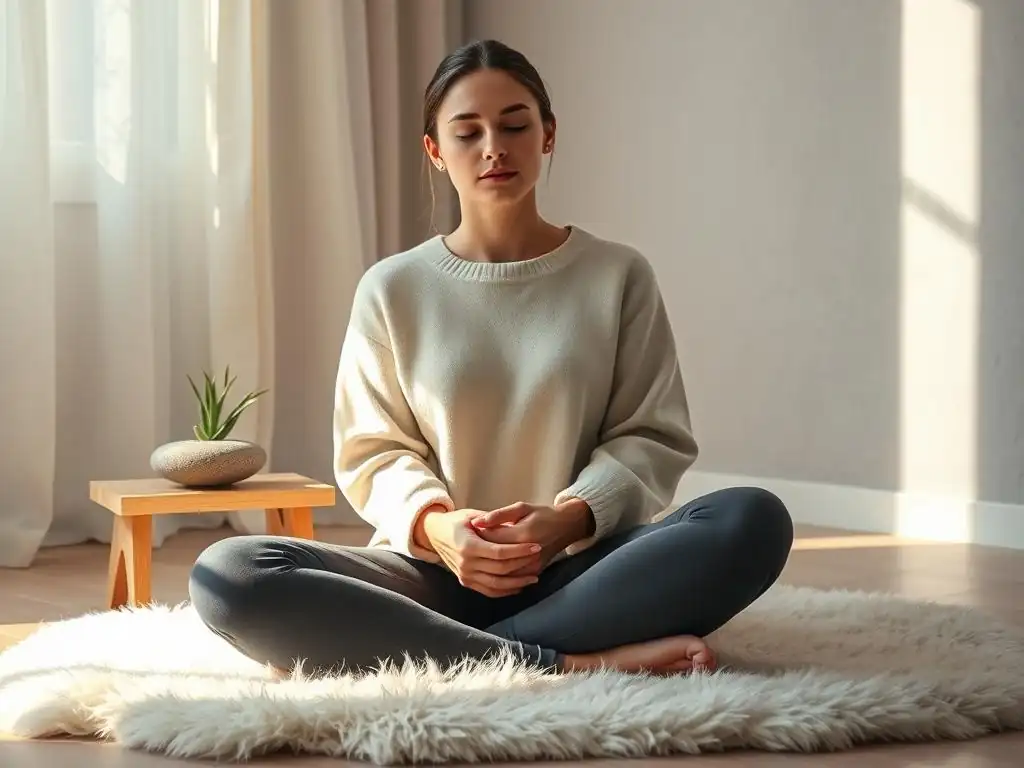
Starting unguided meditation requires a slightly different preparation than guided practice. Since there's no external voice to guide you, it's helpful to set a clear intention before you begin. Decide on the technique you will practice (e.g., mindfulness of breath) and how long you will sit. Setting a timer is essential so you don't have to worry about the duration during the practice itself. This preparation helps establish a framework for your session.
It can also be beneficial to engage in a brief transitional activity before sitting, such as a few deep breaths, gentle stretching, or a short walk. This helps signal to your mind and body that you are shifting gears and preparing for a period of stillness and introspection. Clearing your immediate space of clutter and distractions can also help prepare your mental space. The goal is to create a sense of readiness and commitment to the practice without the external support of a guide.
Techniques to Maintain Focus During Unguided Meditation Sessions
Maintaining focus in unguided meditation is a core part of the practice. The most common technique is using an anchor, such as the breath. When you notice your mind has wandered (and it will! ), simply acknowledge the thought without judgment and gently return your attention to the sensation of breathing. This process of noticing and returning is the essence of building concentration and mindfulness.
Another technique is labeling thoughts or sensations. For example, if you notice a thought about work, you might mentally label it "thinking" and return to the breath. If you feel restlessness, you might label it "restlessness." This creates a little distance from the mental content and helps you observe it rather than getting swept away by it. For longer sessions, you might choose to alternate between different anchors, such as starting with the breath and then shifting to sounds or body sensations, but it's generally best to stick to one primary anchor per session, especially when starting.
Monitoring Your Progress and Adjusting Your Approach
Progress in unguided meditation isn't measured by how "empty" your mind is, but by your increasing awareness of your mental patterns and your ability to relate to them with greater ease and less reactivity. After each session, take a moment to notice what you experienced. Did you find it challenging? Were there moments of calm? What types of thoughts arose most frequently? Keeping a simple meditation journal can be helpful for tracking these observations over time.
As you gain experience, you might find it beneficial to adjust your approach. Perhaps you started with 5 minutes of mindfulness of breath and now feel ready to extend to 10 or 15 minutes. You might explore incorporating other techniques like loving-kindness meditation once you feel comfortable with your primary anchor. If you consistently struggle with a particular challenge, like strong emotions or persistent distraction, you might seek guidance from an experienced teacher or consider revisiting some guided sessions focused on those specific challenges. Flexibility and self-compassion are key to a sustainable unguided practice.
Integrating Both Guided and Unguided Meditation into Your Daily Routine
Combining Techniques for a Holistic Approach to Mindfulness
Many practitioners find that integrating both guided and unguided meditation offers the most comprehensive benefits for mental well-being, including guided meditation anxiety relief. Guided sessions can be excellent for learning new techniques, receiving support during challenging times, or simply when you feel low on energy and need external guidance. They can also provide targeted practice for specific issues like anxiety, stress, or sleep.
Unguided practice, on the other hand, cultivates deeper self-reliance, insight, and a more organic connection with your inner experience. By practicing both, you leverage the strengths of each approach. You might use a guided session in the morning to set a positive tone or target a specific intention, and then incorporate a period of unguided mindfulness later in the day to simply be present with whatever is arising. This dual approach fosters both directed focus and open awareness, creating a more robust and flexible mindfulness practice.
Creating a Personalized Meditation Schedule
Developing a consistent meditation routine is more important than the duration of individual sessions. Start small, perhaps with 5-10 minutes daily, and gradually increase the time as you feel comfortable. Experiment with different times of day to see what works best for your schedule and energy levels. Some prefer meditating first thing in the morning to set a calm tone, while others find it helpful in the evening to wind down.
Decide how you want to incorporate both guided and unguided practices. You might alternate days, using guided sessions on Monday, Wednesday, and Friday, and unguided on Tuesday and Thursday. Or you might use guided sessions during the week when time is tight and opt for longer unguided sits on weekends. The key is to create a schedule that is realistic and sustainable for your lifestyle. Even a few minutes of mindful practice each day can make a significant difference in managing stress and anxiety.
Long-Term Benefits of Consistent Meditation Practice for Mental Well-being
Consistent meditation practice, whether guided, unguided, or a combination, yields profound long-term benefits for mental well-being. Regular engagement rewires the brain, increasing grey matter density in areas associated with learning, memory, and emotional regulation, while potentially decreasing it in the amygdala, the brain's fear center. This neurobiological change underlies the reduced reactivity to stress and anxiety that many long-term meditators experience.
Beyond brain changes, consistent practice cultivates resilience, emotional intelligence, and a greater capacity for joy and equanimity. It helps individuals develop a more compassionate relationship with themselves and others. While guided meditation anxiety relief can provide immediate coping tools, the cumulative effect of consistent practice builds a deep well of inner peace and stability that can navigate life's challenges with greater ease and grace, fostering lasting mental wellness.
Deepening Your Practice: Exploring Advanced Meditation Techniques
Exploring Different Types of Advanced Meditation: Transcendental Meditation, Vipassana
Once you have established a regular meditation practice, you might feel drawn to explore more advanced techniques. Transcendental Meditation (TM) is a specific form of mantra-based meditation practiced for 15-20 minutes twice daily. It involves silently repeating a specific mantra provided by a certified teacher. TM is known for its deep relaxation effects and has been studied for its impact on stress, anxiety, and cardiovascular health. It differs from mindfulness in that it focuses on transcending thought rather than observing it.
Vipassana, often taught in intensive retreat settings, is an insight practice that involves observing the body and mind with equanimity, noticing the impermanent nature of all phenomena. While mindfulness of breath is a preliminary Vipassana technique, the full practice involves systematically scanning the body and observing sensations without reaction, aiming to purify the mind of deep-seated patterns. Both TM and traditional Vipassana represent significant commitments and often require in-person instruction to learn correctly.
Seeking Guidance from Experienced Meditation Teachers
As your practice deepens, especially when exploring advanced techniques or navigating challenges, seeking guidance from an experienced meditation teacher can be invaluable. A teacher can provide personalized instruction, clarify doubts, and offer support as you encounter deeper aspects of the mind. They can help you refine your technique, understand the theoretical underpinnings of the practice, and guide you through difficult experiences that may arise.
Finding a qualified teacher, perhaps through a local meditation center, retreat organization, or reputable online platform, can accelerate your progress and ensure you are practicing safely and effectively. While apps and online resources are excellent for starting and maintaining a basic practice like guided meditation anxiety relief, the wisdom and experience of a living teacher offer a unique dimension to the journey towards profound mental clarity and well-being.
Frequently Asked Questions
What are the key differences between guided and unguided meditation, especially for anxiety relief?
Guided meditation provides verbal cues and direction, while unguided meditation requires self-regulation and focus. For anxiety, guided meditation offers structure which can be easier for beginners.
How can guided meditation specifically contribute to anxiety relief?
Guided meditation offers structured relaxation, helping to focus attention away from anxious thoughts. The narrative can provide comforting imagery and affirmations.
Is unguided meditation suitable for individuals experiencing anxiety, and if so, under what circumstances?
Unguided meditation can be beneficial for experienced meditators who have developed strong self-regulation skills. However, it may be challenging for those with high anxiety levels initially.
How can I determine which meditation style, guided or unguided, is best suited for my individual needs regarding anxiety relief?
Experiment with both styles to see which feels more comfortable and effective. Consider your experience level and the severity of your anxiety symptoms.
What resources does Mind Care Guide offer for individuals seeking guided meditation anxiety relief?
Mind Care Guide provides articles, guided audio recordings, and links to other resources focused on anxiety management through meditation practices.
Final Reflection: Finding Your Path to Inner Peace Through Meditation
The quest for effective anxiety relief is a universal one, and the growing popularity of meditation highlights its potential as a powerful tool. This exploration of guided versus unguided meditation reveals that the "best" style isn't a one-size-fits-all answer, but rather a deeply personal journey of self-discovery. Understanding the nuances of each approach empowers individuals to tailor their practice to their specific needs and preferences, ultimately leading to a more effective and sustainable path toward inner calm.
The impact of meditation on our increasingly stressed-out society cannot be overstated. It's a gentle yet profound rebellion against the relentless demands of modern life, offering a sanctuary for the mind and a pathway to emotional resilience. The mind is everything. What you think you become.
– Buddha. This ancient wisdom resonates powerfully today, as we recognize the profound connection between our mental state and our overall well-being. The choice between guided and unguided meditation reflects this personal journey of self-understanding, a process of learning to listen to the inner voice and discover what truly nurtures the soul.
Now, consider your own experience with stress and anxiety. Which aspects of guided or unguided meditation resonate most deeply with you? Take the time to experiment, to explore the different approaches, and to discover the method that best supports your unique needs. Don't be afraid to switch between styles, to adapt your practice as your life evolves. The journey towards inner peace is a continuous process of growth and self-discovery, and meditation, in all its forms, can be your steadfast companion on this path.
Unlock Your Inner Peace: Find Your Perfect Meditation Style
Thanks for taking the time to explore the world of meditation with us! We hope you gained a clearer understanding of the differences between guided and unguided practices. Now it's time to put that knowledge into action.
- Begin your personalized meditation journey: Choose the style that resonates most with you—guided for structure and support, or unguided for deeper self-discovery—and dedicate just 5 minutes today to a quiet practice. This small step can make a big difference!
- Share your experience: Tell us (or a friend!) about your first meditation session. What did you notice? What challenges or joys did you encounter? Sharing your journey can inspire others.
- Explore different guided meditations: Try experimenting with various guided meditation styles—from loving-kindness to mindfulness of breath—to discover what best suits your needs and preferences.
So, which path will you choose to embark on—guided or unguided? And what will be the first thing you notice during your meditative practice?