
From Turmoil to Tranquility: The Reflection Journey

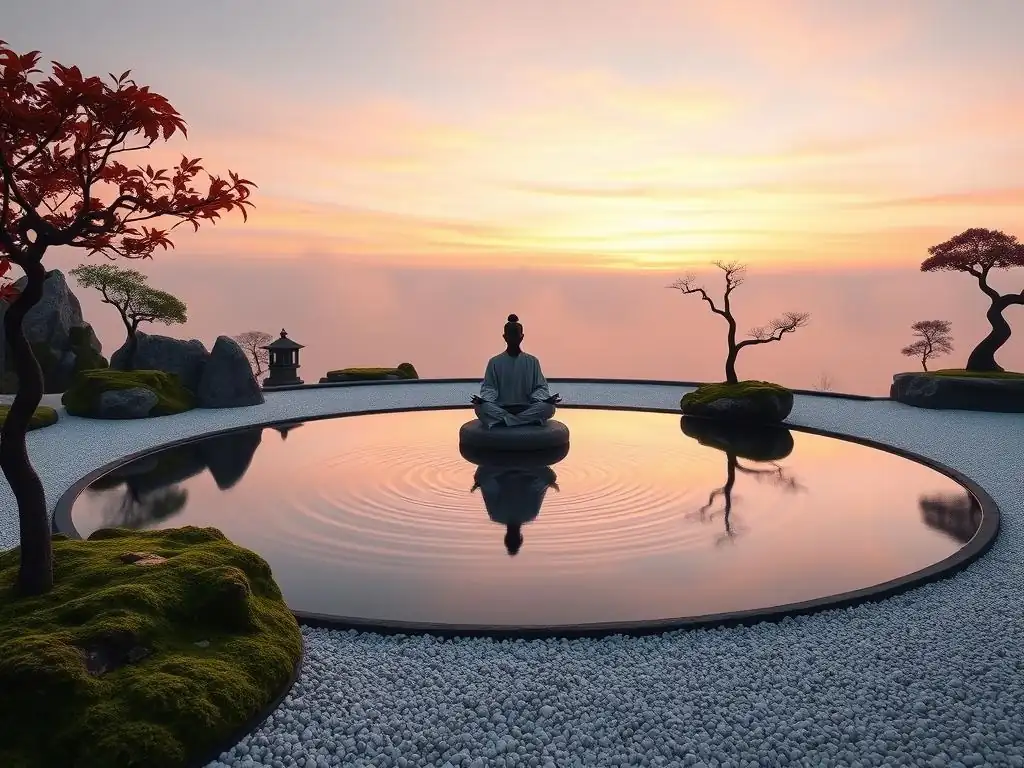
Welcome to Mind Care Guide, a sanctuary for your mental well-being.
Feeling overwhelmed by the chaos of modern life? It's more common than you think. In this space, we understand the struggles you face and offer a guiding hand on your path to a more balanced and peaceful existence. Start your journey now by exploring finding inner peace techniques in our featured article, "From Turmoil to Tranquility: The Reflection Journey." Discover practical strategies and insights to quiet the noise and reconnect with your inner self. Are you ready to begin?
From Turmoil to Tranquility: The Reflection Journey
- Introduction: Embracing Reflection for Mental Well-being
- Understanding Inner Peace: The Foundation of Tranquility
- Finding Inner Peace Techniques: A Comprehensive Guide
- Reflection as a Tool for Self-Discovery
- Overcoming Obstacles to Reflection
- Advanced Techniques for Finding Inner Peace
- Integrating Reflection into Your Daily Routine
- The Long-Term Benefits of Regular Reflection
- Seeking Support and Guidance on Your Reflection Journey
- Conclusion: Embracing the Journey to Inner Peace Through Reflection
-
Frequently Asked Questions
- What are some basic finding inner peace techniques I can start with today?
- How does "The Reflection Journey" differ from other approaches to finding inner peace?
- Is it possible to find inner peace even when dealing with significant stress or trauma?
- How long does it typically take to find inner peace using these methods?
- Where can I find more resources and support for finding inner peace techniques?
- Final Reflection: Cultivating Inner Peace in a Turbulent World
- Unveil Your Inner Peace: Take the Next Step
Introduction: Embracing Reflection for Mental Well-being
The Importance of Reflection in a Stressful World
In today's fast-paced world, the constant barrage of information, demands, and expectations can leave many feeling overwhelmed and adrift. Stress levels have significantly risen globally; for instance, reports indicate that a substantial percentage of adults across various countries experience moderate to high levels of stress regularly. This pervasive stress isn't just a fleeting feeling; it impacts our mental and physical health profoundly, contributing to anxiety, depression, sleep disturbances, and even physical ailments.
Amidst this chaos, reflection emerges not as a luxury, but as a vital practice for navigating the complexities of modern life and maintaining mental equilibrium. It provides a pause button, a moment to step back from the relentless current and gain perspective.
Reflection allows us to process our experiences, understand our reactions, and identify the sources of our stress and discomfort. Without dedicated time for introspection, we risk living on autopilot, reacting impulsively to external pressures without conscious thought or intention. This lack of awareness can perpetuate cycles of negative thinking and emotional turmoil.
By intentionally engaging in reflective practices, we cultivate a deeper understanding of ourselves, our emotions, and our place in the world. This self-awareness is the first critical step in managing stress effectively and moving towards a state of greater tranquility. It's about shifting from a reactive state to a more responsive and intentional way of being.
Mind Care Guide's Approach to Spiritual Practices for Mental Health
Mind Care Guide recognizes that mental well-being is a holistic endeavor, encompassing not just psychological strategies but also spiritual dimensions. Our approach to spiritual practices, including prayer and reflection, is grounded in the understanding that these ancient techniques can offer profound benefits for mental health, complementing clinical and therapeutic interventions. We view reflection as a powerful tool for self-discovery, emotional processing, and connecting with one's inner self or higher purpose, regardless of specific religious beliefs. It's about finding meaning, cultivating gratitude, and fostering a sense of connection that transcends the material world.
Our guidance on spiritual practices is designed to be accessible and inclusive, providing practical methods that individuals can integrate into their lives to support their mental health journey. We aim to demystify these practices, presenting them as valuable techniques for stress reduction, emotional resilience, and cultivating inner peace.
For example, incorporating a simple 10-minute daily reflection can significantly reduce reported stress levels over time, as shown in various wellness studies. By exploring practices like reflective journaling or mindful contemplation, individuals can build a personal toolkit for navigating challenges and fostering a deeper sense of calm and clarity, ultimately contributing to their overall mental and emotional well-being.
Understanding Inner Peace: The Foundation of Tranquility
What Does Inner Peace Really Mean?
Inner peace is often described as a state of mental and emotional calmness, free from worry, fear, and disturbing thoughts. It's not the absence of external problems or challenges, but rather the ability to remain centered and grounded amidst them. Think of it like the deep ocean floor – while the surface may be turbulent with waves and storms, the depths remain quiet and still.
Achieving inner peace means finding that stillness within yourself, regardless of the circumstances swirling around you. It's a profound sense of contentment and acceptance, both of oneself and of the world as it is. This state is often associated with reduced physiological stress markers, such as lower cortisol levels and blood pressure.
This state is cultivated through conscious effort and practice, not stumbled upon by accident. It involves letting go of the need to control everything, accepting what cannot be changed, and focusing on the present moment. It is a feeling of being at ease with oneself, free from the internal conflict that often arises from past regrets or future anxieties.
While the concept can seem abstract, its effects are tangible: improved sleep quality, enhanced emotional regulation, and a greater capacity for joy and gratitude. Finding inner peace techniques are therefore focused on practical methods to cultivate this internal state, making it accessible to everyone.
The Connection Between Inner Peace and Mental Health
The link between inner peace and mental health is deeply intertwined and bidirectional. A state of inner peace acts as a protective buffer against mental health challenges like anxiety and depression. When you possess inner calm, you are better equipped to handle stressors without becoming overwhelmed.
Your emotional resilience is higher, allowing you to bounce back from setbacks more effectively. Conversely, poor mental health often manifests as internal turmoil – persistent worry, intrusive negative thoughts, emotional instability, and a pervasive sense of unease. Studies have shown that individuals reporting higher levels of inner peace also report lower incidences of anxiety disorders and depressive symptoms.
Cultivating inner peace actively supports positive mental health by fostering a more optimistic outlook, improving self-esteem, and enhancing your ability to form healthy relationships. When you are at peace within yourself, you are less likely to seek external validation or be driven by fear and insecurity. This internal stability allows for clearer thinking, better decision-making, and a greater capacity for compassion towards oneself and others. Techniques aimed at finding inner peace techniques are essentially practices that strengthen this internal foundation, leading to improved emotional regulation, reduced rumination, and an overall sense of well-being.
Recognizing the Signs of Inner Turmoil
Recognizing the signs of inner turmoil is the first step towards addressing it and beginning the journey towards tranquility. These signs can manifest in various ways, both emotionally and physically. Emotionally, you might experience persistent anxiety, irritability, restlessness, or a pervasive sense of dissatisfaction.
You might find yourself constantly worrying about the future, dwelling on past mistakes, or feeling overwhelmed by everyday challenges. For example, someone experiencing inner turmoil might lie awake at night consumed by racing thoughts about work or personal issues, even when there's nothing immediate to be done. This internal unrest can feel like a constant buzzing or a heavy weight in your chest.
Physically, inner turmoil can show up as tension headaches, digestive issues, fatigue, or difficulty sleeping. Behavioral signs might include withdrawing from social activities, increased reliance on coping mechanisms like excessive eating or substance use, procrastination, or difficulty concentrating. If you find yourself constantly seeking external distractions to avoid being alone with your thoughts, or if small inconveniences trigger disproportionate emotional reactions, these could be indicators of underlying inner turmoil. Acknowledging these signs without judgment is crucial; it opens the door to exploring strategies for finding inner peace techniques that can help alleviate this internal suffering.
Finding Inner Peace Techniques: A Comprehensive Guide
Guided Meditation for Inner Peace: A Step-by-Step Approach
Guided meditation is a powerful tool for cultivating inner peace, particularly for beginners who may find it challenging to quiet their minds independently. It involves following instructions from a teacher or recording, which guides you through a process of relaxation, focus, and self-awareness. A typical guided meditation session might begin with instructions to find a comfortable posture, either sitting or lying down, and gently close your eyes.
The guide will then lead you through breathing exercises, focusing on the sensation of breath entering and leaving your body. This initial focus helps to anchor your attention and draw you into the present moment.
The next steps often involve a body scan, where you are guided to bring your awareness to different parts of your body, noticing any sensations without judgment. This practice helps release physical tension, which is often a manifestation of inner turmoil. The guide might then introduce visualizations, such as imagining a peaceful place, or offer prompts for reflection on qualities like compassion or acceptance.
The key throughout is to observe thoughts and feelings as they arise without getting caught up in them, gently returning your focus to the guide's voice or your breath. Regular practice, even just 10-15 minutes daily, can significantly reduce feelings of stress and increase reported levels of calm over a period of weeks or months.
Journaling for Self-Reflection and Emotional Clarity
Journaling is a deeply personal and effective method for self-reflection and gaining emotional clarity. It involves writing down your thoughts, feelings, and experiences in a private space. The act of transferring your internal world onto paper can help externalize emotions, making them easier to examine and understand.
This process can reveal patterns in your thinking, identify triggers for stress or negative emotions, and provide insights into your values and beliefs. For example, keeping a journal for just a week might reveal that your anxiety spikes consistently after specific interactions or during particular times of the day, offering concrete data points for change.
Regular journaling fosters self-awareness by creating a record of your emotional landscape over time. It allows you to track your moods, understand what influences them, and process difficult experiences. Unlike talking to someone, there's no filter or judgment when journaling; you can be completely honest with yourself. This uninhibited expression is crucial for releasing pent-up emotions and gaining perspective. Many find that simply writing down their worries can diminish their power. Consistent journaling, perhaps daily for 5-10 minutes, has been linked to reduced symptoms of depression and anxiety in various studies focusing on expressive writing as a therapeutic tool.
Prompts for Deep Self-Reflection
Sometimes, staring at a blank page can be daunting. Using prompts can help initiate the journaling process and guide your self-reflection towards specific areas. Prompts act as gentle nudges, encouraging you to explore aspects of your inner world you might not have considered otherwise. Examples include: * "What am I grateful for today?
"* This prompt shifts focus to positive aspects of life, counteracting negativity. * "What emotion am I feeling right now, and what might be the source of it? "* This encourages emotional identification and exploration. * "If I could offer my past self one piece of advice, what would it be?
"* This fosters perspective and self-compassion. * "What challenge am I currently facing, and what is one small step I can take to address it? "* This promotes problem-solving and agency. Using a variety of prompts can lead to a more comprehensive understanding of yourself and your journey towards finding inner peace techniques.
Other effective prompts might delve into values: * "What are my core values, and am I living in alignment with them? "* Or focus on future aspirations: * "What does a peaceful day look and feel like for me? "* Reflecting on relationships is also valuable: * "What qualities do I appreciate in the people around me, and how can I express that appreciation?
"* Even seemingly simple prompts like * "What brought me joy today? "* can highlight positive moments often overlooked. Dedicating specific journal entries to exploring these questions allows for focused introspection and can uncover surprising insights about your desires, fears, and strengths.
Benefits of Regular Journaling
The benefits of regular journaling extend far beyond simply recording events. One significant advantage is stress reduction; the act of writing can be cathartic, releasing tension and helping you process stressful situations. A study involving college students found that expressive writing about traumatic experiences led to fewer stress-related doctor visits. Journaling also improves emotional intelligence by helping you identify and understand your feelings, making you better equipped to manage them. It can enhance problem-solving skills by allowing you to view challenges from different perspectives and brainstorm solutions.
Furthermore, regular journaling boosts self-awareness, helping you recognize patterns in your thoughts, behaviors, and relationships. This increased awareness is crucial for personal growth and making conscious choices that align with your values. It can also improve memory and comprehension by solidifying experiences and thoughts on paper. Over time, your journal becomes a valuable record of your personal journey, highlighting your growth, resilience, and progress in finding inner peace techniques. It serves as a tangible reminder of how far you've come and the insights you've gained along the way.
Mindfulness Practices for Cultivating Inner Calm
Mindfulness is the practice of bringing your full attention to the present moment, without judgment. It's about observing your thoughts, feelings, and sensations as they arise, without getting caught up in them. Cultivating mindfulness is a foundational practice for finding inner peace techniques because it trains your mind to resist the pull of past regrets and future anxieties, anchoring you in the here and now. This present-moment awareness reduces rumination and allows you to experience life more fully. Even short bursts of mindful awareness throughout the day can interrupt stress responses and promote a sense of calm.
Regular mindfulness practice can literally change your brain. Research using fMRI scans has shown that consistent mindfulness meditation can lead to increased gray matter density in areas associated with learning, memory, emotion regulation, and empathy, while decreasing density in the amygdala, the brain's fear center. This physical change underscores the power of mindfulness in rewiring our brains for greater peace and resilience. Integrating simple mindfulness exercises into your daily routine can have a profound impact on your ability to manage stress, improve focus, and cultivate a deeper sense of inner calm.
Practicing Mindful Breathing
Mindful breathing is one of the simplest yet most effective mindfulness practices. It involves paying deliberate attention to the sensation of your breath as it enters and leaves your body. You don't need to change your breathing pattern, just observe it.
Find a comfortable position, close your eyes if you wish, and gently bring your attention to your breath. Notice the rise and fall of your chest or abdomen, the feeling of air passing through your nostrils, or any other physical sensation associated with breathing. When your mind wanders, which it inevitably will, simply notice the thought without judgment and gently guide your attention back to your breath.
This practice, even for just a few minutes, can interrupt the stress response and activate the body's relaxation response. Focusing on the breath anchors you to the present moment, pulling you away from anxious thoughts about the future or ruminations about the past. Regular practice of mindful breathing, perhaps for 5-10 minutes daily, builds your capacity to stay present and calm even in challenging situations.
It's a portable tool for finding inner peace techniques that you can use anywhere, anytime you feel overwhelmed or stressed. Consistent engagement with mindful breathing trains your attention and cultivates a sense of steady calm.
Body Scan Meditation for Stress Reduction
The body scan meditation is a practice that involves systematically bringing your awareness to different parts of your body, from your toes to the crown of your head. The purpose is to notice any physical sensations – tension, tingling, warmth, coolness, or lack thereof – without trying to change or judge them. As you focus on each area, you simply observe what is present in that moment. This practice helps you become more attuned to your body's signals, recognizing where you hold tension and how stress manifests physically.
By bringing non-judgmental awareness to physical sensations, the body scan helps release accumulated tension and promotes deep relaxation. It also grounds you firmly in the present moment, drawing your attention away from mental chatter. This practice can be particularly helpful for individuals who experience stress physically, such as muscle tension or headaches. A typical body scan might last 20-30 minutes, but shorter versions are also effective. Regular engagement with body scan meditation, even a few times a week, can significantly reduce overall stress levels and improve body awareness, contributing to your journey of finding inner peace techniques.
The Power of Nature: Connecting with the Earth for Serenity
Connecting with nature is a powerful and often overlooked method for cultivating serenity and finding inner peace techniques. Spending time outdoors, whether in a park, forest, by the water, or even in a small garden, has been shown to reduce stress, lower blood pressure, and improve mood. The natural world offers a sense of perspective, reminding us of something larger than ourselves and our immediate worries.
The sights, sounds, and smells of nature can be deeply calming and restorative. For example, studies have found that spending just 20 minutes in a park setting can reduce cortisol levels, the body's primary stress hormone.
Engaging with nature mindfully enhances its benefits. This could involve taking a slow, deliberate walk and paying attention to the details around you – the texture of a leaf, the sound of birdsong, the feeling of the breeze on your skin. It might involve sitting quietly and simply observing the natural world unfolding.
This conscious connection helps to ground you in the present moment and provides a respite from the demands of daily life. Incorporating regular "nature breaks" into your routine, even short ones, can significantly contribute to your sense of calm and overall well-being, offering a natural path on your quest for finding inner peace techniques.
Reflection as a Tool for Self-Discovery

Understanding Your Values and Beliefs Through Reflection
Reflection is an invaluable tool for excavating and understanding your core values and beliefs – the fundamental principles that guide your actions and shape your worldview. In the rush of daily life, we often operate on autopilot, making decisions based on habit or external pressures rather than conscious alignment with what truly matters to us. Taking time to reflect allows you to identify what you stand for, what is important to you, and what principles you want to live by.
For instance, dedicating a journaling session to answering the question, "What qualities do I admire most in others, and how do those relate to how I want to live?" can reveal deeply held values like integrity, kindness, or perseverance.
Understanding your values provides a compass for navigating life's choices and challenges. When your actions are aligned with your values, you experience a sense of authenticity and purpose, which contributes significantly to inner peace. Conversely, acting against your values can lead to internal conflict and dissatisfaction. Reflection helps you identify areas where there might be a disconnect between your values and your current behavior, allowing you to make intentional adjustments. This process of clarifying and living in accordance with your values is a fundamental aspect of finding inner peace techniques and building a life of meaning.
Identifying and Challenging Negative Thought Patterns
Our thoughts have a powerful impact on our feelings and behaviors. Negative thought patterns, such as catastrophizing, black-and-white thinking, or excessive self-criticism, are significant contributors to inner turmoil and can sabotage efforts towards finding inner peace techniques. Reflection provides the space to observe these patterns without judgment and begin to challenge their validity. By journaling about specific situations that triggered negative thoughts, you can identify recurring themes and distorted thinking styles. For example, reflecting on a mistake at work might reveal a pattern of telling yourself, "I always mess everything up," a clear sign of overgeneralization.
Once identified, reflection allows you to question these negative thoughts. Are they based on facts, or are they assumptions and interpretations? What evidence supports or refutes this thought? What would a more balanced or compassionate perspective be? This process of cognitive restructuring, facilitated through reflection, weakens the power of negative thoughts and allows you to replace them with more realistic and helpful ones. Consistently challenging these patterns through reflective practices is crucial for shifting your internal landscape and fostering a more positive and peaceful mindset.
Cultivating Self-Compassion Through Reflective Practices
Self-compassion involves treating yourself with the same kindness, understanding, and acceptance you would offer a dear friend who is struggling. It is a vital component of inner peace, yet it is often difficult for individuals caught in cycles of self-criticism. Reflective practices offer a powerful pathway to cultivate self-compassion. Through journaling, you can explore your inner critic's voice, recognizing its harshness and irrationality.
You can write letters to yourself from a compassionate perspective, acknowledging your pain and offering words of comfort and encouragement. For instance, after a difficult day, reflecting on the prompt, "How would I talk to a friend going through this?" can highlight the stark difference between how you treat yourself and how you treat others.
Mindful reflection allows you to observe moments of suffering or perceived failure without judgment, recognizing that imperfection is part of the human experience. It helps you see that you are not alone in your struggles and that suffering is a universal experience. By consciously choosing to respond to your difficulties with kindness rather than harsh self-criticism, you build resilience and foster a more nurturing relationship with yourself. This cultivation of self-compassion through consistent reflective practice is a fundamental step in healing inner wounds and truly finding inner peace techniques.
Overcoming Obstacles to Reflection
Dealing with Distractions and Interruptions
In our hyper-connected world, distractions and interruptions are constant adversaries to dedicated reflection time. Notifications ping, emails arrive, and the urge to check social media can feel overwhelming. The first step in dealing with these obstacles is acknowledging their presence and impact. Then, it requires creating physical and temporal boundaries. This might involve turning off notifications on your phone and computer, letting family members or colleagues know you need uninterrupted time, or finding a quiet space where you are less likely to be disturbed. Even dedicating just 15-20 minutes without external input can make a significant difference.
Establishing a routine can also help minimize interruptions. By scheduling reflection time at a consistent point in your day – perhaps early in the morning before the demands begin, or late in the evening once things have settled down – you signal its importance and make it a non-negotiable part of your schedule. If complete isolation isn't possible, noise-canceling headphones or calming music can help create a mental barrier against external noise. The key is to be intentional about protecting your reflection time, recognizing its value in your pursuit of finding inner peace techniques.
Addressing Resistance to Self-Reflection
Resistance to self-reflection is a common obstacle, often stemming from fear of what might be uncovered. We might worry about confronting uncomfortable emotions, past mistakes, or painful truths about ourselves or our lives. This resistance can manifest as procrastination, feeling "too busy," or simply finding excuses to avoid sitting with our thoughts. Acknowledging this resistance without judgment is crucial. Understand that it's a natural protective mechanism, but one that ultimately hinders growth and the ability to find inner peace techniques.
One way to address resistance is to start small. Don't feel pressured to delve into your deepest traumas immediately. Begin with lighter topics, such as reflecting on your day, things you're grateful for, or simple observations. Make reflection a gentle exploration rather than a daunting excavation.
Setting a timer for just 5-10 minutes can make the task feel less overwhelming. You can also explore different methods – if journaling feels intimidating, try mindful walking or quiet contemplation. The goal is to build comfort and trust in the process gradually, demonstrating to yourself that reflection is a safe and valuable practice, not something to be feared.
Creating a Dedicated Space and Time for Reflection
Establishing a dedicated space and time for reflection signals its importance and helps create a consistent habit. Your dedicated space doesn't need to be elaborate; it could be a specific chair in your living room, a corner of your bedroom, or even a spot outdoors. The key is that it's a place where you feel comfortable, safe, and relatively free from distractions. Having a consistent physical location can help train your mind to enter a reflective state more easily as soon as you occupy that space.
Similarly, dedicating a specific time slot, even if it's short, makes reflection a priority rather than something that happens "if there's time." Consistency is more important than duration, especially when starting out. Aim for a time when you are most likely to be undisturbed and when your energy levels are suitable for quiet contemplation – for some, this is early morning; for others, late evening. Treating this dedicated time and space with respect helps solidify reflection as a valuable and integral part of your routine for finding inner peace techniques.
Advanced Techniques for Finding Inner Peace
Visualization for Emotional Healing
Visualization is a powerful advanced technique for emotional healing and cultivating inner peace. It involves creating vivid mental images to process emotions, release past hurts, and build positive internal states. For instance, if you are struggling with anger, you might visualize placing the anger in a container and watching it dissipate, or transforming it into a calmer energy like a flowing river.
If you carry the weight of past mistakes, you could visualize yourself releasing that burden, perhaps seeing it float away like a balloon. Visualization engages the subconscious mind and can facilitate emotional release and transformation on a deeper level than purely analytical reflection.
Another common visualization technique for healing involves imagining a source of comforting light or energy surrounding you, filling you with warmth, peace, and healing energy. You can direct this energy to specific areas of your body where you hold tension or pain, or to emotional wounds that need soothing. Practicing visualization regularly, perhaps in conjunction with meditation or deep breathing, can help reprogram your emotional responses and create a more positive internal landscape, significantly aiding your journey in finding inner peace techniques.
Affirmations for Building Self-Esteem and Confidence
Affirmations are positive statements repeated regularly to challenge negative self-talk and build self-esteem and confidence – crucial elements for inner peace. While simple, their power lies in consistent repetition, which can help rewire your brain's default thought patterns. Instead of passively accepting critical internal messages, you actively choose to focus on positive truths about yourself. Examples include: * "I am worthy of love and happiness.
"* * "I am capable and resilient. "* * "I accept myself completely. "* Choosing affirmations that resonate with your specific challenges is key; if you struggle with self-worth, focus on affirmations related to value and acceptance.
Integrating affirmations into your daily routine can be done in various ways: repeating them silently during mindful breathing, writing them down in your journal, or saying them aloud in front of a mirror. The key is to say them with feeling and belief, even if you don't fully believe them at first. Over time, consistent practice helps these positive statements sink into your subconscious, gradually shifting your internal narrative and fostering a stronger sense of self-worth and confidence, which are essential for finding inner peace techniques.
Gratitude Practices for Shifting Your Perspective
Gratitude is a powerful practice that involves consciously acknowledging and appreciating the good things in your life, no matter how small. Cultivating gratitude actively shifts your focus away from lack and negativity towards abundance and positivity. This shift in perspective is fundamental for finding inner peace techniques because it helps reframe challenges and fosters a sense of contentment with the present moment. Research consistently shows that practicing gratitude is associated with increased happiness, reduced stress, and improved overall well-being.
Simple gratitude practices include keeping a gratitude journal and listing 3-5 things you are thankful for each day. These can be significant events or simple pleasures like a warm cup of tea or a beautiful sunset. Another practice is taking a "gratitude walk" and consciously noticing things in your environment that you appreciate. You can also express gratitude directly to others. Making gratitude a daily habit trains your brain to look for the positive, gradually changing your perspective and fostering a more optimistic and peaceful outlook on life.
Integrating Reflection into Your Daily Routine

Simple Ways to Incorporate Reflection into Your Day
Integrating reflection into a busy day doesn't require hours of dedicated time; even brief moments can be beneficial. Simple ways include starting your day with a few minutes of quiet contemplation before getting out of bed, setting an intention for the day, or reflecting on a positive affirmation. During the day, take mindful pauses – a minute to simply notice your breath, the sensations in your body, or your surroundings. These micro-moments of reflection can interrupt stress cycles and bring you back to the present.
Another simple method is to end your day with a brief review. Before falling asleep, take a few minutes to reflect on your day: What went well? What was challenging? What did you learn? This helps process daily experiences and prevents worries from accumulating overnight. Even while performing routine tasks like commuting, washing dishes, or taking a shower, you can practice mindful reflection by bringing your full attention to the activity. These small, consistent acts of reflection build a habit that supports your ongoing journey of finding inner peace techniques.
Creating a Personalized Reflection Ritual
Creating a personalized reflection ritual makes the practice more enjoyable and sustainable. A ritual is a set of actions performed regularly in a specific order, imbuing the practice with meaning and intention. Your ritual should be tailored to your preferences and schedule. It might involve lighting a candle, putting on calming music, making a cup of tea, and then engaging in journaling or meditation. The sequence of actions signals to your mind and body that it's time to transition into a reflective state.
Consider what time of day works best for you and how long you can realistically commit. It's better to have a consistent 10-minute ritual than an inconsistent 30-minute one. Experiment with different elements – perhaps incorporating gentle stretching, reading an inspiring passage, or spending time in nature as part of your ritual. The key is to create a structure that feels nurturing and supportive, making your reflection time a cherished part of your day and a cornerstone in your practice of finding inner peace techniques.
Tracking Your Progress and Celebrating Your Successes
Tracking your progress in your reflection journey can be motivating and provide valuable insights. This doesn't need to be a formal process; it could be as simple as making notes in your journal about how you felt before and after a reflection session, or noting specific insights gained. You might track how often you engaged in reflection during the week or month. Observing patterns – perhaps noticing that journaling on challenging days helps significantly, or that consistent morning meditation improves your overall mood – can reinforce the value of the practice.
Celebrating your successes, no matter how small, is also important. Did you stick to your reflection ritual for a whole week? Did you gain a new insight about a difficult situation? Did you feel a moment of genuine peace during meditation? Acknowledge these achievements. This positive reinforcement helps build motivation and makes the journey feel less like a chore and more like a rewarding path towards finding inner peace techniques. Recognizing your progress validates your efforts and encourages continued practice.
The Long-Term Benefits of Regular Reflection
Improved Emotional Regulation
One of the most significant long-term benefits of regular reflection is improved emotional regulation. By consistently observing your thoughts and feelings without judgment, you become more aware of your emotional landscape. This awareness allows you to recognize emotions as they arise rather than being swept away by them.
You learn to pause before reacting impulsively, giving yourself space to choose a more measured and constructive response. For instance, studies have shown that individuals who regularly practice mindfulness, a form of reflection, exhibit greater activity in the prefrontal cortex, the part of the brain responsible for executive functions like emotional control.
Over time, this increased awareness and capacity for pausing lead to greater emotional stability and resilience. You are better equipped to handle stress, navigate difficult conversations, and recover more quickly from setbacks. Instead of being controlled by your emotions, you develop the ability to understand and manage them effectively. This enhanced emotional regulation is a cornerstone of mental well-being and a direct result of consistent engagement in practices aimed at finding inner peace techniques.
Increased Self-Awareness and Understanding
Regular reflection deeply enhances self-awareness – the conscious knowledge of your own character, feelings, motives, and desires. By consistently looking inward through journaling, meditation, or contemplative practices, you gain a clearer picture of who you are, what drives you, and what holds you back. You become more attuned to your strengths, weaknesses, values, and beliefs. This increased understanding allows you to make choices that are more aligned with your authentic self, leading to greater fulfillment and reducing internal conflict.
This heightened self-awareness also improves your understanding of your relationships with others. By reflecting on your interactions and reactions, you can identify patterns and gain insight into how you impact those around you and how they impact you. This leads to more conscious and healthier relationships. The journey of finding inner peace techniques is intrinsically linked to this deepening self-awareness; the more you understand yourself, the better equipped you are to navigate your inner world with compassion and wisdom.
Enhanced Resilience to Stress and Adversity
Consistent reflection builds psychological resilience – the capacity to recover quickly from difficulties. By regularly processing experiences, understanding your emotional responses, and challenging negative thought patterns, you develop a stronger internal foundation. When faced with stress or adversity, you are less likely to be overwhelmed because you have cultivated the ability to observe the situation from a more centered perspective. Reflection helps you identify coping strategies that work for you and recognize your inner strength.
Furthermore, practices like gratitude and self-compassion, cultivated through reflection, help reframe challenges and foster a more positive outlook, even in difficult times. You learn to see setbacks as opportunities for growth rather than insurmountable obstacles. This enhanced resilience means you can navigate life's inevitable ups and downs with greater grace and strength, maintaining a sense of inner peace even when external circumstances are challenging. This is a powerful, enduring benefit of committing to finding inner peace techniques through regular reflection.
Seeking Support and Guidance on Your Reflection Journey
Connecting with a Spiritual Mentor or Counselor
While reflection is often a solitary practice, seeking support from others can significantly enhance your journey. Connecting with a spiritual mentor or counselor can provide guidance, perspective, and accountability. A mentor might offer insights from their own spiritual path or provide specific techniques tailored to your needs. A counselor or therapist specializing in mindfulness or contemplative practices can help you navigate difficult emotions that may arise during reflection and integrate your insights into your daily life. For instance, a therapist trained in Acceptance and Commitment Therapy (ACT) often incorporates mindfulness and values-based reflection into their practice.
These guides can offer objective feedback, help you identify blind spots, and provide support when you encounter resistance or feel stuck. They can also introduce you to different traditions or approaches to reflection you might not discover on your own. Having a trusted individual to share your experiences with can make the journey less isolating and provide valuable support as you delve deeper into finding inner peace techniques.
Joining a Reflection Group or Community
Joining a reflection group or community offers the benefits of shared experience, mutual support, and collective wisdom. Practicing reflection in a group setting, whether through guided meditation, shared journaling prompts, or group discussions, can create a sense of connection and validation. Hearing about others' experiences can normalize your own struggles and provide new perspectives. Group environments often foster a sense of accountability, making it easier to maintain a consistent practice.
Many communities offer guided meditation sessions, book clubs focused on spiritual or self-help texts, or facilitated discussion groups centered around themes of introspection and personal growth. Participating in such a group can provide a safe space to explore your inner world and learn from others who are also committed to finding inner peace techniques. The shared energy and support of a community can be incredibly motivating and enriching.
Recommended Resources for Continued Learning
The journey of reflection and finding inner peace techniques is ongoing, and continuous learning can deepen your practice. There are numerous resources available to support you. Books on mindfulness, meditation, journaling, and various spiritual traditions offer theoretical knowledge and practical guidance. Many apps provide guided meditations, journaling prompts, and tracking features. Websites and online platforms offer articles, courses, and webinars on different aspects of reflection and mental well-being.
Exploring different teachers, styles of meditation, or approaches to journaling can help you find what resonates most deeply with you. Consider exploring resources from reputable organizations focused on mental health, mindfulness, or spiritual growth. Staying curious and open to new information will enrich your practice and provide fresh perspectives as you continue on your path towards greater tranquility and finding inner peace techniques.
Conclusion: Embracing the Journey to Inner Peace Through Reflection
The Ongoing Process of Self-Discovery
The journey from turmoil to tranquility through reflection is not a destination but an ongoing process of self-discovery and growth. There will be moments of profound peace and clarity, but also periods of challenge and discomfort as you confront difficult emotions and old patterns. Reflection is a practice that evolves with you; as you change and grow, so too will your insights and understanding.
It requires patience, persistence, and a commitment to showing up for yourself, even when it's difficult. Embrace the process with curiosity and compassion, recognizing that each moment of reflection, however brief, contributes to your deeper understanding of yourself and the world around you.
This continuous exploration of your inner landscape is what sustains the state of inner peace. It's about building a lifelong habit of introspection and self-care, rather than seeking a one-time cure. By viewing reflection as a constant companion on your path, you empower yourself to navigate life's complexities with greater awareness, resilience, and grace, continuously refining your approach to finding inner peace techniques.
Encouragement for Continued Practice and Growth
Embarking on the path of reflection is a brave and valuable step towards cultivating inner peace. It requires dedication and commitment, but the rewards – increased self-awareness, improved emotional regulation, and enhanced resilience – are immeasurable. Be patient with yourself; there will be days when reflection feels easy and insightful, and days when it feels challenging or unproductive. Consistency is more important than perfection. Even a few minutes of intentional reflection each day can make a significant difference over time.
Celebrate the small victories and acknowledge the insights gained. Don't compare your journey to others; your path is unique. Trust the process and have faith in your capacity for growth and healing. The ability to find inner peace techniques lies within you, and reflection is the key that unlocks that inner sanctuary. Keep practicing, keep exploring, and keep moving forward on your journey towards a life filled with greater tranquility and well-being.
Mind Care Guide's Commitment to Your Mental Well-being
At Mind Care Guide, we are deeply committed to supporting you on your journey towards comprehensive mental well-being. We understand that finding inner peace techniques is a crucial aspect of managing stress, fostering emotional health, and living a fulfilling life. Our resources, including this guide, are designed to provide you with accessible, informative, and empathetic support as you explore the transformative power of reflection and other spiritual practices.
We believe that everyone has the capacity to cultivate inner peace, and we are here to offer guidance, information, and encouragement every step of the way. We encourage you to explore the techniques discussed here, experiment with what resonates with you, and integrate reflection into your life in a way that feels authentic and sustainable. Your well-being is our priority, and we are honored to be a part of your journey towards a more tranquil and fulfilling life.
Frequently Asked Questions
What are some basic finding inner peace techniques I can start with today?
Simple techniques include mindfulness meditation, focusing on your breath, and gratitude journaling, where you list things you're thankful for. Start small and be consistent.
How does "The Reflection Journey" differ from other approaches to finding inner peace?
"The Reflection Journey," as discussed on Mind Care Guide, emphasizes self-awareness and understanding the root causes of your turmoil. It's a more introspective and personalized approach.
Is it possible to find inner peace even when dealing with significant stress or trauma?
Yes, but it may require more effort and potentially professional support. Techniques like cognitive behavioral therapy (CBT) and EMDR therapy can be helpful.
How long does it typically take to find inner peace using these methods?
There's no set timeline; it's a personal journey. Some may experience relief quickly with consistent practice, while others require a longer period of self-reflection and healing.
Where can I find more resources and support for finding inner peace techniques?
Mind Care Guide offers articles, guides, and resources. Consider also exploring local support groups or seeking guidance from a qualified therapist or counselor.
Final Reflection: Cultivating Inner Peace in a Turbulent World
The pursuit of inner peace is not a luxury, but a necessity in today's fast-paced and often chaotic world. The techniques explored in this article – from mindful breathing to cultivating gratitude – are not merely fleeting trends, but powerful tools for navigating the complexities of modern life and fostering a sense of calm amidst the storm. The ability to find tranquility within oneself is increasingly vital for both individual well-being and the collective harmony of our society.
The journey towards inner peace is a deeply personal one, a continuous process of self-discovery and growth that profoundly shapes our interactions with the world and ourselves. It's a journey I've undertaken myself, and the rewards – a greater sense of resilience, empathy, and joy – have been immeasurable. As the poet Mary Oliver so eloquently stated: Tell me, what is it you plan to do with your one wild and precious life?
Finding inner peace allows us to answer this question with intention and purpose, to live more fully and authentically in each moment.
Now, consider your own journey. What steps can you take today to cultivate a greater sense of tranquility within? Perhaps it's setting aside five minutes for mindful breathing, expressing gratitude for the simple things, or engaging in an activity that brings you joy. The path to inner peace is unique to each individual, but the destination – a life filled with greater serenity, purpose, and fulfillment – is a journey worth embarking on. Begin your journey today, and discover the transformative power of inner peace.
Unveil Your Inner Peace: Take the Next Step
Thanks for taking the time to explore the journey to inner tranquility! We hope this article equipped you with valuable tools to navigate life's challenges and find your own path to peace. Now, it's time to put these insights into action.
- Begin your personal reflection practice: Set aside just 15 minutes today to journal your thoughts and feelings. Notice the difference this mindful moment makes in your day. This is your primary step towards lasting calm.
- Share your insights: Connect with others by sharing your experiences (or just a key takeaway) on social media. Let's build a supportive community focused on mindful living!
- Explore additional resources: Delve deeper into the techniques mentioned above; there's a wealth of knowledge and practices to support you on this journey.
What small step will you take today to cultivate more peace in your life?