
A Beginner's Guide to Practicing Mindfulness for Anxiety

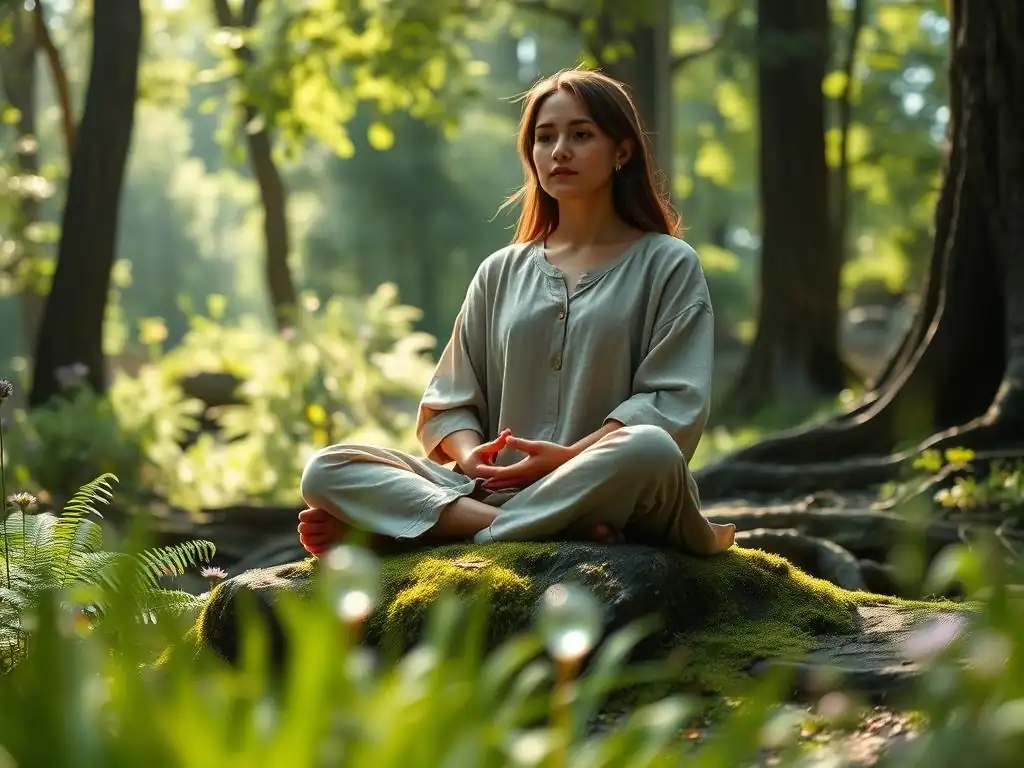
Welcome to Mind Care Guide, a sanctuary for your mental well-being.
Feeling overwhelmed by anxiety? You're not alone. Many find solace and strength through practices like mindfulness. This guide will unveil how mindfulness can reduce anxiety symptoms, offering practical steps and insights to begin your journey toward a calmer, more centered you. Curious to discover how simple awareness can profoundly impact your mental state? Let's explore.
A Beginner's Guide to Practicing Mindfulness for Anxiety
- Understanding Mindfulness and its Role in Anxiety Relief
- Getting Started with Mindfulness for Anxiety: Practical Techniques
- Mindfulness Techniques for Managing Specific Anxiety Symptoms
- Overcoming Challenges in Mindfulness Practice for Anxiety
- The Benefits of Mindfulness Beyond Anxiety Reduction
-
Frequently Asked Questions
- What exactly is mindfulness, and how does it relate to anxiety?
- How can practicing mindfulness specifically help reduce anxiety symptoms?
- What are some beginner-friendly mindfulness techniques I can use to reduce anxiety?
- How often should I practice mindfulness to see a noticeable reduction in anxiety symptoms?
- Where can I find reliable resources and support if I'm struggling to implement mindfulness on my own and my anxiety persists?
- Final Reflection: Cultivating Inner Peace in a Frantic World
- Unlock Your Calm: Start Your Mindfulness Journey Today!
Understanding Mindfulness and its Role in Anxiety Relief
What is Mindfulness? Defining the Core Principles
Mindfulness is the practice of intentionally bringing one's attention to the present moment without judgment. It involves observing one's thoughts, feelings, bodily sensations, and surrounding environment with an attitude of openness and acceptance. This practice is rooted in ancient contemplative traditions but has been adapted into secular techniques widely used today. The core principles revolve around awareness, non-judgment, and presence. It's not about emptying the mind or achieving a state of bliss, but rather about learning to relate differently to one's experiences, including difficult ones like anxiety.
By focusing on the 'here and now', mindfulness encourages individuals to step out of automatic thought patterns and reactions that often fuel anxiety. It teaches us to notice thoughts as just thoughts, rather than absolute truths, and to observe feelings without getting swept away by them. This shift in perspective is fundamental to how mindfulness can help reduce anxiety symptoms, allowing for a greater sense of control and calm in the face of overwhelming emotions.
How Mindfulness Helps Reduce Anxiety Symptoms: The Science Behind It
The effectiveness of mindfulness in reducing anxiety symptoms is supported by a growing body of scientific research. Neuroimaging studies, such as those using fMRI, have shown that regular mindfulness practice can lead to structural and functional changes in the brain areas associated with stress regulation and emotional processing. Specifically, it has been observed to decrease the size and activity of the amygdala, often referred to as the brain's 'fear center', which is hyperactive in individuals with anxiety disorders.
Simultaneously, mindfulness practice has been linked to increased activity and density in the prefrontal cortex, the area responsible for executive functions, including attention regulation, impulse control, and emotional regulation. This strengthening of the prefrontal cortex allows for better management of the emotional responses triggered by the amygdala. Furthermore, studies have shown that mindfulness can improve heart rate variability, a marker of the body's ability to cope with stress, leading to a reduction in the physiological symptoms associated with anxiety. This neurobiological evidence underscores how dedicated mindfulness practice can significantly help individuals reduce anxiety symptoms over time.
Differentiating Mindfulness from Meditation: Key Distinctions
While often used interchangeably, mindfulness and meditation are not precisely the same. Meditation is a broad term that encompasses various practices designed to train attention and awareness, which can include techniques aimed at relaxation, spiritual growth, or focused concentration on a specific object (like a candle flame or a mantra). Mindfulness, on the other hand, is a quality of attention – being present and non-judgmental – and it is also a type of meditation practice focused specifically on cultivating this quality in relation to present moment experience.
Therefore, mindfulness meditation is one form of meditation, perhaps the most popular in contemporary therapeutic contexts, but not the only one. One can practice mindfulness informally throughout the day by simply paying attention to everyday activities like eating or walking, without necessarily engaging in a formal meditation session.
Meditation can also involve practices that are not inherently mindful, such as transcendental meditation which uses mantras. The key distinction lies in mindfulness's specific emphasis on present-moment awareness and non-judgment as the core approach, which makes it particularly effective for those seeking to reduce anxiety symptoms by changing their relationship with anxious thoughts and feelings.
Getting Started with Mindfulness for Anxiety: Practical Techniques
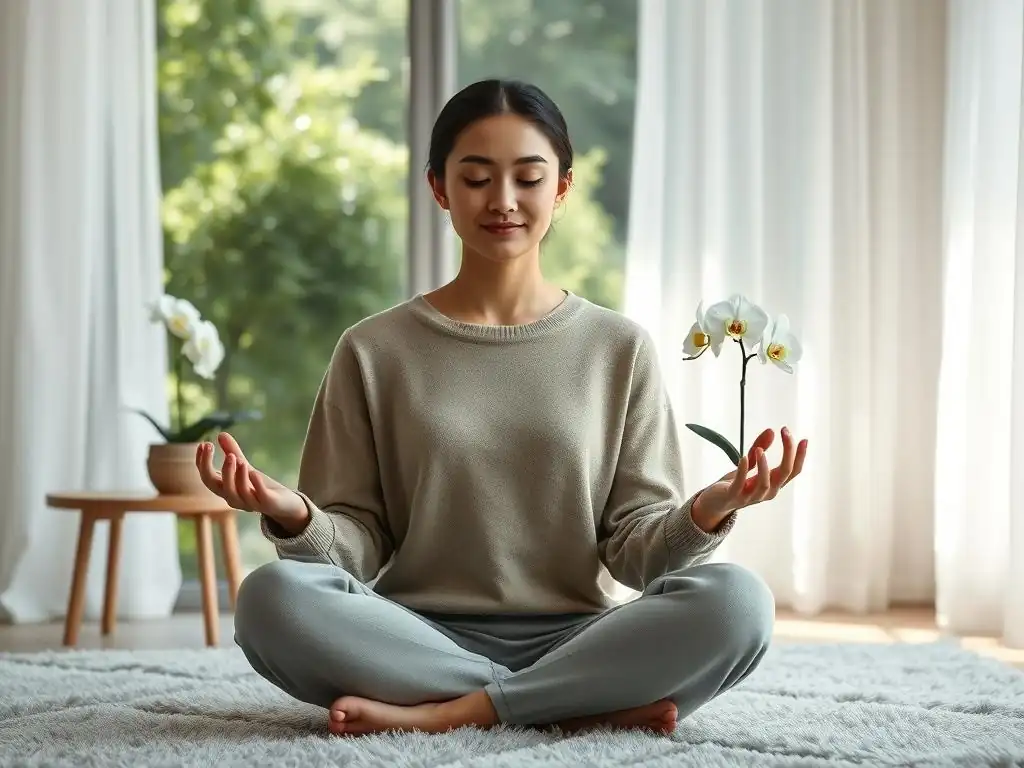
Simple Mindfulness Exercises for Beginners
Mindful Breathing: Diaphragmatic Breathing Technique
Mindful breathing is perhaps the most fundamental mindfulness practice for reducing anxiety symptoms. It involves bringing your full attention to the sensation of your breath as it enters and leaves your body. A common technique is diaphragmatic breathing, which promotes relaxation. Find a comfortable position, either sitting or lying down. Place one hand on your chest and the other on your belly just below your rib cage.
Inhale slowly through your nose, feeling your belly rise while keeping your chest relatively still. Exhale slowly through your mouth, feeling your belly gently fall. Focus entirely on the physical sensations of the breath – the coolness of the air entering, the warmth leaving, the rise and fall of your abdomen. If your mind wanders, gently guide your attention back to your breath without judgment. Practice this for just a few minutes daily to start.
Body Scan Meditation: Progressive Relaxation
The body scan meditation is a practice where you systematically bring awareness to different parts of your body, noticing any sensations without trying to change them. This can be particularly helpful in recognizing and releasing physical tension often associated with anxiety. Lie down comfortably on your back or sit in a chair with your feet flat on the floor. Close your eyes if you feel comfortable. Begin by bringing your attention to your feet, noticing any sensations – tingling, warmth, pressure.
Then, slowly move your awareness up through your body: ankles, calves, knees, thighs, hips, abdomen, back, chest, shoulders, arms, hands, neck, and finally your head and face. Simply observe what is present in each area. If you encounter discomfort or tension, simply notice it with acceptance before moving on. This practice helps ground you in the present moment and can reduce anxiety symptoms by releasing physical stress.
Mindful Walking: Paying Attention to Sensory Details
Mindful walking integrates mindfulness into physical movement. It's an excellent way to practice mindfulness outdoors or even indoors if space is limited, helping to break the cycle of anxious rumination. Find a place where you can walk comfortably without distraction.
Begin by standing still, noticing the sensation of your feet on the ground. As you start to walk, bring your attention to the physical sensations of walking: the lifting of one foot, the swing of the leg, the placement of the foot on the ground, the shift of weight. Notice the movement of your arms, the rhythm of your steps.
Expand your awareness to include sensory details from your environment – the feeling of the air on your skin, the sounds around you, the sights you encounter. When your mind drifts to anxious thoughts, gently bring your awareness back to the sensations of walking and the present moment. This practice can help reduce anxiety symptoms by anchoring your attention outside of internal worries.
Creating a Mindfulness Routine: Tips for Consistency
Setting Realistic Expectations: Start Small and Build Up
When beginning a mindfulness practice to reduce anxiety symptoms, it's crucial to set realistic expectations. Don't aim for hour-long meditation sessions right away if you're new to it. Start small, perhaps with just 5-10 minutes of mindful breathing or a body scan each day. Consistency is far more important than duration in the early stages.
Think of it like building any new skill; it takes time and practice. Acknowledge that your mind will wander – this is normal, not a sign of failure. The practice is gently bringing your attention back. Celebrate small victories, like completing your scheduled practice time, rather than judging the quality of the session.
Finding the Right Time and Place for Your Practice
Establishing a consistent routine often depends on finding a suitable time and place. Experiment with different times of day to see what works best for you. Some people prefer practicing first thing in the morning to set a calm tone for the day, while others find evening practice helps unwind before sleep. Choose a time when you are least likely to be interrupted.
Similarly, find a quiet, comfortable place where you can sit or lie down without significant distractions. This doesn't need to be a dedicated meditation room; a quiet corner of a bedroom or even an office during a break can work. Having a specific time and place helps turn the practice into a regular habit, making it easier to maintain consistency and reap the benefits of mindfulness reduce anxiety symptoms.
Using Mindfulness Apps and Resources for Guidance [Headspace, Calm, Insight Timer]
Utilizing mindfulness apps and guided resources can be incredibly helpful, especially for beginners. Apps like Headspace, Calm, and Insight Timer offer guided meditations of varying lengths and focus, including specific programs for anxiety, stress, and sleep. These resources provide structure and instruction, making it easier to know how to practice and stay motivated. Many offer beginner courses that break down the techniques step-by-step.
Beyond apps, numerous websites, books, and free online resources provide guidance on mindfulness techniques. Following guided practices can help you develop the skill of maintaining attention and non-judgmental awareness. While the goal is eventually to integrate mindfulness into daily life without constant guidance, these tools are invaluable for getting started and building a solid foundation for using mindfulness to reduce anxiety symptoms effectively.
Mindfulness Techniques for Managing Specific Anxiety Symptoms
Mindfulness for Panic Attacks: Staying Present in Moments of Crisis
During a panic attack, the body's fight-or-flight response is in overdrive, leading to intense physical sensations and terrifying thoughts. Mindfulness offers a way to navigate these moments by anchoring yourself in the present instead of being swept away by the fear. When you feel a panic attack starting, try to focus intensely on one or two simple, grounding sensations.
This could be the feeling of your feet on the ground, the texture of your clothes, or the simple act of breathing. The goal is not to stop the panic, but to observe the sensations without adding fuel to the fire of fearful interpretation. Acknowledging the physical symptoms ("Okay, my heart is racing, I feel dizzy") without judgment ("This is unbearable, I'm going to die") can деescalate the fear response.
A specific technique is the "5-4-3-2-1" method, which uses your senses to ground you: name 5 things you can see, 4 things you can touch, 3 things you can hear, 2 things you can smell, and 1 thing you can taste. This actively pulls your attention away from the internal storm of panic and into the external reality of the present moment.
While it doesn't instantly cure panic attacks, consistently practicing mindfulness helps build resilience, making future attacks potentially less frequent or intense, and providing a tool to navigate them when they occur. This proactive practice helps you learn how mindfulness can reduce anxiety symptoms, including the extreme ones associated with panic.
Social anxiety involves intense fear of judgment, embarrassment, or humiliation in social situations. Mindfulness can help by shifting focus from anxious self-preoccupation to present-moment experience and by challenging negative thought patterns. Instead of dwelling on what others might be thinking or anticipating future awkwardness, mindfulness encourages you to pay attention to what is actually happening in the moment – the conversation itself, your physical sensations, the environment. This reduces the mental space available for anxious rumination.
Regular mindfulness practice helps cultivate self-compassion and acceptance, which are crucial for social anxiety. By learning to observe thoughts and feelings without judgment, you can approach social situations with less harsh self-criticism. For example, if you stumble over words, mindfulness helps you notice the embarrassment without catastrophizing it, allowing you to move on more easily. Studies suggest that mindfulness-based interventions can significantly lower scores on social anxiety scales, sometimes reducing symptoms by 25-30% or more in participants over several weeks of practice. This demonstrates the power of mindfulness reduce anxiety symptoms even in specific contexts like social interactions.
Practicing Self-Compassion: A Key Component of Mindfulness for Social Anxiety
Self-compassion is integral to using mindfulness for social anxiety. It involves treating yourself with the same kindness, care, and understanding you would offer a friend who is suffering. Instead of harshly criticizing yourself for perceived social blunders or anxious feelings, self-compassion encourages acknowledging your suffering with warmth and recognizing that imperfection and difficulty are part of the shared human experience.
Mindfulness helps cultivate self-compassion by increasing awareness of your internal dialogue. You become more attuned to the critical voice and can consciously choose to respond with kindness instead. For instance, if you experience anxiety before a social event, instead of thinking, "I'm so weak and pathetic for feeling this way," a self-compassionate response might be, "It's understandable to feel anxious in this situation, many people do, and I can be gentle with myself right now." This shift in internal attitude significantly reduces the suffering associated with social anxiety and makes social situations less daunting.
Challenging Negative Thoughts with Mindful Awareness
Social anxiety is often driven by automatic negative thoughts about oneself and social interactions ("I'll say something stupid," "Everyone is judging me," "I don't belong"). Mindfulness helps you become aware of these thoughts as they arise, without immediately believing or reacting to them. It teaches you to see thoughts as transient mental events, not necessarily reflections of reality.
By observing these thoughts mindfully, you create space between the thought and your reaction. You can then ask, "Is this thought a fact, or is it just a thought?" This critical distance allows you to challenge the validity of negative thoughts based on evidence, rather than accepting them as truth.
For example, if the thought "Everyone thinks I'm boring" arises, mindfulness helps you notice it, label it as a thought, and then perhaps evaluate the actual evidence from the interaction. This process weakens the hold of negative thought patterns that fuel social anxiety and allows you to engage more fully in the present moment of the social situation.
Mindfulness for Generalized Anxiety Disorder (GAD)
Generalized Anxiety Disorder (GAD) is characterized by excessive, uncontrollable worry about a variety of events or activities. Mindfulness is particularly helpful for GAD because it directly addresses the tendency to get caught up in future-oriented worrying and encourages present-moment awareness. Instead of trying to suppress worries (which often backfires), mindfulness teaches you to observe the worry thoughts as they arise, acknowledge them without judgment, and gently redirect your attention back to the present moment.
This practice helps to деactivate the cycle of worry by reducing its perceived threat. You learn that a worry thought is just a thought, not a predictor of reality. Over time, the intensity and frequency of worry can decrease as you develop the ability to not engage with every anxious thought that pops into your head.
Studies have shown that Mindfulness-Based Stress Reduction (MBSR) programs can lead to clinically significant reductions in GAD symptoms, with some participants experiencing symptom reductions comparable to those achieved with cognitive behavioral therapy. This highlights the potential of mindfulness reduce anxiety symptoms in the context of chronic worry.
Cultivating Acceptance of Uncertainty
A core feature of GAD is an intolerance of uncertainty – a need for certainty about future outcomes, which is impossible to achieve. Mindfulness cultivates acceptance, including the acceptance of uncertainty. By practicing present-moment awareness, you train yourself to tolerate the discomfort of not knowing what the future holds. You learn to focus on the reality of the present moment, which is often okay, rather than getting lost in hypothetical future scenarios fueled by anxiety.
Mindfulness helps you recognize that trying to control or predict every possible outcome is an exhausting and futile endeavor. Instead of fighting against uncertainty, you learn to acknowledge its presence with a sense of calm awareness. This doesn't mean you stop planning or taking precautions, but you do so from a place of informed action rather than anxious compulsion. Developing this capacity for acceptance is a powerful way that mindfulness helps reduce anxiety symptoms related to the fear of the unknown.
Reducing Worrying Through Mindfulness Practices
Mindfulness practices, such as mindful breathing and body scans, can help reduce the process of worrying itself. When you notice yourself getting caught in a worry spiral, you can use these techniques to anchor yourself in the present moment. For example, if you're worrying about a future event, you can pause and focus on the physical sensations in your body or the feeling of your breath. This interrupts the chain of anxious thoughts.
Furthermore, mindfulness helps you become more aware of the triggers and patterns of your worrying. By observing when and why you tend to worry, you gain insight into your anxiety. This awareness allows you to make conscious choices about how to respond to worry thoughts, rather than automatically getting pulled into them. Over time, this consistent practice of observing and redirecting attention weakens the habit of worrying, leading to a tangible reduction in the impact of GAD on daily life.
Overcoming Challenges in Mindfulness Practice for Anxiety
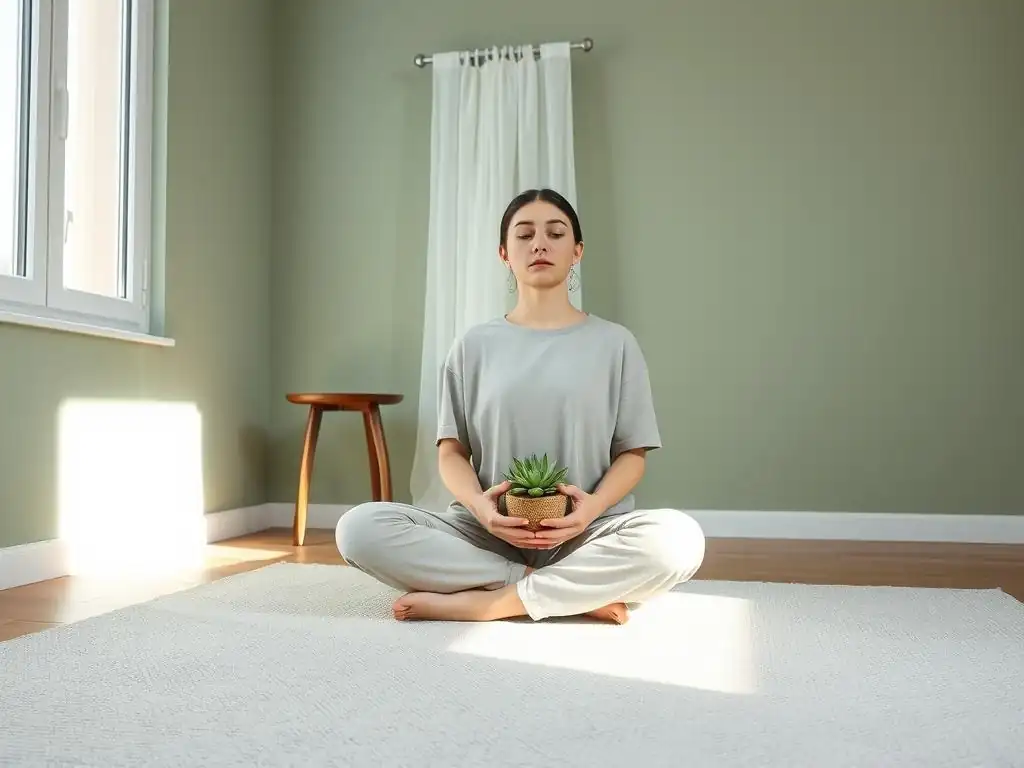
Common Obstacles and How to Address Them
When you first start practicing mindfulness to reduce anxiety symptoms, you're likely to encounter challenges. It's important to view these not as failures, but as opportunities for practice and learning. One common obstacle is impatience, expecting immediate relief from anxiety. Mindfulness is a skill that develops over time; lasting change comes with consistent effort, not overnight miracles. Another challenge is feeling more anxious initially as you become more aware of your internal state. This is a temporary phase for many; stick with it, perhaps shortening practice sessions if needed, and remember that awareness is the first step to change.
Comparison can also be an obstacle – thinking you're "not doing it right" compared to others or idealized versions of practice. Remember that mindfulness is personal; there's no single "right" way to experience it. Acknowledge the difficulty without self-criticism. Approaching these obstacles with the same non-judgmental awareness you apply in practice is key. Recognize the challenge, accept its presence for the moment, and gently recommit to your practice.
Difficulty Focusing: Tips for Staying Present
Difficulty focusing is perhaps the most universal challenge in mindfulness practice, especially when using mindfulness to reduce anxiety symptoms, as the anxious mind is prone to distraction. It's a myth that a mindful mind is an empty mind. The practice isn't about not having thoughts, but about noticing when your mind has wandered and gently bringing it back to your chosen anchor (like the breath).
Tips for staying present include:
- Start with short durations: Begin with 2-3 minutes and gradually increase as your focus improves.
- Use a clear anchor: The breath is reliable, but you can also focus on bodily sensations (feet on the ground) or sounds.
- Gentle redirection: When you notice your mind has wandered (and you will notice, that's the practice! ), simply acknowledge where it went without judgment and gently guide it back to your anchor. Think of it like training a puppy – firm but kind.
- Acceptance: Accept that wandering is normal. Don't get frustrated. Each time you notice and return, you strengthen your mindfulness muscle.
Dealing with Distracting Thoughts and Emotions
For individuals practicing mindfulness to reduce anxiety symptoms, distracting thoughts and emotions are often intensely anxiety-provoking themselves. The key is to change your relationship with these internal experiences. Instead of pushing them away, fighting them, or getting lost in them, mindfulness teaches you to observe them with curiosity and non-judgment.
Try labeling thoughts or emotions: "Ah, there's a worry thought about work," or "I notice a feeling of sadness." This simple act of labeling helps create distance from the thought or emotion, recognizing it as a temporary state rather than identifying with it completely. Imagine thoughts floating by like clouds or leaves on a stream.
You see them, acknowledge them, but let them pass without clinging. If an emotion is strong, try bringing mindful awareness to the physical sensations associated with it in your body. This practice helps деmystify thoughts and emotions, reducing their power to pull you into distress.
Managing Physical Discomfort During Meditation
Sometimes, physical discomfort arises during longer mindfulness meditation sessions, whether it's restlessness, itching, or aches. For someone with anxiety, increased body awareness can sometimes initially heighten the perception of physical symptoms associated with anxiety, like a racing heart or tension. It's important to approach physical discomfort with the same mindful attitude: observe it without judgment or immediate reaction.
First, check if you can make small adjustments to your posture to improve comfort without losing your upright, alert posture. If the discomfort persists, bring your mindful attention directly to the sensation. Explore its qualities – is it sharp, dull, throbbing, itching? Where is it located?
Often, simply paying non-judgmental attention to a sensation can change its intensity or quality. If the discomfort is too distracting or intense, it's okay to gently move or adjust your position; the goal is not to endure pain but to learn to relate differently to sensation. For those whose anxiety manifests strongly physically, starting with shorter body scan practices focused on gentle awareness rather than stillness might be beneficial.
Maintaining a Long-Term Mindfulness Practice for Anxiety Management
Consistency is vital for mindfulness reduce anxiety symptoms over the long term. It's not a quick fix but a lifestyle change that builds resilience and alters your relationship with anxiety over time. Finding ways to integrate mindfulness into your daily life beyond formal meditation sessions is key to maintaining momentum. This could involve taking a few mindful breaths before a challenging meeting, eating your lunch mindfully, or simply pausing for a moment of present awareness between tasks.
Recognize that your practice will have ups and downs. There will be days when it feels easy and beneficial, and days when it feels like a struggle. Don't let missed days or difficult sessions derail your commitment. Simply acknowledge the lapse or difficulty without judgment and return to your practice when you can. Viewing mindfulness as a continuous journey rather than a destination helps sustain it through challenges.
Integrating Mindfulness into Daily Life
Formal mindfulness meditation is like going to the gym for your mind, building the muscle of attention. Integrating mindfulness into daily life is like using that muscle throughout the day. This informal practice helps weave mindfulness into the fabric of your experience, making it a more natural response to stress and anxiety.
Simple ways to integrate mindfulness include:
- Mindful Eating: Pay attention to the sights, smells, textures, and tastes of your food.
- Mindful Commuting: Notice the sensations of walking or driving, the sounds, the sights, without getting lost in anxious thoughts about your destination.
- Mindful Chores: Bring full attention to washing dishes, folding laundry, or cleaning, focusing on the physical sensations and the process.
- Mindful Transitions: Take a few mindful breaths between tasks or before entering a new situation.
These small moments of awareness add up, reinforcing your ability to stay present and reducing the tendency for the mind to default to worry and anxiety.
Seeking Support and Guidance When Needed [Mindfulness-Based Stress Reduction (MBSR) programs, Therapy]
While this guide offers a starting point, seeking support can significantly deepen your mindfulness practice and its effectiveness in managing anxiety. Structured programs like Mindfulness-Based Stress Reduction (MBSR) or Mindfulness-Based Cognitive Therapy (MBCT) offer comprehensive training over several weeks in a group setting, providing in-depth instruction and a supportive community. Research consistently shows the positive impact of these programs on reducing anxiety symptoms.
Additionally, working with a therapist who incorporates mindfulness into their practice can be highly beneficial, especially if your anxiety is severe or rooted in complex issues. A therapist can help you understand how your specific anxiety patterns relate to your thoughts and emotions and guide you in applying mindfulness techniques to your unique challenges. They can also help you navigate any difficult experiences that might arise during practice. Don't hesitate to seek professional guidance if you feel stuck or overwhelmed; support is a sign of strength, not weakness, on your journey to use mindfulness reduce anxiety symptoms.
The Benefits of Mindfulness Beyond Anxiety Reduction
Improved Focus and Concentration
While reducing anxiety is a primary goal for many, the benefits of mindfulness extend far beyond managing distress. A significant outcome of regular practice is improved focus and concentration. Mindfulness is fundamentally an attention training practice. By repeatedly bringing your attention back to your chosen anchor whenever it wanders, you strengthen the neural pathways associated with focus and sustained attention.
This enhanced ability to concentrate translates directly into daily tasks. Whether it's work, studying, or engaging in hobbies, you may find yourself less easily distracted and more able to stay engaged with the task at hand. This improved cognitive function can lead to increased productivity and a greater sense of accomplishment, further contributing to overall well-being.
Enhanced Emotional Regulation
Mindfulness cultivates the ability to observe emotions without being immediately overwhelmed by them. This leads to improved emotional regulation. Instead of automatically reacting to feelings like frustration, anger, or sadness, you develop the capacity to pause, notice the emotion, and choose a skillful response rather than being driven by impulse.
This doesn't mean you stop feeling emotions, but rather that you experience them with greater awareness and less reactivity. You learn that emotions, even difficult ones, are temporary states. This allows you to navigate the ups and downs of life with greater equanimity and resilience, managing not just anxiety but a wider range of emotional experiences more effectively.
Increased Self-Awareness and Acceptance
Mindfulness practice inherently deepens self-awareness. By paying attention to your thoughts, feelings, and bodily sensations, you gain insight into your internal landscape – your habits of mind, your emotional triggers, your physical responses to different situations. This increased awareness helps you understand yourself better, including the roots and patterns of your anxiety.
Coupled with the principle of non-judgment, this self-awareness fosters greater self-acceptance. You learn to acknowledge all aspects of yourself, including imperfections, difficulties, and vulnerabilities, with kindness rather than criticism. This acceptance is foundational for personal growth and well-being, reducing the internal conflict that often fuels anxiety and allowing you to live more authentically.
Overall Improvement in Mental Well-being
Collectively, the benefits of mindfulness – reduced anxiety, improved focus, enhanced emotional regulation, and increased self-awareness and acceptance – contribute to a significant overall improvement in mental well-being. Mindfulness helps shift your baseline state towards greater calm, clarity, and resilience. It equips you with tools to navigate stress and challenges more effectively, reducing their negative impact on your mental health.
Regular practice can lead to increased feelings of peace, contentment, and even joy as you become more present and appreciative of your experiences. It helps you connect more deeply with yourself and the world around you. While the journey of using mindfulness reduce anxiety symptoms can be challenging at times, the cumulative effect of consistent practice is a profound enhancement of your mental health and overall quality of life.
Frequently Asked Questions
What exactly is mindfulness, and how does it relate to anxiety?
Mindfulness is the practice of paying attention to the present moment without judgment. It can help reduce anxiety by shifting focus away from anxious thoughts about the future or past.
How can practicing mindfulness specifically help reduce anxiety symptoms?
Mindfulness helps you become aware of your anxious thoughts and feelings without getting carried away by them. This allows you to respond more calmly and develop coping mechanisms rather than reacting impulsively.
What are some beginner-friendly mindfulness techniques I can use to reduce anxiety?
Simple techniques include mindful breathing exercises, body scan meditations, and paying attention to your senses during everyday activities like eating or walking. These help ground you in the present.
How often should I practice mindfulness to see a noticeable reduction in anxiety symptoms?
Consistency is key. Aim for at least 10-15 minutes daily. Over time, regular practice builds resilience and helps you manage anxiety more effectively.
Where can I find reliable resources and support if I'm struggling to implement mindfulness on my own and my anxiety persists?
Mind Care Guide offers comprehensive information and resources. Consider seeking guidance from a mental health professional for personalized support and treatment options.
Final Reflection: Cultivating Inner Peace in a Frantic World
The pervasive anxiety of modern life demands a powerful antidote, and the practice of mindfulness offers just that. This guide has explored the foundational techniques of mindfulness – from mindful breathing to body scans – demonstrating their accessibility and profound impact on reducing anxiety symptoms. The simplicity of these practices belies their transformative power, offering a readily available tool for navigating the challenges of daily life.
Mindfulness isn't just a fleeting trend; it's a timeless practice that continues to reshape our understanding of mental well-being. Its influence extends far beyond individual stress management, impacting our relationships, our work, and even our broader societal approach to mental health. The mind is everything. What you think you become.
– Buddha. This ancient wisdom rings truer than ever in our current climate, reminding us of the profound connection between our inner world and our outer experience. The growing acceptance and integration of mindfulness into various therapeutic approaches underscore its enduring significance.
You now hold the key to unlocking a calmer, more centered you. Don't let this knowledge remain dormant. Begin with just five minutes of mindful breathing today. Notice the sensations in your body, the rhythm of your breath, and the quiet space within. Consistency is key; make mindfulness a daily ritual, a sanctuary in the storm of your life. The journey to inner peace begins with a single, mindful breath.
Unlock Your Calm: Start Your Mindfulness Journey Today!
Thanks for taking the time to explore the world of mindfulness with us! We hope this guide equipped you with practical tools to manage anxiety. Ready to take the next step?
- Begin your daily mindfulness practice: Start with just 5 minutes of quiet reflection each day. Even short sessions can make a big difference! Consider setting a daily reminder on your phone.
- Share your experience: Tell a friend or family member about your mindfulness journey and encourage them to join you. Sharing your progress can strengthen your commitment and inspire others.
- Explore guided meditations: Search online for free guided meditations tailored to anxiety relief – many are available at your fingertips! Discover what resonates most with you and build a consistent practice.
What small step will you take today to cultivate more peace and calm in your life?