
The Gift of Awareness: A Spiritual Perspective on Mindfulness

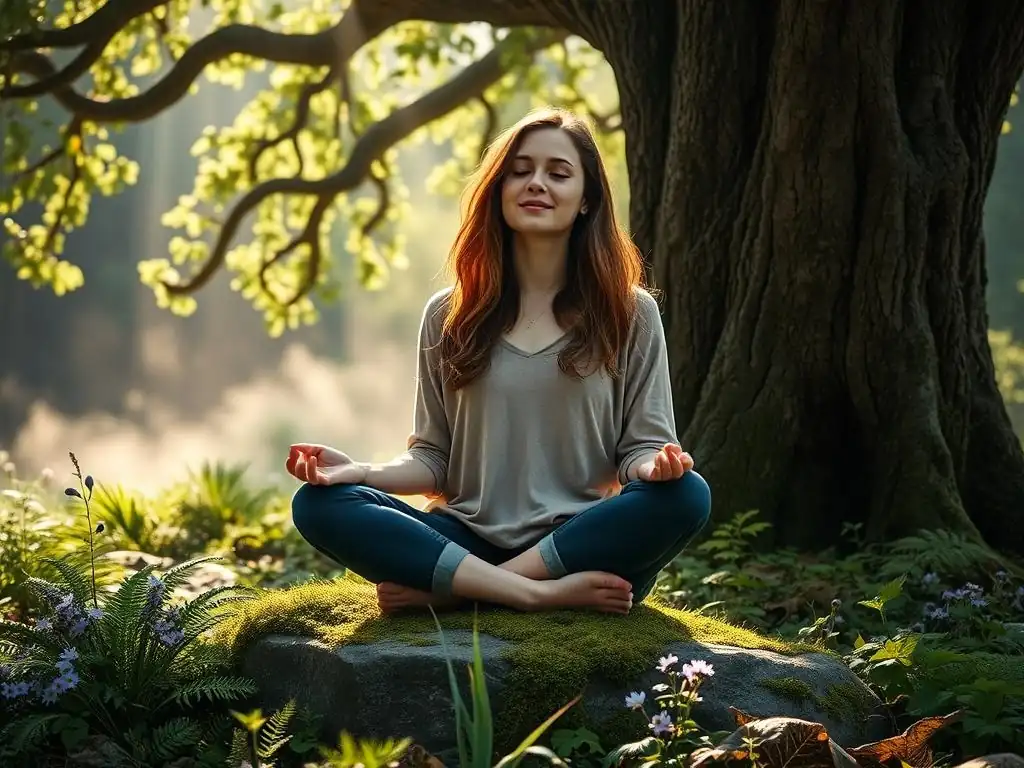
Welcome to Mind Care Guide.
Feeling overwhelmed by the noise of daily life? We understand. In a world that demands so much, finding inner peace can seem like an impossible task. But what if the answer was already within you? This week, we delve into the transformative power of mindfulness for mental wellbeing, exploring how this ancient practice can unlock a deeper connection with yourself and the present moment. Are you ready to discover the profound gift of awareness? Let's begin.
The Power of Gratitude: A Spiritual Path to Well-being
- Gratitude for Emotional Well-being: An Introduction to Spiritual Connection
- The Synergy Between Gratitude and Spirituality for Mental Health
- Gratitude as a Spiritual Practice: Recognizing Blessings in the Present Moment
- Benefits of Gratitude for Emotional Well-being from a Spiritual Standpoint
- Practical Applications of Gratitude in Daily Life: A Spiritual Approach
- Overcoming Challenges in Gratitude Practice: A Spiritual Perspective
- The Future of Gratitude and Spirituality in Mental Healthcare
- Deepening Your Gratitude Journey: Resources and Further Exploration
-
Frequently Asked Questions
- How does mindfulness, from a spiritual perspective, contribute to mental wellbeing?
- What role does spirituality play in enhancing the benefits of mindfulness for mental health?
- Can mindfulness, approached spiritually, help with specific mental health challenges like anxiety or depression?
- How does focusing on awareness, as emphasized in the article, impact daily life and mental health?
- What are some practical ways to integrate spiritual mindfulness into one's mental wellbeing routine?
- Final Reflection: Cultivating Inner Peace in a Frantic World
- Unlock Your Inner Peace: Cultivate Mindfulness Today
Gratitude for Emotional Well-being: An Introduction to Spiritual Connection
Defining Gratitude: More Than Just Saying "Thank You"
Gratitude is often perceived simply as saying "thank you" or feeling thankful for a gift or favor. However, its true depth extends far beyond mere politeness or a fleeting emotion. At its core, gratitude is a conscious recognition and appreciation of the goodness that exists in one's life, whether it stems from external sources like other people or circumstances, or internal aspects like personal strengths or resilience.
It involves acknowledging the value of what one has received, both tangible and intangible, and cultivating a sense of wonder or awe for the abundance present, even amidst challenges. This deeper understanding positions gratitude as a fundamental orientation towards life, fostering a positive internal state.
This profound appreciation is not just a feeling; it is an attitude, a way of perceiving the world. It requires a deliberate shift in focus towards recognizing blessings, no matter how small. Psychologically, this means actively scanning one's environment and internal landscape for positive elements, counteracting the brain's natural tendency towards negativity bias. By consistently practicing this recognition, individuals can train their minds to see opportunity, connection, and beauty, fostering a more optimistic outlook and significantly impacting their emotional well-being.
Exploring the Spiritual Foundations of Gratitude Practice
Gratitude is deeply interwoven into the fabric of countless spiritual traditions across the globe. Many faiths and philosophies emphasize thankfulness as a central tenet, viewing it as a proper response to the grace, blessings, or inherent goodness of existence. This perspective often involves acknowledging a source beyond oneself – whether a higher power, the universe, or the interconnected web of life – as the giver of these gifts. Practicing gratitude, in this sense, becomes an act of reverence, humility, and connection to something larger than the individual self.
Within spiritual frameworks, gratitude is often seen not merely as a feeling, but as a disciplined practice that cultivates spiritual virtues. It encourages individuals to move away from feelings of entitlement or complaint towards a posture of humility and appreciation for the abundance or grace perceived in their lives. This spiritual lens transforms gratitude into a pathway for recognizing the sacredness in the ordinary, fostering a sense of deep peace and contentment rooted in the acknowledgment of life's inherent gifts.
The Synergy Between Gratitude and Spirituality for Mental Health
Cultivating Joy Through Gratitude and Spiritual Awareness
Focusing on gratitude has a powerful ability to shift one's perspective from a state of lack or dwelling on problems towards recognizing abundance and positive aspects. This shift naturally cultivates positive emotions, including joy. When gratitude is combined with spiritual awareness – the recognition of the sacred or interconnectedness in daily life – the experience of joy can become even more profound and sustained. Spiritual awareness helps individuals see the divine or miraculous in simple moments, amplifying the feelings of appreciation and wonder that underpin true joy.
Consider the example of someone navigating a stressful period, perhaps dealing with financial strain or health issues. While these challenges are real, a practice of spiritual gratitude encourages them to find moments of joy not despite the difficulties, but within the reality of their life.
They might find joy in the steadfast support of a loved one, the simple comfort of a warm meal, or the beauty of a sunset, viewing these not as coincidences but as blessings or expressions of a benevolent universe. Research in positive psychology consistently links regular gratitude practices to increased self-reported levels of happiness and positive affect, with some studies suggesting potential increases in well-being scores by noticeable percentages (e.g., reports suggesting improvements ranging from 10% to 15% in certain measures over consistent practice periods), highlighting its efficacy in cultivating joy.
Integrating Gratitude into Spiritual Practices for Enhanced Well-being
Integrating gratitude into existing spiritual practices can significantly enhance their impact on mental and emotional well-being. Rather than seeing gratitude as separate, it can become a lens through which spiritual disciplines are performed, adding depth and meaning. This synergy allows individuals to experience their spiritual path not just as a set of rituals or beliefs, but as a living expression of thankfulness for existence itself.
For instance, prayer can transform from a list of requests into a dialogue of thanksgiving. Meditation can become a practice of mindful gratitude for the breath, the body, or the present moment, deepening concentration and peace. Contemplation might focus on appreciating the lessons learned from challenges or the beauty of spiritual insights received. This integration grounds spiritual practice in tangible appreciation, making it more accessible and emotionally resonant, thereby amplifying its benefits for overall well-being.
Gratitude as a Spiritual Practice: Recognizing Blessings in the Present Moment
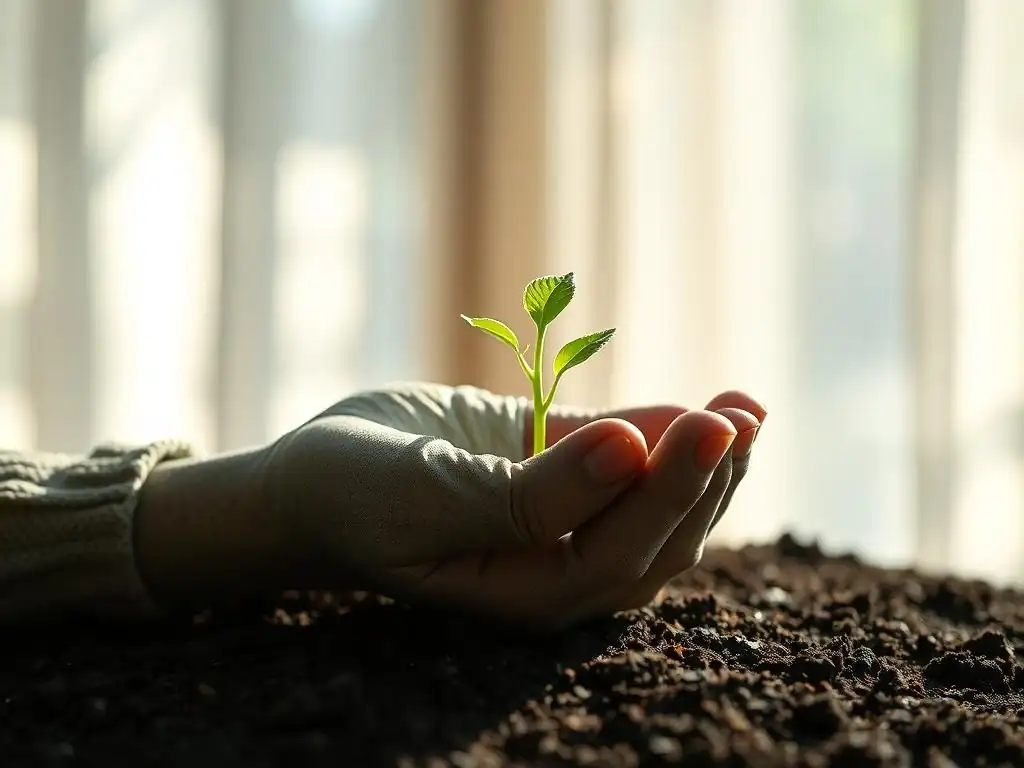
The Power of Appreciation in Spiritual Growth
Consciously appreciating the myriad aspects of one's life – the people, experiences, opportunities, and even the challenges that foster growth – is a powerful catalyst for spiritual development. This practice of appreciation encourages individuals to become more present and attuned to the continuous flow of life's gifts. It moves them away from a future-oriented mindset or dwelling on the past, anchoring them in the richness and potential sacredness of the current moment.
By cultivating appreciation, individuals develop a keener eye for recognizing blessings that might otherwise go unnoticed. This can lead to a profound shift in perspective, fostering humility, contentment, and a deeper connection to the world around them. Consider the spiritual growth experienced by someone who has overcome significant hardship; they often express deep gratitude for the simple things previously taken for granted, like health or stability, viewing these as profound gifts that fuel their spiritual journey.
Gratitude Journaling: A Pathway to Spiritual Insight
Gratitude journaling is a practical and widely recommended method for cultivating a grateful mindset. It involves regularly setting aside time to write down things for which one is thankful. This could range from major life events to small, everyday occurrences like a delicious meal, a kind word from a stranger, or the comfort of home. The act of writing helps solidify the recognition of these blessings.
From a spiritual perspective, consistent gratitude journaling can serve as a powerful tool for introspection and gaining spiritual insight. By reviewing past entries, individuals can often discern patterns of grace, moments of divine intervention (depending on their belief system), or the consistent presence of support and abundance in their lives.
This practice fosters a narrative of one's life as being filled with blessings, which can deepen faith, increase self-awareness, and reveal underlying spiritual truths about interconnectedness and the nature of reality. Research, such as studies published in the Journal of Personality and Social Psychology, has indicated that individuals who practice gratitude journaling report higher levels of optimism and life satisfaction compared to control groups, sometimes showing measurable improvements within as little as six weeks of consistent practice.
Benefits of Gratitude for Emotional Well-being from a Spiritual Standpoint
Reduced Anxiety and Depression Through Spiritual Gratitude
The practice of gratitude offers a potent countermeasure to the negative thought patterns often associated with anxiety and depression. By intentionally focusing on positive aspects of life, even small ones, individuals can interrupt the cycles of worry, rumination, and despair that fuel these conditions. Gratitude helps to reframe challenges and cultivate a more balanced perspective, shifting attention away from perceived deficits towards acknowledged blessings.
From a spiritual standpoint, incorporating gratitude can foster a sense of trust or faith in a larger plan or benevolent force, which can significantly reduce feelings of being alone or overwhelmed by life's difficulties. This spiritual grounding provides a sense of security and hope.
Numerous studies have explored the link between gratitude interventions and mental health outcomes, with findings consistently demonstrating that regular gratitude practice can lead to a measurable reduction in symptoms of both depression and anxiety. For example, research suggests that practicing gratitude can lower stress hormones and improve mood, offering a complementary approach to managing these conditions.
Enhanced Resilience and Spiritual Grounding
Gratitude is a cornerstone of resilience, the ability to bounce back from adversity. When faced with setbacks or difficult circumstances, remembering past blessings or finding things to be grateful for in the present moment – such as inner strength, supportive relationships, or lessons learned – can provide the emotional fortitude needed to persevere. This perspective helps individuals see challenges not just as burdens, but as opportunities for growth and deeper appreciation.
Spiritually, gratitude acts as a powerful anchor, grounding individuals in a sense of purpose and connection to something greater than themselves. This spiritual grounding provides stability during turbulent times, helping them navigate hardship with greater inner peace and conviction. An individual who loses their job might feel devastated, but spiritual gratitude for their health, the love of their family, and the lessons learned from their previous role can provide the resilience needed to face the future with hope and determination.
Increased Self-Worth and Spiritual Understanding
Recognizing and appreciating the gifts and blessings present in one's life can profoundly impact self-worth. It helps individuals feel valued and cherished, not based on external achievements or societal comparisons, but on the simple fact that they are recipients of goodness and grace. This intrinsic sense of worth is less susceptible to the fluctuations of circumstance.
From a spiritual perspective, this practice can lead to a deeper understanding of one's inherent value, often seen as being a beloved part of the universe or creation. This spiritual understanding transcends conditional self-esteem and fosters a sense of intrinsic dignity and purpose. By acknowledging the blessings bestowed upon them, individuals can cultivate a humble yet strong sense of self, rooted in the recognition of their place within a larger, benevolent reality.
Practical Applications of Gratitude in Daily Life: A Spiritual Approach
Gratitude Prayers and Affirmations for Spiritual Connection
Incorporating intentional expressions of gratitude, whether through formal prayers or personal affirmations, can significantly deepen spiritual connection in daily life. These practices involve consciously directing thanks towards a higher power, the universe, or the source of life's blessings. They can be simple, spontaneous expressions of thanks throughout the day or structured moments of reflection.
Repeating affirmations like "I am deeply grateful for the peace in my heart" or "Thank you for the abundance surrounding me" can reinforce a mindset of appreciation and strengthen the perceived connection to the spiritual realm. Similarly, dedicating time each day for gratitude prayers, acknowledging specific people, experiences, or aspects of existence, helps cultivate a consistent awareness of blessings and fosters a sense of communion with the divine or universal flow. These practices can easily be integrated into morning routines, meal times, or evening reflections.
Gratitude Walks: Connecting with Nature and Appreciation
A gratitude walk is a simple yet powerful way to integrate physical activity, mindfulness, and spiritual appreciation. It involves taking a walk outdoors with the specific intention of noticing and appreciating the elements of nature and the environment around you. This practice encourages presence and opens the senses to the beauty and wonder often overlooked in daily rushing.
From a spiritual perspective, a gratitude walk connects the individual to the natural world as an expression of creation or universal energy. Noticing the intricate detail of a leaf, the vastness of the sky, the scent of rain, or the resilience of a tree can evoke feelings of awe and deep gratitude for the beauty and harmony of life. This practice fosters a sense of interconnectedness with the earth and all living things, enriching one's spiritual life through direct engagement with the world's inherent gifts.
Expressing Gratitude to Others: Nourishing Relationships and Spirit
While internal gratitude is important, expressing it externally to others is vital for both mental well-being and spiritual growth. Taking the time to thank someone, acknowledge their efforts, or express appreciation for their presence in your life strengthens social bonds, fosters positive interactions, and cultivates a sense of community. This can be done through verbal thanks, written notes, or thoughtful acts of kindness.
From a spiritual viewpoint, expressing gratitude to others acknowledges the interconnectedness of all beings and recognizes the blessings that flow through human connection. It is an act of generosity that nourishes not only the recipient but also the giver, reinforcing a cycle of positive energy and appreciation. A simple, heartfelt thank you note to a teacher, mentor, or friend can have a profound positive impact, demonstrating the spiritual principle of giving and receiving in fostering shared well-being.
Overcoming Challenges in Gratitude Practice: A Spiritual Perspective
Dealing with Negativity and Disappointment Through Spiritual Guidance
Practicing gratitude can feel particularly challenging during periods of negativity, disappointment, loss, or suffering. It is crucial to understand that gratitude is not about denying or suppressing difficult emotions, but about finding space for appreciation alongside them. It's not about being grateful for the suffering itself, but perhaps for the strength found within it, the support received during it, or the lessons learned from it.
From a spiritual perspective, navigating these challenges often involves leaning into faith or trust. This might mean trusting that there is meaning or purpose even in difficult experiences, or having faith in one's ability to endure and grow. Seeking spiritual guidance, whether through prayer, meditation, scripture, or counsel from a spiritual leader, can provide perspective and support. Focusing on gratitude for the spiritual resources available – inner strength, resilience, moments of peace, or connection to a higher power – can help individuals move through negativity with greater fortitude.
Cultivating Compassion for Self and Others in Gratitude
An important aspect of a spiritual approach to gratitude is cultivating compassion, both for oneself and for others. When struggling to feel grateful, it is easy to fall into self-criticism or judgment. Practicing self-compassion means acknowledging the difficulty without judgment, offering kindness and understanding to oneself, just as one would to a friend facing a similar challenge. Gratitude practice is a journey, not a destination, and some days will be harder than others.
Extending gratitude spiritually also involves cultivating compassion for others. Being grateful for the presence and contributions of others naturally leads to a greater understanding and empathy for their struggles and imperfections. Recognizing that everyone is navigating their own path, with their own challenges, fosters a sense of shared humanity and encourages a compassionate response. This intertwined practice of gratitude and compassion deepens spiritual connection and enhances overall well-being by fostering understanding and acceptance.
The Future of Gratitude and Spirituality in Mental Healthcare
The Growing Recognition of Gratitude's Impact on Mental Well-being
There is a clear and growing recognition within the field of mental healthcare regarding the positive impact of gratitude practices on mental well-being. As research accumulates, highlighting its benefits for reducing stress, improving mood, enhancing sleep quality, and fostering positive social relationships, therapists and counselors are increasingly exploring ways to integrate gratitude into therapeutic interventions. Simple practices like gratitude journaling or expressing thanks are being recommended as valuable tools for patients managing conditions like anxiety and depression.
This recognition is beginning to extend beyond purely psychological benefits to acknowledge the potential spiritual dimension of gratitude for individuals whose well-being is tied to their spiritual or religious beliefs. There is a growing understanding that addressing a person's spiritual life, including practices like gratitude, can be an essential component of holistic mental healthcare, enhancing treatment adherence and overall positive outcomes. This signifies a potential shift towards more integrated care models that honor the mind, body, and spirit.
The Role of Gratitude in Fostering a More Positive Society
The widespread cultivation of gratitude has the potential to create a ripple effect, contributing to a more positive, compassionate, and connected society. As individuals become more grateful, they tend to exhibit traits like increased generosity, helpfulness, and empathy. They are often less focused on materialistic pursuits and more attuned to the value of relationships and shared experiences.
From a spiritual perspective, fostering gratitude on a collective level can lead to a society that is more conscious of its interconnectedness and shared responsibility. It can encourage greater acts of kindness, reduce feelings of entitlement, and promote a sense of collective well-being rooted in mutual appreciation and support. This vision suggests that promoting gratitude is not just beneficial for individual mental health but can also be a powerful force for positive social change, fostering communities built on appreciation and shared grace.
Deepening Your Gratitude Journey: Resources and Further Exploration
Recommended Books and Articles on Gratitude and Spirituality
For those wishing to delve deeper into the intersection of gratitude and spirituality, exploring relevant literature is a valuable step. Seek out books that combine psychological research on gratitude with insights from various spiritual traditions or philosophical perspectives. Many authors have explored how ancient spiritual wisdom aligns with modern scientific findings on the benefits of thankfulness.
Additionally, look for articles from reputable sources – academic journals, well-being websites, or publications from spiritual organizations – that discuss specific spiritual approaches to gratitude or present research on its effects. These resources can provide a broader understanding of the topic, offer different perspectives, and inspire new ways to incorporate gratitude into your life.
Gratitude Meditation Apps and Online Courses
Digital tools can be excellent resources for establishing and maintaining a gratitude practice. Many meditation apps now include guided meditations specifically focused on cultivating gratitude. These guided sessions can help beginners learn how to focus their attention on appreciation and make the practice more accessible and consistent.
Furthermore, numerous online courses and workshops are available that focus on developing a gratitude practice, sometimes specifically from a spiritual angle. These courses often provide structured lessons, prompts for reflection, and sometimes even community forums, offering guidance and support as you deepen your journey into gratitude.
Spiritual Retreats and Workshops Focused on Gratitude
Participating in spiritual retreats or workshops centered around the theme of gratitude can provide an immersive and transformative experience. These events often offer a dedicated space away from daily distractions to focus on reflection, practice, and community connection. Led by experienced facilitators, they can guide participants through various spiritual practices that incorporate gratitude.
Such retreats can facilitate deeper spiritual insights and help integrate gratitude into one's life in a profound way. The shared experience with others on a similar path can also be incredibly supportive and inspiring, fostering significant personal and spiritual growth related to thankfulness and appreciation.
Frequently Asked Questions
How does mindfulness, from a spiritual perspective, contribute to mental wellbeing?
Mindfulness, viewed spiritually, helps cultivate inner peace and self-awareness. This awareness allows us to detach from negative thoughts and emotions, promoting emotional regulation and reducing stress.
What role does spirituality play in enhancing the benefits of mindfulness for mental health?
Spirituality provides a deeper purpose and meaning to mindfulness practice. This meaning can lead to increased resilience and a stronger sense of connection, improving overall mental wellbeing.
Can mindfulness, approached spiritually, help with specific mental health challenges like anxiety or depression?
Yes, a spiritual approach to mindfulness can be beneficial. It fosters acceptance and compassion, helping individuals manage symptoms of anxiety and depression by shifting their perspective and reducing negative self-talk.
How does focusing on awareness, as emphasized in the article, impact daily life and mental health?
Increased awareness allows us to be more present in our daily experiences. This presence reduces rumination on the past or worry about the future, leading to reduced stress and improved mental clarity.
What are some practical ways to integrate spiritual mindfulness into one's mental wellbeing routine?
Integrating spiritual mindfulness involves practices like meditation, prayer, or contemplative practices. These help connect with something larger than oneself, fostering peace and strengthening the mind-body connection for improved mental health.
Final Reflection: Cultivating Inner Peace in a Frantic World
The pursuit of mindfulness isn't a fleeting trend; it's a vital tool for navigating the complexities of modern life and fostering genuine mental wellbeing. In a world saturated with constant stimulation and relentless demands, the ability to anchor ourselves in the present moment is more crucial than ever before. The practices explored in this article – from mindful breathing to cultivating gratitude – offer a powerful antidote to the anxieties and stresses that plague so many.
The journey towards mindfulness is deeply personal, a continuous unfolding of self-discovery and acceptance. It's a path that has profoundly impacted my own life, teaching me the importance of slowing down, appreciating the small things, and recognizing the interconnectedness of all things. As Thich Nhat Hanh so eloquently stated, Peace is every step. Every step you take can be a step of peace.
This simple yet profound truth underscores the transformative power of mindful living, not just for individual well-being, but for creating a more compassionate and peaceful world.
Now, I invite you to consider how you can integrate these practices into your daily life. Start small – perhaps with a few minutes of mindful breathing each morning, or by consciously savoring a meal without distractions. The key is consistency and self-compassion. Embrace the journey, celebrate your progress, and remember that the gift of awareness is a lifelong practice, one that yields immeasurable rewards for your mental, emotional, and spiritual health. Begin your journey towards inner peace today.
Unlock Your Inner Peace: Cultivate Mindfulness Today
Thanks for taking the time to explore the power of mindfulness with us! We hope you gained valuable insights into its transformative potential for inner peace and well-being. Now it’s time to put those insights into action. Here's how:
- Embrace a mindful moment: Begin your day with just five minutes of quiet reflection. Notice your breath, your senses, and the present moment without judgment. This is your foundational step to a more mindful life.
- Share your journey: Tell a friend or loved one about your experience with mindfulness. Their support can help you stay committed.
- Explore a new mindful practice: Consider trying a guided meditation or exploring a mindful movement technique like yoga to deepen your practice.
Ready to discover the tranquility that awaits? What small step will you take today to cultivate more mindfulness in your life?