
Breath of Fresh Air: Transform Your Stress with Breathwork Techniques


Welcome to Mind Care Guide, a sanctuary dedicated to your mental well-being.
Feeling overwhelmed by stress and anxiety? You're not alone. We understand the weight these feelings can carry. In this space, we offer guidance and support to navigate those challenges. Discover how simple, yet powerful, techniques like breathwork can reduce stress anxiety and bring a sense of calm back into your life. Are you ready to breathe easier? Let's begin.
Mastering Your Inner Peace: Effective Breathwork Techniques for Stress Reduction
- Understanding Breathwork for Stress and Anxiety Relief
- Exploring Different Breathwork Techniques for Stress Reduction
- Integrating Breathwork into Your Daily Routine for Enhanced Well-being
- Advanced Breathwork Techniques and Considerations
- Benefits of Regular Breathwork for Mental Health
- Resources for Learning More About Breathwork
-
Frequently Asked Questions
- How can breathwork specifically help reduce stress and anxiety?
- Which breathwork techniques are most effective for immediate stress relief?
- How often should I practice breathwork to experience noticeable improvements in my anxiety levels?
- Are there any potential risks or contraindications associated with breathwork techniques?
- Can breathwork replace traditional treatments for anxiety, such as therapy or medication?
- Final Reflection: Breathing into a Calmer Future
- Unleash Your Inner Calm: Breathe Your Way to a Stress-Free Life
Understanding Breathwork for Stress and Anxiety Relief
What is Breathwork and How Does it Reduce Stress?
Breathwork, in the context of mental well-being, refers to conscious, controlled breathing patterns practiced with the intention of improving mental, physical, and emotional states. It's not just about the simple act of breathing, which we do automatically; it's about engaging with the breath deliberately. This engagement allows individuals to influence their autonomic nervous system, which controls involuntary bodily functions like heart rate, digestion, and—critically—the stress response.
By altering breathing depth, speed, and rhythm, practitioners can signal to their brain that they are safe, shifting the body out of its "fight or flight" (sympathetic) state and into a calmer "rest and digest" (parasympathetic) state. This fundamental physiological shift is the core mechanism by which breathwork can significantly reduce stress and anxiety.
The practice of conscious breathing serves as a powerful anchor to the present moment, pulling focus away from anxious thoughts about the past or future. This mindful aspect of breathwork helps to interrupt rumination and worry cycles that perpetuate feelings of stress. Furthermore, specific breathwork techniques can help regulate the body's physiological responses to stress, such as shallow breathing, increased heart rate, and muscle tension.
Regular practice builds resilience, making the individual less reactive to stressors over time. Studies consistently show that even short sessions of controlled breathing can lead to measurable reductions in self-reported stress levels and physiological markers of anxiety. For instance, some research indicates that consistent breathwork practice can lead to a notable decrease in the frequency and intensity of anxiety symptoms over several weeks.
The Science Behind Breathwork: Calming Your Nervous System
The effectiveness of breathwork in calming the nervous system is well-supported by scientific understanding of the vagus nerve and the autonomic nervous system. The vagus nerve is a major component of the parasympathetic nervous system, extending from the brainstem down to the abdomen, influencing heart rate, digestion, and respiratory function. Slow, deep, and rhythmic breathing stimulates the vagus nerve.
This stimulation sends signals to the brain that promote relaxation, decrease heart rate, lower blood pressure, and reduce the release of stress hormones like cortisol. Conversely, rapid, shallow breathing, typical during stress or panic, signals danger and activates the sympathetic "fight or flight" response.
By consciously slowing and deepening the breath, individuals can directly influence their heart rate variability (HRV), which is the variation in time between heartbeats. Higher HRV is associated with greater resilience to stress and emotional regulation, while lower HRV is often seen in states of stress, anxiety, and depression. Breathwork techniques designed to slow the exhale relative to the inhale are particularly effective at increasing HRV.
For example, practicing techniques where the exhale is longer than the inhale has been shown to increase vagal tone and improve HRV, leading to a more balanced and less reactive nervous system. Research involving neuroimaging has also shown that breath control can influence activity in brain regions associated with emotion regulation, such as the prefrontal cortex and the amygdala, helping to dampen the brain's fear response network.
Breathwork vs. Other Stress Management Techniques
Breathwork stands out among stress management techniques due to its immediate accessibility and physiological impact. Unlike exercise, which requires physical space and time, or meditation, which can initially feel challenging for those with racing thoughts, breathwork can be practiced anywhere, anytime, and often yields rapid results in shifting one's state.
Its direct influence on the autonomic nervous system provides a unique pathway to reducing physiological stress responses that complement other methods. For instance, while mindfulness meditation focuses on observing thoughts and feelings without judgment, breathwork actively uses a physiological process (breathing) to induce a calm state, which can then make meditation easier.
Compared to therapeutic interventions like Cognitive Behavioral Therapy (CBT), which addresses thought patterns, breathwork works on a more primal, bodily level. It can provide immediate relief from acute stress or panic symptoms, making it a valuable tool alongside therapy. For example, someone learning CBT might use breathwork techniques like box breathing during a moment of intense anxiety to ground themselves before applying cognitive restructuring techniques.
While exercise releases endorphins and reduces muscle tension, and practices like yoga combine movement with breath, breathwork isolates the power of conscious breathing itself. This focus allows for targeted intervention on the respiratory and nervous systems, making it a fundamental, foundational skill for anyone seeking to effectively manage stress and anxiety.
Exploring Different Breathwork Techniques for Stress Reduction
Diaphragmatic Breathing: The Foundation of Relaxation
Diaphragmatic breathing, also known as belly breathing, is a fundamental technique that emphasizes using the diaphragm—a large, dome-shaped muscle located at the base of the chest cavity—rather than the shallower chest muscles. Most people, especially when stressed or anxious, tend to breathe shallowly into their chest. This type of breathing can perpetuate the stress response.
Diaphragmatic breathing encourages slower, deeper inhales that fully expand the lungs, drawing air down into the lower portions and causing the abdomen to rise. This deeper inhalation allows for more efficient oxygen exchange and, crucially, activates the parasympathetic nervous system through the engagement of the diaphragm and the vagus nerve pathways connected to it.
Mastering diaphragmatic breathing provides a solid foundation for more advanced breathwork practices and serves as an excellent entry point for beginners looking to reduce stress and anxiety. Consistent practice helps retrain the body to breathe more efficiently and calmly in everyday situations, not just during dedicated practice sessions.
Research has shown that practicing diaphragmatic breathing for just a few minutes can lead to a significant decrease in heart rate and blood pressure, physiological markers of stress. For instance, a study involving nurses found that regular diaphragmatic breathing practice led to a measurable reduction in perceived stress levels and improvements in sleep quality over a short period.
How to Practice Diaphragmatic Breathing for Anxiety Relief
Here’s a simple way to practice diaphragmatic breathing to help reduce stress and anxiety:
- Find a comfortable position, either sitting upright or lying down.
- Place one hand on your chest and the other hand just below your rib cage, over your abdomen.
- Gently inhale slowly and deeply through your nose, allowing your abdomen to rise as your lungs fill with air. The hand on your chest should remain relatively still, while the hand on your abdomen moves outward.
- Exhale slowly through your mouth, gently pursing your lips as if blowing through a straw. Feel your abdomen fall inward as the air leaves your lungs. The hand on your abdomen should move inward.
- Focus on the sensation of your breath moving into and out of your abdomen.
- Repeat this process for 5-10 minutes, or until you feel a sense of calm.
This simple practice can be incredibly effective in moments of acute anxiety or panic. By consciously shifting from shallow chest breathing to deep belly breathing, you immediately send a signal of safety to your nervous system, helping to interrupt the stress response cycle. Practicing this regularly, even for just a few minutes each day, builds your capacity to access this calm state more easily when needed, serving as a powerful tool in your personal breathwork reduce stress anxiety toolkit.
Box Breathing: A Simple Technique for Immediate Calm
Box breathing, also known as square breathing, is a straightforward yet highly effective breathwork technique used by diverse groups, including athletes, military personnel, and individuals seeking to manage everyday stress and anxiety. The technique involves breathing in, holding the breath, breathing out, and holding the breath again, each for the same count, often four seconds.
Visualizing the four sides of a box while performing the technique can help maintain the rhythm, hence the name. This symmetrical pattern helps to regulate the nervous system by imposing a steady, predictable rhythm on the breath, which can be particularly calming when the mind is racing or the body feels tense.
The simplicity of box breathing makes it ideal for beginners and for use in situations where you need quick relief from stress. It doesn't require significant concentration or complex coordination, allowing you to easily incorporate it into your day, whether you're sitting at your desk, stuck in traffic, or feeling overwhelmed before a meeting.
The brief pauses between the inhale and exhale also help to create a moment of stillness, further promoting relaxation and breaking the cycle of rapid, shallow breathing often associated with anxiety. Even a few rounds of box breathing can noticeably lower your heart rate and promote a sense of control over your physiological state, making it a go-to technique for immediate stress reduction.
Step-by-Step Guide to Box Breathing for Stress Management
Follow these steps to practice box breathing:
- Preparation: Sit comfortably with your back straight or lie down. Close your eyes or soften your gaze.
- Exhale Completely: Gently exhale all the air from your lungs.
- Inhale (Count of 4): Slowly inhale through your nose for a count of four (1-2-3-4). Fill your abdomen and chest with air.
- Hold (Count of 4): Gently hold your breath for a count of four (1-2-3-4). Avoid tensing your body.
- Exhale (Count of 4): Slowly exhale through your mouth for a count of four (1-2-3-4). Empty your lungs completely.
- Hold (Count of 4): Gently hold your breath again for a count of four (1-2-3-4) before the next inhale.
- Repeat: Continue this cycle for several minutes. Aim for 5-10 minutes, or until you feel calmer.
This structured approach provides a mental anchor and a physiological rhythm that can effectively disrupt the stress response. Practicing box breathing regularly can improve your baseline stress levels, making you less susceptible to feeling overwhelmed by daily pressures. It is a highly versatile breathwork technique for anxiety and stress reduction that can be deployed whenever you feel tension rising.
4-7-8 Breathing: The Power of Relaxation Before Sleep
The 4-7-8 breathing technique, popularized by Dr. Andrew Weil, is specifically designed to promote relaxation and can be particularly effective for reducing anxiety and preparing the body for sleep. It involves inhaling for a count of four, holding the breath for a count of seven, and exhaling for a count of eight.
The longer exhale relative to the inhale is a key feature, as it stimulates the vagus nerve and activates the parasympathetic nervous system more strongly, slowing the heart rate and creating a calming effect. The focus on counting also provides a gentle distraction from anxious thoughts that might otherwise keep you awake.
This technique acts as a natural tranquilizer for the nervous system. The extended hold and exhale help to increase carbon dioxide levels slightly, which can have a relaxing effect, and also ensures a more complete exhalation, removing stale air and making the next inhale more efficient. While it can be used anytime stress arises, its profound relaxing effect makes it an excellent tool for combating insomnia and winding down before bed. Many practitioners report feeling significantly calmer and able to fall asleep more easily after practicing 4-7-8 breathing for just a few rounds.
Using 4-7-8 Breathing to Combat Anxiety and Insomnia
To practice the 4-7-8 breathing technique:
- Preparation: Sit or lie down comfortably. Rest the tip of your tongue against the ridge of tissue just behind your upper front teeth and keep it there throughout the exercise.
- Exhale Completely: Exhale completely through your mouth, making a gentle "whoosh" sound.
- Inhale (Count of 4): Close your mouth and inhale quietly through your nose for a count of four (1-2-3-4).
- Hold (Count of 7): Hold your breath for a count of seven (1-2-3-4-5-6-7).
- Exhale (Count of 8): Exhale completely through your mouth, making the "whoosh" sound, for a count of eight (1-2-3-4-5-6-7-8).
- Repeat: This completes one cycle. Repeat for a total of four cycles.
This technique is most effective when practiced regularly. Aim to do it twice a day, and especially when you find yourself feeling anxious or having trouble sleeping. The longer exhale is crucial for triggering the relaxation response. Consistency is key to harnessing the full power of 4-7-8 breathing to reduce stress and anxiety, particularly when sleeplessness is a major concern.
Alternate Nostril Breathing (Nadi Shodhana): Balancing Your Energy
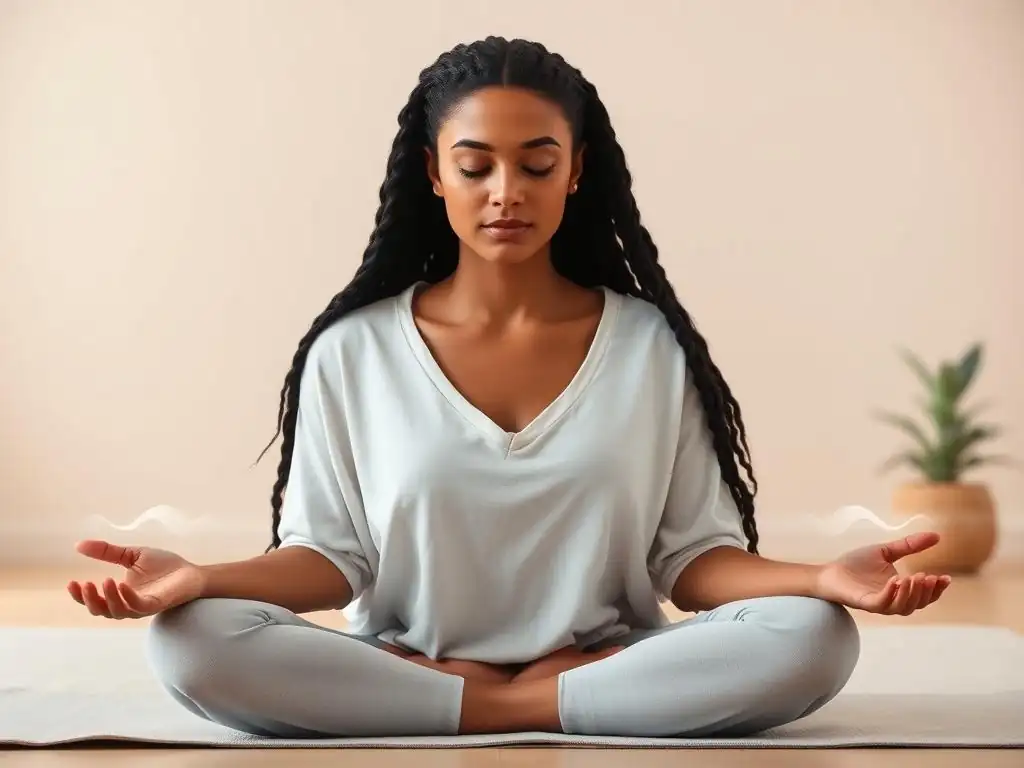
Alternate Nostril Breathing, known as Nadi Shodhana in Sanskrit, is a foundational pranayama (yogic breath control) technique aimed at balancing the flow of energy (prana) through the body's subtle channels (nadis). While its origins are rooted in ancient yogic philosophy, its physiological benefits are recognized for their ability to calm the mind and reduce stress. The practice involves closing one nostril while inhaling through the other, then closing the open nostril and exhaling through the first, and alternating this pattern. This rhythmic, controlled breathing through alternating nostrils helps to soothe the nervous system and bring a sense of equilibrium.
This technique is particularly effective for reducing mental chatter and promoting clarity, which can be beneficial when stress leads to racing thoughts or difficulty concentrating. Some theories suggest that breathing predominantly through one nostril affects activity in the opposite hemisphere of the brain, and alternating helps to balance hemispheric activity.
Regardless of the exact mechanism, many practitioners report feeling more centered, balanced, and less anxious after practicing Nadi Shodhana. It's a gentle yet powerful breathwork technique for anxiety and stress relief that can be incorporated into a morning routine to start the day calmly or practiced in the evening to unwind.
How to Perform Alternate Nostril Breathing to Reduce Stress and Promote Balance
Here’s how to practice Alternate Nostril Breathing:
- Preparation: Sit comfortably with a straight spine. Bring your right hand up towards your face.
- Hand Position: Close your right nostril gently with your right thumb. Rest your index and middle fingers gently on your forehead (or fold them down into your palm, as preferred in some traditions). Use your ring finger to close your left nostril when needed.
- Exhale Left: Close your right nostril with your thumb. Exhale completely through your left nostril.
- Inhale Left: Keep the right nostril closed. Inhale slowly and deeply through your left nostril.
- Close Left, Open Right, Exhale Right: Close your left nostril with your ring finger. Release your thumb from the right nostril and exhale completely through your right nostril.
- Inhale Right: Keep the left nostril closed. Inhale slowly and deeply through your right nostril.
- Close Right, Open Left, Exhale Left: Close your right nostril with your thumb. Release your ring finger from the left nostril and exhale completely through your left nostril.
- Continue: This completes one round. Continue alternating nostrils for 5-10 minutes. Always inhale through the same nostril you just exhaled from, and always alternate which nostril you exhale through.
This calming breathwork technique helps to regulate the flow of breath and energy, making it an excellent practice for balancing the nervous system and reducing feelings of stress and agitation. It can be particularly helpful before a stressful event or when you feel mentally scattered.
Ujjayi Breath (Victorious Breath): Calming and Grounding
Ujjayi Breath, often translated as "Victorious Breath" or "Ocean Breath," is a common breathwork technique used in yoga practices, particularly Vinyasa and Ashtanga. It involves breathing through the nose while slightly constricting the back of the throat, creating a gentle, oceanic sound during both the inhale and the exhale. This subtle constriction provides a degree of resistance to the airflow, making the breath slower, deeper, and more controlled. The audible sound helps to focus the mind and maintain a steady rhythm, acting as a powerful anchor to the present moment.
The continuous, rhythmic nature of Ujjayi breath makes it deeply grounding and calming. By extending the inhale and exhale, it promotes the relaxation response and helps to regulate heart rate. The audible sound not only aids concentration but also provides immediate feedback on the depth and smoothness of the breath, allowing practitioners to refine their technique and deepen their state of calm.
It is a versatile breathwork technique for anxiety and stress reduction that can be practiced during physical activity (like yoga) or while sitting quietly. Many find the gentle sound inherently soothing, contributing to its effectiveness in settling a busy mind and reducing feelings of overwhelm.
Practicing Ujjayi Breath for Stress Reduction and Focus
Here’s how to practice Ujjayi Breath:
- Preparation: Sit comfortably with a straight spine. Relax your jaw and neck.
- Find the Constriction: Imagine you are trying to fog up a mirror with your breath, but keep your mouth closed. Feel the gentle constriction in the back of your throat. Practice this a few times with your mouth open, then try it with your mouth closed, breathing through your nose. You should hear a soft, whispering sound, like ocean waves or a gentle snore.
- Inhale (Nose): Inhale slowly and deeply through your nose, maintaining the gentle constriction at the back of your throat. Listen for the soft, oceanic sound.
- Exhale (Nose): Exhale slowly through your nose, maintaining the same gentle constriction. Listen for the same soft, oceanic sound.
- Continue: Allow the inhale and exhale to be smooth, long, and equal in duration if possible, or let the exhale be slightly longer. Continue for 5-10 minutes, focusing on the sound and the flow of the breath.
Ujjayi breath is excellent for building focus and maintaining a calm state, especially during activities that might otherwise feel stressful. Integrating this rhythmic breathwork technique into your routine can significantly help reduce stress and anxiety by providing a constant, calming point of focus.
Integrating Breathwork into Your Daily Routine for Enhanced Well-being
Creating a Breathwork Practice: Consistency is Key
Integrating breathwork into your daily life is arguably the most crucial step in harnessing its full power to reduce stress and anxiety. Just like any skill, consistency is key to building proficiency and experiencing lasting benefits. Start small – even 5-10 minutes a day can make a significant difference.
Find a time that works for you, whether it's first thing in the morning to set a calm tone for the day, during a lunch break to reset, or in the evening to wind down. Choose one or two techniques that resonate with you initially, such as diaphragmatic breathing or box breathing, and commit to practicing them daily for a few weeks.
Making breathwork a habit requires intention and structure. Consider linking it to an existing habit, like doing a few minutes of breathwork immediately after brushing your teeth or before having your morning coffee. Some people find it helpful to set a reminder on their phone or use a breathwork app to guide them.
Tracking your practice can also be motivating – note down how you feel before and after each session. Over time, consistent practice rewires your nervous system, making the relaxation response more accessible and automatic. Research indicates that regular breathwork practice, even just 15 minutes daily, can lead to sustained reductions in cortisol levels and improvements in subjective well-being scores over several months.
Breathwork for Specific Stressful Situations: Managing Workplace Stress
Breathwork is an invaluable tool for managing stress in specific, high-pressure situations, particularly in the workplace. Moments like before a presentation, during a difficult conversation, or when facing a tight deadline can trigger immediate stress responses – shallow breathing, racing heart, clouded thinking. Having a few simple breathwork techniques readily available allows you to quickly interrupt this cycle and regain composure. Techniques like box breathing or 4-7-8 breathing are discreet and can be done while sitting at your desk or in a restroom stall, providing immediate relief.
For example, if you feel a wave of anxiety before speaking in a meeting, stepping away for two minutes to do a few rounds of box breathing can significantly lower your heart rate and calm your nerves. Similarly, when feeling overwhelmed by emails, taking 60 seconds to practice diaphragmatic breathing can help clear your mind and restore focus.
A study involving employees found that incorporating short breathwork breaks throughout the workday led to reduced self-reported stress levels and improved concentration compared to a control group. Equipping yourself with specific breathwork techniques for anxiety and stress management in the workplace empowers you to navigate challenging moments with greater ease and resilience.
Combining Breathwork with Other Holistic Practices: Meditation, Yoga
Breathwork integrates seamlessly with other holistic practices like meditation and yoga, amplifying their combined benefits for mental well-being. Breath is a fundamental element in both meditation and yoga. In meditation, the breath often serves as the primary object of focus, helping to anchor the mind. Practicing specific breathwork techniques before meditation can calm the nervous system and quiet mental chatter, making it easier to settle into a meditative state. For instance, a few minutes of Alternate Nostril Breathing can balance the mind and prepare you for deeper meditation.
In yoga, breath (pranayama) is intrinsically linked with movement (asana). Coordinating breath with posture not only enhances the physical practice but also deepens the meditative and stress-reducing effects. Ujjayi breath, for example, is often used throughout a yoga class to maintain a steady rhythm and promote internal heat and focus.
Combining breathwork with physical practices like gentle stretching or walking can also enhance their benefits. This synergy means that incorporating breathwork into your existing wellness routine, whether it's yoga, meditation, or even a simple walk, can significantly boost its effectiveness in helping you reduce stress and anxiety and promote overall well-being.
Advanced Breathwork Techniques and Considerations
Holotropic Breathwork: A Deeper Dive into Self-Exploration
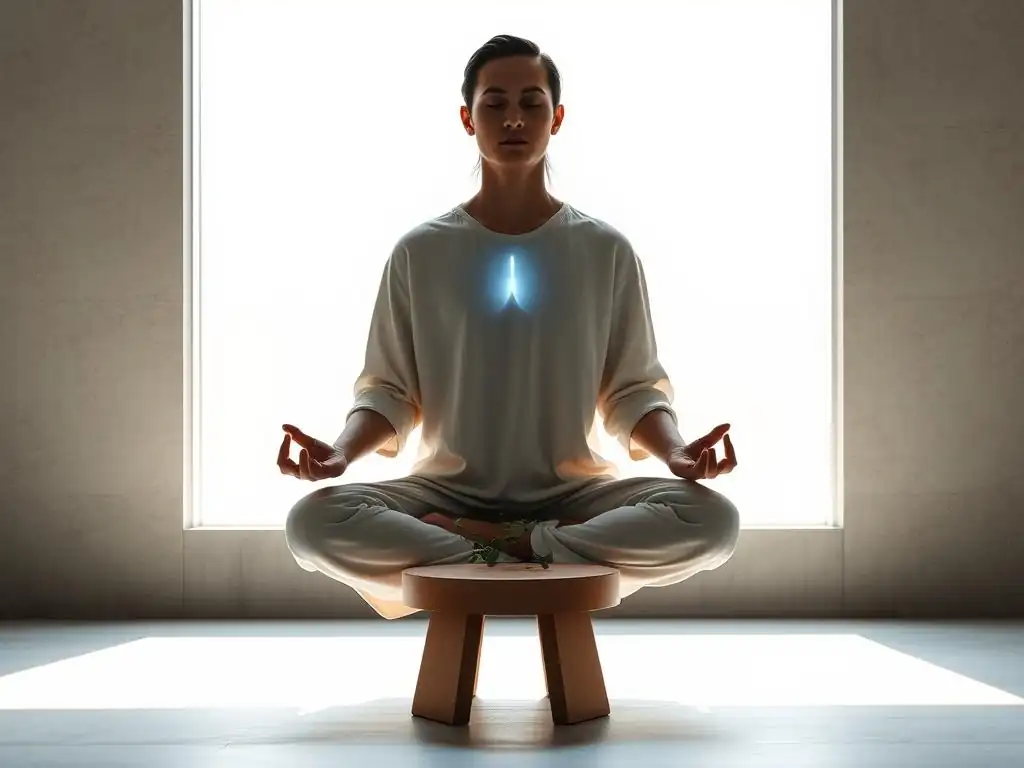
Holotropic Breathwork, developed by Stanislav Grof and Christina Grof, is a more intensive and potentially transformative breathwork technique. It involves rapid, continuous breathing, often accompanied by evocative music, and is typically conducted in a group setting with trained facilitators. The aim is to enter altered states of consciousness, which proponents believe can facilitate deep self-exploration, emotional release, and psychological healing. The intensity of the breathing can lead to powerful physical and emotional experiences, sometimes bringing repressed memories or emotions to the surface.
Unlike the calming techniques discussed earlier, Holotropic Breathwork is not primarily focused on inducing immediate relaxation, but rather on a cathartic and exploratory process. Participants are encouraged to surrender to the experience and allow whatever arises to unfold. Due to its intensity and the potential for strong emotional or psychological material to surface, Holotropic Breathwork should only be practiced under the guidance of certified and experienced facilitators who can provide a safe and supportive environment. It is considered a therapeutic modality rather than a simple stress-reduction exercise and requires careful consideration and preparation.
Somatic Experiencing and Breathwork: Releasing Trauma
Somatic Experiencing (SE), developed by Peter A. Levine, is a body-oriented therapeutic approach aimed at healing trauma and other stress-related disorders. It focuses on the body's natural ability to heal by releasing trapped survival energy associated with traumatic experiences. Breathwork is often used as a complementary tool within Somatic Experiencing sessions. While SE primarily emphasizes tracking bodily sensations and allowing the nervous system to complete thwarted survival responses (like fight, flight, or freeze), conscious breathing can support this process.
Gentle, regulated breathwork techniques, such as slow diaphragmatic breathing, can help individuals stay grounded and present while processing difficult bodily sensations or emotions that arise during SE work. It can prevent hyperventilation or dissociation and help regulate the nervous system as it discharges trauma-related energy. The goal is not to use breathwork to force a release, but rather to use conscious breathing as a resource to support the body's natural healing rhythms. Integrating breathwork with somatic practices allows for a more holistic approach to trauma recovery, addressing both the psychological and physiological imprints of stress and trauma.
Potential Side Effects and Precautions of Breathwork
While most basic breathwork techniques are safe for the general population, some more intensive or prolonged practices can have potential side effects, particularly for individuals with certain health conditions. Common, temporary side effects during or immediately after some breathwork practices might include lightheadedness, dizziness, tingling sensations (especially in the hands or feet), muscle stiffness or spasms, and emotional intensity (crying, laughing, etc.). These are often transient and relate to changes in oxygen and carbon dioxide levels or the release of stored tension.
More vigorous techniques, like those used in Holotropic Breathwork or certain forms of conscious connected breathing, can lead to hyperventilation, which can exacerbate symptoms for individuals with anxiety, panic disorders, or heart conditions. It is crucial to listen to your body and stop if you experience significant discomfort or distress. Start with gentle techniques and gradually explore more advanced practices. Ensure you are in a safe and comfortable environment, especially when exploring techniques that might bring up strong emotions.
When to Consult a Professional Before Starting Breathwork
It is highly recommended to consult with a healthcare professional or a certified breathwork practitioner before starting breathwork, especially if you have any pre-existing health conditions.
Consider consulting a professional if you have:
- Cardiovascular problems (heart disease, high or low blood pressure)
- Respiratory conditions (asthma, COPD)
- History of panic attacks or severe anxiety
- Psychiatric conditions (schizophrenia, bipolar disorder)
- History of seizures
- Glaucoma
- Are pregnant
While basic techniques like diaphragmatic breathing are generally safe, a professional can help you determine which breathwork techniques are appropriate for your individual needs and health status, ensuring that your journey to reduce stress and anxiety with breathwork is safe and beneficial.
Benefits of Regular Breathwork for Mental Health
Reduced Anxiety and Panic Attacks Through Breathwork
One of the most significant benefits of regular breathwork practice is its profound impact on reducing anxiety and the frequency and intensity of panic attacks. Chronic stress and anxiety often manifest as shallow, rapid breathing, which further fuels the body's stress response. By consciously practicing slow, deep, and rhythmic breathing techniques, individuals can directly counter this physiological cycle. Techniques like 4-7-8 breathing or box breathing, when practiced during moments of escalating anxiety, can quickly lower heart rate, reduce muscle tension, and shift the nervous system from a state of panic (sympathetic activation) to one of calm (parasympathetic activation).
Moreover, consistent daily breathwork builds resilience over time. As the nervous system becomes more regulated through regular practice, it becomes less reactive to stressors that might have previously triggered anxiety or panic. Individuals develop a greater awareness of their body's signals, allowing them to intervene with breathwork before anxiety reaches a peak.
Studies have shown that participants engaging in regular breathwork experience a measurable decrease in self-reported anxiety scores and a reduction in the physiological markers associated with panic, such as elevated heart rate and cortisol levels. For instance, a review of multiple studies indicated that breath-control practices can significantly reduce anxiety symptoms in clinical populations. This makes breathwork reduce stress anxiety not just a temporary fix, but a sustainable strategy for managing these challenging conditions.
Improved Sleep Quality and Reduced Insomnia Symptoms
Breathwork techniques are highly effective tools for combating insomnia and improving overall sleep quality, which is often severely disrupted by stress and anxiety. A racing mind, physical tension, and a hyperactive nervous system make it difficult to fall asleep and stay asleep. Practices like 4-7-8 breathing are specifically designed to relax the body and quiet the mind, making the transition into sleep much smoother. The slow, rhythmic pattern and extended exhale signal to the body that it is safe to rest, counteracting the "alert" signals that keep insomniacs awake.
Beyond immediate pre-sleep benefits, regular daily breathwork helps to regulate the body's circadian rhythm indirectly by reducing overall stress levels. Chronic stress can disrupt the hormonal balance necessary for healthy sleep-wake cycles. By consistently calming the nervous system throughout the day, breathwork helps to create a more conducive internal environment for restful sleep at night.
Research has demonstrated that individuals who incorporate breathwork into their evening routine report falling asleep faster, experiencing fewer nighttime awakenings, and feeling more rested upon waking. A study on older adults with insomnia, for example, found that a simple breath-focused relaxation technique significantly improved sleep efficiency and reduced insomnia severity index scores over eight weeks.
Increased Emotional Regulation and Resilience
Regular breathwork practice significantly enhances emotional regulation and builds resilience, enabling individuals to navigate life's challenges with greater stability. By consciously controlling the breath, people gain a sense of agency over their physiological and emotional states. This practice cultivates mindfulness and self-awareness, making it easier to recognize emotions as they arise without being immediately overwhelmed by them. Instead of reacting impulsively to stress or negative emotions, breathwork provides a tool to pause, regulate the nervous system, and choose a more measured response.
The physiological changes induced by breathwork – such as increased heart rate variability and reduced sympathetic nervous system activity – directly contribute to improved emotional resilience. A more balanced nervous system is less prone to extreme emotional swings and recovers more quickly from stressful events.
Practitioners often report feeling more centered, less reactive, and better equipped to handle daily frustrations and major setbacks. For instance, studies on individuals practicing regular breathwork have shown improvements in their ability to manage difficult emotions and a decrease in rumination, highlighting how breathwork reduce stress anxiety by building internal capacity rather than just providing temporary relief.
Enhanced Focus and Concentration with Breathwork
Stress and anxiety often impair cognitive functions, leading to difficulty concentrating, poor memory, and reduced productivity. Regular breathwork practice can significantly enhance focus and concentration by calming the busy mind and improving mental clarity. Techniques like Ujjayi breath or Alternate Nostril Breathing require focused attention on the breath's rhythm and sensation, training the mind to stay present rather than wandering into anxious thoughts or distractions.
Improved oxygen exchange resulting from deeper breathing can also positively impact brain function, supporting cognitive performance. Furthermore, by reducing background stress and nervous system arousal, breathwork creates a more optimal state for sustained attention and complex thinking. Many people find that incorporating short breathwork breaks during work or study sessions helps them regain focus when their mind starts to drift. This enhanced ability to concentrate, coupled with reduced mental clutter from anxiety, makes breathwork an effective tool not just for managing stress, but also for boosting cognitive performance and productivity.
Resources for Learning More About Breathwork
Recommended Books and Websites on Breathwork Techniques
For those interested in delving deeper into the world of breathwork and its benefits for reducing stress and anxiety, numerous valuable resources are available. Books offer comprehensive guides to various techniques, their history, and the underlying science. Websites often provide free instructions, guided audio or video sessions, and articles exploring the nuances of breathwork practice.
- Books: Look for titles by authors like James Nestor ("Breath: The New Science of a Lost Art"), Patrick McKeown (focused on the Buteyko Method, often related to nose breathing), or specific guides to Pranayama (yogic breathwork) by reputable yoga instructors or scholars. Books often provide detailed anatomical explanations and step-by-step guides to multiple techniques.
- Websites: Many mental health organizations, wellness platforms, and dedicated breathwork sites offer free articles, technique descriptions, and guided practices. Searching for terms like "diaphragmatic breathing guide," "box breathing steps," or "breathwork for anxiety" can yield helpful instructional content. Reputable sources often cite scientific studies and provide clear, easy-to-follow instructions.
Exploring these resources can provide a solid foundation for understanding and practicing different breathwork techniques effectively to reduce stress and anxiety.
Finding a Certified Breathwork Practitioner
While many basic breathwork techniques can be learned from books or online resources, working with a certified breathwork practitioner can offer personalized guidance, deeper instruction, and support, especially when exploring more advanced techniques or using breathwork for therapeutic purposes like trauma release. A practitioner can assess your individual needs, guide you safely through practices, and help you troubleshoot any difficulties you encounter.
To find a certified practitioner:
- Look for professional organizations that certify breathwork facilitators (e.g., Global Professional Breathwork Alliance, International Breathwork Foundation, or specific training school certifications).
- Search online directories provided by these organizations or use general web searches for "certified breathwork practitioner [your location]".
- Consider their training background, experience, and areas of specialization (e.g., trauma-informed breathwork, specific modalities like Holotropic Breathwork).
- Read reviews or testimonials if available.
- Many practitioners offer initial consultations to discuss your goals and see if their approach is a good fit.
Working with a qualified practitioner can significantly enhance your breathwork journey, ensuring safe and effective practice to reduce stress and anxiety and promote deeper healing.
Online Breathwork Classes and Workshops
Online platforms offer a convenient and accessible way to learn and practice breathwork, often with the guidance of experienced instructors. Numerous websites, apps, and online schools provide live or pre-recorded breathwork classes and workshops ranging from introductory sessions to in-depth programs. These resources can provide structured learning, guided practices, and a sense of community.
- Online Classes: Platforms like YouTube, specialized wellness apps, or online yoga studios often host guided breathwork sessions focusing on various techniques and goals (e.g., breathwork for sleep, breathwork for energy, breathwork for anxiety).
- Workshops: Many practitioners and organizations offer online workshops that delve deeper into specific techniques, the science behind breathwork, or its application for particular issues like stress management or emotional release. These can range from short introductory sessions to multi-day immersive experiences.
- Apps: Mobile apps dedicated to meditation and breathwork (e.g., Calm, Headspace, Insight Timer) often include guided breathwork exercises tailored for stress reduction, sleep, focus, and more.
Online resources make it easier than ever to integrate breathwork into your daily routine, providing flexibility and access to a wide range of techniques and teaching styles to help you effectively use breathwork reduce stress anxiety in your life.
Frequently Asked Questions
How can breathwork specifically help reduce stress and anxiety?
Breathwork techniques can directly impact the nervous system, shifting it from a state of "fight or flight" to a state of calm and relaxation. This physiological shift helps to lower cortisol levels and reduce feelings of anxiety.
Which breathwork techniques are most effective for immediate stress relief?
The 4-7-8 breathing technique and box breathing are often recommended for quick stress reduction. They are simple to learn and can be practiced anywhere, anytime, promoting a sense of calm.
How often should I practice breathwork to experience noticeable improvements in my anxiety levels?
Consistency is key! Practicing breathwork for at least 5-10 minutes daily can lead to significant reductions in anxiety over time. Incorporating it into your routine will provide the most benefits.
Are there any potential risks or contraindications associated with breathwork techniques?
While generally safe, some individuals may experience lightheadedness. Those with pre-existing medical conditions, such as respiratory issues, should consult with a healthcare professional before starting intense breathwork practices.
Can breathwork replace traditional treatments for anxiety, such as therapy or medication?
Breathwork can be a valuable complementary tool but it shouldn't replace professional mental health care. It can enhance the effectiveness of therapy and, in some cases, reduce reliance on medication under medical supervision.
Final Reflection: Breathing into a Calmer Future
The pervasive stress and anxiety of modern life demand effective coping mechanisms, and breathwork offers a powerful, accessible, and immediate solution. Learning to consciously control your breath isn't just a trendy wellness practice; it's a fundamental skill that can significantly impact your mental and physical well-being, offering a tangible path towards a calmer, more resilient you.
The impact of breathwork extends far beyond individual stress reduction; it's a ripple effect influencing our collective approach to mental health. We are increasingly recognizing the importance of holistic well-being, moving away from solely pharmaceutical solutions towards preventative and self-empowering methods. This shift is vital, and breathwork plays a crucial role in this evolution. The breath is the bridge between the mind and body.
This simple yet profound statement highlights the power of connecting with our breath to cultivate inner peace and manage overwhelming emotions.
Now, consider how you can integrate these techniques into your daily life. Start small, perhaps with just five minutes of conscious breathing each day. Experiment with different techniques mentioned in this article, finding what resonates most with you. Remember, the journey to a calmer mind begins with a single breath. Embrace the power within you to cultivate inner peace and resilience. You deserve the gift of calm, and breathwork is your key.
Unleash Your Inner Calm: Breathe Your Way to a Stress-Free Life
Thanks for taking the time to explore the power of breathwork with us! We hope you discovered some valuable techniques to manage stress and improve your well-being. Now it's time to put your newfound knowledge into practice.
- Prioritize one breathwork technique from the article and practice it daily for a week. Notice how it shifts your energy and mood.
- Share your experience! Tell us (or a friend!) about your breathwork journey and how it's affecting your daily life. This can reinforce your practice and inspire others.
- Explore a complementary mindfulness practice, such as meditation or yoga, to deepen your relaxation and stress-reduction efforts.
Ready to breathe your way to a calmer, more centered you? What small step will you take today to prioritize your breath and well-being?