
Ancient India's Insights: Early Concepts of Mental Balance (Ayurveda)


Welcome to Mind Care Guide, a sanctuary for your mental well-being.
Feeling overwhelmed or simply searching for a more balanced perspective? Journey with us as we delve into the rich tapestry of ancient wisdom. Our exploration begins with "Ancient India's Insights: Early Concepts of Mental Balance (Ayurveda)," where we uncover the profound Ayurveda mental balance techniques that have shaped our understanding of holistic wellness for centuries. Discover how these time-tested principles can offer fresh perspectives and practical tools for cultivating inner peace in today's fast-paced world. Intrigued? Let's explore together.
Ancient India's Insights: Early Concepts of Mental Balance (Ayurveda)
- Introduction to Ayurveda and Mental Wellbeing
- Understanding the Core Principles of Ayurveda for Mental Harmony
- Ayurvedic Mental Balance Techniques: A Holistic Approach
- Specific Mental Health Challenges and Ayurvedic Solutions
- Comparing Ayurveda with Modern Mental Health Approaches
- The Enduring Relevance of Ayurveda for Modern Mental Wellbeing
- Conclusion: Embracing Ayurveda for a Balanced Mind
-
Frequently Asked Questions
- What is Ayurveda and how does it relate to mental balance?
- What are the key concepts of Ayurveda for achieving mental well-being?
- Can Ayurveda really help with modern mental health challenges like stress and anxiety?
- What are some specific Ayurvedic lifestyle recommendations for improving mental balance?
- Where can I find reliable information and resources about Ayurveda for mental health?
- Final Reflection: The Enduring Wisdom of Ayurvedic Mental Balance
- Unveil Your Inner Harmony: Practical Steps to Ayurvedic Balance
Introduction to Ayurveda and Mental Wellbeing
The Historical Context of Ayurveda in India
Ayurveda, meaning "knowledge of life," is one of the world's oldest holistic healing systems, originating in India over 5,000 years ago. Its principles are rooted in ancient Sanskrit texts like the Charaka Samhita and Sushruta Samhita, which detail a comprehensive approach to health encompassing physical, mental, and spiritual well-being. These texts were not merely medical treatises but philosophical guides emphasizing the interconnectedness of the individual with the cosmos, laying the groundwork for a system focused on preventing illness and promoting longevity through balance.
During the Vedic period and beyond, Ayurvedic practices were integral to daily life and healthcare. While modern medicine often treats symptoms in isolation, Ayurveda always viewed the individual as a whole, considering constitutional type, lifestyle, environment, and emotional state. This historical emphasis on holistic health is crucial for understanding its approach to mental balance, which wasn't seen as separate from physical health but deeply interwoven with it.
Mind-Body Connection: The Foundation of Ayurvedic Mental Health
At the heart of Ayurveda is the fundamental belief in the inseparable connection between the mind (manas) and the body (sharira). Mental states are understood to directly influence physiological processes, and conversely, bodily imbalances can significantly impact mental and emotional well-being. This intricate relationship is the cornerstone of Ayurvedic mental balance techniques.
Ayurveda posits that the mind is not merely the brain but a subtle entity that pervades the entire body, influencing everything from digestion to cellular function. When the mind is disturbed by stress, negative emotions, or improper lifestyle, it can lead to physical ailments. Similarly, poor diet, lack of sleep, or physical illness can disrupt mental clarity and emotional stability. Therefore, achieving Ayurveda mental balance requires addressing both the mental and physical aspects simultaneously.
Understanding the Core Principles of Ayurveda for Mental Harmony
The Three Doshas: Vata, Pitta, and Kapha and Their Influence on Mental State
Ayurveda identifies three fundamental energies or doshas – Vata, Pitta, and Kapha – that govern all physiological and psychological functions in the body and mind. Each individual has a unique combination of these doshas, determined at conception, which forms their constitution (prakriti). Vata is associated with air and ether, governing movement, creativity, and communication; Pitta relates to fire and water, controlling metabolism, transformation, and intellect; and Kapha combines earth and water, responsible for structure, lubrication, and stability.
An imbalance (vikriti) in any dosha can manifest as specific mental or emotional disturbances. For instance, an excess of Vata can lead to anxiety, restlessness, insomnia, and difficulty concentrating. A Pitta imbalance might result in irritability, anger, perfectionism, and burnout. Conversely, a Kapha imbalance can manifest as lethargy, depression, attachment, and lack of motivation. Understanding which dosha is out of balance is the first step in applying effective Ayurveda mental balance techniques.
Identifying Your Dosha for Personalized Mental Wellness Strategies
Determining your dominant dosha and current imbalances is crucial for tailoring Ayurvedic mental wellness strategies. This is typically done through a consultation with an Ayurvedic practitioner who assesses physical characteristics, mental tendencies, lifestyle, and health history. However, self-assessment questionnaires are also available, though less precise.
Once your dosha type and imbalances are identified, personalized recommendations can be made. For example, a Vata-dominant individual prone to anxiety might benefit from warming, grounding practices and foods, while a Pitta-dominant person experiencing irritability might need cooling, calming therapies. This individualized approach is a hallmark of Ayurveda mental balance techniques, recognizing that there is no one-size-fits-all solution for mental health.
The Role of Agni (Digestive Fire) in Mental Clarity and Emotional Balance
Agni, the digestive fire, is a central concept in Ayurveda, representing the metabolic energy responsible for transforming food into usable energy and tissues. However, Agni's influence extends far beyond physical digestion; it is also considered essential for processing thoughts, emotions, and sensory impressions. A strong and balanced Agni ensures proper assimilation not only of nutrients but also of life experiences.
When Agni is weak or imbalanced, it leads to the accumulation of ama (toxins) in the body. This ama can clog channels (shrotas), including those related to the mind (mano vaha shrotas), impairing cognitive function, emotional stability, and mental clarity. Therefore, supporting Agni through proper diet and lifestyle is a fundamental Ayurveda mental balance technique, vital for preventing mental fog, emotional stagnation, and psychological distress.
Ayurvedic Mental Balance Techniques: A Holistic Approach

Diet and Nutrition for Mental Health According to Ayurveda
Ayurveda places immense importance on diet as a primary tool for maintaining health, including mental balance. The quality, quantity, and timing of food are considered, along with its taste (rasa), energy (virya), and post-digestive effect (vipaka). Foods are categorized based on their influence on the doshas and their ability to promote sattva (purity, clarity), rajas (activity, restlessness), or tamas (inertia, dullness).
A sattvic diet, emphasizing fresh, whole, organic foods, is generally recommended for promoting mental clarity and emotional balance. This includes fruits, vegetables, whole grains, legumes, nuts, seeds, and dairy (if tolerated). Rajasic foods like excessive spices, caffeine, and processed items can increase restlessness and irritability, while tamasic foods such as stale food, meat, and alcohol can promote lethargy and dullness. Tailoring the diet based on individual dosha imbalances is a key Ayurveda mental balance technique.
Foods to Promote Mental Clarity and Reduce Anxiety
Certain foods are specifically recommended in Ayurveda for their calming and mind-clarifying properties. For reducing Vata-related anxiety and promoting mental clarity, warm, grounding, and nourishing foods are preferred. Examples include cooked grains like rice and oats, root vegetables, warm milk with spices like nutmeg, and healthy fats like ghee.
Foods that support Pitta balance and reduce irritability include sweet, cooling, and slightly bitter tastes. Fresh fruits like melons and grapes, leafy greens, coconut, and cooling spices like coriander and fennel are beneficial. For Kapha balance and combating mental lethargy, light, warm, and stimulating foods are recommended, such as ginger, garlic, leafy greens, and legumes, while avoiding heavy, cold, and sweet foods.
Ayurvedic Diet Recommendations for Different Doshas and Mental States
Dietary recommendations are highly specific to an individual's dosha constitution and current mental state. A person with a Vata imbalance experiencing anxiety might be advised to eat regular, warm, cooked meals, avoid cold or raw foods, and incorporate calming herbs like ashwagandha into their diet.
Someone with a Pitta imbalance manifesting as anger or frustration might be told to avoid spicy, oily, and fermented foods, limit caffeine and alcohol, and favor cooling foods and drinks like cucumber, mint, and rosewater. For a Kapha imbalance leading to depression or lethargy, recommendations would include avoiding heavy, sweet, and cold foods, favoring pungent and bitter tastes, and incorporating stimulating spices like ginger and black pepper. Applying these specific dietary adjustments is a core set of Ayurveda mental balance techniques.
Lifestyle Practices for Mental Equilibrium
Beyond diet, Ayurveda emphasizes the importance of daily and seasonal routines, physical activity, and mindfulness practices for maintaining mental equilibrium. These lifestyle adjustments are powerful Ayurveda mental balance techniques that help regulate the nervous system, reduce stress, and promote overall well-being.
Living in harmony with natural rhythms is seen as fundamental. This includes rising early, eating meals at regular times, and going to bed early. Disrupting these natural cycles can exacerbate dosha imbalances and negatively impact mental health. Integrating mindful practices into daily life further supports mental clarity and emotional resilience.
The Importance of Daily Routine (Dinacharya) in Ayurveda
Dinacharya, or daily routine, is a cornerstone of Ayurvedic health and a potent Ayurveda mental balance technique. Following a consistent daily schedule is believed to ground the doshas, particularly Vata, which is prone to imbalance from irregularity. A typical Dinacharya might include waking before sunrise, cleansing practices (like tongue scraping and oil pulling), exercise (yoga or walking), meditation, bathing, eating regular meals, and sleeping by 10 PM.
Adhering to Dinacharya helps regulate the body's natural clock (circadian rhythm), which in turn positively influences mood, energy levels, and cognitive function. For example, waking early during the Vata time of morning (2-6 AM) is considered ideal for meditation and creative work due to the subtle energy of this period. Skipping meals or sleeping late can disrupt digestion and nervous system function, contributing to anxiety or lethargy.
Yoga and Meditation for Mental Peace and Stress Reduction
Yoga and meditation are ancient Indian practices deeply intertwined with Ayurveda and recognized globally as effective stress reduction and mental health tools. In Ayurveda, they are considered essential Ayurveda mental balance techniques. Yoga postures (asanas) help release physical tension, improve circulation, and balance energy flow (prana).
Meditation, particularly mindfulness and transcendental meditation, calms the mind, reduces the activity of the sympathetic nervous system (responsible for the stress response), and promotes a state of sattva. Regular practice has been shown to reduce symptoms of anxiety and depression, improve focus, and enhance emotional regulation. Combining specific yoga poses and meditation techniques tailored to individual dosha imbalances further enhances their effectiveness.
Ayurvedic Massage (Abhyanga) for Calming the Mind
Abhyanga, the practice of self-massage or massage by another using warm oil, is a deeply nourishing and calming Ayurvedic practice. It is considered a powerful Ayurveda mental balance technique, particularly beneficial for pacifying Vata dosha, which governs the nervous system. The warm oil, often infused with calming herbs, is massaged into the skin, which is considered a major sensory organ and a pathway for toxins to be released.
The rhythmic touch and warmth of the oil help to soothe the nervous system, reduce stress, improve sleep, and promote a sense of grounding and well-being. Regular Abhyanga can help alleviate symptoms of anxiety, restlessness, and insomnia. Different oils are recommended based on the individual's dosha, such as sesame oil for Vata, coconut oil for Pitta, and mustard oil for Kapha.
Herbal Remedies and Supplements for Mental Wellbeing
Ayurveda utilizes a vast pharmacopoeia of herbs and botanical formulations to support mental health and address specific psychological conditions. These herbs are chosen based on their properties (guna), taste (rasa), and effect on the doshas and specific tissues (dhatus) or channels (shrotas) related to the mind. Using specific herbs is a potent set of Ayurveda mental balance techniques.
Herbal remedies are often used to strengthen the nervous system (majja dhatu), improve cognitive function, calm restlessness, promote sleep, and support emotional resilience. They are typically prescribed as powders (churna), decoctions (kashaya), medicated ghees (ghrita), or herbal jams (avaleha), often in combination for synergistic effects.
Ashwagandha: An Adaptogen for Stress Management
Ashwagandha (Withania somnifera) is one of the most revered herbs in Ayurveda, classified as a potent adaptogen. This means it helps the body adapt to stress, both physical and psychological. It is widely used as an Ayurveda mental balance technique to reduce cortisol levels, the primary stress hormone, and calm the nervous system without causing drowsiness.
Studies suggest Ashwagandha can significantly reduce symptoms of stress and anxiety. For example, a 2019 study published in the Indian Journal of Psychological Medicine found that participants taking Ashwagandha extract reported a significant reduction in stress and anxiety scores compared to a placebo group. Its ability to nourish the nervous system and promote resilience makes it invaluable for managing modern-day stress.
Brahmi: Enhancing Cognitive Function and Memory
Brahmi (Bacopa monnieri) is another cornerstone herb in Ayurvedic mental health, particularly known for its benefits to cognitive function. It is considered a 'medhya rasayana' – a substance that enhances intellect and memory. Brahmi works by improving communication between brain cells and protecting them from damage.
Research indicates that Brahmi can improve aspects of memory, attention, and cognitive processing. A meta-analysis of studies on Brahmi found consistent evidence for its ability to enhance cognitive performance, making it a valuable herb for students, professionals, and the elderly. It is a classic Ayurveda mental balance technique for sharpening the mind and improving focus.
Shankhapushpi: A Brain Tonic for Cognitive Enhancement and Anxiety Relief
Shankhapushpi (Convolvulus pluricaulis) is another important Ayurvedic herb for the mind, often used as a brain tonic and nervine relaxant. It is traditionally used to improve memory, concentration, and learning ability, while also calming the mind and reducing anxiety.
Shankhapushpi is particularly useful for pacifying Vata and Pitta doshas, which are often implicated in restlessness, anxiety, and irritability. Its calming properties make it effective in promoting restful sleep and reducing mental fatigue. It is frequently used in combination with Brahmi for comprehensive cognitive and mental support, serving as a key Ayurveda mental balance technique.
Jatamansi: A Calming Herb for Stress and Insomnia
Jatamansi (Nardostachys jatamansi) is an aromatic herb known for its powerful calming and sedative properties. It is highly regarded in Ayurveda for its ability to soothe the nervous system, reduce stress, anxiety, and tension, and promote deep, restful sleep. It is especially beneficial for individuals with Vata imbalances leading to restlessness and insomnia.
Jatamansi is often used in cases of nervous excitability, panic, and difficulty falling or staying asleep. Its grounding effect helps to stabilize the mind and emotions. It is commonly used in herbal formulations aimed at promoting relaxation and combating stress-induced sleep disturbances, making it a valued Ayurveda mental balance technique for calming an agitated mind.
Specific Mental Health Challenges and Ayurvedic Solutions
Managing Anxiety and Stress with Ayurveda
Ayurveda views anxiety and stress primarily as manifestations of Vata imbalance, often aggravated by improper diet, irregular routine, lack of sleep, and excessive mental stimulation. Ayurvedic mental balance techniques for anxiety focus on pacifying Vata through grounding practices, warming and nourishing foods, regular routine (Dinacharya), gentle yoga, meditation, and calming herbs like Ashwagandha and Jatamansi.
For example, someone experiencing Vata-induced anxiety might be advised to incorporate warm sesame oil self-massage (Abhyanga) daily, eat warm, cooked meals at consistent times, avoid cold drinks and raw salads, and practice slow, deep breathing exercises. Herbal remedies like Ashwagandha ghrita (medicated ghee) or Jatamansi powder might be recommended to soothe the nervous system.
Addressing Depression through Ayurvedic Principles
Depression in Ayurveda can be associated with imbalances in any of the three doshas, although Kapha imbalance is often a significant factor, leading to lethargy, lack of motivation, and emotional heaviness. Pitta imbalance can manifest as irritable or agitated depression, while Vata imbalance can lead to depression characterized by fear, emptiness, and insomnia. Ayurvedic mental balance techniques for depression are therefore highly individualized based on the dominant dosha imbalance.
For Kapha-type depression, stimulating practices are recommended, such as vigorous exercise, pungent and bitter foods, dry massage (Garshana), and herbs like Ginger and Pippali. For Pitta-type depression, cooling and calming therapies are needed, including cooling foods, meditation, and herbs like Brahmi. Vata-type depression benefits from grounding and nourishing practices, warm foods, routine, and herbs like Ashwagandha. Lifestyle changes to increase light exposure and social interaction are also crucial.
Improving Sleep Quality with Ayurvedic Interventions
Insomnia and poor sleep quality are common issues often linked in Ayurveda to Vata imbalance, causing restlessness and an overactive mind at night. However, Pitta imbalance can lead to waking up in the middle of the night feeling hot or agitated, while Kapha imbalance might cause excessive sleep or difficulty waking up. Ayurvedic mental balance techniques for sleep focus on addressing the underlying dosha imbalance.
For Vata-induced insomnia, practices like warm oil foot massage before bed, drinking warm milk with nutmeg, establishing a consistent sleep schedule, and using calming herbs like Jatamansi or Ashwagandha are recommended. Pitta-related sleep issues benefit from cooling practices, avoiding late-night meals, and herbs like Brahmi. Kapha-related sleep problems require stimulating activities during the day and avoiding heavy foods in the evening.
Combating Mental Fatigue and Enhancing Focus
Mental fatigue, difficulty concentrating, and lack of focus can stem from various imbalances, including weak Agni, accumulated ama, or Vata and Kapha imbalances. When the mind's channels are clogged or the nervous system is depleted, cognitive function suffers. Ayurvedic mental balance techniques for enhancing focus aim to clear ama, strengthen Agni, and nourish the nervous system.
Dietary adjustments to improve digestion, regular cleansing practices (like Nasya or nasal oiling), and cognitive-enhancing herbs are key. Brahmi and Shankhapushpi are prime examples of herbs used to sharpen focus and improve memory. Regular meditation and pranayama (breathing exercises) also help to calm mental chatter and improve concentration. Maintaining a consistent routine and getting adequate sleep are also essential for combating mental fatigue.
Comparing Ayurveda with Modern Mental Health Approaches
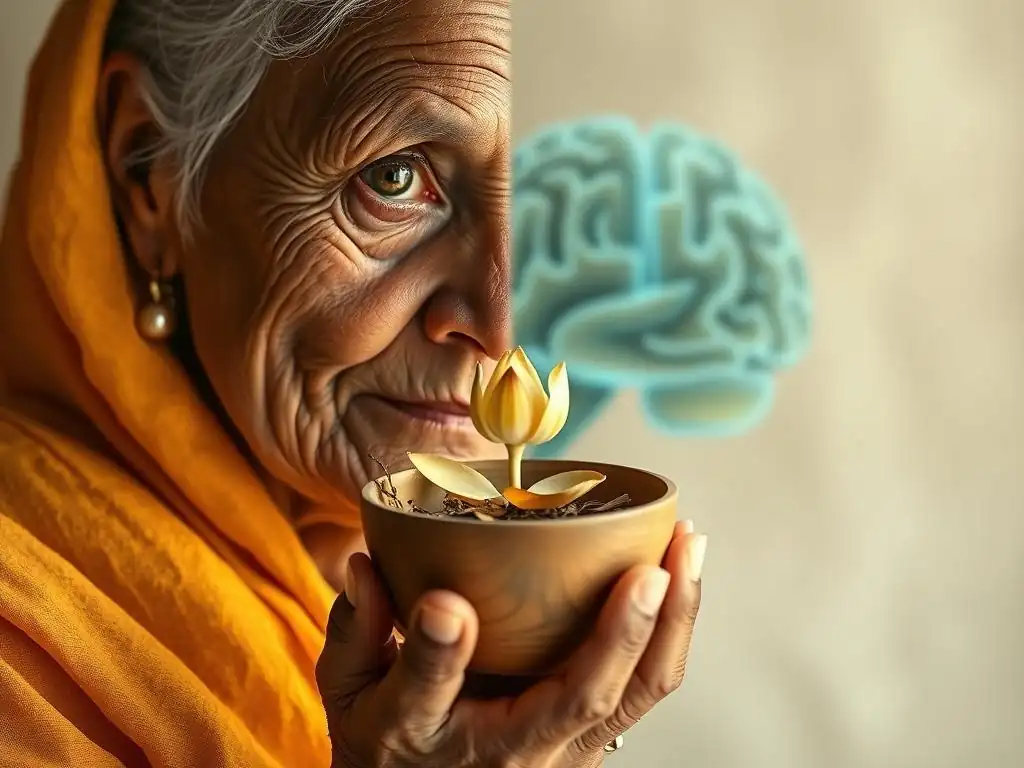
Similarities and Differences in Diagnosis and Treatment
Both Ayurveda and modern psychiatry aim to alleviate mental suffering and improve well-being, but their foundational approaches differ significantly. Modern psychiatry often focuses on diagnosing specific disorders based on symptom clusters (e.g., DSM-5 criteria) and treating them with pharmaceuticals that target neurotransmitter imbalances or with specific psychotherapies. Diagnosis typically involves clinical interviews and symptom checklists.
Ayurveda, on the other hand, diagnoses imbalances not just based on symptoms but on the individual's unique constitution (prakriti), current imbalance (vikriti), the state of Agni, the presence of ama, and the influence of environmental and lifestyle factors. Treatment is highly individualized, focusing on restoring balance through a combination of diet, lifestyle, herbal remedies, cleansing therapies (Panchakarma), and mind-body practices. While modern medicine seeks to fix a specific pathology, Ayurveda seeks to restore holistic harmony.
The Potential of Integrative Mental Healthcare: Combining Ayurveda and Modern Medicine
Given their distinct yet potentially complementary strengths, there is a growing interest in integrative approaches that combine Ayurveda and modern mental healthcare. Modern medicine offers effective acute interventions for severe conditions and sophisticated diagnostic tools. Ayurveda provides a framework for understanding the individual's unique constitution, preventing illness, and promoting long-term well-being through lifestyle and natural therapies.
For example, someone managing depression might benefit from antidepressant medication (modern medicine) while simultaneously incorporating Ayurvedic practices like a personalized diet, yoga, meditation, and herbal support (Ayurveda mental balance techniques) to address underlying imbalances, improve overall vitality, and reduce side effects. This integrative model respects both systems and seeks to leverage the best of each for comprehensive patient care.
The Enduring Relevance of Ayurveda for Modern Mental Wellbeing
Practical Tips for Incorporating Ayurvedic Principles into Your Daily Life
Incorporating Ayurvedic principles doesn't require a complete overhaul of your life; even small changes can yield significant benefits for mental well-being. Start by observing your own body and mind – pay attention to how different foods, activities, and times of day affect your energy and mood. This self-awareness is a fundamental Ayurvedic practice.
- Establish a consistent daily routine: Try to wake up and go to bed around the same time each day, and eat your main meals at regular intervals.
- Eat mindfully: Choose fresh, whole foods and pay attention to how you feel after eating. Notice if certain foods exacerbate stress or fatigue.
- Move your body: Engage in physical activity that balances your dosha – calming for Vata, cooling for Pitta, stimulating for Kapha.
- Practice mindfulness: Incorporate a few minutes of meditation or deep breathing into your day.
- Consider warm oil massage: A simple foot massage before bed can be incredibly calming.
- Use calming herbs: Explore incorporating herbs like Ashwagandha or Brahmi under guidance, especially for stress or focus issues.
These simple Ayurveda mental balance techniques can help cultivate greater stability and peace in your daily life.
Resources for Learning More About Ayurveda and Mental Health
For those interested in delving deeper into Ayurveda mental balance techniques and principles, numerous resources are available. Reputable books by Ayurvedic practitioners provide comprehensive introductions to the philosophy and practices. Websites of Ayurvedic colleges, organizations, and practitioners offer valuable information, articles, and courses.
Seeking guidance from a qualified Ayurvedic practitioner is highly recommended for personalized assessments and treatment plans. They can help you identify your dosha, understand your imbalances, and recommend specific diet, lifestyle, and herbal therapies tailored to your unique needs and mental health goals. Many practitioners now offer online consultations, making access easier.
Conclusion: Embracing Ayurveda for a Balanced Mind
Ayurveda offers a profound and time-tested framework for understanding and nurturing mental balance. Its core principles, rooted in the mind-body connection, the wisdom of the doshas, and the importance of Agni, provide a holistic lens through which to view mental well-being. The diverse range of Ayurveda mental balance techniques – encompassing diet, lifestyle, yoga, meditation, massage, and herbal remedies – offers a comprehensive toolkit for cultivating a calm, clear, and resilient mind.
By embracing these ancient insights and integrating them into modern life, individuals can move beyond simply managing symptoms towards fostering true, sustainable mental harmony. The journey towards Ayurvedic mental balance is a path of self-discovery, empowering you to understand your unique constitution and make conscious choices that support your holistic health.
Frequently Asked Questions
What is Ayurveda and how does it relate to mental balance?
Ayurveda is an ancient Indian system of medicine that emphasizes the interconnectedness of mind, body, and spirit. It relates to mental balance by offering holistic approaches to address imbalances through diet, lifestyle, and herbal remedies, aiming to restore inner harmony.
What are the key concepts of Ayurveda for achieving mental well-being?
Key concepts include understanding your dosha (constitution), balancing the gunas (qualities), and promoting prana (life force). These principles guide practices that aim to achieve mental clarity and emotional stability.
Can Ayurveda really help with modern mental health challenges like stress and anxiety?
Yes, many find Ayurvedic techniques beneficial for managing stress and anxiety. Practices like yoga, meditation, and pranayama (breathing exercises) are often recommended to promote relaxation and reduce mental overwhelm.
What are some specific Ayurvedic lifestyle recommendations for improving mental balance?
Specific recommendations often involve dietary adjustments, such as favoring warm, grounding foods, establishing a consistent sleep schedule, and incorporating regular self-care practices like abhyanga (self-massage) for improved mood and reduced tension.
Where can I find reliable information and resources about Ayurveda for mental health?
Consulting with a qualified Ayurvedic practitioner is recommended. You can also find reliable information on reputable websites and books that are based on authentic Ayurvedic principles and scientific research, while taking care to discern credible sources.
Final Reflection: The Enduring Wisdom of Ayurvedic Mental Balance
The ancient practices of Ayurveda offer a surprisingly relevant roadmap for navigating the complexities of modern life. Stress, anxiety, and burnout are rampant in our fast-paced world, yet the core principles of Ayurvedic mental balance, explored throughout this article, provide a timeless framework for cultivating inner peace and resilience. These aren't just historical curiosities; they are potent tools for well-being readily available to us today.
The enduring influence of Ayurveda on our understanding of holistic health is undeniable. Its emphasis on the interconnectedness of mind, body, and spirit resonates deeply with contemporary movements towards mindfulness and self-care. The holistic approach, focusing on preventative measures and lifestyle adjustments rather than solely reactive treatments, offers a powerful counterpoint to the often fragmented nature of modern healthcare. The body is your temple. Keep it pure and clean for the soul to reside in.
This simple yet profound statement encapsulates the Ayurvedic philosophy and its lasting impact on our approach to well-being.
Now, consider how you can integrate these ancient wisdoms into your daily life. Perhaps it's incorporating mindful eating practices, dedicating time for daily meditation, or simply prioritizing restorative sleep. The journey towards mental balance is a personal one, but the path is illuminated by the enduring insights of Ayurveda. Embrace the opportunity to explore these techniques, adapt them to your own needs, and discover the transformative power of this ancient system for cultivating a more balanced and fulfilling life.
Unveil Your Inner Harmony: Practical Steps to Ayurvedic Balance
Thanks for exploring the fascinating world of ancient Indian wisdom on mental well-being! You've learned about the core principles of Ayurveda and its approach to inner peace. Now, it's time to put this knowledge into practice.
Ready to embark on your journey towards greater mental balance? Here are a few steps to get started:
- Integrate one Ayurvedic practice into your daily routine. Start small – perhaps a simple breathing exercise, a mindful cup of herbal tea, or a short period of quiet reflection. This is your primary action towards building a stronger foundation for mental well-being.
- Share your newfound knowledge with someone you care about. Discuss the article and the Ayurvedic concepts that resonated most with you. Spreading awareness can be incredibly rewarding.
- Explore further! Research other Ayurvedic techniques, like herbal remedies or yoga poses, that complement your chosen practice. Discover what best suits your personal needs.
What simple Ayurvedic practice are you most excited to try first, and why?