
Unwind and Sleep: Bedtime Rituals to Combat Anxiety


Welcome to Mind Care Guide, a sanctuary dedicated to your mental well-being. Are you struggling to quiet the racing thoughts that keep you up at night? It's okay, you're not alone. Many find solace in establishing routines. Dive into our guide on relaxing bedtime rituals anxiety relief and discover practical, gentle steps you can take tonight to reclaim your peace and drift into a restful sleep. Ready to unlock the secret to calmer nights?
Unwind and Sleep: Bedtime Rituals to Combat Anxiety
- Introduction: The Anxiety-Sleep Connection and the Power of Bedtime Rituals
-
Crafting Your Personalized Relaxing Bedtime Ritual for Anxiety
- Step 1: Evaluate Your Current Bedtime Routine (and Identify Anxiety Triggers)
- Step 2: Optimize Your Sleep Environment for Anxiety Reduction
- Step 3: Implement Relaxing Bedtime Rituals for Anxiety Relief
- Step 4: Digital Detox: Minimizing Screen Time for Better Sleep and Reduced Anxiety
- Step 5: Choose Calming Activities to Reduce Anxiety Before Bed
- Beyond Bedtime Rituals: Additional Strategies for Anxiety and Sleep
- Troubleshooting Common Bedtime Ritual Challenges and Anxiety
- Conclusion: Embracing Bedtime Rituals for a Calmer Mind and Restful Sleep
-
Frequently Asked Questions
- What are some simple bedtime rituals I can incorporate to reduce anxiety?
- How can bedtime rituals specifically help with anxiety relief?
- How long before bed should I start my relaxing rituals?
- What if my anxiety worsens during my bedtime ritual?
- Are there specific types of music or sounds that are more effective for anxiety relief at bedtime?
- Final Reflection: Weaving Calm into the Night
- Unlock Your Best Sleep Yet: Sweet Dreams Await!
Introduction: The Anxiety-Sleep Connection and the Power of Bedtime Rituals
Understanding the Vicious Cycle: How Anxiety Disrupts Sleep
Anxiety and sleep share a complex, often detrimental relationship. When anxiety levels are high, the body's fight-or-flight response is activated, releasing stress hormones like cortisol. This physiological state is fundamentally incompatible with the relaxation needed to fall asleep and stay asleep. Racing thoughts, persistent worries, and physical tension make it difficult to quiet the mind and body, leading to difficulty initiating sleep, frequent awakenings, and non-restorative sleep.
This sleep disruption, in turn, exacerbates anxiety. Lack of quality sleep impairs cognitive function, emotional regulation, and stress resilience. Studies consistently show that sleep deprivation increases amygdala activity (the brain's fear center) and decreases prefrontal cortex activity (involved in rational thought and emotional control), making individuals more susceptible to anxious thoughts and feelings. This creates a vicious cycle where anxiety prevents sleep, and poor sleep fuels more anxiety, making it crucial to find effective strategies for breaking this pattern.
Why Relaxing Bedtime Rituals are Essential for Anxiety Relief
Developing consistent, relaxing bedtime rituals is a powerful strategy for interrupting the anxiety-sleep cycle. These rituals signal to your brain and body that it's time to wind down and prepare for rest, shifting from a state of alertness or stress to one of calm. By incorporating activities known to promote relaxation, you actively lower cortisol levels, reduce heart rate, and soothe the nervous system before even attempting to sleep.
Regularly practicing relaxing bedtime rituals provides a predictable transition period that helps manage the surge of anxious thoughts often experienced when the day ends and distractions fade. Over time, this consistent routine becomes a cue for relaxation, making it easier to fall asleep and improve overall sleep quality, thereby providing significant anxiety relief. It's not just about what you do in bed, but what you do before bed to create the optimal state for restful sleep.
Crafting Your Personalized Relaxing Bedtime Ritual for Anxiety
Step 1: Evaluate Your Current Bedtime Routine (and Identify Anxiety Triggers)
The first step in creating effective relaxing bedtime rituals for anxiety relief is understanding your current habits and how they might be contributing to your sleep difficulties. Take a close look at what you typically do in the hour or two before bed. Do you work on a laptop, scroll social media, watch intense TV shows, or engage in stressful conversations? Be honest about activities that might be stimulating or anxiety-provoking.
Consider also when your anxiety peaks. Is it when you're alone with your thoughts? When you think about the next day? Identifying these triggers is crucial because your relaxing bedtime rituals should be designed to counteract them. For instance, if your anxiety is triggered by thinking about your to-do list, incorporating journaling might be a key component of your new ritual. If bright screens keep you wired, a digital detox is essential.
Step 2: Optimize Your Sleep Environment for Anxiety Reduction
Creating a sanctuary for sleep is fundamental to effective relaxing bedtime rituals for anxiety. Your bedroom should be a place dedicated primarily to sleep and intimacy, free from work materials, clutter, and distractions. Aim for a cool, dark, and quiet space. Research consistently shows that a cooler room (ideally between 60-67°F or 15-19°C) is conducive to sleep because it aligns with the natural drop in body temperature needed for sleep onset.
Ensuring your room is dark is also vital. Even small amounts of light can disrupt melatonin production, the hormone that regulates sleep-wake cycles. Use blackout curtains or an eye mask if necessary. Minimizing noise is equally important; consider earplugs or a white noise machine if your environment is noisy. A calm, comfortable, and quiet sleep environment sets the stage for your relaxing bedtime rituals to be most effective in providing anxiety relief.
Creating a Calm and Quiet Sleep Sanctuary
Transforming your bedroom into a sleep sanctuary involves more than just temperature and light; it's about cultivating an atmosphere of peace. Decluttering the space can significantly reduce feelings of mental overwhelm, which often accompanies anxiety. Ensure your bed is comfortable with supportive pillows and bedding that suits your temperature preferences.
Consider incorporating elements that promote calm within the room itself. This could include soft, ambient lighting (like a bedside lamp instead of overhead lights), perhaps a relaxing scent diffuser (using oils like lavender, as discussed later), and removing screens like TVs or computers from the bedroom altogether if possible. Making this space feel safe and tranquil reinforces the purpose of your relaxing bedtime rituals for anxiety relief.
The Importance of Darkness and Temperature for Anxiety-Free Sleep
As mentioned, darkness is critical because light exposure suppresses melatonin production. Melatonin signals to the brain that it is nighttime and time to prepare for sleep. Exposure to light, especially blue light from electronic devices, tricks the brain into thinking it's still daytime, making it harder to fall asleep and disrupting the sleep cycle, which can worsen anxiety symptoms.
Temperature also plays a significant role in sleep quality. Your body temperature naturally drops slightly before sleep. A cool room helps facilitate this drop, promoting faster sleep onset and deeper sleep. Conversely, a room that is too warm can cause discomfort, increase awakenings, and make it harder to stay asleep, all of which can heighten feelings of anxiety about sleep itself. Optimizing these environmental factors is a foundational step for any effective relaxing bedtime rituals aimed at anxiety relief.
Step 3: Implement Relaxing Bedtime Rituals for Anxiety Relief
This is where you actively incorporate calming activities into your routine. Choose one or two techniques that resonate with you and practice them consistently. The key is regularity, allowing these activities to become powerful cues for relaxation and sleep.
- [ ] Practice a chosen relaxation technique
- [ ] Engage in a screen-free, calming activity
- [ ] Ensure the environment is ready for sleep
Mindfulness Meditation for Anxiety Reduction Before Sleep
Mindfulness meditation involves focusing on the present moment without judgment. Practicing mindfulness before bed can significantly reduce the mental clutter and racing thoughts often associated with anxiety. Even a few minutes of guided or unguided meditation can help shift your focus away from worries about the past or future and anchor you in the here and now.
Research indicates that regular mindfulness practice can reduce symptoms of generalized anxiety disorder and improve sleep quality. By observing thoughts without getting carried away by them, you create distance from anxious spirals. Many find that focusing on the breath during meditation is particularly effective for calming the nervous system and preparing the mind for sleep, making it a valuable component of relaxing bedtime rituals for anxiety relief.
Deep Breathing Exercises for Anxiety and Sleep Improvement
Deep breathing exercises are a simple yet powerful tool for calming the nervous system. Techniques like diaphragmatic breathing (belly breathing) activate the parasympathetic nervous system, counteracting the fight-or-flight response triggered by anxiety. Slow, deep breaths signal to your body that you are safe and can relax.
A common technique is the 4-7-8 method: inhale for a count of four, hold for a count of seven, and exhale slowly for a count of eight. Repeating this cycle several times can lower heart rate, reduce blood pressure, and decrease muscle tension. Incorporating 5-10 minutes of deep breathing into your relaxing bedtime rituals can create a physiological state more conducive to falling asleep, offering immediate anxiety relief.
Progressive Muscle Relaxation (PMR) for Anxiety Relief and Better Sleep
Progressive Muscle Relaxation (PMR) is a technique that involves tensing and then releasing different muscle groups in the body. By systematically working through the body, you become more aware of physical tension and learn how to release it. Anxiety often manifests as physical tightness in the shoulders, jaw, or stomach, and PMR directly addresses this.
Practicing PMR before bed helps release this stored tension, promoting a state of physical relaxation that complements mental calming techniques. Many people find that the process of focusing on physical sensations distracts from anxious thoughts. Consistent use of PMR as part of relaxing bedtime rituals has been shown to decrease overall anxiety levels and improve sleep onset latency.
Gentle Stretching or Yoga for Pre-Sleep Anxiety Management
Light stretching or gentle yoga poses can release physical tension and calm the mind before bed. Avoid vigorous exercise close to bedtime, as this can be stimulating. Focus on slow, deliberate movements and holding gentle stretches, paying attention to your breath. Poses like child's pose, supine twist, or legs-up-the-wall can be particularly relaxing.
This physical activity, when gentle, helps to work out some of the physical manifestations of anxiety without causing alertness. It also encourages a mind-body connection, drawing your awareness away from anxious thoughts and towards present physical sensations. Incorporating 10-15 minutes of gentle movement into your relaxing bedtime rituals can be a soothing way to transition into sleep.
Journaling to Process Anxious Thoughts Before Bed
If racing thoughts or worries about the next day keep you awake, journaling can be an incredibly effective part of your relaxing bedtime rituals for anxiety relief. Dedicate 10-15 minutes to writing down whatever is on your mind – worries, to-do lists, thoughts, feelings. Get it out of your head and onto the page.
This "brain dump" can prevent these thoughts from circulating endlessly as you try to fall asleep. Some people find it helpful to then tear up the page or put it away in a specific place, symbolizing leaving the worries behind until morning. Journaling provides a structured way to process anxiety before entering the sleep space, allowing the mind to quiet down.
Step 4: Digital Detox: Minimizing Screen Time for Better Sleep and Reduced Anxiety
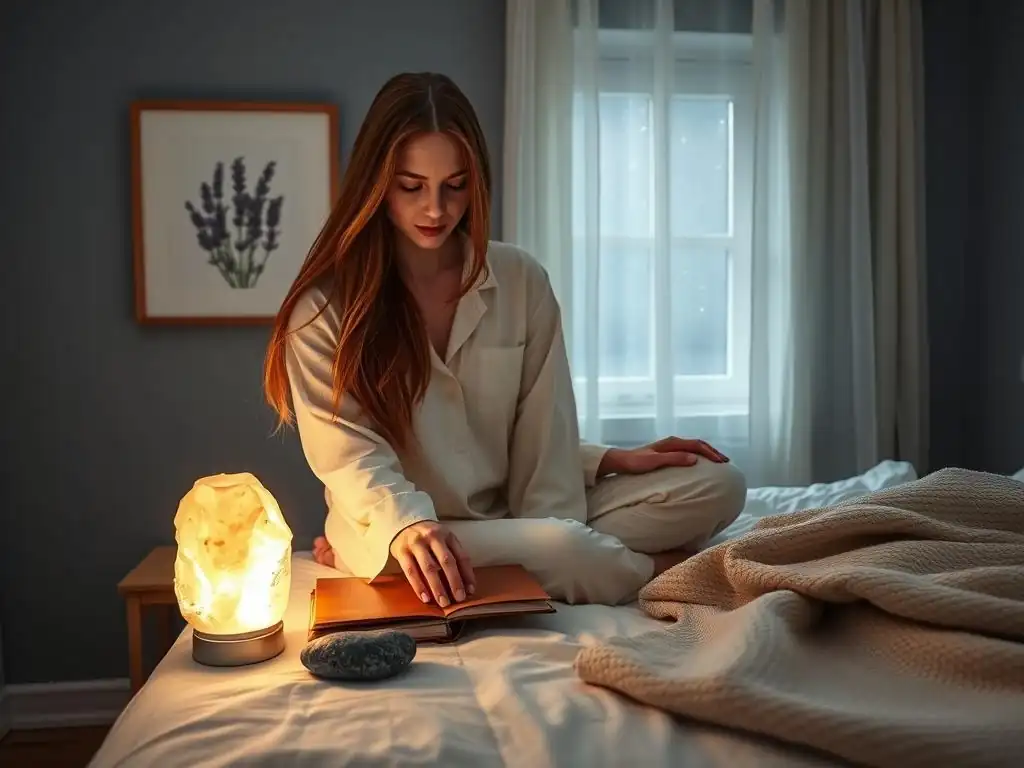
One of the most disruptive modern habits for sleep and anxiety is excessive screen time before bed. The light emitted from devices and the stimulating content they provide are significant obstacles to relaxation and sleep onset. Implementing a digital detox is a cornerstone of effective relaxing bedtime rituals.
Aim for at least 60-90 minutes of screen-free time before you plan to go to sleep. This allows your brain to wind down naturally without artificial stimulation. Replace screen time with other calming activities discussed in Step 5. This boundary is crucial for signaling to your body that the day is ending and it's time to prepare for rest, significantly aiding anxiety relief.
The Impact of Blue Light on Sleep and Anxiety
Blue light emitted from smartphones, tablets, computers, and LED screens is particularly problematic for sleep. This specific wavelength of light suppresses the production of melatonin more effectively than other wavelengths. Exposure to blue light in the evening disrupts your body's natural circadian rhythm, making it harder to feel sleepy when you want to.
Disrupted sleep patterns, especially those caused by light exposure, are closely linked to increased anxiety and mood disturbances. By minimizing exposure to blue light in the hours leading up to bed, you allow your body's natural sleep signals to function properly. This reduction in disruption is a direct way that a digital detox enhances the effectiveness of relaxing bedtime rituals for anxiety relief.
Setting Digital Boundaries for a Relaxing Bedtime
Establishing clear rules around device usage in the evening is essential for a successful digital detox. This might mean turning off notifications, leaving devices in another room, or using apps that block access to stimulating content during your wind-down period. Communicate these boundaries to family or housemates if necessary.
Consider creating a charging station outside the bedroom to remove the temptation to check your phone during the night or first thing in the morning. By consciously choosing to disconnect, you create mental space and reduce the constant stream of information and potential stressors that devices provide. This deliberate act of setting boundaries reinforces the purpose of your relaxing bedtime rituals: achieving anxiety relief and restful sleep.
Step 5: Choose Calming Activities to Reduce Anxiety Before Bed
Once screens are off and your environment is set, engage in activities that promote calm and relaxation. These activities should be enjoyable but not stimulating, helping you transition smoothly into a sleep-ready state. Experiment to find what works best for you as part of your personalized relaxing bedtime rituals for anxiety.
- [ ] Read a physical book
- [ ] Listen to calming audio
- [ ] Use aromatherapy
Reading a Physical Book for Anxiety Relief and Sleepiness
Reading a physical book is a classic and effective method for winding down before bed. Unlike screens, physical books do not emit blue light. Reading allows you to focus your mind on a narrative or topic, providing a distraction from anxious thoughts. Choose something light and engaging, avoiding material that is too stimulating, suspenseful, or related to work or current events.
Research suggests that reading for even six minutes can reduce stress levels by a significant amount, potentially up to 68%. This quick reduction in stress makes reading an excellent component of relaxing bedtime rituals for anxiety relief. The act of focusing on the words on the page helps quiet the internal monologue often fueled by anxiety, making you feel naturally sleepier.
Listening to Calming Music or Nature Sounds for Anxiety
Audio can be a powerful tool for relaxation. Listening to calming music, ambient sounds, or nature sounds (like rain, waves, or forest sounds) can help soothe the nervous system and mask distracting noises. Instrumental music, classical music, or specially designed sleep playlists are good options.
Audiobooks or calming podcasts can also work, provided the content is not overly stimulating or emotionally charged. The key is to find sounds that you find genuinely relaxing. This auditory component of your relaxing bedtime rituals can create a peaceful bubble, drowning out anxious thoughts and external disturbances, facilitating anxiety relief and promoting sleep.
Aromatherapy for Sleep and Anxiety: Essential Oils for Relaxation
Certain scents have been shown to have calming properties that can aid both sleep and anxiety reduction. Lavender is perhaps the most well-researched, with studies showing its effectiveness in reducing anxiety and improving sleep quality. Other potentially beneficial scents include chamomile, bergamot, sandalwood, and valerian.
You can use essential oils in a diffuser, add a few drops to a warm bath, or use a rollerball blend on your pulse points. Ensure you use high-quality, pure essential oils and follow safety guidelines. Incorporating aromatherapy into your relaxing bedtime rituals adds a sensory layer that can enhance the overall feeling of calm and contribute to anxiety relief.
Beyond Bedtime Rituals: Additional Strategies for Anxiety and Sleep
While relaxing bedtime rituals are powerful, they are most effective when combined with broader strategies for managing anxiety and promoting overall sleep health. Addressing underlying issues and lifestyle factors provides a stronger foundation for lasting change.
Cognitive Behavioral Therapy for Insomnia (CBT-I) and Anxiety
Cognitive Behavioral Therapy for Insomnia (CBT-I) is a highly effective, evidence-based treatment for chronic insomnia. It addresses the thoughts and behaviors that interfere with sleep. CBT-I often includes components directly relevant to anxiety, such as cognitive restructuring (challenging unhelpful thoughts about sleep and anxiety) and behavioral strategies (like sleep restriction and stimulus control) that reduce time spent awake and anxious in bed.
Many people with anxiety also benefit from general CBT or other forms of therapy that address the root causes of their anxious feelings. When anxiety is significantly impacting sleep, a therapist specializing in both areas can help you develop coping mechanisms and strategies that complement your relaxing bedtime rituals, leading to more profound anxiety relief and improved sleep quality. Studies show CBT-I can improve sleep onset latency by 10-20 minutes and total sleep time by 30-60 minutes in many individuals.
The Role of Diet and Exercise in Managing Anxiety and Improving Sleep
Lifestyle factors like diet and exercise significantly influence both anxiety levels and sleep quality. Regular physical activity is a potent stress reducer and can improve sleep, particularly aerobic exercise. Aim for moderate exercise most days of the week, but avoid intense workouts close to bedtime (within 2-3 hours).
Dietary choices also play a role. Limiting caffeine and alcohol, especially in the afternoon and evening, is crucial, as both can disrupt sleep and exacerbate anxiety. Eating a balanced diet and avoiding heavy meals close to bedtime can also support better sleep. While a snack before bed might be helpful for some, large meals can cause discomfort. Hydration is important, but try to limit fluid intake in the hour or two before bed to avoid nighttime awakenings.
When to Seek Professional Help for Anxiety and Sleep Issues
While implementing relaxing bedtime rituals can provide significant anxiety relief and improve sleep for many, it's important to recognize when professional help is needed. If your anxiety and sleep problems are severe, persistent (lasting several weeks or months), significantly impacting your daily life, or accompanied by other concerning symptoms, consult a healthcare provider.
A doctor can rule out underlying medical conditions contributing to your symptoms. A mental health professional, such as a therapist or psychiatrist, can provide diagnosis and treatment for anxiety disorders, which might include therapy (like CBT) or medication. A sleep specialist can diagnose and treat sleep disorders like chronic insomnia or sleep apnea. Seeking professional guidance ensures you receive the most appropriate and effective support for managing both your anxiety and sleep difficulties.
Troubleshooting Common Bedtime Ritual Challenges and Anxiety

Even with a well-planned routine, you might encounter obstacles. It's important to approach these challenges with patience and flexibility, adjusting your relaxing bedtime rituals as needed. Consistency is key, but perfection isn't the goal.
Dealing with Racing Thoughts and Intrusive Memories
One of the most common challenges for individuals with anxiety is managing a busy or intrusive mind when trying to wind down. You might lie in bed, and suddenly your thoughts race, or unwanted memories surface. This is where techniques like journaling before bed, mindfulness meditation, and deep breathing become particularly valuable components of your relaxing bedtime rituals for anxiety relief.
If thoughts arise while you are doing your ritual or in bed, try acknowledging them without judgment ("Okay, I'm having a thought about X") and gently redirecting your focus back to your chosen activity, whether it's your breath, the words in your book, or the feeling of tension releasing during PMR. If racing thoughts persist for more than 20 minutes in bed, it's often more helpful to get up, do a brief calming activity in low light, and return to bed only when you feel sleepy.
Overcoming Resistance to Relaxation Techniques
Sometimes, despite knowing relaxation techniques are beneficial, you might feel resistant to practicing them. This could be due to feeling like you don't have enough time, feeling awkward, or a belief that they won't work. It's helpful to start small – even 5 minutes of a technique is better than none.
Reframe relaxation not as a luxury, but as a necessary part of your health routine, especially for managing anxiety. Find techniques that genuinely appeal to you; if meditation feels too difficult, try gentle stretching or listening to music instead. Consistency builds comfort and makes the techniques feel more natural over time. Remind yourself that these relaxing bedtime rituals are an investment in your well-being and your ability to experience anxiety relief and restorative sleep.
Maintaining Consistency with Your Bedtime Rituals for Long-Term Anxiety Relief
Consistency is the superpower of relaxing bedtime rituals for anxiety relief. The benefits accumulate over time as your body and mind learn to associate the ritual with winding down and preparing for sleep. Aim to perform your ritual at roughly the same time each night, even on weekends, to help regulate your body's internal clock.
Life happens, and there will be nights when your routine is disrupted. Don't view this as a failure. Simply return to your ritual the following night. If you find it hard to stick to, evaluate why. Is the ritual too long? Too complicated? Not enjoyable? Adjust it to make it more sustainable for you. Long-term anxiety relief and improved sleep come from consistent, albeit sometimes imperfect, practice.
Conclusion: Embracing Bedtime Rituals for a Calmer Mind and Restful Sleep
Incorporating relaxing bedtime rituals into your nightly routine is a proactive and effective strategy for managing anxiety and improving sleep quality. By understanding the intricate link between anxiety and sleep, optimizing your sleep environment, and implementing calming practices like mindfulness, breathing exercises, and journaling, you create a powerful buffer against nighttime worries.
Making a commitment to these relaxing bedtime rituals is an investment in your mental and physical health. While challenges may arise, persistence and flexibility in adapting your routine will yield significant benefits over time. Embrace the power of these rituals to cultivate a calmer mind, reduce anxiety, and finally achieve the restful sleep you deserve.
Frequently Asked Questions
What are some simple bedtime rituals I can incorporate to reduce anxiety?
Simple rituals include deep breathing exercises, reading a calming book, or listening to soothing music. These activities help shift your focus away from anxious thoughts.
How can bedtime rituals specifically help with anxiety relief?
Bedtime rituals create a sense of predictability and control, which can significantly reduce anxiety. They signal to your brain that it's time to relax and prepare for sleep.
How long before bed should I start my relaxing rituals?
Aim to begin your rituals at least 30-60 minutes before your intended bedtime. This allows sufficient time for your body and mind to unwind and transition into sleep.
What if my anxiety worsens during my bedtime ritual?
If anxiety escalates, try mindfulness techniques like focusing on your breath. If it persists, consider seeking support from a mental health professional at Mind Care Guide.
Are there specific types of music or sounds that are more effective for anxiety relief at bedtime?
Generally, nature sounds, ambient music, and slow-tempo instrumentals are considered most effective. Experiment to find what personally resonates with you and promotes relaxation.
Final Reflection: Weaving Calm into the Night
The pervasive nature of anxiety in modern life demands proactive solutions, and establishing a consistent, relaxing bedtime ritual is a powerful tool in our arsenal. The simple act of creating a sanctuary for sleep, free from the anxieties of the day, can profoundly impact our mental and physical well-being. This isn't just about getting more sleep; it's about reclaiming control over our minds and bodies before we rest.
The impact of consistent, calming bedtime rituals extends far beyond the bedroom. It ripples outwards, influencing our daily productivity, our relationships, and our overall sense of self. The quiet moments dedicated to self-care, however small, cultivate a sense of peace that permeates our waking hours. As the poet Mary Oliver wisely wrote: Don't you want to be the one who is kind and gentle and full of grace?
This sentiment, I believe, is at the heart of creating a bedtime ritual that fosters tranquility and reduces anxiety. It's about cultivating kindness towards ourselves, a practice that extends far beyond the confines of our bedtime routine.
Now, consider your own life. What small changes can you implement tonight? Perhaps it's a warm bath, a chapter of a favorite book, or simply five minutes of mindful breathing. Don't underestimate the power of these seemingly insignificant actions. By consciously crafting a space for relaxation before sleep, you are investing in your mental and emotional health, building a foundation for a more peaceful and productive tomorrow. Begin tonight. Start small, and watch the calm unfold.
Unlock Your Best Sleep Yet: Sweet Dreams Await!
Thanks for taking the time to explore better sleep habits with us! We hope you found practical tips to reduce anxiety and improve your nightly rest. Now it’s time to put them into action!
- Prioritize your bedtime ritual: Start small – try just one new technique from the article tonight, like a warm bath or calming meditation. Consistency is key!
- Share your sleep success (or challenges!) with our community in the comments below. Let's build a supportive space for better sleep together.
- Experiment with different relaxation methods: Find what works best for you—it might be something entirely unexpected!
What small change will you make tonight to cultivate a more peaceful and restful sleep?