
Escaping the Noise: Recharging Your Mind in Natural Environments

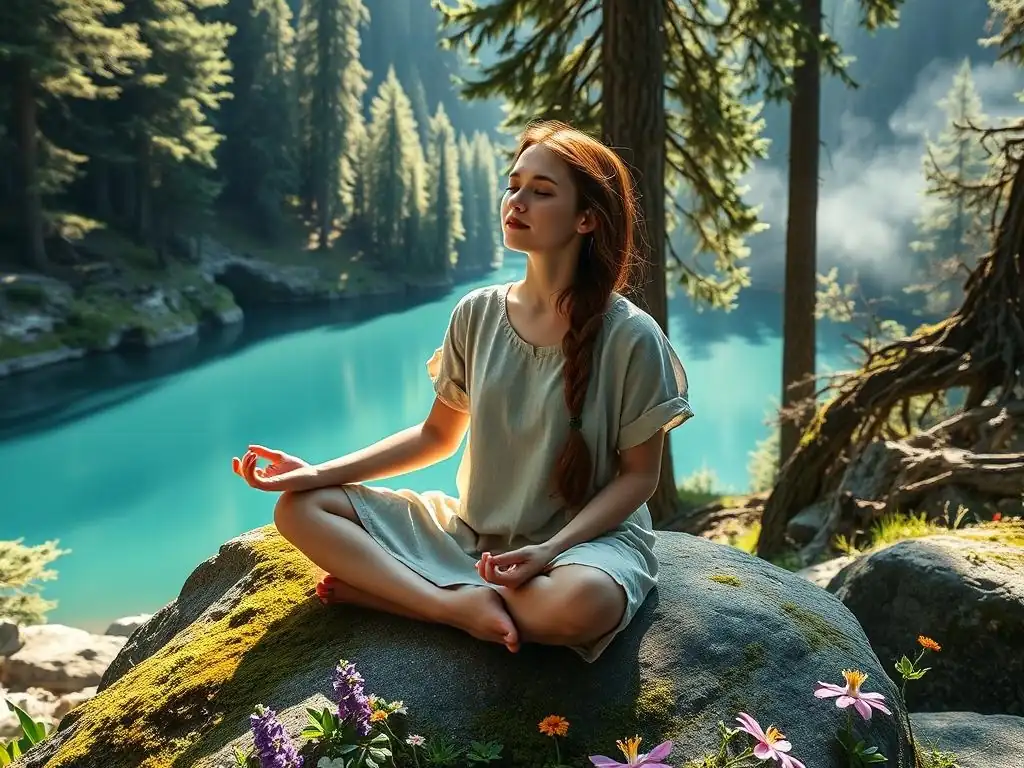
Welcome to Mind Care Guide, your sanctuary for understanding and nurturing your mental well-being.
Feeling overwhelmed by the noise of daily life? You're not alone. Discover how reconnecting with the natural world can be a powerful antidote. This week, we're exploring the profound nature therapy benefits anxiety relief. But how exactly does a walk in the woods calm a racing mind? Let's uncover the science and practical tips to harness nature's healing power and find your inner peace.
- Escaping the Noise: Recharging Your Mind in Natural Environments
- Understanding Nature Therapy and Its Benefits for Anxiety Relief
- Key Nature Therapy Benefits for Anxiety Reduction
- Practical Ways to Incorporate Nature for Anxiety Relief
- Finding Your Natural Sanctuary: Identifying Accessible Green Spaces
- Mindfulness in Nature: Enhancing the Therapeutic Experience
- Nature Therapy Benefits Beyond Anxiety: A Holistic Approach to Well-being
- Overcoming Barriers to Nature Exposure
- Integrating Nature Therapy into Your Daily Routine
- Conclusion: Embracing Nature for Lasting Anxiety Relief and Mental Well-being
-
Frequently Asked Questions
- How can spending time in nature specifically help with anxiety?
- What are some examples of activities I can do to experience nature therapy benefits?
- How often should I engage in nature therapy to experience its full effects?
- Is nature therapy a replacement for traditional anxiety treatments like medication or therapy?
- What if I live in a city with limited access to natural environments?
- Final Reflection: Finding Stillness in a Noisy World
- Reconnect with Nature: Find Your Calm Today
Escaping the Noise: Recharging Your Mind in Natural Environments
Introduction: The Modern Mind and the Need for Nature
In our increasingly urbanized and digitally saturated world, the human mind often finds itself under immense pressure. Constant connectivity, demanding work schedules, and the relentless pace of modern life contribute significantly to rising levels of stress and anxiety. Data from organizations like the World Health Organization indicates that anxiety disorders are among the most common mental health conditions globally, affecting millions.
The pervasive noise and artificiality of our daily environments can disconnect us from the natural rhythms that historically anchored human well-being. This disconnect can exacerbate feelings of overwhelm, isolation, and nervous tension, making it crucial to find effective strategies for mental recharge.
Recognizing this growing challenge, many are turning towards holistic approaches that complement traditional mental health care. One such powerful avenue is reconnecting with nature. Spending time in natural settings offers a potent antidote to the stressors of contemporary life, providing a space for calm, reflection, and restoration. This article explores the profound nature therapy benefits anxiety relief, delving into how engaging with green spaces, forests, water bodies, and even indoor plants can significantly improve mental well-being and offer a pathway to escaping the noise.
Understanding Nature Therapy and Its Benefits for Anxiety Relief
What is Nature Therapy? Exploring the Concept of Ecotherapy
Nature therapy, often referred to as ecotherapy or green therapy, is a broad term encompassing a range of structured programs and informal practices that involve engaging with nature to improve mental and physical health. It is based on the understanding that humans are intrinsically connected to the natural world and that this connection can be harnessed for therapeutic purposes.
Ecotherapy can take many forms, from guided walks in forests and gardening activities to conservation work and simple mindful observation of natural elements. The core principle is that interaction with natural environments provides restorative experiences that can alleviate symptoms associated with various mental health conditions, including anxiety disorders.
This therapeutic approach is gaining recognition within the mental health community as a valuable adjunct to conventional treatments. While it is not a replacement for professional medical or psychological care, incorporating nature into one's routine offers unique benefits. Ecotherapy leverages the inherent calming and grounding qualities of the natural world to help individuals reduce stress, improve mood, and develop healthier coping mechanisms for anxiety. The specific nature therapy benefits anxiety relief are supported by a growing body of research demonstrating tangible positive effects on the human nervous system and psychological state.
Nature's Impact on the Brain: How Natural Environments Reduce Stress
Scientific studies have provided compelling evidence regarding nature's positive effects on brain function and stress reduction. Research utilizing fMRI scans, for instance, has shown that viewing nature scenes can activate areas of the brain associated with calmness and emotional regulation, while urban scenes may trigger areas linked to fear and stress responses. One notable study published in the journal Environmental Health Perspectives found that exposure to green spaces was associated with a reduction in stress-related biomarkers. The simple act of being in nature appears to shift brain activity away from ruminative thought patterns often associated with anxiety and depression.
Furthermore, spending time in natural environments has been shown to decrease activity in the subgenual prefrontal cortex, a part of the brain that is highly active during rumination and is often linked to anxiety disorders. A 2015 study published in Proceedings of the National Academy of Sciences demonstrated that a 90-minute walk in a natural setting decreased activity in this region compared to a walk in an urban environment.
This physiological response highlights how direct exposure to nature can interrupt negative thought loops and provide a crucial break from the mental strain that fuels anxiety, underscoring the powerful nature therapy benefits anxiety relief.
Anxiety Relief Through Nature: The Science Behind the Connection
The connection between nature and anxiety relief is multifaceted, involving physiological, psychological, and even immunological responses. Physiologically, exposure to natural environments triggers the parasympathetic nervous system, often referred to as the "rest and digest" system. This counteracts the "fight or flight" response governed by the sympathetic nervous system, which is often overactive in individuals experiencing anxiety. Simply being in nature can lower heart rate, blood pressure, and muscle tension, all common physical manifestations of anxiety.
Psychologically, natural settings offer a sense of peace, beauty, and wonder that can distract from anxious thoughts and promote a sense of awe. The Attention Restoration Theory (ART) suggests that nature provides a restorative environment that allows directed attention (the type used for focused tasks and problem-solving, which can be depleted by urban life stressors) to recover, reducing mental fatigue and irritability often linked to heightened anxiety. This restoration of cognitive resources is a significant factor in the nature therapy benefits anxiety relief, helping individuals feel more capable and less overwhelmed by their worries.
Key Nature Therapy Benefits for Anxiety Reduction
Reduced Stress Hormones: Cortisol and Nature's Calming Effect
One of the most well-documented nature therapy benefits anxiety relief is its impact on stress hormones, particularly cortisol. Cortisol is often referred to as the "stress hormone" because its levels rise in response to stressful situations. Chronic elevated cortisol can have detrimental effects on physical and mental health, including exacerbating anxiety symptoms. Studies have consistently shown that spending time in natural settings leads to a significant decrease in cortisol levels. For example, research comparing participants who walked in a forest versus an urban environment found substantially lower salivary cortisol concentrations in the forest-walking group after just 20-30 minutes.
This reduction in cortisol is a direct physiological mechanism by which nature helps alleviate anxiety. Lower stress hormone levels translate to a calmer physiological state, reducing the physical sensations often associated with anxiety, such as a racing heart or feeling on edge. The calming effect of nature's sensory input – the sounds of birds, the rustling leaves, the scent of trees – further contributes to this hormonal balance, creating a more relaxed internal environment. This makes regular exposure to nature a powerful tool for managing chronic stress and reducing the frequency and intensity of anxiety episodes.
Improved Mood and Emotional Well-being: The Role of Green Spaces
Beyond reducing stress hormones, nature has a profound positive impact on mood and overall emotional well-being, which are crucial components of anxiety relief. Exposure to green spaces has been linked to increased feelings of happiness, vitality, and positive emotions, while simultaneously reducing feelings of anger, fatigue, and sadness. This mood enhancement is partly attributed to the physical activity often associated with being outdoors, but also to the restorative qualities of the natural environment itself. The beauty and tranquility of nature can lift spirits and provide a sense of perspective.
Research published in the journal Environmental Science & Technology found that moving to greener urban areas was associated with sustained improvements in mental health, comparable in magnitude to significant life events like getting married. This suggests that the presence of green spaces isn't just a temporary mood booster but can contribute to long-term emotional resilience. For individuals struggling with anxiety, improved mood means a greater capacity to cope with stressors, increased optimism, and a reduction in the negative emotional states that often accompany anxious feelings. This contributes directly to the nature therapy benefits anxiety relief.
Enhanced Focus and Cognitive Function: Nature's Restorative Power
Anxiety can significantly impair cognitive functions, leading to difficulties with concentration, decision-making, and problem-solving. Nature therapy offers a means to restore these cognitive resources. The Attention Restoration Theory (ART), mentioned earlier, posits that natural environments facilitate effortless attention (also known as fascination), allowing the brain's directed attention system, which is required for focus and can be depleted by demanding tasks and stressful environments, to replenish. This cognitive restoration can lead to improved concentration, enhanced creativity, and better problem-solving skills.
Studies have demonstrated these effects. For instance, research has shown that even brief exposure to nature, such as looking at pictures of natural landscapes or being in a room with plants, can improve performance on cognitive tasks requiring focus and attention.
A study involving students found that those who had a view of nature from their dorm windows performed better on tests requiring attention than those with views of urban settings. For someone experiencing anxiety, improved focus and cognitive clarity can help break cycles of worry and rumination, making it easier to engage in daily activities and problem-solve effectively, highlighting another facet of nature therapy benefits anxiety relief.
Increased Physical Activity and Its Impact on Mental Health
While not exclusively a direct benefit of nature therapy itself, the natural environment often encourages and facilitates physical activity, which is a well-established contributor to improved mental health and anxiety reduction. Activities like walking, hiking, gardening, or cycling in natural settings provide the physical benefits of exercise – releasing endorphins (natural mood boosters), reducing muscle tension, and improving sleep – in an environment that is inherently calming and stimulating to the senses. Combining exercise with nature exposure seems to offer synergistic benefits.
Research has shown that exercising outdoors, particularly in green spaces, can lead to greater reductions in tension, confusion, anger, and depression compared to exercising indoors. A meta-analysis of studies found that even short bouts of "green exercise" (activity in natural spaces) led to significant improvements in self-esteem and mood. For individuals managing anxiety, incorporating regular physical activity in nature provides a dual benefit: the physiological relief from exercise combined with the restorative power of the natural environment, amplifying the nature therapy benefits anxiety relief.
Practical Ways to Incorporate Nature for Anxiety Relief
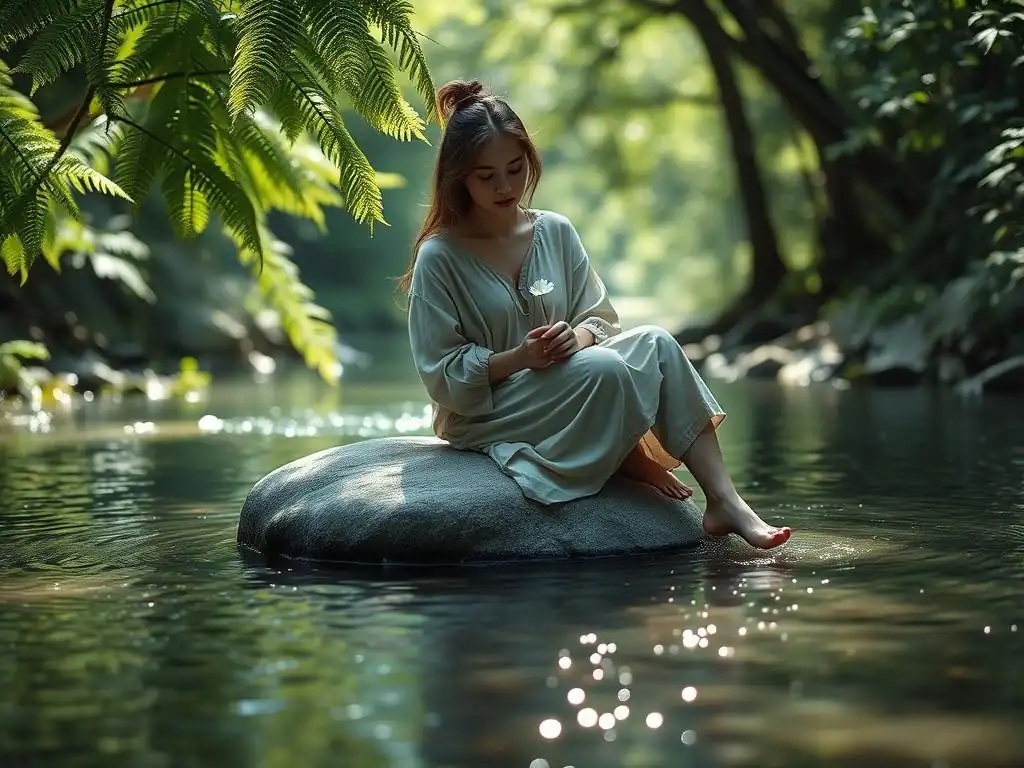
Forest Bathing (Shinrin-Yoku): A Guide to Mindful Immersion in the Woods
Forest bathing, or Shinrin-yoku as it is known in Japan where the term originated, is not simply hiking; it is the practice of mindfully immersing oneself in the atmosphere of the forest. It involves slowing down, engaging all the senses, and consciously connecting with the natural environment. A typical forest bathing session might involve walking slowly and aimlessly, pausing to observe the details of a tree, listening to the sounds of the forest, smelling the earthy scents, and feeling the textures of leaves or bark. The goal is to be fully present in the moment within the natural setting.
This practice has been shown to yield significant physiological and psychological benefits. Studies on Shinrin-yoku participants have demonstrated reductions in stress hormones like cortisol, lower blood pressure and heart rate, and increased activity of natural killer (NK) cells, which support immune function. Mentally, participants often report reduced rumination, improved mood, and a greater sense of calm. To practice forest bathing for anxiety relief, find a wooded area, turn off your phone, and dedicate at least 20-30 minutes to slow, sensory exploration without a specific destination in mind.
Gardening and Horticulture Therapy: Cultivating Calmness
Gardening and horticulture therapy offer another powerful way to interact with nature and cultivate calmness. These practices involve working with plants – whether in a backyard garden, community plot, or even indoor pots. The act of nurturing plants, tending soil, and observing growth provides a grounding, repetitive activity that can be deeply therapeutic. Horticulture therapy is a recognized form of therapy used in various settings, including hospitals, schools, and rehabilitation centers, to promote physical, cognitive, and emotional well-being.
Engaging in gardening provides tangible nature therapy benefits anxiety relief. The physical activity involved, such as digging, planting, and weeding, can reduce tension. The sensory engagement – the feel of soil, the smell of flowers, the sight of vibrant colors – is calming. Furthermore, the process of caring for living things and witnessing growth can foster a sense of purpose, achievement, and connection. Even spending 15-20 minutes a day tending to a small garden or a few potted plants can provide a valuable mental health boost.
Hiking and Walking in Nature: Releasing Tension and Improving Mood
Hiking and walking in natural settings are accessible and effective ways to experience the nature therapy benefits anxiety relief. Unlike mindful forest bathing, the focus here is often on sustained movement through a natural landscape. The rhythmic motion of walking combined with the visual and sensory input of nature can be incredibly calming and mood-lifting. Hiking trails offer varying levels of physical challenge, allowing individuals to choose activities that suit their fitness level, from gentle strolls through meadows to more vigorous climbs.
Regular walks or hikes in nature provide both the physical benefits of exercise and the mental restoration of being outdoors. The change of scenery and the exposure to fresh air can help clear the mind and reduce feelings of being trapped by anxious thoughts. A study in the Journal of Environmental Psychology found that even short walks in urban green spaces significantly improved mood and reduced stress compared to walks in built-up areas. Aim for at least 30 minutes of brisk walking in a park or on a nature trail a few times a week to experience these benefits.
Bringing Nature Indoors: Plants and Natural Elements for Home and Office
For those with limited access to outdoor green spaces, bringing nature indoors can still provide significant nature therapy benefits anxiety relief. Incorporating houseplants, natural materials like wood and stone, and even natural light can transform indoor environments into more calming and restorative spaces. Studies have shown that the presence of indoor plants can reduce stress, improve air quality, and enhance mood and productivity. Simply having a view of nature from a window has also been linked to reduced stress and improved cognitive function.
Creating an indoor "nature sanctuary" doesn't require a large space. Adding a few potted plants to your living area or workspace, using natural scents like essential oils derived from trees or flowers, or decorating with natural textures can make a difference. Even listening to nature sounds or using nature-themed artwork can provide a sense of connection. While not a substitute for outdoor exposure, these elements can help foster a calmer atmosphere and provide small, regular moments of nature connection throughout the day, contributing to anxiety management.
Finding Your Natural Sanctuary: Identifying Accessible Green Spaces
Local Parks and Gardens: Accessible Urban Oases
For many, the most accessible natural sanctuaries are local parks and public gardens. These urban oases provide vital green space within built-up areas, offering a convenient escape from the concrete jungle. City parks often feature walking paths, benches for quiet contemplation, grassy areas for relaxation, and diverse plant life. Even a small neighborhood park can offer significant nature therapy benefits anxiety relief through sensory exposure and a change of environment.
Take the example of Central Park in New York City. Despite being surrounded by towering buildings, it offers millions of visitors each year a vast expanse of green space, lakes, and wooded areas for walking, picnicking, and simply breathing fresh air. Similarly, countless smaller parks exist in towns and cities globally, each providing a valuable resource. Exploring your local area to identify nearby parks and gardens is the first step in making nature a regular part of your routine for anxiety management. Many cities list their parks online, often with details about amenities and accessibility.
Hiking Trails and Nature Preserves: Exploring Wilderness Areas
For those seeking a more immersive nature experience, hiking trails and nature preserves offer opportunities to explore less manicured, wilder landscapes. These areas often feature forests, wetlands, mountains, or coastlines, providing a deeper connection to the natural world away from urban distractions. Spending time in such environments allows for longer periods of exposure to nature's calming influence and the chance to engage in more strenuous physical activity if desired.
Nature preserves are typically protected areas managed for conservation, offering pristine environments for observation and quiet recreation. Hiking trails vary in length and difficulty, making them suitable for different fitness levels. Websites and local government resources often provide maps and information about trails and preserves in your region. For instance, state or national parks often maintain extensive trail systems. Planning a regular visit to a nearby nature preserve or hiking trail can be a cornerstone of leveraging nature therapy benefits anxiety relief.
Botanical Gardens and Arboretums: Discovering Plant Diversity
Botanical gardens and arboretums are curated collections of plants, often featuring diverse species from around the world. While more structured than wild nature preserves, they offer beautifully maintained landscapes, peaceful walking paths, and the opportunity to learn about different plants. These settings provide a controlled yet rich natural experience that can be particularly appealing for those who enjoy observing and learning about flora.
These locations often have quiet corners, benches for contemplation, and sometimes even indoor conservatories, making them accessible in various weather conditions. The sheer variety of plant life and the aesthetic beauty of a well-designed botanical garden can be incredibly soothing and inspiring. Visiting a local botanical garden or arboretum provides a focused way to engage with nature's diversity and experience its calming effects, adding another dimension to exploring nature therapy benefits anxiety relief. Many offer membership programs allowing for frequent visits.
Considerations for Accessibility and Safety in Natural Environments
When seeking out natural sanctuaries, it's important to consider accessibility and safety. Not all natural spaces are easily reachable, especially for individuals with mobility challenges or those living in densely populated urban centers. Researching public transport options, parking availability, and trail difficulty levels is essential. Many parks and preserves are improving accessibility, offering paved paths or designated accessible areas.
Safety is also paramount. Be aware of your surroundings, stick to marked trails, and inform someone of your plans if you are venturing into a less populated area. Check weather conditions before you go and be prepared with appropriate clothing, water, and any necessary supplies, especially for longer hikes. For individuals with anxiety, venturing into unfamiliar or isolated areas might initially increase feelings of unease. Starting with well-maintained, easily accessible local parks during daylight hours can be a comfortable way to begin exploring the nature therapy benefits anxiety relief in a safe manner.
Mindfulness in Nature: Enhancing the Therapeutic Experience
Practicing Mindful Observation: Engaging Your Senses in Nature
Simply being in nature is beneficial, but practicing mindfulness while in a natural setting can significantly amplify the nature therapy benefits anxiety relief. Mindful observation involves intentionally paying attention to your sensory experiences in the present moment without judgment. While walking through a park or sitting by a tree, take time to consciously engage each of your senses. What do you see? Notice the colors of leaves, the patterns in bark, the way light filters through branches. What do you hear? Listen to bird songs, the rustling of leaves, the distant sound of water.
What do you smell? Breathe in the scent of damp earth, pine needles, or blooming flowers. What do you feel? Notice the temperature of the air, the texture of bark under your fingertips, the feel of the ground beneath your feet. What do you taste? Perhaps the clean taste of fresh air after a rain. By fully immersing yourself in these sensory details, you anchor yourself in the present moment, diverting your attention away from anxious thoughts about the past or future. This deliberate engagement deepens the restorative effect of nature.
Deep Breathing Exercises in Natural Settings: Calming the Nervous System
Combining deep breathing exercises with time in nature is a powerful technique for calming the nervous system and reducing anxiety. The fresh air and peaceful atmosphere of natural settings provide an ideal environment for practicing slow, deliberate breathing. Find a quiet spot – perhaps sitting on a bench in a park or leaning against a tree in a forest – and focus on your breath. Inhale slowly and deeply through your nose, filling your lungs, and exhale slowly through your mouth, perhaps counting to four during each inhale and exhale.
As you breathe, notice the physical sensations in your body and the natural environment around you. The rhythmic nature of deep breathing helps activate the parasympathetic nervous system, counteracting the anxiety response. Doing this in nature adds an extra layer of calm; the visual and auditory cues of the natural world can make it easier to relax and focus on the breath. Even just 5-10 minutes of mindful deep breathing in a natural setting can significantly reduce feelings of tension and promote a sense of peace, enhancing the nature therapy benefits anxiety relief.
Nature Journaling: Reflecting on Your Experiences and Emotions
Nature journaling involves spending time in nature and then writing or drawing about your observations, feelings, and experiences. This practice combines the benefits of nature exposure with the therapeutic process of reflection and expression. While in nature, you might jot down sensory details, sketch a plant or animal, or simply record any thoughts or emotions that arise. Later, or even while still in the natural setting, you can expand on these notes.
Journaling provides an outlet for processing emotions and gaining perspective on anxious thoughts. When combined with the calming influence of nature, it can be particularly effective. Writing about your experience in nature can help solidify the positive feelings and insights gained during your time outdoors. You might reflect on how the natural environment made you feel calmer or how observing nature helped you see a challenging situation differently. This practice reinforces the nature therapy benefits anxiety relief by integrating the experience into your conscious understanding and emotional processing.
Guided Meditation and Nature Visualization Techniques
Guided meditation and visualization techniques can also be enhanced by or centered around nature. Many guided meditations incorporate natural imagery, such as walking through a peaceful forest, sitting by a calm lake, or feeling the warmth of the sun. Listening to such meditations while actually in a natural setting can deepen the experience, as the real-world sensory input aligns with the guided imagery. Alternatively, for times when outdoor access is limited, nature visualization can be used indoors.
Visualization involves creating vivid mental images of natural scenes. You might imagine yourself in a favorite natural spot, focusing on the sights, sounds, and feelings associated with that place. This mental practice can evoke similar calming responses in the body and mind as actual exposure to nature. While not as potent as direct experience, nature visualization can be a valuable tool for anxiety relief, especially when you are unable to get outdoors. Combining guided meditation focusing on nature with mindful breathing in a park, for instance, offers a synergistic approach to harnessing the nature therapy benefits anxiety relief.
Nature Therapy Benefits Beyond Anxiety: A Holistic Approach to Well-being
Improved Sleep Quality: Nature's Role in Regulating Sleep Cycles
Beyond its direct impact on anxiety, engaging with nature contributes to improved sleep quality, which is often disrupted by anxiety. Exposure to natural light, particularly in the morning, helps regulate the body's circadian rhythm, the internal clock that governs sleep-wake cycles. Spending time outdoors during the day, even for short periods, can reinforce healthy sleep patterns. Furthermore, the physical activity often associated with nature activities helps reduce stress and fatigue, making it easier to fall asleep and stay asleep.
Studies have shown that increased exposure to green space is associated with a lower likelihood of reporting insufficient sleep. For example, research on urban populations has indicated that residents with more access to parks and green areas tend to report better sleep outcomes. The calming effect of nature also reduces the mental rumination that can keep anxious individuals awake at night. By promoting relaxation and regulating circadian rhythms, nature exposure provides significant benefits for sleep quality, contributing to overall mental resilience and amplifying the nature therapy benefits anxiety relief indirectly.
Boosted Immune System: The Positive Effects of Phytoncides
Emerging research suggests that spending time in forests can have a positive impact on the human immune system. Forest air contains phytoncides, antimicrobial volatile organic compounds emitted by trees, particularly conifers, to protect themselves from insects and fungi. When humans inhale these substances, they appear to increase the activity and number of natural killer (NK) cells in the body. NK cells are a type of white blood cell that plays a crucial role in the immune system, particularly in fighting viruses and tumor cells.
Japanese studies on forest bathing have shown significant increases in NK cell activity that can last for several days or even weeks after a forest visit. While the direct link to anxiety relief is not fully established, a robust immune system is part of overall physical well-being, which is intrinsically linked to mental health. Chronic stress and anxiety can suppress immune function, making individuals more susceptible to illness. By potentially boosting immune activity, nature exposure supports the body's resilience and contributes to a holistic state of health that complements the nature therapy benefits anxiety relief.
Enhanced Creativity and Problem-Solving Skills: Nature's Inspiration
Nature has long been a source of inspiration for artists, writers, and thinkers, and scientific studies now support the idea that exposure to nature can enhance creativity and problem-solving skills. The restorative effect of nature on directed attention frees up cognitive resources, allowing for more divergent and creative thinking. Furthermore, the novel stimuli and complex patterns found in natural environments can stimulate the brain in ways that urban environments may not.
A study involving backpackers on a wilderness trip found that four days of immersion in nature, largely disconnected from technology, resulted in a 50% increase in performance on a creative problem-solving test. This suggests that prolonged exposure to nature, particularly away from distractions, can significantly boost cognitive function related to creativity. For individuals dealing with anxiety, enhanced problem-solving skills can be invaluable in navigating challenging situations and finding effective coping strategies, adding another layer to the broad nature therapy benefits anxiety relief and overall mental agility.
Engaging with nature can also provide opportunities for social connection, which is a vital component of mental well-being and a buffer against anxiety. Participating in group activities in nature, such as guided nature walks, community gardening projects, hiking clubs, or conservation volunteering, allows individuals to connect with others who share similar interests. These shared experiences in a calming natural setting can foster a sense of community and belonging.
Social support is a well-established factor in managing anxiety and improving mental health outcomes. Engaging in activities with others in a low-stress, pleasant environment like a park or trail can reduce feelings of isolation and provide opportunities for positive social interaction. This combination of social engagement and nature exposure can offer synergistic benefits for anxiety relief. Many local parks departments, environmental organizations, or hiking clubs offer group activities that provide both nature exposure and social connection, enhancing the holistic nature therapy benefits anxiety relief.
Overcoming Barriers to Nature Exposure
Time Constraints: Finding Small Moments for Nature Connection
One of the most common barriers to experiencing the nature therapy benefits anxiety relief is a perceived lack of time. Busy schedules and daily commitments can make it seem impossible to carve out significant periods for nature visits. However, even short bursts of nature exposure can be beneficial. The key is to integrate small moments of nature connection into your existing routine rather than viewing it as a separate, time-consuming activity.
Consider taking your lunch break in a nearby park or green space instead of at your desk. Walk or cycle to work or run errands via a route that goes through a park or along a tree-lined street. Spend 5-10 minutes sitting near a window with a view of trees or sky and mindfully observe the natural elements.
Even caring for indoor plants for a few minutes each day counts. Breaking down nature exposure into manageable, short increments makes it much more achievable, proving that you don't need hours in a forest to reap some nature therapy benefits anxiety relief.
Accessibility Issues: Exploring Alternative Options for Urban Dwellers
Living in a dense urban environment can pose significant accessibility challenges to natural spaces. Not everyone has easy access to large parks or nearby hiking trails. For urban dwellers, exploring alternative options is crucial for experiencing the nature therapy benefits anxiety relief. This might involve actively seeking out smaller green spaces like pocket parks, community gardens, or even tree-lined streets in your neighborhood.
Utilize public transport or consider ride-sharing to reach larger parks or nature preserves on weekends. Look for botanical gardens or conservatories that might be accessible within the city. As mentioned earlier, bringing nature indoors with houseplants, natural materials, and nature-inspired decor can also help create a more calming environment. Exploring rooftop gardens or balconies can provide small personal green spaces. Even spending time near water bodies like rivers, lakes, or the coast, if accessible, can offer significant restorative benefits, demonstrating that nature therapy benefits anxiety relief can be found even in urban settings with creative effort.
Weather Conditions: Adapting Activities and Seeking Indoor Nature Experiences
Inclement weather can also be a barrier to outdoor nature exposure. Rain, snow, or extreme temperatures can make spending time outdoors less appealing or even unsafe. However, weather shouldn't completely prevent you from experiencing the nature therapy benefits anxiety relief. Adapting your activities and exploring indoor nature options can help maintain consistency.
On rainy days, visit an indoor botanical garden or conservatory. Spend time looking out a window at nature, observing the rain or snow falling. Engage with indoor plants or use nature-themed guided meditations or visualizations.
When weather permits, dress appropriately for the conditions – waterproof gear for rain, layers for cold – and embrace the unique beauty of nature in different seasons. A brisk walk on a crisp autumn day or a quiet stroll through a snowy landscape can be invigorating and calming in different ways. The key is flexibility and finding ways to connect with nature regardless of the forecast.
Addressing Safety Concerns and Personal Preferences
Safety concerns, such as fear of wildlife, getting lost, or feeling unsafe in secluded areas, can be significant barriers for some individuals seeking nature therapy benefits anxiety relief. It's important to address these concerns and find natural settings that feel comfortable and secure. Start with well-maintained, populated areas like city parks during daylight hours. Choose trails that are clearly marked and frequently used by others.
If venturing into less familiar areas, go with a friend or join a guided group activity. Educate yourself about the local wildlife and any potential risks in the area you plan to visit. Similarly, personal preferences play a role. Some people might find deep forests intimidating, while others prefer the openness of meadows or beaches.
There is no single "right" way to experience nature therapy. Experiment with different types of natural environments – parks, forests, beaches, gardens – to discover what feels most calming and restorative to you. Finding a natural space where you feel safe and comfortable is essential to truly benefit from the nature therapy benefits anxiety relief.
Integrating Nature Therapy into Your Daily Routine
Scheduling Regular Nature Breaks: Making Nature a Priority
To truly harness the nature therapy benefits anxiety relief, it's important to make nature exposure a regular, non-negotiable part of your routine, much like scheduling exercise or therapy appointments. Instead of waiting for large blocks of free time, intentionally schedule short nature breaks throughout your week. This could be a 15-minute walk in the park during lunch, a 30-minute gardening session in the evening, or a planned weekend hike.
Putting these nature activities on your calendar elevates their importance and makes them more likely to happen. Consistency is key; regular, even brief, exposure to nature has a cumulative effect on stress levels and mood. Aim for a minimum amount of time each week, perhaps starting with 60-90 minutes spread across several days, and gradually increase it as you experience the benefits. Prioritizing these moments helps ensure you consistently access the calming and restorative power of nature.
Combining Nature with Other Self-Care Practices: Synergistic Effects
The nature therapy benefits anxiety relief can be amplified by combining nature exposure with other self-care practices. For example, you could practice mindfulness meditation or yoga in a park. Read a calming book while sitting under a tree. Listen to relaxing music or a podcast during a nature walk. Engage in creative activities like sketching or writing poetry inspired by your natural surroundings.
Combining practices allows you to maximize the restorative impact of your self-care time. A walk in nature might be combined with listening to an educational podcast on anxiety management, or a gardening session could be followed by a period of mindful tea drinking outdoors. Experiment with different combinations to find what works best for you and provides the most significant reduction in anxiety and improvement in overall well-being.
Tracking Your Progress and Observing the Benefits: Monitoring Your Well-being
To fully appreciate the impact of nature therapy on your anxiety, it can be helpful to track your progress and consciously observe the benefits. Keep a simple journal or use a mood-tracking app to note how you feel before and after spending time in nature. Pay attention to changes in your stress levels, mood, sleep quality, and ability to manage anxious thoughts.
Record details like the type of natural environment visited, the activity engaged in (e.g., walking, sitting, gardening), the duration of the visit, and how you felt afterward. Over time, reviewing these notes can provide clear evidence of the positive impact nature has on your anxiety. This tangible feedback can be highly motivating and reinforce the importance of continuing to integrate nature into your routine for sustained nature therapy benefits anxiety relief.
Seeking Professional Guidance from a Nature Therapist or Counselor
While incorporating nature into your routine can be a powerful self-help tool for managing anxiety, it's also possible to seek professional guidance. Nature therapists or ecotherapists are mental health professionals who specialize in incorporating nature-based interventions into therapy. They can provide structured programs, guide you through nature-based exercises tailored to your specific needs, and help you process experiences in nature within a therapeutic context.
For individuals with significant anxiety or other mental health conditions, combining nature therapy with traditional counseling or medical treatment can offer a comprehensive approach to healing. A therapist can help you identify specific ways to utilize the nature therapy benefits anxiety relief as part of a broader treatment plan. They can also help address any barriers you face in accessing or engaging with nature and provide strategies for maximizing its therapeutic effects.
Conclusion: Embracing Nature for Lasting Anxiety Relief and Mental Well-being
In a world that often pulls us away from our natural roots, consciously reconnecting with nature offers a profound pathway to mental well-being and lasting anxiety relief. The scientific evidence is clear: spending time in natural environments reduces stress hormones, improves mood, enhances cognitive function, and encourages physical activity – all vital components in managing anxiety. From the mindful immersion of forest bathing to the simple act of tending indoor plants, the nature therapy benefits anxiety relief are accessible in various forms.
By understanding how nature impacts our brains and bodies, finding accessible green spaces, incorporating mindful practices outdoors, and overcoming common barriers, we can integrate this powerful therapeutic tool into our lives. Nature therapy is not a cure-all, but it is a vital, complementary approach that supports overall mental health. Embracing the healing power of nature offers a gentle yet effective way to escape the noise, recharge your mind, and cultivate a sense of peace and resilience in the face of anxiety.
Frequently Asked Questions
How can spending time in nature specifically help with anxiety?
Nature therapy offers anxiety relief by reducing stress hormones like cortisol. It also increases feelings of calm and well-being by promoting mindfulness and relaxation.
What are some examples of activities I can do to experience nature therapy benefits?
You can engage in activities like hiking, gardening, or simply sitting quietly in a park. Even a short walk outdoors can provide significant mental health benefits.
How often should I engage in nature therapy to experience its full effects?
The frequency depends on individual needs, but aim for at least 2-3 times a week. Even short sessions of 20-30 minutes can make a difference.
Is nature therapy a replacement for traditional anxiety treatments like medication or therapy?
No, nature therapy is best viewed as a complementary therapy. It should be used alongside, not instead of, traditional treatments prescribed by a mental health professional.
What if I live in a city with limited access to natural environments?
Even in urban environments, you can find pockets of nature. Seek out parks, community gardens, or even bring plants indoors to create a more natural environment.
Final Reflection: Finding Stillness in a Noisy World
The pervasive anxiety of modern life demands a powerful antidote, and the restorative power of nature offers precisely that. Our increasingly digital world, saturated with constant stimulation, leaves many feeling depleted and overwhelmed. This article explored the scientifically-backed benefits of nature therapy, demonstrating its efficacy in reducing anxiety and promoting mental well-being. The evidence is clear: escaping the noise and immersing ourselves in natural environments is not just a pleasant pastime, but a vital necessity for our mental health.
The impact of nature on our collective psyche is profound and ongoing. We are, after all, intrinsically connected to the natural world, a connection that has been increasingly severed in our modern, urban existence. In every walk with nature, one receives far more than he seeks.
- John Muir. This quote perfectly encapsulates the transformative potential of spending time outdoors. The simple act of breathing fresh air, listening to the sounds of nature, and feeling the earth beneath our feet can profoundly shift our perspective and alleviate the burden of stress and anxiety. This isn't just a trend; it's a fundamental human need.
Now, consider your own life. Where do you find solace? Where can you disconnect from the constant demands of technology and reconnect with the quiet strength of the natural world? I urge you to make a conscious effort to incorporate more nature into your daily routine, whether it's a short walk in a park, a hike in the woods, or simply sitting quietly in your garden. Embrace the stillness, listen to the whispers of nature, and allow its healing balm to soothe your soul. The benefits await you, ready to be discovered.
Reconnect with Nature: Find Your Calm Today
Thanks for taking the time to explore the power of nature for mental well-being! We hope you've discovered new ways to recharge and escape the daily grind. Now it's time to put your newfound knowledge into action.
- Begin your personal nature retreat: Even 15 minutes in a park or green space can make a difference. Schedule it in your calendar—treat it as an important appointment with yourself!
- Share your favorite calming nature spots: Tell us (and others!) about your go-to places for peace and quiet. Let's build a community of mindful explorers!
- Try a mindful nature walk: Pay close attention to the sights, sounds, and smells around you. Let go of your thoughts and simply be present in the moment.
What natural escape will you prioritize this week to boost your mood and focus?