
Gifts That Understand: Thoughtful Ideas for Specific Depression Symptoms


Welcome to Mind Care Guide, a place dedicated to nurturing your mental well-being. Feeling lost in the labyrinth of depression and wanting to show someone you care? It can be difficult to know how to support a loved one experiencing this. This is especially true when trying to find the right gift. Dive into our article, " Gifts That Understand: Thoughtful Ideas for Specific Depression Symptoms," and discover practical and heartfelt depression symptom gift ideas designed to address specific challenges and bring a little light into their day. Ready to find a gift that truly resonates?
Gifts That Understand: Thoughtful Ideas for Specific Depression Symptoms
- Understanding Depression Symptoms and the Power of Thoughtful Gifts
- Problem: Addressing Common Depression Symptoms with Targeted Gifts
- Solution: Curating the Perfect Gift Based on Specific Needs
- Product Spotlight: Top Recommended Gifts for Depression Relief
- Beyond the Gift: Supporting Someone with Depression
- Conclusion: Thoughtful Gifts as a Step Towards Healing
-
Frequently Asked Questions
- What types of gifts are most appropriate for someone experiencing loss of interest as a symptom of depression?
- If someone is struggling with insomnia due to depression, what kind of gift might be helpful?
- Can a gift actually help alleviate depression symptoms, or is it just a temporary distraction?
- What if the person rejects the gift? How should I respond?
- Are there any gifts that are not recommended for someone with depression?
- Final Reflection: Finding Light in the Darkness: Gifts of Understanding for Depression
- Unleash the Power of Thoughtful Giving: Support Someone You Care About Today
Understanding Depression Symptoms and the Power of Thoughtful Gifts
The Impact of Depression on Daily Life: Why Thoughtful Gifts Matter
Depression is a complex mental health condition that profoundly impacts nearly every aspect of a person's life. It's far more than just feeling sad; symptoms can range from persistent low mood and loss of interest to significant changes in sleep patterns, appetite, energy levels, concentration, and self-worth. For many individuals, even simple daily tasks like getting out of bed, showering, or preparing a meal can feel overwhelmingly difficult. This pervasive impact underscores the importance of understanding and support.
The challenges posed by depression can lead to withdrawal from social activities, difficulty maintaining responsibilities at work or home, and a general feeling of being disconnected from the world. Approximately 1 in 5 U.S. adults will experience depression at some point in their lives, highlighting its widespread impact.
Thoughtful gestures, like carefully chosen depression symptom gift ideas, serve as a tangible reminder that they are seen, cared for, and not alone in their struggle. These gifts aren't a cure, but they can offer comfort, practical assistance, or a gentle nudge towards self-care, acknowledging the specific hurdles the person is facing.
Depression Symptom Gift Ideas: A Personalized Approach to Support
Selecting a gift for someone experiencing depression requires sensitivity and a focus on their individual needs and symptoms. A generic gift might not resonate, but one tailored to a specific challenge they face can be deeply meaningful. For example, someone struggling with insomnia might benefit from items promoting sleep, while someone experiencing anhedonia (loss of interest in activities) might appreciate something that gently encourages engagement.
A personalized approach involves observing or understanding the most prominent symptoms the person is dealing with. Are they constantly fatigued? Feeling isolated? Experiencing significant anxiety? By identifying key struggles, you can choose depression symptom gift ideas that offer targeted comfort or support. This demonstrates a level of understanding that transcends the material value of the gift itself, showing that you've taken the time to consider their specific situation and wish to offer a form of practical or emotional support tailored just for them.
Problem: Addressing Common Depression Symptoms with Targeted Gifts
Tackling Anhedonia: Gifts to Rekindle Joy and Interest
Anhedonia is a core symptom of depression characterized by a reduced ability to experience pleasure from activities that were once enjoyable. This can make engaging with hobbies, social events, or even simple sensory experiences feel flat or unrewarding. Thoughtful gifts aimed at anhedonia don't force joy but gently invite connection or sensory stimulation.
Gifts targeting anhedonia often provide low-pressure opportunities for engagement or sensory enjoyment. They acknowledge that starting something new or returning to an old passion can be difficult, offering tools or experiences that require minimal effort but can provide small moments of pleasure or distraction. These depression symptom gift ideas focus on reintroducing positive stimuli into their environment in a gentle, non-demanding way.
Aromatherapy Diffusers with Uplifting Essential Oils: Vitruvi Stone Diffuser and the Science of Scent
Aromatherapy can be a subtle way to influence mood and create a more inviting atmosphere, which can be particularly helpful for someone experiencing anhedonia. Scents like citrus (lemon, orange, bergamot) are often associated with uplifting and energizing effects, while lavender can promote relaxation. A high-quality diffuser, such as the Vitruvi Stone Diffuser, functions as both a functional item and a piece of calming decor.
The science behind scent and mood is linked to the olfactory bulb, which is directly connected to the limbic system – the part of the brain involved in emotions and memory. Inhaling certain aromas can trigger physiological responses. For someone with anhedonia, who may feel emotionally numb, introducing pleasant scents via a diffuser can offer a gentle sensory experience without the pressure of active participation. A small bottle of pure essential oil, like a vibrant grapefruit or a soothing frankincense, can last for weeks of daily use, providing consistent, low-effort sensory engagement.
Subscription Boxes for Hobbies: Igniting Passion and Purpose – KiwiCo, Skillshare
Reconnecting with past hobbies or discovering new interests can be challenging with anhedonia. Subscription boxes offer a curated, delivered-to-the-door experience that removes some of the initial barriers to engagement, like shopping for supplies or deciding what to do. Boxes like those from KiwiCo (often geared towards creative or scientific projects, with adult options available) or services like Skillshare (providing access to thousands of online classes) offer structured ways to explore interests.
A crafting box, for example, provides all the necessary materials and instructions for a specific project, eliminating decision fatigue. An online class subscription allows exploration of various topics, from illustration to cooking, at their own pace with no pressure to complete courses. These depression symptom gift ideas provide a low-commitment way to dip a toe back into activities that might spark interest, offering a sense of accomplishment upon completion or simply providing a pleasant distraction. The anticipation of a new box or class can also provide a small point of positive focus.
Combating Low Energy and Fatigue: Gifts for Rest and Rejuvenation
Persistent fatigue and low energy are hallmark symptoms of depression, making even the simplest tasks feel monumental. This isn't just physical tiredness; it's a profound depletion that sleep doesn't always fix. Gifts in this category focus on promoting rest, comfort, and creating an environment conducive to rejuvenation, acknowledging that energy is a precious and limited resource.
These thoughtful gifts aim to make rest more comfortable or effective, or to provide small boosts of energy or mood support that can help counteract fatigue. They are practical depression symptom gift ideas that address a very real physical and mental drain, offering comfort and making the process of resting or attempting to regain energy a little easier.
Weighted Blankets for Calming Sleep: Promoting Relaxation with Gravity Blanket
Sleep disturbances, including insomnia or excessive sleeping that still leaves one feeling unrested, are common in depression. A weighted blanket applies gentle, even pressure across the body, a technique known as deep pressure stimulation. This can promote a sense of calm and security, similar to a hug or swaddling, which may help improve sleep quality. A popular choice is the Gravity Blanket, known for its even weight distribution.
Research suggests that deep pressure stimulation can help increase the release of serotonin and melatonin, hormones that regulate mood and sleep, while potentially reducing cortisol, the stress hormone. For someone struggling with the restless nights or feelings of anxiety that accompany fatigue, a weighted blanket (typically weighing between 10-15% of a person's body weight) can provide a tangible sense of comfort and groundedness, making it easier to relax and potentially fall asleep, thereby aiding in the battle against persistent exhaustion.
Light Therapy Lamps for Seasonal Affective Disorder (SAD): Enhancing Mood and Energy with Verilux HappyLight
While not all depression is seasonal, Seasonal Affective Disorder (SAD) is a type of depression linked to changes in seasons and reduced exposure to sunlight. Symptoms often include low energy, fatigue, and increased need for sleep. Light therapy lamps, which emit bright light mimicking natural sunlight, can be an effective treatment. The Verilux HappyLight is a well-known option in this category.
Using a light therapy lamp for about 20-30 minutes each morning can help regulate the body's internal clock and improve mood and energy levels. The bright light is thought to affect brain chemicals linked to mood, like serotonin, and can help reset sleep patterns. For someone experiencing depression symptoms that worsen during darker months or who suffers from significant fatigue, a light therapy lamp offers a non-invasive, daily tool to potentially boost energy and combat the lethargy associated with reduced light exposure.
Managing Anxiety and Overwhelm: Gifts for Stress Relief and Mindfulness
Anxiety often co-occurs with depression, manifesting as worry, restlessness, difficulty concentrating, and feeling overwhelmed by tasks or decisions. Gifts that promote relaxation, mindfulness, or provide tools for managing anxious thoughts can be incredibly supportive. These depression symptom gift ideas focus on creating moments of calm and providing coping mechanisms.
These gifts offer practical ways to interrupt cycles of worry or overwhelm, encouraging moments of pause and self-soothing. They acknowledge the mental burden of anxiety and provide tools or experiences designed to ground the individual or shift their focus towards the present moment and away from distressing thoughts.
Mindfulness Apps and Guided Meditation Subscriptions: Finding Peace with Headspace, Calm
Mindfulness and meditation are widely recognized for their ability to reduce stress and anxiety by helping individuals focus on the present moment without judgment. However, starting a practice can feel daunting. Subscription services like Headspace and Calm offer guided meditations, sleep stories, breathing exercises, and calming music, making mindfulness accessible and easy to incorporate into a daily routine.
These apps provide structured sessions, often starting with short 3-5 minute exercises, which is ideal for someone feeling overwhelmed or lacking energy. They remove the pressure of knowing how to meditate and offer a variety of content to suit different needs, such as specific meditations for anxiety or sleep. A subscription provides ongoing access to these tools, offering consistent support in managing anxious symptoms and promoting mental calm. Many users report feeling more centered and less reactive after incorporating just a few minutes of guided practice daily.
Adult Coloring Books and Art Supplies: Creative Outlets for Stress Reduction – Prismacolor Premier Colored Pencils
Engaging in a simple, repetitive, and creative activity like coloring can be a powerful way to reduce anxiety and promote relaxation. It provides a focal point, diverting attention away from worries and encouraging a state of flow. Adult coloring books often feature intricate patterns that require focus but no artistic skill, making them accessible to everyone. Pairing one with high-quality art supplies, like a set of smooth, vibrant Prismacolor Premier Colored Pencils, enhances the sensory experience.
The act of choosing colors and filling in patterns can be meditative, offering a break from ruminative thoughts. It's a low-pressure activity with a tangible outcome (a finished page), which can provide a small sense of accomplishment. For someone feeling overwhelmed by anxiety, sitting down with a coloring book and pencils offers a quiet, contained activity that can help ground them in the present moment and provide a much-needed mental respite. It's a simple yet effective form of creative self-care.
Alleviating Feelings of Isolation and Loneliness: Gifts for Connection and Comfort
Depression often comes with a strong sense of isolation, even when surrounded by others. The condition can make it hard to reach out or engage, leading to feelings of loneliness. Gifts in this category focus on providing comfort, a sense of connection (even indirectly), or simple reminders that they are cared for and thought of. These are depression symptom gift ideas centered around warmth and presence.
These thoughtful gifts aim to combat the cold feeling of loneliness by providing physical comfort or symbolic warmth. They serve as tangible reminders of the giver's care and can make the environment feel more nurturing. While they don't replace human connection, they can make the feeling of being alone feel less stark and more comforting.
Cozy Blankets and Comfort Items: A Hug in a Gift from Bedsure
Physical comfort can be incredibly soothing when someone is feeling emotionally raw or isolated. A soft, cozy blanket, a plush throw pillow, or even warm socks can provide a sense of physical warmth and security. Brands like Bedsure offer a wide range of soft, inviting textiles designed for comfort.
Wrapping oneself in a soft blanket can feel like receiving a gentle hug, providing a sense of security and warmth. This physical comfort can help alleviate feelings of emotional coldness or loneliness. These items create a more comforting personal space, making it easier to rest or simply exist in a state of low energy. A cozy item is a constant, tangible reminder of care, perfect for someone who might be spending a lot of time at home feeling isolated.
Books on Self-Compassion and Mental Wellness: Nurturing Inner Strength – Kristin Neff, "Self-Compassion"
Depression often involves harsh self-criticism and feelings of worthlessness, which exacerbate feelings of isolation. Reading books focused on self-compassion, mindfulness, or understanding mental health can be a quiet, personal way to gain perspective and feel less alone in one's struggles. Dr. Kristin Neff's work on self-compassion, particularly her book "Self-Compassion: The Proven Power of Being Kind to Yourself," is a widely recommended resource.
Such books offer tools and insights into developing a kinder relationship with oneself, which is crucial when battling negative self-talk inherent in depression. They can provide validation for their feelings and offer strategies for coping. Reading about others' experiences or learning about the nature of mental health challenges can also reduce the feeling of being uniquely flawed or alone. These gifts are an investment in their inner world, providing knowledge and encouragement for the journey towards healing.
Solution: Curating the Perfect Gift Based on Specific Needs
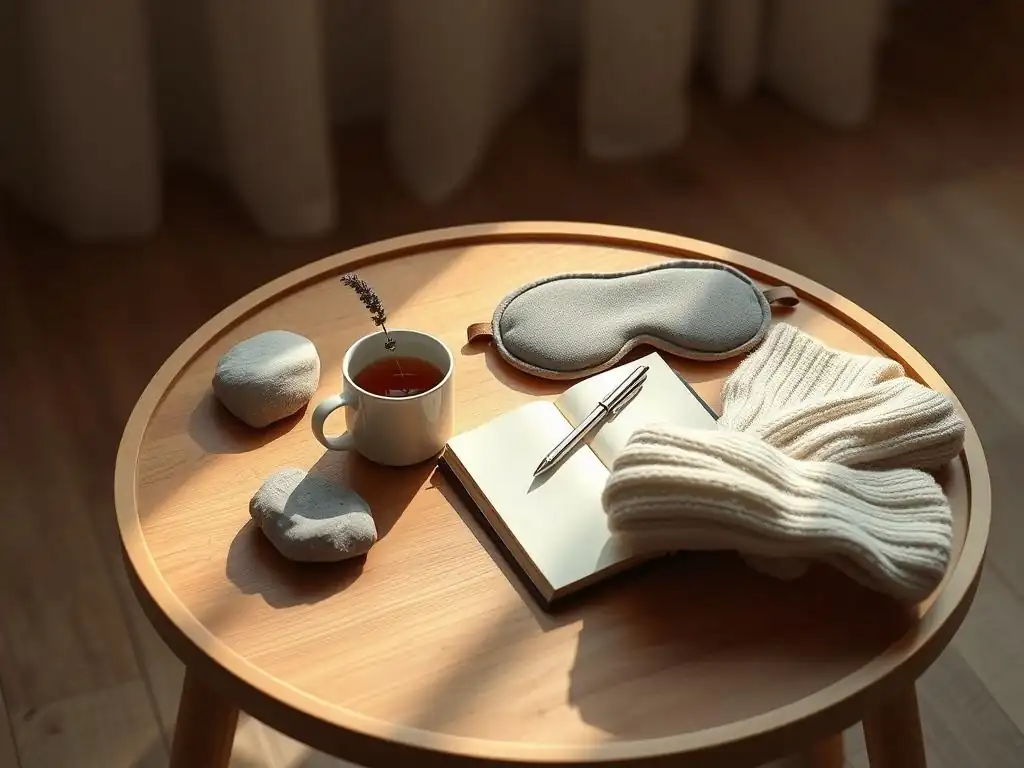
Identifying Specific Depression Symptoms: A Checklist for Gift Selection
Choosing the right gift starts with understanding, or at least having an idea of, the specific symptoms the person is experiencing. Are they talking about feeling exhausted all the time? Expressing a lack of interest in things they used to love? Seeming particularly anxious or restless? Or perhaps withdrawing significantly from social contact?
Consider these common symptoms when thinking about depression symptom gift ideas:
- [ ] Persistent sadness or low mood
- [ ] Loss of interest or pleasure (anhedonia)
- [ ] Fatigue or low energy
- [ ] Changes in sleep (insomnia, hypersomnia)
- [ ] Changes in appetite or weight
- [ ] Restlessness or slowed movements
- [ ] Feelings of worthlessness or guilt
- [ ] Difficulty concentrating or making decisions
- [ ] Anxiety or excessive worry
- [ ] Social withdrawal or feelings of isolation
Observing their behavior and listening empathetically to what they share (without pressure) can provide clues. If direct observation isn't possible, perhaps a close family member or friend could offer insight. The goal isn't to diagnose, but to identify the most prominent challenges they are facing right now to select a gift that offers targeted support or comfort.
Matching Gifts to Individual Needs: Personalized Recommendations
Once you have an idea of the predominant symptoms, you can match them with the types of gifts discussed earlier. For instance, if fatigue is a major issue, focus on items promoting rest and relaxation like a weighted blanket or a comforting throw. If anhedonia seems prominent, consider low-pressure engagement gifts like a simple craft kit or a sensory experience like aromatherapy.
This personalized approach ensures the gift feels truly supportive rather than just a generic gesture. It shows you've paid attention to their specific struggles. A gift tailored to managing anxiety, like a mindfulness app subscription, would be less impactful for someone whose primary symptom is severe fatigue, and vice versa. Think about which daily challenges seem most overwhelming for them and select a depression symptom gift idea that might help alleviate that specific burden.
Budget-Friendly Depression Symptom Gift Ideas: Thoughtful Gestures on Any Budget
Support doesn't have to be expensive. Many thoughtful depression symptom gift ideas are budget-friendly. A small bottle of a high-quality essential oil can be purchased for under $20. An adult coloring book and a basic set of colored pencils are also relatively inexpensive. Borrowing a comforting book from the library or finding free mindfulness resources online (and perhaps printing out some guided meditation scripts) are also options.
Even a simple, heartfelt card expressing care and support, or offering specific, low-pressure help (like running an errand or just sitting together quietly), can be more valuable than any material gift. The key is the thoughtfulness behind the gesture and its relevance to their current needs. A cozy pair of socks, a favorite tea, or a small plant can also be lovely, affordable gifts offering comfort or a small point of focus.
Product Spotlight: Top Recommended Gifts for Depression Relief
Gravity Blanket: Features, Benefits, and Why It's a Great Choice
The Gravity Blanket is often cited as a leader in the weighted blanket market, known for its quality construction designed to provide even pressure distribution. It typically features a quilted design with glass beads sewn into small pockets, preventing the weight from shifting unevenly. Weights usually range from about 10 lbs to 25 lbs, allowing for selection based on body weight guidelines (around 10% of body weight).
Benefits:
- Promotes relaxation and reduces feelings of anxiety through deep pressure stimulation.
- May improve sleep quality by increasing serotonin and melatonin release.
- Provides a tangible sense of comfort and security.
- Durable construction designed for even weight distribution.
Why it's a Great Choice: For someone struggling with insomnia, restlessness, or anxiety-related fatigue common in depression, the Gravity Blanket offers a non-pharmacological tool to encourage relaxation and potentially improve sleep. Its quality build means the therapeutic weight is consistently applied, enhancing its potential benefits. It's a practical item for creating a calming bedroom environment.
Verilux HappyLight: Features, Benefits, and Why It's a Great Choice
Verilux is a well-established brand in the light therapy space. The HappyLight models are designed to provide bright, full-spectrum light intended to mimic natural sunlight without harmful UV rays. These lamps typically offer light intensity of 10,000 lux at a recommended distance, which is the standard intensity suggested for effective light therapy. They come in various sizes and styles, from compact desk models to larger lamps.
Features:
- Provides 10,000 lux of full-spectrum light.
- UV-filtered for safety.
- Compact and portable designs available.
- Easy to use, typically requiring placement on a desk or table while engaged in other activities.
Benefits:
- Can help regulate circadian rhythms, improving sleep-wake cycles.
- May boost mood and energy levels, particularly for those with SAD.
- Non-invasive and can be used while reading, working, or eating breakfast.
Why it's a Great Choice: For individuals experiencing depression symptoms that include significant fatigue, low energy, or seasonal worsening, especially during darker months, a Verilux HappyLight offers a targeted, evidence-based intervention. It's a simple addition to a morning routine that can provide a noticeable lift in energy and mood over time, directly addressing common depressive symptoms.
Vitruvi Stone Diffuser: Features, Benefits, and Why It's a Great Choice
The Vitruvi Stone Diffuser stands out for its aesthetic design, made from ceramic, which blends seamlessly into home decor. It uses ultrasonic technology to diffuse essential oils, creating a fine mist without heat, which helps preserve the therapeutic properties of the oils. It typically offers different timer settings (e.g., continuous for a few hours, or intermittent for a longer duration) and an automatic shut-off feature for safety.
Features:
- Made from high-quality ceramic.
- Uses ultrasonic technology for cool mist diffusion.
- Timer settings and automatic shut-off.
- Functions as both a diffuser and a piece of decor.
Benefits:
- Creates a pleasant, mood-enhancing atmosphere using essential oils.
- Provides a gentle sensory experience, helpful for anhedonia.
- Can be used with various oils to promote relaxation (lavender) or energy (citrus).
- Requires minimal effort to use and maintain.
Why it's a Great Choice: For someone experiencing anhedonia or general low mood, the Vitruvi Stone Diffuser offers a low-pressure way to engage the senses and subtly alter their environment. Paired with uplifting or calming essential oils, it can provide small moments of sensory pleasure and contribute to a more positive atmosphere, gently encouraging engagement with their surroundings. Its attractive design also makes it a pleasant addition to their living space.
Beyond the Gift: Supporting Someone with Depression
The Importance of Open Communication and Active Listening
While thoughtful depression symptom gift ideas can provide comfort and support, the most valuable gift is often your presence and willingness to listen. Open communication means letting them know you care without pressuring them to "just cheer up" or offer unsolicited advice. It's about creating a safe space where they can share as much or as little as they feel comfortable with, without fear of judgment.
Active listening involves paying full attention, showing empathy, and reflecting on what they've said to ensure you understand. It means being patient with silence and acknowledging their pain without trying to fix it. Sometimes, just hearing "I'm here for you" and knowing they have someone willing to listen is more impactful than any material item. Avoid minimizing their feelings or comparing their experience to others.
Encouraging Professional Help: Resources and Support Networks
It's important to remember that depression is a serious medical condition that often requires professional treatment, such as therapy, medication, or both. While your support is crucial, you are not their therapist or doctor. Gently encouraging them to seek professional help is a vital part of supporting their journey towards recovery.
You can offer to help them research local therapists, psychiatrists, or support groups. Provide information about mental health hotlines or crisis text lines if they are in distress. Knowing about resources like the National Alliance on Mental Illness (NAMI) or the Depression and Bipolar Support Alliance (DBSA) can be helpful. Frame it not as a sign of weakness, but as a brave step towards getting the specialized help they need to navigate their symptoms effectively.
Maintaining a Supportive Relationship: Ongoing Care and Understanding
Supporting someone with depression is not a one-time event; it requires ongoing care, patience, and understanding. The path to recovery is often non-linear, with good days and bad days. Maintaining a supportive relationship means being consistently present (in a way that respects their energy levels and need for space), checking in periodically, and continuing to offer small gestures of care, whether it's a text message, an offer to help with a chore, or simply remembering details about their struggles.
Educate yourself about depression to better understand what they are going through. Be prepared for setbacks and avoid taking their symptoms personally (e.g., withdrawal is a symptom, not a rejection of you). Celebrate small victories with them and continue to offer encouragement for seeking and sticking with professional treatment. Your consistent, empathetic presence is a cornerstone of their support network.
Conclusion: Thoughtful Gifts as a Step Towards Healing
Depression symptoms can make the world feel cold, overwhelming, and devoid of joy. Thoughtful depression symptom gift ideas, chosen with sensitivity and an understanding of specific challenges like anhedonia, fatigue, anxiety, or isolation, can offer moments of comfort, practical support, and a tangible reminder of care.
Depression symptom gift ideas: A reminder of care and support.
From weighted blankets promoting rest to diffusers offering sensory comfort, light therapy lamps boosting energy, or books encouraging self-compassion, these gifts are more than just objects. They are expressions of empathy, tailored to acknowledge the specific battles someone with depression is fighting. While no gift can cure depression, a well-chosen item, coupled with open communication, active listening, and ongoing support, can be a meaningful step in reminding someone that they are valued, understood, and not alone on their path towards healing.
Frequently Asked Questions
What types of gifts are most appropriate for someone experiencing loss of interest as a symptom of depression?
Gifts that encourage re-engagement with enjoyable activities are ideal. Consider a subscription box tailored to a specific hobby or tickets to a show they might enjoy.
If someone is struggling with insomnia due to depression, what kind of gift might be helpful?
Focus on items that promote relaxation and better sleep hygiene. Examples include a weighted blanket, a sound machine, or a collection of calming teas.
Can a gift actually help alleviate depression symptoms, or is it just a temporary distraction?
While not a cure, thoughtful gifts can offer emotional support and practical assistance in managing symptoms. They can boost mood and encourage self-care.
What if the person rejects the gift? How should I respond?
Understand that this is likely due to their depression and not a personal rejection of you. Offer reassurance that there's no pressure to use it and that you simply wanted to show you care.
Are there any gifts that are not recommended for someone with depression?
Avoid gifts that could increase feelings of guilt or inadequacy, such as items that require a lot of energy or effort. Also, avoid anything that encourages unhealthy coping mechanisms.
Final Reflection: Finding Light in the Darkness: Gifts of Understanding for Depression
The struggle with depression is a deeply personal journey, and finding the right support can feel as elusive as a fleeting sunrise. This article explored the multifaceted nature of depression, highlighting how different symptoms demand different approaches to care and support. We moved beyond generic well-wishing and delved into practical, thoughtful gift ideas tailored to specific challenges faced by those living with depression. This isn't just about material items; it's about offering a lifeline of understanding and hope.
The impact of depression extends far beyond the individual, rippling outwards to affect families, friends, and communities. It's a pervasive societal issue that often remains shrouded in stigma and misunderstanding. Offering thoughtful gifts, as explored in this article, is a small but significant step towards breaking down those barriers and fostering a culture of empathy and support. The greatest gift is not things, but time and attention.
This quote, though not directly about depression, speaks volumes about the true essence of the gifts discussed – the time and thoughtfulness invested in choosing something truly meaningful.
Consider the impact of your actions. What small gesture of understanding could you offer someone struggling with depression today? Perhaps it's a carefully chosen book, a cozy blanket, or simply a listening ear.
Don't underestimate the power of a thoughtful act; it can be a beacon of hope in the darkest of times. Let this article serve as a reminder that even small acts of kindness can make a profound difference in someone's life. Take the time to learn, to understand, and to offer support – you might just be the light they need to navigate their way through the darkness.
Unleash the Power of Thoughtful Giving: Support Someone You Care About Today
Thanks for taking the time to learn about supporting loved ones struggling with depression. You've gained valuable insights into how to offer truly meaningful help. Now, let's put that knowledge into action!
- Craft a personalized care package: Select 2-3 gifts from the article that specifically address the symptoms your loved one experiences. This shows you truly understand their unique challenges.
- Share this guide: Spread awareness and empower others to provide effective support. Forward this article to a friend or family member who might find it helpful. Consider sharing it on social media using #MindCareGuide #DepressionSupport.
- Engage in a meaningful conversation: Start a gentle and open conversation about their feelings. This simple act can be more powerful than any gift.
Ready to make a difference? What small act of kindness will you take today to show someone you care?