
Mindful Hikes: Combining Movement and Presence for Mental Clarity

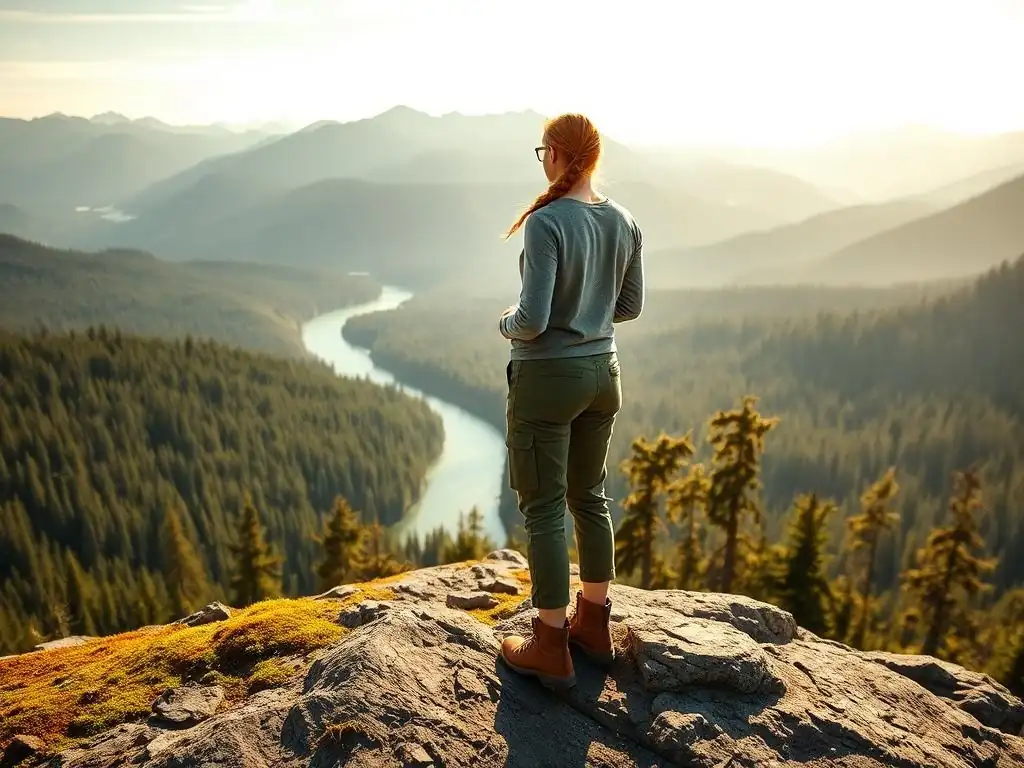
Welcome to Mind Care Guide.
Feeling overwhelmed? You're not alone. We understand the daily struggles in nurturing your mental well-being. Discover how the simple act of connecting with nature can offer profound relief. This week, we delve into the power of mindful hiking and how it can significantly reduce anxiety. Could a walk in the woods be the key to unlocking inner peace? Explore the science, the practice, and the transformative potential within. Let's embark on this journey to mental clarity together.
Mindful Hikes: Combining Movement and Presence for Mental Clarity
- Introduction: Unlocking Mental Clarity Through Mindful Hiking
- What is Mindful Hiking and How Does it Reduce Anxiety?
- Benefits of Mindful Hiking for Mental Health
- Getting Started with Mindful Hiking: A Step-by-Step Guide
- Incorporating Mindfulness Techniques into Your Hiking Routine
- Overcoming Challenges and Maintaining Consistency
- Safety Considerations for Mindful Hiking
- Real-Life Examples: Stories of Transformation Through Mindful Hiking
- Resources for Further Exploration
- Conclusion: Embracing Mindful Hiking for Lasting Mental Clarity
-
Frequently Asked Questions
- How does mindful hiking specifically help reduce anxiety?
- What are the key elements of a mindful hike that differentiate it from a regular hike?
- Can anyone benefit from mindful hiking, or is it only helpful for people with diagnosed anxiety disorders?
- What kind of environment is best suited for a mindful hike to maximize its anxiety-reducing benefits?
- How often should I engage in mindful hiking to experience a noticeable reduction in anxiety symptoms?
- Final Reflection: Finding Stillness on the Trail
- Unlock Your Inner Peace: Take the Next Step on Your Mindful Journey
Introduction: Unlocking Mental Clarity Through Mindful Hiking
The Growing Need for Anxiety Reduction Strategies
In today's fast-paced world, the prevalence of anxiety is a significant concern for many individuals. Modern life often involves constant stimulation, pressure, and disconnection from natural rhythms, contributing to heightened stress levels and anxiety symptoms. Reports indicate that millions of people worldwide experience anxiety disorders or significant levels of anxiety in their daily lives, seeking effective strategies to manage these feelings. Traditional methods like therapy and medication are vital, but there's a growing interest in complementary approaches that integrate physical activity and connection with the environment.
This increasing need for accessible, holistic anxiety reduction strategies highlights the value of practices that address both the body and the mind. Many are searching for ways to step back from the overwhelm, find moments of peace, and build resilience against daily stressors. This search often leads people to explore activities that offer a break from screens and obligations, providing a space for introspection and calm. The desire for natural, empowering ways to enhance mental well-being is driving the exploration of practices like mindful hiking, which combines physical movement with intentional presence in nature.
Connecting with Nature: The Mind Care Guide Approach
Mind Care Guide emphasizes the profound link between nature and mental health. Our approach recognizes that spending time outdoors, away from urban environments, can have a restorative effect on the mind. Nature offers a unique setting for healing and self-discovery, providing a sense of perspective and calm often difficult to find indoors. Research consistently points to the benefits of green spaces, from lowering cortisol levels to improving mood and cognitive function.
We believe that actively engaging with nature, rather than just being a passive observer, can deepen these benefits. This is where practices like mindful hiking come into play. By intentionally bringing presence and awareness to the experience of being in nature and moving through it, individuals can unlock enhanced mental clarity and significantly reduce anxiety. Mind Care Guide advocates for integrating such practices into a comprehensive mental wellness routine, leveraging the inherent therapeutic qualities of the natural world.
What is Mindful Hiking and How Does it Reduce Anxiety?
Defining Mindful Hiking: Beyond a Regular Hike
Mindful hiking is more than simply walking on a trail; it's an intentional practice that integrates the physical act of hiking with the principles of mindfulness. While a regular hike might focus on reaching a destination, covering distance, or enjoying conversation, mindful hiking deliberately cultivates awareness of the present moment – the sensations in the body, the sights, sounds, smells, and textures of the natural environment, and the flow of thoughts and feelings without judgment.
This practice transforms the hike from a purely physical activity into a moving meditation. Instead of letting the mind wander uncontrollably or focusing solely on external goals, the mindful hiker gently brings their attention back to their immediate experience. It's about slowing down, observing, and fully inhabiting the present moment on the trail. This deliberate focus on the 'now' is a core mechanism through which mindful hiking reduce anxiety by interrupting worry cycles and grounding the individual in their physical reality.
The Science Behind Hiking for Anxiety Relief
The therapeutic effects of hiking on mental health are supported by scientific evidence. Studies show that physical activity, like hiking, releases endorphins, which are natural mood boosters and stress reducers. Furthermore, exposure to nature has been linked to reduced activity in the prefrontal cortex, a brain region associated with rumination and worry, often overactive in individuals experiencing anxiety. A study published in Environmental Health Perspectives found that spending time in green spaces is associated with lower levels of anxiety and depression.
Combining physical exertion with immersion in nature appears to have a synergistic effect. The rhythmic motion of walking can be calming, while the sensory input from the natural world (the scent of pine, the sound of birds, the sight of trees) engages different parts of the brain and distracts from stressful thoughts.
Research from institutions like Stanford University suggests that a 90-minute walk in nature can decrease activity in the subgenual prefrontal cortex, a part of the brain active during negative rumination, compared to walking in an urban environment. This explains why mindful hiking reduce anxiety more effectively than urban walks or indoor exercise alone for many individuals.
Presence and Movement: A Synergistic Approach to Mental Well-being
The combination of physical movement and mindful presence creates a powerful synergy for mental well-being. Physical activity helps to discharge pent-up energy and tension often associated with anxiety. It also provides a healthy distraction and a sense of accomplishment. Simultaneously, mindfulness anchors the individual in the present, preventing the mind from drifting into anxious thoughts about the past or future.
When you move mindfully through nature, you are actively engaging both your body and your attention. The physical effort can help quiet a restless mind, while the practice of observing your surroundings with curiosity keeps you grounded. This dual focus prevents the mind from getting stuck in negative loops.
For example, instead of worrying about a future deadline, your attention is drawn to the feeling of your feet on the ground, the rhythm of your breath, or the intricate pattern of bark on a tree. This active redirection and grounding is a key reason why mindful hiking reduce anxiety and fosters a sense of calm and control.
Benefits of Mindful Hiking for Mental Health
Reducing Anxiety and Stress with Nature's Embrace
One of the most significant benefits of mindful hiking is its proven ability to reduce anxiety and stress. The natural environment provides a calming backdrop, while the physical activity helps to release tension stored in the body. Being present on the trail allows you to step away from the triggers of daily stress and immerse yourself in a more peaceful state. Studies have shown that even short periods in nature can lower heart rate and blood pressure, physiological indicators of stress.
Furthermore, the practice of focusing on sensory details during a mindful hike diverts attention away from anxious thoughts. For instance, consciously noticing the different shades of green in the leaves, the texture of the soil underfoot, or the cool sensation of the breeze on your skin requires your brain to engage with the immediate environment rather than dwelling on worries. This active engagement in the present moment is a powerful antidote to the future-oriented, 'what if' thinking that often characterizes anxiety. Mindful hiking reduce anxiety not just through relaxation but through actively shifting cognitive focus.
Enhancing Focus and Concentration Through Mindful Movement
Regular practice of mindful hiking can significantly improve focus and concentration. In our daily lives, our attention is constantly fragmented by notifications, multitasking, and rapid information consumption. Mindful hiking provides an opportunity to practice sustained attention on a single activity – the act of walking and being present.
By gently bringing your focus back to your breath, your body's sensations, or the natural world whenever your mind wanders, you are effectively training your attention span. This repeated practice of refocusing strengthens your ability to concentrate not only on the trail but also in other areas of your life. The uncluttered environment of a hiking trail, free from the usual barrage of distractions, makes it an ideal setting to cultivate this vital cognitive skill. This improved ability to focus is a direct benefit that complements how mindful hiking reduce anxiety by helping you manage overwhelming thoughts more effectively.
Boosting Mood and Self-Esteem on the Trail
Physical activity, especially outdoors, is well-known for its mood-boosting effects. Hiking releases endorphins, often referred to as 'feel-good' chemicals, which can elevate mood and create a sense of well-being. Beyond the biochemical effects, achieving physical challenges on a hike, whether it's conquering a small incline or completing a planned route, can provide a significant boost to self-esteem and self-efficacy.
Successfully navigating a trail, even a simple one, reinforces a sense of capability and resilience. This feeling is amplified when combined with mindfulness, as the hiker is more attuned to their body's strength and the accomplishment of each step. Connecting with the beauty of nature also fosters feelings of awe and gratitude, which are associated with increased happiness and life satisfaction. The combination of physical achievement, positive physiological responses, and appreciation for nature makes mindful hiking a powerful tool for lifting spirits and enhancing self-worth, further reinforcing how mindful hiking reduce anxiety by building inner strength.
Cultivating a Deeper Connection with Yourself and the Environment
Mindful hiking offers a unique opportunity to cultivate a deeper connection with both your inner self and the natural world around you. By paying attention to your physical sensations, emotions, and thoughts without judgment as you walk, you gain greater insight into your own internal landscape. The quiet solitude of the trail, combined with intentional presence, provides space for introspection and self-reflection often missing in busy daily life.
Simultaneously, engaging your senses and observing the intricate details of nature fosters a profound sense of connection to the environment. Noticing the delicate structure of a leaf, the resilience of a tree growing on a rocky slope, or the interconnectedness of the forest ecosystem can evoke feelings of wonder and belonging. This dual connection – inward and outward – is deeply grounding and can alleviate feelings of isolation, contributing significantly to overall mental well-being and reinforcing the ways mindful hiking reduce anxiety by fostering a sense of belonging and peace.
Getting Started with Mindful Hiking: A Step-by-Step Guide
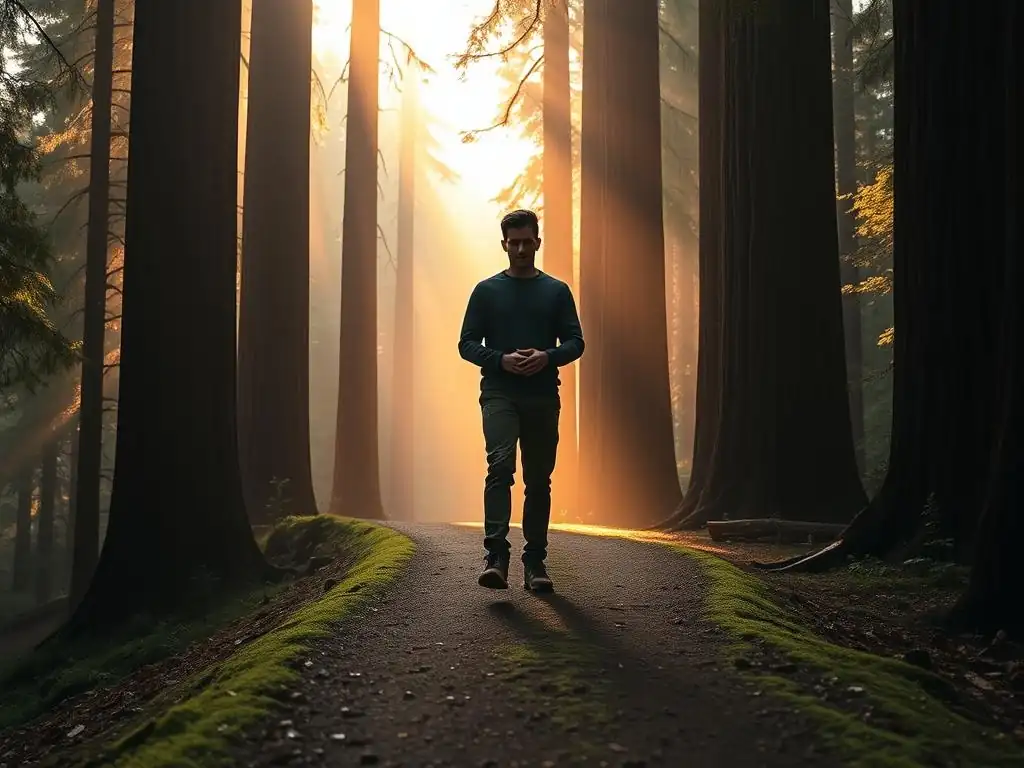
Preparing for Your Mindful Hike: Essential Gear and Safety
Preparation is key for a successful and enjoyable mindful hike. While the focus is on presence, neglecting practicalities can quickly pull you out of a mindful state due to discomfort or concern. Essential gear includes appropriate footwear – sturdy hiking shoes or boots are recommended, even for simple trails, to prevent slips and provide support.
Dress in layers, as weather conditions can change, and check the forecast before you go. Bring enough water to stay hydrated; the amount will depend on the length and difficulty of the hike and the temperature. Snacks are also a good idea to maintain energy levels.
Safety considerations are paramount. Always let someone know where you are going and when you expect to return. Carry a basic first-aid kit for minor scrapes or blisters. If hiking in unfamiliar territory, consider using a map or a reliable navigation app (though try to keep screen time to a minimum during the mindful practice itself). Be aware of potential wildlife in the area and understand basic trail etiquette. Ensuring your physical safety allows your mind to relax and fully engage in the mindful practice, making the experience more effective in helping mindful hiking reduce anxiety.
Finding the Right Trail: Selecting a Suitable Environment
Choosing the right trail is crucial, especially when you are new to mindful hiking or are specifically seeking to reduce anxiety. Start with trails that are relatively easy in terms of length, elevation gain, and terrain. Overly challenging routes can lead to physical strain and mental frustration, counteracting the goal of relaxation and presence. Look for trails that are well-maintained and clearly marked to minimize navigation worries.
Consider the environment itself. Do you prefer a forest trail with dappled light and the scent of trees, a path beside a stream or lake with the sound of water, or an open meadow with expansive views? Different environments can evoke different feelings and sensations. Choose a location that you find inherently calming and appealing. Proximity is also a factor; selecting a nearby trail reduces travel stress and makes it easier to incorporate mindful hiking into your routine, increasing its effectiveness in helping mindful hiking reduce anxiety consistently.
Setting Intentions for Your Mindful Hiking Practice
Before you even step onto the trail, take a few moments to set an intention for your mindful hike. What do you hope to gain from this experience? Is it to cultivate calm, reduce stress, clear your head, or simply connect with nature? Having a clear intention helps to focus your mind from the outset and serves as a gentle reminder throughout your hike if your attention wanders.
Your intention can be as simple as: "My intention for this hike is to be fully present with each step," or "I intend to notice three new things about nature today," or "I intend to let go of anxious thoughts and find peace in movement." Write it down if helpful, or simply hold it in your mind. This practice of setting an intention prepares your mind for mindfulness and reinforces the purpose of the activity – using mindful hiking to reduce anxiety and enhance well-being.
Practicing Mindfulness Techniques During Your Hike
Once on the trail, actively engage in mindfulness techniques. This isn't about performing complex meditations but about simply bringing your attention to your immediate experience.
Focusing on Your Breath and Body Awareness
Begin by bringing awareness to your breath. Notice the sensation of the air entering and leaving your nostrils or the rise and fall of your chest or abdomen. Don't try to change your breath, just observe it as it is. As you walk, also tune into your body.
Feel the contact of your feet with the ground, the movement of your legs, the swing of your arms, and the rhythm of your stride. Notice any tension you might be holding in your shoulders or jaw and gently try to release it. This focus on physical sensations is grounding and helps to pull your attention away from anxious mental chatter.
Engaging Your Senses: Noticing the Details of Nature
Actively engage all your senses. What do you see? Notice the colors, shapes, and textures of the plants, rocks, and sky. What do you hear? Listen to the sounds of birds, insects, wind in the leaves, or flowing water. What do you smell?
Take in the scent of pine needles, damp earth, or wildflowers. What do you feel? Notice the temperature of the air, the texture of bark if you touch a tree, the feel of the trail under your feet. While tasting might be limited, you can notice the taste of fresh air or water. Engaging your senses fully keeps you firmly rooted in the present moment, a powerful way that mindful hiking reduce anxiety by shifting focus outwards.
Letting Go of Judgment and Embracing the Present Moment
A key aspect of mindfulness is observing your thoughts and feelings without judgment. As you hike, your mind will wander – that's normal. You might start thinking about your to-do list, a conversation, or something that's causing you worry.
When you notice your mind has drifted, gently acknowledge the thought without criticizing yourself for having it. Then, compassionately guide your attention back to your breath, your body, or your surroundings. The practice isn't about having an empty mind, but about noticing where your mind is and choosing to return to the present moment, allowing the benefits of mindful hiking reduce anxiety to unfold naturally.
Incorporating Mindfulness Techniques into Your Hiking Routine
Mindful Walking Meditation: A Core Practice
Mindful walking meditation is the foundation of mindful hiking. It involves bringing conscious awareness to the physical act of walking. As you walk, notice the sensations in your feet and legs – the lifting of one foot, the swing forward, the placement on the ground, the shift of weight. Feel the contact with the earth. Coordinate this awareness with your breath, perhaps inhaling for three steps and exhaling for three steps, or simply noticing your natural rhythm.
This focus on the physical mechanics of walking, combined with breath awareness, creates a moving meditation. It anchors your attention firmly in the present, making it difficult for anxious thoughts to take hold. Even on a challenging section of trail, focusing on one step at a time can make the task feel less overwhelming and keep you grounded, a key mechanism by which mindful hiking reduce anxiety during challenging moments.
Nature Journaling: Reflecting on Your Experiences
After your mindful hike, or even during a break on the trail, consider nature journaling. This involves taking a few minutes to write or sketch your observations and reflections. You might describe the sights, sounds, and smells you noticed, the feelings that arose during the hike, or any insights you gained.
Journaling helps to process your experience and deepen the mindful connection. It allows you to solidify the observations you made while on the trail and reflect on how the mindful hike impacted your state of mind. This reflective process can highlight the positive shifts in your mood and anxiety levels, reinforcing the benefits of using mindful hiking to reduce anxiety and encouraging you to continue the practice.
Forest Bathing (Shinrin-Yoku): Immersing Yourself in Nature's Atmosphere
Forest bathing, or Shinrin-Yoku, is a practice that complements mindful hiking beautifully. While hiking involves movement, forest bathing emphasizes slowing down and simply being present in a forest environment, consciously taking in the atmosphere. It involves wandering slowly, without a specific destination, and using all your senses to connect with the forest.
During your mindful hike, you can incorporate elements of forest bathing by pausing periodically to sit quietly, lean against a tree, or simply stand still and breathe deeply, absorbing the forest air and listening to its sounds. Research suggests that inhaling phytoncides, airborne chemicals emitted by trees, can boost the immune system and reduce stress hormones. This intentional immersion enhances the therapeutic effects, making your mindful hike even more potent in its ability to help mindful hiking reduce anxiety.
Mindful Photography: Capturing the Beauty of the Present
For those who enjoy photography, mindful photography on a hike can be another way to cultivate presence. Instead of rushing to snap photos, take time to truly observe your subject – the intricate details of a flower, the texture of bark, the way light filters through the leaves. Frame your shot mindfully, paying attention to composition and light, and notice the feelings that arise as you capture the image.
This practice encourages you to slow down and appreciate the beauty around you in a focused way. It's not about documenting the entire hike but about selecting specific moments or details that capture your attention and engaging deeply with them through the lens. This deliberate observation and appreciation can be a powerful way to stay anchored in the present moment and enhance the calming effects that help mindful hiking reduce anxiety.
Overcoming Challenges and Maintaining Consistency
Dealing with Distractions and Mental Chatter
It's important to recognize that distractions and mental chatter are normal, especially when starting a mindfulness practice. Your mind will wander, and you might feel restless or find it hard to focus on the present moment. The key is not to eliminate these thoughts but to notice them without judgment and gently redirect your attention back to your chosen anchor – your breath, your body, or your senses.
Think of your thoughts like clouds passing in the sky; you can observe them without needing to jump on each one and ride it away. Each time you notice your mind has wandered and you bring it back, you strengthen your 'mindfulness muscle.' Be patient and compassionate with yourself. Even moments of presence during a hike are beneficial. The more you practice, the easier it becomes to manage distractions and allow mindful hiking reduce anxiety effectively.
Staying Motivated and Committed to Your Practice
Maintaining consistency with mindful hiking can sometimes be challenging, especially when facing busy schedules, poor weather, or low motivation. To stay committed, try incorporating it into your routine at a regular time, like a weekly hike. Find a hiking buddy who shares your interest in mindful practices, as accountability can be a great motivator. Vary your trails to keep the experience fresh and interesting.
Focus on the cumulative benefits you experience – perhaps noting how you feel less stressed after a hike or how your sleep has improved. Keep a journal to track your progress and reflect on the positive impact. Remember your intention for starting mindful hiking in the first place – likely to enhance well-being and help mindful hiking reduce anxiety. Reconnecting with this purpose can reignite your motivation.
Adapting Your Approach to Different Environments and Weather Conditions
Mindful hiking isn't limited to sunny days on perfect trails. You can adapt your practice to different environments and weather. On a rainy day, focus on the sound of rain on the leaves, the smell of wet earth, and the feeling of raindrops on your skin (if comfortable). On a cold day, notice the crispness of the air and the warmth generated by your movement.
If hiking in a less 'natural' environment, like a park, focus on the elements of nature present – the trees, the grass, the sky, any birds or insects you see. The core practice is about bringing presence to your movement and surroundings, regardless of the specific setting or conditions. Flexibility in your approach ensures that you can continue to use mindful hiking to reduce anxiety throughout the year and in various locations.
Safety Considerations for Mindful Hiking
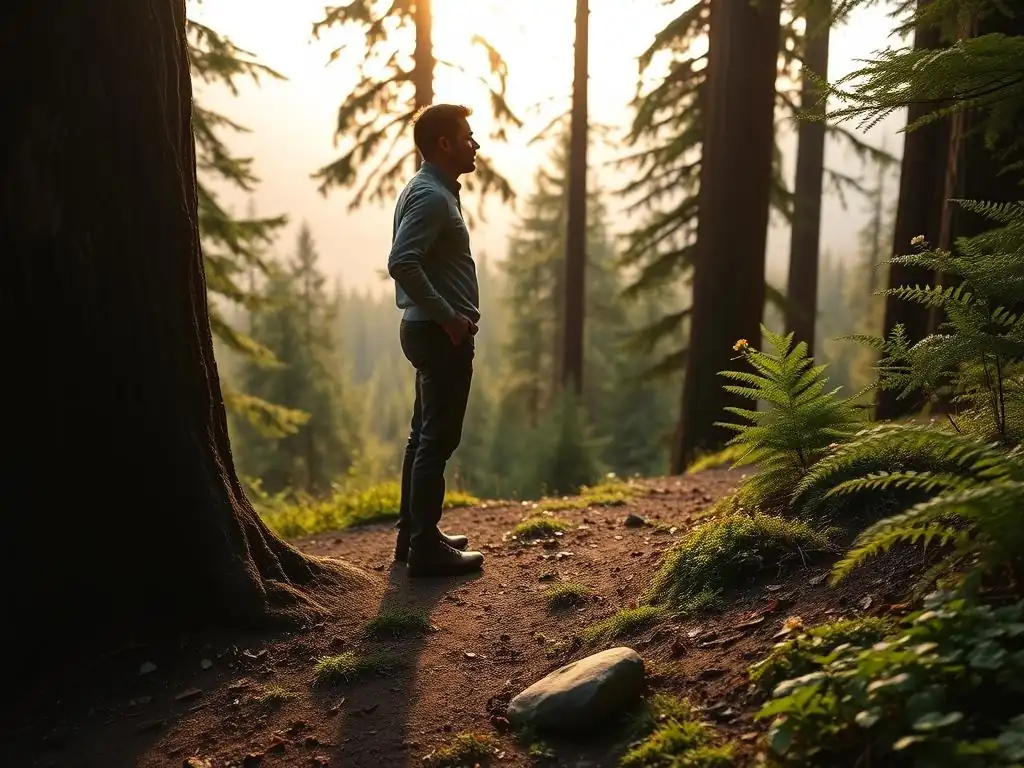
Physical Safety: Preventing Injuries and Environmental Awareness
Prioritizing physical safety is fundamental. This includes wearing appropriate footwear to prevent sprains or falls, especially on uneven terrain. Pay attention to the trail itself – watch out for roots, rocks, or slippery areas. Maintain a steady pace that is comfortable for your fitness level. Warm up before starting and stretch gently afterward.
Environmental awareness is also part of physical safety. Be mindful of potential hazards like poison ivy, ticks, or unstable ground near edges. If hiking in areas known for specific wildlife, understand the necessary precautions. Being physically safe allows you to relax and fully engage in the mental benefits. Remember that your goal is to enhance well-being, and that starts with a safe experience. A fall or injury would certainly counteract any benefits gained from using mindful hiking to reduce anxiety.
Mental Safety: Recognizing Your Limits and Practicing Self-Compassion
Mental safety is just as important as physical safety. Recognize your own mental and emotional limits. If you are feeling overwhelmed or particularly anxious before a hike, choose a shorter, easier, or more familiar trail. It's okay to adjust your plans based on how you feel. Mindful hiking should be a supportive practice, not another source of pressure.
Practice self-compassion throughout your hike. There might be moments when you feel frustrated, tired, or find it hard to stay present. Acknowledge these feelings without judgment. Remind yourself that mindfulness is a practice, not a state of perfection. Be kind to yourself and celebrate the effort you are making to care for your mental health. If you start feeling overwhelmed or a panic attack feels imminent, it's okay to pause, find a safe place to rest, use calming breathing techniques, or even turn back if necessary. Using mindful hiking to reduce anxiety means listening to your body and mind.
Environmental Responsibility: Leave No Trace Principles
As you connect with nature through mindful hiking, it's crucial to do so responsibly. Adhering to Leave No Trace principles ensures that the natural spaces you enjoy remain healthy and beautiful for others and for the ecosystem itself. This includes:
- Plan Ahead and Prepare: Know the regulations and special concerns for the area you'll visit.
- Travel and Camp on Durable Surfaces: Stick to existing trails.
- Dispose of Waste Properly: Pack out everything you pack in.
- Leave What You Find: Avoid taking natural objects as souvenirs.
- Minimize Campfire Impacts: Use established fire rings or consider alternatives.
- Respect Wildlife: Observe from a distance and never feed animals.
- Be Considerate of Other Visitors: Yield to others on the trail and keep noise levels down.
Practicing environmental responsibility deepens your connection to nature and aligns your actions with the respect and appreciation cultivated during mindful hiking. It's an extension of mindfulness, extending presence and care to the environment itself, which in turn supports the capacity of natural spaces to help mindful hiking reduce anxiety for everyone.
Real-Life Examples: Stories of Transformation Through Mindful Hiking
Personal Stories of Improved Wellbeing Through Mindful Hiking
While specific individual names and locations are often kept private for privacy, the impact of mindful hiking on reducing anxiety is a common theme in many personal accounts shared within mental wellness communities. For instance, a composite story based on numerous shared experiences might describe someone like "Sarah," who struggled with chronic worry and panic attacks, finding that regular mindful walks on a local wooded trail significantly reduced the frequency and intensity of her symptoms.
She reported that focusing on the rhythm of her steps and the sounds of the forest during her hikes provided a tangible break from her anxious thought loops.
Another example could be "David," who felt overwhelmed by work stress and a constant feeling of being 'on.' He started incorporating short, mindful hikes during his lunch break in a nearby park. He found that by deliberately leaving his phone in his bag and focusing solely on his breath and the simple act of walking among the trees, he could return to work feeling refreshed and with a clearer perspective.
He noted that this practice helped him manage his stress more effectively throughout the afternoon, demonstrating how even brief periods of mindful hiking reduce anxiety and improve daily functioning. These narratives, common across many individual journeys, highlight the practical effectiveness of combining movement and presence in nature.
Resources for Further Exploration
Recommended Books and Websites on Mindfulness and Hiking
For those wishing to delve deeper into mindful hiking, numerous resources are available. Books on mindfulness, such as Jon Kabat-Zinn's Wherever You Go, There You Are, provide foundational principles that can be applied to hiking. Specific guides on nature connection and forest bathing, like Forest Bathing: How Trees Can Help You Find Health and Happiness by Dr. Qing Li, offer techniques for deepening your sensory experience in nature.
Numerous websites and blogs dedicated to mindfulness, hiking, and the intersection of nature and mental health offer articles, tips, and guided practices. Searching for terms like "mindful walking guide," "nature meditation," or "benefits of hiking for anxiety" can yield valuable online content. These resources provide further context, techniques, and inspiration to support your mindful hiking journey and maximize its potential to help mindful hiking reduce anxiety.
Local Hiking Groups and Mindfulness Communities
Connecting with others can enhance your practice and provide support. Look for local hiking groups that emphasize a slower pace or appreciation of nature, or even groups specifically focused on mindful hiking. Many areas have mindfulness or meditation communities that may offer guided walking meditations or retreats that incorporate time in nature.
Joining a group can provide motivation, shared learning, and a sense of community. While mindful hiking can be a solitary practice, experiencing it with others can offer new perspectives and reinforce commitment. Check local community centers, outdoor recreation clubs, or online platforms for groups in your area. Shared experiences can deepen the understanding and application of how mindful hiking reduce anxiety in a supportive environment.
Conclusion: Embracing Mindful Hiking for Lasting Mental Clarity
Integrating Movement and Presence into Daily Life
Mindful hiking is a powerful practice, but its principles can be integrated into daily life beyond the trail. The ability to bring presence to simple movements – walking to the store, climbing stairs, or even standing in line – can transform mundane moments into opportunities for mindfulness. Noticing your breath and body during daily activities helps cultivate a sense of calm and groundedness throughout the day.
Similarly, finding moments to connect with nature in urban environments – sitting under a tree in a park, observing birds from a window, or tending to houseplants – can provide mini-breaks and reminders of the natural world's calming presence. Regularly incorporating small acts of mindful movement and nature connection supports overall well-being and reinforces the skills learned on the trail, contributing to sustained mental clarity.
The Power of Nature for Anxiety Reduction and Overall Well-being
The evidence is clear: nature possesses immense power to heal and restore. Combining the physical benefits of hiking with the mental benefits of mindfulness creates a potent strategy for reducing anxiety and enhancing overall mental well-being. Stepping onto the trail with intention allows you to shed the weight of worries, connect with the present moment, and tap into the inherent calm of the natural world.
Regular mindful hiking practice can lead to decreased stress levels, improved mood, enhanced focus, and a deeper connection with yourself and the environment. It's an accessible, empowering tool that leverages the therapeutic qualities of movement and nature to foster resilience and peace of mind. Embracing mindful hiking reduce anxiety by offering a tangible, active way to engage in self-care and reconnect with what truly matters.
Continuing Your Journey with Mind Care Guide
Your journey towards mental clarity and reduced anxiety is ongoing. Mindful hiking is one valuable tool among many. Mind Care Guide is here to support you with resources, information, and guidance on various holistic and evidence-based approaches to mental wellness. Continue exploring practices that resonate with you and integrate them into a lifestyle that prioritizes your mental health.
Whether you are just starting out or looking to deepen your practice, remember that small steps can lead to significant changes. Keep exploring the trails, keep practicing presence, and keep nurturing your connection with nature. The path to well-being is a continuous exploration, and mindful hiking can be a constant, supportive companion along the way, helping you consistently use mindful hiking to reduce anxiety and cultivate inner peace.
Frequently Asked Questions
How does mindful hiking specifically help reduce anxiety?
Mindful hiking helps reduce anxiety by combining physical activity with mindfulness practices. This combination can calm the nervous system and shift focus away from anxious thoughts.
What are the key elements of a mindful hike that differentiate it from a regular hike?
Unlike regular hikes, mindful hikes emphasize being present in the moment. This involves paying attention to your senses, breath, and surroundings, rather than focusing on the destination or pace.
Can anyone benefit from mindful hiking, or is it only helpful for people with diagnosed anxiety disorders?
While it can be particularly beneficial for those with anxiety, anyone can benefit from mindful hiking. It's a great way to reduce stress, improve focus, and enhance overall well-being.
What kind of environment is best suited for a mindful hike to maximize its anxiety-reducing benefits?
While any natural environment can be suitable, quiet and serene locations are often preferred. Areas with minimal distractions and a strong connection to nature can help foster a deeper sense of presence.
How often should I engage in mindful hiking to experience a noticeable reduction in anxiety symptoms?
The frequency varies for each individual, but aiming for at least once a week is a good starting point. Consistent practice allows you to develop mindfulness skills and experience the cumulative benefits over time.
Final Reflection: Finding Stillness on the Trail
The urgent need for mental clarity in our fast-paced world makes mindful hiking more relevant than ever. The simple act of walking in nature, coupled with intentional presence, offers a powerful antidote to the anxieties of modern life. It's not just a trend; it's a vital practice for cultivating inner peace and resilience.
The profound impact of mindful hiking on my own mental well-being has been transformative. It's not just about escaping the daily grind; it's about actively reconnecting with myself and the natural world. This reconnection fosters a sense of grounding and perspective that's often lost in the whirlwind of daily demands. Nature does not hurry, yet everything is accomplished.
This quote by Lao Tzu perfectly encapsulates the essence of mindful hiking – finding peace in the rhythm of nature's unfolding.
Now, consider your own life. What spaces do you have to cultivate stillness and presence? Perhaps it's not a mountain trail, but a quiet park, a peaceful corner of your home, or even a few mindful minutes during your workday. I invite you to explore the power of mindful movement, to find your own path towards mental clarity, and to experience the transformative peace that awaits you on the trail – wherever that trail may lead.
Unlock Your Inner Peace: Take the Next Step on Your Mindful Journey
Thanks for taking the time to explore the power of mindful hiking with us! We hope you gained valuable insights into connecting with nature and your inner self. Now it's time to put these ideas into practice.
Here are a few ways you can deepen your mindful hiking experience:
- Plan your next mindful hike: Identify a local trail and schedule a dedicated time for a mindful walk. Consider the elements that will foster your sense of peace—a scenic overlook, a babbling brook, or the quiet rustle of leaves.
- Share your experiences: Tell a friend about your mindful hiking journey and invite them to join you next time! Inspire others to discover the calming power of nature.
- Reflect on your journey:Journal about your experience, noting the sensations, emotions, and insights you encountered along the way. This reflective practice will deepen your connection with nature and yourself.
Ready to transform your next outdoor adventure into a deeply enriching experience? What aspect of mindful hiking excites you most, and how will you integrate it into your life?