
Unlocking Calm: How Nature Soothes Your Anxious Mind

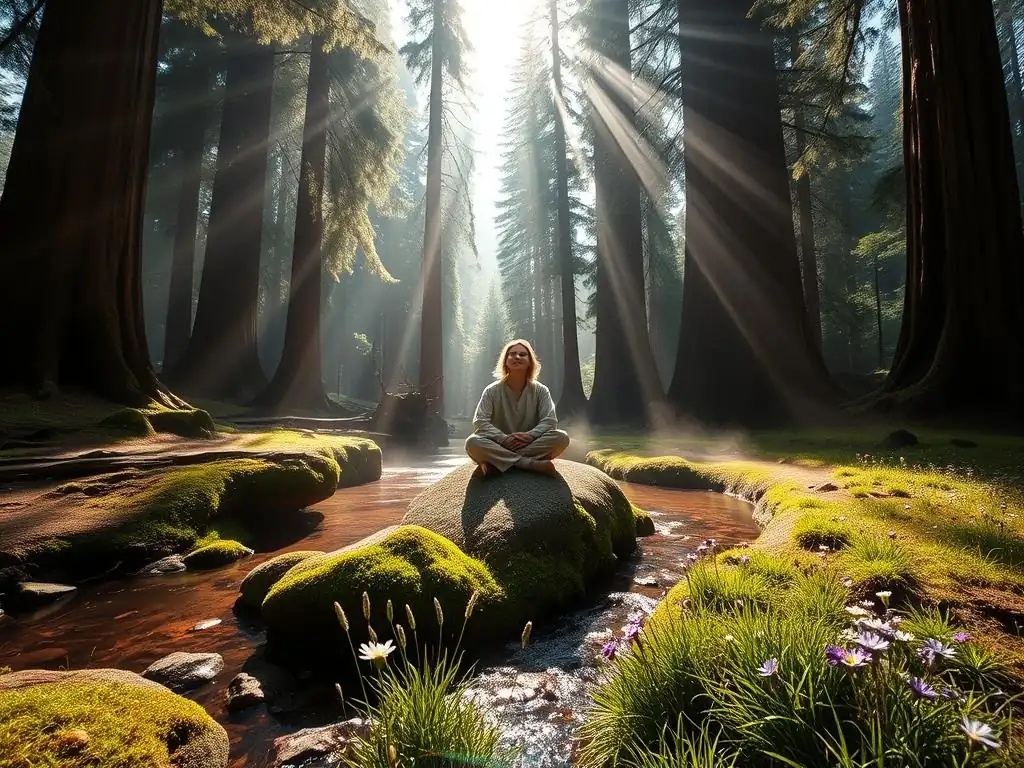
Welcome to Mind Care Guide, a sanctuary dedicated to your mental well-being.
Feeling overwhelmed? You're not alone. In today's fast-paced world, anxiety can feel like a constant companion. But there's hope, and it's closer than you think. Discover powerful Nature Anxiety Relief Techniques that can help you reclaim your inner peace and find solace in the world around you. Curious to learn how the simple act of connecting with nature can dramatically reduce your anxiety? Let's begin.
Finding Serenity: Leveraging Nature's Power to Manage Anxiety
- Introduction: Nature as a Sanctuary for Anxiety Reduction
- Decoding Anxiety and Its Multifaceted Effects
- Nature-Based Strategies for Anxiety Relief: An Extensive Guide
- The Science of Nature's Healing Effects
- Nature and Mindfulness: Fostering Inner Harmony
- Overcoming Obstacles to Nature Immersion
- Nature's Benefits for Specific Anxiety Conditions
- Conclusion: Embracing Nature for a Calmer and More Peaceful Existence
-
Frequently Asked Questions
- How does spending time in nature help with anxiety?
- What are some simple Nature anxiety relief techniques I can try today?
- I live in a city with limited access to green spaces. Can Nature anxiety relief techniques still work for me?
- How often should I practice Nature anxiety relief techniques to see results?
- Are there any potential downsides to using Nature anxiety relief techniques?
- Final Reflection: Finding Peace in the Wild Embrace
- Unleash Your Inner Peace: Next Steps to a Calmer You
Introduction: Nature as a Sanctuary for Anxiety Reduction
The Increasing Demand for Holistic Anxiety Management Strategies
In today's fast-paced world, the prevalence of anxiety is a significant concern, affecting millions globally. Traditional approaches often involve therapy and medication, which are vital tools in managing anxiety. However, there is a growing interest in complementary and alternative methods that support mental well-being holistically. People are actively seeking natural ways to supplement their anxiety management plans, looking beyond clinical settings for peace and calm. This surge in demand highlights a desire for accessible, non-pharmacological strategies that empower individuals to take an active role in their mental health journey.
This shift towards holistic well-being has brought the therapeutic benefits of nature into focus. Many individuals are discovering or rediscovering the profound sense of peace that can be found by simply stepping outside. Integrating nature into daily routines is emerging as a powerful component of comprehensive anxiety management. Exploring nature anxiety relief techniques offers a path to reducing stress and fostering emotional balance, complementing professional care and enhancing overall resilience against the pressures of modern life.
Investigating the Profound Link Between Nature and Emotional Wellness
The connection between humans and the natural world is deeply ingrained in our history, predating modern civilization. For millennia, humans lived in close harmony with nature, and this innate bond, sometimes referred to as biophilia, suggests a fundamental human need to connect with other living systems. Research in environmental psychology increasingly supports the idea that exposure to natural environments has a direct, positive impact on our psychological state. Studies have shown that spending time outdoors can reduce rumination, a common symptom of anxiety and depression, and improve mood.
Scientific investigations into this link reveal fascinating insights into how nature influences our emotional wellness. Physiological markers of stress, such as heart rate and blood pressure, tend to decrease in natural settings compared to urban environments. Simply viewing scenes of nature, even through a window, can contribute to faster recovery from stress. This evidence underscores the potential of nature anxiety relief techniques not just as pleasant pastimes, but as effective tools grounded in psychological and physiological responses. Understanding this profound link is the first step in harnessing nature's power for a calmer mind.
Decoding Anxiety and Its Multifaceted Effects
Defining Anxiety: Symptoms and Manifestations
Anxiety is a complex emotional state characterized by feelings of worry, nervousness, or unease, often about an imminent event or something with an uncertain outcome. While a normal human emotion that can serve as a survival mechanism, anxiety becomes a disorder when it is excessive, persistent, and interferes with daily life. It can manifest in numerous ways, varying significantly from person to person. Common psychological symptoms include excessive worrying, restlessness, difficulty concentrating, and irritability. Thoughts may race or become fixated on worst-case scenarios.
Beyond the psychological, anxiety also presents with tangible physical symptoms. These can include a racing heart, sweating, trembling, shortness of breath, chest pain, headaches, and gastrointestinal issues like nausea or stomach upset. Some individuals experience muscle tension or feel constantly on edge. The manifestation can depend on the specific type of anxiety disorder, such as generalized anxiety disorder (GAD), panic disorder, social anxiety disorder, or specific phobias. Recognizing these diverse symptoms is crucial for identifying when anxiety is impacting well-being and exploring effective nature anxiety relief techniques or other coping strategies.
The Body's Response: Physiological Impacts of Anxiety
When anxiety is triggered, the body activates the "fight or flight" response, a primal physiological reaction designed to protect us from perceived threats. This involves the release of stress hormones, primarily cortisol and adrenaline, which prepare the body for action. Heart rate increases to pump blood faster, breathing quickens to maximize oxygen intake, muscles tense, and digestion slows down. While helpful in genuinely dangerous situations, chronic activation of this response due to persistent anxiety can have detrimental effects on physical health.
Over time, prolonged exposure to high levels of stress hormones can weaken the immune system, increase the risk of cardiovascular problems, contribute to digestive disorders, and disrupt sleep patterns. Muscle tension can lead to chronic pain, and the constant state of alertness can cause fatigue and exhaustion. The physiological impacts of anxiety are profound and underscore the importance of finding effective ways to regulate the nervous system. Engaging in nature anxiety relief techniques can help counteract this stress response, promoting a state of calm and reducing the long-term physical toll of chronic anxiety.
Anxiety's Influence: Psychological Effects on Daily Functioning
The psychological burden of anxiety extends far beyond just feeling worried; it can significantly impair daily functioning across various aspects of life. Difficulty concentrating makes it challenging to focus on work or studies, impacting productivity and performance. Persistent worrying can consume mental energy, leaving little room for joy or spontaneous thought. Decision-making can become paralyzed by fear of making the wrong choice. Social interactions may become difficult or avoided altogether due to fear of judgment or panic symptoms, potentially leading to isolation.
Anxiety can also erode self-esteem and confidence, as individuals may feel overwhelmed or incapable of handling everyday situations. Sleep disturbances, a common symptom, further exacerbate psychological distress, creating a vicious cycle. Hobbies and activities that once brought pleasure may be abandoned as anxiety's grip tightens. Implementing nature anxiety relief techniques offers a powerful countermeasure, providing mental respite, improving focus, boosting mood, and fostering a sense of connection and capability that can help individuals reclaim their lives from anxiety's pervasive influence.
Nature-Based Strategies for Anxiety Relief: An Extensive Guide
Immediate Relief: Grounding Techniques in Natural Environments
When anxiety spikes, grounding techniques can quickly bring you back to the present moment, interrupting the cycle of worried thoughts. Practicing these techniques in nature enhances their effectiveness by engaging multiple senses in a calming environment. Nature anxiety relief techniques focused on grounding help anchor you to the physical world around you, pulling your attention away from internal distress.
The 5-4-3-2-1 Sensory Awareness Exercise in Nature
The 5-4-3-2-1 technique is a popular grounding method that becomes particularly potent when applied in a natural setting. It involves systematically noticing details using your five senses:
- 5: Acknowledge five things you can see. This might be the distinct shape of leaves, the movement of clouds, the texture of bark, a bird in flight, or the pattern of sunlight on the ground.
- 4: Acknowledge four things you can touch. Feel the coolness of a stone, the rough texture of tree bark, the softness of moss, the breeze on your skin, or the dampness of soil.
- 3: Acknowledge three things you can hear. Listen for bird songs, the rustling of leaves in the wind, the distant sound of water, the buzz of insects, or the crunch of your steps.
- 2: Acknowledge two things you can smell. Inhale the scent of damp earth, blooming flowers, pine needles, fresh rain, or decaying leaves.
- 1: Acknowledge one thing you can taste. This might be the taste of the air, a sip of water you brought, or the lingering taste of something you ate earlier.
Practicing this exercise even for a few minutes can shift your focus away from anxious thoughts and connect you deeply with the calming reality of your natural surroundings. It's a readily available nature anxiety relief technique that requires no special equipment, just presence.
Cultivating Calm: Mindful Walking for Stress Alleviation
Mindful walking involves paying deliberate attention to the experience of walking, rather than getting lost in thoughts. Doing this in nature amplifies the benefits, as the environment itself is conducive to mindfulness. Focus on the physical sensations of walking – the feeling of your feet on the ground, the swing of your arms, the rhythm of your breath. Extend your awareness to your surroundings: notice the colors, shapes, sounds, and smells without judgment.
A mindful walk in nature can help decrease rumination and increase feelings of peace. Instead of rushing, walk at a comfortable pace, allowing yourself to fully absorb the environment. Notice the subtle changes in light, temperature, and texture. This practice is a powerful nature anxiety relief technique because it grounds you in the present moment, reduces mental clutter, and encourages a gentle, non-judgmental interaction with yourself and the world around you. Even a 10-15 minute mindful walk can make a significant difference in your anxiety levels.
Sensory Connection: Grounding Through Natural Textures
Direct physical contact with nature's textures is a simple yet profound grounding technique. This involves intentionally touching natural elements and focusing on the sensory input. Bury your hands in soil, feel the rough surface of a rock, trail your fingers through tall grass, or press your palms against the cool bark of a tree. Pay close attention to the sensations – temperature, texture, moisture, firmness, and any subtle vibrations.
This tactile engagement can be incredibly soothing and grounding. It interrupts the loop of anxious thoughts by directing your attention to immediate physical reality. The simple act of connecting with the earth or a plant can create a sense of stability and presence. Incorporating this sensory connection into your routine provides a readily available nature anxiety relief technique that can be used whenever you feel overwhelmed or disconnected.
Long-Term Management: Nature-Based Activities for Sustained Well-being
Beyond immediate grounding, engaging in regular nature-based activities contributes to sustained anxiety reduction and overall mental resilience. These activities often involve more prolonged interaction with the natural world and can become integral parts of a healthy lifestyle focused on well-being. Integrating these practices offers long-term nature anxiety relief techniques.
Forest Bathing (Shinrin-Yoku): Immersion for Relaxation and Healing
Shinrin-yoku, often translated as "forest bathing," is a practice originating in Japan that involves immersing oneself in the atmosphere of the forest. It is not about hiking or exercise, but rather about slow, mindful presence among trees. The goal is to connect with nature through the senses, noticing the sights, sounds, smells, and feelings of the forest environment. Studies have shown that spending time in forests can decrease levels of cortisol, the stress hormone, lower pulse rate, and reduce blood pressure.
Forest bathing encourages you to wander slowly, pause frequently, and simply be in the forest. You might stop to observe sunlight filtering through leaves, listen to the stream, or breathe deeply the forest air. This practice has been linked to improved mood and reduced feelings of anxiety and depression. It's a powerful nature anxiety relief technique that leverages the unique calming properties of woodland environments, offering a deep sense of relaxation and restoration.
Therapeutic Gardening: Cultivating Calm Through Horticulture
Gardening is a hands-on activity that provides numerous mental health benefits, making it a valuable nature anxiety relief technique. The physical activity involved in digging, planting, and weeding can reduce tension, while the process of nurturing plants offers a sense of purpose and accomplishment. Engaging with the soil and plants activates senses and provides a connection to the natural cycle of growth and renewal.
Research in horticultural therapy indicates that gardening can reduce stress, improve mood, and decrease symptoms of anxiety and depression. The repetitive, gentle tasks can be meditative, allowing the mind to quiet down. Witnessing growth and beauty in the garden provides a tangible reward and fosters patience and hope. Whether it's tending a small balcony garden, a few pots on a windowsill, or a larger plot, the act of cultivating life can cultivate calm within.
Nature Photography: Capturing Tranquility, Reducing Stress
Nature photography encourages focused observation of the natural world, which can be a deeply calming and mindful activity. The process of seeking out interesting subjects, framing a shot, and paying attention to light and detail requires presence and concentration, diverting the mind from anxious thoughts. It encourages you to slow down and appreciate the beauty around you, fostering a sense of wonder and connection.
Walking outdoors with a camera provides a purpose that motivates physical activity and exploration of natural spaces. The act of creating images can also be empowering and provide a creative outlet. Reviewing the photographs later can serve as a reminder of the peaceful moments spent in nature, reinforcing the positive experience. As a nature anxiety relief technique, photography combines the benefits of being outdoors with the mindfulness of detailed observation and the satisfaction of creative expression.
Creating Calming Spaces: Fostering Nature-Rich Environments
While direct immersion in nature is ideal, incorporating natural elements into your living and working spaces can also contribute significantly to reducing anxiety and promoting a sense of calm. Bringing nature indoors or optimizing your environment to connect with the outdoors leverages the power of natural elements as everyday nature anxiety relief techniques.
Indoor Plants: Incorporating Greenery for a Calming Ambiance
Introducing indoor plants is a simple yet effective way to bring the calming influence of nature into your home or office. Plants not only enhance the aesthetic appeal of a space but also contribute to a sense of well-being. Studies suggest that the presence of indoor plants can reduce stress levels, improve mood, and increase productivity. The color green itself is often associated with tranquility and relaxation.
Caring for plants can also be a therapeutic activity, providing a routine and a sense of responsibility that can be grounding. The act of watering, pruning, and observing growth connects you to living things and the natural world, even when indoors. Choosing easy-to-care-for plants like snake plants, peace lilies, or spider plants can provide the benefits of greenery without adding significant stress.
Natural Light and Ventilation: Optimizing Mood Through Environmental Design
Maximizing exposure to natural light and ensuring good ventilation are crucial aspects of creating a calming indoor environment. Natural light, particularly sunlight, plays a vital role in regulating circadian rhythms, which affect sleep patterns and mood. Lack of exposure to natural light can contribute to feelings of fatigue and low mood, potentially exacerbating anxiety. Position workspaces and relaxation areas near windows, and use sheer curtains to allow light to filter in.
Fresh air also has a noticeable impact on mental clarity and mood. Opening windows regularly to allow for natural ventilation can improve air quality and provide a connection to the outside world through sounds and smells. If opening windows isn't feasible, consider air purifiers or diffusers with calming essential oils (used safely and in moderation). Optimizing your indoor environment through light and air is a passive yet effective nature anxiety relief technique that influences your mood throughout the day.
Relaxation Through Senses: Nature Sounds and Aromatherapy
Engaging the senses through nature-inspired elements can create a deeply relaxing atmosphere conducive to reducing anxiety. Listening to nature sounds, such as ocean waves, rain falling, or forest ambiance, can have a calming effect on the nervous system. These sounds are often used in meditation and relaxation exercises because they can help quiet the mind and reduce physiological arousal associated with stress.
Aromatherapy using natural scents derived from plants can also be a powerful tool. Essential oils like lavender, chamomile, bergamot, and frankincense are known for their calming and anxiety-reducing properties. Using a diffuser or adding a few drops to a warm bath can create a therapeutic environment. While not direct nature exposure, incorporating nature sounds and scents into your routine leverages the sensory benefits of the natural world as accessible nature anxiety relief techniques.
The Science of Nature's Healing Effects
Cortisol Reduction: Nature's Role in Lowering Stress Hormones
One of the most significant scientific findings supporting nature as an anxiety relief technique is its impact on cortisol levels. Cortisol is the body's primary stress hormone, and chronically elevated levels are associated with numerous health problems, including increased anxiety. Studies have consistently shown that spending time in natural environments leads to a measurable decrease in cortisol. For example, research comparing urban walks to walks in green spaces often finds lower cortisol levels after the nature walk.
This reduction is thought to be linked to several factors, including the calming sensory input of nature, the lack of urban stressors (noise, crowds, visual clutter), and potentially the physiological effects of compounds emitted by plants. Lowering cortisol doesn't just feel good; it has tangible benefits for mental and physical health, helping to break the cycle of chronic stress that fuels anxiety. This scientific backing validates the intuitive feeling that nature is restorative and highlights its effectiveness as a powerful stress and nature anxiety relief technique.
Vitamin D and Mood: Sunlight's Influence on Emotional Regulation
Exposure to sunlight is a natural way for the body to produce Vitamin D, a nutrient that plays a role in various bodily functions, including brain health and mood regulation. While the link between Vitamin D and anxiety is complex and still being researched, studies suggest a correlation between low Vitamin D levels and increased risk of mood disorders, including anxiety and depression. Spending time outdoors, even on cloudy days, increases your exposure to sunlight compared to being exclusively indoors.
While it's crucial to practice sun safety, incorporating moderate sun exposure as part of your time in nature can contribute to overall well-being and potentially support emotional resilience. Vitamin D receptors are found in areas of the brain associated with mood regulation. By facilitating Vitamin D production, time in nature indirectly supports brain function related to emotional balance. This is another piece of the puzzle explaining why spending time outside feels good and acts as a natural mood booster, contributing to overall nature anxiety relief.
Phytoncides: Exploring the Benefits of Tree-Emitted Compounds
Forest environments are rich in phytoncides, airborne organic compounds emitted by trees, particularly conifers, to protect themselves from insects and decay. When humans inhale these compounds, they can have physiological effects. Research, primarily from Japan, has shown that exposure to phytoncides can decrease stress hormones, lower blood pressure, and boost immune system activity (specifically increasing natural killer (NK) cells, which are involved in fighting infections and cancer).
The calming and health-boosting effects of phytoncides contribute significantly to the therapeutic benefits of forest bathing and spending time among trees. These compounds are thought to influence the parasympathetic nervous system, promoting relaxation and reducing the physiological markers of stress and anxiety. Understanding the role of phytoncides provides a fascinating scientific explanation for the profound sense of calm many people experience in woodlands, further solidifying nature's role as a powerful source of nature anxiety relief techniques.
Nature and Mindfulness: Fostering Inner Harmony
Combining mindfulness practices with time spent in nature creates a powerful synergy that enhances both experiences and deepens the potential for anxiety relief. Mindfulness, the practice of paying attention to the present moment without judgment, is inherently supported by the rich sensory environment of nature.
Mindfulness Meditation: Practice in Natural Settings
Mindfulness meditation can be profoundly enhanced when practiced in a natural setting. The sounds of birds, the feeling of the breeze, the sight of shifting leaves – these natural elements provide anchors for attention, making it easier to stay present and less likely to get lost in anxious thoughts. Find a comfortable spot to sit or lie down in a park, garden, or forest. Close your eyes or soften your gaze and bring your attention to your breath. Then, gently expand your awareness to include the sensations, sounds, and smells of the natural environment around you.
Allow yourself to simply observe what arises in your senses and mind without trying to change or judge it. If your mind wanders to worries, gently guide your attention back to your breath or the natural sounds. Practicing mindfulness meditation in nature can deepen your connection to the present moment and to the earth, fostering a sense of peace and reducing the intensity of anxious feelings. It is a core nature anxiety relief technique that calms both mind and body.
Nature Journaling: Reflecting on Natural Experiences
Nature journaling is a practice that combines observation of the natural world with written reflection. It encourages you to slow down, notice details in your environment, and process your experiences and feelings related to nature. This can involve writing descriptions of what you see, hear, smell, and feel outdoors, sketching natural objects, or simply reflecting on how being in nature impacts your mood and thoughts.
This practice serves as a powerful tool for self-reflection and emotional processing. Writing down your observations and feelings can help externalize anxious thoughts, making them feel less overwhelming. Reflecting on the beauty and resilience of nature can also shift perspective and foster a sense of hope. Nature journaling is a contemplative nature anxiety relief technique that encourages a deeper, more mindful engagement with the natural world and your inner landscape.
Synergistic Practices: Combining Nature with Yoga and Tai Chi
Combining movement practices like yoga or Tai Chi with time spent in nature creates a holistic approach to well-being that targets both physical tension and mental stress. Practicing yoga poses or Tai Chi forms outdoors allows you to ground yourself physically while simultaneously connecting with the earth and sky. The natural environment provides a serene backdrop that can enhance the meditative aspects of these disciplines.
The gentle, flowing movements of Tai Chi and the mindful postures of yoga help release physical tension, a common manifestation of anxiety. Practicing them outdoors adds the benefits of fresh air, natural light, and sensory engagement with the environment. This synergy of movement, mindfulness, and nature creates a powerful nature anxiety relief technique that promotes flexibility, balance, strength, and profound calm.
Overcoming Obstacles to Nature Immersion
While the benefits of nature are clear, accessing green spaces and integrating nature into daily life isn't always easy. Addressing common obstacles is crucial for making nature anxiety relief techniques accessible to more people.
Accessibility: Addressing Challenges in Nature-Based Therapy
Not everyone has equal access to natural environments. Individuals living in urban areas, those with mobility issues, or those facing socioeconomic barriers may find it challenging to reach parks, forests, or coastlines. Addressing accessibility requires community-level initiatives, such as improving public transport to green spaces, creating more accessible trails and facilities, and developing urban greening programs.
On an individual level, exploring local community gardens, small neighborhood parks, or even quiet tree-lined streets can be starting points. Advocating for green spaces in your community is also a way to improve accessibility for yourself and others. While systemic issues require broader solutions, recognizing the challenge is the first step in finding creative ways to bring nature anxiety relief techniques within reach for everyone.
Urban Nature: Finding Green Spaces in City Environments
Even in dense urban environments, opportunities exist to connect with nature. City parks, botanical gardens, community gardens, and even tree-lined boulevards offer pockets of green space that can provide respite from the urban bustle. Seek out these areas during your lunch break or after work. Even a small patch of grass or a single tree can offer a brief moment of natural connection.
Look for rooftop gardens or balconies where you can add plants. Visit local farmer's markets to connect with the produce of the earth. Pay attention to the sky, the clouds, and the weather patterns – these are also aspects of nature available everywhere. Finding and utilizing urban nature is about being creative and intentional in seeking out green elements within the concrete landscape, ensuring that nature anxiety relief techniques are possible even in the city.
Daily Connection: Simple Ways to Engage with Nature, Regardless of Schedule
Integrating nature into a busy daily schedule might seem difficult, but even small, consistent interactions can be beneficial. It doesn't always require a long hike or a full day in the woods. Simple practices can offer moments of nature anxiety relief throughout the day.
- [ ] Drink your morning coffee or tea near a window with a view of trees or plants.
- [ ] Take a 5-minute walk outside during your workday.
- [ ] Eat your lunch outdoors in a park or garden.
- [ ] Keep a plant on your desk or in your living space.
- [ ] Spend a few minutes observing birds or insects from your window or balcony.
- [ ] Listen to nature sounds while commuting or relaxing.
- [ ] Pay attention to the sky and weather as you go about your day.
- [ ] Touch a tree or feel the grass under your feet when you have the chance.
These small acts of connection, practiced consistently, can add up to significant benefits for managing anxiety and fostering a sense of peace. They demonstrate that nature anxiety relief techniques can be woven into the fabric of everyday life, regardless of how hectic your schedule might be.
Nature's Benefits for Specific Anxiety Conditions
Nature's therapeutic potential extends to addressing the specific challenges associated with different anxiety conditions, offering tailored nature anxiety relief techniques.
For individuals with social anxiety, interacting in nature can provide a less pressured environment than traditional social settings. Activities like group walks in parks, community gardening, or birdwatching groups offer opportunities for social interaction focused on a shared interest in nature, rather than direct, intense personal interaction. The natural setting itself can act as a buffer, reducing the perceived threat of social judgment.
Spending time alone in nature can also build confidence and reduce self-consciousness, which can indirectly help with social anxiety. Feeling comfortable and capable in a natural environment can translate into feeling more comfortable in other settings. Nature provides a neutral, calming backdrop for gentle social exposure, making it a valuable component of managing social anxiety.
Panic Disorder: Nature's Role in Managing Panic Symptoms
Nature can be particularly helpful for individuals who experience panic attacks, which are sudden episodes of intense fear accompanied by physical symptoms. Grounding techniques, like the 5-4-3-2-1 exercise described earlier, are highly effective during a panic attack, and practicing them in nature enhances their power by providing immediate, tangible sensory input from a calming environment.
Regular exposure to nature can also help reduce the baseline level of anxiety, potentially decreasing the frequency or intensity of panic attacks. The physiological calming effects of nature, such as lowered heart rate and blood pressure, directly counteract the hyperarousal associated with panic. Knowing that you have access to natural spaces and specific nature anxiety relief techniques within them can provide a sense of security and control, which is crucial for managing panic disorder.
Generalized Anxiety Disorder: Nature's Influence on Overall Anxiety Levels
Generalized Anxiety Disorder (GAD) is characterized by persistent and excessive worry about various aspects of life. Nature's ability to reduce rumination and promote mindfulness makes it an excellent tool for managing GAD. Spending time in nature encourages attention to the present moment, interrupting the cycle of worrying about the future or dwelling on the past.
Engaging in nature-based activities, whether it's regular walks, gardening, or simply sitting outdoors, provides a consistent source of calm and a distraction from pervasive worries. The restorative effects of nature help replenish mental energy drained by constant worrying, improving focus and resilience. Incorporating nature anxiety relief techniques into a daily or weekly routine offers a sustainable way to lower overall anxiety levels and foster a greater sense of peace and stability for those living with GAD.
Conclusion: Embracing Nature for a Calmer and More Peaceful Existence
Sustainable Integration: Incorporating Nature into Daily Life for Long-Term Anxiety Relief
The evidence is clear: nature is not just a pleasant backdrop but a powerful ally in the journey towards managing anxiety. From immediate grounding techniques in moments of distress to long-term activities that build resilience, nature offers a diverse toolkit of effective strategies. Embracing nature anxiety relief techniques means finding ways to consistently weave natural interactions into the fabric of your daily life. This could be as simple as a mindful walk during your lunch break, tending to a few indoor plants, or planning weekend visits to local parks or trails.
Sustainable integration is key. Start small, be consistent, and explore what aspects of nature resonate most with you. Whether it's the quietude of a forest, the vastness of the ocean, the simple beauty of a flower, or the feel of soil in your hands, find your connection point. Making nature a regular part of your routine can significantly lower stress hormones, improve mood, enhance cognitive function, and foster a profound sense of connection and peace, leading to a calmer and more fulfilling existence.
Resources: Nature-Based Mental Health Support Organizations
For those seeking further support in integrating nature into their mental health journey, various organizations and initiatives focus on nature-based therapies and connecting people with the outdoors for well-being. These groups often offer guided nature walks, therapeutic gardening programs, wilderness therapy, and educational resources on the benefits of nature for mental health. Seeking out such resources can provide structure, community, and expert guidance on utilizing nature anxiety relief techniques effectively.
Exploring options like ecotherapy programs, horticultural therapy groups, or local conservation organizations that offer public engagement activities can be valuable steps. Many mental health professionals are also incorporating nature-based interventions into their practice. While specific organizations are not listed here, a search for "nature-based therapy," "ecotherapy," or "therapeutic horticulture" in your local area can yield relevant resources to support your path to unlocking calm through nature.
Frequently Asked Questions
How does spending time in nature help with anxiety?
Nature exposure can reduce anxiety by lowering stress hormones like cortisol and activating the parasympathetic nervous system, which promotes relaxation. This ultimately leads to a sense of calm and well-being.
What are some simple Nature anxiety relief techniques I can try today?
You can try mindful walking in a park, forest bathing (Shinrin-Yoku), or simply sitting under a tree and focusing on your senses. Even a short time spent outdoors can be beneficial.
I live in a city with limited access to green spaces. Can Nature anxiety relief techniques still work for me?
Yes! Even small doses of nature, like indoor plants, nature sounds, or viewing nature images, can offer relief. Look for opportunities to incorporate natural elements into your daily life.
How often should I practice Nature anxiety relief techniques to see results?
Consistency is key. Aim for at least 20-30 minutes of nature exposure several times a week. The more regularly you practice, the more significant the benefits will be for your mental well-being.
Are there any potential downsides to using Nature anxiety relief techniques?
While generally safe, be mindful of allergies or sensitivities to plants or insects. Also, ensure you practice safe outdoor activities and are aware of your surroundings, especially if you have pre-existing conditions.
Final Reflection: Finding Peace in the Wild Embrace
The pervasive anxiety of modern life demands a powerful antidote, and the healing power of nature offers just that. Our increasingly digital world often leaves us feeling disconnected and overwhelmed, yet the simple act of immersing ourselves in the natural world provides a surprisingly effective balm for our anxious minds. This article explored various techniques, from mindful walks in the woods to the restorative power of gardening, highlighting nature's remarkable ability to calm our nervous systems and restore our sense of inner peace.
The impact of nature on our mental well-being is undeniable, a truth woven into the fabric of our collective human experience. From ancient philosophies emphasizing the restorative power of natural landscapes to contemporary scientific studies confirming the physiological benefits of spending time outdoors, the evidence is clear. As the great naturalist John Muir once wrote, In every walk with nature, one receives far more than he seeks.
This sentiment resonates deeply, reflecting not only the tangible benefits discussed in this article but also the profound spiritual connection we can forge with the natural world, a connection that nourishes our souls and helps us navigate the complexities of modern life.
Now, consider your own relationship with nature. What small steps can you take to incorporate more natural elements into your daily life? Perhaps it's a daily walk in a nearby park, tending a small herb garden on your windowsill, or simply taking a few moments to appreciate the beauty of a sunrise. Embrace the opportunity to reconnect with the natural world; let its calming embrace soothe your anxieties and nurture your well-being. The journey towards inner peace begins with a single step, a single breath of fresh air, a single moment of mindful connection with the earth.
Unleash Your Inner Peace: Next Steps to a Calmer You
Thanks for taking the time to explore the powerful connection between nature and inner calm! We hope you gained valuable insights into how the natural world can soothe your anxious mind. Now it's time to put those insights into practice.
- Spend 15 minutes today in nature: Even a short walk in a park or sitting by a window looking at trees can make a difference. Notice the details—the sounds, smells, and textures. This is your primary step to experiencing the benefits discussed.
- Share this article with someone you care about: Spread the word about the healing power of nature. Let's build a community of mindful individuals!
- Try a nature-based mindfulness exercise: Search online for guided meditations incorporating nature sounds or imagery. This will deepen your connection with the natural world and enhance its calming effects.
Ready to embrace a more tranquil life? What’s one small step you can take today to connect with nature and reduce stress?