
Tai Chi at Home: Easy Ways to Practice for Mental Peace

Welcome to Mind Care Guide, your trusted companion on the journey to mental well-being.
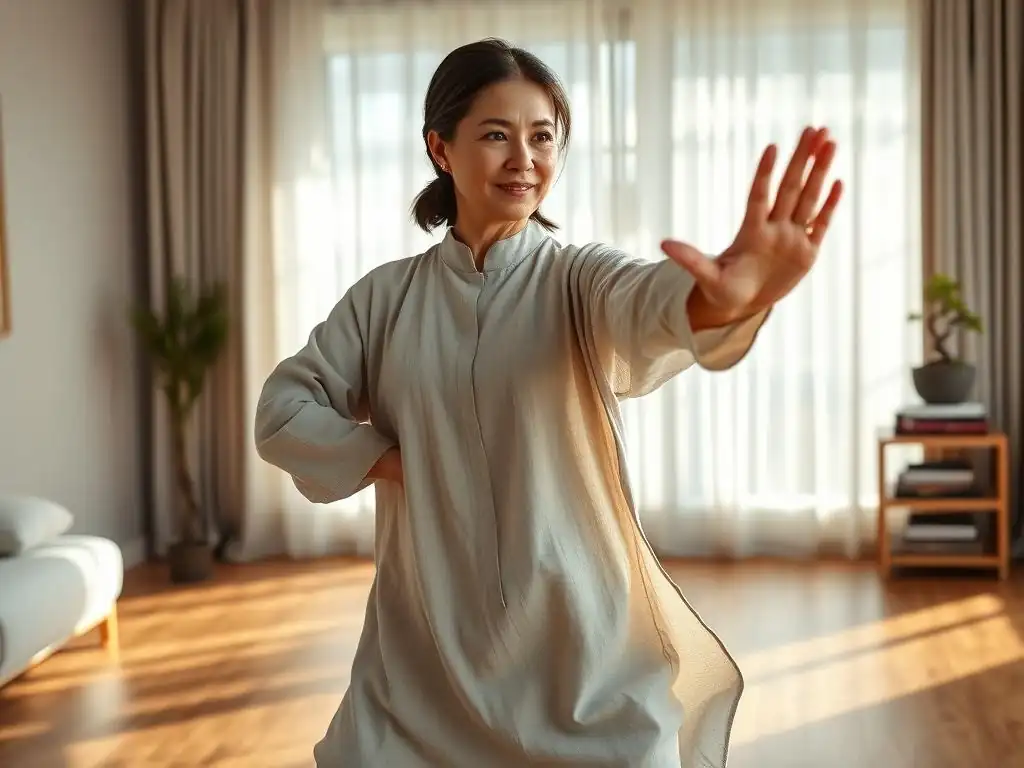
Feeling overwhelmed? Perhaps you're searching for a gentle path towards inner peace. Dive into our exploration of Tai Chi mental health benefits and discover how this ancient practice can be easily integrated into your daily life, right in the comfort of your own home. Eager to unlock a calmer, more centered you? Let's begin...
Tai Chi at Home: Easy Ways to Practice for Mental Peace
- Introduction to Tai Chi and Mental Well-being
- Setting Up Your Home Tai Chi Practice
- Easy Tai Chi Movements for Mental Health
- Advanced Tai Chi Practices for Deeper Mental Peace
- Maximizing the Mental Health Benefits of Tai Chi
- Tai Chi for Specific Mental Health Challenges
- Safety Considerations for Tai Chi at Home
- Conclusion: Embrace Tai Chi for Lasting Mental Peace
-
Frequently Asked Questions
- What are the primary mental health benefits associated with practicing Tai Chi at home?
- How can I begin practicing Tai Chi at home, even if I have no prior experience?
- How often should I practice Tai Chi at home to experience noticeable mental health improvements?
- Can Tai Chi at home help with specific mental health challenges, such as depression or insomnia?
- What are some essential tips for creating a peaceful and effective Tai Chi practice environment at home?
- Final Reflection: Finding Inner Peace Through Tai Chi
- Unlock Your Inner Calm: Start Your Tai Chi Journey Today!
Introduction to Tai Chi and Mental Well-being
Understanding the Connection Between Tai Chi and Mental Health Benefits
Tai Chi Chuan, often simply called Tai Chi, is an ancient Chinese martial art practiced for both its defense training and its health benefits. It is often described as meditation in motion, involving slow, flowing movements, deep breathing, and mental focus. The practice cultivates a strong mind-body connection, which is increasingly recognized for its profound positive impact on psychological well-being.
Research consistently points to the significant Tai chi mental health benefits, showing improvements in mood, reduced stress levels, and enhanced emotional resilience. For instance, studies have indicated that regular Tai Chi practice can lead to decreased activity in the amygdala, the brain's fear center, contributing to a calmer state of mind.
Beyond the neurological effects, the gentle, rhythmic nature of Tai Chi encourages a state of relaxed awareness. This mindful movement helps practitioners become more attuned to their physical sensations and emotional states without judgment, a key component of mindfulness-based therapies. This heightened self-awareness can be particularly beneficial for managing anxiety and depression, allowing individuals to observe challenging thoughts and feelings from a more detached perspective.
The physical aspect, involving coordinated movements and improved balance, also boosts self-efficacy and body image, further contributing to overall mental health benefits derived from Tai Chi. The cumulative effect is a powerful tool for cultivating inner peace and stability.
Why Practice Tai Chi at Home for Mental Peace?
Practicing Tai Chi at home offers unparalleled convenience and flexibility, removing common barriers that might prevent someone from attending a class. There's no need to worry about travel time, scheduling conflicts, or the potential self-consciousness some might feel in a group setting.
This accessibility makes it easier to establish a consistent routine, which is crucial for experiencing the long-term Tai chi mental health benefits. You can practice for just 10-15 minutes whenever you have a quiet moment, integrating movement and mindfulness seamlessly into your day, whether it's first thing in the morning or as a calming transition in the evening.
Furthermore, a home environment allows you to personalize your practice space and time, tailoring it precisely to your needs for finding mental peace. You can choose a quiet corner, play calming music if you wish, and adjust the lighting to create an atmosphere conducive to relaxation and focus.
This control over your environment enhances the meditative quality of the practice. While group classes offer community, the solitary nature of home practice can deepen the introspective aspect of Tai Chi, allowing for a more personal and focused exploration of the mind-body connection without external distractions, truly maximizing the potential for stress reduction and emotional balance.
Setting Up Your Home Tai Chi Practice
Creating a Calm and Focused Environment for Tai Chi
Setting up a dedicated space, however small, is key to a successful home Tai Chi practice. Choose an area in your home that is relatively quiet and free from clutter. This doesn't need to be a large room; even a corner of a living room or bedroom can suffice, as long as you have enough space to extend your arms and legs comfortably in all directions.
The goal is to minimize distractions and create a sense of tranquility that supports the meditative aspect of Tai Chi. Ensure the temperature is comfortable and the lighting is soft, avoiding harsh overhead lights if possible.
Consider adding elements that enhance the calming atmosphere. This could be a small plant, a piece of artwork that brings you peace, or simply ensuring the space is clean and tidy before you begin. Some people find soft, instrumental music helpful, while others prefer complete silence to focus on their breath and movement.
The key is to create an environment that signals to your mind and body that it's time to shift gears, slow down, and cultivate inner peace. This ritual of preparing your space reinforces the intention behind your Tai Chi practice and helps you more readily access its stress-reducing and mood-enhancing benefits.
Essential Equipment and Resources for Home Tai Chi Practice
One of the great advantages of Tai Chi is its simplicity regarding equipment. You need virtually nothing more than comfortable clothing that allows for ease of movement and a flat, stable surface. Bare feet are often preferred to allow for better grounding and balance, but soft, flat-soled shoes are also acceptable, especially if you have foot sensitivities or are practicing on a hard surface. Avoid restrictive clothing like tight jeans or stiff fabrics; opt for loose-fitting trousers, t-shirts, or athletic wear.
For learning, a wealth of resources is available online. Many reputable Tai Chi instructors and organizations offer free or subscription-based video tutorials that guide you through forms and principles. Look for resources that emphasize the health and meditative aspects rather than martial applications if your focus is on mental well-being.
Beginners might start with short instructional videos focusing on basic stances, breathing, and foundational movements. As you progress, you can explore longer sequences or delve into specific forms like the Eight Brocades or the 24-Form Yang Style. While a teacher can provide personalized feedback, online resources make starting a home practice accessible and affordable, allowing you to explore the Tai chi mental health benefits at your own pace.
Easy Tai Chi Movements for Mental Health
Beginner-Friendly Tai Chi Forms for Stress Reduction
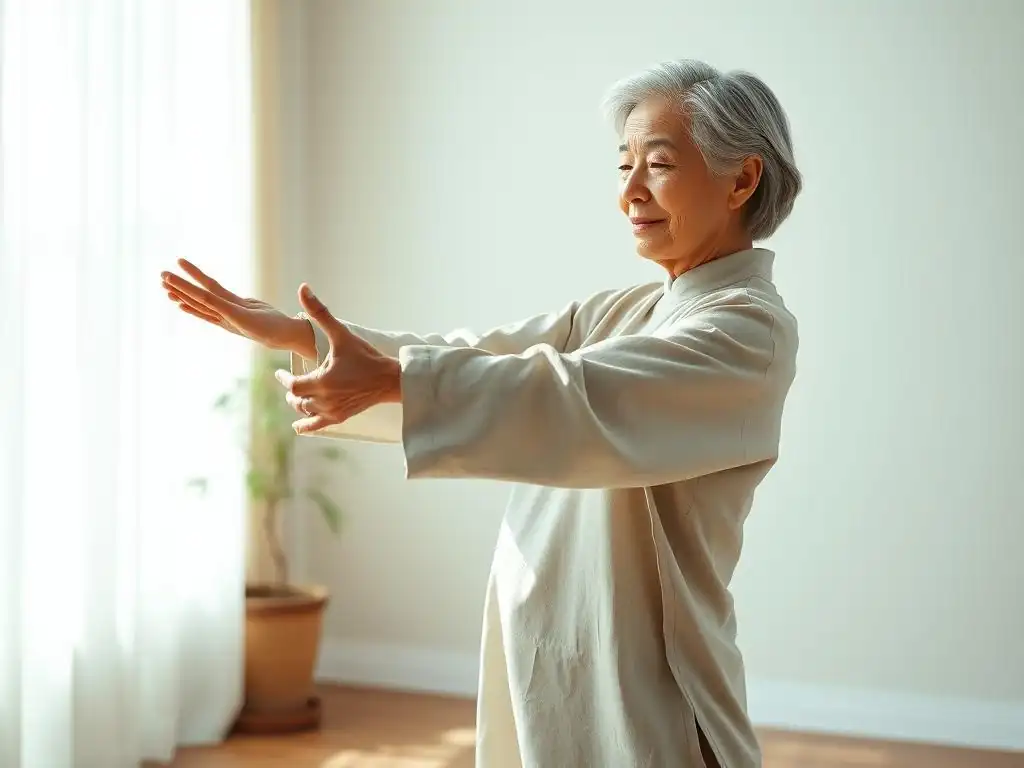
Beginning your Tai Chi journey with simple, repetitive forms is an excellent way to ease into the practice and quickly experience its stress-reducing effects. These forms are designed to be easy to learn, focusing on fundamental principles like relaxed posture, weight shifting, and coordinated breathing. They provide a gentle introduction to the flowing, continuous movement characteristic of Tai Chi, helping to calm the nervous system and quiet mental chatter. Starting with just a few movements or a short, simple sequence builds confidence and makes establishing a regular habit more manageable.
These beginner forms often involve movements that mimic natural actions, like 'Parting the Wild Horse's Mane' or 'Wave Hands Like Clouds', performed slowly and deliberately. The focus is not on perfect execution initially but on mindful engagement with the movement and breath. This emphasis on process over perfection reduces performance anxiety, making the practice inherently relaxing. Regular engagement with these simple forms, even for just 10-15 minutes daily, can significantly impact daily stress levels, demonstrating tangible Tai chi mental health benefits from the outset.
The Eight Brocades (Ba Duan Jin) Tai Chi Form: An Overview
The Eight Brocades, or Ba Duan Jin, is a set of eight distinct, relatively simple movements that are highly accessible for beginners. It is considered a form of Qigong, closely related to Tai Chi, focusing on cultivating and balancing internal energy (Qi) through gentle movement, stretching, and coordinated breathing.
Each of the eight movements targets specific areas of the body and traditional Chinese medicine meridians, aiming to promote physical health and emotional balance. For example, one movement, "Holding Up the Heavens," stretches the spine and opens the chest, which can alleviate tension often held in the upper body due to stress.
Practicing the Eight Brocades is particularly effective for stress reduction because the movements are easy to remember and repeat, allowing the practitioner to focus deeply on their breath and body sensations. The gentle stretches and coordinated breathing help release physical tension, which is often linked to mental stress. Many individuals report feeling calmer and more centered after practicing the Eight Brocades, highlighting its direct contribution to the Tai chi mental health benefits sought by beginners. It's a complete, short routine that can be done daily to foster a sense of peace and vitality.
Basic Tai Chi Stance and Posture: Foundation for Mental Clarity
The foundation of any Tai Chi practice, regardless of the form, lies in the basic stance and posture. A relaxed, upright posture with the spine elongated but not stiff is crucial. The knees are gently bent, the weight is centered and slightly forward, and the shoulders are relaxed and dropped. The head is held as if suspended from above, allowing the neck to be free of tension. This grounded yet buoyant posture promotes stability and balance, both physically and mentally. Learning to maintain this relaxed alignment is a fundamental step.
Developing a stable and relaxed stance cultivates proprioception, the body's awareness of its position in space, which can improve focus and reduce feelings of being overwhelmed. A common beginner stance is the 'Wu Chi' stance, a simple standing posture where the feet are shoulder-width apart, knees slightly bent, and hands resting naturally at the sides. Holding this posture quietly while focusing on breath is a meditative practice in itself, providing a sense of calm rootedness. Mastering this foundational posture is essential for progressing in Tai Chi and deepening the mental clarity benefits derived from the practice.
Intermediate Tai Chi Sequences for Emotional Balance
Once comfortable with basic movements and stances, exploring slightly longer and more complex sequences can further enhance emotional balance. These intermediate forms typically link several movements together in a continuous flow, requiring more concentration and coordination. This increased mental engagement can be a powerful tool for interrupting negative thought patterns and grounding the mind in the present moment. The smooth transitions between movements encourage a sense of continuity and flow, mirroring a desired state of emotional equilibrium.
Working through a sequence challenges both the body and the mind in a gentle, supportive way. The focus shifts from learning individual movements to understanding how they connect and flow into one another. This process requires patience and persistence, fostering resilience and a sense of accomplishment. As practitioners become more proficient, the movements become more automatic, allowing for deeper relaxation and a more profound meditative state. This deeper engagement with the practice significantly enhances the Tai chi mental health benefits, particularly in regulating emotions and fostering a sense of inner peace.
Exploring the 24-Form Yang Style Tai Chi for Emotional Regulation
The 24-Form Yang Style Tai Chi is one of the most popular and widely practiced forms globally, specifically designed in the 1950s as a simplified version suitable for public health promotion. It consists of 24 continuous movements that flow from one to the next, taking approximately 5-10 minutes to complete. This form is an excellent intermediate choice because it incorporates fundamental movements from the traditional Yang style but is short enough to be manageable for home practice. Movements like 'Brush Knee Twist Step' and 'Repulse Monkey' challenge coordination and balance while maintaining the gentle, flowing quality.
Practicing the 24-Form provides a structured sequence that encourages sustained focus and mindful presence. The continuous nature of the form helps to quiet the 'monkey mind,' drawing attention away from worries and towards the physical sensations and breath. The rhythmic repetition and gentle exertion can release stored tension in the body, which is often linked to emotional holding. Regular practice of the 24-Form is widely reported to improve mood, reduce symptoms of anxiety and depression, and enhance overall emotional regulation, solidifying its reputation for delivering significant Tai chi mental health benefits.
Incorporating Diaphragmatic Breathing for Enhanced Mindfulness
Breathing is an integral component of Tai Chi, often described as the thread that strings the movements together. Diaphragmatic breathing, or abdominal breathing, is the preferred method, involving slow, deep breaths that expand the abdomen rather than just the chest. This type of breathing activates the body's parasympathetic nervous system, promoting relaxation and reducing the physiological responses associated with stress and anxiety, such as rapid heart rate and shallow breathing. Synchronizing these deep breaths with the slow, deliberate movements of Tai Chi amplifies the meditative and calming effects of the practice.
Focusing on the breath during Tai Chi grounds the mind in the present moment, a core principle of mindfulness. By paying attention to the inhale and exhale, the practitioner cultivates awareness of their internal state and external environment without getting caught up in distracting thoughts. This practice of sustained, gentle attention during movement enhances concentration and self-awareness. Consistently integrating diaphragmatic breathing into your Tai Chi routine deepens the mind-body connection, making the practice a powerful tool for cultivating mindfulness and significantly boosting the Tai chi mental health benefits, leading to greater emotional resilience and inner peace.
Advanced Tai Chi Practices for Deeper Mental Peace
Integrating Meditation and Mindfulness into Your Tai Chi Routine
For those seeking deeper mental peace, integrating formal seated meditation or mindfulness practices alongside Tai Chi can be profoundly beneficial. While Tai Chi is often called "moving meditation," dedicating time for stillness allows for a different kind of introspection. Practicing 10-20 minutes of seated mindfulness meditation before or after your Tai Chi session can quiet the mind further and enhance the body awareness cultivated during movement. This combined approach strengthens the capacity for sustained attention and non-judgmental observation, crucial skills for managing challenging thoughts and emotions.
Mindfulness isn't just about formal meditation; it's also about bringing a quality of present-moment awareness to all activities, including your Tai Chi practice. As you become more familiar with the forms, you can shift your focus from executing the movements correctly to simply experiencing them.
Pay attention to the subtle shifts in weight, the feeling of air on your skin, the gentle stretching of muscles, and the flow of your breath. This heightened sensory awareness transforms the physical exercise into a deeply meditative experience, amplifying the mental health benefits of Tai Chi by fostering a state of calm, centered presence that extends beyond the practice time.
Cultivating Inner Peace Through Advanced Tai Chi Principles
Advanced Tai Chi practice involves delving deeper into the underlying principles, such as the concept of 'Song' (relaxation) and 'Yi' (intention or mind focus). It moves beyond simply performing the external movements to embodying the internal qualities. Cultivating 'Song' means releasing all unnecessary tension in the body, allowing energy and blood to flow freely. This deep relaxation is not passive but an active process of letting go, which directly counteracts the physical manifestation of stress and anxiety held in the muscles and fascia. Learning to relax deeply while moving is a powerful skill for achieving profound inner peace.
'Yi' refers to using the mind or intention to guide the movement, rather than relying solely on muscular force. The mind leads, and the body follows. This principle shifts the practice from a purely physical exercise to a sophisticated form of mind-body coordination. By focusing intention gently within the body and through the movements, practitioners develop a heightened sense of internal awareness and control. This mental discipline strengthens focus and concentration, pushing aside distracting thoughts and cultivating a calm, centered mind, thereby unlocking deeper Tai chi mental health benefits related to self-mastery and emotional regulation.
Maximizing the Mental Health Benefits of Tai Chi
Tips for Consistency and Motivation in Your Home Tai Chi Practice
Consistency is key to unlocking the full Tai chi mental health benefits. Aim for regular practice, even if it's just 10-15 minutes daily. Establishing a routine helps integrate Tai Chi into your lifestyle, making it a natural part of your day rather than a chore. Try practicing at the same time each day, perhaps first thing in the morning to set a calm tone or in the evening to unwind. Even short, frequent sessions are more beneficial than infrequent long ones for building momentum and habit.
Motivation can ebb and flow, so find ways to keep your practice fresh and engaging. You might explore different forms or sequences as you progress, or focus on different aspects like breathing, posture, or the internal feeling of the movements. Tracking your practice in a journal can also provide a sense of accomplishment and help you notice subtle improvements in your mood or stress levels.
Remember your reasons for starting – seeking mental peace and well-being – and gently remind yourself of these goals when motivation wanes. Celebrating small milestones, like practicing for a week straight, can also boost morale and reinforce the positive habit.
Combining Tai Chi with Other Mental Wellness Practices
Tai Chi is a powerful standalone practice for mental well-being, but its benefits can be amplified when combined with other complementary activities. Integrating Tai Chi into a broader self-care routine creates a holistic approach to mental health. For example, combining your morning Tai Chi session with a few minutes of journaling can help process thoughts and feelings that arise during the practice. Following Tai Chi with a healthy breakfast and mindful eating extends the sense of calm and presence throughout the start of your day.
Other practices that pair well include walking in nature, which complements the gentle movement and connection to the environment fostered by Tai Chi. Yoga, with its focus on breath and posture, shares many principles with Tai Chi and can be a valuable addition. Even simple activities like listening to calming music, practicing gratitude, or engaging in creative hobbies can support the mental peace cultivated through Tai Chi. By weaving Tai Chi into a tapestry of wellness practices, you create a robust support system for maintaining emotional balance and maximizing the long-term Tai chi mental health benefits.
Tai Chi for Specific Mental Health Challenges
Tai Chi for Anxiety Relief: Finding Calm in Movement
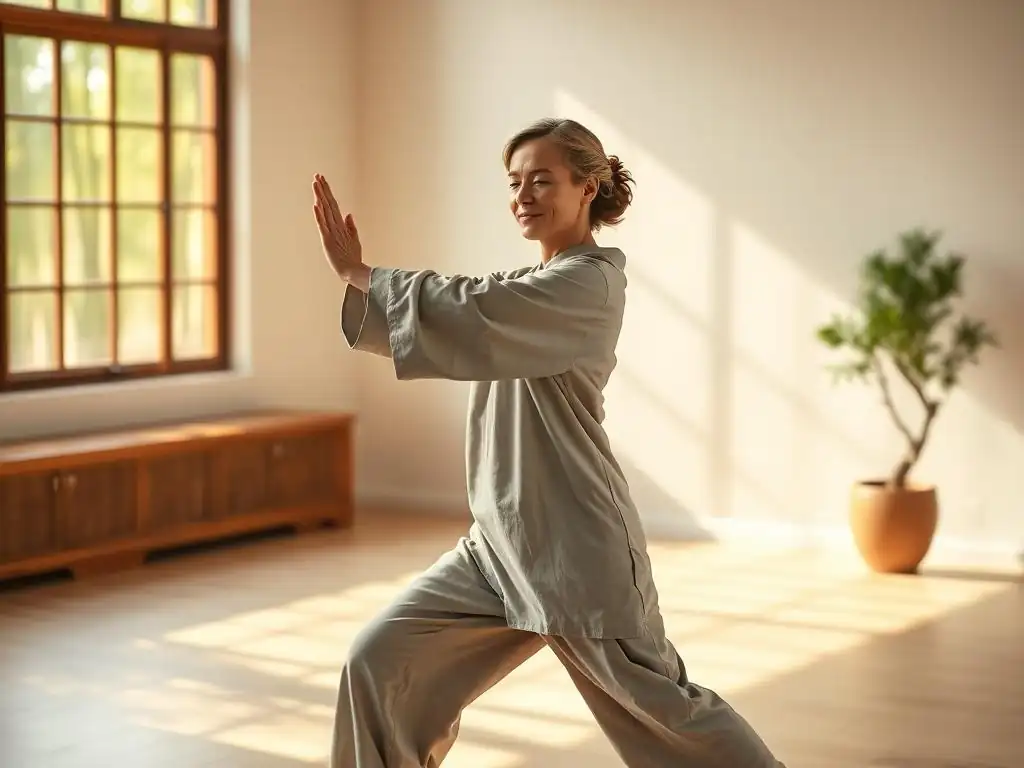
Tai Chi is particularly effective for anxiety relief due to its emphasis on slow movement, deep breathing, and present-moment awareness. The gentle, rhythmic flow of the movements helps to soothe the nervous system, counteracting the 'fight or flight' response often triggered by anxiety. As practitioners focus on coordinating their breath with movement, their attention is drawn away from anxious thoughts and redirected to the physical sensations of the body, grounding them in the here and now. This mindful engagement acts as a powerful anchor against the swirling worries of an anxious mind.
Research supports the use of Tai Chi for anxiety. For instance, a systematic review found that Tai Chi practice was associated with significant reductions in anxiety symptoms across various populations. The low-impact nature makes it accessible even during periods of heightened anxiety when more vigorous exercise might feel overwhelming.
The predictable, repetitive nature of forms provides a sense of structure and control, which can be very comforting for individuals experiencing the unpredictability of anxiety. Regular Tai Chi practice builds resilience, helping individuals develop coping strategies to manage anxious feelings more effectively, thus delivering tangible Tai chi mental health benefits specifically for anxiety.
Tai Chi for Depression: Enhancing Mood and Energy Levels
Tai Chi can be a valuable tool in managing symptoms of depression, including low mood, fatigue, and lack of motivation. While not a replacement for professional treatment, its combination of gentle physical activity and mindful engagement can provide a significant boost. The physical movement, even at a low intensity, can help increase energy levels and reduce feelings of lethargy often associated with depression. The social aspect of potential group classes or simply the act of engaging in a positive, self-care activity can combat feelings of isolation.
Moreover, the focus on breath and present moment awareness helps to interrupt the rumination and negative thought loops that are characteristic of depression. Tai Chi encourages a gentle engagement with the body and mind, fostering self-compassion rather than self-criticism. Studies have shown that Tai Chi can lead to improvements in mood and quality of life for individuals with depression.
For example, some research indicates that Tai Chi may help regulate neurotransmitters like serotonin and dopamine, which are often implicated in mood disorders. The sense of accomplishment gained from learning and practicing forms also contributes to improved self-esteem, enhancing the Tai chi mental health benefits for those facing depression.
Tai Chi for Stress Management: Building Resilience and Inner Strength
Chronic stress can have debilitating effects on both physical and mental health. Tai Chi offers a holistic approach to stress management by addressing both the physical and psychological components of stress. Physically, the slow, flowing movements and deep breathing help to release muscular tension and lower cortisol levels, the body's primary stress hormone. This physiological shift promotes a state of relaxation and calm, counteracting the body's stress response.
Psychologically, Tai Chi cultivates resilience and inner strength by teaching practitioners how to remain calm and centered amidst movement and mental activity. The practice encourages a non-reactive approach to challenges, viewing difficulties with greater perspective and equanimity. By regularly engaging the mind in focused, gentle activity, Tai Chi strengthens the capacity to handle stressors more effectively, reducing feelings of being overwhelmed. The consistency of practice builds a reservoir of inner peace that can be accessed during stressful times, making Tai Chi a powerful tool for building long-term resilience and maximizing Tai chi mental health benefits related to stress management.
Safety Considerations for Tai Chi at Home
Preventing Injuries During Your Tai Chi Practice
While Tai Chi is generally very safe due to its low-impact nature, it's still important to take precautions, especially when practicing at home without direct supervision. Ensure your practice space is clear of obstacles to prevent tripping. Wear appropriate footwear (or practice barefoot on a non-slip surface) to maintain stability. Pay attention to your body and avoid pushing into pain. Tai Chi emphasizes gentle, relaxed movement; forcing movements can lead to strain. Listen to your body's signals and modify movements if necessary.
Proper posture is also key to preventing injuries. Ensure your knees are bent but do not extend past your toes, protecting your knee joints. Keep your spine elongated and shoulders relaxed to avoid neck and back strain. If you are following online videos, choose instructors who emphasize safe alignment and provide modifications. Starting slowly and gradually increasing the duration or complexity of your practice allows your body to adapt. Staying hydrated is also important, just as with any physical activity. By being mindful of your body and environment, you can enjoy the Tai chi mental health benefits safely.
Modifications for Individuals with Physical Limitations
One of the great advantages of Tai Chi is its adaptability, making it suitable for individuals with a wide range of physical abilities and limitations. Most Tai Chi movements can be modified to accommodate specific needs, such as practicing seated on a chair. Seated Tai Chi retains the core principles of mindful movement, breath coordination, and relaxation, offering many of the same Tai chi mental health benefits as the standing forms. This makes it accessible for individuals with mobility issues, balance concerns, or chronic conditions that make standing difficult.
If you have existing health conditions, particularly those affecting balance, joints, or cardiovascular health, it's wise to consult with a healthcare provider before starting Tai Chi. They can advise on appropriate intensity and modifications. When practicing at home, be patient with yourself and focus on the quality of movement rather than quantity or speed. Use a chair or wall for support if balance is a concern. Many online resources offer specific modified Tai Chi programs designed for seniors or individuals with particular health challenges, ensuring that everyone can access the profound benefits of this practice for mental peace.
Conclusion: Embrace Tai Chi for Lasting Mental Peace
The Journey to Mental Well-being Through Tai Chi
Embracing Tai Chi at home is a journey towards cultivating lasting mental peace. It's a practice that gently guides you towards greater self-awareness, emotional balance, and resilience. Starting with simple movements and gradually progressing allows you to build confidence and integrate the practice into your daily life. The convenience of practicing in your own space removes barriers, making it easier to commit to the consistency needed to experience the profound Tai chi mental health benefits.
As you continue your practice, you may find that the principles of Tai Chi – rootedness, relaxation, flow, and mindful intention – begin to permeate other areas of your life. You might find yourself approaching challenges with more calm and less reactivity, responding to stress with greater equanimity.
Tai Chi is more than just exercise; it's a moving meditation that fosters a deep connection between mind and body, empowering you to navigate life's complexities with grace and inner strength. Committing to this gentle yet powerful practice at home can be a transformative step on your path to holistic mental well-being.
Frequently Asked Questions
What are the primary mental health benefits associated with practicing Tai Chi at home?
Tai Chi can significantly reduce stress and anxiety. It also promotes mindfulness and improves mood regulation, contributing to overall mental well-being.
How can I begin practicing Tai Chi at home, even if I have no prior experience?
Start with beginner-friendly online videos or apps. Focus on correct posture and slow, deliberate movements. Mind Care Guide may offer relevant resources.
How often should I practice Tai Chi at home to experience noticeable mental health improvements?
Aim for at least three times a week, for 20-30 minutes each session. Consistency is key to experiencing the long-term Tai Chi mental health benefits.
Can Tai Chi at home help with specific mental health challenges, such as depression or insomnia?
Yes, Tai Chi has been shown to alleviate symptoms of depression and improve sleep quality. It promotes relaxation and reduces stress hormones.
What are some essential tips for creating a peaceful and effective Tai Chi practice environment at home?
Find a quiet space, free from distractions. Ensure adequate lighting and ventilation. Wear comfortable clothing and focus on your breathing.
Final Reflection: Finding Inner Peace Through Tai Chi
The pursuit of mental well-being is a journey, not a destination, and Tai Chi offers a powerful compass to guide us. In a world increasingly characterized by stress and anxiety, the simple yet profound movements of Tai Chi provide a readily accessible path towards inner peace and improved mental health. This accessibility, highlighted throughout this article, is crucial in making this ancient practice relevant to modern life.
The gentle flow of Tai Chi's movements has not only impacted my own life, bringing a sense of calm and focus amidst the chaos of daily life, but it's also evident in the growing interest in mindfulness and holistic well-being. The practice transcends mere physical exercise; it's a meditative movement that cultivates a deeper connection with the self. The mind is like water. When it's turbulent, it's difficult to see. When it's calm, everything becomes clear.
This quote perfectly encapsulates the transformative power of Tai Chi in calming the mental waters and fostering clarity.
Now, consider your own journey towards mental well-being. What small steps can you take today to incorporate the principles of Tai Chi – mindful movement, deep breathing, and present moment awareness – into your daily routine? Even five minutes of gentle stretching and focused breathing can make a significant difference. Embrace the opportunity to cultivate inner peace, one slow, deliberate movement at a time. The path to serenity begins with a single step, and with Tai Chi, that step is surprisingly accessible and profoundly rewarding.
Unlock Your Inner Calm: Start Your Tai Chi Journey Today!
Thanks for taking the time to explore the wonderful world of Tai Chi with us! We hope you've discovered how easily this ancient practice can bring mental peace and physical well-being into your daily life. Ready to dive in?
- Begin your Tai Chi practice now: Find a quiet space, follow a beginner's video online (many are free! ), and experience the calming power of even just five minutes of movement.
- Share your Tai Chi journey: Tell your friends and family about your newfound practice—perhaps inspire them to join you!
- Explore different Tai Chi styles: Once you've established a basic routine, delve into the diverse forms of Tai Chi to find what resonates most deeply with you.
What small step will you take today to cultivate inner peace through Tai Chi?