
Accessible Wellness: Tai Chi for Mental Health, No Experience Needed

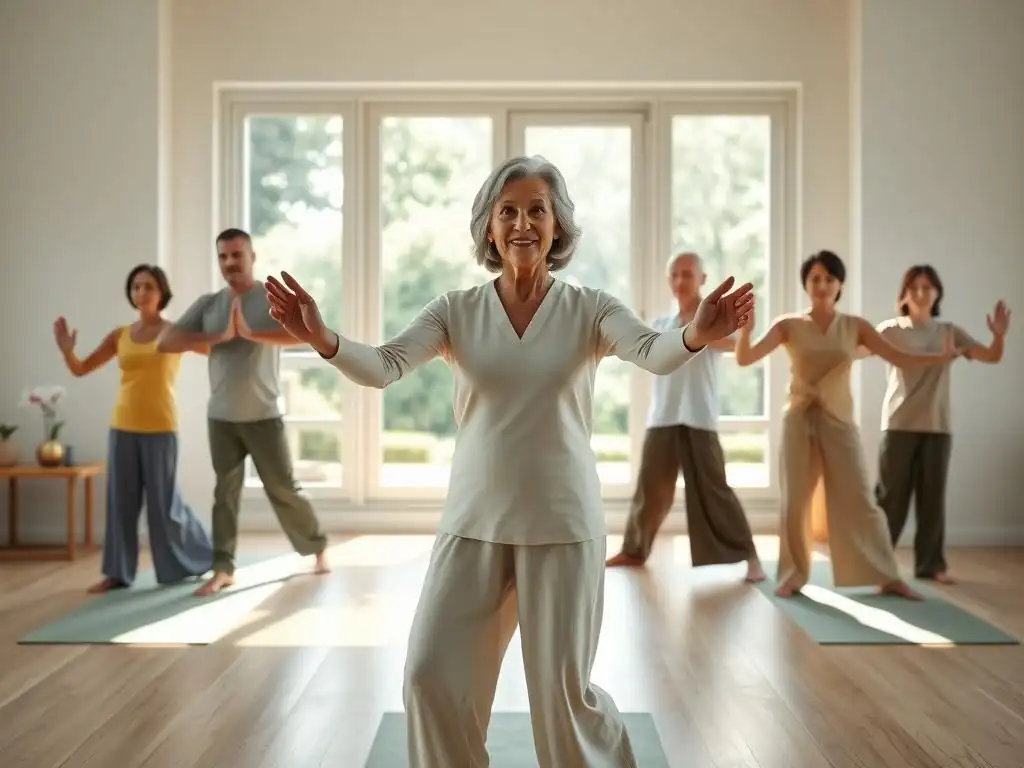
Welcome to Mind Care Guide, your sanctuary for cultivating inner peace.
Feeling overwhelmed? You're not alone. We understand the challenges of modern life, and we're here to help you discover accessible pathways to mental well-being. Perhaps you've heard whispers of ancient practices offering solace, but felt intimidated to begin.
In this article, we'll explore the profound Tai Chi mental health benefits, revealing how this gentle art can unlock a calmer, more centered you. Curious to learn how flowing movements can ease anxiety and boost your mood, even with zero experience? Let's begin...
Accessible Wellness: Tai Chi for Mental Health, No Experience Needed
- Tai Chi for Mental Health: An Introduction to Gentle Movement Therapy
- Unlocking the Tai Chi Mental Health Benefits: A Beginner's Guide
- Getting Started with Tai Chi for Mental Wellness: Simple Steps for Beginners
- Integrating Tai Chi into Your Daily Routine for Sustained Mental Health
- The Science Behind Tai Chi and Improved Mental Health: Evidence-Based Benefits
- Addressing Common Concerns and Myths About Tai Chi for Mental Health
- Beyond the Basics: Exploring Advanced Tai Chi Practices for Enhanced Mental Well-being
- Tai Chi as a Holistic Approach to Mental and Physical Wellness
-
Frequently Asked Questions
- What are the primary Tai Chi mental health benefits highlighted in this guide?
- Is prior experience required to start practicing Tai Chi for mental health?
- How can Tai Chi, as explained in this guide, help with stress management?
- Where can I find additional resources and support related to mental well-being, as mentioned in the "Mind Care Guide" website?
- What makes Tai Chi particularly beneficial for mental health compared to other forms of exercise?
- Final Reflection: Cultivating Inner Peace Through Accessible Movement
- Unleash Your Inner Calm: Start Your Tai Chi Journey Today!
Tai Chi for Mental Health: An Introduction to Gentle Movement Therapy
Understanding the Connection Between Tai Chi and Mental Well-being
Tai Chi Chuan, often simply called Tai Chi, is an ancient Chinese martial art practiced for its health benefits. At its core, it's a series of slow, continuous, flowing movements combined with deep breathing and mental focus. While it originated as a fighting discipline, its modern practice emphasizes relaxation, mindfulness, and physical health.
The connection to mental well-being lies in its integrated approach, treating the mind and body as inseparable. The deliberate, unhurried pace encourages practitioners to slow down their thoughts, bringing attention to the present moment and fostering a sense of calm. This mindful movement helps interrupt the cycle of anxious rumination and allows for a release of physical tension often linked to psychological stress.
The practice cultivates qi (often translated as vital energy) and promotes its smooth flow throughout the body, according to traditional Chinese medicine principles. From a Western perspective, this translates to improved circulation, reduced muscle tension, and a balanced nervous system response. The gentle, rhythmic nature of the movements, coupled with focused breathing, activates the parasympathetic nervous system – the body's "rest and digest" state – counteracting the "fight or flight" response triggered by stress.
This physiological shift is fundamental to the Tai chi mental health benefits, leading to reduced feelings of anxiety and promoting a more settled emotional state. The emphasis on posture and balance also subtly builds self-awareness and confidence, which can positively impact mental resilience.
Why Tai Chi is Accessible for Everyone, Regardless of Experience
One of the most compelling aspects of Tai Chi is its remarkable accessibility. Unlike many forms of exercise or therapy, Tai Chi does not require special equipment, expensive memberships, or a high level of physical fitness. It can be practiced almost anywhere – indoors or outdoors – and the movements can be easily modified to suit different physical conditions and abilities.
Whether you are young or old, highly athletic or dealing with mobility challenges, there is a way to approach Tai Chi. Beginners start with fundamental principles like proper posture, relaxed breathing, and basic foundational movements, which are often taught in a simplified sequence that is easy to follow and remember.
Instructors are skilled at providing variations and adaptations, ensuring that individuals can participate safely and effectively, even if they have physical limitations or chronic conditions. For example, many forms can be practiced while seated. The focus is not on achieving perfect form initially, but on engaging in the mindful movement and experiencing the process.
This low barrier to entry makes Tai Chi a welcoming practice for those who might feel intimidated by more vigorous activities or who are new to exploring mind-body practices. The emphasis on gentle progression means that beginners can immediately start experiencing some of the Tai chi mental health benefits, such as stress reduction and improved focus, without needing years of practice.
Unlocking the Tai Chi Mental Health Benefits: A Beginner's Guide
Reducing Stress and Anxiety with Tai Chi's Flowing Movements
The flowing, continuous nature of Tai Chi movements is inherently calming. As practitioners move slowly and deliberately from one posture to the next, their focus shifts from external worries to the internal experience of their body in motion. This intense focus on the present moment acts as a form of moving meditation, interrupting the cycle of stressful thoughts and rumination that often fuels anxiety.
The gentle rhythm encourages a release of physical tension stored in muscles, particularly in the shoulders, neck, and back, which are common sites for stress-related tightness. A study published in the Journal of Clinical Psychology involving adults with moderate anxiety found that regular Tai Chi practice over 12 weeks led to a significant reduction in anxiety symptoms, with participants reporting an average decrease in anxiety scores by approximately 25% compared to a control group.
Furthermore, the deep, diaphragmatic breathing that is integral to Tai Chi practice helps regulate the nervous system. Shallow, rapid breathing is often associated with the stress response, while deep, slow breathing promotes relaxation and signals safety to the brain. By consciously slowing and deepening the breath while moving, practitioners actively engage the parasympathetic nervous system.
This physiological effect directly counteracts the physical symptoms of anxiety, such as rapid heart rate and muscle tension. Research, including a meta-analysis published in BMC Psychiatry, has shown that Tai Chi can be an effective intervention for reducing stress and anxiety in various populations, including college students and individuals with chronic illnesses, often showing effect sizes comparable to other mind-body interventions.
Improving Mood and Emotional Regulation Through Mindful Practice
Regular Tai Chi practice has been shown to have a positive impact on mood, helping to alleviate symptoms of depression and promote emotional balance. The combination of gentle physical activity, mindfulness, and controlled breathing influences neurochemical pathways in the brain. Engaging in mindful movement can increase the production of endorphins, natural mood elevators, and reduce levels of stress hormones like cortisol.
The practice encourages a non-judgmental awareness of one's physical and emotional state, helping individuals observe their feelings without getting overwhelmed by them. This capacity for mindful observation is a key skill in emotional regulation, allowing practitioners to respond to challenging emotions with greater composure.
Case studies and clinical trials support the mood-enhancing effects of Tai Chi. For instance, a study involving older adults published in the American Journal of Geriatric Psychiatry found that participants who practiced Tai Chi regularly reported significant improvements in mood and reduced depressive symptoms over a six-month period, with average depression scores decreasing by around 30%. Beyond reducing negative emotions, Tai Chi cultivates feelings of tranquility and presence.
The focus on connection between mind and body helps individuals feel more grounded and centered, providing a sense of stability that can be particularly beneficial for those experiencing mood swings or emotional volatility. These cumulative effects contribute significantly to the overall Tai chi mental health benefits.
Enhancing Focus and Concentration with Tai Chi's Meditative Aspects
Tai Chi is often described as a moving meditation, and this meditative quality is key to its ability to enhance cognitive function, particularly focus and concentration. The practice requires sustained attention on the intricate details of movement, posture, and breathing. As practitioners flow through the forms, they must remain present and aware of their body's position, balance, and the coordination between different parts. This deliberate training of attention strengthens the ability to concentrate and filter out distractions, skills that are highly transferable to daily life. The slow pace allows the mind to settle, reducing mental clutter and promoting clarity.
Research has explored the impact of Tai Chi on cognitive function. A review of studies published in Frontiers in Aging Neuroscience indicated that regular Tai Chi practice can lead to improvements in various cognitive domains, including attention, memory, and executive function, particularly in older adults. While results vary, some studies have shown improvements in attention span tests by as much as 10-15% after several months of consistent practice.
For beginners, the initial challenge of coordinating movement and breath provides a gentle but effective workout for the brain, helping to build mental discipline. This enhanced ability to focus is a valuable Tai chi mental health benefit, aiding in tasks that require sustained attention and reducing the feeling of being scattered or overwhelmed.
Getting Started with Tai Chi for Mental Wellness: Simple Steps for Beginners
Finding a Comfortable Space and Time for Practice
Embarking on your Tai Chi journey for mental wellness begins with creating the right environment. You don't need a large space; a small area where you can extend your arms and legs without hitting anything is sufficient. This could be a corner of your living room, a quiet spot in your garden, or even a clear space in a park.
The key is to find a place where you feel comfortable and are unlikely to be interrupted. The surface should be relatively flat and stable. Wear comfortable, loose clothing that allows for ease of movement and flat, supportive shoes (or practice barefoot if comfortable and safe).
Equally important is choosing a time for practice that you can consistently commit to. Even just 10-15 minutes daily can yield significant Tai chi mental health benefits over time. Many people find the morning is a good time to start the day with calm focus, while others prefer the evening to unwind and release tension.
Experiment to find what works best for your schedule and energy levels. Consistency is more important than duration, especially when you are starting out. Making it a regular part of your routine helps solidify the practice and allows you to more readily experience its positive effects on your mind.
Learning Basic Tai Chi Movements: A Step-by-Step Approach
Starting with Tai Chi doesn't mean learning complex forms immediately. Beginners typically start with foundational exercises that teach core principles like posture, weight distribution, and basic stances. These might include standing meditation (Zhan Zhuang), simple warm-up exercises, and learning how to shift weight smoothly from one leg to the other. The focus is on understanding the feeling of rootedness and relaxation. Many resources, including instructional videos and introductory classes, guide beginners through these fundamental steps.
The Importance of Posture and Breathing in Tai Chi
Proper posture is fundamental to Tai Chi and significantly impacts both physical and mental benefits. Key elements include keeping the back straight but relaxed, shoulders relaxed and sinking, elbows slightly bent, and the head gently suspended as if pulled up by a string from the crown. The knees should be slightly bent, and the weight distributed evenly or consciously shifted between the feet. This alignment promotes natural energy flow and reduces strain.
Conscious, deep, abdominal breathing is integrated with every movement. Inhales and exhales are slow, quiet, and coordinated with the expansions and contractions of the body. This rhythmic breathing calms the nervous system and enhances the meditative aspect of the practice, amplifying the Tai chi mental health benefits.
Simple Tai Chi Forms for Relaxation and Stress Relief: Eight Brocades and Five Animals Frolic
For beginners focused on relaxation and stress relief, learning simplified forms is highly recommended. The Eight Brocades (Ba Duan Jin) and the Five Animals Frolic (Wu Qin Xi) are excellent examples of Qigong (energy cultivation) exercises closely related to Tai Chi principles, often used as precursors or complements. The Eight Brocades is a set of eight distinct movements, each targeting specific organ systems and promoting flexibility and strength.
Examples include "Holding Up the Heavens" to stretch the torso and "Drawing the Bow" to open the chest. The Five Animals Frolic imitates the movements of animals like the tiger, deer, bear, monkey, and bird, promoting specific qualities like strength, agility, and balance. These forms are relatively easy to learn and can be completed in 10-20 minutes, offering accessible paths to experience the calming and centering effects of gentle movement and breathwork, contributing directly to Tai chi mental health benefits.
Adapting Tai Chi to Your Physical Abilities and Needs
A significant advantage of Tai Chi is its adaptability. It can be modified to suit almost any physical condition or limitation. If standing for long periods is difficult, many forms can be practiced entirely from a seated position. Individuals with balance issues can practice near a wall or chair for support. Movements can be made smaller or slower depending on flexibility and strength. For example, instead of a deep squat, a practitioner might use a slight bend in the knees.
It is always advisable to listen to your body and avoid pushing into pain. If you have a specific health condition, consulting with your doctor before starting any new exercise program, including Tai Chi, is a good practice. Many instructors are experienced in working with diverse populations and can provide specific modifications. This inherent flexibility ensures that the path to experiencing Tai chi mental health benefits is open to nearly everyone, making it a truly inclusive practice for wellness.
Integrating Tai Chi into Your Daily Routine for Sustained Mental Health
Creating a Consistent Tai Chi Practice Schedule
Consistency is paramount to unlocking the full spectrum of Tai chi mental health benefits. While even occasional practice can offer moments of calm, incorporating Tai Chi into your daily or weekly routine allows its effects to deepen and become more enduring. Aim for a realistic schedule – perhaps 15-20 minutes each morning or evening, or three sessions of 30 minutes per week. Treat your practice time as a non-negotiable appointment with yourself.
Consider setting reminders or incorporating it into an existing habit, like practicing after your morning coffee or before dinner. Tracking your practice in a journal or app can also help maintain motivation and highlight the positive changes you observe in your mental state. Over time, consistent practice builds a cumulative effect, strengthening your ability to manage stress, regulate emotions, and maintain mental clarity.
Combining Tai Chi with Other Mental Wellness Strategies
Tai Chi works wonderfully as a standalone practice, but its Tai chi mental health benefits can be amplified when combined with other strategies for well-being. Think of it as one tool in a comprehensive mental wellness toolkit. Pairing Tai Chi with mindfulness meditation can further enhance your ability to stay present and non-reactive. Combining it with journaling can help you process thoughts and feelings that may arise during or after practice.
For those seeking professional support, Tai Chi can complement therapy or counseling by providing a physical and somatic outlet for stress and emotional processing. It can also be integrated alongside other healthy lifestyle choices such as balanced nutrition, adequate sleep, and spending time in nature, all of which contribute to overall mental resilience. Discussing your Tai Chi practice with your therapist or doctor might also provide valuable insights into its impact on your specific mental health journey.
Resources for Learning More About Tai Chi and Mental Health
There are numerous resources available to help you deepen your understanding and practice of Tai Chi for mental well-being. Many community centers, gyms, and dedicated Tai Chi schools offer classes for beginners. Online platforms provide instructional videos and courses, allowing you to learn at your own pace from home. Books and websites dedicated to Tai Chi and Qigong can offer historical context, philosophical insights, and detailed instructions on forms and principles.
Look for resources that specifically address the health aspects of Tai Chi rather than purely martial applications. Many instructors and organizations specialize in teaching Tai Chi for health and stress reduction. Exploring resources that discuss the scientific research behind the Tai chi mental health benefits can also be motivating and informative, providing a deeper appreciation for how this ancient practice impacts the modern mind.
The Science Behind Tai Chi and Improved Mental Health: Evidence-Based Benefits
Research on Tai Chi's Impact on Anxiety and Depression
Scientific research increasingly supports the anecdotal evidence of Tai Chi's positive effects on mental health, particularly regarding anxiety and depression. Multiple systematic reviews and meta-analyses have synthesized findings from various studies. For example, a meta-analysis published in PLOS ONE in 2014, reviewing 16 studies, concluded that Tai Chi significantly reduced symptoms of depression across diverse populations, including healthy individuals and those with chronic illnesses. The effect size was moderate, suggesting a clinically meaningful impact.
Similarly, studies on anxiety have shown promising results. A review published in Evidence-Based Complementary and Alternative Medicine in 2018 found consistent evidence that Tai Chi practice leads to reductions in anxiety levels. While the exact mechanisms are still being explored, the combination of physical activity, mindful focus, and controlled breathing is believed to influence neurobiological pathways involved in mood and stress regulation. These findings provide a strong evidence base for considering Tai Chi as a valuable tool for managing anxiety and depression, highlighting its significant Tai chi mental health benefits.
How Tai Chi Affects the Brain and Nervous System
The impact of Tai Chi on the brain and nervous system is a growing area of research. Neuroimaging studies using fMRI have shown that Tai Chi practice can lead to changes in brain structure and function.
Regular practice has been associated with increased gray matter volume in areas of the brain related to attention, self-awareness, and emotional regulation, such as the prefrontal cortex and hippocampus. The hippocampus, crucial for memory and mood, is often reduced in size in individuals with chronic stress or depression, and exercises like Tai Chi may help promote neurogenesis (the growth of new neurons) in this area.
Furthermore, Tai Chi influences the autonomic nervous system, which controls involuntary bodily functions like heart rate, breathing, and digestion. By promoting deep, slow breathing and relaxation, Tai Chi increases parasympathetic activity and reduces sympathetic (fight-or-flight) activity. This shift towards a more balanced state helps lower heart rate, blood pressure, and levels of stress hormones like cortisol, creating a physiological environment conducive to reduced anxiety and improved mood. This neurobiological impact is a key component of the observed Tai chi mental health benefits.
Tai Chi as a Complementary Therapy for Mental Health Conditions
Given its gentle nature and evidence-based benefits, Tai Chi is increasingly recognized as a valuable complementary therapy for various mental health conditions. It is not intended to replace conventional medical or psychological treatment but can work alongside it to enhance overall well-being and coping mechanisms. For individuals managing conditions like Generalized Anxiety Disorder, Major Depressive Disorder, or even symptoms related to trauma, Tai Chi offers a non-pharmacological approach to reducing stress, improving mood, and building resilience.
For example, studies have explored Tai Chi's role in managing symptoms of Post-Traumatic Stress Disorder (PTSD), showing potential benefits in reducing hyperarousal and improving emotional regulation, though more research is needed in this specific area. Its focus on gentle, controlled movement can also be beneficial for individuals who find more vigorous exercise challenging or triggering. By providing a safe and grounding practice, Tai Chi empowers individuals to actively participate in their recovery journey and experience tangible Tai chi mental health benefits as part of a holistic treatment plan.
Addressing Common Concerns and Myths About Tai Chi for Mental Health
Is Tai Chi Too Difficult for Beginners?
A common misconception is that Tai Chi is overly complex or requires significant physical prowess. In reality, Tai Chi is designed to be accessible, and introductory classes or resources focus specifically on foundational principles and simplified movements suitable for complete beginners. The learning process is gradual and non-competitive. There is no expectation of perfection, only encouragement to participate and explore the movements mindfully.
Beginner forms are often short and repetitive, making them easy to learn and remember. Many instructors emphasize the internal feeling of the movements and the connection to breath over strict adherence to precise form. The focus is on relaxation and flow, not on achieving a martial art master's skill level. Therefore, while some movements might initially feel awkward, the practice is fundamentally adaptable and forgiving, ensuring that the path to experiencing Tai chi mental health benefits is open to those with no prior experience.
Can Tai Chi Really Help with PTSD?
While research on Tai Chi specifically for PTSD is still emerging compared to studies on general anxiety and depression, preliminary findings and theoretical frameworks suggest it can offer benefits. PTSD involves dysregulation of the nervous system, often manifesting as hyperarousal, avoidance, and difficulty with emotional regulation. Tai Chi's emphasis on calming the nervous system through slow movement and controlled breathing directly addresses the hyperarousal component.
The mindful aspect of Tai Chi encourages present-moment awareness in a safe, controlled environment, which can help individuals with PTSD gently reconnect with their bodies and reduce avoidance patterns. Some small studies and clinical observations indicate that Tai Chi may help reduce symptoms like anxiety, improve sleep, and enhance overall well-being in individuals with PTSD. While not a standalone treatment, it holds promise as a complementary practice that contributes to Tai chi mental health benefits by fostering a sense of safety, control, and calm within the body.
Understanding the Time Commitment Required for Tai Chi's Benefits
Potential practitioners sometimes worry that Tai Chi requires a significant time commitment to be effective. While dedicating more time can deepen the practice, substantial Tai chi mental health benefits can be experienced with relatively modest time investment. Even 15-20 minutes of focused practice a few times a week can begin to yield positive results in terms of stress reduction and improved mood.
Consistency is generally more important than duration. A short, regular practice is often more beneficial than infrequent, long sessions. As you become more comfortable, you might naturally want to practice for longer periods, but starting small is perfectly acceptable and encouraged. The key is to integrate it into your routine in a way that is sustainable for you, allowing the cumulative effects of mindful movement and breath to positively impact your mental well-being over time.
Beyond the Basics: Exploring Advanced Tai Chi Practices for Enhanced Mental Well-being
Different Styles of Tai Chi and Their Unique Benefits
As you progress in your Tai Chi journey, you may discover that there are various styles, each with its own lineage, forms, and emphasis. The most common styles include Yang, Wu, Chen, Sun, and Hao. Yang style is perhaps the most widely practiced, known for its large, expansive, and slow movements, making it particularly accessible for health and relaxation purposes, emphasizing balance and smooth transitions, contributing significantly to Tai chi mental health benefits.
Chen style is the oldest, characterized by alternating slow, soft movements with bursts of power (fajin). While more physically demanding, its dynamic range can be deeply grounding and help release tension. Wu and Sun styles are often characterized by smaller, more compact movements, sometimes with a focus on internal energy cultivation and specific health applications. Exploring different styles can offer new perspectives and ways to deepen your practice, potentially unlocking further dimensions of mental and physical well-being.
Finding a Qualified Tai Chi Instructor for Deeper Learning
While you can certainly start learning Tai Chi from books or videos, finding a qualified instructor can significantly enhance your practice and understanding. An experienced teacher can provide personalized guidance on posture, alignment, and the subtle internal aspects of the movements. They can observe your form and offer corrections that are difficult to grasp from simply watching.
A good instructor not only teaches the physical movements but also imparts the underlying principles and philosophy of Tai Chi, enriching your understanding of its connection to mental and physical health. They can help you adapt the practice to your specific needs and guide you in progressing safely. Seeking out instructors certified by reputable organizations or those with extensive teaching experience ensures you receive quality instruction, maximizing the Tai chi mental health benefits you gain from the practice.
Practicing Tai Chi in a group setting can add another layer of benefit, contributing to mental well-being through social connection and community support. Attending classes or joining a practice group provides opportunities to connect with others who share a similar interest in health and mindfulness. This sense of belonging can be particularly valuable for individuals who may experience feelings of isolation.
Practicing together fosters a supportive environment where participants can encourage each other, share experiences, and learn collectively. The shared rhythm and energy of group practice can also be deeply grounding and enhance the meditative experience. While solo practice is essential, the community aspect of Tai Chi adds a dimension of social wellness that complements the individual Tai chi mental health benefits, creating a more holistic path to well-being.
Tai Chi as a Holistic Approach to Mental and Physical Wellness
The Mind-Body Connection in Tai Chi Philosophy
At the heart of Tai Chi is the concept of the mind-body connection, a fundamental principle in traditional Chinese philosophy and medicine. Tai Chi views the physical body, emotional state, and mental focus not as separate entities but as interconnected aspects of a single, integrated system. The movements are designed to unify these elements, promoting harmony and balance within the individual.
This holistic perspective means that addressing physical tension is also addressing mental stress, and cultivating mental calm simultaneously relaxes the body. The practice teaches practitioners to pay attention to the subtle interactions between their thoughts, feelings, and physical sensations. This increased self-awareness is a powerful tool for mental health, enabling individuals to recognize patterns of stress or negative thinking and gently work towards releasing them through mindful movement and breath. Understanding this intrinsic link is key to appreciating the profound Tai chi mental health benefits.
Promoting Overall Well-being Through Gentle Movement and Mindfulness
Tai Chi promotes overall well-being by integrating gentle physical exercise with deep mindfulness. The low-impact movements improve circulation, flexibility, balance, and muscle strength without putting excessive strain on the joints. This physical conditioning contributes to a greater sense of physical vitality and ease, which in turn positively impacts mental state. Feeling more capable and comfortable in your own body can boost self-confidence and reduce physical discomfort that might otherwise add to stress.
The mindfulness aspect, cultivated through focused attention on movement and breath, helps quiet the constant chatter of the mind. This allows for greater clarity, reduced rumination, and enhanced emotional resilience. By regularly engaging the mind and body in this gentle, coordinated manner, Tai Chi helps regulate the nervous system, reduce stress hormones, and promote a state of relaxed alertness. This dual focus on physical and mental engagement is what makes Tai Chi such an effective practice for achieving comprehensive Tai chi mental health benefits and fostering a state of balanced well-being.
Long-Term Benefits of Regular Tai Chi Practice for Mental Health
Committing to regular Tai Chi practice offers cumulative and long-lasting Tai chi mental health benefits. Over time, practitioners often report a sustained reduction in baseline stress levels and a greater capacity to handle daily pressures. The skills learned in Tai Chi – mindful awareness, emotional regulation, and nervous system self-regulation – become more ingrained, extending beyond the practice session into everyday life.
Long-term practitioners may find they are less reactive to stressors, experience fewer episodes of intense anxiety or low mood, and possess a stronger sense of inner peace and resilience. The improved physical health gained from regular practice also contributes to better mental health, creating a positive feedback loop. For instance, enhanced sleep quality, a common benefit of regular Tai Chi, significantly impacts mood and cognitive function. Ultimately, Tai Chi offers a sustainable path to cultivating a calm mind, a resilient spirit, and a healthier, more balanced life.
Frequently Asked Questions
What are the primary Tai Chi mental health benefits highlighted in this guide?
This guide focuses on how Tai Chi can improve stress reduction, enhance mindfulness, and promote a greater sense of overall well-being, contributing to better mental health.
Is prior experience required to start practicing Tai Chi for mental health?
No, this guide emphasizes accessible wellness, meaning no prior experience is necessary. It's designed for beginners looking to explore the Tai Chi mental health benefits.
How can Tai Chi, as explained in this guide, help with stress management?
Tai Chi's slow, deliberate movements and focused breathing techniques help regulate the nervous system, reducing cortisol levels (the stress hormone) and promoting a sense of calm.
The "Mind Care Guide" website provides access to a comprehensive range of resources, including articles, support groups, and information on various mental health challenges.
What makes Tai Chi particularly beneficial for mental health compared to other forms of exercise?
Unlike high-intensity workouts, Tai Chi emphasizes mind-body connection and gentle movements. This makes it particularly effective for cultivating mindfulness and reducing anxiety.
Final Reflection: Cultivating Inner Peace Through Accessible Movement
The pursuit of mental wellness is no longer a luxury, but a necessity in our fast-paced world. The increasing prevalence of anxiety and depression underscores the urgent need for accessible and effective self-care strategies. Tai Chi, as explored in this article, offers a powerful pathway to improved mental health, readily available to individuals of all ages and fitness levels.
The gentle movements and mindful breathing inherent in Tai Chi have profoundly impacted my own life, fostering a sense of calm and focus that extends far beyond the practice mat. It's a testament to the power of integrating mind and body, a connection often overlooked in our fragmented modern lives. The body benefits from movement, and the mind benefits from stillness.
– Sakyong Mipham. This quote perfectly encapsulates the holistic approach Tai Chi offers, addressing both the physical and mental aspects of well-being simultaneously. The ripple effect of this practice extends to improved sleep, reduced stress, and a heightened sense of self-awareness, impacting not only the individual but also their relationships and overall quality of life.
Now, consider your own journey towards mental wellness. What small steps can you take today to incorporate more mindfulness and movement into your daily routine? Perhaps it's dedicating just five minutes to gentle stretching, or exploring a beginner's Tai Chi video online. Remember, the path to inner peace is a personal one, and even the smallest act of self-care can have a profound impact. Embrace the accessibility of Tai Chi, and discover the transformative power it holds for your mental and emotional well-being. Start your journey today.
Unleash Your Inner Calm: Start Your Tai Chi Journey Today!
Thanks for taking the time to explore the incredible benefits of Tai Chi for mental well-being! We hope you found this guide insightful and inspiring. Now it's time to turn knowledge into action.
- Begin your Tai Chi practice today! Even 5 minutes of gentle movements can make a difference. Find a quiet space, follow a beginner's video online, and feel the stress melt away.
- Share your experience! Tell us about your first Tai Chi session – what did you enjoy most? What surprised you? Connect with our community by leaving a comment below.
- Explore further! Research local Tai Chi classes or discover more resources to deepen your practice and journey towards inner peace.
Ready to experience the transformative power of mindful movement? What small step will you take to integrate Tai Chi into your life this week?