
Your Outdoor Wellness Plan: Integrating Nature into Your SelfCare Routine


Welcome to Mind Care Guide.
Feeling overwhelmed and longing for a breath of fresh air? We understand. Sometimes, the best medicine for a weary mind is found not in a bottle, but in the embrace of nature. This guide is dedicated to helping you discover the transformative power of the outdoors. Ready to unlock a revitalizing experience? Dive into our article on crafting your own personalized Outdoor Wellness Selfcare Routine and begin your journey towards a more balanced and grounded you. What simple steps can you take today to reconnect with nature and nurture your mental well-being?
Your Outdoor Wellness Plan: Integrating Nature into Your Self-Care Routine
- Introduction: Embrace the Healing Power of Nature for Enhanced Well-being
- Designing Your Personalized Outdoor Wellness Self-Care Routine
- Key Components of an Effective Outdoor Wellness Self-Care Routine
- Creating a Sustainable Outdoor Self-Care Plan
- Maximizing the Benefits of Your Outdoor Wellness Self-Care Routine
- Outdoor Wellness Self-Care Routine Ideas for Different Seasons
- Safety Considerations for Outdoor Activities
- Conclusion: Nurturing Your Mental Health Through Nature's Embrace
-
Frequently Asked Questions
- How can incorporating nature into my self-care routine benefit my mental well-being?
- What are some simple outdoor activities I can include in my "Outdoor Wellness Selfcare Routine"?
- How often should I engage in outdoor wellness activities to see a positive impact?
- What if I live in an urban area with limited access to green spaces?
- How can I make my outdoor wellness routine a sustainable habit?
- Final Reflection: Reconnecting with Nature, Reconnecting with Self
- Unleash Your Inner Explorer: Embrace Nature's Wellness
Introduction: Embrace the Healing Power of Nature for Enhanced Well-being
Why Prioritize Outdoor Self-Care for Mental Health?
In today's fast-paced world, finding effective ways to manage stress and enhance mental well-being is more crucial than ever. While traditional self-care practices like meditation or exercise are valuable, integrating nature into your routine offers unique and profound benefits. Research consistently shows that spending time outdoors can significantly reduce symptoms of anxiety and depression.
For instance, a study published in Environmental Science & Technology found that just 5 minutes of "green exercise" (activity in nature) can boost mood and self-esteem. This highlights the potent, accessible power of the natural world as a therapeutic tool, forming a vital component of an effective outdoor wellness selfcare routine.
Beyond simply feeling better, prioritizing an outdoor wellness selfcare routine can lead to tangible improvements in cognitive function and emotional regulation. Exposure to natural environments has been linked to improved focus and reduced rumination (repetitive negative thoughts). A study from Stanford University demonstrated that a 90-minute walk in a natural setting decreased activity in the subgenual prefrontal cortex, a brain region associated with depression, compared to a walk in an urban environment. This neurological evidence underscores why making outdoor self-care a priority isn't just a pleasant pastime, but a powerful strategy for fostering robust mental health and resilience.
Understanding the Connection Between Nature and Mental Wellness
The deep connection between humans and nature, often referred to as biophilia, suggests an innate human need to affiliate with other living organisms. This connection manifests physiologically when we spend time outdoors. For example, studies have shown reductions in the stress hormone cortisol after spending time in green spaces. One often-cited review of studies indicated that spending 20–30 minutes a day in nature can significantly lower cortisol levels. This physiological response is a cornerstone of why an outdoor wellness selfcare routine is so effective at combating the physical manifestations of stress and anxiety.
Furthermore, nature environments provide a unique type of restorative experience. According to Attention Restoration Theory (ART), urban environments demand directed attention, which can lead to mental fatigue. Natural environments, conversely, engage our 'soft fascination,' allowing our directed attention to rest and recover. This restoration process enhances cognitive abilities, such as problem-solving and creativity, and improves overall mood. Incorporating nature into your daily or weekly schedule, perhaps through a dedicated outdoor wellness selfcare routine, leverages this restorative power to help clear the mind and replenish mental energy.
Designing Your Personalized Outdoor Wellness Self-Care Routine
Assessing Your Current Self-Care Practices and Identifying Gaps
Before building a new outdoor wellness selfcare routine, take stock of what you currently do for self-care. List your existing practices: do you exercise indoors? Meditate? Spend time on hobbies?
Be honest about how much time you dedicate to these activities and how effective they feel in managing stress or boosting your mood. Consider where you feel a lack of connection, energy, or calm in your current routine. Perhaps you spend too much time indoors under artificial light, or your current exercise feels monotonous. Identifying these gaps will help pinpoint where nature can most effectively be integrated to enhance your overall well-being and create a more holistic outdoor wellness selfcare routine.
Now, think about how adding an outdoor element could fill those identified gaps. If you feel low on energy, a brisk walk in a park could be more invigorating than an indoor workout. If you struggle with mindfulness indoors, practicing it surrounded by trees might feel more natural and grounding.
If your routine lacks variety, exploring different natural settings for your activities can add novelty and engagement. By mapping your current habits against your needs and considering nature's unique benefits, you can strategically design an outdoor wellness selfcare routine that complements and strengthens your existing self-care efforts, making it more effective and sustainable.
Defining Your Outdoor Wellness Goals: What Do You Want to Achieve?
Setting clear goals is crucial for creating a meaningful and sustainable outdoor wellness selfcare routine. What specific benefits are you hoping to gain? Do you want to reduce stress levels after a demanding workday? Improve your mood and combat feelings of sluggishness? Increase your physical activity in a more enjoyable way? Perhaps you aim to enhance your focus and creativity, or simply find moments of peace and quiet away from urban noise. Write down one or two primary goals that resonate most deeply with your current needs for an outdoor wellness selfcare routine.
Your goals will directly influence the types of activities you choose and how often you engage in them. If your goal is stress reduction, shorter, more frequent mindful walks or sitting quietly in a park might be ideal. If it's boosting energy and mood, more vigorous activities like hiking or trail running could be more effective.
If you seek improved focus, spending time in a forest environment known for its restorative properties might be a priority. Defining these objectives provides direction and motivation, helping you tailor your outdoor wellness selfcare routine to be truly effective and aligned with your personal well-being aspirations.
Key Components of an Effective Outdoor Wellness Self-Care Routine
Mindful Moments in Nature: Cultivating Presence and Awareness
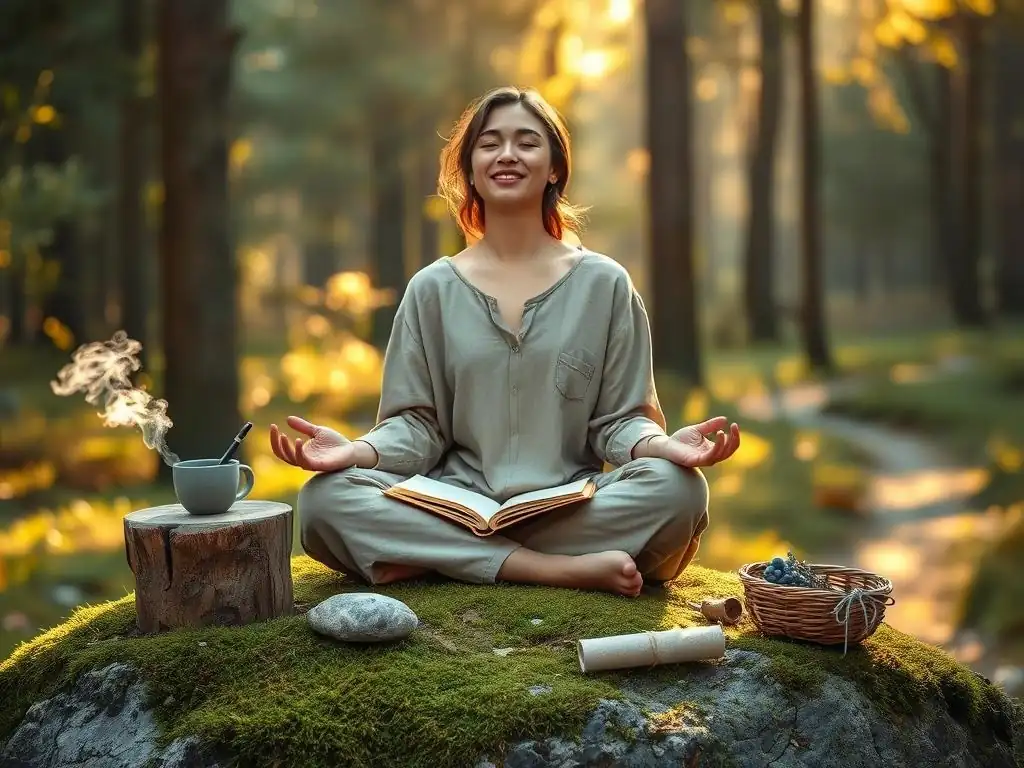
Mindfulness, the practice of being fully present in the moment, is profoundly enhanced when practiced in nature. The natural world offers a rich tapestry of sensory experiences – the feel of the breeze, the scent of pine, the sound of birdsong – that naturally draw our attention to the present. Engaging in mindful moments outdoors allows us to step away from distracting thoughts and worries, fostering a deeper connection with ourselves and our surroundings. This deliberate cultivation of presence is a fundamental element of a truly restorative outdoor wellness selfcare routine.
Integrating mindfulness into your outdoor time doesn't require complex techniques. It can be as simple as pausing during a walk to observe the intricate details of a leaf, feeling the texture of bark, or simply sitting still and noticing the sensations in your body as you breathe the fresh air. These small, intentional moments of awareness woven into your time outside amplify nature's calming effects and strengthen the mental benefits of your outdoor wellness selfcare routine, helping to reduce stress and increase feelings of peace.
Practicing Mindful Walking in Natural Environments
Mindful walking takes the simple act of putting one foot in front of the other and transforms it into a moving meditation, particularly powerful when done in a natural setting like a park or forest trail. Instead of rushing or letting your mind wander to your to-do list, you bring your awareness to the physical sensations of walking – the feeling of your feet on the ground, the swing of your arms, the rhythm of your breath.
You also open your senses to the environment: noticing the sights, sounds, smells, and even tastes (like the rain on your tongue) of the natural world around you.
This practice has been shown to reduce rumination, the tendency to dwell on negative thoughts. By focusing on the present sensory input from nature and your body, you interrupt the cycle of worrying. A study from the University of Michigan found that group nature walks were associated with significantly lower depression and stress levels, and enhanced mental well-being. Incorporating mindful walking into your outdoor wellness selfcare routine offers a simple yet effective way to calm the mind and boost mood, making your time in nature even more therapeutic.
Nature Meditation: Finding Inner Peace Outdoors
Meditating outdoors combines the proven benefits of meditation with the unique qualities of the natural environment, creating a potentially deeper sense of peace and connection. Whether sitting by a lake, under a tree, or on a quiet patch of grass, the sounds, sights, and smells of nature can act as gentle anchors for your attention, making it easier to stay present than in a sterile indoor environment. The vastness of the sky or the rootedness of trees can also foster a sense of perspective and grounding.
To practice nature meditation, find a comfortable spot where you won't be overly disturbed. Close your eyes or keep a soft gaze. Bring your awareness to your breath. Then, gently expand your awareness to include the sounds around you – birds chirping, leaves rustling, water flowing – without judgment. Feel the ground beneath you, the air on your skin. Allow yourself to simply be present in the natural space. Even 5-10 minutes of this practice can significantly reduce stress and cultivate a sense of inner calm, making it a powerful addition to your outdoor wellness selfcare routine.
Physical Activity in the Great Outdoors: Boosting Mood and Energy
Engaging in physical activity outdoors offers a synergistic effect, combining the well-documented benefits of exercise with the mood-enhancing properties of nature. Regular exercise is known to release endorphins, natural mood boosters, and reduce levels of stress hormones like cortisol. When you add the element of being outside, you also gain exposure to fresh air, natural light (which can help regulate circadian rhythms and boost Vitamin D levels), and the visually stimulating environment of parks, trails, or gardens.
Studies have shown that exercising in nature can lead to greater feelings of revitalization and positive engagement compared to exercising indoors. For example, participants often report feeling more energetic and less tense after green exercise. This combined effect means that integrating outdoor physical activity into your outdoor wellness selfcare routine not only improves your physical health but provides a significant boost to your mental and emotional state, making it a highly effective strategy for managing stress and increasing overall vitality.
Hiking and Trail Walking: Exploring Nature's Beauty
Hiking and trail walking are excellent ways to incorporate physical activity into your outdoor wellness selfcare routine while immersing yourself in nature's beauty. Whether you choose a gentle path through a local park or a more challenging mountain trail, the varied terrain engages different muscle groups, providing a good workout. The changing scenery keeps the activity engaging and provides ample opportunities for mindful observation, reducing the monotony that can sometimes accompany indoor exercise.
Beyond the physical benefits, hiking offers significant mental health advantages. Spending extended time surrounded by trees and natural landscapes has been associated with reduced blood pressure and heart rate, mirroring the effects observed in forest bathing studies. The rhythmic motion of walking can also be meditative, helping to quiet a busy mind. Planning regular hikes, even short ones, can become a cornerstone of your outdoor wellness selfcare routine, providing both physical fitness and profound mental restoration.
Outdoor Yoga and Stretching: Connecting Body and Mind
Moving your body through yoga poses or simple stretches outdoors adds a grounding element to the practice. Feeling the earth beneath your feet, breathing fresh air, and practicing under the open sky can deepen the mind-body connection and enhance the feeling of spaciousness. Parks, beaches, or even your own backyard can serve as serene studios, free from the confines of indoor walls and artificial lighting.
Practicing yoga or stretching outdoors allows you to incorporate natural elements into your flow. Imagine a sun salutation facing the rising sun, or holding a tree pose while feeling the breeze and observing the stability of a nearby tree. This integration of nature can make the practice feel more organic and restorative. Adding outdoor yoga or stretching to your outdoor wellness selfcare routine can provide a gentle yet powerful way to improve flexibility, reduce tension, and cultivate a sense of calm and presence.
Gardening and Yard Work: Grounding Yourself in Nature
Engaging in gardening or yard work is a fantastic way to connect with the earth, engage in gentle physical activity, and experience the satisfaction of nurturing life. The act of working with soil, planting seeds, watering plants, and watching them grow provides a tangible link to natural cycles and a sense of purpose. This hands-on interaction with the natural world is deeply grounding and can be incredibly therapeutic.
Studies have shown that gardening can reduce symptoms of depression and anxiety. The physical activity involved, even light digging or weeding, releases endorphins. Furthermore, contact with soil microbes, specifically Mycobacterium vaccae, has been linked to increased serotonin levels, a neurotransmitter associated with mood regulation. Incorporating gardening into your outdoor wellness selfcare routine offers a unique blend of physical activity, sensory engagement, and the satisfaction of creation, making it a truly holistic practice.
Sensory Immersion: Engaging Your Senses for Relaxation
Consciously engaging your senses is a powerful way to deepen your connection with nature and enhance the relaxation benefits of your outdoor wellness selfcare routine. The natural world is a feast for the senses, offering a multitude of inputs that can soothe the nervous system and draw you into the present moment. By deliberately focusing on what you see, hear, smell, feel, and even taste (like the clean air or a raindrop), you amplify nature's ability to calm and restore you.
This sensory immersion goes beyond just passive observation; it's an active process of tuning into the subtle details of the environment. Noticing the different shades of green on leaves, identifying the distinct calls of birds, feeling the texture of bark or moss, smelling the earth after rain – these deliberate acts of sensory engagement shift your focus away from internal worries and towards the external world, fostering a sense of peace and wonder that is central to an effective outdoor wellness selfcare routine.
Forest Bathing (Shinrin-Yoku): The Art of Nature Immersion
Forest bathing, or Shinrin-Yoku, is a practice developed in Japan in the 1980s that involves immersing oneself in the atmosphere of the forest, not through hiking or exercise, but by simply being in nature and connecting through the senses. It is a mindful, slow-paced experience focused on soaking in the forest environment. This practice is a core component for those seeking a deep, restorative outdoor wellness selfcare routine.
Research from Japan and elsewhere has demonstrated tangible physiological benefits from forest bathing. Studies have shown reductions in blood pressure, heart rate, and stress hormones like cortisol. Exposure to phytoncides, antimicrobial volatile organic compounds emitted by trees, is thought to play a role in boosting immune function by increasing natural killer (NK) cell activity. A typical session might involve walking slowly and aimlessly, pausing to observe details, touch trees, or simply sit quietly and breathe deeply, making it a potent addition to your outdoor wellness selfcare routine.
Listening to Nature's Sounds: A Soothing Symphony
The soundscape of nature offers a calming contrast to the often jarring noises of urban life. The gentle rustling of leaves, the rhythmic crash of waves, the cheerful chirping of birds, the steady flow of a stream – these natural sounds have been shown to have a soothing effect on the brain and nervous system. Integrating attentive listening into your outdoor time can be a simple yet powerful part of your outdoor wellness selfcare routine.
Make time to simply sit or walk slowly and focus solely on the sounds around you. Identify as many different sounds as possible. Notice how these sounds make you feel. Research suggests that listening to natural sounds can reduce physiological stress responses and improve mood. Turning off electronic devices and tuning into the natural symphony can provide a deep sense of relaxation and presence, enhancing the restorative power of your outdoor wellness selfcare routine.
Observing Nature's Beauty: Visual Delights for the Soul
The visual beauty of nature, from the vibrant colors of a sunset to the intricate patterns of a spiderweb, has a profound impact on our emotional state. Spending time observing the aesthetic qualities of the natural world can evoke feelings of awe, wonder, and tranquility. This appreciation of beauty can shift perspective, reduce negative emotions, and increase feelings of happiness and connection.
Dedicate moments during your outdoor excursions to simply look – really look – at the details around you. Notice the way light filters through leaves, the symmetry of a flower, the vastness of the sky, or the textures of rocks and bark. Taking photos (mentally or physically, if permitted) can help capture these moments and extend the positive feelings. Incorporating this deliberate visual appreciation into your outdoor wellness selfcare routine enriches the experience and provides a simple way to boost your mood and cultivate a sense of gratitude for the natural world's gifts.
Creating a Sustainable Outdoor Self-Care Plan
Choosing Activities That Fit Your Lifestyle and Preferences
Sustainability in your outdoor wellness selfcare routine hinges on choosing activities you genuinely enjoy and that realistically fit into your life. There's no one-size-fits-all approach. Consider your current fitness level, available time, and personal interests. Do you prefer solitary activities or social ones? High-energy pursuits or quiet contemplation? Are you an early bird or a night owl? Answering these questions helps you select outdoor activities that feel appealing and manageable, rather than like a chore.
For example, if you only have 15 minutes free in the morning, a quick walk around the block to feel the fresh air might be perfect. If you have a few hours on the weekend, a longer hike or gardening session could be viable. If you dislike strenuous exercise, mindful sitting by a tree or a gentle stroll might be more suitable than trail running. The key is to find activities that resonate with you personally, increasing the likelihood that you'll stick with your outdoor wellness selfcare routine over the long term.
Setting Realistic Goals and Time Commitments
Overambitious goals are a common pitfall when starting any new routine. When designing your outdoor wellness selfcare routine, begin with realistic expectations for how much time you can commit. Instead of aiming for daily hour-long hikes immediately, start with something achievable, like 10-15 minutes in a park three times a week. Consistently meeting smaller goals builds momentum and confidence, making it easier to gradually increase your time or frequency later.
Consider your existing schedule and identify small pockets of time where outdoor self-care can realistically fit. Could you take a walking meeting outside? Eat your lunch on a park bench? Spend 20 minutes gardening after work? Breaking down your commitment into manageable increments makes the idea of an outdoor wellness selfcare routine less intimidating. Remember, even short bursts of time in nature offer benefits; consistency, even in small doses, is more important than infrequent, lengthy sessions.
Integrating Outdoor Wellness into Your Daily or Weekly Schedule
For your outdoor wellness selfcare routine to become a consistent habit, it needs to be integrated seamlessly into your existing schedule. Treat your outdoor time like any other important appointment and block it out in your calendar. This could mean scheduling a morning walk before work, a midday break at a nearby green space, or a weekend afternoon dedicated to a longer nature activity.
Look for opportunities to naturally weave outdoor time into your day. Could your commute involve walking through a park? Can you run errands on foot through pleasant outdoor areas? Could family time or social meetups happen outdoors? The more you can normalize and structure your outdoor experiences, the more likely they are to become a regular part of your life. Making outdoor time a non-negotiable part of your routine is key to sustaining your outdoor wellness selfcare routine.
Overcoming Barriers to Outdoor Self-Care (Time Constraints, Accessibility)
Recognizing potential barriers is the first step to overcoming them and maintaining your outdoor wellness selfcare routine. Time constraints are perhaps the most common challenge. If finding large blocks of time is difficult, focus on micro-dosing nature – taking short, intentional breaks outside. Even 5-10 minutes spent near a window with a view of trees, stepping onto a balcony, or walking around your immediate neighborhood can provide a brief mental reset.
Accessibility can also be a factor. Not everyone lives near a large park or forest. Explore what green spaces are available locally – small neighborhood parks, tree-lined streets, community gardens, or even quiet corners of a schoolyard. If mobility is an issue, spending time on a porch, by an open window, or simply observing nature from indoors can still offer benefits. Get creative and focus on making the most of the nature that is accessible to you to sustain your outdoor wellness selfcare routine.
Maximizing the Benefits of Your Outdoor Wellness Self-Care Routine
Practicing Gratitude for Nature's Gifts
Adding a layer of gratitude to your outdoor experiences can significantly amplify the positive mental health benefits of your outdoor wellness selfcare routine. When you consciously appreciate the beauty, peace, and resilience of the natural world, it shifts your perspective and fosters positive emotions. This simple practice can deepen your connection to nature and enhance the restorative power of your time spent outdoors.
While you are outside, take a moment to pause and identify specific things you are grateful for in the natural environment – perhaps the shade of a tree, the vibrant color of a flower, the sound of a bird, or simply the feeling of fresh air. You can silently acknowledge these things or even speak them aloud. Ending your outdoor time with a moment of gratitude reinforces the positive impact of the experience and encourages you to seek out future opportunities for your outdoor wellness selfcare routine.
Journaling Your Experiences in Nature
Documenting your experiences during or after your time outdoors can provide valuable insights and reinforce the positive effects of your outdoor wellness selfcare routine. A nature journal doesn't need to be elaborate; it can be a simple notebook where you jot down observations, feelings, and reflections about your time in nature.
Write about what you saw, heard, smelled, and felt. Note how your mood was before and after your outdoor activity. Did you notice any changes in your thoughts or energy levels? Reflecting on these aspects helps you become more aware of nature's impact on your well-being and strengthens the connection between your outdoor time and your mental health. Reviewing past entries can also serve as a reminder of the benefits, motivating you to continue your outdoor wellness selfcare routine.
While solitary time in nature is incredibly beneficial, sharing outdoor experiences with others can add another layer of support and enjoyment to your outdoor wellness selfcare routine. Spending time in green spaces with friends, family, or even a walking group combines the mental health benefits of nature with the positive effects of social connection, which is a crucial component of overall well-being.
Consider inviting a friend for a walk in the park, joining a local hiking club, or even organizing a picnic or outdoor yoga session with loved ones. Sharing the beauty of nature and engaging in activities together can strengthen bonds, reduce feelings of isolation, and make your outdoor self-care time more fun and sustainable. This social dimension can make your outdoor wellness selfcare routine a richer, more fulfilling experience.
Outdoor Wellness Self-Care Routine Ideas for Different Seasons
Spring: Rebirth and Renewal in Nature
Spring is a season of awakening and new beginnings, mirroring the potential for renewal in your outdoor wellness selfcare routine. As temperatures rise and daylight hours increase, nature bursts with life. This is an ideal time to witness the transformation from dormancy to vibrant growth, which can be incredibly uplifting and energizing.
Activities like observing budding trees and flowers, listening for returning birdsong, or taking walks as the earth thaws can connect you to this sense of rebirth. Starting a garden or cleaning up outdoor spaces after winter can also be grounding and satisfying. Embracing the fresh energy of spring in your outdoor wellness selfcare routine can help shake off winter sluggishness and invigorate your spirit.
Summer: Embracing the Sun and Warmth
Summer offers ample opportunities for extended time outdoors, allowing you to fully soak in the warmth and light. Longer days mean more flexibility for incorporating nature into your schedule, whether it's early morning or late evening. The vibrant energy of summer is perfect for more active or social outdoor wellness selfcare routine activities.
Think about swimming in natural bodies of water, picnicking in parks, hiking scenic trails, or simply relaxing in a hammock under the trees. The abundance of sunlight also helps boost Vitamin D levels, which is linked to improved mood. Maximizing your time outdoors during the summer months can provide a significant boost to your physical and mental well-being, making it a peak season for your outdoor wellness selfcare routine.
Autumn: Finding Beauty in Change and Transition
Autumn brings a dramatic display of color and a crispness to the air, offering a unique aesthetic for your outdoor wellness selfcare routine. This season of transition can be a powerful time for reflection and finding beauty in letting go, as leaves change color and fall.
Activities like walking through forests to admire the foliage, collecting colorful leaves or acorns, or enjoying apple picking can connect you to the changing landscape. The cooler temperatures are often ideal for longer walks or hikes without the summer heat. Embracing the introspective beauty of autumn in your outdoor wellness selfcare routine can foster a sense of peace and acceptance of change.
Winter: Discovering the Serenity of a Winter Landscape
While winter might seem less inviting for outdoor activities, it offers its own unique form of serene beauty and quietude that can be deeply restorative for your outdoor wellness selfcare routine. The stillness of a snow-covered landscape or the stark beauty of bare trees can evoke feelings of peace and contemplation.
Bundle up warmly and venture out for walks to appreciate the crisp air and different textures of the season. Observe the patterns of frost, the tracks of animals in the snow, or the quiet calm of a winter forest. Even short periods outdoors can expose you to natural light, which is crucial for mood regulation during shorter daylight hours. Finding ways to connect with nature in winter, despite the cold, is a powerful act of self-care that sustains your outdoor wellness selfcare routine year-round.
Safety Considerations for Outdoor Activities
Staying Hydrated and Protected from the Sun
Safety should always be a priority when engaging in your outdoor wellness selfcare routine, regardless of the activity or season. Hydration is crucial, especially during warmer months or strenuous activities. Carry enough water for your planned time outdoors, and drink regularly, even if you don't feel thirsty. Dehydration can lead to fatigue, dizziness, and impaired cognitive function, detracting from the benefits of your nature time.
Protection from the sun is also vital. Apply sunscreen to exposed skin, even on cloudy days, as UV rays can penetrate clouds. Wear a hat to protect your face and scalp, and sunglasses to protect your eyes. Seek shade during the sunniest parts of the day, typically between 10 AM and 4 PM. Taking these simple precautions ensures that your outdoor self-care time is not only beneficial but also safe and comfortable.
Dressing Appropriately for the Weather
Wearing the right clothing is essential for comfort and safety during any outdoor wellness selfcare routine activity. Check the weather forecast before heading out and dress in layers that can be added or removed as needed. Choose moisture-wicking fabrics that draw sweat away from your skin, especially for physical activities, to avoid feeling cold and damp.
In cooler weather, prioritize warmth and protection from wind and rain. Wear insulated layers, a waterproof outer shell, gloves, a hat, and warm socks. In warmer weather, opt for light-colored, loose-fitting clothing that allows for ventilation. Proper footwear is also critical – choose shoes or boots appropriate for the terrain and activity to prevent slips, falls, and blisters. Being prepared for the elements allows you to fully enjoy your time outdoors.
Being Aware of Your Surroundings and Potential Hazards
Situational awareness is a key safety measure when spending time outdoors. Pay attention to your surroundings, including the terrain, potential wildlife, and other people. If you are hiking or walking on trails, be aware of roots, rocks, and uneven surfaces to prevent trips and falls. Stay on marked trails to avoid getting lost and minimize your impact on the environment.
Research the area you plan to visit beforehand to be aware of any specific hazards, such as venomous plants or animals, or rapidly changing weather patterns. Let someone know where you are going and when you expect to return, especially if you are exploring a new or remote area. Carrying a basic first-aid kit and knowing how to use it is also a good idea. Prioritizing safety allows you to relax and fully embrace the restorative power of your outdoor wellness selfcare routine.
Conclusion: Nurturing Your Mental Health Through Nature's Embrace
Long-Term Benefits of a Consistent Outdoor Self-Care Routine
Committing to a consistent outdoor wellness selfcare routine offers a wealth of long-term benefits for mental health and overall well-being. Regular exposure to nature helps to build resilience against stress and anxiety, leading to more stable moods over time. Studies show that individuals who spend more time in green spaces tend to report higher levels of happiness and life satisfaction. This isn't just a temporary fix; it's a sustainable strategy for fostering enduring psychological health.
Furthermore, a consistent outdoor wellness selfcare routine can improve sleep patterns, boost immune function, and enhance cognitive abilities like memory and problem-solving. By making nature a regular part of your life, you are not just engaging in a pleasant activity; you are investing in a powerful, evidence-backed approach to holistic well-being that yields cumulative positive effects, contributing to a more balanced and fulfilling life.
Continuing Your Journey Towards Holistic Well-being Through Nature
Integrating nature into your self-care is an ongoing journey, not a destination. The natural world offers endless opportunities for exploration, connection, and healing. As you continue your outdoor wellness selfcare routine, remain open to trying new activities, visiting different locations, and adapting your practices to suit your changing needs and the seasons.
Embrace the flexibility of your outdoor wellness selfcare routine. Some days might call for vigorous activity, while others require quiet contemplation. Listen to your body and mind, and let nature guide you. By nurturing your connection with the natural world, you cultivate a powerful resource for managing stress, boosting mood, and fostering a deeper sense of peace and vitality throughout your life, solidifying nature's role in your comprehensive self-care plan.
Frequently Asked Questions
How can incorporating nature into my self-care routine benefit my mental well-being?
Spending time outdoors can reduce stress and improve mood. It also offers opportunities for mindfulness and relaxation, contributing to overall mental wellness.
What are some simple outdoor activities I can include in my "Outdoor Wellness Selfcare Routine"?
Consider activities like taking a walk in a park, gardening, or simply sitting outside and enjoying the sunshine. These are easy ways to connect with nature.
How often should I engage in outdoor wellness activities to see a positive impact?
Even short bursts of time outdoors can be beneficial. Aim for at least 20-30 minutes most days of the week to experience significant improvements.
What if I live in an urban area with limited access to green spaces?
Look for community gardens, local parks, or even window boxes with plants. Even small interactions with nature can offer mental health benefits.
How can I make my outdoor wellness routine a sustainable habit?
Schedule your outdoor activities like any other important appointment. Find activities you genuinely enjoy and make them a regular part of your day to ensure long-term adherence.
Final Reflection: Reconnecting with Nature, Reconnecting with Self
The urgent need for accessible self-care practices is undeniable, and integrating nature into our routines offers a powerful, readily available solution. The benefits extend far beyond simple relaxation; a mindful connection with the natural world profoundly impacts our mental, emotional, and physical well-being, offering a sustainable path towards a healthier, happier life.
The impact of nature on our mental health is increasingly recognized, yet we often overlook its readily accessible therapeutic potential. We are, after all, intrinsically linked to the natural world. Our ancestors thrived in harmony with it, and while modern life has distanced us, the inherent benefits remain. In every walk with nature, one receives far more than he seeks.
- John Muir. This quote perfectly encapsulates the restorative power of even a brief interaction with the outdoors, a power we can all tap into to cultivate a more balanced and fulfilling life.
Now, consider your own life. What small steps can you take today to incorporate more nature into your self-care routine? Will it be a short walk in a nearby park, tending to a houseplant, or simply opening a window to feel the breeze? Start small, be consistent, and allow the healing power of nature to nurture your mind, body, and spirit. The journey towards a more balanced and joyful life begins with a single, mindful step outdoors.
Unleash Your Inner Explorer: Embrace Nature's Wellness
Thanks for taking the time to explore the power of nature for your self-care! We hope you gained valuable insights into how easily you can integrate the outdoors into your wellness routine. Now, let's put that knowledge into action.
- Prioritize your first nature immersion: Schedule a dedicated 30-minute walk in a park, forest, or even your own backyard this week. Notice the details – the sounds, smells, and sights around you. Let this be your personal moment of mindful connection.
- Share your nature-inspired self-care experience: Tell us (or a friend!) about your experience! What surprised you the most about connecting with nature?
- Explore a new outdoor activity: Step outside your comfort zone! Try a new trail, a different form of exercise, or simply sit quietly and observe nature's rhythm.
Ready to transform your well-being through the natural world? What small step will you take today to bring more nature into your life?