
Finding Nature in the Concrete Jungle: Urban Green Spaces and Mental Health

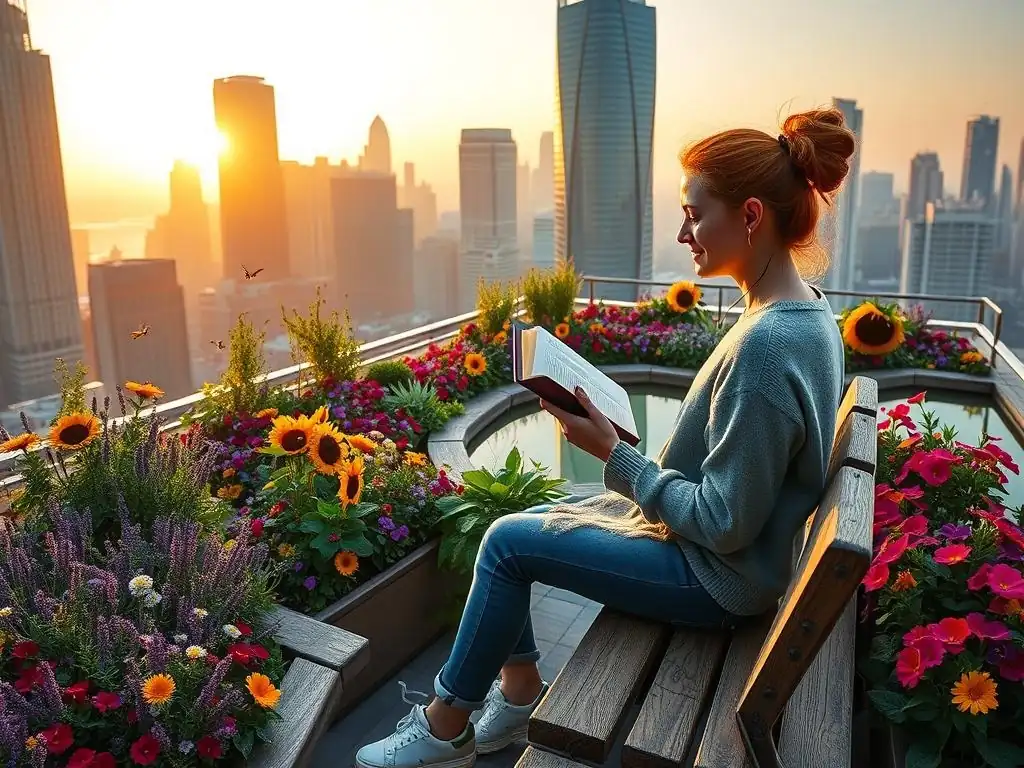
Welcome to Mind Care Guide, a place dedicated to nurturing your mental well-being.
Ever feel the weight of the city pressing down? In today's fast-paced world, it's easy to lose touch with the natural world and its restorative power. Dive into our exploration of urban green space benefits mental health and discover simple, accessible ways to cultivate calm and resilience, even in the heart of the concrete jungle. Curious to learn how a park bench or a potted plant can positively impact your mood and reduce stress? Let's explore together.
Finding Nature in the Concrete Jungle: Urban Green Spaces and Mental Health
- Introduction: Reconnecting with Nature for Mental Well-being in Cities
- The Science Behind Urban Green Space Benefits Mental Health
- Types of Urban Green Spaces and Their Impact on Mental Well-being
- Practical Ways to Access and Utilize Urban Green Spaces for Mental Health
- Overcoming Barriers to Accessing Urban Green Spaces
- Maximizing the Mental Health Benefits of Urban Nature
- Urban Green Spaces and Specific Mental Health Challenges
- Case Studies: Successful Urban Green Space Initiatives and Their Impact
- The Future of Urban Green Spaces and Mental Health
- Conclusion: Embracing Nature for a Healthier Urban Life
-
Frequently Asked Questions
- How does urban green space directly benefit mental health?
- What types of urban green spaces are most beneficial for mental well-being?
- How often should I visit an urban green space to experience its benefits?
- Can urban green spaces help with specific mental health conditions, like anxiety or depression?
- Are there ways to bring nature into my home if I lack access to urban green spaces?
- Final Reflection: Reconnecting with Nature in the City
- Rediscover Your Inner Peace: Nurture Your Mind in Nature
Introduction: Reconnecting with Nature for Mental Well-being in Cities
In the relentless rhythm of urban life, the constant hum of traffic, towering buildings, and concrete expanses can create a sense of disconnection from the natural world. Yet, nestled within these bustling environments are vital pockets of greenery – urban green spaces – that offer a crucial antidote to the stresses of city living.
These areas, ranging from small community gardens to expansive city parks, are not merely aesthetic amenities; they are increasingly recognized as essential components of a healthy urban ecosystem, particularly for their profound impact on mental well-being. As cities grow denser, understanding and leveraging the power of these natural havens becomes paramount for fostering resilience and promoting psychological health among residents.
This article delves into the significant ways urban green spaces support mental health. We will explore the scientific evidence linking exposure to nature with reduced stress, improved mood, and enhanced cognitive function. We will also examine the diverse types of green spaces available in urban settings and practical strategies for incorporating them into daily life. Ultimately, recognizing that urban green space benefits mental health is the first step towards creating cities that are not only economically vibrant but also nurturing environments for the human spirit.
The Growing Need for Green Spaces in Urban Environments
Rapid urbanization across the globe has led to an unprecedented concentration of people in cities, often resulting in decreased access to natural environments. By 2050, it is projected that nearly 70% of the world's population will live in urban areas, further intensifying the need for accessible nature.
This demographic shift highlights a critical challenge: how to maintain or improve quality of life and mental well-being amidst increasing density and infrastructure development that often displaces natural habitats. The demand for green spaces isn't just about aesthetics; it's driven by a growing understanding of their functional benefits, including regulating climate, improving air quality, and providing crucial psychological respite.
The scarcity and unequal distribution of green spaces in many cities exacerbate existing health disparities. Low-income neighborhoods and communities of color often have significantly less access to quality parks and natural areas compared to more affluent areas. This environmental injustice means that the populations who may benefit most from the stress-reducing and restorative effects of urban green space benefits mental health are frequently the ones with the least opportunity to experience them. Addressing this inequity through intentional urban planning and investment in green infrastructure is therefore a matter of public health and social equity.
Understanding the Link Between Nature and Mental Health
The connection between human well-being and the natural world is deeply rooted in our evolutionary history. Theories like the Biophilia Hypothesis suggest that humans possess an innate tendency to seek connections with nature and other forms of life. In an urban context, this connection is often fragmented, leading to what some researchers term "nature deficit disorder." Exposure to natural environments has been shown to trigger a cascade of positive physiological and psychological responses, contrasting sharply with the overstimulation and cognitive fatigue often experienced in built environments.
Research consistently demonstrates that interacting with nature can lower levels of stress hormones, reduce blood pressure, and improve immune function. Beyond these physiological effects, the mental health benefits of urban green spaces are significant. Spending time in parks or gardens can decrease rumination, improve attention span, and foster feelings of calm and restoration. These benefits underscore why access to urban green space benefits mental health across diverse populations and age groups, offering a simple yet powerful tool for enhancing psychological resilience in the face of urban challenges.
The Science Behind Urban Green Space Benefits Mental Health
The assertion that urban green space benefits mental health is supported by a growing body of scientific evidence. Researchers are using various methods, from physiological measurements to large-scale epidemiological studies, to understand the mechanisms by which nature exposure impacts psychological well-being. This research is moving beyond anecdotal evidence to provide concrete data on the restorative power of urban nature, offering compelling reasons for cities to prioritize the creation and maintenance of green infrastructure.
Understanding the specific ways nature interacts with our minds and bodies is key to maximizing the benefits of urban green spaces. This includes exploring how natural stimuli affect our stress responses, how engaging with green environments can improve cognitive function, and how quantifiable biological markers like cortisol levels are influenced by proximity to nature. The scientific investigation into urban green space benefits mental health provides a robust foundation for advocating for greener, healthier cities.
How Green Spaces Reduce Stress and Anxiety
One of the most well-documented benefits of urban green spaces is their ability to reduce stress and anxiety. Exposure to natural environments triggers the parasympathetic nervous system, often referred to as the "rest and digest" system, promoting a state of relaxation.
Conversely, the urban built environment, with its constant noise, visual clutter, and demands on attention, can activate the sympathetic nervous system, leading to a "fight or flight" response and increased stress levels. Research indicates that even brief exposure to nature, such as a 20-minute walk in a park, can significantly lower levels of stress hormones like cortisol compared to walking in an urban setting without greenery.
Furthermore, the Attention Restoration Theory (ART) posits that exposure to natural environments can restore directed attention, which is often fatigued by the demands of urban life. Nature provides "soft fascination" – stimuli that are interesting but do not require intense focus, allowing the mind to wander and recover.
This restoration of cognitive resources helps reduce feelings of mental fatigue, a common contributor to stress and irritability. Studies using fMRI scans have shown different brain activity patterns when individuals view urban scenes versus natural scenes, with natural scenes promoting activity associated with positive emotions and reduced stress responses, reinforcing how urban green space benefits mental health by offering cognitive respite.
The Role of Green Spaces in Boosting Mood and Cognitive Function
Beyond reducing stress, urban green spaces have a significant positive impact on mood and cognitive function. Spending time in nature has been linked to increased feelings of happiness, vitality, and decreased feelings of depression and anger.
The vibrant sensory experience of natural settings – the colors of plants, the sounds of birds, the feel of a breeze – can uplift spirits and provide a sense of calm. A study published in Environmental Science & Technology found that moving to an area with more green space led to sustained improvements in mental well-being, comparable to the effects of major life events like getting married.
Cognitively, exposure to green spaces can improve concentration, memory, and problem-solving skills. Research shows that children with ADHD exhibit reduced symptoms after spending time in green outdoor settings compared to other environments. For adults, nature walks have been shown to improve performance on cognitive tests. This enhancement of cognitive function is attributed partly to the restorative effects on attention mentioned earlier. By providing a break from cognitive load and offering a more relaxed sensory experience, urban green space benefits mental health by sharpening the mind and fostering a more positive emotional state.
Studies on the Impact of Urban Green Spaces on Cortisol Levels
Scientific studies have directly measured the physiological impact of urban green spaces on stress markers, particularly cortisol. Cortisol is often referred to as the "stress hormone," and chronically elevated levels are associated with numerous health problems, including anxiety, depression, and cardiovascular issues.
Research has consistently shown a link between proximity to green spaces and lower cortisol levels. For instance, a study involving residents of a major city found that individuals living within a certain distance of green spaces tended to have lower salivary cortisol concentrations throughout the day compared to those living further away from natural areas, even after accounting for socioeconomic factors.
Another study tracked participants visiting urban parks versus urban built environments and measured their cortisol before and after. The results indicated a significant decrease in cortisol levels for individuals who spent time in the park, while those in the built environment did not show a similar reduction. These findings provide compelling physiological evidence that urban green space benefits mental health by directly mitigating the body's stress response. The consistent patterns observed across different study designs and populations underscore the powerful, quantifiable effect of nature exposure on stress physiology.
Types of Urban Green Spaces and Their Impact on Mental Well-being
Urban green spaces come in many forms, each offering unique opportunities for interaction with nature and contributing to mental well-being in distinct ways. From large, planned parks to small, spontaneous patches of greenery, these spaces provide varied experiences that cater to different needs and preferences. Understanding the diversity of urban green spaces helps us appreciate the myriad ways nature can be integrated into the urban fabric and how each type contributes to the overall benefits that urban green space benefits mental health.
Exploring the different types of green spaces allows us to see how they serve multiple functions – providing quiet contemplation, fostering social interaction, encouraging physical activity, and even offering therapeutic interventions. Recognizing the specific benefits of each type can inform how individuals choose to engage with nature in their city and guide urban planners in creating a more comprehensive and accessible network of green infrastructure.
Parks and Gardens: Oases of Calm in the City
Large urban parks like Central Park in New York City or Hyde Park in London serve as expansive "green lungs" for the city, offering extensive areas for recreation, relaxation, and immersion in nature. These parks provide a significant escape from the density and noise of the surrounding urban environment, allowing visitors to experience a sense of scale and tranquility often missing in the built world.
They support a wide range of activities beneficial for mental health, including walking, running, picnicking, or simply sitting and observing the natural world. Access to such large parks has been associated with reduced prevalence of depression and anxiety in nearby residents.
Smaller, more intimate public gardens or neighborhood parks also play a crucial role. These spaces, often more accessible for daily visits, provide convenient spots for a quick dose of nature exposure. A small pocket park with benches and some trees can offer a moment of calm during a busy workday or a safe place for children to play. Even these smaller oases contribute significantly to the cumulative benefits that urban green space benefits mental health, providing accessible opportunities for stress reduction and mood enhancement close to home or work.
Community gardens are collaborative green spaces where individuals or groups cultivate plants, often food crops, in a shared area. These gardens offer unique mental health benefits that extend beyond passive nature exposure. The act of gardening itself is a therapeutic activity, providing physical exercise, a sense of purpose, and the satisfaction of nurturing life. Engaging in gardening has been shown to reduce stress, alleviate symptoms of depression, and improve overall mood. The sensory experience of working with soil, plants, and fresh air is inherently calming and grounding.
Furthermore, community gardens foster strong social connections. They provide a shared space for people of diverse backgrounds to interact, share knowledge, and build relationships. This sense of community belonging is a powerful protective factor for mental health, combating feelings of isolation and loneliness common in urban environments. The combination of purposeful activity, nature contact, and social interaction makes community gardens particularly effective in demonstrating how urban green space benefits mental health by promoting both individual well-being and community resilience.
Green Roofs and Walls: Bringing Nature to Urban Architecture
As cities grow vertically, innovative solutions like green roofs and green walls are bringing nature into the built environment itself. Green roofs are vegetated layers installed on building rooftops, while green walls (or vertical gardens) are covered with vegetation. Although often smaller and less accessible than parks, these features still offer valuable contributions to mental well-being. They provide views of greenery from windows, which research suggests can improve mood and reduce stress for building occupants. Even seeing nature from a distance can have a positive effect on psychological states.
Beyond visual benefits, green roofs and walls contribute to a healthier urban environment by improving air quality, reducing noise pollution, and mitigating the urban heat island effect, all of which indirectly benefit mental health. In some cases, green roofs are designed as accessible spaces, providing residents or workers with direct access to a quiet, natural retreat high above the city streets. These architectural integrations of nature highlight creative ways that urban green space benefits mental health by weaving greenery directly into the fabric of urban living, even where ground-level space is limited.
Nature-Based Therapy in Urban Settings
Nature-based therapy, also known as ecotherapy or green therapy, utilizes intentional interaction with nature to promote mental and emotional healing. This approach is increasingly being adapted for urban environments, leveraging available green spaces as therapeutic settings. Therapists might conduct sessions in a park, lead group walks in a natural area, or incorporate gardening into therapeutic activities. These interventions capitalize on the inherent restorative qualities of nature to support individuals dealing with various mental health challenges.
Urban nature-based therapy can take many forms, from structured programs like therapeutic horticulture in community gardens for individuals with depression, to guided mindfulness walks in urban woodlands for stress reduction. The presence of natural elements provides a calming backdrop and can facilitate introspection and emotional processing. By offering a non-clinical setting, urban green space benefits mental health through therapy by making it more accessible and potentially less intimidating for some individuals, providing a powerful complement to traditional therapeutic approaches.
Practical Ways to Access and Utilize Urban Green Spaces for Mental Health
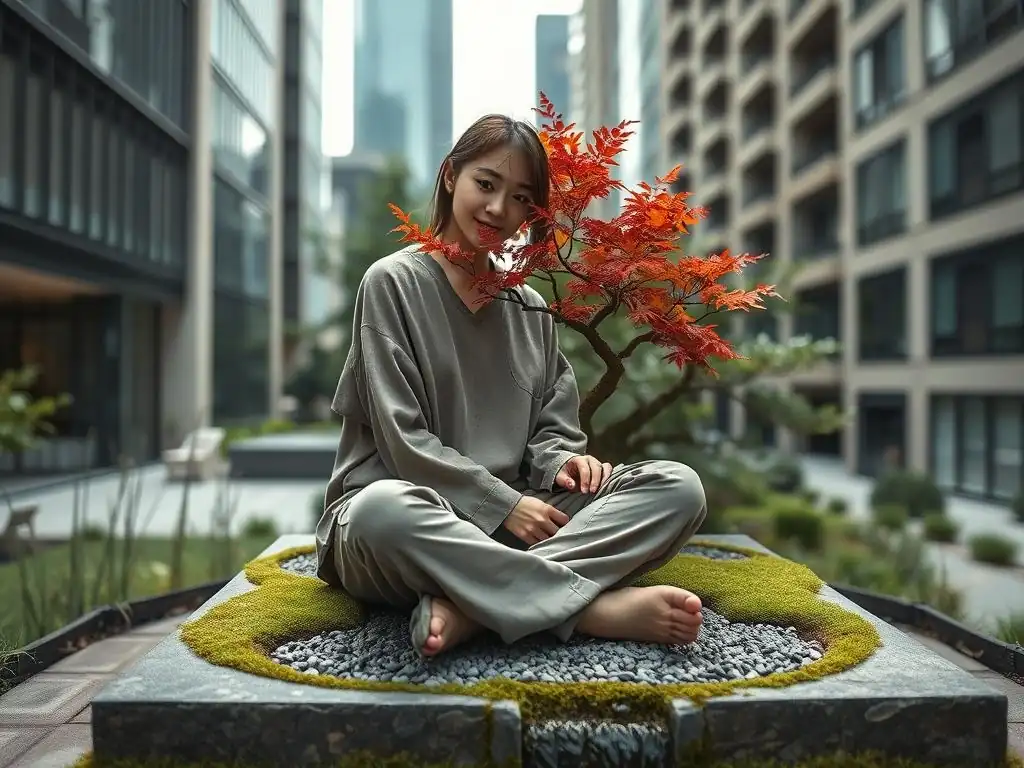
Knowing that urban green space benefits mental health is the first step; the next is actively integrating these spaces into your life. Despite the challenges of urban density, most cities offer a surprising number of opportunities to connect with nature. Making a conscious effort to seek out and utilize these green havens can significantly enhance your mental well-being. This section provides practical tips and strategies for accessing urban nature and incorporating its benefits into your daily or weekly routine.
From discovering nearby parks to getting your hands dirty in a garden, there are many ways to engage with urban green spaces. These strategies are designed to be accessible and adaptable, helping you find the methods that best fit your lifestyle and location. Embracing these practical steps can transform your relationship with your urban environment and unlock the powerful benefits that urban green space benefits mental health provides.
Identifying Green Spaces Near You: A Guide to Local Parks and Gardens
Finding nearby green spaces is easier than ever with modern tools and resources. Start by exploring online maps and city government websites, which often provide detailed information about public parks, gardens, and trails. Many cities have interactive maps that highlight green infrastructure. Additionally, community organizations and local environmental groups often maintain lists or maps of smaller, lesser-known green spaces, such as pocket parks or community gardens, that might not appear on mainstream maps.
Consider using mapping apps or websites that specifically show parks and green areas. Look beyond large, well-known parks; smaller neighborhood parks, schoolyards with public access outside school hours, or even green cemeteries can offer valuable natural experiences. Don't forget to check for public gardens, botanical gardens, or nature reserves within city limits or easily accessible via public transport. Making a list of potential green spots near your home, work, or common routes is a great first step to ensure urban green space benefits mental health can be readily accessed.
Incorporating Nature into Your Daily Routine: Forest Bathing, Picnics, or Nature Photography
Integrating nature into your routine doesn't always require a long trip. Even short, intentional interactions can be beneficial. Consider incorporating practices like "forest bathing" (Shinrin-yoku), which involves mindfully immersing yourself in the atmosphere of nature, focusing on sensory experiences like the scent of plants, the sound of leaves rustling, or the feeling of the breeze. Even a 15-minute mindful walk in a park during your lunch break can reduce stress and improve focus for the afternoon.
Other simple ways to engage include:
- Having a picnic lunch in a local park instead of eating indoors.
- Taking your coffee break on a park bench.
- Using a green space for your daily walk or run.
- Bringing a book to read under a tree.
- Practicing nature photography, focusing on details like leaves, flowers, or insects.
- Simply sitting quietly and observing the natural surroundings.
These small acts of incorporating nature contact throughout your week can accumulate significant benefits, demonstrating how urban green space benefits mental health even through brief, regular exposure.
Creating Your Own Green Space: Vertical Gardens or Container Gardening
If access to public green spaces is limited, or you want to bring nature even closer, creating your own green space is a viable option. This is particularly relevant for apartment dwellers or those with limited outdoor area. Container gardening on balconies, patios, or windowsills allows you to grow flowers, herbs, vegetables, or small shrubs. Caring for plants provides a direct connection to nature and the therapeutic benefits of nurturing living things.
Vertical gardens or green walls can be installed on exterior or interior walls, maximizing greenery in minimal space. Even a few potted plants indoors can improve air quality and provide a visual connection to nature, which has been shown to boost mood and reduce stress. Creating your personal urban oasis, no matter how small, ensures consistent access to the calming presence of nature, reinforcing the understanding that urban green space benefits mental health can be cultivated even within your own home. Task lists can help manage plant care:
- [ ] Water plants every 2-3 days.
- [ ] Check for pests weekly.
- [ ] Repot larger plants seasonally.
- [ ] Harvest herbs/vegetables as needed.
Overcoming Barriers to Accessing Urban Green Spaces
While the benefits of urban green space benefits mental health are clear, accessing these spaces is not equally easy for everyone. Socioeconomic disparities, geographic location, safety concerns, and lack of awareness can all pose significant barriers. Addressing these challenges is crucial for ensuring that the mental health benefits of urban nature are available to all urban residents, not just a privileged few. Efforts to increase equitable access require intentional planning, community involvement, and policy changes.
Overcoming these barriers involves understanding their root causes, which often lie in historical planning decisions and systemic inequities. It also requires proactive measures to create new green spaces where they are needed most, improve the quality and safety of existing ones, and empower communities to advocate for their right to nature access. Ensuring that urban green space benefits mental health for everyone is a matter of environmental justice and public health.
Addressing Inequality in Access to Green Spaces: Socioeconomic Disparities and Environmental Justice
Access to quality urban green spaces is often unequal, with lower-income neighborhoods and communities of color typically having fewer and lower-quality parks. This disparity is a form of environmental injustice, as these communities often bear a disproportionate burden of environmental stressors (like pollution and heat islands) while having less access to the environmental amenities that could mitigate these stressors and improve well-being. The lack of nearby, safe, and well-maintained green spaces limits opportunities for physical activity, social interaction, and stress reduction, directly impacting mental health outcomes.
Addressing this inequality requires targeted investment in green infrastructure in underserved areas. This includes creating new parks, revitalizing existing ones, and ensuring they are safe and accessible via public transportation or walking paths. Policies should prioritize green development in areas with the greatest need, rather than concentrating green spaces only in affluent neighborhoods. Recognizing that equitable access to urban green space benefits mental health is a fundamental right is essential for creating healthier and more just cities.
Advocating for More Green Spaces in Urban Planning
Urban planning plays a critical role in determining the amount and distribution of green spaces. Historically, many cities prioritized development over green infrastructure. Advocating for more green spaces means influencing planning decisions to ensure that the creation and preservation of parks, gardens, and natural areas are central to urban development strategies. This can involve supporting local initiatives, contacting city council members, or participating in public consultations on development projects.
Citizen advocacy groups and non-profit organizations are often at the forefront of pushing for greener cities. They highlight the numerous benefits, including the significant ways urban green space benefits mental health, to policymakers and the public. Lobbying for policies that mandate green infrastructure in new developments, protect existing natural areas, and allocate funding for park maintenance and creation are crucial steps in ensuring a future where urban residents have ample access to nature.
Community Engagement Strategies for Improving Green Space Access
Engaging local communities in the planning, design, and maintenance of green spaces is vital for ensuring they meet the needs of the people they serve and are utilized effectively. Community engagement can help identify barriers to access specific to a neighborhood, such as safety concerns, lack of amenities, or cultural preferences regarding how spaces are used. When residents are involved, they are more likely to feel ownership of the space and become stewards, contributing to its upkeep and safety.
Strategies include:
- Holding public meetings to gather input on park design.
- Establishing "friends of the park" groups for ongoing stewardship.
- Organizing community clean-up days or gardening workshops.
- Creating culturally relevant programming and activities in green spaces.
By involving residents, cities can create green spaces that are truly welcoming and beneficial, maximizing the potential for urban green space benefits mental health by fostering a sense of ownership, safety, and belonging among users.
Maximizing the Mental Health Benefits of Urban Nature
Simply being in a green space is beneficial, but engaging with nature in intentional ways can significantly amplify the positive effects on mental health. Moving beyond passive presence to active, mindful interaction can deepen the connection with the natural world and enhance the restorative experience. This section explores various techniques and approaches for maximizing the mental health benefits derived from urban green spaces, turning a simple visit into a powerful therapeutic experience.
These strategies focus on engaging the senses, fostering connection with others, and incorporating physical activity, all within the context of a natural setting. By adopting these practices, individuals can unlock the full potential of urban green space benefits mental health, transforming routine visits into opportunities for profound relaxation, reflection, and rejuvenation.
Mindful Engagement with Nature: Sensory Awareness and Gratitude Practices
Mindfulness involves paying attention to the present moment without judgment. Practicing mindfulness in a green space enhances the experience by focusing your awareness on the sensory details of the natural environment. This can involve:
- Noticing the colors and textures of leaves and flowers.
- Listening to the sounds of birds, insects, or wind in the trees.
- Feeling the texture of bark or the softness of grass.
- Smelling the scent of soil, flowers, or rain.
- Observing the movement of clouds or the play of light and shadow.
Engaging your senses anchors you in the present moment, reducing rumination about the past or worry about the future, which are common drivers of anxiety and depression. Combining this with gratitude practices – consciously appreciating the beauty and peace the green space offers – can further boost mood and foster positive emotions. This mindful approach underscores how urban green space benefits mental health by providing a rich, calming sensory environment conducive to presence and appreciation.
Connecting with Others in Green Spaces: Group Walks and Volunteer Opportunities
Green spaces are not just places for solitude; they are also excellent venues for social connection, which is a vital component of mental well-being. Participating in group activities within urban green spaces can combat loneliness and build community ties. Organized group walks, birdwatching clubs, or nature photography meetups provide shared experiences and opportunities for interaction in a relaxed, natural setting.
Volunteering in a park or community garden is another excellent way to connect with others while contributing to the maintenance of a valuable green space. Working together on a common goal fosters camaraderie and a sense of purpose, both of which are protective factors for mental health. These social dimensions of urban green spaces significantly enhance the ways urban green space benefits mental health, adding the power of community to the restorative effects of nature.
Using Green Spaces for Exercise and Physical Activity
Combining physical activity with nature exposure amplifies the mental health benefits. Engaging in exercise outdoors in a green space provides the physical benefits of activity (releasing endorphins, reducing tension) alongside the psychological benefits of being in nature (stress reduction, mood enhancement). Activities like jogging on park trails, doing yoga on the grass, using outdoor fitness equipment, or even just playing frisbee or soccer provide a more enjoyable and potentially more effective workout for mental well-being than exercising indoors.
Studies have shown that exercising in natural environments can lead to greater reductions in tension, anger, and depression compared to exercising in indoor settings. The varied terrain and sensory stimulation of green spaces can also make exercise feel less monotonous. Utilizing urban green spaces for physical activity is a powerful dual strategy that maximizes both physical and mental health benefits, demonstrating another significant way urban green space benefits mental health.
Urban Green Spaces and Specific Mental Health Challenges
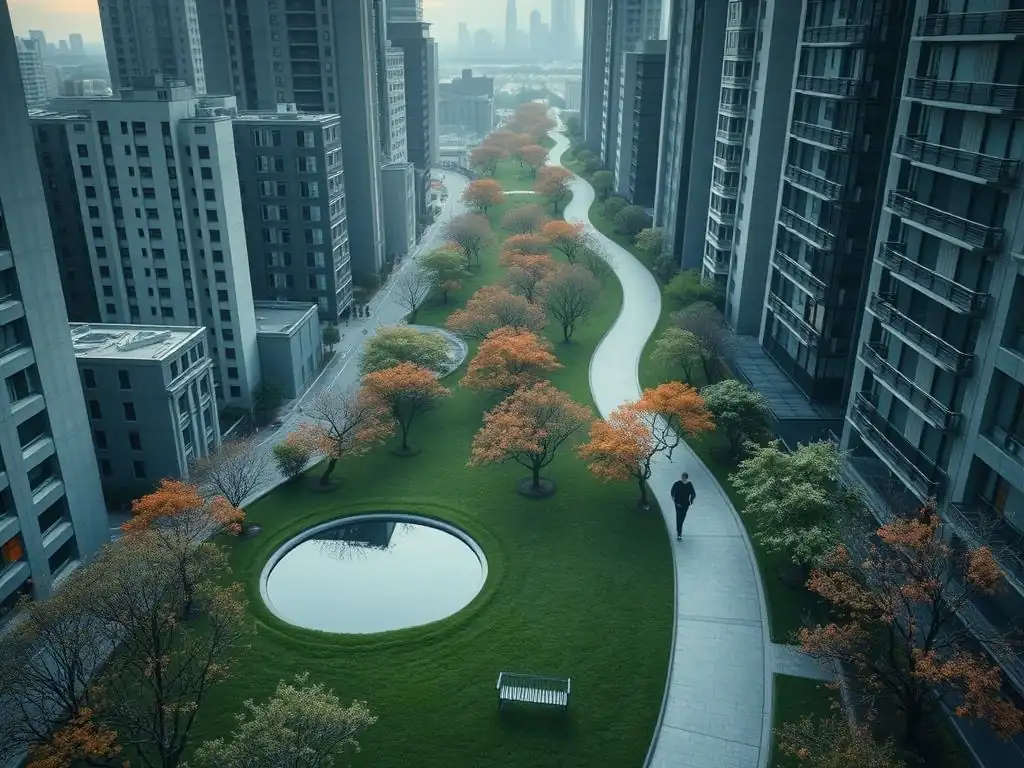
The benefits of urban green spaces extend to providing specific support for individuals facing various mental health challenges. While not a substitute for professional treatment, integrating nature exposure into a therapeutic plan can offer significant relief and support recovery. Understanding how different aspects of urban green spaces can address particular symptoms or conditions allows for more targeted use of these valuable resources.
From alleviating symptoms of depression and anxiety to supporting individuals recovering from trauma or managing neurodevelopmental conditions, urban green spaces offer unique therapeutic potential. Exploring these specific applications highlights the diverse and impactful ways urban green space benefits mental health for vulnerable populations.
Alleviating Symptoms of Depression with Nature Exposure
Nature exposure has shown promise as a complementary approach for alleviating symptoms of depression. The restorative qualities of green spaces can combat feelings of hopelessness, low energy, and anhedonia (loss of interest or pleasure). Spending time in nature has been linked to increased positive emotions and a reduction in negative self-talk and rumination, which are common in depression. The gentle sensory stimulation and calming atmosphere of parks or gardens can provide a sense of peace and escape from overwhelming thoughts.
Physical activity in green spaces, such as walking or gardening, also provides the mood-boosting effects of exercise. Furthermore, the sense of connection to something larger than oneself that nature can inspire may help individuals experiencing depression feel less isolated. Research, including studies using fMRI, has shown that walks in nature reduce activity in the subgenual prefrontal cortex, an area of the brain linked to rumination, providing a neurological basis for how urban green space benefits mental health by helping to break negative thought cycles associated with depression.
Managing Anxiety and Stress Through Green Space Activities
Urban green spaces are particularly effective in helping manage anxiety and stress. The calming presence of nature can lower physiological markers of stress, such as heart rate and blood pressure, and reduce the production of stress hormones like cortisol.
Engaging in activities like mindful walking or simply sitting quietly in a park allows the nervous system to shift from a state of alert to a state of relaxation. The visual and auditory stimuli in natural settings (e.g., trees, water features, birdsong) are often perceived as non-threatening and soothing, providing a stark contrast to the potentially anxiety-provoking stimuli of the built urban environment.
Participating in activities like gardening or forest bathing within green spaces provides structured ways to engage with nature that actively promote relaxation and reduce anxious thoughts. The focus required for gardening tasks or the sensory immersion of forest bathing can distract from worries and promote a sense of calm productivity. These practices underscore how urban green space benefits mental health by providing accessible, natural environments conducive to anxiety reduction and stress management.
Supporting Recovery from Trauma with Nature-Based Interventions
Nature-based interventions are increasingly being used to support individuals recovering from trauma. Green spaces can provide a safe, non-threatening environment that facilitates emotional regulation and healing. The predictability and gentle rhythms of nature can be grounding for individuals who have experienced unpredictable or chaotic events. Activities like therapeutic horticulture or guided walks can help individuals reconnect with their bodies and the present moment, which is often challenging after trauma.
Spending time in natural settings can also foster a sense of peace and security, allowing individuals to feel safe enough to process difficult emotions. The vastness of nature can provide perspective, while the resilience of plants and ecosystems can offer metaphors for healing and growth. By providing a supportive and calming backdrop, urban green space benefits mental health for trauma survivors by offering a space for gentle healing and reconnection.
Benefits of Green Spaces for Individuals with Autism Spectrum Disorder
Urban green spaces offer unique benefits for individuals with Autism Spectrum Disorder (ASD), many of whom may experience sensory sensitivities and challenges with social interaction in typical urban environments. Natural settings often provide a less overwhelming sensory experience compared to bustling streets – noise levels are generally lower, visual stimuli are less jarring, and there is more space for movement. The predictable patterns in nature, such as the changing seasons or the growth cycle of plants, can also be comforting.
Green spaces provide opportunities for sensory exploration in a calming context, which can be regulating for individuals with sensory processing differences. Activities like exploring textures of leaves, listening to natural sounds, or observing wildlife can be engaging and therapeutic. Furthermore, parks and gardens offer less structured environments for social interaction, which can be beneficial for individuals who find formal social settings challenging. Spending time in nature, whether alone or with supportive companions, demonstrates how urban green space benefits mental health by providing sensory-friendly and adaptable environments for individuals with ASD.
Case Studies: Successful Urban Green Space Initiatives and Their Impact
Examining real-world examples of successful urban green space initiatives provides tangible evidence of their positive impact on cities and their residents' mental health. These case studies illustrate how intentional design, community involvement, and strategic planning can transform urban areas and yield significant well-being benefits. They showcase diverse approaches, from transforming derelict infrastructure into vibrant parks to leveraging community power for greening efforts.
These examples not only highlight the benefits but also offer valuable lessons for other cities looking to invest in green infrastructure. They demonstrate that significant positive change is possible and that prioritizing green spaces can lead to measurable improvements in public health, social cohesion, and overall quality of life, powerfully illustrating how urban green space benefits mental health on a large scale.
The High Line in New York City: A Case Study of Urban Renewal and Public Health
The High Line is a 1.45-mile-long elevated linear park built on a former freight rail line in New York City. Transformed from derelict infrastructure into a vibrant public space, it serves millions of visitors annually. While its primary goals were urban renewal and economic development, the High Line also provides significant public health benefits, including improved mental well-being for both visitors and nearby residents. The park offers a unique opportunity to experience nature and tranquility above the city streets, providing a psychological escape from the surrounding urban intensity.
Studies and anecdotal evidence suggest that the High Line provides a valuable space for relaxation, contemplation, and social interaction. The presence of greenery, public art, and seating areas encourages people to linger, de-stress, and connect. While direct quantitative data on its specific impact on the mental health of all NYC residents is complex to isolate, its role as a highly accessible, popular green space in a dense urban environment underscores the value of creative urban planning in providing opportunities for nature contact, reinforcing how urban green space benefits mental health through innovative design.
The Impact of Community Gardens in Detroit on Food Security and Mental Well-being
Detroit, a city that experienced significant economic decline and population loss, has seen a remarkable resurgence of urban agriculture, particularly community gardens. These gardens, often established on vacant lots, serve multiple purposes, including increasing food security in underserved neighborhoods. Crucially, they also have a profound impact on mental well-being. For residents in areas with limited access to traditional green spaces, these gardens provide vital opportunities for nature contact, physical activity, and community building.
Participation in Detroit's community gardens has been linked to reduced stress, increased feelings of hope, and improved social connections among residents. The act of transforming neglected spaces into productive, beautiful gardens fosters a sense of empowerment and accomplishment. These gardens serve as neighborhood hubs, reducing isolation and fostering a strong sense of community belonging, demonstrating how urban green space benefits mental health not just through nature contact, but also through purposeful activity and social capital building in areas facing economic challenges.
Singapore's Green Building Initiatives and Their Effects on Resident Satisfaction
Singapore is renowned as a "City in a Garden," actively integrating green spaces into its urban development through policies like mandatory green roofs and extensive tree planting. The government's commitment to green infrastructure extends to vertical greenery on buildings and sky gardens. These initiatives aim to improve environmental quality, mitigate heat, and enhance aesthetics. Research indicates these efforts also contribute positively to residents' psychological well-being.
Surveys and studies in Singapore have shown that residents living in areas with more visible greenery and access to green spaces report higher levels of satisfaction with their living environment and better perceived mental health. The presence of nature views from homes and workplaces, as well as accessible nearby parks, contributes to a more pleasant and less stressful urban experience. Singapore's example illustrates how comprehensive, city-wide greening strategies demonstrate how urban green space benefits mental health by creating a pervasive sense of nature within the urban fabric.
The Future of Urban Green Spaces and Mental Health
Looking ahead, the role of urban green spaces in supporting mental health is set to become even more critical. As urban populations continue to grow and cities face increasing environmental challenges like climate change, integrating nature into urban planning is not just desirable but essential. Future initiatives will likely involve more sophisticated approaches to design, technology, and policy to maximize the benefits of green infrastructure.
The future vision for urban green spaces involves creating a seamless network of green infrastructure that is accessible, resilient, and maximally beneficial for human well-being. This includes leveraging technological advancements, adopting innovative design principles, and ensuring that sustainability is at the core of all urban development decisions. These advancements will further solidify the understanding that urban green space benefits mental health as a fundamental aspect of creating healthy, livable cities.
The Importance of Sustainable Urban Planning and Green Infrastructure
Sustainable urban planning is key to ensuring the long-term viability and accessibility of urban green spaces. This involves integrating green infrastructure – such as parks, urban forests, green roofs, and permeable surfaces – into the fundamental design of cities. Sustainable planning considers the ecological functions of green spaces, such as stormwater management, biodiversity support, and climate regulation, alongside their social and health benefits.
Prioritizing green infrastructure in planning decisions means allocating sufficient land and resources for green spaces, protecting existing natural areas from development, and designing interconnected green networks that allow people and wildlife to move freely. Sustainable maintenance practices, such as using native plants and reducing water usage, are also crucial. By embedding green spaces within the core of urban development, sustainable planning ensures that urban green space benefits mental health are preserved and enhanced for future generations.
Technological Innovations for Enhancing Green Spaces
Technology is playing an increasing role in the creation, management, and utilization of urban green spaces. Geographic Information Systems (GIS) can map green space distribution and identify areas with deficits, aiding in equitable planning. Sensor technology can monitor air and water quality within parks, providing data on their environmental health benefits. Mobile applications can help residents locate nearby green spaces, plan routes through parks, and even identify plants and wildlife, enhancing engagement with nature.
Furthermore, innovative technologies are enabling new forms of urban greenery, such as advanced vertical farming systems or self-sustaining green walls. Virtual reality (VR) is even being explored as a tool to provide simulated nature experiences for individuals with limited physical access to green spaces, although this is seen as a supplement, not a replacement, for real-world nature contact. These technological advancements offer exciting possibilities for expanding the reach and impact of urban green space benefits mental health.
Biophilic Design Principles and Their Role in Urban Development
Biophilic design is an architectural and urban planning approach that seeks to connect building occupants and urban residents more closely to nature. It involves incorporating natural elements, such as indoor plants, natural light, ventilation, water features, and views of greenery, into the design of buildings and public spaces. The principle is based on the understanding that humans have an innate need to connect with nature (biophilia) and that fulfilling this need can improve well-being.
Applying biophilic design principles in urban development means not only creating parks but also integrating nature within buildings (e.g., green lobbies, indoor courtyards) and along streets (e.g., tree-lined avenues, pocket parks). It also involves designing spaces that mimic natural patterns and processes. By weaving natural elements throughout the built environment, biophilic design helps create a more restorative and less stressful urban experience, directly contributing to how urban green space benefits mental health by making nature a constant, integrated presence rather than just a destination.
Conclusion: Embracing Nature for a Healthier Urban Life
The evidence is clear and compelling: urban green space benefits mental health in profound and measurable ways. In the face of increasing urbanization and the associated stresses of city living, parks, gardens, and other forms of urban nature are not luxuries but essential components of a healthy and resilient city. They offer vital opportunities for stress reduction, mood enhancement, cognitive restoration, and social connection, providing a necessary counterbalance to the demands of the concrete jungle.
From the physiological relief offered by reduced cortisol levels to the sense of community fostered in a shared garden, the positive impacts are wide-ranging. Recognizing the power of these spaces is the first step towards actively incorporating them into individual lives and advocating for their expansion and preservation within urban planning.
The Long-Term Benefits of Prioritizing Green Spaces
Investing in urban green spaces yields significant long-term benefits that extend far beyond immediate mental health improvements. Greener cities are more resilient to climate change impacts like heatwaves and flooding. They boast improved air and water quality, reduced noise pollution, and enhanced biodiversity. These environmental benefits contribute to a healthier overall urban environment, which in turn supports both physical and mental well-being over time.
Furthermore, green spaces can increase property values, stimulate local economies (e.g., through eco-tourism or farmers' markets), and foster a stronger sense of community identity and pride. Prioritizing green infrastructure is a wise investment in the future health, sustainability, and livability of urban areas, creating cities where both nature and people can thrive, solidifying the enduring value of how urban green space benefits mental health.
A Call to Action: Supporting and Investing in Urban Green Initiatives
Realizing the full potential of urban green space benefits mental health requires collective action. As individuals, we can make an effort to visit and utilize local green spaces regularly, mindfully engage with nature, and even create our own small green havens. On a community and city-wide level, it is crucial to support initiatives that create, protect, and maintain urban green spaces.
This involves advocating for policies that prioritize green infrastructure in urban planning, supporting local park organizations, volunteering for greening projects, and raising awareness about the importance of urban nature for mental health. By recognizing the invaluable contribution of urban green spaces and actively working to expand and protect them, we can help build cities that are not only economically prosperous but also nurturing, restorative environments that support the mental well-being of all who call them home.
Frequently Asked Questions
How does urban green space directly benefit mental health?
Urban green spaces offer opportunities for stress reduction and improved mood. They provide a natural environment for relaxation and mindfulness.
What types of urban green spaces are most beneficial for mental well-being?
Parks, gardens, and tree-lined streets are all beneficial. Access to nature, regardless of size, can positively impact mental health.
How often should I visit an urban green space to experience its benefits?
Even short, frequent visits can be helpful. Aim for at least 20-30 minutes a day to experience noticeable improvements.
Can urban green spaces help with specific mental health conditions, like anxiety or depression?
Studies show a correlation between access to green spaces and reduced symptoms of anxiety and depression. It's not a cure, but a valuable tool for management.
Are there ways to bring nature into my home if I lack access to urban green spaces?
Yes! Indoor plants, natural light, and nature-themed decor can create a sense of calm and connection to nature.
Final Reflection: Reconnecting with Nature in the City
The urgent need for accessible urban green spaces is no longer a niche concern; it's a critical component of public health and well-being. The evidence presented throughout this article overwhelmingly demonstrates the profound impact that access to nature, even within a concrete jungle, has on reducing stress, improving mood, and fostering a sense of community. This isn't simply about aesthetics; it's about creating environments that actively support mental and physical resilience in the face of increasingly demanding urban lifestyles.
The transformative power of urban green spaces resonates deeply with me, as I've witnessed firsthand the calming effect of a simple park visit or even a small rooftop garden. Nature is not a place to visit. It is home.
This quote, though often attributed to various sources, perfectly encapsulates the intrinsic connection humans have with the natural world, a connection that urban development often threatens to sever. The ongoing challenge lies in ensuring equitable access to these vital spaces for all members of society, regardless of socioeconomic status or geographic location. This requires not only the creation of new green spaces but also a commitment to maintaining and protecting existing ones.
Consider, for a moment, the impact of incorporating even a small amount of nature into your daily routine. Whether it's a walk in a nearby park, tending a window box, or simply observing the changing leaves on a tree outside your window, these small acts of connection can significantly enhance your well-being.
I urge you to actively seek out opportunities to engage with nature in your urban environment. Let this article serve as a reminder of the profound benefits that await, and let us collectively work towards creating a future where access to nature is a fundamental right, not a privilege, for all city dwellers.
Rediscover Your Inner Peace: Nurture Your Mind in Nature
Thanks for taking the time to explore the vital link between urban green spaces and mental wellbeing! We hope you gained valuable insights into how nature can positively impact your mental health. Now it's time to put that knowledge into action.
- Prioritize a daily dose of green: Find a local park, community garden, or even a quiet street tree and spend at least 15 minutes consciously connecting with nature. Notice the sounds, smells, and sights around you.
- Share your nature havens: Tell us about your favorite urban green spaces in the comments below! Let's build a community of nature lovers and inspire others to find their own peaceful retreats.
- Challenge yourself: Try a mindful nature walk – paying close attention to your surroundings without the distraction of technology – and notice the difference it makes in your mood.
What small step will you take today to reconnect with nature and boost your mental well-being?