
Transform Your Life: Leading Online Mindfulness Courses

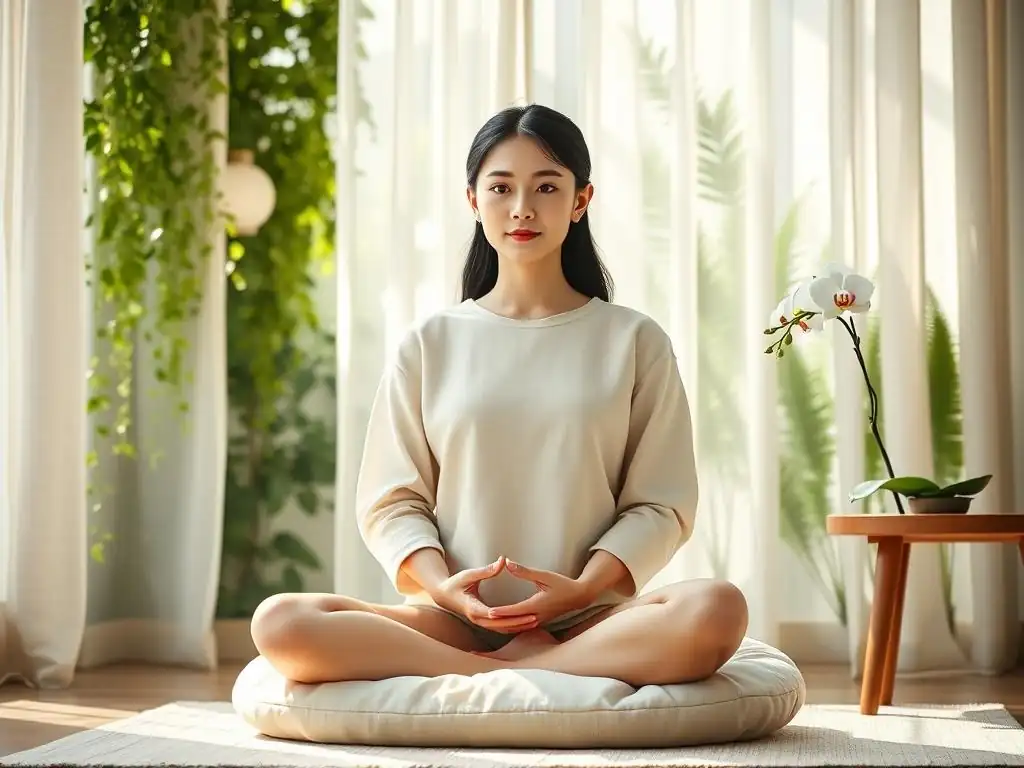
Welcome to Mind Care Guide, your trusted companion on the journey to mental well-being. Feeling overwhelmed? Perhaps searching for a way to cultivate inner peace? You're not alone. Discover how mindfulness courses for mental health can be a powerful tool for transformation, offering tangible strategies to navigate life's challenges. Curious to learn more about finding the right path for you? Let's explore the leading online options together...
Transform Your Life: Leading Online Mindfulness Courses
- Introduction: Finding Mental Wellness Through Online Mindfulness Courses
- Understanding Mindfulness and Its Impact on Mental Health
-
Top Mindfulness Courses for Mental Health: A Comparative Review
- Methodology: How We Evaluated These Online Mindfulness Programs
- Course 1: "Mindfulness-Based Stress Reduction (MBSR)" Program by Jon Kabat-Zinn
- Course 2: "Search Inside Yourself (SIY)" Program by the Search Inside Yourself Leadership Institute
- Course 3: "Waking Up" App by Sam Harris
- Course 4: "Insight Timer" App: Free Meditation App
- Course 5: "UCLA Mindful Awareness Research Center (MARC)" Free Guided Meditations
- Choosing the Right Mindfulness Course for Your Needs
- Integrating Mindfulness into Your Daily Routine
- Beyond Online Courses: Additional Resources for Mental Wellness
- Conclusion: Embracing Mindfulness for a Healthier Mind.
-
Frequently Asked Questions
- What are mindfulness courses for mental health, and how can they help me?
- Are mindfulness courses for mental health suitable for everyone, even if I've never meditated before?
- How do mindfulness courses for mental health differ from traditional therapy?
- What kind of time commitment is required for mindfulness courses for mental health?
- How do I choose the right mindfulness courses for mental health for my needs?
- Final Reflection: Cultivating Inner Peace in a Digital Age
- Unlock Your Inner Peace: Start Your Mindfulness Journey Today!
Introduction: Finding Mental Wellness Through Online Mindfulness Courses
In today's fast-paced world, maintaining mental well-being is more crucial than ever. Many individuals seek effective strategies to cope with stress, anxiety, and the demands of modern life. Mindfulness, the practice of paying attention to the present moment without judgment, has emerged as a powerful tool supported by extensive research. The accessibility of online platforms has revolutionized how people can learn and integrate mindfulness into their lives, making mindfulness courses for mental health readily available to a global audience.
Online mindfulness courses offer a flexible and accessible pathway to cultivating this practice. They provide structured learning environments, expert guidance, and a wealth of resources that can be accessed from the comfort of one's home. Whether you are new to mindfulness or looking to deepen your existing practice, exploring the leading online mindfulness courses for mental health can be a transformative step towards improved emotional regulation, reduced stress, and enhanced overall psychological resilience.
Understanding Mindfulness and Its Impact on Mental Health
Mindfulness is fundamentally about bringing conscious awareness to your experiences as they unfold, moment by moment. It involves observing thoughts, feelings, bodily sensations, and the surrounding environment with an attitude of openness, curiosity, and acceptance, rather than getting caught up in judgment or reaction. This intentional focus on the present helps to interrupt automatic negative thought patterns and reduce rumination, which are often significant contributors to mental distress.
The impact of mindfulness on mental health is well-documented through numerous studies. Research has shown that regular mindfulness practice can lead to measurable reductions in symptoms of anxiety and depression. For instance, a meta-analysis published in JAMA Internal Medicine in 2014, reviewing over 47 trials involving 3,515 participants, found that mindfulness meditation programs had moderate evidence of improving anxiety, depression, and pain. Furthermore, mindfulness can enhance emotional regulation, improve focus and concentration, and foster a greater sense of calm and well-being, making mindfulness courses for mental health a valuable resource for many.
Top Mindfulness Courses for Mental Health: A Comparative Review

Embarking on the journey of mindfulness through online learning requires choosing a program that aligns with your goals and needs. With a growing number of options available, identifying the most effective mindfulness courses for mental health can be challenging. This section provides a review of some leading online programs, highlighting their unique approaches and benefits.
Methodology: How We Evaluated These Online Mindfulness Programs
Our evaluation of these online mindfulness programs focused on several key criteria designed to assess their potential impact on mental health and user experience. We considered the depth and quality of the curriculum, prioritizing programs based on established mindfulness frameworks or those developed by respected experts in the field. The credentials and experience of the instructors were also a critical factor, as knowledgeable and empathetic guidance is essential for effective learning, particularly when addressing sensitive topics related to mental well-being.
Furthermore, we examined the program's accessibility, including platform usability, flexibility of scheduling, and overall cost-effectiveness. User feedback and reported outcomes were taken into account where available, looking for evidence of positive effects such as reduced stress levels, improved emotional regulation, and enhanced clarity or focus. Programs that specifically address the application of mindfulness techniques to common mental health challenges like anxiety, stress, and low mood were given particular consideration in identifying top mindfulness courses for mental health.
Course 1: "Mindfulness-Based Stress Reduction (MBSR)" Program by Jon Kabat-Zinn
The Mindfulness-Based Stress Reduction (MBSR) program, developed by Dr. Jon Kabat-Zinn at the University of Massachusetts Medical School in the late 1970s, is one of the most widely recognized and scientifically studied mindfulness interventions globally. While traditionally offered in-person, accredited online versions now make this foundational program accessible to a broader audience seeking structured mindfulness courses for mental health.
Key Features of the MBSR Program
The standard MBSR program typically runs for eight weeks, with participants attending a weekly class session, often lasting around 2.5 hours. A key component is the inclusion of a full-day silent retreat, usually held between the sixth and seventh week. Participants are also given guided meditation recordings and encouraged to commit to daily home practice, often recommended to be around 45-60 minutes, incorporating practices like the body scan, sitting meditation, and gentle mindful movement (like mindful yoga). The curriculum systematically introduces core mindfulness techniques and explores how stress manifests in the body and mind.
Benefits of MBSR for Stress and Anxiety Reduction
MBSR has been the subject of extensive clinical research demonstrating its efficacy in reducing symptoms associated with stress, anxiety, depression, and chronic pain. Studies have shown that participants often report significant decreases in perceived stress levels and improvements in coping abilities. For example, research has indicated changes in brain regions associated with stress and emotion regulation, such as the amygdala and prefrontal cortex, following participation. Its structured, intensive format is designed to build a robust mindfulness practice capable of mitigating the physiological and psychological impacts of stress.
Pricing and Accessibility
The cost of an MBSR program can vary significantly depending on the provider, location (for in-person versions, though this review focuses on online), and whether it's offered by a non-profit or commercial entity. Prices for accredited online programs typically range from approximately $300 to over $600. Accessibility online has expanded greatly, allowing individuals worldwide to participate, though live online sessions still require scheduling commitment. Some providers may offer sliding scales or payment plans.
Course 2: "Search Inside Yourself (SIY)" Program by the Search Inside Yourself Leadership Institute
Born out of Google, the Search Inside Yourself (SIY) program blends mindfulness principles with emotional intelligence frameworks, initially designed for enhancing well-being and effectiveness in the workplace. It has evolved into a broader program available online, offering mindfulness courses for mental health with a specific focus on personal and professional development.
Targeted Approach for Emotional Intelligence and Leadership
SIY uniquely targets the development of emotional intelligence through mindfulness. It posits that training attention (mindfulness) is the foundational skill for developing self-awareness, which in turn supports self-regulation, motivation, empathy, and social skills – the core components of emotional intelligence. The program aims to help participants understand their internal landscape, manage difficult emotions, improve communication, and foster compassionate leadership. This makes it distinct from programs solely focused on stress reduction, offering a pathway to enhanced interpersonal dynamics and resilience.
Techniques and Practices Taught in the Course
The SIY curriculum is typically structured around three core steps: Attention Training, Self-Knowledge & Self-Mastery, and Creating Useful Habits. It teaches various mindfulness practices, including focused attention meditation, open awareness meditation, and walking meditation. It also incorporates exercises specifically designed to cultivate self-compassion, empathy, and mindful communication. The program emphasizes practical application, showing participants how to integrate these techniques into daily interactions and challenges, providing tangible tools for improving emotional responses and relationships.
User Testimonials and Success Stories
Participants in SIY programs frequently report significant positive changes. Many highlight improved focus and attention span, reduced reactivity to stressful situations, and enhanced self-awareness regarding their emotions and triggers. Testimonials often mention better communication skills and a greater capacity for empathy, leading to improved professional and personal relationships. While specific quantitative data from individual participants varies, the program's success is often cited in terms of fostering a more emotionally intelligent and resilient workforce, with companies reporting improved collaboration and reduced interpersonal conflict after implementing SIY training.
Course 3: "Waking Up" App by Sam Harris
The "Waking Up" app, created by author and neuroscientist Sam Harris, offers a comprehensive platform for exploring mindfulness, meditation, and related philosophical concepts. It stands out among mindfulness courses for mental health available via mobile app due to its depth of content and integration of scientific and philosophical perspectives.
Accessibility and Convenience of the Waking Up App
As a mobile application, Waking Up provides unparalleled accessibility and convenience. Users can access guided meditations, lessons, and talks anytime, anywhere, making it easy to integrate practice into a busy schedule. The app format allows for short, daily meditations (often around 10 minutes) that are perfect for maintaining consistency. Its user-friendly interface and offline access capabilities further enhance its convenience for regular use.
Guided Meditations and Mindfulness Exercises
The app offers a structured introductory course that guides beginners through foundational mindfulness concepts and techniques. Beyond the introductory path, there's a vast library of daily meditations, ranging in length and focus. Sam Harris and guest teachers provide guided sessions on various practices, including breath awareness, body scan, and non-dual awareness. The app also features extensive lessons and conversations on topics such as the nature of consciousness, ethics, and philosophy, providing a richer intellectual context for the mindfulness practice.
Subscription Options and Free Trial
Waking Up operates on a subscription model, offering monthly or annual payment plans. While this requires a financial commitment, it provides unlimited access to the app's continuously growing content library. Potential users can typically explore the app's offerings with a free trial period, often lasting 7 or 14 days, allowing them to experience the core features and introductory course before subscribing. The app also has a policy to provide free access to anyone who genuinely cannot afford a subscription, demonstrating a commitment to accessibility for mindfulness courses for mental health.
Course 4: "Insight Timer" App: Free Meditation App
Insight Timer is renowned as one of the largest free meditation libraries in the world, offering an immense collection of guided meditations, talks, and music tracks. Its vast and diverse content makes it a popular choice for individuals seeking accessible mindfulness courses for mental health.
Focus on Community and Variety of Teachers
A major strength of Insight Timer is its vibrant global community and the sheer variety of content providers. The platform hosts over 100,000 free guided meditations and talks from more than 15,000 teachers worldwide. This diverse pool of instructors means users can find practices and teaching styles that resonate with them, covering everything from traditional mindfulness and Vipassana to loving-kindness and sleep meditations. The community features, like discussion groups and tracking your meditation time alongside others, can provide a sense of connection.
Variety of Content: Guided Meditations, Talks, and Music
Beyond guided meditations, Insight Timer offers a wealth of content types. Users can find talks on mindfulness, psychology, and well-being, as well as music tracks specifically designed for meditation, sleep, or relaxation. The platform also includes free courses, though these are often introductory or shorter in duration compared to paid programs. This extensive library ensures that users can explore various facets of mindfulness and find practices suitable for different moods, times of day, or specific challenges they are facing.
Subscription Models and Premium Features
While Insight Timer offers a robust free experience with access to the vast majority of its library, it also provides an optional 'Member Plus' subscription. This paid tier unlocks premium features, including access to exclusive paid courses (often more structured and in-depth than the free ones), offline listening, advanced player features, and high-quality audio. The free version is more than sufficient for many users looking for diverse guided practices, but the subscription offers additional structured learning opportunities for those wanting to deepen their engagement with mindfulness courses for mental health.
Course 5: "UCLA Mindful Awareness Research Center (MARC)" Free Guided Meditations
The UCLA Mindful Awareness Research Center (MARC) offers a valuable collection of free guided meditations and resources, serving as an excellent entry point for anyone interested in mindfulness without a financial barrier. These resources are developed by experts in the field and are easily accessible online.
Accessibility and Cost-Effectiveness: Free Resources
Perhaps the most compelling feature of UCLA MARC's guided meditations is that they are entirely free. Available as audio files on their website and often accessible through various meditation apps, these resources eliminate the cost barrier that can prevent some individuals from accessing mindfulness courses for mental health. This makes them an incredibly accessible option for beginners and those on a tight budget.
Focus on Foundational Mindfulness Practices
The guided meditations provided by UCLA MARC typically focus on core, foundational mindfulness practices. These include breath awareness meditations, body scan meditations (bringing awareness systematically to different parts of the body), and loving-kindness meditations (cultivating feelings of warmth and compassion towards oneself and others). The instructions are clear, gentle, and designed to help listeners develop the basic skills of paying attention and cultivating non-judgmental awareness.
Suitable for Beginners and Experienced Practitioners
While the foundational nature of these meditations makes them ideal for individuals new to mindfulness, their quality and simplicity are also appreciated by experienced practitioners. Beginners can learn the essential techniques in an accessible format, building a solid base for their practice. Experienced meditators might use these resources to return to the basics, reinforce core skills, or simply enjoy a guided session led by reputable instructors. Their broad appeal underscores their value as a public health resource for promoting mental well-being.
Choosing the Right Mindfulness Course for Your Needs
Selecting the most suitable mindfulness course for mental health is a personal process that depends on various factors. There isn't a single "best" course for everyone; the ideal choice will align with your specific circumstances, goals, and preferences. Taking the time to assess these elements before committing to a program can significantly enhance your experience and the potential benefits you derive.
Assessing Your Mental Health Goals and Needs
Before choosing a course, reflect on why you are seeking mindfulness training. Are you primarily looking to reduce general stress and anxiety? Do you want to improve focus and productivity? Are you dealing with specific challenges like chronic pain or difficulty regulating emotions?
Different programs have different strengths and focuses. For example, MBSR is specifically designed for stress reduction, while SIY emphasizes emotional intelligence. Identifying your core needs will help you narrow down options and find a program whose curriculum and approach are most relevant to your mental health goals. Consider what specific symptoms or areas of well-being you hope to address through mindfulness practice.
Understanding your current mental health state is also crucial. If you are managing significant mental health conditions like severe anxiety or depression, it might be beneficial to consult with a mental health professional before starting a course. They can help you determine if a particular mindfulness course is appropriate as a complementary practice or if other forms of support should be prioritized. Some courses are designed to be therapeutic, while others are purely educational; matching the course's intent with your needs is key for a positive and safe experience with mindfulness courses for mental health.
Considering Your Experience Level: Beginner, Intermediate, Advanced
Your prior experience with mindfulness meditation will influence which course is most appropriate. If you are a complete beginner, look for programs that start with the fundamentals, offering clear explanations of core concepts and gradual introductions to different techniques. The introductory paths in apps like Waking Up or the foundational guided meditations from UCLA MARC are excellent starting points. A full MBSR program, while intensive, is also structured to guide beginners through the practice over eight weeks.
If you have some experience but want to deepen your practice or explore specific areas, you might look for intermediate or advanced courses, or platforms with a wide variety of teachers and topics like Insight Timer. Some programs offer modules that delve into specific types of meditation or apply mindfulness to particular challenges. Assessing your comfort level with silent practice, longer meditations, and theoretical concepts will help you choose a course that provides an appropriate level of challenge and support for your journey with mindfulness courses for mental health.
Time Commitment and Course Structure: Finding the Right Fit
Online mindfulness courses vary significantly in their structure and the time commitment required. Structured programs like MBSR involve weekly sessions of several hours and recommend substantial daily home practice (around 45-60 minutes). This requires a significant, consistent time investment but can build a very strong foundation. Other courses might be self-paced, allowing you to move through the material at your leisure, while app-based options like Waking Up or Insight Timer offer flexibility with shorter daily practices.
Consider your current lifestyle and how much time you can realistically dedicate to a course and daily practice. A demanding schedule might make a flexible app or shorter daily guided meditations more sustainable than an intensive eight-week program. Conversely, if you thrive on structure and accountability, a program with live sessions and homework might be more effective. Finding a course structure that fits seamlessly into your life increases the likelihood of maintaining a consistent practice, which is vital for experiencing the full benefits of mindfulness courses for mental health.
Budget Considerations: Free vs. Paid Mindfulness Courses
The cost of online mindfulness resources ranges from entirely free to several hundred dollars or more for comprehensive programs. Free resources like the UCLA MARC guided meditations or the vast library on Insight Timer's free tier are excellent starting points and can provide substantial benefit without any financial outlay. These options are particularly valuable for exploring whether mindfulness resonates with you before investing financially.
Paid courses and subscriptions, such as MBSR programs, SIY, or premium app subscriptions like Waking Up or Insight Timer Member Plus, often offer more structured curricula, deeper dives into concepts, and potentially more direct support or community features. While they require an investment, the quality of instruction and the depth of content can be significant. Evaluate your budget and consider the value proposition of paid versus free options based on your goals and commitment level to finding the most effective mindfulness courses for mental health for your situation.
Integrating Mindfulness into Your Daily Routine

Taking an online mindfulness course is a fantastic first step, but the real transformation comes from integrating the principles and practices into your daily life. Mindfulness is not just something you do during a meditation session; it's a way of being that can permeate all your activities. Consistently applying what you learn is key to cultivating a more peaceful and present mind, moving beyond the course material to embody mindfulness for improved mental health.
Creating a Dedicated Mindfulness Practice Space
While you can practice mindfulness anywhere, having a dedicated space can help establish a consistent routine. This doesn't require a large room; even a small corner in your home can become your practice sanctuary. Choose a quiet spot where you feel comfortable and are less likely to be interrupted. This physical space serves as a visual cue, reminding you to pause and connect with your practice. Make it inviting – maybe add a cushion, a comfortable chair, or a small object that brings you peace.
Having a designated area signals to your mind and body that it's time to shift gears and focus inward. Over time, simply entering this space can help you transition into a more mindful state. Even if you only have 5 or 10 minutes, knowing you have a specific spot for your practice eliminates the decision-making process of where to meditate, making it easier to actually do it. This consistency in location supports consistency in practice, which is fundamental to benefiting from mindfulness courses for mental health.
Setting Realistic Goals and Expectations
It's easy to feel inspired after starting a mindfulness course and aim for an hour of meditation daily right away. However, for most people, this is unsustainable, especially when starting out. Setting realistic goals is crucial for building a lasting practice. Begin with a time commitment that feels manageable, even if it's just 5-10 minutes per day. Consistency trumps duration, especially in the early stages. As you become more comfortable, you can gradually increase the length of your formal practice sessions.
Be patient and compassionate with yourself. Mindfulness is a skill that develops over time, and there will be days when your mind feels particularly busy or you struggle to focus. This is completely normal. Avoid self-criticism and simply observe these challenges without judgment, gently redirecting your attention back to your chosen anchor (like the breath) when your mind wanders. Understanding that the goal isn't to stop thinking but to become more aware of your thoughts without getting swept away is a realistic expectation fostered by effective mindfulness courses for mental health.
Utilizing Mindfulness Techniques Throughout the Day
Mindfulness isn't confined to formal meditation sessions. The techniques learned in online courses can be applied informally throughout your day, transforming mundane activities into opportunities for practice. This could involve mindful eating, paying full attention to the taste, texture, and smell of your food, or mindful walking, noticing the sensations in your feet and the movement of your body. Simple acts like mindfully washing the dishes or brushing your teeth can become moments of present-moment awareness.
These informal practices help to weave mindfulness into the fabric of your daily life, reinforcing the skills learned in your course and making you more consistently present. They provide brief but powerful opportunities to pause, check in with yourself, and anchor your awareness in the current moment, which can be particularly helpful during stressful or challenging situations. Regularly incorporating these small moments of awareness complements your formal practice and deepens the impact of mindfulness courses for mental health on your overall well-being.
The Importance of Consistency and Patience
Consistency is arguably the most critical factor in reaping the benefits of mindfulness. Just like learning any new skill or building physical fitness, regular practice is necessary to strengthen the "mindfulness muscle." Even short, consistent daily practice is far more effective than infrequent, long sessions. Aim for a daily routine, even if it's just for a few minutes, to keep the practice alive and integrated into your life.
Patience is equally vital. The transformative effects of mindfulness on mental health often unfold gradually. You may not notice dramatic changes overnight. There might be periods where practice feels easy and others where it feels difficult or ineffective. Trust the process and continue showing up. Over weeks and months of consistent effort, you are likely to observe subtle yet profound shifts in your ability to manage stress, relate to your thoughts and emotions, and experience greater peace and clarity. These qualities are the long-term fruits cultivated by engaging with mindfulness courses for mental health diligently.
Beyond Online Courses: Additional Resources for Mental Wellness
While online mindfulness courses for mental health are an excellent starting point, they are part of a broader landscape of resources available for supporting mental well-being. Exploring complementary avenues can further enrich your mindfulness journey and provide additional layers of support.
Books on Mindfulness and Mental Health
Numerous insightful books can deepen your understanding of mindfulness and its applications to mental health. Classics like Jon Kabat-Zinn's "Wherever You Go, There You Are" offer practical guidance and philosophical context. Books like "Mindfulness in Plain English" by Henepola Gunaratana provide straightforward instructions on meditation techniques. Reading can complement your online course by offering different perspectives, expanding your knowledge base, and providing inspiration for your practice. Many books also delve into the scientific evidence supporting mindfulness for various conditions.
Mindfulness Retreats and Workshops
For those seeking a more intensive or immersive experience, mindfulness retreats or workshops can be incredibly beneficial. These range from single-day workshops to multi-day silent retreats. Retreats offer a dedicated period away from daily distractions to deepen practice, often with expert guidance and the support of a community. While a greater time commitment than online courses, they can provide breakthroughs and solidify understanding in a way that home practice sometimes cannot. Finding local or online retreat options can be a powerful complement to ongoing mindfulness courses for mental health.
Connecting with a Mental Health Professional
It is crucial to remember that while mindfulness is a powerful tool for managing stress and improving general well-being, it is not a substitute for professional mental health care, especially for serious conditions. If you are struggling with significant anxiety, depression, trauma, or other mental health challenges, connecting with a licensed therapist, counselor, or psychiatrist is highly recommended.
Mindfulness can be a valuable complement to therapy, supporting coping skills and self-awareness, but professional guidance is essential for diagnosis and treatment of clinical conditions. Discussing your interest in mindfulness courses for mental health with your therapist can also help integrate your practice into your overall treatment plan.
Conclusion: Embracing Mindfulness for a Healthier Mind.
Frequently Asked Questions
What are mindfulness courses for mental health, and how can they help me?
Mindfulness courses are structured programs designed to teach mindfulness practices like meditation and mindful breathing. They help by reducing stress, anxiety, and improving overall mental well-being through increased self-awareness and emotional regulation.
Are mindfulness courses for mental health suitable for everyone, even if I've never meditated before?
Yes, absolutely! Most courses are designed for beginners and offer step-by-step guidance to learn mindfulness techniques. No prior experience is necessary; just a willingness to learn and practice.
How do mindfulness courses for mental health differ from traditional therapy?
While therapy often focuses on exploring past experiences and addressing specific mental health conditions, mindfulness courses emphasize present moment awareness and cultivating inner peace. They can be a complementary approach to therapy or a standalone practice.
What kind of time commitment is required for mindfulness courses for mental health?
The time commitment varies depending on the course. However, many courses require only 15-30 minutes of daily practice, making them manageable for busy schedules. Consistency is key for experiencing the benefits.
How do I choose the right mindfulness courses for mental health for my needs?
Consider your goals, learning style, and budget. Look for courses with qualified instructors, positive reviews, and a curriculum that addresses your specific mental health concerns, such as stress reduction or anxiety management.
Final Reflection: Cultivating Inner Peace in a Digital Age
The accessibility of online mindfulness courses has revolutionized mental health support, offering a powerful antidote to the pervasive stress of modern life. This readily available resource empowers individuals to take control of their well-being, fostering resilience and promoting a healthier relationship with themselves and the world around them. The increasing demand for these courses underscores a growing societal awareness of the importance of mental wellness and the proactive steps we can take to nurture it.
The shift towards online mindfulness practices reflects a broader cultural movement towards self-care and prioritizing mental health. This is a profoundly positive development, breaking down barriers to access and normalizing the pursuit of inner peace. The convenience and flexibility of online courses allow individuals to integrate mindfulness into their lives at their own pace, regardless of geographical location or financial constraints. Mindfulness isn't about escaping life, it's about finding freedom within it.
This quote perfectly encapsulates the transformative power of these courses, offering a path not to avoidance, but to a deeper understanding and acceptance of our experiences.
Now, consider your own journey. What aspects of your life could benefit from the calm and clarity that mindfulness offers? Perhaps you're feeling overwhelmed by work, struggling with anxiety, or simply seeking a greater sense of purpose. I invite you to explore the world of online mindfulness courses, to discover the transformative potential within yourself, and to embark on a path towards a more peaceful and fulfilling life. Take that first step, and begin cultivating the inner peace you deserve.
Unlock Your Inner Peace: Start Your Mindfulness Journey Today!
Thanks for taking the time to explore the world of mindfulness with us! We hope you've gained valuable insights into how to cultivate inner peace and well-being. Now, it's time to put your newfound knowledge into practice.
- Begin your personalized mindfulness journey: Explore our curated selection of online courses designed to fit your specific needs and goals. We offer a variety of styles and levels to ensure you find the perfect fit.
- Share your experience: Let your friends and family know about the transformative power of mindfulness. A simple conversation can make a huge difference!
- Dive deeper: Leave a comment below and share your biggest takeaway from this article – what resonated most with you, and what are you most excited to try?
Ready to embark on this incredible journey towards a more peaceful and present you?