
From Stress to Serenity: Couples Retreats for Busy Lives

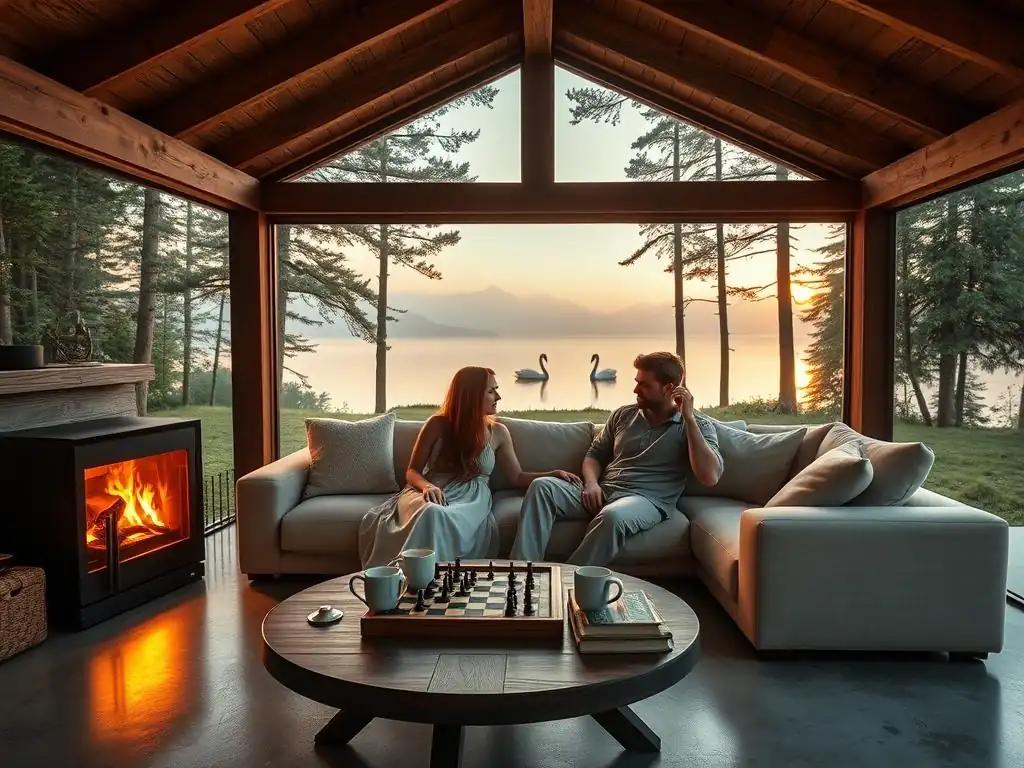
Welcome to Mind Care Guide, your sanctuary for navigating the complexities of mental well-being.
Planning a couples retreat should be a joyful experience, a chance to reconnect and rejuvenate. But often, the planning itself becomes a source of stress. Are you overwhelmed by the sheer number of options and the logistical hurdles? You're not alone. Dive into our article, " Stressful couples retreat planning tips," where we unravel the common pitfalls and offer practical, empathetic guidance to transform your retreat planning into a path to serenity. Discover how to reclaim the joy and create a truly restorative experience for you and your partner. Ready to breathe easier?
-
From Stress to Serenity: Couples Retreats for Busy Lives
- Reclaiming Connection: Why Busy Couples Need Retreats
- Stressful Couples Retreat Planning Tips: Easing the Burden
- Common Planning Pitfalls: Mistakes to Avoid
- Solution 1: Personalized Retreat Selection - Finding the Perfect Fit
- Solution 2: Budget-Friendly Retreat Options & Financial Planning
- Solution 3: Delegating & Outsourcing Retreat Planning Tasks
- Maximizing the Benefits: Turning Your Retreat into Lasting Change
- Finding Serenity Together: A Final Note on Couples Wellness Retreats
-
Frequently Asked Questions
- How can I minimize the stress of planning a couples retreat?
- What are some key factors to consider when choosing a couples retreat location?
- What types of activities should we include in our couples retreat itinerary?
- How can we ensure the retreat remains a stress-free experience once we arrive?
- What are some resources available for finding suitable couples retreats?
- Final Reflection: Finding Serenity Amidst the Chaos of Planning
- Unlock Your Couple's Potential: Find Your Perfect Retreat!
From Stress to Serenity: Couples Retreats for Busy Lives
Reclaiming Connection: Why Busy Couples Need Retreats
In the relentless pace of modern life, couples often find themselves caught in a whirlwind of work deadlines, family commitments, and social obligations. This constant busyness can erode the time and energy needed to nurture the core of their relationship. Studies and surveys consistently show that lack of quality time and communication are leading stressors for couples, often cited in relationship challenges.
For instance, a 2019 survey indicated that nearly 30% of married adults felt they didn't spend enough time with their spouse. This deficit isn't just about quantity; it's about the quality of interaction, which often suffers when minds are preoccupied with daily pressures.
Couples retreats offer a dedicated, intentional space away from these distractions. Think of it as pressing a pause button on the chaos. These getaways are designed to facilitate deeper connection, provide tools for better communication, and allow partners to simply be together without the usual demands pulling them apart. Unlike a regular vacation, retreats often include structured sessions, workshops, or guided activities focused on relationship building, stress reduction, and personal growth. Participants frequently report feeling more understood, connected, and relaxed after just a few days, with some programs citing satisfaction rates upwards of 85% among attendees seeking reconnection.
Stressful Couples Retreat Planning Tips: Easing the Burden
Planning a getaway, especially one intended for relaxation and reconnection, can ironically become a significant source of stress, adding to the very burden you're trying to escape. Navigating destinations, dates, retreat types, costs, and logistics can feel overwhelming, particularly for individuals already juggling packed schedules. This is where effective stressful couples retreat planning tips become invaluable. The goal is to streamline the process, break it down into manageable steps, and anticipate potential roadblocks before they cause frustration.
Approaching the planning phase with a clear strategy can transform it from a daunting task into an exciting prelude to your getaway. It's estimated that the average person spends around 10-20 hours planning a significant trip. For a specialized couples retreat, this could be even more complex due to specific program requirements and unique offerings. By implementing smart planning techniques, couples can significantly reduce this time investment and the associated stress, ensuring that the journey towards serenity begins not upon arrival, but from the moment the planning starts.
Common Planning Pitfalls: Mistakes to Avoid
One of the most frequent errors when planning a couples retreat is trying to replicate the complexity of daily life by over-scheduling or packing too many activities into the retreat itself. While structure is good, forgetting that the primary purpose is rest and connection can be detrimental. Another common pitfall is failing to align expectations between partners before booking. One partner might envision spa treatments and relaxation, while the other is focused on intensive workshops and therapeutic sessions. This mismatch can lead to disappointment and conflict.
Furthermore, neglecting the practical logistics is a significant source of stress. This includes underestimating travel time, not confirming booking details (like dietary restrictions or specific room requests), or failing to arrange for necessary support at home (pet care, childcare, mail). Approximately 25% of travelers report experiencing significant stress due to logistical issues during trips. Avoiding these common mistakes by communicating openly, setting realistic expectations, and meticulously handling practical details upfront are crucial stressful couples retreat planning tips that can prevent unnecessary friction.
Solution 1: Personalized Retreat Selection - Finding the Perfect Fit
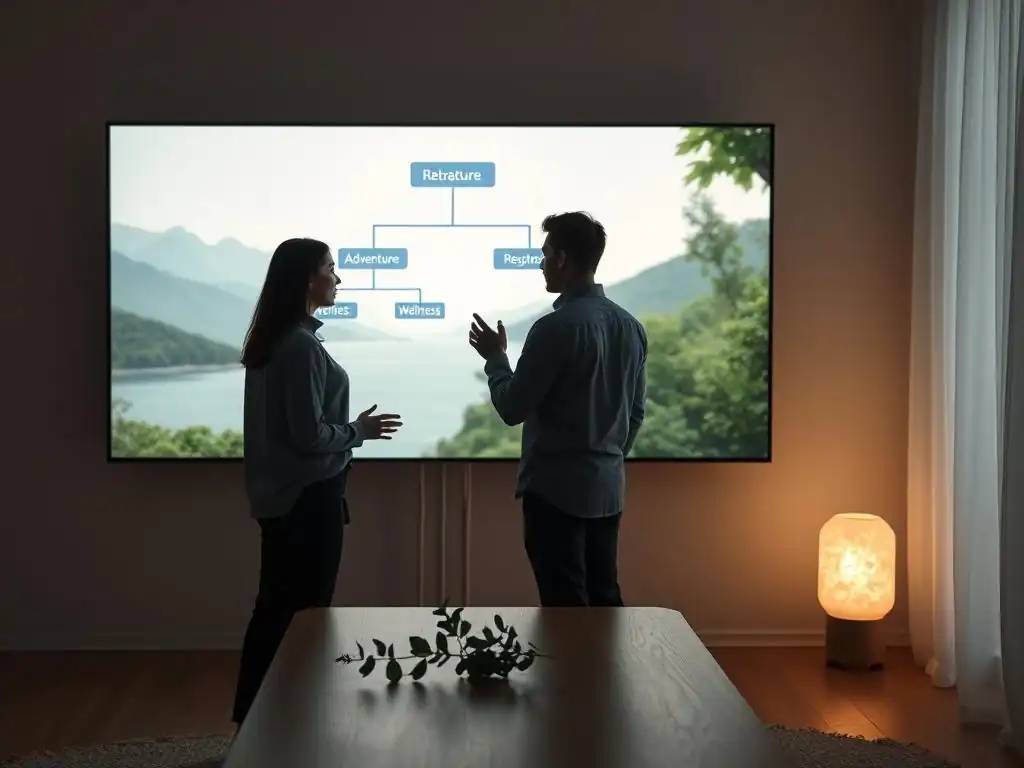
Choosing the right retreat is paramount, and a personalized approach is key to avoiding planning stress. Instead of randomly searching, start by discussing your shared goals as a couple. Are you seeking deep therapeutic work, stress reduction, adventure, or simply quiet time together? Different retreats specialize in different areas. For instance, some focus heavily on communication techniques based on models like the Gottman Method, while others emphasize mindfulness, yoga, or outdoor activities for stress relief. Researching programs that align with your specific needs significantly narrows down options.
Consider the environment and duration that would be most conducive to your goals. A mountain setting might be ideal for disconnecting, while a beachfront location might offer relaxation. Retreats can range from a weekend to a week or more.
A shorter trip might be less disruptive to busy schedules but offer less intensive work. A longer stay allows for deeper immersion. Reading reviews, looking at sample schedules, and even contacting retreat facilitators with specific questions can help ensure the program's philosophy and activities resonate with both partners, making the selection process feel less like a chore and more like a collaborative step towards well-being.
Solution 2: Budget-Friendly Retreat Options & Financial Planning
Concerns about cost are a major factor contributing to stressful couples retreat planning tips. Retreats can vary significantly in price, ranging from a few hundred dollars for a short, basic program to several thousand for luxury, all-inclusive experiences. However, a limited budget doesn't mean a retreat is out of reach. Many organizations offer tiered pricing based on accommodation type (e.g., shared cabins vs. private rooms) or program intensity. Exploring retreats outside peak seasons can also yield significant savings, sometimes reducing costs by 20-40%.
Effective financial planning is essential. Start by determining a realistic budget that both partners are comfortable with. Research includes program fees, accommodation, travel expenses, meals (if not included), and potential extra activities or materials. Look for retreats that bundle costs into an all-inclusive package, as this can simplify budgeting and prevent unexpected expenses. Some retreats may offer payment plans or early bird discounts. Approaching the financial aspect transparently and collaboratively can alleviate a significant portion of the stressful couples retreat planning tips burden.
Solution 3: Delegating & Outsourcing Retreat Planning Tasks
Recognizing that you don't have to do it all yourself is perhaps one of the most liberating stressful couples retreat planning tips. For busy couples, time is often the scarcest resource. Instead of letting planning tasks pile up and create stress, consider delegating or even outsourcing certain elements. Within the couple, divide responsibilities based on strengths or availability – one partner might handle program research, while the other manages travel arrangements. This shared effort reduces the load on any single person.
For those with exceptionally demanding schedules, professional assistance is an option. Travel agents or specialized retreat planning services can handle everything from finding suitable programs to booking flights and transfers. While this adds to the overall cost, the reduction in stress and time investment can be well worth it. Even smaller tasks, like arranging for pet sitters or coordinating with family for childcare, can be delegated to trusted individuals. Embracing delegation transforms the planning process from a solo, potentially stressful endeavor into a more manageable, collaborative effort.
Maximizing the Benefits: Turning Your Retreat into Lasting Change

Post-Retreat Integration: Maintaining the Serenity at Home
The true test of a successful couples retreat isn't just the positive experience during the getaway, but how effectively the lessons and renewed connection are integrated into daily life back home. It's easy to fall back into old patterns once the pressures of work and routine return. To prevent this, discuss during the retreat how you will maintain the positive shifts you've experienced. This might involve agreeing on specific actions, such as scheduling regular date nights (even just one hour a week), implementing communication techniques learned during workshops, or dedicating time for shared activities that bring you joy.
Many retreats provide resources or suggest practices for post-retreat continuation, like recommended reading, follow-up exercises, or even options for periodic check-ins or booster sessions. Actively review any materials provided and commit to practicing the skills learned. For example, if you focused on conflict resolution, consciously apply those techniques during disagreements. If the retreat emphasized mindfulness, try incorporating a short daily meditation together. Research suggests that couples who actively work to integrate retreat learnings report higher long-term satisfaction and reduced relationship stress compared to those who do not.
Recommended Products for a Stress-Free Retreat
While the focus of a retreat is often on experiences and connection, a few carefully chosen items can enhance comfort and ease, further reducing any potential for stress. Consider packing items that promote relaxation and disconnectivity. This might include noise-canceling headphones for travel or quiet time, comfortable clothing suitable for various activities (from workshops to gentle movement), and journals or notebooks for reflecting on sessions and personal insights.
Other useful items might include a portable essential oil diffuser with calming scents like lavender, or a comfortable eye mask for restful sleep. If the retreat involves outdoor activities, appropriate gear is essential for comfort and safety. Packing mindfully, focusing on items that support the retreat's purpose – whether relaxation, learning, or adventure – contributes to a smoother experience. Think of these as tools to support your journey towards serenity, not distractions from it.
Finding Serenity Together: A Final Note on Couples Wellness Retreats
Embarking on a couples wellness retreat is a proactive step towards strengthening your relationship and prioritizing shared well-being. While the planning phase, like any significant undertaking, can present challenges, employing effective stressful couples retreat planning tips can significantly ease the process. By communicating openly, setting clear goals, exploring personalized options, planning finances realistically, and not being afraid to delegate, the journey to the retreat can be part of the positive experience itself.
Ultimately, the investment of time, effort, and resources into a retreat is an investment in your relationship's health and longevity. It provides a vital opportunity to pause, reconnect, and build a stronger foundation together, allowing you to return to your busy lives not just refreshed, but better equipped to navigate challenges as a united team. Finding serenity together is a powerful antidote to the stresses of modern life, and a well-planned retreat can be a beautiful catalyst for this transformative experience.
Frequently Asked Questions
How can I minimize the stress of planning a couples retreat?
Planning ahead is crucial. Start by setting a budget and defining your retreat goals together. Delegate tasks and use online resources to streamline the process.
What are some key factors to consider when choosing a couples retreat location?
Think about your shared interests and desired atmosphere. Consider proximity to your home, available activities, and whether you prefer a secluded or lively environment.
What types of activities should we include in our couples retreat itinerary?
Balance relaxation with connection. Incorporate activities that promote communication and intimacy, such as guided meditations or romantic dinners, along with fun adventures.
How can we ensure the retreat remains a stress-free experience once we arrive?
Unplug from technology and set clear boundaries. Prioritize quality time together and be open to adapting your plans based on your feelings and needs.
What are some resources available for finding suitable couples retreats?
Explore websites like Mind Care Guide, travel blogs, and specialized retreat directories. Look for reviews and testimonials to ensure the retreat aligns with your expectations.
Final Reflection: Finding Serenity Amidst the Chaos of Planning
The relentless pace of modern life often leaves couples feeling disconnected and overwhelmed, making even the idea of a relaxing retreat seem daunting. Yet, the desire for reconnection and rejuvenation remains a powerful human need. This article explored the often-overlooked challenges of planning a couples retreat, offering practical tips to navigate the stress and emerge with a truly restorative experience. The goal isn't just to escape; it's to strategically design an escape that fosters deeper intimacy and strengthens the bond between partners.
The impact of chronic stress on relationships is undeniable, subtly eroding the foundation of trust and understanding. The pressure to "do it all" often leaves little room for genuine connection, leading to resentment and emotional distance. The most important thing in life is to learn how to give out love, and to let it come in.
- Morrie Schwartz. This quote highlights the crucial role of intentional time and space for nurturing a relationship, a concept central to the success of a well-planned couples retreat. The journey towards serenity isn't just about escaping the everyday; it's about actively creating a space for love to flourish.
Now, consider your own relationship. What small steps can you take today to prioritize connection and reduce stress? Perhaps it's scheduling a weekly date night, engaging in a shared hobby, or simply setting aside uninterrupted time for meaningful conversation. Don't let the complexities of planning deter you from investing in the most important relationship in your life. Embrace the journey towards serenity, one thoughtful step at a time, and watch your connection deepen beyond what you thought possible. Your future selves will thank you for it.
Unlock Your Couple's Potential: Find Your Perfect Retreat!
Thanks for taking the time to explore the world of couples retreats with us! We hope this article has given you the inspiration and information you need to reconnect and recharge. Ready to take the next step towards a more peaceful and fulfilling relationship?
- Book a consultation with a retreat specialist: Let us help you find the perfect retreat to suit your needs and budget. We can help navigate the options and find a peaceful getaway that's just right for you.
- Share this article with your partner: Start the conversation about prioritizing your relationship and planning a rejuvenating escape together.
- Browse our curated list of retreat options on our website (MindCareGuide.org): Explore diverse locations and experiences to discover your ideal setting for connection and relaxation.
What kind of retreat experience best reflects your vision for a more serene and connected relationship? Share your thoughts in the comments below!