
How to Practice Vipassana Meditation: Your First Steps

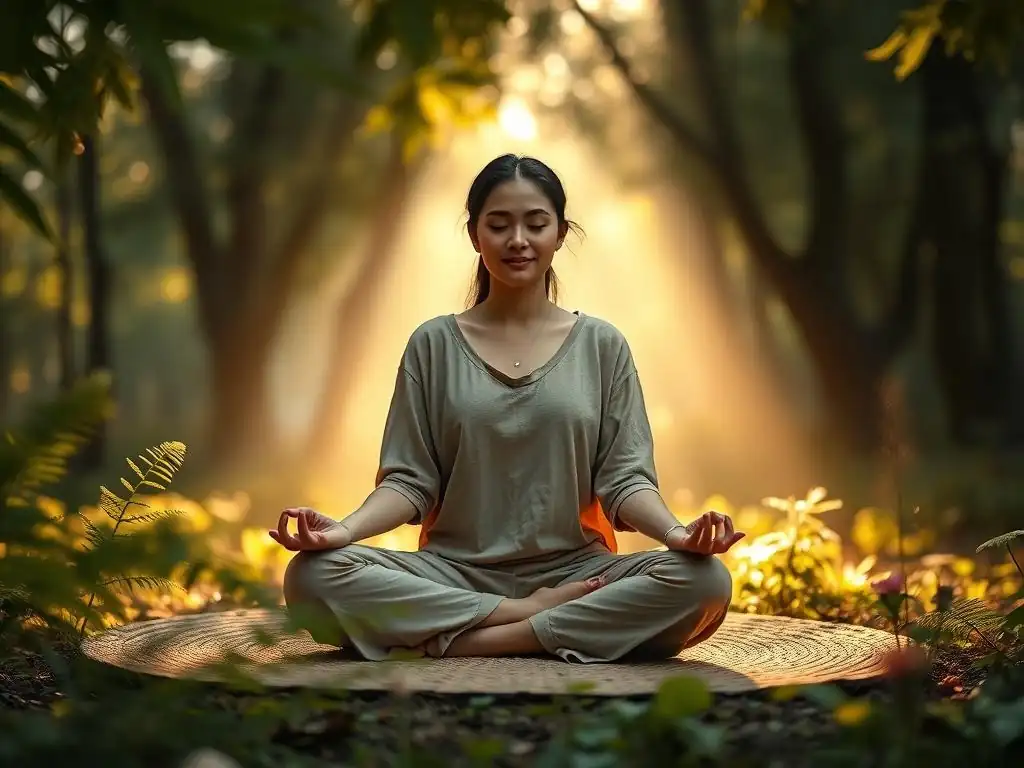
Welcome to Mind Care Guide, a haven for your mental well-being. Feeling overwhelmed by the noise of daily life? Discover a path to inner peace and clarity with our guide, " How to Practice Vipassana Meditation: Your First Steps." This article, under our Mindfulness & Meditation category, offers a gentle introduction to Vipassana meditation for beginners, unveiling its transformative potential. Are you ready to begin your journey toward a calmer, more mindful you? Let's explore together...
How to Practice Vipassana Meditation: Your First Steps - Mind Care Guide
- Introduction to Vipassana Meditation for Beginners
- Setting the Stage for Vipassana: Essential First Steps
- Vipassana Meditation Techniques for Beginners: A Step-by-Step Guide
- Key Principles for Successful Vipassana Meditation Practice
- Troubleshooting Common Challenges in Vipassana Meditation
- Integrating Vipassana Meditation into Daily Life
- Conclusion: Embarking on Your Vipassana Meditation Journey
-
Frequently Asked Questions
- What is Vipassana meditation, and is it suitable for beginners?
- How often should beginners practice Vipassana meditation?
- What is the correct posture for Vipassana meditation?
- What should I focus on during Vipassana meditation?
- Are there any common challenges beginners face, and how can they overcome them?
- Final Reflection: Embracing Stillness in a Chaotic World
- Unlock Your Inner Peace: Start Your Vipassana Journey Today!
Introduction to Vipassana Meditation for Beginners
What is Vipassana Meditation? Understanding Insight Meditation
Vipassana meditation, often translated as "insight meditation," is one of India's most ancient techniques of meditation. It was rediscovered by Gautama Buddha more than 2500 years ago and taught by him as a universal remedy for universal ills. The technique is not a mere religious practice but a method of self-observation that allows one to see things as they really are, hence "insight." For beginners, Vipassana meditation involves cultivating awareness of the present moment, primarily through observing the breath and bodily sensations, without judgment.
At its core, Vipassana meditation trains the mind to become acutely aware of the constantly changing nature of reality, both external and internal. It teaches practitioners to observe thoughts, feelings, and sensations as transient phenomena, arising and passing away. This deep observation leads to insight into the impermanent nature of existence (anicca), the unsatisfactory nature of clinging (dukkha), and the non-self nature of phenomena (anatta). This understanding, cultivated through direct experience during Vipassana practice, is believed to gradually purify the mind and lead to liberation from suffering.
Benefits of Vipassana Practice for Mental Well-being
Engaging in regular Vipassana meditation practice offers a multitude of benefits for mental well-being, particularly for those new to the technique. One significant advantage is a notable reduction in stress and anxiety. Studies have indicated that consistent mindfulness practices, including Vipassana, can lead to decreased levels of cortisol, the body's primary stress hormone. Many beginners report feeling calmer and more centered after just a few weeks of consistent practice, finding that the ability to observe thoughts without getting carried away helps to quiet mental clutter and reduce worry.
Beyond stress reduction, Vipassana meditation for beginners can also significantly enhance focus and concentration. By training the mind to stay present, typically anchored to the breath, practitioners gradually improve their ability to concentrate on tasks and resist distractions. Furthermore, this insight practice fosters greater emotional regulation. As individuals learn to observe their emotions without immediately reacting, they develop a space between stimulus and response, allowing for more skillful and compassionate reactions to challenging feelings. This increased emotional intelligence contributes to improved relationships and a more stable inner life.
Preparing for Your First Vipassana Meditation Session
Preparation is key to a positive first experience with Vipassana meditation. While the technique itself is simple, setting the right conditions can significantly impact your ability to focus and settle into the practice. Begin by selecting a time when you are unlikely to be interrupted. Even a short 10-15 minute session is beneficial for beginners. Inform others in your household of your intention to meditate to minimize disturbances. Ensure you have addressed any immediate physical needs, such as using the restroom or getting a glass of water, so you can sit comfortably without needing to move.
Consider wearing loose, comfortable clothing that doesn't restrict your movement or breathing. Think about the environment: aim for a quiet space where external noise is minimal. While complete silence isn't always possible, choose a location that feels safe and conducive to introspection. Having a dedicated spot, even if it's just a cushion in a corner of a room, can help create a mental association with practice over time. Approaching your first session with patience and an open mind, free from rigid expectations, is the best mental preparation.
Setting the Stage for Vipassana: Essential First Steps
Finding a Quiet Space for Meditation Practice
Identifying a suitable space is one of the most practical first steps in establishing a Vipassana meditation practice. This space doesn't need to be elaborate or large; a quiet corner in your home will suffice. The primary requirement is that it allows you to sit undisturbed for the duration of your meditation session. Minimizing external noise and visual distractions is helpful for beginners as the mind is often easily pulled away from the object of meditation.
Consider factors like foot traffic, proximity to televisions or loud appliances, and potential interruptions from pets or family members. While absolute silence is rarely achievable, choosing the quietest spot available in your environment will support your ability to focus inward. Over time, this dedicated space can become a sanctuary associated with peace and contemplation, making it easier to transition into a meditative state.
Choosing a Comfortable Meditation Posture
Selecting a comfortable and stable meditation posture is crucial for successful Vipassana meditation, especially for beginners. The goal is to find a position where your body feels relaxed yet alert, allowing you to sit still for the duration of your session without excessive discomfort. While the classic cross-legged position on a cushion is common, it is by no means the only option. Sitting on a chair with your feet flat on the floor and your back straight is perfectly acceptable and often more comfortable for those new to meditation or with physical limitations.
If sitting cross-legged, use a cushion or folded blanket under your hips to elevate them above your knees; this helps maintain a straight back and prevents your legs from falling asleep. Ensure your spine is erect but not rigid, your shoulders are relaxed, and your hands rest comfortably in your lap or on your knees. The key is stability – a posture that allows you to remain relatively still while keeping your mind awake and aware. Experiment with different positions to find what works best for your body.
Establishing a Regular Meditation Schedule
Consistency is more important than duration when you're learning Vipassana meditation for beginners. Establishing a regular meditation schedule helps integrate the practice into your daily routine and builds momentum. Even starting with just 5-10 minutes each day at the same time can be incredibly beneficial. This regularity trains your mind and body to prepare for meditation at the appointed time, reducing internal resistance.
Think about when you are most likely to be able to commit to your practice without interruption. Many people find the early morning before the day's demands begin or the evening before bed to be ideal times. Choose a time that feels sustainable for you. Putting it on your calendar or setting a daily reminder can help reinforce this commitment. Remember, missing a session occasionally is okay; the goal is to return to your regular schedule as soon as possible, approaching the practice with kindness and persistence.
Vipassana Meditation Techniques for Beginners: A Step-by-Step Guide
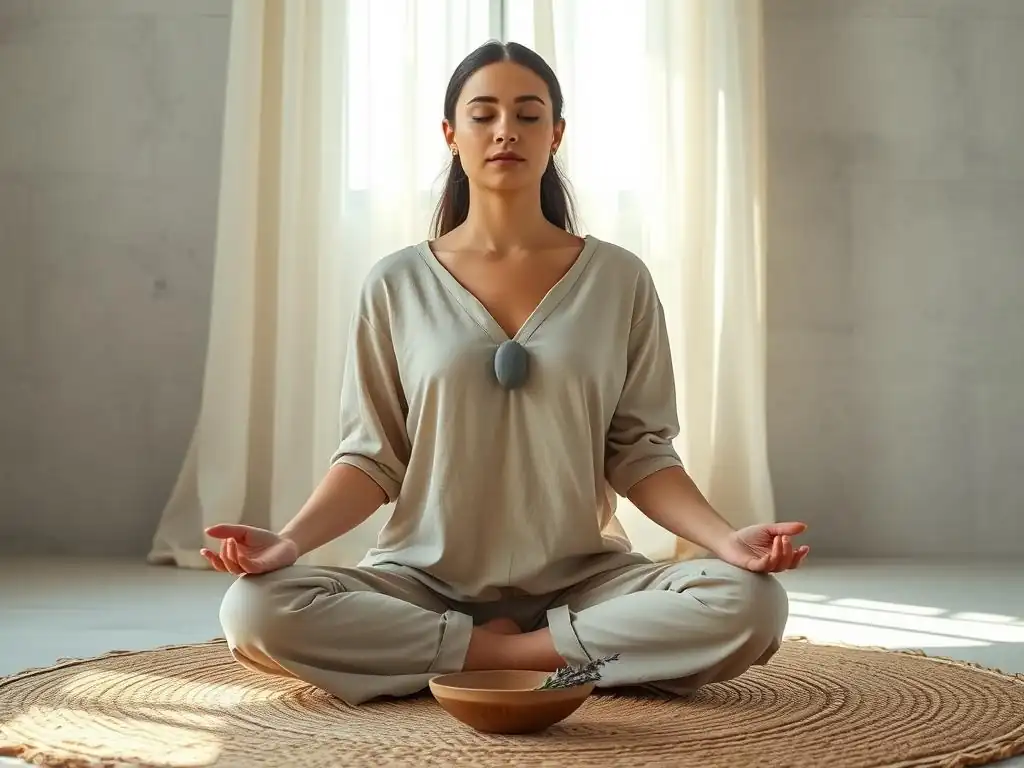
Step 1: Focusing on the Breath - The Foundation of Vipassana
Observing the Natural Rhythm of Your Breath
The initial and fundamental step in Vipassana meditation for beginners is bringing your attention to your breath. Find your comfortable posture and gently close your eyes or soften your gaze. The instruction is simple: just observe the natural flow of your breath as it is, without trying to change or control it in any way. Notice the sensation of the breath entering and leaving your body. This might be the feeling of air moving at your nostrils, the rising and falling of your abdomen, or the expansion and contraction of your chest.
Choose one point in your body where the sensation of the breath is most apparent and gently rest your attention there. Your breath is a constant anchor to the present moment. For instance, you might notice the cool air entering your nostrils on the inhale and the warmer air leaving on the exhale. Or perhaps you feel the gentle expansion of your belly with each in-breath and its subtle deflation with each out-breath. Simply observe these sensations, acknowledging each breath as it happens, moment by moment.
Dealing with Distractions During Breath Meditation
It is completely natural for your mind to wander during Vipassana meditation, especially when you are a beginner. Thoughts, sounds, physical sensations, and emotions will arise and pull your attention away from the breath. This is not a failure; it is simply the nature of the untrained mind, and recognizing it is a key part of the practice. When you notice your mind has wandered, gently acknowledge where it went without judgment.
The practice is not about stopping thoughts, but about becoming aware when your attention has strayed and gently guiding it back to your chosen anchor – the sensation of the breath. Think of it as training a puppy; each time it runs off, you gently lead it back, not with frustration, but with patience. The very act of recognizing the distraction and returning to the breath is a powerful moment of mindfulness and the core discipline of Vipassana meditation for beginners.
Step 2: Body Scan Meditation - Cultivating Awareness
Bringing Attention to Different Parts of Your Body
Once you have practiced focusing on the breath for a while, the next step in Vipassana meditation often involves a body scan. This technique expands your field of awareness from the single point of the breath to the entire physical form. Starting from the top of your head or the tips of your toes, systematically bring your attention to different parts of your body, moving slowly and deliberately through each region.
For example, you might start by focusing on the sensations in your scalp, then move to your forehead, eyes, nose, mouth, and so on, down through your neck, shoulders, arms, torso, pelvis, legs, and feet. As you bring your awareness to each area, simply notice whatever physical sensations are present. This could be warmth, coolness, tingling, pressure, itching, throbbing, or simply a feeling of nothingness. There is no need to analyze or interpret these sensations, just observe them with gentle curiosity.
Noticing Sensations Without Judgment
The crucial element of the body scan in Vipassana meditation is observing sensations without judgment or reaction. As you move your attention through your body, you will inevitably encounter different feelings – some pleasant, some unpleasant, and some neutral. The practice is to simply notice these sensations as they are, acknowledging their presence without labeling them as "good" or "bad," or wishing for them to be different.
If you encounter pain or discomfort, for instance, the instruction is not to try and make it go away, but to observe the sensations associated with it. Where exactly is it located? What does it feel like? Does it have a temperature, a texture, a shape? By observing sensations objectively, you begin to understand their impermanent nature – they constantly change, intensify, diminish, or disappear entirely. This non-judgmental observation is fundamental to developing insight into the true nature of physical experience.
Step 3: Observing Thoughts and Emotions - Developing Insight
Recognizing Thoughts as Passing Phenomena
With a foundation in observing the breath and bodily sensations, Vipassana meditation for beginners progresses to observing the contents of the mind – thoughts and emotions. As you sit, thoughts will arise. The practice here is to recognize a thought as simply a thought, an event occurring in the mind, rather than getting caught up in its content or story. You might mentally note the thought, perhaps categorizing it briefly (e.g., "planning," "remembering," "worrying"), and then gently release your attention from it, returning to your primary object of meditation (often still the breath or body sensations).
The key insight here is understanding that thoughts are impermanent, like clouds passing through the sky. They arise, they linger for a moment, and then they pass away. By observing them from a detached perspective, you begin to loosen the grip they have on your attention and emotions. You realize that you are not your thoughts; you are the awareness that observes them. This recognition creates mental space and reduces reactivity to your internal dialogue.
Acknowledging Emotions Without Reacting
Similar to observing thoughts, Vipassana meditation teaches beginners to acknowledge emotions as they arise without immediately reacting to them. Emotions are powerful forces, and our usual tendency is to either cling to pleasant ones or push away unpleasant ones. In Vipassana practice, you learn to simply recognize the emotion – perhaps noting it mentally (e.g., "sadness," "anger," "joy," "fear") – and then feel the physical sensations associated with that emotion in your body.
By observing the physical manifestations of emotions (e.g., tightness in the chest with anxiety, heat in the face with anger) and the emotional feeling itself with non-judgmental awareness, you begin to see their impermanent nature. Like thoughts and sensations, emotions arise and pass away. This practice helps to de-escalate intense feelings and prevents you from being overwhelmed or controlled by them. It cultivates emotional resilience and a deeper understanding of your inner landscape.
Key Principles for Successful Vipassana Meditation Practice
Mindfulness and Non-Judgmental Observation
Mindfulness is the bedrock of Vipassana meditation. It is the practice of paying attention, on purpose, in the present moment, and non-judgmentally. For beginners, cultivating mindfulness means bringing a gentle, focused awareness to the breath, body sensations, thoughts, and emotions as they arise. It is about being fully present with whatever is happening, internally and externally, without getting lost in distraction or analysis.
Equally important is the principle of non-judgmental observation. This involves watching your experiences – whether physical sensations, thoughts, or emotions – without labeling them as good or bad, right or wrong, pleasant or unpleasant. When you notice a judgment arising, simply observe the judgment itself as another mental event, and return to the object of your awareness. This principle is crucial for developing insight, as judgment distorts perception and prevents you from seeing things as they truly are.
Patience and Persistence in Your Meditation Journey
Embarking on the path of Vipassana meditation requires both patience and persistence. Progress in meditation is rarely linear. There will be days when your mind feels calm and focused, and days when it feels restless and chaotic. It is essential to approach your practice with patience, understanding that developing the ability to observe the mind takes time and consistent effort. Do not get discouraged by perceived lack of progress or difficulty.
Persistence is the commitment to continue practicing even when it feels challenging or unrewarding. Showing up for your scheduled meditation time, especially on difficult days, strengthens your resolve and deepens your practice over time. Think of it like learning any new skill; it requires consistent effort and a willingness to navigate setbacks. Each time you sit, you are cultivating valuable qualities of mind, even if you don't immediately feel profound changes.
Cultivating Self-Compassion During Meditation
A vital aspect of Vipassana meditation, particularly for beginners, is cultivating self-compassion. The process of observing your mind and body can sometimes bring awareness to uncomfortable truths, difficult emotions, or persistent self-criticism. It is easy to become frustrated with a wandering mind or discomfort. However, the practice encourages a gentle and kind attitude towards oneself.
When you notice your mind has wandered for the hundredth time, simply acknowledge it with kindness and gently redirect your attention. If you experience physical pain or emotional distress during meditation, approach it with empathy, acknowledging that difficulty is a part of the human experience. Treat yourself with the same understanding and patience you would offer a dear friend who is struggling. This compassionate attitude supports your persistence and makes the practice a nurturing rather than a punitive experience.
Troubleshooting Common Challenges in Vipassana Meditation
Dealing with Restlessness and Agitation
Restlessness and agitation are very common challenges encountered in Vipassana meditation for beginners. When the mind feels jumpy, or the body wants to move, it can be difficult to sit still. Acknowledge the feeling of restlessness without resistance. Trying to force it away often makes it stronger. Gently bring your attention back to your primary object of meditation, such as the breath, each time you notice the urge to move or the mind racing.
Sometimes, restlessness manifests strongly in the body. If the urge to move is overwhelming, you can mindfully adjust your posture, paying close attention to the sensations of movement itself. However, try to distinguish between genuine need and habitual fidgeting. Often, simply observing the sensations of restlessness – perhaps noting tightness, energy, or vibration – without acting on them can allow the feeling to subside on its own. Patience and persistent, gentle return to the anchor are key.
Overcoming Boredom and Apathy
Boredom and apathy can also arise during Vipassana meditation, especially after the initial novelty wears off. Sitting and simply observing can sometimes feel monotonous. When boredom arises, acknowledge it. You might mentally note "boredom" and then gently bring your attention back to the sensations of the breath or body. Sometimes, boredom is a sign that you are not truly paying attention to the subtle nuances of your experience.
Try to bring a sense of curiosity to your observation. Can you notice the subtle differences between one breath and the next? Can you find new sensations in your body that you hadn't noticed before? Apathy might indicate a lack of energy or engagement. If this is the case, ensure you are maintaining an upright and alert posture. Sometimes, a shorter session or a slightly different focus (like walking meditation) can help re-engage your interest. Remember that boredom is just another passing mental state to be observed.
Managing Physical Discomfort
Physical discomfort, such as pain in the back, knees, or hips, is a frequent challenge in Vipassana meditation for beginners. While some discomfort is normal when sitting still for extended periods, sharp or increasing pain should be addressed with kindness. First, check your posture to ensure you are sitting correctly and comfortably with adequate support (cushions, chair).
If discomfort arises, try observing the sensations of the pain itself with mindfulness. Where is it located? What are its qualities? Does it remain constant or change? Often, by observing pain objectively, its intensity can lessen. However, if the pain becomes too distracting or potentially harmful, it is permissible to mindfully adjust your posture. When you do move, do so slowly and with awareness, noticing the sensations of the movement. The goal is to find a balance between working with discomfort and avoiding injury.
Integrating Vipassana Meditation into Daily Life
Practicing Mindfulness Beyond the Meditation Cushion
The insights gained during formal Vipassana meditation sessions are meant to be integrated into daily life. Mindfulness is not just something you do while sitting; it's a way of being present in every moment. For beginners, this might involve consciously bringing awareness to simple activities: feeling the water during a shower, noticing the sensations while eating, or observing the feeling of your feet on the ground as you walk.
These short moments of informal mindfulness throughout the day reinforce the mental muscles developed during formal practice. They help you stay anchored in the present, reducing the tendency to get lost in worry about the future or regret about the past. Integrating mindfulness into daily tasks helps bridge the gap between your meditation cushion and the rest of your life, making your practice a living reality.
Applying Vipassana Principles to Everyday Interactions
The core principles of Vipassana – non-judgmental observation, impermanence, and non-reactivity – are powerful tools for navigating everyday interactions. When faced with challenging conversations or situations, you can apply the practice of observing thoughts and emotions without immediately reacting. Notice feelings like frustration, anger, or defensiveness as they arise, and observe the physical sensations associated with them, just as you would on the cushion.
This practice creates a space between the stimulus (the challenging interaction) and your response, allowing you to choose a more skillful and compassionate reaction rather than being driven by habitual patterns. Recognizing the impermanent nature of emotions, both your own and others', can also foster greater understanding and patience. Applying Vipassana principles helps cultivate more mindful communication and more authentic connections with others.
Resources for Further Learning about Vipassana Meditation
For those interested in deepening their understanding and practice of Vipassana meditation for beginners, numerous resources are available. While this guide provides initial steps, further exploration is often beneficial. Many centers and organizations around the world offer residential Vipassana courses, typically lasting 10 days, which provide intensive training in the technique under experienced teachers.
Additionally, there are many books written by respected Vipassana teachers that offer detailed guidance and insights. Online resources, including guided meditations and talks, can also support your learning journey. Exploring different teachers and approaches can help you find the resources that resonate most with you as you continue to cultivate insight through Vipassana practice.
Conclusion: Embarking on Your Vipassana Meditation Journey
Frequently Asked Questions
What is Vipassana meditation, and is it suitable for beginners?
Vipassana is an ancient Indian meditation technique focused on observing reality as it is. It is indeed suitable for beginners as it emphasizes mindfulness and self-awareness without requiring prior experience.
How often should beginners practice Vipassana meditation?
Starting with short sessions of 10-15 minutes daily is recommended for beginners. Gradually increase the duration as you become more comfortable with the practice and develop greater focus.
What is the correct posture for Vipassana meditation?
The posture should be comfortable and stable, typically sitting with a straight back. You can sit on a cushion, chair, or the floor, but maintaining alertness and relaxation is key, not perfect posture.
What should I focus on during Vipassana meditation?
Focus primarily on your breath, noticing the sensation of each inhale and exhale. When your mind wanders, gently redirect your attention back to the present moment and your breath.
Are there any common challenges beginners face, and how can they overcome them?
Common challenges include mind wandering and physical discomfort. Acknowledge the distraction without judgment and gently return to your breath. For discomfort, adjust your posture as needed.
Final Reflection: Embracing Stillness in a Chaotic World
In a world that often feels overwhelming and chaotic, the practice of Vipassana meditation offers a sanctuary of stillness and clarity. As we navigate the complexities of modern life, the principles of mindfulness and self-awareness that underpin Vipassana become increasingly relevant. This ancient technique not only provides a pathway to inner peace but also equips us with the tools to face our daily challenges with a calm and centered mindset. The journey into Vipassana meditation is not just about learning to sit in silence; it is about cultivating a deeper understanding of ourselves and the world around us.
The influence of Vipassana meditation extends beyond individual practice; it resonates deeply within our cultural and social landscapes. As more people seek solace from the noise of everyday life, the teachings of Vipassana remind us of the importance of introspection and connection. The growing popularity of mindfulness practices in schools, workplaces, and communities underscores a collective shift towards valuing mental well-being. As the renowned meditation teacher S.N. Goenka once said, Meditation is not to escape from life, but to embrace life more fully.
This sentiment captures the essence of Vipassana, inviting us to engage with our experiences rather than retreat from them.
As you reflect on the insights shared in this article, I encourage you to take a moment to consider how you can integrate the principles of Vipassana meditation into your daily life. Embrace the opportunity to cultivate awareness, compassion, and presence in each moment. Whether you are a beginner or have some experience, the journey of self-discovery through meditation is a lifelong endeavor. Let this be an invitation to explore the depths of your own mind and heart, and to share the peace you cultivate within yourself with the world around you.
Unlock Your Inner Peace: Start Your Vipassana Journey Today!
Thanks for taking the time to explore the world of Vipassana meditation with us! We hope you've gained a clearer understanding of its profound benefits and initial practices. Now it's time to translate that knowledge into mindful action.
Here are a few simple steps to begin your transformative journey:
- Begin your daily practice: Start with just 10 minutes of Vipassana meditation each day. Find a quiet space, sit comfortably, and focus on your breath. Consistency is key!
- Join a local meditation group: Connect with others on a similar path. Sharing experiences and insights can significantly enhance your practice. Find a supportive community near you and start connecting!
- Explore guided meditations: Experiment with different guided Vipassana sessions online or through apps. This can be a wonderful way to deepen your understanding and discover what resonates best with you.
Ready to discover the tranquility that awaits you? What small step will you take today to begin your personal Vipassana practice?