
Play Therapy and CBT: Healing Approaches for Childhood Depression

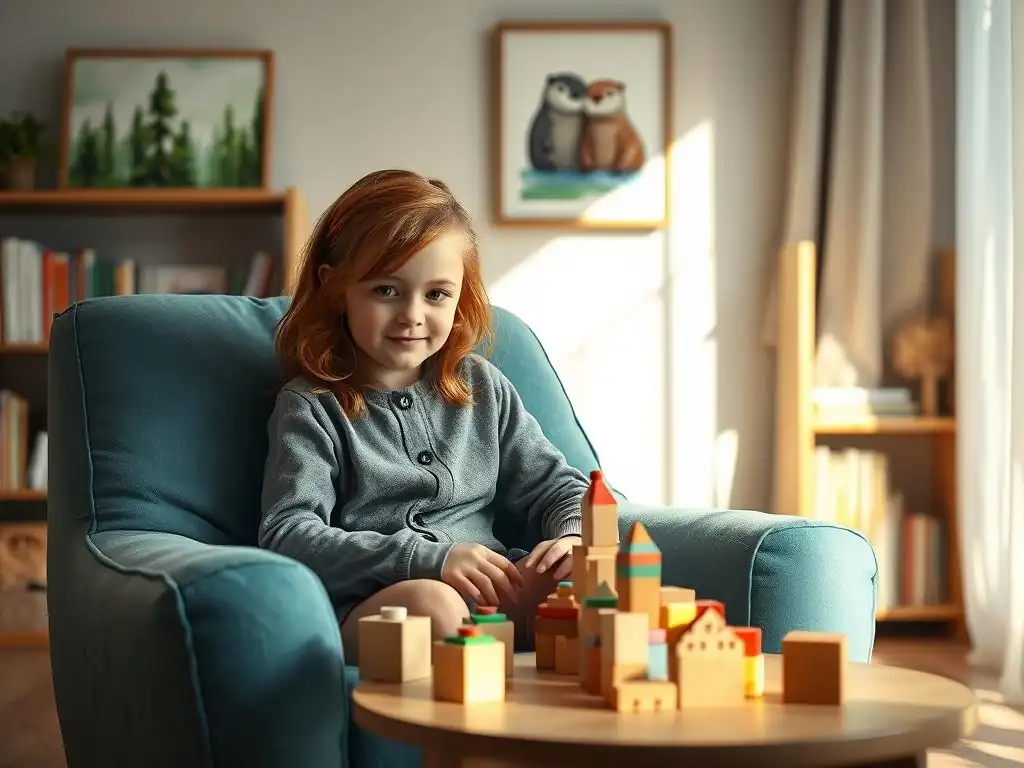
Welcome to Mind Care Guide, a safe space dedicated to nurturing your mental well-being.
Are you searching for answers and support in navigating the complexities of childhood depression? It can be heartbreaking to witness a child struggling. This article delves into Childhood Depression Treatment Options, specifically exploring the power of play therapy and CBT as healing approaches. Let's unravel these strategies together and discover how they can pave the way for brighter tomorrows. Ready to learn more and find hope?
Play Therapy and CBT: Healing Approaches for Childhood Depression
- Understanding Childhood Depression: A Guide to Treatment Options
- Childhood Depression Treatment Options: An Overview
-
Play Therapy for Childhood Depression: A Comprehensive Look
- What is Play Therapy? Definition and Core Principles
- How Play Therapy Works: Facilitating Emotional Expression in Children
- The Benefits of Play Therapy for Depressed Children
- Play Therapy Techniques and Activities for Addressing Childhood Depression
- Is Play Therapy Effective? Evidence-Based Research on Play Therapy for Depression
-
Cognitive Behavioral Therapy (CBT) for Childhood Depression: A Detailed Examination
- Understanding CBT: Addressing Negative Thought Patterns in Children
- How CBT Works: Teaching Coping Skills and Cognitive Restructuring
- The Benefits of CBT for Childhood Depression and Anxiety
- CBT Techniques and Strategies for Managing Depression in Children
- Is CBT Effective? Evidence-Based Research on CBT for Depression in Children
- Play Therapy vs. CBT for Childhood Depression: A Comparative Analysis
- Supporting Your Child Through Depression: Practical Tips for Parents and Caregivers
- Alternative and Complementary Therapies for Childhood Depression
- Long-Term Outlook for Children with Depression: Promoting Resilience and Well-being
-
Frequently Asked Questions
- What are the main treatment options for childhood depression?
- How does play therapy help children with depression?
- What is Cognitive Behavioral Therapy (CBT) and how is it used in childhood depression treatment?
- At what age is it appropriate to start considering therapy for childhood depression?
- Are medications always necessary for treating childhood depression?
- Final Reflection: The Power of Play and Thought in Combating Childhood Depression
- Unlock Your Child's Inner Strength: Take the Next Step
Understanding Childhood Depression: A Guide to Treatment Options
Recognizing the Signs and Symptoms of Depression in Children
Identifying depression in children can be challenging, as their symptoms may differ from those seen in adults. While adults often express sadness verbally, children might manifest depression through irritability, anger, or withdrawal. Common signs include persistent sadness or a low mood for at least two weeks, loss of interest in activities they once enjoyed (anhedonia), significant changes in appetite or weight, and sleep disturbances like insomnia or excessive sleeping.
Other indicators can be feelings of worthlessness or guilt, difficulty concentrating, fatigue, and in some cases, thoughts of death or suicide. It's crucial to observe behavioral changes that are persistent and represent a clear shift from the child's usual disposition.
Beyond emotional and behavioral shifts, childhood depression can also present with physical complaints that have no apparent medical cause, such as frequent headaches, stomach aches, or general fatigue. A child who was previously outgoing might become socially isolated, avoiding friends and family. Academic performance can decline significantly due to difficulties with concentration and motivation. Unlike typical childhood mood swings, these symptoms are pervasive and interfere with the child's ability to function at home, school, and in social settings. Recognizing these varied manifestations is the first step towards exploring effective childhood depression treatment options.
The Impact of Early Onset Depression on Child Development
Early onset depression, particularly when it emerges during critical developmental stages, can have profound and lasting effects on a child's trajectory. It can disrupt the development of essential social skills, making it difficult for children to form and maintain healthy peer relationships. Emotion regulation abilities may be stunted, leading to difficulties managing stress, frustration, and other challenging feelings throughout life. Academic progress is often compromised, potentially impacting educational attainment and future opportunities. The consistent negative self-talk and feelings of hopelessness associated with depression can also erode self-esteem and confidence, shaping a child's self-perception for years to come.
Furthermore, untreated childhood depression increases the risk of developing mental health issues later in adolescence and adulthood, including recurrent depressive episodes, anxiety disorders, substance abuse, and increased risk of suicide. Longitudinal studies tracking children diagnosed with depression have shown a higher likelihood of academic struggles, social difficulties, and persistent mental health challenges compared to their non-depressed peers. Addressing depression early through appropriate childhood depression treatment options is vital not only for alleviating immediate suffering but also for mitigating long-term developmental and psychological consequences.
Childhood Depression Treatment Options: An Overview
Exploring Different Therapeutic Approaches for Childhood Depression
When considering childhood depression treatment options, a range of evidence-based psychotherapies are typically recommended as the first line of approach, especially for mild to moderate cases. These therapies aim to help children understand their feelings, develop coping mechanisms, and change negative thought patterns or behaviors contributing to their depression. Two prominent and widely researched therapies in this area are Play Therapy and Cognitive Behavioral Therapy (CBT), each offering unique strengths and approaches tailored to different aspects of a child's experience and developmental stage.
The choice of therapy often depends on the child's age, developmental level, the severity of depression, and individual needs. For younger children, non-verbal approaches like Play Therapy can be particularly effective, providing a safe space to express emotions they may not yet have the words for.
For older children and adolescents, therapies that involve more verbal and cognitive processing, such as CBT, are often utilized to directly address negative thinking and behavioral patterns. Sometimes, a combination of approaches or the inclusion of family therapy is beneficial to create a supportive environment and address familial dynamics that might impact the child's well-being.
Play Therapy for Childhood Depression: A Comprehensive Look
What is Play Therapy? Definition and Core Principles
Play Therapy is a structured, theoretically based approach to therapy that builds on the normal communicative and learning processes of children. The therapeutic powers of play are used to help children prevent or resolve psychosocial difficulties and achieve optimal growth and development. In Play Therapy, toys and play materials are carefully selected to encourage the expression of a wide range of emotions and experiences. The therapist creates a safe, consistent environment where the child can explore their inner world through the medium of play, much like adults use words in traditional talk therapy.
At its core, Play Therapy operates on the principle that play is a child's natural language and toys are their words. The therapist acts as a facilitator, observing the child's play, understanding its symbolic meaning, and responding in a way that promotes healing and growth.
Key principles include accepting the child unconditionally, establishing a feeling of safety and permission to explore, and allowing the child to lead the process within therapeutic limits. This non-directive approach, particularly in certain forms of Play Therapy, empowers the child, helping them gain a sense of control and mastery over their feelings and circumstances, which is crucial when addressing the helplessness often associated with childhood depression.
How Play Therapy Works: Facilitating Emotional Expression in Children
Play Therapy provides a non-threatening avenue for children struggling with childhood depression to express complex emotions and experiences that they may not be able to articulate verbally. Through playing with dolls, sand, art supplies, or action figures, children can act out fears, frustrations, sadness, and anger. For instance, a child might repeatedly bury a doll in the sand to represent feelings of being trapped or overwhelmed by sadness. The therapist observes these actions and may offer reflections or interpretations in a simple, child-friendly manner, helping the child gain insight into their feelings without direct questioning or pressure.
The therapeutic relationship is central to how Play Therapy works. The consistent, empathetic presence of the therapist provides a secure base from which the child can explore difficult emotions. This safe relationship allows the child to process traumatic experiences, develop coping skills, and experiment with new behaviors within the protective space of the therapy room. By externalizing their inner world through play, children can gain perspective, reduce emotional intensity, and begin to integrate challenging experiences. This process is a powerful component of effective childhood depression treatment options, particularly for younger children who are still developing their verbal communication skills.
The Benefits of Play Therapy for Depressed Children
Play Therapy offers numerous benefits specifically for children experiencing depression. It provides a safe and natural way for them to express the intense sadness, anger, and confusion that often accompany depression when they lack the verbal skills to do so. This expression can lead to catharsis and emotional release, reducing the internal pressure of holding difficult feelings inside. Furthermore, the process of engaging in play can help restore a sense of joy and spontaneity that depression often diminishes, re-engaging the child with activities they may have lost interest in.
Beyond emotional expression, Play Therapy helps children develop a greater understanding of themselves and their experiences. Through symbolic play, they can work through difficult situations, gain mastery over challenging feelings, and build resilience. The therapeutic relationship fosters trust and security, counteracting the feelings of isolation and worthlessness that are hallmarks of childhood depression. Studies and clinical observations suggest that children participating in Play Therapy show improvements in mood, self-esteem, and social interaction, making it a valuable component of comprehensive childhood depression treatment options.
Play Therapy Techniques and Activities for Addressing Childhood Depression

Play Therapy utilizes a variety of techniques and activities tailored to the child's needs and the therapist's theoretical orientation. In a non-directive approach, the therapist provides a room filled with carefully selected toys – including dolls, puppets, art supplies, sand tray, building blocks, and miniature figures – and allows the child to choose how to play. The therapist observes and reflects the child's actions and feelings, facilitating the child's own process of exploration and healing. For example, a child might use sand to create a world representing their family dynamics or use puppets to act out conflicts.
More directive Play Therapy techniques might involve the therapist introducing specific activities designed to address particular issues. For a child struggling with sadness, art therapy techniques within Play Therapy might involve drawing their feelings or creating a "feeling mask." Role-playing with dolls or puppets can help a child practice social interactions or express anger in a safe way. The sand tray is often used for creating miniature worlds that can symbolize the child's internal landscape or external circumstances, offering a concrete way to visualize and process complex issues related to their childhood depression.
Is Play Therapy Effective? Evidence-Based Research on Play Therapy for Depression
Research into the effectiveness of Play Therapy, particularly for specific diagnoses like childhood depression, is growing. While more studies specifically focused on depression are needed compared to research on anxiety or trauma, existing evidence suggests that Play Therapy is a promising and effective intervention, especially for young children. Meta-analyses and reviews of Play Therapy outcomes indicate positive effects across a range of emotional and behavioral difficulties in children.
Studies have shown that children participating in Play Therapy demonstrate significant reductions in symptoms compared to control groups. For instance, a review published in the International Journal of Play Therapy examining outcomes across various child issues, including internalizing symptoms like depression, found a moderate to large effect size, suggesting meaningful improvements.
Clinical reports and smaller studies specifically targeting depressed children have also reported positive changes in mood, self-esteem, and overall functioning. Although direct comparisons with other therapies for depression in young children are still evolving, the evidence supports Play Therapy as a valid and impactful component of childhood depression treatment options, particularly for children aged 3 to 10.
Cognitive Behavioral Therapy (CBT) for Childhood Depression: A Detailed Examination
Understanding CBT: Addressing Negative Thought Patterns in Children
Cognitive Behavioral Therapy (CBT) is a structured, goal-oriented psychotherapy that is widely recognized as an effective childhood depression treatment option, particularly for older children and adolescents. The core principle of CBT is that our thoughts, feelings, and behaviors are interconnected. Negative or distorted thought patterns can lead to negative feelings (like sadness or hopelessness) and unhelpful behaviors (like withdrawal or avoidance), which in turn reinforce the negative thoughts. CBT aims to break this cycle by teaching children to identify and challenge their negative thoughts and replace them with more realistic and positive ones.
In the context of childhood depression, CBT helps children identify common negative thought patterns such as "I'm not good enough," "Nothing good ever happens to me," or "Everyone dislikes me." The therapist works with the child to examine the evidence for and against these thoughts and develop alternative, more balanced perspectives.
For example, if a child thinks "I failed that test, so I'm stupid," CBT helps them consider factors like preparation level, test difficulty, and past successes, leading to a more balanced thought like "I struggled with that test, but I can learn from it and do better next time." This focus on cognitive restructuring is a key element in helping children manage their depression.
How CBT Works: Teaching Coping Skills and Cognitive Restructuring
CBT for childhood depression involves several key components delivered over a typically short-term course, often ranging from 12 to 20 sessions. Therapists work collaboratively with children to identify specific goals and develop a treatment plan. A central part of the process is psychoeducation, where the child and sometimes their parents learn about depression and the CBT model – understanding how thoughts, feelings, and behaviors are linked. This empowers the child by making the process transparent and understandable.
Behavioral techniques are also integral to CBT. These can include behavioral activation, which encourages children to gradually re-engage in enjoyable activities they have stopped doing due to depression. Activity scheduling helps children plan positive experiences into their week, counteracting the inertia and withdrawal associated with depression.
Exposure techniques may be used for co-occurring anxiety, while relaxation techniques like deep breathing or progressive muscle relaxation help manage physical symptoms of stress and anxiety often present with depression. Cognitive restructuring involves the systematic process of identifying "automatic negative thoughts," evaluating their validity, and developing more balanced "alternative thoughts." Role-playing and problem-solving skills training also equip children with practical tools to navigate challenging situations and improve their ability to cope with difficulties, enhancing their repertoire of childhood depression treatment options.
The Benefits of CBT for Childhood Depression and Anxiety
CBT is a highly effective approach for addressing both childhood depression and co-occurring anxiety, which is frequently present. One of its primary benefits is its evidence-based nature; numerous studies have demonstrated its efficacy in reducing depressive symptoms in children and adolescents. CBT provides children with concrete, practical skills that they can use outside of therapy sessions and throughout their lives, fostering long-term resilience. These skills include identifying negative thoughts, challenging cognitive distortions, developing problem-solving abilities, and learning behavioral strategies to increase positive experiences.
Furthermore, CBT's structured nature and focus on specific goals can be appealing to both children and parents, providing a clear path forward. It empowers children by teaching them that they have control over how they respond to their thoughts and feelings. The cognitive component helps children understand the link between their internal world and their external behavior, leading to greater self-awareness. For many children, particularly those aged 8 and older who have developed sufficient cognitive abilities, CBT offers a direct and effective way to address the underlying cognitive and behavioral patterns maintaining their childhood depression.
CBT Techniques and Strategies for Managing Depression in Children
Several specific techniques are commonly used in CBT to help children manage depression. Thought Records are a core tool, where children learn to write down a situation, their automatic negative thoughts about it, the feelings associated with those thoughts, and then challenge the negative thoughts by finding evidence for and against them, ultimately developing a more balanced thought. This systematic process helps children become more aware of their thinking patterns and practice cognitive restructuring.
Behavioral Activation is another key strategy. Depressed children often withdraw from activities. The therapist helps the child schedule enjoyable or meaningful activities, even if they don't feel like doing them initially. The goal is to increase positive experiences and break the cycle of inactivity and low mood.
Problem-Solving Therapy teaches children a step-by-step approach to tackling challenges, helping them feel less overwhelmed and more capable of addressing difficulties contributing to their depression. Role-playing can be used to practice social skills or assertive communication. These techniques provide children with a toolkit of strategies, making CBT a powerful option among childhood depression treatment options.
Is CBT Effective? Evidence-Based Research on CBT for Depression in Children
Cognitive Behavioral Therapy is one of the most extensively researched psychotherapies for childhood and adolescent depression, and a large body of evidence supports its effectiveness. Numerous randomized controlled trials and meta-analyses have consistently shown that CBT is significantly more effective than waitlist or placebo control groups in reducing depressive symptoms in children and adolescents. Studies often report success rates where a substantial percentage of children (e.g., 60-80%) show a significant reduction in symptoms or remission after a course of CBT.
Research indicates that CBT is effective across different age groups within childhood and adolescence, though adaptations are often made for younger children. It has also been shown to be effective in both individual and group formats. Follow-up studies suggest that the benefits of CBT can be long-lasting, as children learn skills they can continue to use. While not effective for every child, and sometimes requiring combination with other therapies or medication, the robust evidence base makes CBT a leading choice among childhood depression treatment options, particularly for those with mild to moderate depression.
Play Therapy vs. CBT for Childhood Depression: A Comparative Analysis

Key Differences Between Play Therapy and CBT
The fundamental difference between Play Therapy and CBT lies in their primary mode of communication and intervention. Play Therapy utilizes play as the child's natural language, making it a non-verbal or less verbally dependent approach. It is often more unstructured or child-led within the therapeutic space, focusing on emotional expression, processing, and building a secure relationship through play. CBT, on the other hand, is a more structured, directive, and verbally-based therapy that focuses explicitly on identifying and changing negative thoughts and behaviors through cognitive strategies and behavioral techniques.
Age and developmental stage are significant factors influencing the choice between these two childhood depression treatment options. Play Therapy is generally considered more appropriate and effective for younger children (typically under 10) who may not have the cognitive capacity or verbal skills required for the abstract concepts and verbal processing involved in traditional CBT. CBT is typically better suited for older children and adolescents (aged 8 or 9 and up) who can understand and engage with cognitive concepts like identifying thoughts and evaluating evidence.
When to Choose Play Therapy vs. CBT for Childhood Depression Treatment
Choosing between Play Therapy and CBT depends heavily on the individual child's needs, age, personality, and the specific nature of their depression. Play Therapy might be the preferred option for young children (preschool to early elementary age) who are withdrawn, have difficulty verbalizing their feelings, have experienced trauma, or express themselves more naturally through action and creativity. It can be particularly helpful for children who resist direct questioning or traditional talk therapy formats, offering a less intimidating entry point into the therapeutic process.
CBT is often recommended for older children and adolescents who are able to engage in more abstract thinking and verbal discussion. It is particularly effective for those whose depression is significantly influenced by negative thought patterns, behavioral inertia, or skill deficits (like problem-solving or social skills). If the child is experiencing significant co-occurring anxiety or has specific behavioral issues linked to their depression, CBT's structured approach to skill-building and cognitive restructuring can be highly beneficial. Ultimately, a thorough assessment by a qualified mental health professional is necessary to determine the most appropriate childhood depression treatment options.
Combining Play Therapy and CBT: An Integrated Approach
For some children, an integrated approach that combines elements of both Play Therapy and CBT can be the most effective childhood depression treatment option. This hybrid model can leverage the strengths of both therapies. For example, Play Therapy might be used initially with a younger child to build rapport, help them feel safe, and facilitate emotional expression through non-verbal means. As the child becomes more comfortable and develops some verbal skills, the therapist can gradually introduce simplified CBT concepts within the play context.
In an integrated model, a therapist might use play to help a child identify feelings related to a situation (a Play Therapy element) and then use a simple thought bubble drawing activity to introduce the concept of thoughts (a CBT element adapted for play). Or, behavioral activation principles from CBT (like scheduling fun activities) might be woven into play sessions.
This combined approach can be particularly useful for children who are transitioning between developmental stages or who benefit from both the expressive freedom of play and the structured skill-building of CBT, offering a flexible and comprehensive strategy for treating childhood depression.
Supporting Your Child Through Depression: Practical Tips for Parents and Caregivers
Creating a Supportive Home Environment for Children with Depression
Creating a supportive and nurturing home environment is paramount when a child is struggling with depression. This involves ensuring the child feels safe, loved, and understood unconditionally. Maintaining consistent routines for meals, sleep, and homework can provide a sense of stability that is often comforting to a child experiencing the disruption of depression. Encouraging healthy habits like regular physical activity, balanced nutrition, and sufficient sleep are also crucial, as these factors significantly impact mood and overall well-being.
Parents and caregivers can also model positive coping strategies and emotional regulation. Sharing your own healthy ways of dealing with stress or sadness (in an age-appropriate manner) can teach children valuable lessons. Reducing conflict within the home and ensuring clear, predictable expectations can lower stress levels. Celebrate small successes and acknowledge their efforts, reinforcing their strengths rather than focusing solely on the challenges posed by their depression. A home that feels like a safe haven is a vital component of effective childhood depression treatment options.
Communication Strategies for Talking to Your Child About Their Feelings
Open and empathetic communication is essential when supporting a child with depression. Find quiet, relaxed times to talk, rather than forcing conversations during moments of stress or conflict. Start by simply observing changes ("I've noticed you haven't been playing with your toys much lately...") and express your concern without judgment ("I'm worried about you and how you're feeling."). Use simple, child-friendly language and avoid complex psychological terms. Validate their feelings, letting them know it's okay to feel sad, angry, or confused ("It sounds like you're feeling really sad right now, and that's a tough feeling. ").
Listen more than you talk. Give them space to express themselves at their own pace, and be patient with silences. Avoid minimizing their feelings or offering quick fixes like "just cheer up." Instead, focus on understanding their experience. If they struggle to talk, suggest alternative ways to communicate, such as drawing pictures, writing in a journal, or using feeling cards. Let them know that you are there for them and that seeking help for childhood depression is a sign of strength, not weakness.
Seeking Professional Help: Finding a Qualified Therapist for Your Child
Recognizing the signs of childhood depression is the critical first step, but seeking professional help is often necessary for effective treatment. Consult your pediatrician first to rule out any underlying medical conditions that might be contributing to the symptoms. They can also provide initial guidance and refer you to mental health specialists. Look for licensed mental health professionals who specialize in treating children and adolescents, such as child psychologists, child psychiatrists, licensed clinical social workers (LCSW), or licensed professional counselors (LPC) with pediatric experience.
When searching for a therapist, consider their experience with childhood depression and the specific therapeutic approaches they use, such as Play Therapy or CBT, depending on your child's age and needs. Don't hesitate to ask questions about their training, experience, and approach during an initial consultation. Finding a good fit between the child, the family, and the therapist is crucial for successful outcomes. Websites of professional organizations (like the American Psychological Association or the Association for Play Therapy) or local mental health directories can be valuable resources for finding qualified professionals offering childhood depression treatment options in your area.
Alternative and Complementary Therapies for Childhood Depression
Exploring Other Treatment Options: Art Therapy, Music Therapy, and Mindfulness
In addition to Play Therapy and CBT, other therapeutic approaches can serve as valuable alternative or complementary childhood depression treatment options. Art Therapy, for example, uses creative expression through drawing, painting, sculpture, and other art forms to help children explore emotions and experiences they may find difficult to verbalize. Similarly, Music Therapy utilizes the power of music – listening, playing instruments, singing, or songwriting – as a medium for emotional expression, communication, and healing, often helping children connect with their feelings and reduce feelings of isolation.
Mindfulness-based practices, adapted for children, are also gaining recognition. Techniques like mindful breathing, body scans, and guided imagery can teach children how to become more aware of their present moment thoughts and feelings without judgment.
This can help them manage overwhelming emotions, reduce rumination on negative thoughts, and increase a sense of calm. While these therapies may not always be used as standalone treatments for moderate to severe depression, they can be powerful adjuncts to core therapies like CBT or Play Therapy, offering children diverse ways to process their experiences and build coping skills as part of comprehensive childhood depression treatment options.
The Role of Medication in Treating Childhood Depression
For some children, particularly those with moderate to severe depression, medication may be considered as part of a comprehensive treatment plan, often in conjunction with psychotherapy. Antidepressant medications, specifically selective serotonin reuptake inhibitors (SSRIs), are the most commonly prescribed type for children and adolescents with depression. Medications work by affecting brain chemistry to help regulate mood. The decision to use medication is typically made by a child psychiatrist or other medical doctor specializing in pediatric mental health after a thorough evaluation of the child's symptoms, severity of depression, and response to therapy.
It is crucial that medication is carefully monitored by a qualified physician due to potential side effects and the need to adjust dosage. The use of medication in children is a complex issue, and the risks and benefits must be carefully weighed and discussed with parents and the child (if developmentally appropriate). Medication is rarely used as the sole childhood depression treatment option; it is most effective when combined with psychotherapy, which addresses the psychological and behavioral aspects of depression and teaches coping skills.
Long-Term Outlook for Children with Depression: Promoting Resilience and Well-being
Building Coping Mechanisms and Emotional Regulation Skills
A primary goal of childhood depression treatment options is not just to alleviate current symptoms but to equip children with skills that promote long-term resilience and mental well-being. Learning effective coping mechanisms is vital. This includes identifying healthy ways to deal with stress, disappointment, and negative emotions, such as engaging in hobbies, talking to a trusted person, practicing relaxation techniques, or engaging in physical activity. Therapy, particularly CBT, explicitly teaches many of these skills.
Developing emotional regulation skills is also key. This involves understanding, processing, and managing one's emotions in a healthy way. Play Therapy can help younger children begin to identify and express feelings, while CBT teaches older children strategies like cognitive reframing or distress tolerance. Helping children build a "toolbox" of these skills empowers them to navigate future challenges and reduces their vulnerability to recurrent depressive episodes, contributing significantly to their long-term outlook.
Preventing Relapse: Maintaining Mental Health and Well-being
Preventing relapse is a crucial aspect of the long-term management of childhood depression. This involves continuing to utilize the skills learned in therapy even after symptoms have improved. Regular check-ins with parents, caregivers, and potentially the therapist can help monitor for early warning signs of a return of symptoms. Creating a relapse prevention plan, often developed collaboratively in the later stages of therapy, can outline specific strategies and steps to take if symptoms reappear.
Maintaining a supportive environment, encouraging healthy lifestyle habits (sleep, diet, exercise), and ensuring continued opportunities for positive social interaction and engaging activities are all protective factors against relapse. For some children, periodic "booster" therapy sessions may be beneficial. The focus shifts from intensive treatment to maintenance, reinforcing coping skills and addressing any new challenges. By prioritizing ongoing support and skill utilization, families can significantly improve the long-term outlook for children who have experienced depression, fostering sustained mental health and well-being.
Frequently Asked Questions
What are the main treatment options for childhood depression?
The main options include play therapy, Cognitive Behavioral Therapy (CBT), and, in some cases, medication, often combined with therapy. These approaches aim to address the underlying causes and symptoms of depression.
How does play therapy help children with depression?
Play therapy allows children to express their feelings and experiences through play, which is a natural form of communication for them. It helps them process emotions and develop coping mechanisms in a safe and supportive environment.
What is Cognitive Behavioral Therapy (CBT) and how is it used in childhood depression treatment?
CBT is a type of therapy that focuses on identifying and changing negative thought patterns and behaviors that contribute to depression. It teaches children coping skills and problem-solving techniques.
At what age is it appropriate to start considering therapy for childhood depression?
There's no specific age; it depends on the child's individual needs and the severity of their symptoms. Early intervention is key, so consult a mental health professional if you have concerns about your child's mental well-being.
Are medications always necessary for treating childhood depression?
No, medication is not always necessary and is typically considered when therapy alone is not sufficient. The decision to use medication should be made in consultation with a qualified psychiatrist who specializes in treating children and adolescents.
Final Reflection: The Power of Play and Thought in Combating Childhood Depression
The rising rates of childhood depression demand innovative and effective treatment options, and the combined power of play therapy and Cognitive Behavioral Therapy (CBT) offers a beacon of hope for young minds struggling in silence. This article has explored the unique strengths of each approach, highlighting how their synergistic application can provide a comprehensive pathway to healing and resilience. The integration of these methods allows for a tailored approach that addresses both the emotional and cognitive aspects of depression in children, leading to more sustainable and impactful results.
The impact of childhood trauma and societal pressures on the mental well-being of children is undeniable, and the lasting effects of untreated depression can be devastating. The best way to predict the future is to create it.
This quote, often attributed to Abraham Lincoln, rings true in the context of childhood mental health. By proactively addressing depression through evidence-based therapies like play therapy and CBT, we are not only treating symptoms but actively shaping a healthier and more hopeful future for these young individuals. We are empowering them with the tools to navigate challenges and build a stronger sense of self.
You, the reader, are now equipped with a deeper understanding of the potential benefits of play therapy and CBT in treating childhood depression. Consider how this knowledge can inform your own interactions with children in your life. Perhaps you can advocate for increased access to these therapies within your community, or simply become more aware of the signs and symptoms of childhood depression, enabling earlier intervention and support. Remember, every child deserves the opportunity to thrive, and by embracing these powerful therapeutic approaches, we can help them unlock their full potential and build a brighter tomorrow.
Unlock Your Child's Inner Strength: Take the Next Step
Thanks for taking the time to explore the powerful healing approaches of play therapy and CBT for childhood depression. We hope this article provided valuable insights into supporting your child's mental well-being. Now, let's turn those insights into action!
- Prioritize a consultation: Schedule a preliminary call or appointment with a therapist specializing in child and adolescent mental health. This crucial first step can unlock personalized support tailored to your child's unique needs.
- Explore local resources: Research and discover community-based programs, support groups, or workshops that offer further learning and connection on this important topic. You might be surprised by the resources available in your area!
- Share this article with a friend or family member who might benefit from this information. Helping others is a powerful way to amplify positive change.
Ready to empower your child on their journey towards healing and resilience? What specific step will you take today to nurture their mental well-being?