
Sleep Better Tonight: Using Mindfulness and Relaxation for Restful Sleep


Welcome to Mind Care Guide, a sanctuary for your mental well-being.
Struggling to find peace at night? We understand. In today's fast-paced world, a restful night's sleep can feel like a distant dream. But what if we told you tranquility is within reach? Discover the power of mindfulness sleep relaxation techniques to unlock a world of deeper, more restorative sleep. Curious to learn how you can transform your nights and wake up feeling refreshed? Let's begin your journey to better sleep, together.
Optimizing Sleep: Mindfulness and Relaxation Techniques
- Understanding Sleep and Its Challenges
- Creating a Bedtime Routine for Restful Sleep
- Mindfulness Techniques for Sleep Onset
- Relaxation Techniques for Deep Sleep
- Addressing Sleep Disruptions with Mindfulness
- Long-Term Benefits of Mindfulness and Relaxation for Sleep
- Troubleshooting Sleep Challenges with Mindfulness
- Conclusion: Prioritizing Mindfulness and Relaxation for Sleep
-
Frequently Asked Questions
- How can mindfulness help me sleep better?
- What are some simple relaxation techniques I can use before bed?
- Is mindfulness sleep relaxation a quick fix for insomnia?
- Where can I find resources to learn more about mindfulness sleep relaxation techniques?
- How long should I practice mindfulness sleep relaxation each night?
- Final Reflection: Cultivating the Sanctuary of Sleep
- Unlock Your Best Sleep Yet!
Understanding Sleep and Its Challenges
The Impact of Stress and Anxiety on Sleep Quality
Stress and anxiety are significant contributors to sleep disturbances, affecting millions of people globally. When the body perceives stress, it activates the sympathetic nervous system, triggering the "fight or flight" response. This state is characterized by increased heart rate, elevated cortisol levels, and heightened alertness, all of which are antithetical to the physiological state required for falling asleep and staying asleep.
Chronic exposure to stress can lead to persistent insomnia, where individuals struggle to initiate or maintain sleep, often resulting in feeling unrefreshed upon waking. Studies consistently show a strong correlation, with individuals reporting high stress levels experiencing sleep difficulties at significantly higher rates compared to their less stressed counterparts, sometimes reporting sleeping 1-3 hours less per night on average.
Furthermore, anxiety often manifests as a racing mind, filled with worries about past events or future possibilities. Lying in bed with intrusive thoughts makes it nearly impossible to relax and drift off. This mental hyperactivity keeps the brain in an aroused state, preventing the transition from wakefulness to sleep.
The cycle of poor sleep then exacerbates anxiety levels, creating a vicious loop. For example, someone worried about a job interview might lie awake replaying potential scenarios, and the resulting sleep deprivation makes them feel even more anxious and less prepared the next day. This highlights the critical need for effective strategies to manage stress and anxiety to improve sleep quality, making mindfulness sleep relaxation techniques particularly valuable tools.
The Role of Mindfulness and Relaxation in Promoting Sleep
Mindfulness and relaxation techniques offer powerful methods to counteract the effects of stress and anxiety on sleep. Mindfulness involves paying attention to the present moment without judgment. By focusing on immediate sensations, thoughts, and emotions without getting carried away by them, individuals can learn to detach from the incessant worrying that often precedes sleep. This shift in focus helps quiet the overactive mind and reduces the physiological arousal associated with stress, creating a more conducive state for sleep onset. Regular mindfulness practice has been shown to decrease rumination and worry, common barriers to restful sleep.
Relaxation techniques, such as deep breathing, progressive muscle relaxation, and visualization, directly target the body's stress response. They activate the parasympathetic nervous system, which promotes a state of calm and rest. Slow, deep breathing, for instance, can lower heart rate and blood pressure, signaling to the body that it is safe to relax.
Combining mindfulness with relaxation techniques provides a comprehensive approach to prepare both the mind and body for sleep. These mindfulness sleep relaxation techniques help individuals cultivate a sense of peace and tranquility, making the transition from wakefulness to sleep smoother and supporting deeper, more restorative rest throughout the night.
Creating a Bedtime Routine for Restful Sleep
Optimizing Your Sleep Environment: Bedroom Setup
Creating an optimal sleep environment is a cornerstone of good sleep hygiene and significantly enhances the effectiveness of mindfulness sleep relaxation techniques. The bedroom should be a sanctuary dedicated primarily to sleep and intimacy. This means minimizing distractions like work materials or electronic devices that can trigger stress or alertness.
A cool temperature, generally between 60-67°F (15-19°C), is often recommended as it helps the body's core temperature drop slightly, a natural process that precedes sleep. Ensure the room is as dark as possible; even small amounts of light can disrupt melatonin production, the hormone that regulates sleep-wake cycles. Blackout curtains or an eye mask can be highly effective.
Noise is another critical factor. A quiet environment is ideal, but if complete silence is impossible due to external sounds, using earplugs or incorporating ambient noise (like white noise or gentle nature sounds) can help mask disruptive noises and create a consistent auditory backdrop conducive to sleep.
The comfort of your mattress and pillows also plays a vital role; they should support your body properly to prevent discomfort that could wake you up. Making your bedroom a comfortable, dark, quiet, and cool space primes your body and mind for rest, creating a solid foundation upon which mindfulness sleep relaxation techniques can build to achieve truly restful sleep.
Limiting Screen Time Before Bed: Digital Sunset
The blue light emitted by electronic screens – phones, tablets, computers, and televisions – is a major disruptor of sleep. This specific type of light suppresses the production of melatonin, making it harder to fall asleep. Engaging with stimulating content online, checking work emails, or scrolling through social media right before bed also keeps the mind active and alert, counteracting any attempts to relax. Establishing a "digital sunset" is a crucial step in a healthy bedtime routine. This involves turning off all electronic devices at least one hour, preferably two hours, before you plan to go to sleep.
Instead of screen time, use this period for calming activities that support the transition to rest. This is an ideal time to incorporate mindfulness sleep relaxation techniques. You could read a physical book (not on a backlit device), listen to calming music or a podcast, take a warm bath, or practice gentle stretching or yoga.
This deliberate shift away from stimulating visual and mental input allows your brain to begin winding down naturally and allows melatonin levels to rise, preparing your body for sleep. Consistently implementing a digital sunset reinforces the association of the evening with relaxation and sleep, making your efforts with mindfulness and relaxation much more effective.
Mindfulness Techniques for Sleep Onset
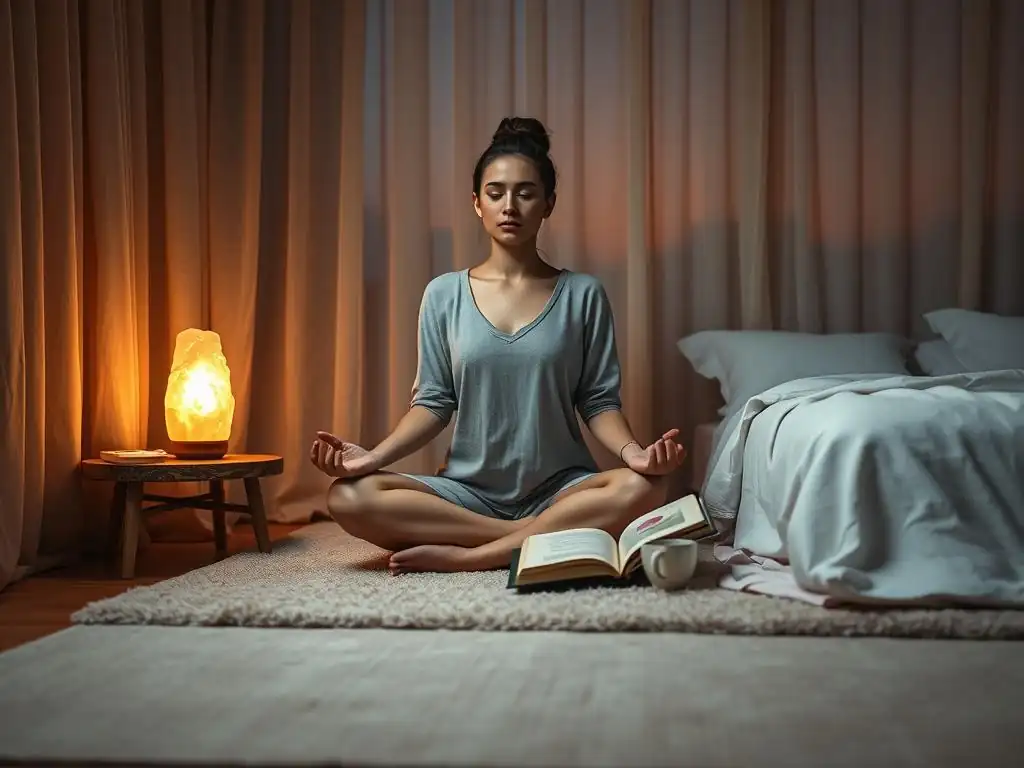
Diaphragmatic Breathing for Relaxation
Diaphragmatic breathing, also known as deep belly breathing, is a fundamental mindfulness sleep relaxation technique that can significantly help with sleep onset. Unlike shallow chest breathing, which can be associated with stress, diaphragmatic breathing engages the diaphragm, drawing air deep into the lungs. This type of breathing signals the parasympathetic nervous system to activate, promoting a state of calm and reducing the body's stress response. The simple act of focusing on the breath also serves as a powerful mindfulness practice, anchoring attention to the present moment and diverting the mind from worrying thoughts that prevent sleep.
To practice diaphragmatic breathing for sleep, lie comfortably in bed. Place one hand on your chest and the other on your belly, just below your rib cage. Inhale slowly and deeply through your nose, feeling your belly rise as your diaphragm pulls air down. Your chest should remain relatively still.
Exhale slowly through your mouth, gently contracting your abdominal muscles to push the air out, feeling your belly fall. Repeat this process, focusing on the sensation of the breath entering and leaving your body and the movement of your belly. Aim for a slow, steady rhythm, perhaps inhaling for a count of four and exhaling for a count of six. This simple technique can quiet the mind and relax the body within minutes, easing the transition into sleep.
Body Scan Meditation for Sleep
The body scan meditation is a specific mindfulness sleep relaxation technique that involves systematically bringing gentle, non-judgmental awareness to different parts of the body. This practice helps to release physical tension that you might not even realize you're holding and grounds your awareness in bodily sensations rather than getting lost in thoughts. By focusing on the physical body, you redirect mental energy away from worries or to-do lists that keep you awake. It's a passive process of observation, not trying to change anything, just noticing what is present.
To perform a body scan for sleep, lie down comfortably. Close your eyes and take a few deep breaths to settle in. Begin by bringing your attention to your feet. Simply notice any sensations present – warmth, coolness, tingling, pressure. There's no need to judge or analyze, just observe.
After a few moments, gently move your attention up to your ankles, then your calves, knees, thighs, and so on, progressively moving through your entire body: torso, arms, hands, neck, and finally your head and face. As you encounter tension, simply notice it and breathe into that area, allowing it to soften if possible, but without force. If your mind wanders, gently guide your attention back to the body part you were focusing on. Many people find they drift off to sleep before completing the scan.
Visualization for Calmness and Sleep
Visualization is a potent mindfulness sleep relaxation technique that uses the power of imagination to create a sense of calm and peace conducive to sleep. It involves creating vivid mental images of serene and relaxing scenes, engaging the senses to make the experience feel more real. By immersing yourself in a peaceful mental landscape, you effectively distract the mind from stressful thoughts and evoke a relaxation response in the body. The key is to choose a scene that feels genuinely calming and pleasant to you.
Common visualizations for sleep include picturing yourself in a tranquil natural setting, such as a peaceful beach with gentle waves, a quiet forest glade, or a serene lakeside at sunset. As you visualize the scene, try to engage all your senses. What do you see? What sounds do you hear (e.g., gentle waves, rustling leaves)? What do you feel (e.g., warm sand, cool breeze)?
What do you smell (e.g., salty air, damp earth)? Some people also find it helpful to imagine a feeling, like warmth spreading through their body, or a gentle, calming light. Focus on the details of the scene and the feeling of peace it evokes. Allow yourself to become fully absorbed in this mental retreat, letting go of external worries as you sink deeper into the imagined tranquility, paving the way for natural sleep.
Relaxation Techniques for Deep Sleep
Progressive Muscle Relaxation (PMR)
Progressive Muscle Relaxation (PMR) is a widely used mindfulness sleep relaxation technique that involves tensing and then releasing different muscle groups in the body. This systematic process helps individuals become more aware of physical tension and learn how to release it, promoting a state of deep physical relaxation that is highly conducive to falling and staying asleep. By consciously creating tension and then letting it go, you highlight the contrast between tension and relaxation, making the feeling of release more noticeable and profound.
To practice PMR for sleep, lie comfortably in bed. Begin with one set of muscles, perhaps your feet. Gently tense the muscles in your feet, holding the tension for about 5-10 seconds. Notice the sensation of the tension.
Then, exhale and completely release the tension from your feet, letting them go limp. Pay attention to the feeling of relaxation washing over that area for 10-20 seconds before moving on. Work your way up the body, tensing and releasing each muscle group: calves, thighs, buttocks, abdomen, chest, back, hands, forearms, upper arms, shoulders, neck, and face. This process systematically releases physical stress throughout the body, making it easier to relax both physically and mentally for deeper sleep.
Autogenic Training for Sleep
Autogenic Training is a relaxation technique developed in Germany that uses verbal cues or phrases to evoke sensations of warmth and heaviness in different parts of the body, which are associated with deep relaxation. It's based on the principle that the body can be trained to induce a state of relaxation through focused suggestion. While it may take some practice to master, it can be a powerful tool for promoting deep sleep by calming the nervous system and reducing physiological arousal.
The practice involves repeating specific phrases mentally or softly aloud, focusing on different bodily sensations. Common phrases include: "My right arm is heavy," "My left arm is heavy," "Both arms are heavy." Then moving to warmth: "My right arm is warm," "My left arm is warm," "Both arms are warm." This progresses through legs, abdomen ("My abdomen is warm"), and regulating heartbeat and breath ("My heartbeat is calm and regular," "My breath is calm and regular").
Finally, bringing warmth to the forehead ("My forehead is cool"). By systematically suggesting these sensations, you induce a state of deep physical and mental relaxation, similar to the state achieved during sleep. Practicing Autogenic Training as part of your bedtime routine can train your body to enter a relaxed state more easily, supporting deep and restorative sleep.
White Noise and Ambient Sounds for Sleep
While not strictly mindfulness sleep relaxation techniques in the traditional sense, incorporating white noise or ambient sounds can significantly enhance the sleep environment and support relaxation, making mindfulness and relaxation practices more effective. White noise is a sound that contains all audible frequencies played at equal intensity, creating a consistent sound masking background noises. Ambient sounds, like gentle rain, ocean waves, or nature sounds, provide a soothing auditory backdrop.
These sounds work by creating a consistent, predictable sound environment that helps to block out sudden or jarring noises (like traffic, house creaks, or noisy neighbors) that could otherwise disrupt sleep. For individuals with Tinnitus, they can also help mask the ringing sound. The predictability of the sound can also be calming and help prevent the brain from becoming alert due to silence or sudden sounds.
Many people find the gentle, consistent sound provides a focal point for their attention, similar to focusing on the breath in mindfulness, which helps quiet a busy mind. While they don't involve internal mental practice like meditation, using white noise or ambient sounds as part of your sleep hygiene routine complements mindfulness sleep relaxation techniques by creating an optimal external environment for rest.
Addressing Sleep Disruptions with Mindfulness
Managing Intrusive Thoughts Before Sleep
One of the most common obstacles to falling asleep is a mind filled with intrusive thoughts, worries, or mental chatter. Trying to force these thoughts away often makes them more persistent. Mindfulness offers a different approach: learning to observe these thoughts without getting entangled in them. Instead of identifying with the thoughts ("I am stressed about tomorrow"), mindfulness encourages you to see them as transient mental events ("There is a thought about being stressed about tomorrow"). This subtle shift in perspective can significantly reduce the emotional charge and power that thoughts hold over you.
When intrusive thoughts arise while you are trying to sleep, acknowledge their presence without judgment. You can mentally label them ("thinking," "worrying") and then gently redirect your attention back to a chosen anchor, such as the sensation of your breath, the feeling of your body against the bed, or a body scan. It's not about stopping the thoughts entirely, which is often impossible, but about changing your relationship with them.
Each time your mind wanders, gently bring it back. This practice builds mental resilience and trains your brain to be less reactive to thoughts, making it easier to disengage from the mental loop that prevents sleep. This application of mindfulness sleep relaxation techniques directly addresses the mental hyperactivity that is a major barrier to rest.
Mindfulness for Anxiety and Worry Reduction
Anxiety and chronic worry are deeply intertwined with sleep problems. Individuals with generalized anxiety disorder, for instance, often report significant sleep disturbances. Mindfulness practices, including meditation and body awareness, are effective in reducing overall anxiety levels, which in turn improves sleep. By regularly practicing mindfulness, you develop the ability to recognize anxious thoughts and feelings as they arise and learn to observe them with a sense of distance rather than being overwhelmed by them. This creates space between you and your anxiety.
Techniques like mindful breathing or observing emotions without judgment can help to calm the nervous system and reduce the physiological symptoms of anxiety, such as rapid heart rate or muscle tension, which interfere with sleep. Over time, consistent mindfulness practice can rewire the brain's response to stress, reducing the frequency and intensity of worry episodes, particularly those that surface at night. Incorporating mindfulness sleep relaxation techniques into your daily routine, not just at bedtime, builds a foundation of reduced anxiety that pays dividends when you lie down to sleep, making it easier to let go of the day's worries.
Mindfulness-Based Cognitive Therapy for Insomnia
For individuals struggling with chronic insomnia, Mindfulness-Based Cognitive Therapy for Insomnia (MBCT-I) is a specialized treatment that combines cognitive therapy principles with mindfulness practices. Unlike traditional sleep aids, MBCT-I focuses on changing the relationship with sleep and the thoughts and behaviors that perpetuate insomnia. It addresses issues like sleep-related worry, catastrophic thinking about sleeplessness, and the effortful struggle to fall asleep.
MBCT-I teaches participants to become more aware of their thoughts, feelings, and bodily sensations around sleep without judgment. It uses techniques like mindful meditation, body scan, and mindful movement to help individuals observe their experience of sleeplessness with acceptance rather than frustration or fear.
A core component is learning to relate differently to the experience of being awake at night, reducing the anxiety that often accompanies insomnia. Studies have shown that MBCT-I can significantly improve sleep quality and reduce insomnia severity, sometimes as effectively as traditional CBT-I, by helping individuals cultivate a more peaceful and accepting relationship with sleep and wakefulness, effectively leveraging mindfulness sleep relaxation techniques in a structured therapeutic context.
Long-Term Benefits of Mindfulness and Relaxation for Sleep

Improved Sleep Quality and Efficiency
Consistently practicing mindfulness sleep relaxation techniques offers significant long-term benefits for sleep quality and efficiency. Sleep quality refers to how restorative your sleep is, including the proportion of time spent in deep and REM sleep stages. Sleep efficiency is the amount of time you spend actually sleeping while in bed, calculated as a percentage. Chronic stress and anxiety not only make it hard to fall asleep but also lead to more fragmented sleep with less time spent in these crucial restorative stages.
Regular engagement with mindfulness and relaxation helps regulate the nervous system, reducing the overall level of physiological arousal. This allows for easier transitions into sleep and supports more stable sleep architecture throughout the night, increasing the time spent in deep sleep and REM sleep.
Studies and anecdotal reports from long-term practitioners often indicate fewer awakenings during the night and a greater feeling of being rested upon waking. Over months of consistent practice, individuals frequently report a noticeable improvement in both how quickly they fall asleep (reduced sleep latency) and how consolidated and refreshing their sleep feels, leading to higher sleep efficiency and overall better sleep quality.
Reduced Stress and Anxiety
Beyond improving sleep directly, a primary long-term benefit of mindfulness sleep relaxation techniques is a significant reduction in overall stress and anxiety levels. These practices cultivate a greater capacity to manage difficult emotions and thoughts during waking hours, which naturally translates to a calmer state of mind at bedtime. By regularly observing thoughts and feelings without judgment, individuals develop a greater sense of perspective and resilience when faced with daily stressors.
This reduced baseline level of stress means the "fight or flight" response is less likely to be triggered intensely or chronically. Lower cortisol levels and a more balanced nervous system contribute to a state of physiological calm that makes relaxation and sleep much more accessible. Many practitioners report feeling less overwhelmed by life's challenges and experiencing less anticipatory anxiety about sleep itself. This virtuous cycle – reduced stress leading to better sleep, and better sleep leading to improved stress management – is a powerful long-term outcome of integrating mindfulness and relaxation into daily life.
Enhanced Cognitive Function and Well-being
Improved sleep quality, facilitated by mindfulness sleep relaxation techniques, has profound positive impacts on cognitive function and overall well-being. Chronic sleep deprivation impairs concentration, memory, problem-solving abilities, and decision-making. Getting sufficient, restful sleep is essential for optimal brain function, allowing for memory consolidation, cognitive flexibility, and sustained attention.
When sleep improves, individuals often experience enhanced focus, sharper memory, and improved creativity. Beyond cognitive benefits, better sleep significantly boosts mood, emotional regulation, and resilience. People who sleep well tend to report higher levels of happiness, less irritability, and a greater ability to cope with daily challenges. This holistic improvement in mental clarity, emotional stability, and physical energy contributes to a greater sense of well-being and quality of life, demonstrating the far-reaching positive effects of prioritizing sleep through practices like mindfulness and relaxation.
Troubleshooting Sleep Challenges with Mindfulness
Addressing Initial Challenges with Mindfulness
Starting any new practice, including mindfulness sleep relaxation techniques, can come with initial challenges. Many people report feeling frustrated when their mind still wanders during meditation or when relaxation techniques don't immediately lead to sleep. It's important to approach these initial experiences with patience and self-compassion, core tenets of mindfulness itself. The goal is not to achieve perfect stillness or instant sleep, but to practice the techniques and cultivate a different relationship with your thoughts and body.
If your mind is racing, simply notice that this is happening without judgment. Gently bring your attention back to your chosen anchor (breath, body scan, visualization). It's completely normal for the mind to wander; the practice is in the noticing and returning. If you feel frustrated, acknowledge the feeling of frustration.
Trying too hard to relax can be counterproductive; instead, focus on simply allowing relaxation to happen. Remember that these are skills that improve with consistent practice. Even short, imperfect sessions are beneficial. Don't give up if you don't see dramatic results on the first night; commit to practicing regularly, perhaps for just 5-10 minutes nightly, and observe the subtle shifts over time.
Adapting Your Practice for Optimal Results
Finding the most effective mindfulness sleep relaxation techniques often involves some experimentation and adaptation. What works well for one person may not be the best fit for another. Pay attention to how different techniques make you feel. Does diaphragmatic breathing feel calming, or does focusing on the breath make you more anxious? Does a body scan help you relax, or do you find visualization more soothing? Don't be afraid to try different methods and stick with the ones that resonate most with you.
Consider combining techniques or adjusting the duration. Perhaps a short 5-minute body scan followed by several minutes of focused breathing is most effective. You might find that listening to a guided meditation is more helpful than practicing silently.
Consistency is often more important than duration; a short, regular practice is usually more beneficial than infrequent long sessions. Also, consider the timing – some people prefer practicing their main technique once in bed, while others benefit from a longer relaxation session earlier in the evening as part of their wind-down routine. Be flexible, listen to your body and mind, and adapt your approach to find what supports your sleep best.
When to Seek Professional Sleep Support
While mindfulness sleep relaxation techniques are powerful tools for improving sleep, they are not a substitute for professional medical advice or treatment, especially in cases of severe or chronic sleep disorders. If you have been consistently struggling with insomnia (difficulty falling or staying asleep) for three months or longer, or if your sleep problems are significantly impacting your daily functioning, it is important to consult a healthcare professional.
A doctor can rule out underlying medical conditions that might be contributing to your sleep issues, such as sleep apnea, restless legs syndrome, or hormonal imbalances. They may recommend a sleep study or refer you to a sleep specialist. Additionally, a therapist or counselor specializing in sleep disorders, such as one trained in Cognitive Behavioral Therapy for Insomnia (CBT-I) or Mindfulness-Based Cognitive Therapy for Insomnia (MBCT-I), can provide structured, evidence-based support. While continuing to use mindfulness and relaxation as complementary practices, seeking professional help ensures you receive appropriate diagnosis and treatment for complex sleep challenges.
Conclusion: Prioritizing Mindfulness and Relaxation for Sleep
Optimizing sleep is a vital component of overall health and well-being, and mindfulness sleep relaxation techniques offer accessible and effective strategies to achieve more restful nights. Understanding the profound impact of stress and anxiety on our ability to sleep highlights the importance of learning to calm the mind and body. By integrating practices like diaphragmatic breathing, body scan meditation, visualization, progressive muscle relaxation, and autogenic training into a consistent bedtime routine, individuals can create a powerful pathway towards improved sleep onset and deeper, more restorative sleep.
Beyond the immediate benefits of falling asleep faster and sleeping more soundly, the long-term effects of these techniques include reduced overall stress and anxiety, enhanced cognitive function, and a greater sense of general well-being. While initial challenges may arise, patience, self-compassion, and adapting practices to suit individual needs are key. For persistent or severe sleep difficulties, seeking professional guidance is a crucial step. By making mindfulness sleep relaxation techniques a priority, you invest in not just better sleep tonight, but in a foundation of calm and resilience that supports vibrant health and vitality in all areas of life.
Frequently Asked Questions
How can mindfulness help me sleep better?
Mindfulness helps by reducing racing thoughts and promoting a state of present moment awareness. This allows you to detach from stressful worries that often keep you awake.
What are some simple relaxation techniques I can use before bed?
Try deep breathing exercises, progressive muscle relaxation, or listening to calming music. These techniques help lower your heart rate and prepare your body for sleep.
Is mindfulness sleep relaxation a quick fix for insomnia?
No, it's not a quick fix. It's a skill that develops with consistent practice and patience. It's best used as part of a holistic approach to sleep hygiene.
Where can I find resources to learn more about mindfulness sleep relaxation techniques?
Mind Care Guide offers articles, guided meditations, and links to external resources. You can also search for qualified therapists specializing in mindfulness-based therapies.
How long should I practice mindfulness sleep relaxation each night?
Start with just 5-10 minutes and gradually increase as needed. Consistency is more important than duration; aim for regular practice over longer sessions sporadically.
Final Reflection: Cultivating the Sanctuary of Sleep
The pursuit of restful sleep is no longer a luxury; it's a fundamental necessity for a healthy and productive life. In a world saturated with constant stimulation and relentless demands, the ability to quiet the mind and body before sleep has become a crucial skill, impacting everything from our cognitive function to our emotional well-being. This article explored practical mindfulness and relaxation techniques to reclaim the sanctuary of sleep, and their impact is more relevant now than ever.
The journey towards better sleep is a deeply personal one, a continuous process of self-discovery and self-compassion. The techniques discussed—from mindful breathing to progressive muscle relaxation—are not merely tools but pathways to a deeper understanding of our inner landscape. They offer a space to connect with the present moment, to release the anxieties of the day, and to cultivate a sense of calm that permeates every aspect of our lives. As the poet Mary Oliver wisely wrote: Pay attention. Be astonished. Tell about it.
This is precisely what these practices encourage—a mindful attention to the body and breath, leading to astonishment at the peace that can be found within, and a desire to share this transformative experience.
Now, consider your own sleep habits. What small adjustments can you make tonight to create a more peaceful bedtime routine? Perhaps it's incorporating a few minutes of mindful breathing before bed, or listening to calming music. Maybe it's creating a relaxing bedtime ritual that signals to your body it's time to unwind. The journey to better sleep begins with a single step, a single breath, a single moment of mindful awareness. Embrace the power of these techniques, and discover the transformative potential of a truly restful night's sleep. Your well-being depends on it.
Unlock Your Best Sleep Yet!
Thanks for taking the time to explore the power of mindfulness for better sleep! We hope you gained valuable insights into creating a more restful night. Now it's time to put your new knowledge into action.
- Prioritize a calming bedtime routine: Try incorporating a few minutes of meditation or gentle stretching before bed. Notice the difference it makes in your sleep quality.
- Share your sleep journey: Tell us about your experiences with mindfulness and sleep in the comments below – your insights might help others!
- Experiment with a guided meditation: Find a free guided sleep meditation online and try it for a week. Track your sleep to see how it impacts you.
Ready to experience the transformative power of a truly restful night's sleep? What small change will you make tonight to enhance your sleep experience?