
The Role of Nature in Stress Reduction: Bringing the Outdoors In

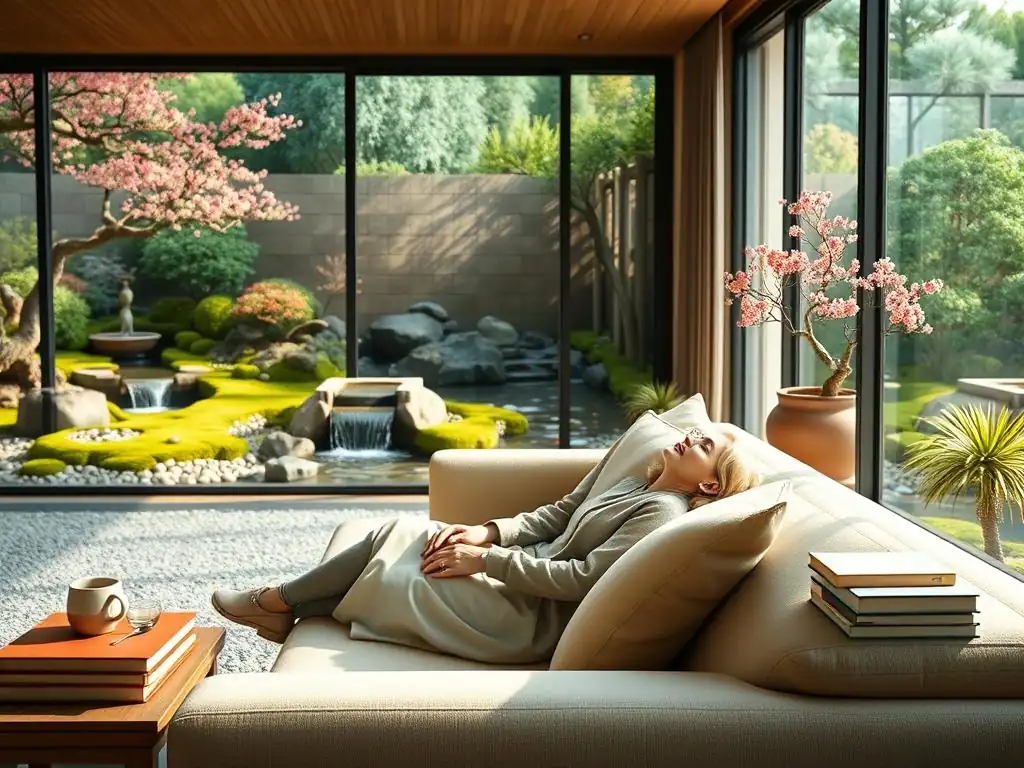
Welcome to Mind Care Guide, a sanctuary for your mental well-being.
Feeling overwhelmed? In today's fast-paced world, stress can feel inescapable. But what if the answer to finding peace was closer than you think? Dive into our Nature Stress Reduction Benefits Guide and discover the profound healing power of the natural world. Are you ready to unlock the secrets to a calmer, more centered you? Let's explore how bringing the outdoors in can transform your mental health.
The Role of Nature in Stress Reduction: Bringing the Outdoors In
Navigating the demands of modern life often leads to increased stress levels, impacting both our mental and physical health. While many stress management techniques exist, one powerful, yet often overlooked, resource is nature itself. Connecting with the natural world offers profound benefits for reducing stress and enhancing overall well-being. This guide explores how integrating nature into your life, whether outdoors or indoors, can be a vital part of your personal nature stress reduction benefits guide.
- Nature's Calming Effect: Benefits for Stress Reduction
- Exploring the Science of Nature's Stress Reduction Benefits
- Practical Ways to Harness Nature's Stress-Relieving Power
- Bringing the Outdoors In: Creating a Nature-Inspired Sanctuary
- Nature-Based Activities for Stress Management
- Overcoming Barriers to Nature Exposure for Improved Mental Health
- The Future of Nature and Mental Health: Emerging Trends and Research
- Conclusion: Embracing Nature for Sustainable Stress Reduction and Mental Well-being
-
Frequently Asked Questions
- How does spending time in nature actually reduce stress?
- What are some specific "nature stress reduction benefits" highlighted in the guide?
- Can I experience "nature stress reduction benefits" without physically going outdoors?
- What types of activities, as detailed in the "Nature stress reduction benefits guide," are most effective for stress reduction in nature?
- Is there any scientific evidence to support the claim that nature reduces stress, as mentioned in this "Nature stress reduction benefits guide"?
- Final Reflection: Reconnecting with Nature for a Calmer You
- Unwind Your Mind: Bring Nature's Calm into Your Daily Life
Nature's Calming Effect: Benefits for Stress Reduction
Spending time in nature has a universally recognized calming effect. From the rustling leaves to the gentle flow of water, natural environments seem to possess an inherent ability to soothe the mind and body. Understanding the deep-rooted connection between humans and nature helps illuminate why it is such a potent tool for stress relief.
Understanding the Biophilia Hypothesis
The biophilia hypothesis, popularized by biologist E.O. Wilson, proposes that humans have an innate tendency to seek connections with nature and other forms of life. This isn't just a philosophical idea; it's rooted in our evolutionary history. For millennia, our survival depended on our ability to understand and interact with the natural world around us. This deep connection is believed to influence our psychological well-being today.
This inherent connection means that exposure to natural settings can trigger positive emotional responses and reduce negative ones. Studies have shown that simply viewing scenes of nature can promote feelings of peace and tranquility, while urban scenes often trigger feelings of stress or anxiety. This suggests that our brains are wired to respond positively to natural stimuli, making nature a fundamental component of any effective nature stress reduction benefits guide.
Why Nature is Essential for Stress Management
In our increasingly urbanized and technology-driven world, disconnection from nature is common, potentially exacerbating stress. Nature provides a stark contrast to the often overstimulating and demanding environments of daily life. It offers space for quiet reflection, sensory engagement (like the smell of pine or the feel of soil), and a sense of perspective often lost in the hustle.
Furthermore, engaging with nature encourages physical activity, which is a known stress reliever. Whether it's a gentle walk in a park or a more vigorous hike, being active outdoors combines the physical benefits of exercise with the psychological benefits of natural exposure. This dual impact makes nature exposure a uniquely powerful strategy for managing stress and improving mental resilience.
Exploring the Science of Nature's Stress Reduction Benefits
The positive effects of nature on stress are not merely anecdotal; they are supported by a growing body of scientific evidence. Research has delved into the physiological and psychological mechanisms through which nature exerts its calming influence, providing a strong scientific basis for its inclusion in a nature stress reduction benefits guide.
Physiological Impact: Lowering Cortisol and Blood Pressure
One of the most significant physiological effects of nature exposure is its impact on stress hormones. Studies have consistently shown that spending time in natural environments can lead to a reduction in cortisol, the body's primary stress hormone. For example, research indicates that participants who spent time walking in a forest showed significantly lower cortisol levels compared to those who walked in an urban setting.
Beyond hormonal changes, nature also positively affects cardiovascular health. Time spent in green spaces has been linked to lower blood pressure and heart rate. One study found that even short visits to a park for just 20 minutes could measurably lower stress hormone levels. These physiological shifts demonstrate that nature doesn't just feel good; it actively helps regulate the body's stress response systems.
Psychological Impact: Boosting Mood and Reducing Anxiety
The psychological benefits of nature are equally compelling. Exposure to natural environments has been shown to improve mood, decrease feelings of anxiety, and reduce rumination (repetitive negative thoughts). The restorative effects of nature are thought to replenish our cognitive resources, which can be depleted by the demands of daily life.
Being in nature can also foster a sense of awe and wonder, shifting our focus away from personal stressors and promoting a broader perspective. This can lead to decreased feelings of being overwhelmed and an increased sense of calm. For individuals seeking a comprehensive nature stress reduction benefits guide, understanding these psychological impacts highlights why spending time outdoors is more than just a pleasant pastime – it's a therapeutic intervention.
Practical Ways to Harness Nature's Stress-Relieving Power

Integrating nature into your life doesn't necessarily require moving to the wilderness. There are many practical ways to access its benefits, even in urban settings. From specific practices like forest bathing to simple daily habits, small changes can yield significant results in stress reduction.
Forest Bathing (Shinrin-Yoku): Benefits and Practice
Shinrin-yoku, or "forest bathing," is a Japanese practice that involves immersing oneself in the atmosphere of the forest. It's not about hiking or strenuous activity, but rather about slow, mindful presence among trees. The practice encourages engaging all your senses – seeing the green, smelling the forest air, hearing the birds, feeling the bark, and even tasting the clean air.
Research on Shinrin-yoku has shown impressive results, including reduced stress, lower blood pressure, improved mood, and even enhanced immune function (linked to inhaling phytoncides, airborne chemicals released by trees). To practice, find a natural area, turn off your phone, wander slowly, and simply be present. This mindful approach is a cornerstone of any effective nature stress reduction benefits guide.
Incorporating Nature into Your Daily Life for Stress Relief
Even short, regular doses of nature can be beneficial. This could involve taking your lunch break in a nearby park, walking a nature trail after work, or simply sitting by a window with a view of greenery. The key is consistency and intentionality.
Consider dedicating specific times each week to nature exposure, treating it as a non-negotiable appointment for your well-being. Even 10-15 minutes spent mindfully observing nature can help reset your nervous system and reduce feelings of tension. Integrating these small moments throughout your day can build a powerful cumulative effect on your stress levels.
Bringing the Outdoors In: Creating a Nature-Inspired Sanctuary
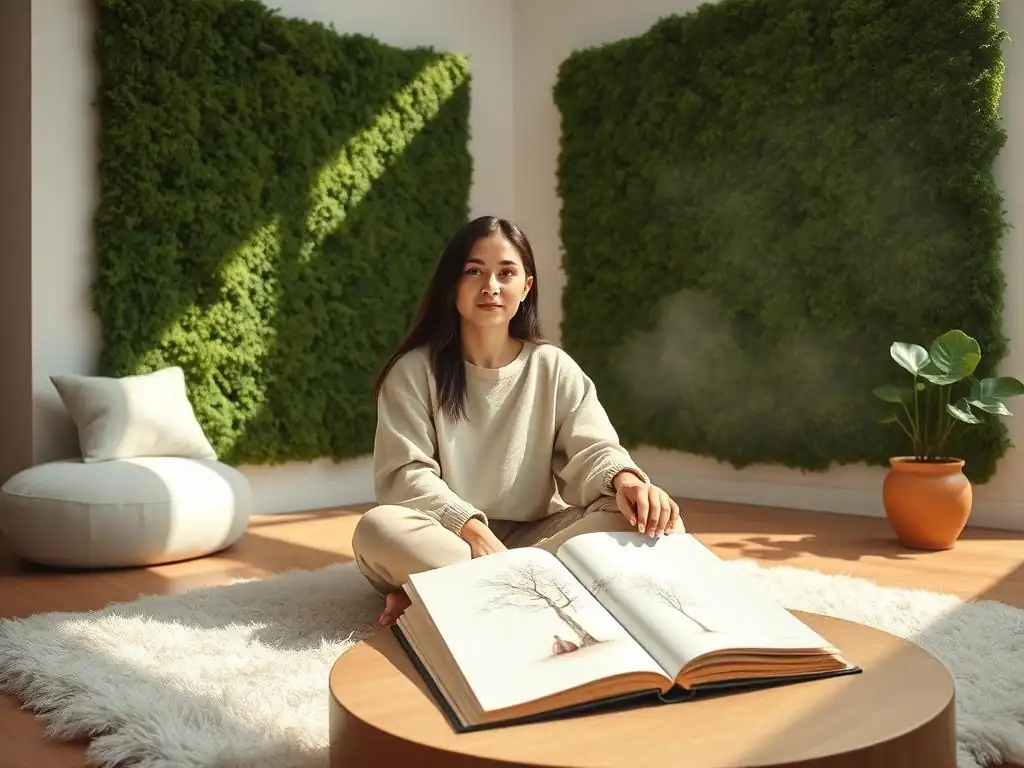
When outdoor access is limited, you can still benefit from nature's calming influence by bringing elements of the natural world into your home or workspace. Creating an indoor environment that mimics aspects of nature can contribute significantly to reducing stress and improving your mood.
Indoor Plants: Selecting Species for Air Purification and Relaxation
Indoor plants are more than just decoration; they are living elements that can enhance your indoor environment. Certain species are particularly effective at purifying the air by filtering out common toxins, which can contribute to a healthier living space. Plants like the Snake Plant, Spider Plant, and Peace Lily are well-known for their air-purifying qualities according to studies like NASA's Clean Air Study (though their effectiveness in typical home conditions varies).
Beyond air quality, the mere presence of plants has been linked to reduced stress and increased feelings of calm. Caring for plants can also be a meditative activity. Choose plants that thrive in your indoor conditions and place them where they are visible and can be enjoyed, contributing to your personal nature stress reduction benefits guide right inside your home.
Natural Light and Ventilation: Optimizing Your Environment
Maximizing natural light is crucial for well-being. Exposure to daylight helps regulate our circadian rhythms, improving sleep patterns and reducing feelings of fatigue and stress. Position your workspace or relaxation areas near windows and use sheer curtains to allow light in while maintaining privacy.
Proper ventilation, allowing fresh air to circulate, also contributes to a healthier and less stressful indoor environment. Opening windows daily, even for a short period, can refresh the air and bring in natural scents and sounds, creating a more vibrant and less stagnant space.
Nature Sounds and Aromatherapy: Enhancing Relaxation
Incorporating nature sounds can be a simple yet effective way to evoke a sense of calm indoors. Listening to recordings of rain, ocean waves, or forest ambient sounds can mask disruptive noises and create a peaceful auditory environment. These sounds are often used in meditation and relaxation practices.
Aromatherapy using natural essential oils derived from plants can also enhance relaxation. Scents like lavender, chamomile, or cedarwood are known for their calming properties. Using a diffuser with these natural aromas can help create a soothing atmosphere, complementing other efforts to build a nature-inspired sanctuary and support your nature stress reduction benefits guide.
Nature-Based Activities for Stress Management
Engaging in specific activities that connect you with nature can be powerful tools for stress relief. These activities often combine physical movement, mindfulness, and sensory engagement with the natural world, offering a holistic approach to managing stress.
Gardening and Horticulture Therapy: Cultivating Calmness
Gardening is a therapeutic activity that provides both physical exercise and mental relaxation. The act of working with soil, planting seeds, and nurturing growth can be incredibly grounding and calming. Studies have shown that gardening can reduce symptoms of depression and anxiety, improve mood, and decrease stress hormones.
Horticulture therapy, a formal practice using plants and gardening to promote well-being, is employed in various settings, including hospitals and rehabilitation centers. Even simple home gardening, whether in a backyard or containers on a balcony, can offer significant mental health benefits, making it a valuable addition to a nature stress reduction benefits guide.
Hiking and Outdoor Exercise: Reaping the Rewards
Combining physical activity with nature exposure amplifies the stress-reducing effects. Hiking, trail running, or simply taking a brisk walk in a natural setting provides the endorphin boost from exercise along with the calming influence of the environment. The varied terrain and sensory input of nature can also make exercise feel less monotonous than indoor alternatives.
Regular outdoor exercise is linked to lower levels of perceived stress and improved overall mental resilience. Aim for consistency, even if it's just a 30-minute walk a few times a week. The fresh air, natural scenery, and physical movement work together to effectively combat stress.
Mindfulness in Nature: Connecting with the Present Moment
Practicing mindfulness while in nature enhances its stress-reducing benefits. Instead of just walking through a park, intentionally notice the details around you: the patterns on leaves, the texture of bark, the sounds of birds, the feeling of the breeze on your skin. Engage your senses fully with the natural world.
This practice anchors you in the present moment, pulling your attention away from worries about the past or future. Mindful walks, sitting meditation in a garden, or simply pausing to observe a sunset can deepen your connection with nature and significantly enhance its calming effects. This conscious engagement is a key element of a comprehensive nature stress reduction benefits guide.
Overcoming Barriers to Nature Exposure for Improved Mental Health
Despite the clear benefits, accessing nature can be challenging for many people due to various constraints. Identifying and addressing these barriers is essential to making nature-based stress reduction accessible to everyone.
Time Constraints and Busy Schedules: Finding Creative Solutions
Modern life often leaves little free time, making dedicated trips to nature seem impossible. However, creative solutions exist. Look for small pockets of time: a 15-minute break in a nearby courtyard, walking to your destination via a route with trees, or spending part of your lunch break outdoors.
Prioritize nature exposure by scheduling it into your week like any other important appointment. Even short, frequent exposures are beneficial. Consider combining nature time with other activities, like meeting a friend for a walk in the park instead of coffee indoors. Small, consistent efforts build momentum and contribute to long-term stress reduction.
Accessibility Issues: Bringing Nature to You
Urban living, mobility issues, or lack of transportation can make accessing traditional natural spaces difficult. In these cases, focus on bringing nature closer. Utilize small urban green spaces, community gardens, or even rooftop gardens.
As discussed, bringing plants indoors, maximizing natural light, and using nature-inspired decor can also create a more naturalistic environment at home. Virtual reality nature experiences are also emerging as a way to provide a sense of immersion for those unable to physically access outdoor spaces, offering a potential facet of a modern nature stress reduction benefits guide.
Addressing Fears and Concerns About the Outdoors
Some individuals may have fears related to insects, wildlife, weather, or getting lost. Start small and gradually increase your comfort level. Begin with well-maintained parks or botanical gardens before venturing into more remote areas. Go with a friend or join a guided nature walk.
Education about local flora and fauna can also alleviate fears. Understanding potential risks and how to mitigate them (like dressing appropriately for weather or knowing basic trail etiquette) can build confidence. Remember that even small doses of nature exposure can be beneficial, so find the level of engagement that feels comfortable for you.
The Future of Nature and Mental Health: Emerging Trends and Research
The understanding of nature's role in mental health is continually evolving, with new research exploring innovative ways to leverage this connection. Emerging trends highlight exciting possibilities for integrating nature into healthcare and daily life more formally.
The Role of Technology in Connecting with Nature (e.g., Virtual Reality)
While technology is often seen as a barrier to nature, it can also be a bridge. Virtual reality (VR) is being explored as a therapeutic tool to deliver nature experiences to individuals who are hospitalized, immobile, or lack access to real green spaces. Studies have shown that VR nature exposure can reduce pain, anxiety, and stress levels, offering a promising avenue for future interventions.
Mobile apps that identify plants and animals, track walks in nature, or guide mindful outdoor practices also encourage engagement with the natural world. Technology can serve as a gateway, helping people discover and interact with nature in new ways, potentially expanding the reach of a nature stress reduction benefits guide.
Personalized Nature Prescriptions for Mental Wellness
A growing trend involves healthcare professionals issuing "nature prescriptions." Doctors or therapists might recommend specific doses of time in nature (e.g., "spend 30 minutes in a park twice a week") as part of a treatment plan for conditions like anxiety, depression, or chronic stress.
These prescriptions often include guidance on how to engage with nature mindfully. This formal recognition by the medical community underscores the powerful therapeutic potential of nature and suggests a future where nature exposure is a standard, personalized component of mental healthcare, reinforcing its role as a key element in a comprehensive nature stress reduction benefits guide.
Conclusion: Embracing Nature for Sustainable Stress Reduction and Mental Well-being
Integrating nature into your life is a powerful, accessible, and sustainable strategy for managing stress and enhancing mental well-being. From understanding the deep biological connection we share with the natural world to exploring the scientific evidence of its physiological and psychological benefits, the case for nature's role in stress reduction is compelling.
By exploring practical ways to connect with nature, both outdoors and by bringing elements indoors, and by addressing common barriers, you can harness this ancient resource. As research continues to unfold and innovative approaches emerge, embracing nature promises to be an increasingly vital part of any effective approach to achieving lasting calm and resilience.
Frequently Asked Questions
How does spending time in nature actually reduce stress?
Spending time in nature can lower cortisol levels, the body's primary stress hormone. It also promotes relaxation and a sense of calm through sensory experiences like fresh air and natural sounds.
What are some specific "nature stress reduction benefits" highlighted in the guide?
The guide emphasizes benefits like improved mood, decreased anxiety, and enhanced cognitive function. It also touches upon nature's ability to foster a sense of connection and belonging.
Can I experience "nature stress reduction benefits" without physically going outdoors?
Yes, you can! The guide explores bringing nature indoors through elements like plants, natural light, and nature-inspired sounds or images. These can offer a degree of stress relief.
What types of activities, as detailed in the "Nature stress reduction benefits guide," are most effective for stress reduction in nature?
The guide suggests activities such as mindful walking, forest bathing (Shinrin-Yoku), and simply sitting and observing nature. The key is to engage all your senses and be present in the moment.
Is there any scientific evidence to support the claim that nature reduces stress, as mentioned in this "Nature stress reduction benefits guide"?
Absolutely! The guide references studies showing that exposure to nature can reduce blood pressure, heart rate, and muscle tension. These physiological changes contribute to stress reduction.
Final Reflection: Reconnecting with Nature for a Calmer You
The pervasive stress of modern life demands a powerful antidote, and the evidence overwhelmingly points to the restorative power of nature. Our exploration of nature's stress-reducing benefits reveals a profound connection between the natural world and our mental and physical well-being, a connection often overlooked in our increasingly urbanized existence. This isn't just a fleeting trend; it's a fundamental truth about our human experience.
The impact of nature on our emotional landscape is undeniable, shaping our cultural narratives and influencing our individual approaches to wellness. From the ancient practice of forest bathing to the modern popularity of urban green spaces, humanity has instinctively sought solace in the natural world. As the renowned environmentalist, Richard Louv, eloquently stated: Nature deficit disorder is not a medical diagnosis, but it is a descriptive term for the human costs of alienation from nature.
This quote underscores the urgency of re-integrating nature into our lives, not just for individual well-being, but for the collective health of our society.
Now, consider your own relationship with nature. What steps can you take today to cultivate a deeper connection with the natural world? Perhaps it's a simple walk in a park, tending a small garden, or even incorporating natural elements into your home décor. No matter how small the action, the impact on your stress levels and overall well-being will be significant. Embrace the opportunity to reconnect, to breathe deeply, and to find peace in the restorative embrace of nature. Your well-being – and the planet's – will thank you for it.
Unwind Your Mind: Bring Nature's Calm into Your Daily Life
Thanks for taking the time to explore the powerful connection between nature and stress reduction! We hope you found practical ways to incorporate the outdoors into your wellbeing routine. Now, let's put these ideas into action:
- Prioritize a daily nature moment: Even 5 minutes spent observing a plant, listening to birdsong, or simply breathing fresh air can make a significant difference. Try setting a reminder on your phone to step outside for a mindful break!
- Share your nature sanctuary: Tell us about your favorite place to connect with nature – your local park, a quiet garden, or even a potted plant on your windowsill. Inspire others to find their own calming escapes!
- Experiment with nature-based practices: Explore nature journaling, forest bathing (Shinrin-yoku), or simply creating a nature-themed space in your home. What unique ways can you integrate nature into your daily life?
What small step will you take today to enhance your connection with nature and reduce stress?