
Specific Yoga Styles and Their Mental Health Benefits

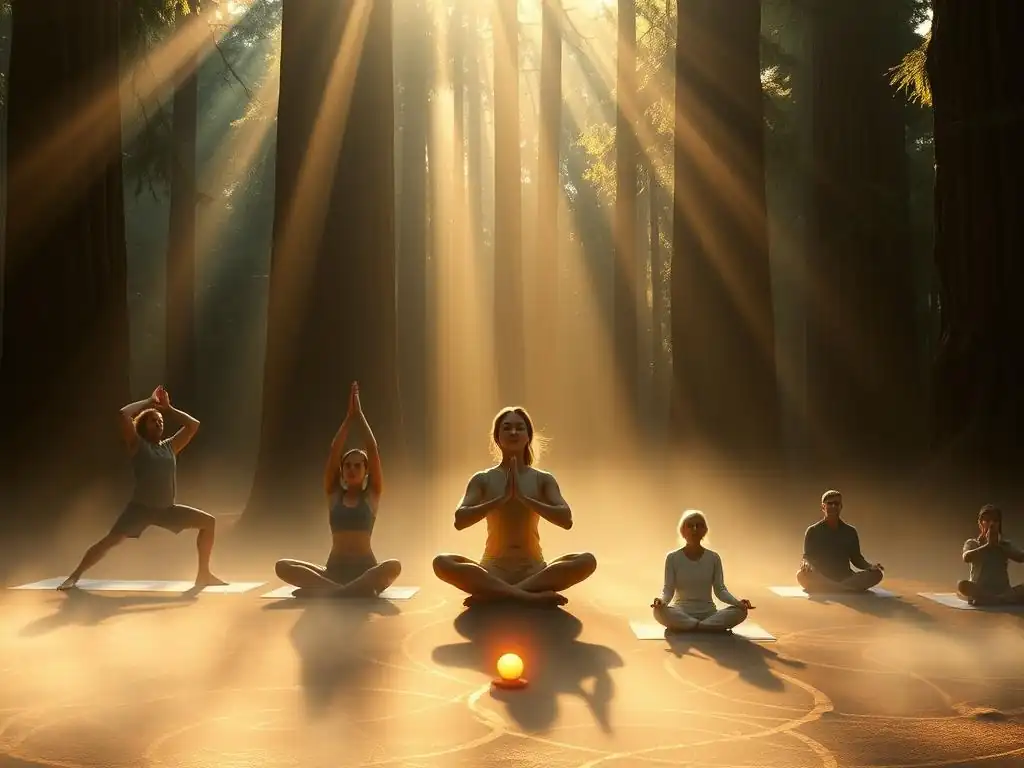
Welcome to Mind Care Guide, a safe space dedicated to nurturing your mental well-being.
Feeling overwhelmed or simply seeking a deeper connection with yourself? You're not alone. Discover how ancient practices can offer modern solutions. This guide dives deep into the fascinating world of Yoga styles mental health benefits, unveiling how specific poses and techniques can unlock profound emotional and mental resilience. Ready to explore how yoga can transform your inner landscape? Let's begin...
Yoga Styles and Their Mental Health Benefits: A Comprehensive Guide
- Understanding Yoga's Impact on Mental Wellbeing
- Hatha Yoga: Gentle Poses for Stress Reduction
- Vinyasa Yoga: Flowing Movement for Mood Enhancement
- Restorative Yoga: Deep Relaxation for Trauma Recovery
- Kundalini Yoga: Awakening Energy for Emotional Balance
- Yin Yoga: Holding Poses for Emotional Release
- Yoga Nidra: Guided Sleep for Deep Relaxation and Mental Health Improvement
- Choosing the Right Yoga Style for Your Mental Health Needs
- Integrating Yoga into Your Mental Health Routine
- Yoga Styles Mental Health Benefits: Scientific Evidence and Research
-
Frequently Asked Questions
- What are some specific yoga styles known for their mental health benefits?
- How does yoga, in general, contribute to improved mental well-being?
- Can yoga help with specific mental health conditions like anxiety or depression?
- How often should I practice yoga to experience mental health benefits?
- Are there any potential risks or considerations when using yoga for mental health?
- Final Reflection: Finding Your Path to Inner Peace Through Yoga
- Unlock Your Inner Peace: Start Your Yoga Journey Today!
Understanding Yoga's Impact on Mental Wellbeing
The Connection Between Yoga and Mental Health: An Overview
Yoga, an ancient practice originating in India, encompasses physical postures (asana), breathing techniques (pranayama), meditation, and ethical principles. While often perceived primarily as a physical exercise, its profound impact on mental health has been increasingly recognized and studied. Research suggests that regular yoga practice can significantly influence the body's stress response system, including the hypothalamic-pituitary-adrenal (HPA) axis, which plays a crucial role in regulating mood, stress, and emotions. By calming the nervous system, yoga helps reduce the production of stress hormones like cortisol.
Furthermore, the practice cultivates mindfulness, encouraging individuals to focus on the present moment without judgment. This non-reactive awareness can help individuals observe their thoughts and feelings from a distance, reducing rumination and worry, common features of anxiety and depression. Studies, such as those published in the Journal of Alternative and Complementary Medicine, have shown that consistent yoga practice can lead to measurable reductions in symptoms associated with various mental health conditions, highlighting the potent connection between these ancient techniques and modern psychological well-being. Exploring different yoga styles mental health benefits offers a path to improved emotional regulation and resilience.
Exploring the Mind-Body Connection in Yoga Practice
At the core of yoga's effectiveness for mental health lies its emphasis on the intricate connection between the mind and body. Through physical postures and breath control, practitioners become more attuned to their bodily sensations and emotional states. This heightened interoceptive awareness—the ability to perceive internal bodily signals—is linked to better emotional regulation. When stressed or anxious, physical symptoms like tense muscles, shallow breathing, or a racing heart often manifest. Yoga provides tools to recognize these physical cues and actively work to alleviate them through conscious movement and breath.
For example, holding a challenging pose might bring awareness to physical discomfort, mirroring how emotional discomfort is held in the body. Learning to breathe through the physical challenge in a pose can translate into learning to breathe through emotional difficulty in life. This embodied approach helps dismantle the artificial separation between mental and physical health, demonstrating how tending to the body directly impacts the mind. Understanding the specific yoga styles mental health benefits allows individuals to choose practices that best support their unique journey towards holistic wellness.
Hatha Yoga: Gentle Poses for Stress Reduction
Hatha Yoga for Beginners: Easing Anxiety and Promoting Relaxation
Hatha yoga is often considered a foundational style, focusing on basic postures held for several breaths, combined with simple breathing exercises. Its slower pace and emphasis on alignment make it particularly accessible for beginners, including those new to physical activity or struggling with significant anxiety. The gentle, deliberate movements help ground the practitioner in the present moment, providing a distraction from anxious thought patterns.
Research indicates that even a few sessions of Hatha yoga can lead to a noticeable decrease in self-reported anxiety levels. For instance, a study involving participants with generalized anxiety disorder found that a regular Hatha yoga practice significantly reduced anxiety symptoms and improved perceived stress levels over several weeks. The focus on holding poses steadily allows the nervous system to settle, promoting a state of calm that can extend beyond the yoga mat. This makes Hatha one of the most recommended yoga styles mental health benefits for those seeking a gentle entry point.
Benefits of Hatha Yoga for Mental Clarity and Focus
Beyond relaxation, Hatha yoga can significantly enhance mental clarity and focus. The practice requires concentration to maintain postures and coordinate movement with breath, training the mind to stay present rather than wandering. This deliberate mental effort strengthens attention span and reduces mental clutter.
Holding poses for sustained periods, such as Warrior II or Tree Pose, demands both physical stability and mental concentration. Over time, this practice can improve cognitive functions like attention, memory, and executive function. A study published in the Journal of Physical Activity and Health found that participants who engaged in Hatha yoga showed improved performance on cognitive tasks compared to a control group. By cultivating a calm yet focused state, Hatha yoga provides tangible yoga styles mental health benefits for enhancing cognitive performance and reducing mental fatigue.
Vinyasa Yoga: Flowing Movement for Mood Enhancement
Vinyasa Yoga and its Impact on Reducing Symptoms of Depression
Vinyasa yoga is characterized by a dynamic, flowing sequence of postures linked together by breath. This continuous movement elevates the heart rate and can have effects similar to moderate aerobic exercise, which is known to release endorphins—natural mood boosters. The rhythmic nature of Vinyasa, moving from one pose to the next, can also be deeply meditative, providing a moving meditation that occupies the mind and helps interrupt cycles of negative thinking common in depression.
Studies exploring the impact of Vinyasa yoga on mood have shown promising results. For example, research published in Complementary Therapies in Medicine found that regular Vinyasa practice was associated with reduced symptoms of depression and improved overall emotional well-being in participants. The physical exertion and focus required to maintain the flow can help individuals feel more energized and empowered, counteracting feelings of lethargy and hopelessness often associated with depressive states. The engaging nature of this style contributes significantly to its yoga styles mental health benefits.
The Energetic Benefits of Vinyasa Flow for Mental Health
The "flow state" achieved in Vinyasa yoga, where the mind becomes completely absorbed in the activity, can be incredibly beneficial for mental health. This state reduces self-consciousness and allows for a release of pent-up energy and emotion. The continuous, fluid transitions between poses create a sense of vitality and dynamism in the body.
Furthermore, the vigorous nature of Vinyasa can help dissipate physical tension that often accompanies stress and anxiety. The heat generated during the practice is thought to aid in detoxification and improve circulation, contributing to a general feeling of well-being. Participants often report feeling lighter, more energized, and less burdened after a Vinyasa class, highlighting the powerful energetic yoga styles mental health benefits this practice offers.
Restorative Yoga: Deep Relaxation for Trauma Recovery

Restorative Yoga for Calming the Nervous System and Reducing PTSD Symptoms
Restorative yoga is a gentle, therapeutic style that uses props like bolsters, blankets, and blocks to support the body in passive stretches, held for extended periods. The goal is deep relaxation and the activation of the parasympathetic nervous system, often referred to as the "rest and digest" state. This counteracts the "fight or flight" response triggered by stress and trauma.
For individuals who have experienced trauma or live with conditions like PTSD, the nervous system can become hyper-vigilant. Restorative yoga provides a safe space to practice stillness and gentle release, helping to downregulate the nervous system. Research, including studies on trauma-sensitive yoga, shows that practices emphasizing safety, choice, and gentle movement, like Restorative yoga, can significantly reduce PTSD symptoms, improve emotional regulation, and decrease dissociation. The deeply calming nature is a key aspect of these specific yoga styles mental health benefits.
Guided Meditation and Mindfulness in Restorative Yoga for Mental Wellbeing
Many Restorative yoga classes incorporate elements of guided meditation and mindfulness, further enhancing their therapeutic benefits for mental health. While the body is fully supported in comfortable poses, the mind is guided towards relaxation and present-moment awareness. This combination allows for a profound release of physical and emotional tension.
In this deeply relaxed state, the body can begin to process stress and trauma held within tissues. Guided meditation can help cultivate feelings of safety and peace, which are crucial for healing from trauma. By fostering a sense of being fully present and supported, Restorative yoga with mindfulness practices provides a powerful tool for individuals seeking to calm an overactive mind and body, promoting a sense of security and well-being.
Kundalini Yoga: Awakening Energy for Emotional Balance
Kundalini Yoga Techniques for Managing Stress and Improving Emotional Resilience
Kundalini yoga is a dynamic style that combines physical postures, vigorous breathwork (pranayama), meditation, chanting (mantra), and hand gestures (mudra). It is often referred to as the "yoga of awareness" and aims to awaken the energy believed to lie dormant at the base of the spine. The practice involves specific sequences called "kriyas," designed to produce particular effects on the body and mind.
The combination of intense breathwork and repetitive movements in Kundalini yoga can be highly effective for managing stress and building emotional resilience. The challenging nature of some kriyas helps practitioners confront physical and mental discomfort, building tolerance and mental fortitude. Studies suggest that Kundalini yoga can significantly reduce anxiety and depressive symptoms. For example, research on individuals with mild to moderate depression found that a course of Kundalini yoga was as effective as cognitive behavioral therapy in reducing symptoms, demonstrating its potent yoga styles mental health benefits.
The Role of Breathwork (Pranayama) in Kundalini Yoga for Mental Health
Breathwork is a central component of Kundalini yoga, often more emphasized than in other styles. Techniques like Breath of Fire (rapid, forceful breathing) or long, deep breathing are used to cleanse the body, increase vitality, and alter states of consciousness. These practices directly impact the autonomic nervous system, helping to regulate heart rate and stress responses.
By consciously manipulating the breath, practitioners gain a direct tool for influencing their emotional state. Fast, invigorating breaths can dispel lethargy and increase alertness, while slow, deep breaths can calm anxiety and promote relaxation. This mastery over the breath provides individuals with immediate strategies for managing challenging emotions and stressful situations, significantly contributing to the unique yoga styles mental health benefits offered by Kundalini.
Yin Yoga: Holding Poses for Emotional Release
Yin Yoga for Releasing Tension and Addressing Emotional Blockages
Yin yoga is a slow-paced style where poses, primarily seated or lying down, are held for longer durations, typically 3-5 minutes or even longer. The practice targets the deep connective tissues, such as fascia, ligaments, and joints, rather than the muscles. Emotion and trauma can often be stored in these connective tissues, making Yin yoga a powerful practice for physical and emotional release.
Holding poses for extended periods can bring awareness to areas of physical tension, which often correspond to emotional holding patterns. As the body softens and releases in a pose, buried emotions or memories may surface. This can be an intense but ultimately cathartic process. By staying present with the sensations and emotions that arise, practitioners can learn to process and release them, addressing emotional blockages. This depth of release is a core element of Yin yoga styles mental health benefits.
The Benefits of Yin Yoga for Promoting Self-Awareness and Acceptance
The extended holds in Yin yoga create ample space for introspection and mindfulness. Without the constant movement of a flow practice or the vigorous effort of more active styles, the mind has an opportunity to quiet down and observe internal states. This practice cultivates patience, stillness, and a deep sense of self-awareness.
By staying with uncomfortable sensations or emotions that arise during a pose without reacting or trying to fix them immediately, practitioners learn acceptance—accepting the body as it is in that moment, accepting the emotions that are present. This cultivation of self-awareness and acceptance is profoundly therapeutic, helping individuals develop a more compassionate relationship with themselves and their experiences. This introspective quality is a significant aspect of Yin yoga styles mental health benefits.
Yoga Nidra: Guided Sleep for Deep Relaxation and Mental Health Improvement
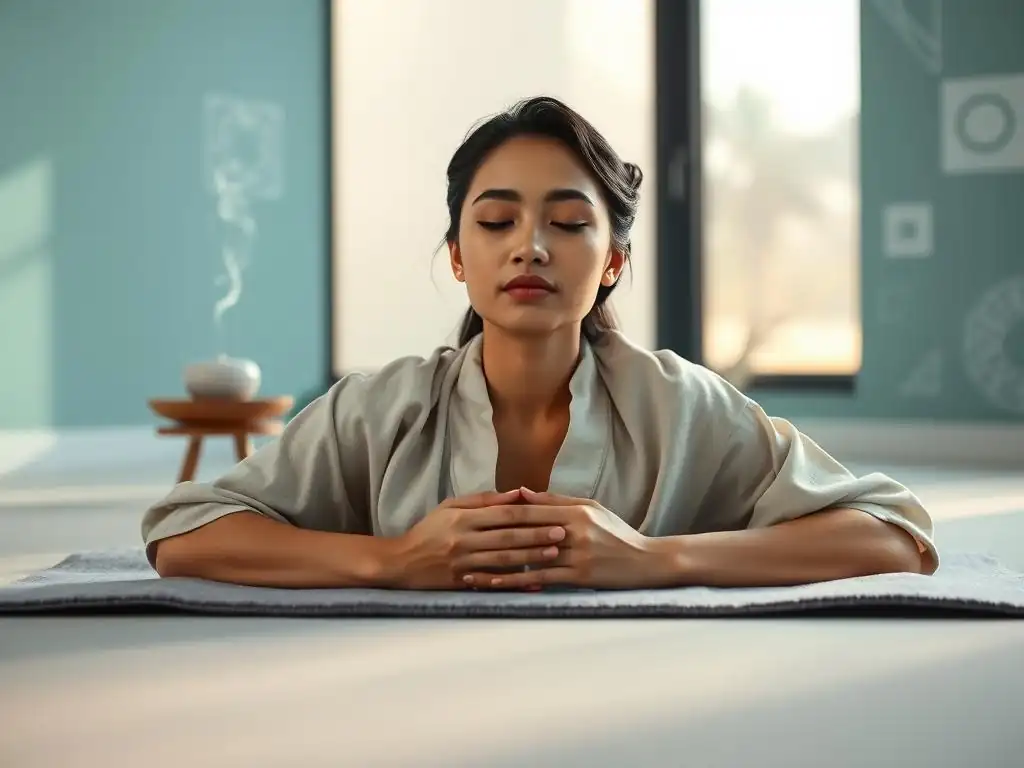
Yoga Nidra for Insomnia and Promoting Sleep Quality
Yoga Nidra, often translated as "yogic sleep," is a state of conscious deep relaxation guided by an instructor. The practitioner lies down comfortably and is guided through a systematic process of relaxation, moving awareness through different parts of the body, breath, and visualizations. While the body is in a state of deep rest, the mind remains awake and aware.
This practice is exceptionally effective for addressing sleep disturbances like insomnia. By inducing a state of profound relaxation that is deeper than typical sleep, Yoga Nidra helps reset the nervous system and calm the racing mind that often prevents sleep. Research has shown that regular Yoga Nidra practice can improve sleep quality, reduce the time it takes to fall asleep, and decrease nighttime awakenings. The ability to consciously relax the body and mind is a significant yoga styles mental health benefit for those struggling with sleep.
Using Yoga Nidra for Managing Anxiety and Promoting a Sense of Calm
Beyond sleep, Yoga Nidra is a powerful tool for managing anxiety and cultivating a deep sense of calm. The systematic relaxation process releases physical and mental tension, directly counteracting the physiological symptoms of anxiety. The guided meditation aspect helps quiet the analytical mind and reduces overthinking and worry.
During Yoga Nidra, practitioners are often guided to set a "sankalpa," or heartfelt intention. This positive affirmation, planted in the relaxed state, can help rewire negative thought patterns and promote healing. The practice teaches the body and mind how to enter a state of deep rest on command, providing individuals with a potent self-regulation tool to access calm amidst stress or anxiety. This accessible path to profound relaxation is a major advantage of Yoga Nidra styles mental health benefits.
Choosing the Right Yoga Style for Your Mental Health Needs
Assessing Your Mental Health Needs and Yoga Preferences
Selecting the most beneficial yoga style for your mental health journey involves honest self-assessment. Consider your current mental health challenges: Are you primarily struggling with anxiety, depression, trauma, stress, or difficulty focusing? Different styles offer distinct benefits addressing these specific issues. For instance, someone experiencing high anxiety might benefit from the calming nature of Hatha or Restorative yoga, while someone with depression might find the energetic flow of Vinyasa more uplifting.
Also, reflect on your preferences and comfort level. Do you prefer gentle, slow movements or a more dynamic, challenging practice? Are you comfortable with stillness and introspection, or do you need movement to help process emotions? Your personality and physical condition also play a role. Trying different styles, perhaps through introductory classes or online resources, can be an excellent way to discover what resonates most deeply with you and provides the specific yoga styles mental health benefits you seek.
Considerations for Choosing a Yoga Style Based on Specific Mental Health Conditions
When choosing a yoga style with specific mental health conditions in mind, it's wise to consider the style's characteristics in relation to your symptoms. For anxiety, styles that emphasize breath control and calming the nervous system like Hatha, Restorative, or gentle Vinyasa can be beneficial. For depression, more active styles like Vinyasa or Kundalini might help increase energy and shift mood, while also incorporating mindfulness to manage negative thoughts.
For trauma recovery, trauma-sensitive yoga approaches, often based on gentle Hatha or Restorative principles, are highly recommended as they prioritize creating a safe, predictable environment and empowering the individual with choice. For issues with focus or ADHD, styles that require concentration like Hatha or Kundalini might be helpful. Remember that consistency is key; finding a style you enjoy and can commit to regularly will yield the greatest yoga styles mental health benefits. Consulting with a mental health professional or a trauma-informed yoga instructor can also provide valuable guidance.
Integrating Yoga into Your Mental Health Routine
Creating a Personalized Yoga Practice for Mental Wellbeing
Integrating yoga into your mental health routine doesn't necessarily mean attending daily studio classes. A personalized practice can be built at home, tailored to your schedule, energy levels, and specific needs on any given day. Start small, perhaps with 15-20 minutes a few times a week. You can mix styles—maybe a gentle Restorative practice when feeling overwhelmed, or a short Vinyasa flow for an energy boost.
Consider incorporating elements from different styles that you find beneficial: perhaps a few minutes of Hatha poses for grounding, followed by some Kundalini breathwork for energy, and ending with a short Yoga Nidra for relaxation. The goal is consistency, not perfection. Find resources like online classes, apps, or books that guide you. Tracking your mood and energy levels before and after practice can help you understand the specific yoga styles mental health benefits you are gaining and refine your routine over time.
Tips for Finding a Qualified Yoga Instructor for Mental Health Support
While home practice is valuable, learning from a qualified instructor, especially one with experience or training in trauma-informed yoga or yoga for mental health, can significantly enhance your practice and safety. A good instructor can provide proper alignment cues, modify poses for physical limitations or emotional discomfort, and create a supportive environment.
Look for instructors who emphasize the mind-body connection and offer variations for different needs. Websites like the Yoga Alliance or the International Association of Yoga Therapists may list certified instructors. Don't hesitate to ask about their training, experience with mental health conditions, and teaching philosophy. Attending a few different classes or having an initial conversation can help you find someone whose approach aligns with your goals and helps you safely explore the rich yoga styles mental health benefits available.
Yoga Styles Mental Health Benefits: Scientific Evidence and Research
Summarizing Research Findings on Yoga and Mental Health Outcomes
Scientific research increasingly supports the anecdotal evidence of yoga's positive impact on mental health. Numerous studies have demonstrated that regular yoga practice can lead to statistically significant reductions in symptoms of anxiety, depression, and stress. For example, meta-analyses pooling data from multiple studies have found medium to large effect sizes for yoga's effectiveness in reducing depressive symptoms, comparable to or complementing traditional therapies.
Research also highlights yoga's role in improving physiological markers associated with stress, such as lowering cortisol levels and increasing heart rate variability, an indicator of a more resilient nervous system. Specific studies on PTSD have shown reductions in symptom severity and improvements in emotional regulation. While research is ongoing and more large-scale, controlled studies are needed, the existing body of evidence strongly suggests that exploring various yoga styles mental health benefits is a valid and effective complementary approach to supporting psychological well-being.
Further Resources and Support for Yoga and Mental Health
For those interested in delving deeper into the science behind yoga styles mental health benefits or finding support, several resources are available. Academic databases like PubMed or PsycINFO can provide access to published research studies. Organizations like the International Association of Yoga Therapists (IAYT) offer information on yoga therapy, which is a more clinical application of yoga tailored to specific health conditions, including mental health challenges.
Many mental health organizations and wellness centers now offer yoga programs specifically designed for anxiety, depression, or trauma. Online platforms provide access to a wide range of classes and workshops. Remember that yoga is a complementary practice and should not replace professional mental health treatment. Integrating yoga alongside therapy, medication (if prescribed), and other forms of support can create a comprehensive approach to achieving and maintaining mental wellness.
Frequently Asked Questions
What are some specific yoga styles known for their mental health benefits?
Certain styles like Hatha yoga are great for general relaxation and stress reduction. Yin yoga, with its longer holds, can help release emotional blockages. Other styles such as Restorative yoga are also very beneficial.
How does yoga, in general, contribute to improved mental well-being?
Yoga combines physical postures, breathing techniques, and meditation. This combination helps reduce stress hormones like cortisol and increases feelings of calm and well-being.
Can yoga help with specific mental health conditions like anxiety or depression?
Yes, studies have shown that regular yoga practice can significantly reduce symptoms of anxiety and depression. It promotes mindfulness and a sense of control, which can be helpful in managing these conditions.
How often should I practice yoga to experience mental health benefits?
Even short, regular sessions (20-30 minutes) a few times a week can be beneficial. Aim for at least three sessions per week to start, and adjust based on your individual needs and preferences.
Are there any potential risks or considerations when using yoga for mental health?
While generally safe, it's important to listen to your body and avoid pushing yourself too hard. If you have pre-existing physical or mental health conditions, consult with a healthcare professional before starting a new yoga practice.
Final Reflection: Finding Your Path to Inner Peace Through Yoga
The connection between specific yoga styles and mental well-being is not merely a trend; it's a powerful tool readily available to improve our mental health in today's demanding world. The increasing prevalence of anxiety and depression highlights the urgent need for accessible and effective self-care strategies, and the tailored benefits offered by different yoga styles provide a compelling answer.
This exploration into the diverse world of yoga has profoundly impacted my understanding of the mind-body connection. The research uncovered throughout this article underscores the importance of finding the right style to meet individual needs. It's not a one-size-fits-all approach; rather, a personalized journey of self-discovery. Yoga is the journey of the self, through the self, to the self.
- The Bhagavad Gita. This ancient wisdom rings truer than ever as we navigate the complexities of modern life and seek solace in practices that nurture both our physical and mental strength.
Consider the insights gained within this article as a starting point for your own exploration. Don't be afraid to experiment with different yoga styles to discover which resonates most deeply with your needs and preferences. Whether it's the calming flow of Yin Yoga, the invigorating energy of Vinyasa, or the mindful focus of Hatha, the path to improved mental well-being begins with a single step onto the mat. Embrace the journey, and allow the transformative power of yoga to guide you towards a more peaceful and balanced life.
Unlock Your Inner Peace: Start Your Yoga Journey Today!
Thanks for taking the time to explore the incredible connection between yoga and mental wellbeing! We hope you gained valuable insights into the different styles and their unique benefits. Now it's time to put that knowledge into practice.
- Find your perfect yoga style: Consider the styles discussed and identify which one best suits your personality and current needs. Even a short, daily practice can make a significant difference.
- Share your yoga journey: Tell your friends and family about the mental health benefits you've discovered. Inspire others to find their inner peace!
- Try a new pose this week: Challenge yourself to learn a new pose from one of the styles mentioned – even small steps can lead to big breakthroughs in your practice and your mental state.
What specific mental health benefit are you most excited to cultivate through your yoga practice? Let’s discuss in the comments!