
Culturally Sensitive Counseling: Finding Support That Understands Indigenous Experiences

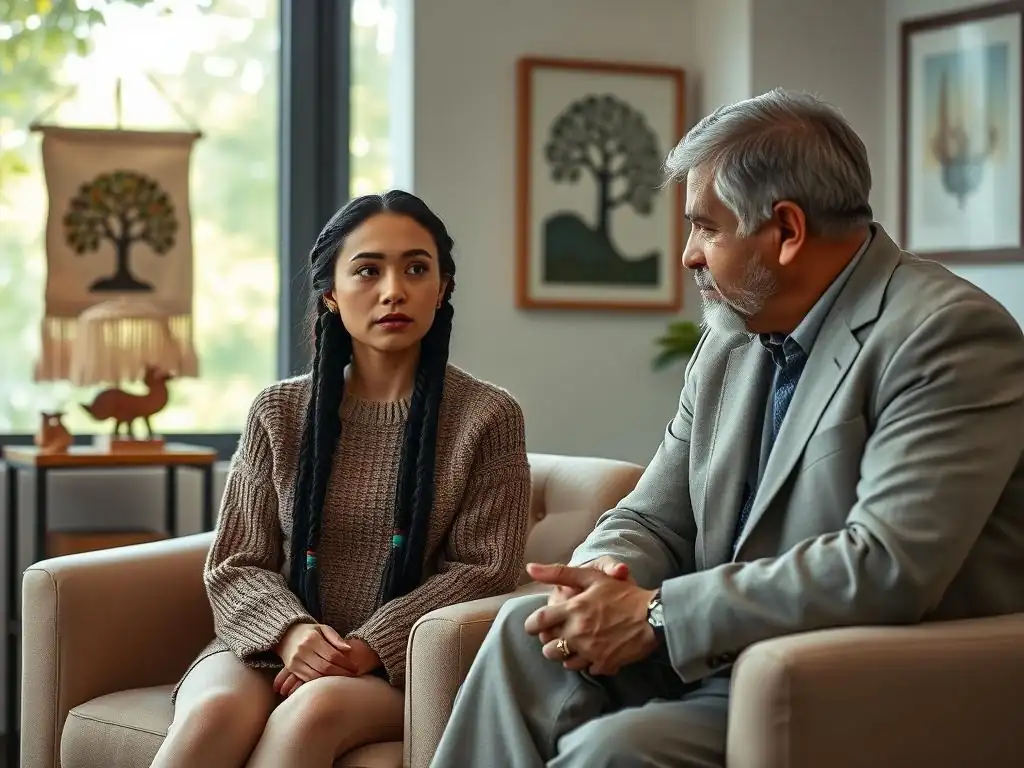
Welcome to Mind Care Guide, a sanctuary for your mental well-being.
Are you searching for mental health support that truly understands your unique experiences? Navigating the complexities of mental health can be especially challenging for Indigenous communities, and finding culturally sensitive care is paramount. This week, we delve into the vital topic of Indigenous mental health counseling support, exploring resources and approaches that honor tradition and promote healing. Discover how culturally informed counseling can make a profound difference in your journey towards wellness. Ready to learn more and find the support you deserve? Let's begin.
- Indigenous Mental Health Counseling Support: A Guide to Culturally Sensitive Care
- The Unique Mental Health Challenges Faced by Indigenous Communities in Canada
- Finding Culturally Competent Mental Health Professionals in Canada
- Types of Culturally Sensitive Counseling Approaches for Indigenous Clients in Canada
-
Benefits of Culturally Relevant Mental Health Counseling for Indigenous Individuals in Canada
- Improved Mental Health Outcomes and Well-being: Reduced Rates of Suicide and Substance Abuse
- Strengthening Cultural Identity and Resilience: Reconnecting with Language and Traditions
- Fostering Trust and Collaboration in the Therapeutic Relationship: Building Relationships Based on Respect and Understanding
-
Resources for Indigenous Mental Health Support and Counseling in Canada
- National Organizations Providing Indigenous Mental Health Services: Native Women's Association of Canada, Inuit Tapiriit Kanatami
- Local Indigenous Community Centers and Support Groups: Friendship Centres, Tribal Councils
- Online Resources for Indigenous Mental Health Information and Assistance: Hope for Wellness Help Line
- Addressing Stigma and Promoting Mental Health Awareness in Indigenous Communities in Canada
- Supporting Indigenous Mental Health: A Path to Healing and Wellness in Canada
-
Frequently Asked Questions
- How does culturally sensitive counseling differ from traditional mental health counseling?
- What are some specific challenges faced by Indigenous individuals when seeking mental health support?
- What type of training or experience should I look for in an Indigenous mental health counselor?
- Where can I find reliable resources for Indigenous mental health counseling support?
- Why is it important to prioritize culturally sensitive mental health care for Indigenous communities?
- Final Reflection: Bridging the Gap in Indigenous Mental Health
- Unlock Your Healing Journey: Find Culturally Sensitive Support
Indigenous Mental Health Counseling Support: A Guide to Culturally Sensitive Care
Understanding the Importance of Culturally Sensitive Counseling for Indigenous Peoples
For many Indigenous individuals in Canada, seeking mental health support through conventional Western models can feel alienating and ineffective. Mainstream therapeutic approaches often do not adequately account for the profound impact of colonization, historical trauma, and the unique cultural worldviews, values, and spiritual beliefs that shape Indigenous identities and experiences. Without this understanding, counseling can inadvertently cause further harm or fail to address the root causes of distress.
Culturally sensitive mental health support recognizes that healing is deeply interconnected with culture, community, and history. It moves beyond mere cultural awareness to actively integrate Indigenous knowledge, practices, and perspectives into the therapeutic process. The goal is to provide Indigenous mental health counseling support that is not only clinically effective but also respectful, relevant, and empowering, fostering trust and promoting holistic well-being.
Defining Culturally Sensitive Mental Health Support
Culturally sensitive mental health support for Indigenous peoples is characterized by a commitment to understanding and respecting the diverse cultures, histories, and contemporary realities of First Nations, Inuit, and Métis communities. It involves practitioners who are aware of the historical context, including the legacy of residential schools and ongoing systemic discrimination, and how these factors influence mental health.
This type of support is delivered with cultural humility, meaning the counselor acknowledges they are not the expert on the client's culture but are willing to learn and follow the client's lead regarding the inclusion of cultural elements. It prioritizes building a relationship based on trust, respect, and collaboration, recognizing the client's inherent strengths and resilience rooted in their cultural identity and community. Providing effective Indigenous mental health counseling support necessitates this deep level of cultural understanding and adaptation.
The Unique Mental Health Challenges Faced by Indigenous Communities in Canada
Historical Trauma and its Impact on Indigenous Well-being in Canada: The Legacy of Residential Schools
The legacy of residential schools is a profound source of historical and intergenerational trauma that continues to impact the mental health of Indigenous peoples in Canada today. Operated from the 1800s to the late 20th century, these institutions forcibly removed over 150,000 Indigenous children from their families and communities, subjecting many to physical, emotional, and sexual abuse, and stripping them of their language and cultural identity. The Truth and Reconciliation Commission of Canada documented the devastating consequences of these institutions, labeling the system as cultural genocide.
This trauma has been passed down through generations, contributing to disproportionately high rates of mental health challenges within Indigenous communities. Compared to the general Canadian population, Indigenous peoples experience higher rates of depression, anxiety, post-traumatic stress disorder (PTSD), substance use disorders, and suicide. Addressing this complex trauma requires specialized and culturally informed approaches, highlighting the critical need for accessible and effective Indigenous mental health counseling support.
Systemic Barriers to Mental Health Care for Indigenous Individuals in Remote Canadian Communities
Accessing mental health care is significantly more challenging for Indigenous individuals, particularly those living in remote and rural communities across Canada. Geographical isolation often means limited or non-existent local mental health services, requiring long-distance travel for appointments, which is often cost-prohibitive and impractical. Furthermore, there is a critical shortage of mental health professionals willing and able to work in these areas, and even fewer who possess the necessary cultural competency to work effectively with Indigenous clients.
Beyond geography, systemic issues within the healthcare system create additional barriers. These include a lack of adequate funding for Indigenous-specific mental health programs, cultural differences between mainstream services and Indigenous worldviews, and language barriers for those who speak traditional languages. Many Indigenous individuals also harbor a deep mistrust of government-funded institutions due to past negative experiences, making them hesitant to seek help from conventional services. Overcoming these barriers is essential to providing equitable Indigenous mental health counseling support.
The Intersection of Culture and Mental Health in First Nations, Inuit, and Métis Communities
For First Nations, Inuit, and Métis peoples, mental well-being is intrinsically linked to cultural identity, connection to land, community relationships, and spiritual practices. The disruption of these vital connections through colonization, forced displacement, and cultural suppression has had a direct negative impact on mental health. Loss of language, disconnection from traditional territories, and the breakdown of community structures contribute to feelings of loss, grief, and identity struggles.
However, culture is also a source of immense strength and resilience. Engaging in cultural practices, participating in community events, connecting with Elders and knowledge keepers, and speaking traditional languages can be powerful protective factors against mental health challenges and crucial components of healing. Effective Indigenous mental health counseling support recognizes and leverages these cultural strengths, integrating them into the therapeutic process to promote holistic wellness that encompasses mental, emotional, physical, and spiritual dimensions.
Finding Culturally Competent Mental Health Professionals in Canada

What to Look for in an Indigenous Mental Health Counselor or Therapist in Canada
When seeking Indigenous mental health counseling support, it is crucial to find a practitioner who demonstrates cultural competence and sensitivity. This goes beyond basic awareness of Indigenous cultures; it involves a deep understanding of the historical context, including the impacts of residential schools and colonization, and how these histories shape current experiences. Look for counselors who are knowledgeable about Indigenous worldviews, values, and healing practices, and who approach their work with genuine humility and respect.
An effective culturally competent counselor will be willing to incorporate traditional healing practices into therapy if desired by the client and will prioritize building a trusting, collaborative relationship. They should be non-judgmental, understand the importance of family and community in the healing process, and be committed to ongoing learning about the specific cultural background of their clients. Their approach should empower the client and validate their lived experiences as Indigenous individuals.
Questions to Ask Potential Counselors About Cultural Sensitivity and Experience with Indigenous Clients
To gauge a potential counselor's cultural competence, it's helpful to ask specific questions during an initial consultation. Inquire about their experience working with Indigenous clients and their familiarity with the history and ongoing impacts of residential schools and colonization. Ask how they incorporate cultural perspectives or traditional healing practices into their therapeutic approach, and how they ensure their practice is respectful of Indigenous worldviews.
You might also ask about their understanding of intergenerational trauma and how they address it in therapy. Consider questions about their approach to working with families and communities, and their commitment to cultural safety. These questions can help you determine if the counselor is a good fit for providing the kind of Indigenous mental health counseling support that will feel safe, relevant, and effective for you.
Overcoming Barriers to Accessing Indigenous-Specific Mental Health Services in Rural and Urban Canada
Accessing culturally appropriate mental health services remains a challenge for many Indigenous peoples, whether in remote communities or urban centers. In rural areas, limited availability of services is a major hurdle. Urban settings may have more services, but finding those specifically tailored to Indigenous needs can still be difficult, and mainstream services may lack cultural competency.
Strategies for overcoming these barriers include connecting with local Indigenous community organizations such as Friendship Centres, Aboriginal Health Access Centres, or services provided through Tribal Councils or band offices. These organizations often offer direct counseling or can provide referrals to culturally appropriate practitioners or programs. Utilizing national helplines designed for Indigenous peoples or exploring telehealth options where available can also provide crucial access to Indigenous mental health counseling support, although these may have their own limitations. Advocating for increased funding and resources for Indigenous-led mental health initiatives is also vital for long-term systemic change.
Types of Culturally Sensitive Counseling Approaches for Indigenous Clients in Canada
Traditional Healing Practices and Integration with Modern Therapy: Smudging, Talking Circles, and Land-Based Healing
Culturally sensitive mental health counseling support for Indigenous clients often involves the integration of traditional healing practices alongside or in combination with Western therapeutic modalities. Practices such as smudging (a cleansing ceremony using sacred herbs like sage, sweetgrass, or tobacco) can create a sacred and safe space for healing. Talking circles provide a structured way for individuals to share their experiences and listen to others in a non-judgmental, communal setting, fostering connection and mutual support.
Land-based healing initiatives involve spending time on traditional territories, engaging in cultural activities like hunting, fishing, trapping, gathering medicines, or traditional arts. These practices promote healing by reconnecting individuals with the land, their culture, and their identity, addressing the spiritual and emotional wounds caused by disconnection. Integrating these practices requires collaboration with and guidance from Indigenous Elders and knowledge keepers, ensuring they are used respectfully and appropriately within the context of Indigenous mental health counseling support.
Indigenous-Led Mental Health Programs and Initiatives: Examples from Across Canada
Across Canada, numerous inspiring Indigenous-led mental health programs and initiatives have been developed by and for Indigenous communities. These programs are often rooted in traditional knowledge and practices while also incorporating relevant contemporary therapeutic approaches. Examples include community-based healing centres that offer a range of services from counseling to cultural programming, youth mentorship programs that connect young people with Elders, and land-based healing camps focused on trauma recovery.
These initiatives are vital because they are designed to address the specific needs and cultural contexts of the communities they serve. They prioritize community involvement, build on inherent strengths and resilience, and are often delivered by Indigenous practitioners who share similar lived experiences. Such programs represent a powerful form of Indigenous mental health counseling support that is culturally grounded and promotes collective as well as individual healing.
Trauma-Informed Care Tailored for Indigenous Experiences: Addressing Intergenerational Trauma
Trauma-informed care is an essential framework for providing mental health support to Indigenous clients, given the widespread impact of historical and intergenerational trauma. This approach recognizes that trauma is prevalent and understands how it can affect individuals' lives and behaviors. For Indigenous peoples, this means specifically acknowledging the trauma inflicted by colonization, residential schools, and ongoing systemic discrimination.
Tailoring trauma-informed care for Indigenous experiences involves creating safe, predictable, and trustworthy environments where clients feel secure enough to engage in healing. It emphasizes collaboration, choice, and control, empowering individuals in their recovery journey. This approach moves beyond focusing solely on symptoms to address the root causes of distress, helping individuals process past trauma and build resilience. It is a fundamental component of effective Indigenous mental health counseling support that acknowledges and validates the unique trauma histories of Indigenous peoples.
Benefits of Culturally Relevant Mental Health Counseling for Indigenous Individuals in Canada
Improved Mental Health Outcomes and Well-being: Reduced Rates of Suicide and Substance Abuse
Culturally relevant mental health counseling support has been shown to lead to improved outcomes for Indigenous individuals. When therapy respects cultural values, incorporates traditional practices, and addresses the impacts of historical trauma, clients are more likely to engage with services, remain in therapy, and experience positive changes. While precise, Canada-wide statistical data directly correlating culturally sensitive counseling to specific percentage drops in suicide or substance abuse rates is complex to isolate due to various influencing factors, numerous community reports and studies indicate that programs grounded in culture show promising results in reducing risk factors and promoting overall well-being.
For instance, community-led initiatives that integrate traditional healing have reported positive impacts on substance use patterns and mental health indicators among participants. Conversely, culturally inappropriate care can exacerbate feelings of alienation and mistrust, leading to poorer outcomes. Therefore, prioritizing culturally sensitive Indigenous mental health counseling support is crucial for making meaningful progress in addressing disparities in mental health outcomes.
Strengthening Cultural Identity and Resilience: Reconnecting with Language and Traditions
A significant benefit of culturally relevant mental health counseling is its role in strengthening a client's cultural identity and fostering resilience. For many Indigenous peoples, colonization has led to a disconnection from language, traditions, and cultural practices, which are vital sources of strength and identity. Therapy that encourages reconnection with these elements helps clients reclaim their heritage and build a stronger sense of self.
This renewed connection acts as a protective factor against mental health challenges. Resilience, the ability to bounce back from adversity, is deeply embedded in Indigenous cultures. Culturally sensitive counseling taps into this inherent resilience, helping individuals draw strength from their ancestors, traditions, and community. This goes beyond symptom management, contributing to a deeper, more holistic healing that empowers individuals through their cultural heritage.
Fostering Trust and Collaboration in the Therapeutic Relationship: Building Relationships Based on Respect and Understanding
Building a trusting therapeutic relationship is fundamental to effective counseling. For Indigenous clients, historical experiences of betrayal and harm by institutions, including healthcare systems, can make trust a significant barrier. Culturally sensitive counselors understand this historical context and work diligently to build relationships based on respect, honesty, and genuine understanding.
By demonstrating cultural humility, acknowledging the client's expertise on their own culture, and creating a safe space free from judgment, counselors can foster trust. This collaborative approach empowers the client and ensures that the therapy is aligned with their values and goals. A strong, trusting relationship built on cultural understanding is key to successful Indigenous mental health counseling support, allowing clients to feel safe enough to explore difficult issues and engage fully in the healing process.
Resources for Indigenous Mental Health Support and Counseling in Canada

National Organizations Providing Indigenous Mental Health Services: Native Women's Association of Canada, Inuit Tapiriit Kanatami
Several national organizations in Canada play a crucial role in advocating for and supporting the mental health needs of Indigenous peoples. Organizations like the Native Women's Association of Canada (NWAC) and Inuit Tapiriit Kanatami (ITK) work to address systemic issues, develop resources, and promote culturally appropriate services. While they may not provide direct counseling in all cases, they are invaluable sources of information, advocacy, and connections to services.
These national bodies often conduct research, develop policy recommendations, and raise awareness about the unique challenges faced by Indigenous communities. They can serve as a starting point for individuals seeking information about available resources or for understanding the broader landscape of Indigenous mental health counseling support and initiatives across the country.
Local Indigenous Community Centers and Support Groups: Friendship Centres, Tribal Councils
For many Indigenous individuals, the most accessible and culturally relevant resources are found within their own communities or nearby urban centers. Local Indigenous community centers, such as Friendship Centres (which serve urban Indigenous populations) and health or social services provided by First Nations, Inuit, or Métis governments or Tribal Councils, are vital hubs for support.
These local resources often offer a range of services, including counseling, cultural programs, Elder support, peer support groups, and referrals to specialized services. They are typically rooted in the community, staffed by people who understand the local context and culture, and provide a safe and welcoming environment. Connecting with these local centers is often the most direct path to finding culturally appropriate Indigenous mental health counseling support tailored to specific community needs.
Online Resources for Indigenous Mental Health Information and Assistance: Hope for Wellness Help Line
In addition to in-person services, several online and phone-based resources are available to provide immediate mental health support to Indigenous peoples across Canada. A prominent example is the Hope for Wellness Help Line, which offers immediate, culturally competent telephone and online chat crisis intervention and mental health counseling support 24 hours a day, seven days a week.
These online and phone resources are particularly valuable for those living in remote areas with limited local services, or for individuals who prefer anonymous support or need immediate assistance during a crisis. They are staffed by counselors who are knowledgeable about Indigenous cultures and the challenges faced by Indigenous peoples, providing a vital lifeline for accessing support and information related to Indigenous mental health counseling support.
Addressing Stigma and Promoting Mental Health Awareness in Indigenous Communities in Canada
The Role of Education and Advocacy in Reducing Stigma: Promoting Open Conversations about Mental Health
Stigma surrounding mental health exists in many communities, and Indigenous communities are no exception. Historical trauma, shame associated with experiences like residential schools, and a lack of understanding about mental illness can contribute to reluctance to seek help. Education about mental health as a legitimate health issue, not a moral failing or weakness, is crucial for breaking down these barriers.
Advocacy efforts, both internally within communities and externally, play a key role in normalizing mental health challenges and seeking support. Promoting open conversations about mental well-being, sharing information about available resources, and highlighting the importance of healing can help reduce stigma and encourage individuals to reach out for help, including accessing Indigenous mental health counseling support.
Creating Safe Spaces for Dialogue and Healing: Community Healing Gatherings
Creating safe and culturally appropriate spaces for dialogue and healing is essential for addressing mental health within Indigenous communities. Community-led initiatives such as healing circles, workshops, cultural camps, and community gatherings provide environments where individuals can share their experiences, find collective support, and engage in traditional healing practices without fear of judgment.
These spaces validate individuals' struggles and provide a sense of belonging and solidarity. They reinforce cultural identity and strength, which are crucial for healing from trauma and mental health challenges. Such community-based initiatives complement formal therapy and make the concept of seeking Indigenous mental health counseling support more accessible and culturally relevant by embedding it within a supportive community context.
Empowering Indigenous Voices in the Mental Health Conversation: Sharing Stories and Experiences
Empowering Indigenous individuals to lead the conversation about their own mental health needs and solutions is fundamental to developing effective and relevant support systems. Sharing personal stories of struggle, resilience, and healing helps to break down isolation, inspire hope, and challenge stereotypes about mental illness.
When Indigenous voices are centered, it ensures that mental health initiatives, including the provision of Indigenous mental health counseling support, are designed and delivered in ways that are culturally appropriate, respectful, and truly meet the needs of the communities they serve. This self-determination in defining and addressing mental wellness is key to fostering long-term healing and well-being.
Supporting Indigenous Mental Health: A Path to Healing and Wellness in Canada
The Importance of Ongoing Support and Advocacy: Funding for Indigenous-Led Initiatives
Achieving lasting improvements in Indigenous mental health requires sustained commitment, ongoing support, and significant investment. Adequate, predictable, and long-term funding for Indigenous-led health and social programs is absolutely essential. These initiatives, developed and delivered by communities themselves, are best positioned to provide culturally relevant and effective care, including Indigenous mental health counseling support tailored to specific local contexts.
Advocacy is also critical to ensure that Indigenous mental health remains a priority on national and provincial agendas. This includes advocating for equitable funding, increased access to culturally safe services, and the removal of systemic barriers that prevent Indigenous peoples from receiving the care they need and deserve.
Reconcili-ACTION: How Individuals and Communities Can Help
Reconciliation is not just a word; it requires concrete actions. For non-Indigenous individuals and communities, this means taking the initiative to educate oneself about the true history of Canada, including the impacts of residential schools and colonization, and understanding the ongoing challenges faced by Indigenous peoples. It involves challenging personal biases and systemic racism.
Supporting Indigenous mental health through reconcili-action can involve advocating for policy changes, supporting Indigenous-led organizations and businesses, and fostering respectful relationships based on mutual understanding and trust. It means listening to Indigenous voices, learning about cultural protocols, and actively working towards creating a society where culturally safe and accessible Indigenous mental health counseling support is available to everyone who needs it.
Future Directions for Indigenous Mental Health Care: Prioritizing Indigenous Knowledge and Self-Determination
The future of Indigenous mental health care in Canada must be guided by the principles of self-determination and the prioritization of Indigenous knowledge. This means shifting control and resources to Indigenous communities so they can design, govern, and deliver their own health and wellness services, integrating traditional healing practices with contemporary therapeutic approaches in ways that make sense for their people.
Empowering communities to lead their own healing journeys is the most effective path towards addressing the complex mental health challenges faced by Indigenous peoples. By centering Indigenous worldviews, knowledge systems, and inherent strengths, Canada can move towards a future where culturally relevant and effective Indigenous mental health counseling support is not the exception, but the standard, fostering healing and wellness for generations to come.
Frequently Asked Questions
How does culturally sensitive counseling differ from traditional mental health counseling?
Culturally sensitive counseling takes into account an individual's cultural background, beliefs, and values. Traditional counseling may not always address these unique aspects, potentially leading to misunderstandings or ineffective treatment.
What are some specific challenges faced by Indigenous individuals when seeking mental health support?
Indigenous individuals may face barriers such as historical trauma, lack of trust in Western systems, geographic isolation, and cultural stigma surrounding mental health. These factors can significantly impact access to and engagement with services.
What type of training or experience should I look for in an Indigenous mental health counselor?
Ideally, the counselor should possess specific training in Indigenous mental health, demonstrating cultural competency, and ideally be Indigenous themselves or have extensive experience working with Indigenous communities.
Where can I find reliable resources for Indigenous mental health counseling support?
Resources can be found through Indigenous community centers, tribal health organizations, and organizations specializing in culturally competent mental health services. Mind Care Guide also provides further resources.
Why is it important to prioritize culturally sensitive mental health care for Indigenous communities?
Culturally sensitive care is crucial for addressing the unique needs and historical context of Indigenous individuals. It promotes trust, healing, and improved mental well-being outcomes by acknowledging and respecting cultural identity.
Final Reflection: Bridging the Gap in Indigenous Mental Health
The urgent need for culturally sensitive counseling within Indigenous communities remains a critical issue today, impacting the well-being of countless individuals and families. Ignoring the unique historical trauma, systemic injustices, and spiritual beliefs inherent in Indigenous experiences leads to ineffective, even harmful, therapeutic interventions. We must move beyond simply acknowledging the problem and actively work towards solutions that prioritize genuine understanding and empowerment.
The ongoing struggle for recognition and respect within the mental health system profoundly shapes the lives of Indigenous peoples. This fight for culturally appropriate care is not just about access to services; it’s about reclaiming agency and healing from intergenerational trauma. As a society, we must actively listen and learn from the wisdom and resilience of Indigenous communities. Healing is a journey, not a destination. It's about embracing the process and honoring the wisdom of our ancestors.
This quote encapsulates the enduring strength and the ongoing need for culturally relevant support systems.
You, the reader, are now equipped with a deeper understanding of the importance of culturally sensitive counseling for Indigenous individuals. Consider how you can contribute to this vital cause. Whether it's advocating for policy changes, supporting Indigenous-led initiatives, or simply educating yourself and others about the unique challenges and strengths of Indigenous communities, your actions can make a difference. Let us work together to build a future where all individuals have access to the mental health support they deserve, support that truly understands and respects their unique cultural identities.
Unlock Your Healing Journey: Find Culturally Sensitive Support
Thank you for taking the time to learn about the importance of culturally sensitive counseling, especially for Indigenous communities. You've gained valuable insights into the power of finding a therapist who truly understands your unique experiences. Now, let's take the next step.
- Find a culturally sensitive therapist: Begin your search today. Many resources are available online to help you locate practitioners specializing in Indigenous mental health. Consider researching local organizations or community centers for referrals. This is your most important step.
- Share this article: Help spread awareness about the need for culturally appropriate mental health services by sharing this article with friends, family, and community leaders. Let's build a network of support.
- Explore Indigenous healing practices: Complement professional support by learning more about traditional Indigenous healing methods within your community. This could be a powerful addition to your healing journey.
What unique strengths and perspectives do you feel are crucial for a culturally sensitive therapist to possess when working with Indigenous individuals?