
How to Use Mindfulness to Accept and Release Anxiety

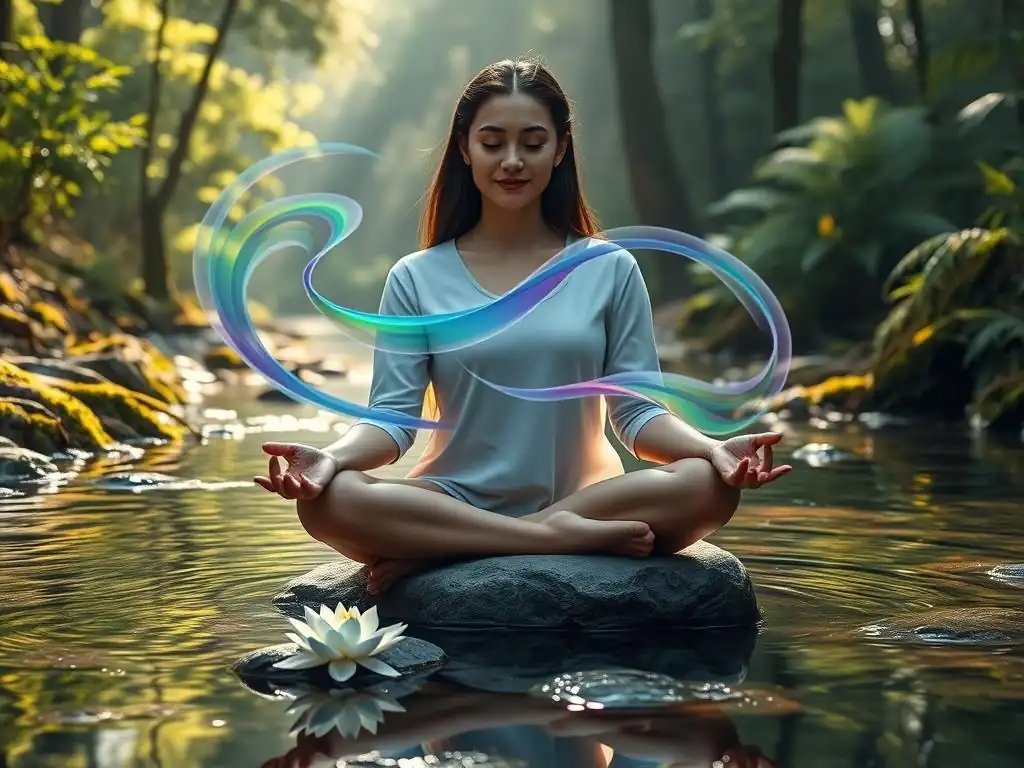
Welcome to Mind Care Guide, a sanctuary for your mental well-being.
Feeling overwhelmed by anxiety? You're not alone. Perhaps the answer lies closer than you think. This week, we're diving deep into how mindfulness can reduce anxiety symptoms, offering you practical techniques to accept and release those feelings. Ready to discover a calmer, more present you? Let's begin.
Managing Anxiety with Mindfulness: A Practical Guide
Anxiety is a common experience, often manifesting as persistent worry, tension, and even physical symptoms. While it's a natural human response to stress, chronic or overwhelming anxiety can significantly impact quality of life. This guide explores how the practice of mindfulness can serve as a powerful tool to help you accept and ultimately reduce anxiety symptoms, fostering a greater sense of peace and presence.
- Understanding Anxiety and Mindfulness
-
Mindfulness Practices for Anxiety Relief: A Step-by-Step Approach
- Step 1: Creating a Dedicated Space and Time for Practice
- Step 2: Anchoring to the Breath: A Foundation for Mindfulness
- Step 3: Observing Thoughts and Emotions: Non-Judgmental Awareness
- Step 4: Body Scan Meditation: Releasing Physical Tension Associated with Anxiety
- Step 5: Cultivating Self-Compassion: Acknowledging and Accepting Your Experience
- Specific Mindfulness Techniques for Anxiety Management
-
Integrating Mindfulness into Daily Life for Sustainable Anxiety Reduction
- Micro-Mindfulness: Incorporating Brief Practices Throughout the Day
- Mindful Communication: Enhancing Connection and Reducing Social Anxiety
- Mindful Eating: Developing a Healthier Relationship with Food
- Applying Mindfulness to Specific Anxiety Triggers: Public Speaking, Social Gatherings, and Work-Related Stress
- Addressing Challenges in Mindfulness Practice
-
The Benefits of Mindfulness for Anxiety: Outcomes and Impact
- Reduction in Anxiety Symptoms: Decreased Worry, Panic Attacks, and Physical Tension
- Enhanced Emotional Regulation: Improved Ability to Manage Difficult Emotions
- Increased Self-Awareness: Deeper Understanding of Your Thoughts, Feelings, and Behaviors
- Greater Resilience: Enhanced Ability to Cope with Stressful Situations
- Resources for Further Exploration
-
Frequently Asked Questions
- How does mindfulness help to reduce anxiety symptoms?
- What is the difference between acceptance and suppression when dealing with anxiety?
- What are some practical mindfulness techniques I can use to manage anxiety?
- How often should I practice mindfulness to see a noticeable reduction in anxiety symptoms?
- Is mindfulness a replacement for professional mental health treatment for anxiety?
- Final Reflection: Finding Peace in the Present Moment
- Unveil Your Calm: Start Your Mindfulness Journey Today
Understanding Anxiety and Mindfulness
To effectively use mindfulness for anxiety reduction, it's helpful to first understand the nature of anxiety and the core principles of mindfulness itself. Anxiety often involves dwelling on past events or worrying about future possibilities, pulling us away from the present moment. Mindfulness offers a pathway back to the here and now, providing a different lens through which to view challenging thoughts and feelings.
Identifying Anxiety: Symptoms and Common Causes
Anxiety presents differently in individuals, but common symptoms often include a persistent feeling of worry or dread, restlessness, difficulty concentrating, and irritability. Physically, anxiety can manifest as increased heart rate, rapid breathing, muscle tension, headaches, and digestive issues. For some, it can escalate into panic attacks characterized by intense fear, shortness of breath, chest pain, and dizziness. Understanding these signs is the first step in addressing them.
Common causes of anxiety are varied and can include genetic predisposition, brain chemistry, stressful life events such as job loss or relationship issues, chronic medical conditions, and even substance use. Environmental factors and learned behaviors can also play a significant role. Recognizing your personal anxiety triggers is crucial, as it allows you to apply mindfulness techniques specifically when you need them most to help reduce anxiety symptoms.
The Fundamentals of Mindfulness: Cultivating Present Moment Awareness
Mindfulness is, at its heart, the practice of paying attention to the present moment without judgment. It involves deliberately focusing your awareness on your thoughts, feelings, bodily sensations, and surrounding environment as they arise, without trying to change or suppress them. This isn't about emptying your mind or achieving a state of bliss, but rather about developing a different relationship with your internal and external experiences.
Cultivating present moment awareness helps disrupt the cycle of worry that often fuels anxiety. By gently bringing your attention back to the present, you create space between yourself and your anxious thoughts. This practice strengthens your ability to observe thoughts and feelings as temporary mental events, rather than absolute truths or overwhelming threats, which is fundamental to using mindfulness to reduce anxiety symptoms.
Mindfulness and Anxiety Reduction: A Neuroscientific Perspective
Research into the neuroscience of mindfulness has shed light on its effectiveness in managing anxiety. Studies using fMRI scans have shown that regular mindfulness practice can lead to changes in brain regions associated with emotional regulation and stress response. Specifically, the amygdala, often called the brain's fear center, tends to show decreased activity, while the prefrontal cortex, involved in executive functions like planning and emotional control, shows increased activity.
Furthermore, mindfulness appears to strengthen the connection between the prefrontal cortex and the amygdala, allowing for more effective top-down regulation of emotional responses. This means that with practice, you may become better equipped to observe an anxious thought or feeling without immediately being swept away by it. This neurobiological basis supports the anecdotal evidence that mindfulness can significantly reduce anxiety symptoms for many individuals.
Mindfulness Practices for Anxiety Relief: A Step-by-Step Approach
Integrating mindfulness into your routine can be a powerful strategy for managing anxiety. These steps outline a basic framework for beginning a mindfulness practice aimed at finding relief from anxious feelings and thoughts. Consistency is key, even if you start with just a few minutes each day.
Step 1: Creating a Dedicated Space and Time for Practice
Establishing a consistent time and place for your mindfulness practice signals to your brain that it's time to shift into a mode of quiet observation. Choose a location where you are less likely to be disturbed, whether it's a corner of a room, a quiet garden spot, or even just a specific chair. It doesn't need to be elaborate, just a place where you feel relatively comfortable and safe to turn inward.
Decide on a specific time of day that works best for you – perhaps first thing in the morning, during a lunch break, or before bed. Starting with a short duration, like 5-10 minutes, is perfectly fine. The goal is to build a habit, and consistency in time and location helps anchor the practice, making it easier to return to day after day as you work to use mindfulness to reduce anxiety symptoms.
Step 2: Anchoring to the Breath: A Foundation for Mindfulness
The breath is a readily available anchor that is always in the present moment. When beginning mindfulness practice, gently bring your attention to the physical sensations of breathing. Notice the inhale and the exhale – the rise and fall of your chest or abdomen, the feeling of air entering and leaving your nostrils. There's no need to change your breath; just observe it as it is.
Your mind will inevitably wander – this is normal. The practice isn't about not having thoughts, but about noticing when your mind has drifted and gently guiding your attention back to the breath. Each time you notice your mind has wandered and return to the breath, you are strengthening your capacity for present moment awareness, a crucial skill for using mindfulness to reduce anxiety symptoms.
Step 3: Observing Thoughts and Emotions: Non-Judgmental Awareness
Once you've settled your attention somewhat with the breath, you can broaden your awareness to include thoughts and emotions. As thoughts arise, imagine them like clouds floating across the sky or leaves floating down a stream. Notice them without getting caught up in their content or judging them as good or bad. Simply acknowledge their presence: "Ah, there is a thought about work," or "I notice a feeling of restlessness."
Apply the same non-judgmental awareness to emotions, especially anxiety. When you feel anxiety arise, instead of trying to push it away, turn towards it with curiosity. Where do you feel it in your body? What is the quality of the sensation? Is it tight, shaky, hot? This practice of observing emotions without resistance is fundamental to using mindfulness to reduce anxiety symptoms, allowing you to respond to difficult feelings with more wisdom and less reactivity.
Step 4: Body Scan Meditation: Releasing Physical Tension Associated with Anxiety
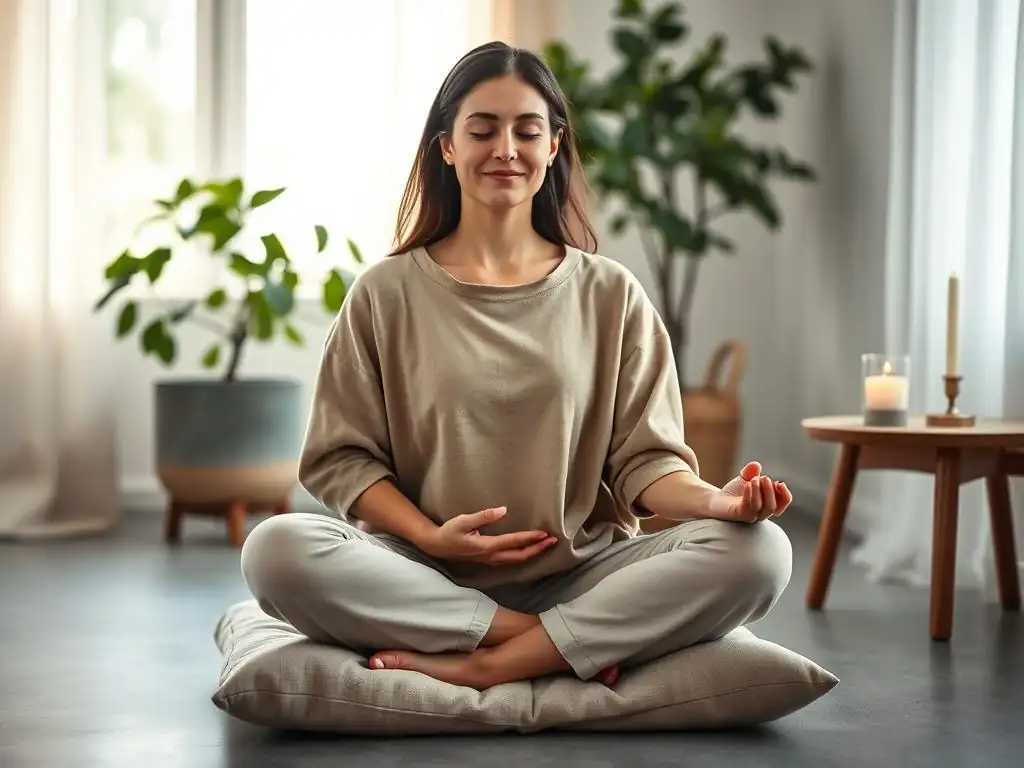
Anxiety often manifests as physical tension held in the body. The body scan meditation is a practice of systematically bringing awareness to different parts of your body, noticing any sensations present, including tension, tingling, or numbness, without trying to change them. Begin by lying down or sitting comfortably and bringing your attention to your toes, then gently moving your awareness up through your feet, ankles, legs, torso, arms, neck, and head.
As you focus on each area, simply acknowledge whatever sensations are there. If you encounter tension, you can gently breathe into that area on the inhale and imagine softening or releasing it on the exhale, but without forcing it. This practice helps you become more attuned to how anxiety lives in your body and provides a way to consciously release some of that physical holding, significantly helping mindfulness reduce anxiety symptoms.
Step 5: Cultivating Self-Compassion: Acknowledging and Accepting Your Experience
Mindfulness and self-compassion are deeply intertwined, especially when dealing with challenging experiences like anxiety. Self-compassion involves treating yourself with the same kindness, understanding, and acceptance you would offer a friend who is suffering. When anxiety arises, it's easy to fall into self-criticism or feel frustrated with yourself for feeling anxious. Self-compassion counters this by acknowledging that suffering is a part of the human experience and offering yourself warmth and care.
Practicing self-compassion during moments of anxiety involves recognizing your feelings ("This is a moment of suffering") and responding with kindness ("May I be kind to myself in this moment"). This gentle approach helps soften the edges of difficult experiences and prevents you from adding layers of self-judgment to your anxiety. Cultivating this inner kindness is a powerful way mindfulness helps reduce anxiety symptoms by changing your relationship with the anxiety itself.
Specific Mindfulness Techniques for Anxiety Management
Beyond the foundational steps, several specific mindfulness techniques can be particularly effective in addressing anxiety. These practices offer different ways to engage with the present moment and work with challenging thoughts and feelings. Finding the techniques that resonate most with you is part of the journey.
Formal Mindfulness Meditation: A Structured Practice
Formal mindfulness meditation typically involves setting aside a dedicated period, often 10-30 minutes, to sit quietly and focus your attention, commonly on the breath. During this time, you intentionally bring your awareness back to the chosen anchor each time the mind wanders. This structured practice strengthens the "muscle" of attention and non-judgmental awareness.
Regular formal meditation trains your mind to be less reactive to internal stimuli, including anxious thoughts and bodily sensations. Over time, this consistent practice builds your capacity to observe anxiety arising without being overwhelmed by it, demonstrating how consistent mindfulness reduce anxiety symptoms by changing your default response patterns.
Body Scan Meditation: A Detailed Guide
As mentioned earlier, the body scan is a powerful tool for grounding and releasing tension. To practice, lie comfortably on your back or sit upright with feet flat on the floor. Close your eyes if comfortable. Bring your attention to your breath for a few moments to settle. Then, consciously direct your awareness to your toes. Notice any sensations – warmth, coolness, tingling, pressure – or the absence of sensation. Simply observe.
Slowly move your attention up your body, spending a few moments in each area: feet, ankles, lower legs, knees, upper legs, hips, lower back, upper back, abdomen, chest, fingertips, hands, wrists, forearms, elbows, upper arms, shoulders, neck, face, and finally, the top of your head. As you move, if you notice tension, you can gently breathe into it and imagine releasing it, but the primary goal is just awareness.
This systematic process helps anchor you in the physical reality of the present, counteracting the tendency of anxiety to pull you into abstract worries, making it a key part of how mindfulness helps reduce anxiety symptoms.
Mindful Walking: Engaging with Your Surroundings
Mindfulness doesn't have to be confined to sitting still. Mindful walking involves bringing your full awareness to the experience of walking. Pay attention to the sensations in your feet as they lift and meet the ground, the movement of your legs, the swing of your arms, and the rhythm of your breath.
Expand your awareness to include your surroundings – the feel of the air on your skin, the sounds around you, the sights you encounter. Engage your senses fully in the present moment experience of walking. This practice can be particularly helpful for restless energy often associated with anxiety, providing a moving meditation that helps mindfulness reduce anxiety symptoms while integrating awareness into physical activity.
The RAIN Method: A Tool for Processing Difficult Emotions
The RAIN method, developed by Vipassana teacher Michele McDonald and popularized by Tara Brach, is a simple yet profound four-step process for working with difficult emotions like anxiety. RAIN stands for Recognizing, Allowing, Investigating, and Nurturing. It provides a structured way to meet challenging feelings with presence and compassion.
Recognizing: Acknowledging the Present Emotion
The first step is to Recognize what is happening. This means consciously acknowledging the emotion or thought that is present. For anxiety, this might be saying to yourself, "Ah, I notice anxiety is here," or "I'm feeling worried." It's about clearly identifying the feeling without judgment or trying to push it away. This simple act of naming can create a little distance from the intensity of the emotion.
Allowing: Accepting the Emotion Without Resistance
Allowing means letting the emotion be there without trying to fix it, resist it, or make it go away. It's about dropping the struggle against the feeling. This doesn't mean you approve of the anxiety or want it to stay, but rather that you acknowledge its current reality. This step is crucial because resistance often fuels anxiety, while allowing creates space for it to eventually dissipate naturally. It's a powerful way mindfulness reduce anxiety symptoms by meeting them with acceptance.
Investigating: Exploring the Physical Sensations and Thoughts
Investigating involves turning towards the emotion with curiosity. Where do you feel the anxiety in your body? What sensations are present? Is there tightness in your chest, a knot in your stomach, shakiness? What thoughts are associated with this feeling? Explore these aspects gently, like a friendly scientist, without getting lost in the story. This step deepens your understanding of how anxiety manifests for you.
Nurturing: Responding with Compassion and Understanding
Finally, Nurturing involves bringing self-compassion to your experience. This means offering yourself kindness, warmth, and understanding in the face of suffering. You might place a hand over your heart and offer a kind phrase like, "It's okay to feel this way," or "May I be free from this suffering." This step counters the harsh self-criticism that often accompanies anxiety and reinforces the empathetic aspect of how mindfulness helps reduce anxiety symptoms.
Integrating Mindfulness into Daily Life for Sustainable Anxiety Reduction
While formal meditation is beneficial, the true power of mindfulness for managing anxiety lies in bringing its principles into everyday activities. Integrating micro-moments of awareness throughout your day can create a cumulative effect, helping to reduce anxiety symptoms on a more consistent basis.
Micro-Mindfulness: Incorporating Brief Practices Throughout the Day
You don't need hours to practice mindfulness. Micro-mindfulness involves intentionally bringing awareness to ordinary, everyday moments. This could be taking three conscious breaths before answering the phone, fully tasting your food during a meal, feeling the water on your hands while washing them, or simply pausing to notice your surroundings when moving between tasks.
These brief moments of present moment awareness interrupt the mind's tendency to ruminate or get caught in future worries. By weaving these short practices into your routine, you train your brain to return to the present more readily, building resilience against anxiety and making mindfulness reduce anxiety symptoms throughout your day.
Social anxiety often involves anticipating judgment or overthinking interactions. Mindful communication involves bringing awareness to your conversations – paying attention to what is being said, both verbally and non-verbally, without getting lost in your own internal commentary or rehearsing your response. It's about truly listening and being present with the other person.
By focusing on the present interaction rather than future outcomes or past missteps, mindful communication can help reduce the intensity of social anxiety. It allows for genuine connection and reduces the mental chatter that often fuels discomfort, demonstrating another way mindfulness helps reduce anxiety symptoms in specific contexts.
Mindful Eating: Developing a Healthier Relationship with Food
Anxiety can sometimes manifest in unhealthy eating patterns, such as stress eating or restrictive behaviors. Mindful eating involves paying full attention to the experience of eating – noticing the colors, smells, textures, and tastes of your food. It also involves paying attention to your body's hunger and fullness cues.
This practice shifts the focus from anxious thoughts about food or body image to the sensory experience of nourishment. It encourages a healthier, more intuitive relationship with food and can help reduce anxiety symptoms related to eating or body image concerns.
Mindfulness can be specifically applied when facing known anxiety triggers. For example, before public speaking, you might take a few mindful breaths to ground yourself and notice any physical sensations of anxiety without judgment. During a social gathering, you could practice mindful listening or focus on the sensation of standing or sitting to stay present.
For work-related stress, taking short mindfulness breaks – a few deep breaths at your desk, a mindful walk during lunch – can help manage overwhelm. By consciously applying mindfulness techniques in these specific challenging situations, you learn to navigate triggers with greater ease and resilience, effectively using mindfulness reduce anxiety symptoms when they are most likely to arise.
Addressing Challenges in Mindfulness Practice

Embarking on a mindfulness journey can present challenges. It's important to approach these obstacles with patience and self-compassion, recognizing that they are a normal part of the process. Understanding common difficulties can help you navigate them more effectively.
Common Obstacles: Wandering Mind, Restlessness, and Self-Criticism
One of the most common challenges is a wandering mind. It's a myth that mindfulness is about stopping thoughts; the mind's nature is to think. The practice is about noticing when your mind has drifted and gently returning your attention. Restlessness, both mental and physical, is also frequent, especially when starting. It's okay to feel restless; acknowledge it without judgment and continue the practice as best you can.
Self-criticism is another significant obstacle. You might judge yourself for having a wandering mind, feeling restless, or for still feeling anxious despite practicing. Remember the principle of non-judgment. Treat yourself with kindness and recognize that simply showing up for the practice is an accomplishment. These common hurdles don't mean you're failing; they mean you're human, and navigating them is part of how mindfulness helps reduce anxiety symptoms over time.
Strategies for Maintaining Consistency in Your Practice
Consistency is more important than duration or perfection. Start small, perhaps just 5-10 minutes daily. Schedule your practice like any other important appointment. Find an accountability partner or join a mindfulness group. Use reminders on your phone.
Be flexible; if you miss a day, don't dwell on it, just start again the next day. Experiment with different times and practices (sitting, walking, mindful eating) to find what fits your lifestyle. Remember your motivation – the desire to use mindfulness to reduce anxiety symptoms and improve your well-being. Reconnecting with this intention can help maintain momentum.
Seeking Professional Guidance: When to Consult a Therapist
While mindfulness is a powerful tool, it is not a replacement for professional mental health care. If your anxiety is severe, interferes significantly with your daily life, or if you are experiencing panic attacks regularly, it is essential to consult a qualified therapist or counselor. They can provide diagnosis, develop a comprehensive treatment plan that may include therapy (like CBT or exposure therapy), medication, and guidance on integrating mindfulness into your overall care.
A therapist can also help you work through underlying issues that may be contributing to your anxiety. They can provide support and expertise, ensuring you have the most effective strategies for managing your symptoms and improving your mental health. Mindfulness can be a valuable complement to professional treatment, enhancing its effectiveness in helping you reduce anxiety symptoms.
The Benefits of Mindfulness for Anxiety: Outcomes and Impact
Consistent mindfulness practice yields numerous benefits that directly address the core issues associated with anxiety. These positive outcomes build upon each other, leading to sustainable improvements in mental and emotional well-being.
Reduction in Anxiety Symptoms: Decreased Worry, Panic Attacks, and Physical Tension
One of the most significant and often reported benefits is a tangible reduction in the frequency and intensity of anxiety symptoms. Individuals who practice mindfulness consistently report experiencing less chronic worry, fewer panic attacks (or less severe ones), and a decrease in physical manifestations of anxiety like muscle tension, rapid heart rate, and digestive issues.
Studies, such as those on Mindfulness-Based Stress Reduction (MBSR) programs, consistently show participants reporting a statistically significant drop in anxiety levels. For example, some research indicates an average reduction in anxiety scores by 30% or more after an 8-week course. This direct impact on symptom severity is why mindfulness reduce anxiety symptoms is a key focus for many seeking relief.
Enhanced Emotional Regulation: Improved Ability to Manage Difficult Emotions
Mindfulness cultivates the ability to observe emotions without being immediately overwhelmed or controlled by them. This leads to enhanced emotional regulation. Instead of reacting impulsively to feelings of fear or worry, you develop the capacity to pause, notice the emotion, and choose a more skillful response.
This improved ability to manage difficult emotions means that while challenging feelings may still arise, you are better equipped to navigate them without getting stuck or escalating the situation. This skill is fundamental to using mindfulness to reduce anxiety symptoms effectively in the long term.
Increased Self-Awareness: Deeper Understanding of Your Thoughts, Feelings, and Behaviors
Regular mindfulness practice sharpens your self-awareness. You become more attuned to your internal landscape – recognizing your habitual thought patterns, understanding what triggers your anxiety, and becoming aware of how your emotions influence your behavior.
This increased self-awareness provides valuable insight into the roots and manifestations of your anxiety. It empowers you to make conscious choices about how you respond to challenging situations and internal states, rather than operating on autopilot. This deeper understanding is crucial for applying mindfulness reduce anxiety symptoms effectively and proactively.
Greater Resilience: Enhanced Ability to Cope with Stressful Situations
Mindfulness builds resilience – the capacity to bounce back from adversity. By training your mind to stay present and observe challenges without getting consumed by them, you become better equipped to handle stressful situations. Instead of being derailed by unexpected difficulties, you can approach them with a calmer, more grounded perspective.
This enhanced resilience means that while life's challenges won't disappear, your ability to cope with them improves significantly. This makes mindfulness a powerful tool not just for reducing existing anxiety symptoms but also for preventing future anxiety from taking hold as strongly.
Resources for Further Exploration
Continuing your mindfulness journey involves ongoing learning and practice. Fortunately, many excellent resources are available to support you in deepening your understanding and application of mindfulness for anxiety management.
Recommended Books and Articles on Mindfulness and Anxiety
Several foundational texts offer in-depth guidance on mindfulness and its application to anxiety. Books like "Wherever You Go, There You Are" by Jon Kabat-Zinn provide a broad introduction, while others, such as "Mindfulness for Anxiety" by Tanya J. Peterson or works specifically on MBSR, offer targeted approaches. Exploring articles from reputable mental health websites or academic journals can also provide valuable insights and current research findings on how mindfulness reduce anxiety symptoms.
Look for authors who are experienced mindfulness teachers or researchers in the field. Many books include guided practices you can follow along with. Reading can reinforce your understanding of the principles and motivate you to maintain your practice.
Online Mindfulness Platforms and Mobile Applications
Technology offers convenient ways to access guided mindfulness practices. Numerous online platforms and mobile apps provide guided meditations, body scans, mindful movement exercises, and educational content. Popular apps include Calm, Headspace, Insight Timer, and Ten Percent Happier.
These resources often offer meditations specifically designed for anxiety, stress, or difficult emotions. They allow you to practice anytime, anywhere, making it easier to integrate mindfulness into a busy schedule. Many offer free basic content, allowing you to explore different styles and find what suits you as you use mindfulness to reduce anxiety symptoms.
Finding a Qualified Mindfulness Instructor or Therapist
For personalized guidance, especially if you are dealing with significant anxiety, working with a qualified mindfulness instructor or a therapist who integrates mindfulness into their practice can be incredibly beneficial. A teacher can provide instruction, answer questions, and help you troubleshoot challenges in your practice.
A therapist can use mindfulness within a clinical context, helping you apply it to specific anxiety triggers or underlying issues. Look for certifications or training from recognized mindfulness organizations or inquire about their experience working with anxiety. Professional support ensures you are practicing safely and effectively, maximizing the potential of mindfulness reduce anxiety symptoms.
Frequently Asked Questions
How does mindfulness help to reduce anxiety symptoms?
Mindfulness helps by teaching you to focus on the present moment without judgment. This allows you to observe anxious thoughts and feelings without getting carried away by them, ultimately reducing their power over you.
What is the difference between acceptance and suppression when dealing with anxiety?
Acceptance involves acknowledging anxious feelings without resistance, while suppression tries to avoid or push them away. Acceptance is a core principle of mindfulness, while suppression can often worsen anxiety in the long run.
What are some practical mindfulness techniques I can use to manage anxiety?
Simple techniques include mindful breathing exercises, body scans to notice physical sensations, and paying attention to everyday activities like eating or walking. The key is to cultivate present moment awareness.
How often should I practice mindfulness to see a noticeable reduction in anxiety symptoms?
Consistency is key. Even short, daily sessions of 5-10 minutes can make a difference. Regular practice helps to build your ability to manage anxiety more effectively over time.
Is mindfulness a replacement for professional mental health treatment for anxiety?
Mindfulness can be a valuable tool, but it's not a replacement for professional help. It can be used in conjunction with therapy or medication, but seeking expert guidance is essential for serious anxiety conditions.
Final Reflection: Finding Peace in the Present Moment
The pervasive nature of anxiety in our modern world demands effective coping mechanisms, and mindfulness offers a powerful antidote. Learning to observe our thoughts and feelings without judgment, as detailed in this article, is not merely a trend; it's a crucial skill for navigating the complexities of daily life and building resilience against overwhelming stress. This isn't about eliminating anxiety entirely, but about changing our relationship with it, finding a space of acceptance amidst the storm.
The journey towards mindful acceptance of anxiety is deeply personal, a continuous process of learning and unlearning. It's about cultivating a gentler, more compassionate inner voice, replacing the harsh self-criticism that often fuels anxiety's grip. This shift in perspective, from resisting our feelings to observing them with curiosity, is transformative. As the poet Mary Oliver so eloquently put it: Pay attention. Be astonished. Tell about it.
This simple advice, applied to our inner world, becomes a powerful tool for managing anxiety and finding moments of peace within the chaos.
Now, consider how you can integrate these mindfulness techniques into your own life. Start small, perhaps with just five minutes of focused breathing each day. Notice the sensations in your body, the rhythm of your breath, and the flow of your thoughts without judgment. This practice, consistently applied, will gradually build your capacity for self-awareness and emotional regulation. Embrace the journey, be patient with yourself, and remember that finding peace in the present moment is a gift you give yourself, one breath at a time.
Unveil Your Calm: Start Your Mindfulness Journey Today
Thanks for taking the time to explore the power of mindfulness in managing anxiety. We hope you discovered practical tools to find peace and calm within yourself. Now, it's time to put your newfound knowledge into action!
- Begin your daily mindfulness practice: Even 5 minutes a day can make a difference. Start with simple breathing exercises or guided meditations – small steps lead to big changes.
- Share your experience: Connect with others on our social media and share your mindfulness journey. Let's build a supportive community together!
- Explore our free guided meditation: Discover deeper relaxation techniques and strengthen your mindfulness practice with a guided session designed specifically to release anxiety.
What small step will you take today to cultivate more calm in your life?