
The AntiInflammatory Diet: A Powerful Tool Against Anxiety?


Welcome to Mind Care Guide, your sanctuary for navigating the complexities of mental well-being.
Feeling overwhelmed by anxiety? Are you searching for holistic approaches that go beyond the typical solutions? You're not alone. We understand the profound impact anxiety can have on your life, and we're here to help you explore unexpected allies. Dive into our in-depth article and discover how an inflammatory diet anxiety relief strategy might be the key to unlocking a calmer, more balanced you. Could the food you eat be influencing your anxiety levels more than you realize? Let's find out...
The AntiInflammatory Diet: A Powerful Tool Against Anxiety?
- Understanding the Link Between Inflammation and Anxiety
- What is an AntiInflammatory Diet?
- Foods to Avoid on an AntiInflammatory Diet for Anxiety
- Benefits of an AntiInflammatory Diet for Anxiety Relief
-
Implementing an AntiInflammatory Diet for Anxiety: A Step-by-Step Guide
- Step 1: Assess Your Current Diet and Identify Inflammatory Foods
- Step 2: Gradually Introduce AntiInflammatory Foods into Your Meals
- Step 3: Plan Your Meals and Snacks to Ensure Balanced Nutrition
- Step 4: Stay Hydrated to Support Overall Health and Reduce Anxiety
- Step 5: Monitor Your Anxiety Symptoms and Adjust Your Diet Accordingly
- Sample AntiInflammatory Meal Plan for Anxiety Reduction
- Beyond Diet: Lifestyle Factors to Support Anxiety Relief
- Potential Challenges and Considerations with an AntiInflammatory Diet
- The Future of AntiInflammatory Diets in Mental Health Treatment
- Conclusion: Embracing an AntiInflammatory Lifestyle for Anxiety Relief
-
Frequently Asked Questions
- What is an anti-inflammatory diet, and how does it relate to anxiety?
- How does an anti-inflammatory diet potentially provide anxiety relief?
- What are some key foods to include in an anti-inflammatory diet for anxiety?
- Are there any foods to avoid on an anti-inflammatory diet if I'm trying to reduce anxiety?
- Is an anti-inflammatory diet a standalone treatment for anxiety, or should it be combined with other therapies?
- Final Reflection: Rewiring Anxiety Through the Plate
- Unleash Your Inner Calm: Take Control of Anxiety
Understanding the Link Between Inflammation and Anxiety
Emerging research is increasingly highlighting a complex relationship between chronic low-grade inflammation in the body and various mental health conditions, including anxiety disorders. This is not the acute inflammation you experience after a sprained ankle, but a more subtle, persistent activation of the immune system. When this chronic inflammation occurs, it can affect brain function, including areas involved in mood regulation and stress response. Understanding this connection is a crucial first step in exploring how dietary choices, specifically adopting an anti-inflammatory diet, might offer a path toward anxiety relief.
The brain, once thought to be somewhat isolated from the body's immune system, is now understood to be highly interactive with inflammatory processes. Pro-inflammatory molecules, known as cytokines, can cross the blood-brain barrier or signal the brain through other pathways, influencing neurotransmitter activity and neural pathways. This can manifest in various ways, from fatigue and cognitive fog to heightened stress reactivity and increased vulnerability to anxiety symptoms. Therefore, addressing systemic inflammation through dietary interventions presents a promising avenue for supporting mental well-being.
The Gut-Brain Axis: A Key Connection to Anxiety
The gut-brain axis is a complex communication network linking the central nervous system (brain) and the enteric nervous system (gut). This bidirectional pathway involves neural, hormonal, and immunological signaling, and critically, the gut microbiome plays a pivotal role. The trillions of microorganisms living in our intestines produce various compounds, including neurotransmitters and short-chain fatty acids (SCFAs), which can directly influence brain function and mood.
When the gut microbiome is imbalanced (dysbiosis) or the gut lining becomes permeable ("leaky gut"), it can trigger a localized inflammatory response in the gut. This inflammation can then contribute to systemic inflammation throughout the body, including in the brain, via the gut-brain axis. Research indicates that individuals with anxiety often exhibit different microbial profiles compared to those without, suggesting that nurturing a healthy gut environment through an inflammatory diet can be a key strategy for anxiety relief by modulating this crucial axis.
How Inflammation Impacts Mental Health and Anxiety Levels
Chronic low-grade inflammation can impact brain function in several ways that contribute to anxiety. Inflammatory markers like cytokines can interfere with the synthesis and metabolism of neurotransmitters such as serotonin, dopamine, and norepinephrine, which are vital for mood regulation and stress response. For instance, increased levels of certain cytokines have been linked to reduced serotonin availability in the brain, potentially contributing to feelings of unease, worry, and even panic that characterize anxiety.
Furthermore, inflammation can affect the structure and function of brain regions critical for emotional processing, such as the amygdala (involved in fear and anxiety) and the prefrontal cortex (involved in executive functions and regulating emotional responses). Prolonged exposure to inflammatory signals may alter the activity and connectivity within these areas, potentially leading to heightened threat perception and difficulty managing anxious thoughts. Addressing this underlying inflammation through an anti-inflammatory eating pattern aims to create a more stable neurochemical and structural environment, supporting efforts for inflammatory diet anxiety relief.
What is an AntiInflammatory Diet?
An anti-inflammatory diet isn't a strict, short-term regimen, but rather a sustainable eating pattern focused on consuming foods known to reduce inflammation and avoiding those that promote it. It emphasizes whole, unprocessed foods rich in antioxidants, omega-3 fatty acids, and fiber, while limiting refined sugars, unhealthy fats, and highly processed ingredients. This approach provides the body with the nutrients it needs to combat inflammation at a cellular level.
The core principle is simple: Nourish your body with ingredients that help calm the immune system and protect your cells from damage, rather than constantly stimulating an inflammatory response. By consistently choosing anti-inflammatory foods, you help lower systemic inflammatory markers over time. This sustained reduction in inflammation is believed to be a significant factor in achieving inflammatory diet anxiety relief and improving overall mental resilience.
Core Principles of an AntiInflammatory Eating Plan
The foundation of an anti-inflammatory diet lies in prioritizing nutrient-dense foods. It involves a high intake of fruits, vegetables, whole grains, lean proteins, and healthy fats. Limiting or eliminating pro-inflammatory foods such as processed meats, refined sugars, trans fats, and excessive saturated fats is equally important. The emphasis is on variety and balance, ensuring a broad spectrum of vitamins, minerals, and phytonutrients.
Portion control and mindful eating are also integral to this approach. While focusing on what you eat is key, how much and how you eat also matters. Maintaining a healthy weight and avoiding blood sugar spikes through balanced meals further contributes to reducing inflammatory load. This holistic approach not only targets inflammation but also supports overall metabolic health, creating a more stable physiological environment conducive to mental well-being and inflammatory diet anxiety relief.
Key Foods to Include for Anxiety Relief and Reduced Inflammation
Incorporating specific foods known for their potent anti-inflammatory properties is central to this dietary strategy. These foods provide the building blocks for reducing inflammation and supporting optimal brain function. Building meals around these ingredients helps shift the body's internal environment away from a pro-inflammatory state towards one that supports calm and resilience.
Focusing on variety within these categories ensures you get a wide range of beneficial compounds. Think vibrant colors, diverse textures, and different sources of healthy fats and proteins. This diverse nutrient intake is crucial for supporting not just reduced inflammation, but also robust gut health and neurotransmitter production, all contributing factors in seeking inflammatory diet anxiety relief.
Fruits and Vegetables with AntiInflammatory Properties
Fruits and vegetables are powerhouses of antioxidants and phytochemicals, compounds that protect cells from damage and combat inflammation. Berries like blueberries, strawberries, and raspberries are particularly rich in anthocyanins. Leafy greens such as spinach, kale, and collards contain vitamins E and C, carotenoids, and flavonoids.
Other notable examples include broccoli, bell peppers, tomatoes (rich in lycopene), and avocados. Aim for a wide array of colors throughout the day to ensure you're getting a broad spectrum of these beneficial compounds. A study involving over 1,000 adults, for instance, found that higher consumption of fruits and vegetables was associated with lower levels of inflammatory markers like C-reactive protein (CRP).
Healthy Fats for Brain Health and Reduced Anxiety
Omega-3 fatty acids are perhaps the most well-known anti-inflammatory fats, and they are crucial for brain structure and function. Found in fatty fish like salmon, mackerel, and sardines, as well as in flaxseeds, chia seeds, and walnuts, EPA and DHA omega-3s can help reduce the production of inflammatory substances in the body.
Monounsaturated fats, found in olive oil, avocados, and nuts, also have anti-inflammatory effects. These fats support cell membrane health and contribute to a stable nervous system. Including these healthy fats regularly in your diet provides essential nutrients that the brain needs to function optimally, potentially easing inflammatory diet anxiety symptoms.
Lean Proteins and Their Role in Anxiety Management
Protein is essential for synthesizing neurotransmitters, including serotonin and dopamine, which play key roles in mood regulation and anxiety levels. Lean protein sources like poultry, fish, beans, lentils, and tofu provide the necessary amino acids without contributing excessive amounts of saturated fat, which can be pro-inflammatory for some individuals.
Choosing protein sources that are also rich in other beneficial nutrients, such as tryptophan (a precursor to serotonin found in turkey and eggs) or iron (important for energy and focus), further supports mental well-being. Balancing protein intake throughout the day helps stabilize blood sugar, preventing the energy crashes and irritability that can sometimes trigger anxiety.
Fiber-Rich Foods and Gut Health Improvement
Dietary fiber is critical for a healthy gut microbiome. Found in whole grains, legumes, fruits, vegetables, nuts, and seeds, fiber acts as a prebiotic, feeding the beneficial bacteria in your gut. These bacteria, in turn, produce SCFAs like butyrate, which have potent anti-inflammatory effects, particularly in the gut lining.
A high-fiber diet promotes regular bowel movements, which helps eliminate waste products that can contribute to inflammation. Improving gut health through fiber intake directly impacts the gut-brain axis, fostering a healthier communication pathway that can help reduce systemic inflammation and contribute significantly to inflammatory diet anxiety relief.
Foods to Avoid on an AntiInflammatory Diet for Anxiety
Just as certain foods help reduce inflammation, others are known to actively promote it. Minimizing or eliminating these pro-inflammatory foods is a critical component of an anti-inflammatory eating pattern aimed at supporting mental well-being and achieving inflammatory diet anxiety relief. These foods can disrupt gut health, spike blood sugar, and increase systemic inflammatory markers.
Consistently consuming these items can create a chronic low-grade inflammatory state that may exacerbate anxiety symptoms. While occasional indulgence might not completely derail your efforts, making conscious choices to limit these foods is essential for long-term success in using diet as a tool for anxiety management.
Processed Foods and Their Impact on Inflammation and Anxiety
Highly processed foods are often loaded with unhealthy fats (like trans fats and omega-6 rich vegetable oils), refined sugars, excessive sodium, and artificial additives – all known contributors to inflammation. Foods like packaged snacks, fast food, processed meats (sausages, bacon), and ready-to-eat meals undergo extensive processing that strips them of nutrients while adding pro-inflammatory ingredients.
These foods can disrupt the gut microbiome balance, leading to dysbiosis and increased gut permeability, which in turn fuels systemic inflammation. Research, such as studies published in the Journal of Affective Disorders, has linked higher consumption of processed foods to increased rates of anxiety and depression, suggesting a clear connection between these dietary choices and mental health outcomes. Reducing processed food intake is a foundational step for inflammatory diet anxiety relief.
Sugary Drinks and Their Detrimental Effects on Mental Well-being
Sugary drinks, including sodas, fruit juices with added sugar, and sweetened teas, are major sources of refined sugar. Consuming large amounts of sugar leads to rapid spikes in blood sugar levels, triggering an inflammatory response in the body. This chronic state of elevated blood sugar and insulin resistance is a significant driver of systemic inflammation.
Beyond inflammation, sugar crashes after a blood sugar spike can cause feelings of shakiness, irritability, and nervousness, which can easily mimic or exacerbate anxiety symptoms. Furthermore, high sugar intake has been linked to negative effects on the gut microbiome, further contributing to the inflammatory cycle. Opting for water, herbal tea, or sparkling water with a squeeze of fruit is a simple but effective change for inflammatory diet anxiety relief.
Refined Carbohydrates and Their Link to Anxiety Symptoms
Refined carbohydrates, found in white bread, pasta, pastries, and white rice, have had their fiber and nutrients stripped away during processing. Like sugary drinks, they are quickly digested and absorbed, leading to rapid blood sugar spikes and subsequent crashes. This glycemic variability can trigger stress hormones like cortisol, which can heighten feelings of anxiety.
The lack of fiber in refined carbohydrates also negatively impacts gut health, contributing to a less diverse and potentially more pro-inflammatory microbiome. Replacing refined grains with whole grains (like brown rice, quinoa, and whole wheat) provides fiber and nutrients that support stable blood sugar and a healthier gut, crucial elements in pursuing inflammatory diet anxiety relief.
Artificial Sweeteners: Are They Contributing to Your Anxiety?
While often marketed as healthier alternatives to sugar, some artificial sweeteners may also have negative impacts on gut health and potentially contribute to anxiety. Research on the effects of artificial sweeteners on the gut microbiome is ongoing, but some studies suggest they can alter the composition of gut bacteria in ways that might indirectly influence mood and inflammation.
Some individuals also report experiencing anxiety-like symptoms or headaches after consuming artificial sweeteners. While the evidence is not as strong or consistent as for sugar and processed foods, if you are sensitive or notice a connection between consuming artificial sweeteners and increased anxiety, it may be beneficial to reduce or eliminate them as part of your inflammatory diet anxiety relief strategy.
Benefits of an AntiInflammatory Diet for Anxiety Relief
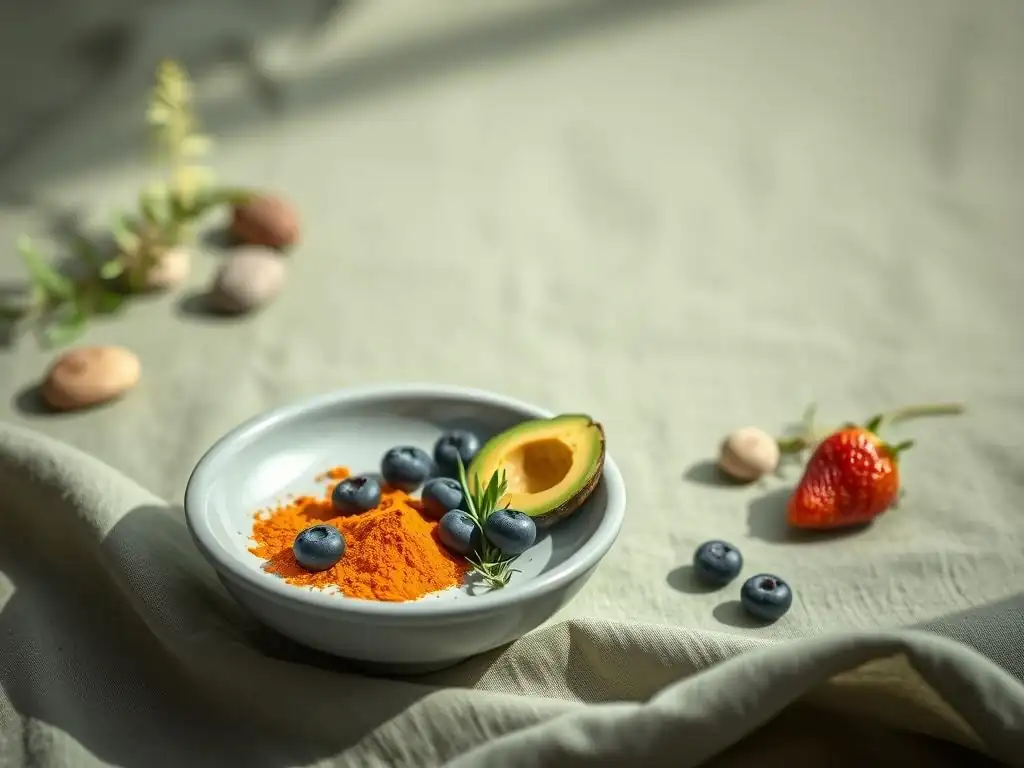
Adopting an anti-inflammatory diet offers a multifaceted approach to managing anxiety symptoms. By targeting the underlying physiological mechanisms linking diet, inflammation, and mental health, this eating pattern provides numerous benefits that extend beyond just reducing inflammatory markers. These benefits work synergistically to create a more stable and resilient internal environment.
The positive effects can be felt across various bodily systems, from the gut to the brain, influencing everything from neurotransmitter production to energy levels. Embracing this dietary approach can be a powerful complementary strategy alongside other therapeutic interventions for achieving significant inflammatory diet anxiety relief.
Reducing Systemic Inflammation and Its Positive Effects on Mental State
The primary goal of an anti-inflammatory diet is to lower chronic low-grade inflammation throughout the body. By consistently providing nutrients that combat inflammation and avoiding those that fuel it, markers like CRP typically decrease over time. This reduction in systemic inflammation has been correlated with improvements in various mental health metrics.
Lower inflammation is associated with better mood regulation, reduced fatigue, and improved cognitive function. When the brain is less exposed to inflammatory signals, it can function more optimally, leading to a decrease in the intensity and frequency of anxious thoughts and physical anxiety symptoms. This fundamental shift in the body's inflammatory state is a cornerstone of inflammatory diet anxiety relief.
Improving Gut Health and its Impact on Anxiety Reduction
A healthy gut microbiome is crucial for overall well-being, including mental health. An anti-inflammatory diet, rich in fiber from fruits, vegetables, and whole grains, supports the growth of beneficial gut bacteria. These bacteria produce SCFAs, which not only reduce inflammation in the gut but also have systemic anti-inflammatory effects and can influence brain function directly.
A balanced gut also helps maintain the integrity of the gut lining, preventing "leaky gut" and the passage of inflammatory compounds into the bloodstream. By nurturing a healthy gut environment, the diet strengthens the gut-brain axis, leading to improved communication and signaling that can reduce stress reactivity and promote a calmer state, contributing significantly to inflammatory diet anxiety relief.
Supporting Neurotransmitter Production for Enhanced Mood
Many nutrients emphasized in an anti-inflammatory diet are essential for the synthesis and function of neurotransmitters vital for mood and anxiety regulation, such as serotonin, dopamine, and GABA. For instance, omega-3 fatty acids are critical for cell membrane fluidity, which affects neurotransmitter receptor function. B vitamins, found in whole grains and leafy greens, are cofactors in neurotransmitter synthesis.
Protein provides the amino acid precursors needed to build these crucial brain chemicals. By ensuring a steady supply of these nutrients through a diet rich in whole, unprocessed foods, you support the brain's ability to produce and utilize neurotransmitters effectively. This nutritional support can help stabilize mood and reduce feelings of anxiety, aiding in inflammatory diet anxiety relief.
Stabilizing Blood Sugar Levels and Reducing Anxiety Triggers
Meals high in refined carbohydrates and sugar cause rapid fluctuations in blood sugar, leading to energy crashes, irritability, and shakiness – symptoms that can easily trigger or worsen anxiety. An anti-inflammatory diet, which prioritizes complex carbohydrates, fiber, and balanced meals containing protein and healthy fats, helps stabilize blood sugar levels throughout the day.
Consistent blood sugar levels prevent the physiological stress response associated with crashes. This stability reduces the frequency and intensity of physical sensations that can be misinterpreted as anxiety or panic. By eliminating this common physiological trigger, an anti-inflammatory diet provides a more stable foundation for managing anxiety and achieving inflammatory diet anxiety relief.
Implementing an AntiInflammatory Diet for Anxiety: A Step-by-Step Guide
Embarking on an anti-inflammatory diet doesn't require drastic changes overnight. A gradual, step-by-step approach is often more sustainable and less overwhelming. The key is to make conscious, consistent choices that shift your eating patterns over time, focusing on adding beneficial foods while slowly reducing those that contribute to inflammation.
This process is about building new habits and understanding how different foods make you feel. Paying attention to your body's responses and making adjustments as needed is crucial for success in using this dietary approach for inflammatory diet anxiety relief. Patience and persistence are your allies on this journey.
Step 1: Assess Your Current Diet and Identify Inflammatory Foods
Before making changes, take an honest look at what you currently eat. Keep a food diary for a few days, noting everything you consume, including drinks and snacks. Identify the foods that are likely contributing to inflammation based on the principles discussed: processed snacks, sugary drinks, fast food, excessive refined grains, etc.
This assessment helps you understand your starting point and pinpoint the areas where you can make the most impactful changes. Don't judge yourself; this is simply an information-gathering phase. Understanding your current patterns is the first crucial step towards making informed choices for inflammatory diet anxiety relief.
Step 2: Gradually Introduce AntiInflammatory Foods into Your Meals
Start by adding more anti-inflammatory foods to your existing meals. Don't focus on taking things away just yet. Try adding a handful of spinach to your morning smoothie, incorporating berries into your breakfast, swapping white rice for brown rice in one meal, or adding an extra serving of vegetables to dinner.
- Add a side of roasted broccoli or kale to your usual dinner.
- Swap your afternoon cookie for a handful of almonds and an apple.
- Include fatty fish like salmon in your meal rotation once or twice a week.
- Start your day with oatmeal topped with berries and nuts.
This gradual introduction makes the transition less daunting and helps you discover new favorite healthy foods. As you add more nutrient-dense options, you may naturally find yourself consuming fewer inflammatory foods.
Step 3: Plan Your Meals and Snacks to Ensure Balanced Nutrition
Planning is key to maintaining a consistent anti-inflammatory eating pattern. Taking time each week to plan your meals and snacks helps ensure you have the right ingredients on hand and makes healthy choices easier, especially when you're busy or stressed.
Consider preparing some components in advance, like chopping vegetables or cooking a batch of grains. Having healthy snacks readily available, such as fruit, nuts, or yogurt, prevents reaching for processed options when hunger strikes. Consistent, balanced meals help maintain stable blood sugar and nutrient intake, supporting inflammatory diet anxiety relief.
Step 4: Stay Hydrated to Support Overall Health and Reduce Anxiety
Adequate hydration is essential for every bodily function, including brain health and detoxification. Dehydration can sometimes manifest with symptoms similar to anxiety, such as dizziness, fatigue, and difficulty concentrating. Drinking enough water throughout the day supports optimal cellular function and helps the body process and eliminate waste products.
While not directly anti-inflammatory in the same way as certain foods, staying well-hydrated supports overall metabolic processes that contribute to a healthy internal environment. Make water your primary beverage choice and limit sugary drinks and excessive caffeine, which can sometimes exacerbate anxiety symptoms.
Step 5: Monitor Your Anxiety Symptoms and Adjust Your Diet Accordingly
As you implement these dietary changes, pay close attention to how you feel. Keep a journal to track your anxiety levels, mood, energy levels, and any physical symptoms. Note what you eat and drink each day. Over time, you may begin to see patterns between certain foods and how your anxiety symptoms fluctuate.
- Did you notice increased irritability after consuming a sugary treat?
- Did your energy feel more stable on days you ate balanced meals?
- Did your overall anxiety level decrease after several weeks of consistent anti-inflammatory eating?
Use this information to refine your approach. If certain seemingly healthy foods seem to trigger issues for you (e.g., digestive upset), consult with a professional. This personalized monitoring helps you tailor the anti-inflammatory diet specifically for your individual needs and optimize your inflammatory diet anxiety relief efforts.
Sample AntiInflammatory Meal Plan for Anxiety Reduction
Creating a meal plan based on anti-inflammatory principles can simplify grocery shopping and daily food choices. This sample plan provides ideas, but remember to adjust it based on your personal preferences, allergies, and dietary needs. The focus is on incorporating a variety of colorful vegetables, fruits, lean proteins, healthy fats, and fiber-rich whole grains.
Consistency is more important than perfection. Aim to build meals around whole foods the majority of the time. This structure helps ensure you're consistently providing your body with the nutrients it needs to combat inflammation and support mental well-being, paving the way for inflammatory diet anxiety relief.
Breakfast Ideas for an Anxiety-Reducing Diet
Starting your day with a nutrient-dense, anti-inflammatory breakfast can help stabilize blood sugar and provide sustained energy, reducing the likelihood of anxiety-triggering crashes later in the morning. Focus on a balance of complex carbohydrates, protein, and healthy fats.
- Oatmeal made with rolled oats (not instant), topped with berries, nuts, and seeds.
- Scrambled eggs with spinach and mushrooms, served with a side of avocado.
- Greek yogurt (plain, unsweetened) with fruit, chia seeds, and a sprinkle of granola (choose low-sugar options).
- Smoothie blended with spinach, banana, berries, chia seeds, and plant-based milk or water.
These options provide fiber, protein, antioxidants, and healthy fats to set a positive tone for your day and support inflammatory diet anxiety relief.
Lunch Options for Maintaining a Calm and Balanced Mood
Lunch provides an opportunity to refuel mid-day and continue supporting stable energy and mood. Aim for a meal that includes a good source of lean protein, plenty of vegetables, and a healthy carbohydrate source.
- Large salad with mixed greens, grilled chicken or chickpeas, various colorful vegetables, nuts, seeds, and an olive oil-based dressing.
- Leftovers from an anti-inflammatory dinner, such as lentil soup or baked salmon with roasted vegetables.
- Turkey or hummus and vegetable wrap on a whole-grain tortilla, served with carrot sticks and hummus.
- Quinoa bowl with black beans, corn, salsa, avocado, and a protein source like grilled fish or tofu.
Avoiding heavy, processed lunches helps prevent the post-lunch slump and irritability that can sometimes precede increased anxiety.
Dinner Recipes Focused on AntiInflammatory Ingredients
Dinner can be the main meal where you incorporate fatty fish or a substantial portion of plant-based protein. Focus on nutrient density and flavor using herbs and spices, which often have anti-inflammatory properties themselves.
- Baked salmon or cod with roasted broccoli and sweet potato.
- Lentil or bean stew with lots of vegetables and whole-grain bread on the side.
- Chicken or tofu stir-fry with a variety of colorful vegetables (bell peppers, snap peas, carrots) served over brown rice or quinoa.
- Vegetable and chickpea curry with coconut milk, served with a small portion of brown rice.
These dinners provide essential omega-3s, fiber, antioxidants, and lean protein to support your body's anti-inflammatory processes while you rest, contributing to inflammatory diet anxiety relief.
Healthy Snack Choices to Curb Cravings and Reduce Anxiety
Snacks can help bridge the gap between meals, preventing excessive hunger that might lead to poor food choices or blood sugar drops that trigger anxiety. Choose snacks that combine fiber, protein, or healthy fats for sustained energy.
- A handful of almonds or walnuts.
- Apple slices with almond butter.
- Carrot sticks or cucumber slices with hummus.
- Plain Greek yogurt with a few berries.
- Hard-boiled egg.
- Small smoothie (using ingredients from the breakfast list).
Keeping healthy snacks readily available is a simple yet effective strategy for maintaining an anti-inflammatory eating pattern and supporting inflammatory diet anxiety relief throughout the day.
Beyond Diet: Lifestyle Factors to Support Anxiety Relief

While diet is a powerful tool, it's most effective when combined with other healthy lifestyle practices. Anxiety is complex, and addressing it often requires a multi-pronged approach that includes managing stress, staying active, prioritizing sleep, and practicing mindfulness. These factors interact with dietary choices to create a comprehensive strategy for well-being.
Integrating these lifestyle elements alongside an anti-inflammatory diet can significantly amplify your efforts towards reducing anxiety and improving overall mental resilience. Consider these practices as essential complements to your dietary changes for comprehensive inflammatory diet anxiety relief.
Stress Management Techniques for Enhanced Mental Well-being
Chronic stress can contribute to inflammation and exacerbate anxiety. Implementing stress management techniques is crucial. This could include deep breathing exercises, meditation, yoga, spending time in nature, or engaging in hobbies you enjoy. Finding healthy ways to cope with stress reduces the physiological burden on your body.
Regularly practicing stress reduction helps lower cortisol levels, a stress hormone that can also influence inflammation. By actively managing stress, you create a calmer internal environment that complements the benefits of an anti-inflammatory diet, supporting your journey towards inflammatory diet anxiety relief.
The Importance of Exercise in Reducing Inflammation and Anxiety
Regular physical activity is a known mood booster and stress reducer. It also has powerful anti-inflammatory effects. Exercise helps regulate the immune system and can reduce circulating levels of inflammatory markers. Even moderate exercise, like a brisk walk, can have significant benefits.
Find activities you enjoy and aim for consistency. Whether it's jogging, swimming, dancing, or strength training, moving your body helps reduce physiological stress and inflammation, providing a synergistic effect with your dietary efforts for inflammatory diet anxiety relief.
Prioritizing Sleep for Optimal Brain Function and Anxiety Control
Sleep is a fundamental pillar of both physical and mental health. Chronic sleep deprivation increases inflammation and negatively impacts mood, cognitive function, and stress resilience. Aim for 7-9 hours of quality sleep per night.
Establishing a consistent sleep schedule, creating a relaxing bedtime routine, and ensuring your sleep environment is dark, quiet, and cool can significantly improve sleep quality. Prioritizing rest allows your brain and body to repair and regulate, reducing inflammation and supporting better anxiety management.
The Role of Mindfulness and Meditation in Managing Anxiety
Mindfulness and meditation practices train your mind to be present and observe thoughts and feelings without judgment. This can help you recognize anxious thought patterns without getting swept away by them. Regular practice can reduce activity in the amygdala, the brain's fear center.
Even a few minutes of daily mindfulness or meditation can help calm the nervous system, reducing the physical tension and racing thoughts associated with anxiety. This mental training complements the physiological benefits of an anti-inflammatory diet, providing a powerful tool for inflammatory diet anxiety relief.
Potential Challenges and Considerations with an AntiInflammatory Diet
While an anti-inflammatory diet offers significant potential benefits for anxiety relief, implementing and maintaining it can present challenges. It's important to be aware of these potential hurdles and plan how to address them. This approach requires commitment and sometimes guidance.
Understanding these considerations helps you navigate the transition smoothly and ensures you are meeting all your nutritional needs while pursuing inflammatory diet anxiety relief. Patience and flexibility are key when making significant dietary changes.
Addressing Nutrient Deficiencies and Ensuring Adequate Intake
Focusing solely on avoiding foods might inadvertently lead to nutrient deficiencies if not replaced with nutrient-dense alternatives. For example, cutting out dairy requires ensuring adequate calcium and Vitamin D intake from other sources like leafy greens, fortified plant milks, or supplements.
Ensure your anti-inflammatory diet includes a wide variety of foods from all recommended groups to cover your nutritional bases. If you have specific dietary restrictions or concerns about meeting nutrient needs, consulting with a registered dietitian can be invaluable. They can help you create a balanced plan for inflammatory diet anxiety relief tailored to you.
Managing Dietary Restrictions and Allergies
Individuals with existing food allergies, intolerances, or other medical conditions may find it challenging to implement a standard anti-inflammatory diet plan. For instance, someone with Celiac disease needs a gluten-free approach, while someone with FODMAP sensitivities might need to adjust fruit and vegetable choices.
Working with a healthcare professional or a dietitian experienced in therapeutic diets can help you adapt the anti-inflammatory principles to your specific needs while avoiding trigger foods and ensuring nutritional adequacy. This personalized approach is essential for safe and effective inflammatory diet anxiety relief.
Consulting with a Healthcare Professional or Registered Dietitian
Before making significant changes to your diet, especially if you have existing health conditions or are taking medications, it is always recommended to consult with your doctor or a registered dietitian. They can provide personalized advice based on your medical history and current health status.
A registered dietitian can help you create a sustainable meal plan, address potential nutrient gaps, and offer strategies for overcoming challenges. They can also help you integrate dietary changes with other anxiety treatments you may be pursuing, ensuring a cohesive approach to inflammatory diet anxiety relief.
The Future of AntiInflammatory Diets in Mental Health Treatment
The understanding of the intricate link between diet, inflammation, and mental health is continually evolving. Research in this area is expanding rapidly, promising even more targeted and effective dietary strategies for conditions like anxiety in the future. This area holds significant promise as a complementary approach to traditional therapies.
As scientists uncover more about the gut microbiome, the gut-brain axis, and the specific ways nutrients influence brain chemistry and inflammation, dietary recommendations are likely to become even more refined and personalized, offering greater potential for inflammatory diet anxiety relief.
Emerging Research on Diet and Anxiety
Current research is delving deeper into the specific mechanisms by which dietary patterns influence anxiety. Studies are exploring the impact of individual nutrients, the role of specific gut bacteria strains, and the long-term effects of dietary interventions on brain structure and function. For example, some studies are investigating the specific impact of SCFAs produced by gut bacteria on neuroinflammation and anxiety behaviors.
Clinical trials are also underway to evaluate the effectiveness of anti-inflammatory diets as an adjunct therapy for anxiety disorders. While promising, this field is still relatively young, and more large-scale, long-term studies are needed to solidify specific recommendations and understand the full potential of dietary interventions for inflammatory diet anxiety relief.
Personalized Nutrition Plans for Individual Needs
Recognizing that individuals respond differently to dietary changes, the future of using diet for mental health is likely to involve more personalized nutrition plans. Factors such as genetics, the unique composition of an individual's gut microbiome, lifestyle, and specific inflammatory markers could all be used to tailor dietary recommendations.
Advanced testing, such as microbiome analysis or genetic profiling related to nutrient metabolism, might inform highly specific dietary advice aimed at reducing inflammation and supporting mental health in a way that is optimized for each person. This move towards precision nutrition holds exciting potential for maximizing inflammatory diet anxiety relief in the future.
Conclusion: Embracing an AntiInflammatory Lifestyle for Anxiety Relief
Adopting an anti-inflammatory diet is more than just a temporary fix; it's about embracing a sustainable lifestyle that prioritizes nutrient-dense foods to support overall health, including mental well-being. By focusing on whole, unprocessed foods and minimizing inflammatory culprits, you actively work to reduce the physiological burden of chronic inflammation on your body and brain.
This dietary approach, combined with essential lifestyle factors like stress management, exercise, sleep, and mindfulness, offers a powerful, holistic strategy for managing anxiety. While diet is not a cure-all, it is a fundamental component of creating a healthy foundation upon which mental resilience can thrive.
Long-Term Benefits of Diet and Lifestyle Changes for Mental Well-being
The benefits of an anti-inflammatory diet and lifestyle extend far beyond immediate anxiety relief. Over the long term, consistently reducing inflammation through diet can contribute to a reduced risk of various chronic diseases, including heart disease, diabetes, and neurodegenerative conditions. This improved physical health forms a strong base for sustained mental well-being.
Furthermore, establishing healthy eating habits and lifestyle routines builds resilience, enhances mood stability, improves energy levels, and fosters a greater sense of control over one's health. By committing to an anti-inflammatory lifestyle, you invest in your physical and mental health for the future, unlocking the potential for lasting inflammatory diet anxiety relief and overall vitality.
Frequently Asked Questions
What is an anti-inflammatory diet, and how does it relate to anxiety?
An anti-inflammatory diet focuses on consuming foods that reduce inflammation in the body. Research suggests a link between inflammation and anxiety, making dietary changes a potential tool for relief.
How does an anti-inflammatory diet potentially provide anxiety relief?
By reducing systemic inflammation, the diet can positively influence brain function and neurotransmitter balance, potentially lessening anxiety symptoms. This is because inflammation can disrupt the normal function of the brain.
What are some key foods to include in an anti-inflammatory diet for anxiety?
Include foods like fatty fish (rich in omega-3s), fruits and vegetables (packed with antioxidants), and whole grains (fiber-rich) to combat inflammation and support mental well-being.
Are there any foods to avoid on an anti-inflammatory diet if I'm trying to reduce anxiety?
Yes, limit or avoid processed foods, sugary drinks, and excessive amounts of red meat. These foods can promote inflammation and potentially exacerbate anxiety symptoms.
Is an anti-inflammatory diet a standalone treatment for anxiety, or should it be combined with other therapies?
While beneficial, an anti-inflammatory diet is best used as a complementary approach to traditional therapies like therapy and medication. It's important to consult with a healthcare professional for a comprehensive treatment plan.
Final Reflection: Rewiring Anxiety Through the Plate
The connection between inflammation and anxiety is no longer a whisper, but a resounding shout in the halls of modern medicine. Understanding how the foods we consume directly impact our mental well-being is crucial in a world grappling with increasingly prevalent anxiety disorders. This knowledge empowers us to take proactive steps towards managing our mental health, not just through medication or therapy, but through the simple, yet profound, act of mindful eating.
The exploration of the anti-inflammatory diet's impact on anxiety has been a deeply personal journey for me, highlighting the interconnectedness of our physical and mental states. I've witnessed firsthand the transformative power of nourishing the body with foods that actively combat inflammation, leading to a noticeable reduction in anxiety symptoms. The body is not a temple; it's a carnival. It's a funhouse mirror. It's a rollercoaster. It's a place where things happen. And you can't control it.
– This quote, while seemingly contradictory, underscores the importance of working with our bodies, not against them, by providing the right fuel for optimal function, both physically and mentally.
You now hold the key to unlocking a potentially transformative approach to anxiety management. Consider the foods you consume daily. Are they fueling the fire of inflammation, or are they nurturing your body and mind towards a calmer, more resilient state? Take the time to reflect on your eating habits, explore the anti-inflammatory diet, and embark on a journey of self-discovery that could lead to a significantly improved quality of life. The power to alleviate anxiety, at least in part, lies within your reach, one mindful bite at a time.
Unleash Your Inner Calm: Take Control of Anxiety
Thanks for exploring the powerful connection between diet and anxiety relief with us! We hope you've gained valuable insights into how the anti-inflammatory diet can positively impact your mental wellbeing. Now it's time to put that knowledge into action.
- Prioritize anti-inflammatory foods: Start small – incorporate one or two new anti-inflammatory foods into your diet this week. Think vibrant fruits, leafy greens, and fatty fish. See how you feel!
- Share your journey: Tell your friends and family about your experience with the anti-inflammatory diet. Inspire them to prioritize their mental and physical health too!
- Track your progress (optional): Keep a simple food diary for a week to monitor how your diet affects your anxiety levels. This might even unveil surprising patterns you didn't expect.
What small change to your diet will you make today to support your mental wellness?