
Sleep Better, Worry Less: Mindfulness for Anxiety and Insomnia


Welcome to Mind Care Guide.
Are you tired of restless nights and racing thoughts? At Mind Care Guide, we understand the silent struggles of anxiety and insomnia. In this article, discover how Mindfulness can reduce anxiety and insomnia, offering a pathway to calmer days and more restful nights. Curious to learn how to quiet your mind and reclaim your sleep? Let's explore the transformative power of mindfulness together.
Sleep Better, Worry Less: Mindfulness for Anxiety and Insomnia - Mind Care Guide
- Understanding the Connection: Anxiety, Insomnia, and the Power of Mindfulness
- Mindfulness Techniques to Reduce Anxiety and Promote Sleep
- Practical Tips for Incorporating Mindfulness into Your Daily Routine
- The Science Behind Mindfulness: Research on Anxiety, Insomnia, and Well-being
- When to Seek Professional Help: Combining Mindfulness with Therapy and Medication
- Long-Term Benefits of Mindfulness for Anxiety and Insomnia: A Sustainable Path to Wellness
-
Frequently Asked Questions
- What is mindfulness and how can it help with anxiety and insomnia?
- How does mindfulness specifically address anxiety-related sleep problems?
- Are there specific mindfulness exercises recommended for improving sleep and reducing anxiety?
- How long does it typically take to see results from using mindfulness for anxiety and insomnia?
- Where can I find resources to learn more about mindfulness practices for anxiety and insomnia?
- Final Reflection: Cultivating Calm in a Restless World
- Unlock Your Calm: Start Your Mindfulness Journey Today!
Understanding the Connection: Anxiety, Insomnia, and the Power of Mindfulness
Anxiety and insomnia often go hand-in-hand, creating a challenging cycle that can significantly impact well-being. When the mind is racing with worries, falling asleep and staying asleep becomes a difficult task. Conversely, lack of sleep can exacerbate feelings of anxiety, making the following day even more stressful. It's a feedback loop that many struggle to break.
Fortunately, there are effective strategies to address this interconnected challenge. Mindfulness, the practice of paying attention to the present moment without judgment, offers a powerful approach. By learning to observe thoughts and feelings without getting swept away by them, individuals can begin to interrupt the patterns that fuel both anxiety and sleeplessness. Exploring how mindfulness reduce anxiety insomnia is a key step towards reclaiming peaceful nights and calmer days.
Exploring the Anxiety-Insomnia Cycle: A Vicious Circle
The relationship between anxiety and insomnia is often described as a vicious cycle because each condition can worsen the other. Someone feeling anxious might lie awake, their mind replaying stressful events or worrying about the future. This inability to quiet the mind prevents them from falling asleep. The resulting sleep deprivation then increases irritability, reduces resilience to stress, and can heighten physiological symptoms of anxiety like a racing heart or muscle tension during the day.
This creates a pattern where the fear of not sleeping adds another layer of anxiety, making the prospect of bedtime daunting. The bed can become associated with frustration and wakefulness instead of rest. Studies have shown that a significant percentage of individuals experiencing chronic insomnia also report symptoms of an anxiety disorder. For instance, estimates often place this overlap at around 50% or higher, indicating a very strong link between the two conditions. Understanding this feedback loop is crucial for finding effective interventions.
How Anxiety Fuels Sleepless Nights: The Physiological Link
Anxiety activates the body's "fight or flight" response, mediated by the sympathetic nervous system. This response is designed for immediate threats and involves releasing stress hormones like cortisol and adrenaline. These hormones increase heart rate, blood pressure, and alertness – physiological states that are the opposite of what's needed for sleep. When anxiety is chronic, the body can remain in a state of heightened alert even when there's no immediate danger, making it difficult to relax and transition into sleep.
Furthermore, anxious thoughts often trigger rumination, where the mind gets stuck on worries or negative possibilities. This cognitive arousal keeps the brain active when it should be winding down. The constant mental chatter and the accompanying physical tension make it nearly impossible to drift off. This persistent state of hyperarousal is a primary mechanism by which anxiety fuels insomnia, trapping individuals in a state of wakefulness during the night.
The Role of Mindfulness in Breaking the Cycle: A Path to Peace
Mindfulness offers a way to interrupt the anxiety-insomnia cycle by addressing both the physiological and cognitive aspects. By practicing mindfulness, individuals learn to observe their anxious thoughts and feelings without reacting to them or getting caught up in them. Instead of engaging with every worry that pops into their head while trying to sleep, they can learn to notice the thought and let it pass, much like watching clouds drift across the sky.
This non-judgmental observation reduces cognitive arousal, making the mind less "busy" at bedtime. On a physiological level, mindfulness techniques like deep breathing activate the parasympathetic nervous system, promoting relaxation and counteracting the stress response. Regular mindfulness practice helps to lower overall anxiety levels, which in turn makes it easier to fall asleep and experience more restful sleep. Learning how mindfulness reduce anxiety insomnia is about cultivating a different relationship with your thoughts and bodily sensations, fostering a state conducive to rest.
Mindfulness Techniques to Reduce Anxiety and Promote Sleep
Engaging in specific mindfulness practices can be incredibly effective tools in managing anxiety and improving sleep quality. These techniques are not about emptying the mind, but rather about learning to relate differently to thoughts, feelings, and bodily sensations. Regular practice, even for short periods, can build resilience and create a greater sense of calm, helping mindfulness reduce anxiety insomnia over time.
Integrating these practices into a daily routine, especially before bedtime, can signal to the body and mind that it's time to wind down. Consistency is key, as the benefits of mindfulness accumulate over time. Starting with just a few minutes a day can make a significant difference in how you experience both anxiety and sleep.
Deep Breathing Exercises for Anxiety Relief and Improved Sleep Quality
Controlled breathing is a foundational mindfulness practice that directly influences the nervous system. By slowing and deepening the breath, you can shift from the sympathetic (fight or flight) to the parasympathetic (rest and digest) state, calming the body and mind. This makes deep breathing a powerful tool for immediate anxiety relief and preparing for sleep.
Practicing deep breathing regularly trains your body to respond to stress in a calmer way. When faced with anxious thoughts or difficulty sleeping, consciously focusing on the breath provides an anchor to the present moment, diverting attention away from worries and promoting relaxation. This simple yet profound technique is often the first step people take when exploring how mindfulness reduce anxiety insomnia.
Diaphragmatic Breathing: A Simple Technique for Calming the Nervous System
Diaphragmatic breathing, also known as belly breathing, involves engaging the diaphragm, a large muscle located below the lungs, for deeper and more efficient breaths. To practice, sit or lie comfortably and place one hand on your chest and the other on your belly, just below your rib cage. Inhale slowly through your nose, feeling your belly rise as your diaphragm pulls air into the bottom of your lungs. Your chest should remain relatively still.
Exhale slowly through your mouth, gently pressing your belly inward to help push the air out. The exhale should ideally be longer than the inhale. Practice this for several minutes, focusing on the sensation of your belly rising and falling. This technique increases oxygen intake, slows the heart rate, and stimulates the vagus nerve, which is a key component of the parasympathetic nervous system, promoting a state of calm essential for reducing anxiety and facilitating sleep.
4-7-8 Breathing: A Natural Sleep Aid for Anxious Minds
The 4-7-8 breathing technique is a specific pattern of breathing that is often recommended for relaxation and as a natural sleep aid. Developed by Dr. Andrew Weil, it acts as a tranquilizer for the nervous system. To perform it, exhale completely through your mouth, making a whoosh sound. Then, close your mouth and inhale quietly through your nose to a count of four.
Hold your breath for a count of seven. Finally, exhale completely through your mouth, making the whoosh sound, for a count of eight. Repeat this cycle for four breaths. The extended hold and exhale help to slow the heart rate and release carbon dioxide, inducing a state of relaxation that can make it easier to fall asleep, particularly when anxiety keeps you awake. Regular practice makes the technique more effective over time in helping mindfulness reduce anxiety insomnia symptoms.
Mindfulness Meditation for Anxiety and Insomnia: Training Your Attention
Mindfulness meditation involves intentionally bringing your attention to the present moment without judgment. This can include focusing on your breath, bodily sensations, thoughts, or external sounds. The goal is not to stop thinking, but to become aware of thoughts as they arise and pass, without getting carried away by them, especially anxious ones that disrupt sleep.
Regular meditation practice trains the mind to be less reactive to internal and external stressors. This reduced reactivity is key to managing anxiety and preventing the cascade of worries that leads to insomnia. By consistently practicing mindfulness meditation, you build mental resilience, making it easier to navigate challenging emotions and quiet the mind before sleep, proving how mindfulness reduce anxiety insomnia effectively.
Body Scan Meditation: Releasing Tension and Fostering Awareness
Body scan meditation is a practice where you systematically bring your attention to different parts of your body, noticing any sensations present without trying to change them. You typically start from the toes and slowly move up through the legs, torso, arms, neck, and head. This practice helps you become more aware of physical tension you might be holding due to anxiety, often without realizing it.
By bringing gentle awareness to these areas, you can consciously encourage the release of tension. It also grounds you firmly in the present moment, pulling your attention away from future worries or past regrets. Performing a body scan before bed can be particularly effective for identifying and releasing physical stress that might be preventing you from relaxing into sleep. Many people report feeling more relaxed and connected to their bodies after a body scan, which aids in falling asleep.
Guided Sleep Meditations: Gentle Guidance for a Peaceful Night
Guided sleep meditations are audio recordings designed to help you relax and drift off to sleep. They typically involve a soothing voice guiding you through relaxation techniques, imagery, or gentle prompts to bring awareness to the present moment. These meditations are specifically tailored for bedtime, often focusing on releasing the day's worries and creating a sense of peace and safety.
The structure of a guided meditation can be particularly helpful for individuals whose minds race at night. The narrator provides a focal point, preventing the mind from fixating on anxious thoughts. The gentle guidance encourages the body to relax and signals to the brain that it's time to transition to sleep. Many find that listening to a guided sleep meditation becomes a comforting ritual that significantly improves their ability to fall asleep, demonstrating how mindfulness reduce anxiety insomnia when tailored for sleep.
Mindfulness of Breath Meditation: Anchoring Yourself in the Present Moment
Mindfulness of breath meditation is a fundamental practice where the breath serves as the primary anchor for attention. You simply focus on the physical sensations of breathing – the rise and fall of the belly or chest, the feeling of air entering and leaving the nostrils. When your mind wanders, as it inevitably will, you gently notice that it has wandered and guide your attention back to the breath without judgment.
This practice trains your ability to focus and to gently disengage from distracting thoughts, including anxious ones. By repeatedly returning your attention to the breath, you strengthen the mental muscle that allows you to choose where to place your focus. Practicing breath awareness before bed helps to quiet the mental chatter and anchors you in the present moment, making it easier to relax and fall asleep, reinforcing the power of mindfulness reduce anxiety insomnia.
Mindful Movement for Anxiety and Better Sleep: Gentle Exercise for a Calm Body
Engaging in mindful movement involves bringing awareness to the physical sensations of your body as you move. Unlike strenuous exercise aimed at burning calories, mindful movement focuses on gentle, intentional motion and connecting with the body. This can be a powerful way to release physical tension caused by anxiety and prepare the body for rest without causing overstimulation.
Activities like gentle yoga, tai chi, or even a slow, mindful walk can help calm the nervous system. By focusing on the movement and the sensations in your body, you pull your attention away from anxious thoughts. Mindful movement also helps to regulate the body's energy, promoting a state of relaxed alertness during the day and a sense of calm that is conducive to sleep at night. It's another avenue through which mindfulness reduce anxiety insomnia symptoms.
Mindful Walking: Connecting with Nature and Reducing Stress
Mindful walking involves paying deliberate attention to the experience of walking. This can include noticing the sensation of your feet touching the ground, the rhythm of your steps, the movement of your legs, or the feeling of air on your skin. You can also expand your awareness to include the sights, sounds, and smells of your environment, engaging your senses fully in the present moment.
Taking a mindful walk, especially outdoors in nature, can be incredibly grounding and stress-reducing. It provides gentle physical activity that can help release pent-up energy from anxiety, while the focus on sensory input pulls the mind away from worries. A short, mindful walk in the evening can serve as a transition from the day's activity to a state of calm preparedness for sleep.
Gentle Yoga for Sleep: Releasing Physical and Mental Tension
Gentle yoga practices, particularly restorative or Yin yoga, are excellent for releasing physical and mental tension that can contribute to anxiety and insomnia. These styles involve holding gentle poses for longer periods, often supported by props like blankets or bolsters, allowing the body to deeply relax. The focus is on breath awareness and tuning into bodily sensations, embodying mindful movement.
Practicing gentle yoga before bed can help stretch and release muscles that are tight from stress, such as those in the shoulders, neck, and hips. The combination of gentle movement, mindful breathing, and focused awareness helps to calm the nervous system and prepare the body for rest. Poses like Child's Pose, Legs-Up-the-Wall, or a gentle supine twist are particularly beneficial for promoting relaxation and sleep.
Practical Tips for Incorporating Mindfulness into Your Daily Routine

Integrating mindfulness into your daily life doesn't require hours of dedicated practice; even small, consistent efforts can yield significant benefits for anxiety and sleep. The key is finding ways to weave moments of mindful awareness into your existing routine. This makes the practice sustainable and accessible, reinforcing how mindfulness reduce anxiety insomnia over time.
Start small and be patient with yourself. Mindfulness is a skill that develops with practice. Experiment with different techniques and find what resonates most with you. The goal is progress, not perfection. Making mindfulness a regular part of your day helps build a foundation of calm and resilience that supports better sleep and reduced anxiety.
Creating a Bedtime Ritual with Mindfulness: Preparing for Sleep
A consistent bedtime ritual signals to your body and mind that it's time to wind down and prepare for sleep. Incorporating mindfulness into this ritual enhances its effectiveness by promoting relaxation and reducing the mental chatter that often prevents sleep. This intentional transition helps separate the busyness of the day from the restfulness of the night.
This ritual should ideally start an hour or two before you plan to go to sleep. It involves activities that are calming and minimize stimulation, creating a peaceful environment conducive to rest. By making mindfulness a core part of this ritual, you actively work towards calming your nervous system and preparing your mind for a restful night, leveraging how mindfulness reduce anxiety insomnia.
Digital Detox: Minimizing Screen Time Before Bed
The blue light emitted by electronic screens (phones, tablets, computers, TVs) can interfere with the production of melatonin, the hormone that regulates sleep. Engaging with stimulating content online or on social media can also increase mental arousal and anxiety, making it harder to fall asleep. Implementing a digital detox before bed is a crucial step in a mindful bedtime ritual.
Aim to put away all electronic devices at least one hour, ideally two hours, before your target bedtime. Replace screen time with calming activities like reading a physical book, listening to quiet music, gentle stretching, or engaging in a mindfulness practice. This allows your brain to shift out of an alert state and promotes the natural release of melatonin, supporting your body's readiness for sleep.
Mindful Journaling: Releasing Worries and Reflecting on the Day
Mindful journaling before bed can be a powerful way to process thoughts and emotions that might otherwise keep you awake. Instead of letting worries swirl in your head, writing them down can help externalize them and reduce their intensity. The "mindful" aspect comes from approaching the writing with awareness and non-judgment.
You can simply write down whatever is on your mind – worries, to-do lists, reflections on your day, or things you are grateful for. The goal is not to solve problems but to empty your mental "inbox" before trying to sleep. Some people find it helpful to specifically list worries and then write one or two sentences acknowledging them and deciding to address them in the morning. This practice helps quiet the mind and create a sense of closure for the day, supporting how mindfulness reduce anxiety insomnia by clearing mental clutter.
Using Mindfulness Apps for Anxiety and Insomnia: Guided Support at Your Fingertips
Mindfulness apps can be excellent resources for accessing guided meditations, breathing exercises, and sleep stories, making it easier to incorporate mindfulness into your routine. They offer structure and guidance, which can be particularly helpful when you are new to mindfulness or struggling with persistent anxiety and insomnia. These tools provide convenient access to practices designed to help mindfulness reduce anxiety insomnia.
Many apps offer specific programs or content tailored to sleep difficulties and anxiety management. They provide a wide variety of options, allowing you to explore different styles and find what works best for you. While not a replacement for professional help, apps can be a valuable supplementary tool for cultivating a regular mindfulness practice.
Headspace - Features and Benefits
Headspace is a popular mindfulness app known for its simple, engaging interface and accessible approach. It offers hundreds of guided meditations, including specific sessions focused on sleep, anxiety, stress, and focus. They have themed courses, single meditations for quick moments, and longer sessions.
Key features include sleepcasts (guided audio experiences designed to help you fall asleep), sleep music, and wind-down exercises. Headspace's "Anxiety" courses provide techniques for managing difficult emotions and anxious thoughts. The app's clear instruction and variety of content make it easy to find practices that address both anxiety and insomnia, illustrating how accessible tools can support efforts to let mindfulness reduce anxiety insomnia.
Calm - Features and Benefits
Calm is another widely used mindfulness and meditation app, specifically popular for its sleep-focused content. It offers a vast library of guided meditations, including many specifically designed for sleep, as well as sleep stories narrated by well-known voices, calming music, and soundscapes.
Beyond sleep, Calm also provides guided meditations and programs for managing anxiety, stress, and building resilience. Features like body scans, breathing exercises, and mindful movement sessions are available. The app's soothing design and extensive sleep content make it a go-to resource for many seeking to use mindfulness reduce anxiety insomnia, offering a peaceful escape before bedtime.
Overcoming Challenges in Your Mindfulness Practice: Staying Consistent
Starting and maintaining a mindfulness practice can present challenges. It's common to experience distractions, impatience, or frustration, especially when dealing with anxiety and sleep difficulties. Recognizing these challenges as normal parts of the process is key to staying consistent. The journey to let mindfulness reduce anxiety insomnia is not always linear.
Consistency is more important than the duration of each session. Even a few minutes of mindful practice daily is more beneficial than long, infrequent sessions. Be kind to yourself and approach your practice with curiosity rather than judgment. Troubleshooting common obstacles can help you build a sustainable practice that supports your mental and sleep health.
Dealing with Distractions: Techniques for Maintaining Focus
Distraction is a universal experience in mindfulness practice; the mind is naturally prone to wandering. The practice isn't about having a completely empty mind, but about noticing when your mind has wandered and gently bringing your attention back to your chosen anchor (like the breath or bodily sensations) without self-criticism.
When you notice your mind has wandered, simply acknowledge the thought or distraction ("thinking," "planning," "a sound") and then gently redirect your attention back to your anchor. It's like training a puppy – you guide it back patiently each time it strays. Over time, this process strengthens your ability to focus and to choose where to place your attention, which is vital for letting mindfulness reduce anxiety insomnia. You can also try different anchors if one isn't working well.
Addressing Negative Thoughts: Cultivating Self-Compassion
Anxiety often involves a stream of negative or self-critical thoughts. In mindfulness, the approach to these thoughts is not to suppress them but to observe them with awareness and self-compassion. Recognize that thoughts are just mental events, not necessarily facts.
When a negative thought arises, notice it without judgment. You can mentally label it ("worrying," "self-criticism") and then gently let it go, returning your attention to your anchor. Cultivating self-compassion means treating yourself with the same kindness and understanding you would offer a friend who is struggling. Recognize that experiencing anxiety and insomnia is difficult, and offer yourself patience and acceptance. This compassionate approach reduces the secondary suffering that often comes from judging your own thoughts and feelings, making it easier for mindfulness reduce anxiety insomnia.
The Science Behind Mindfulness: Research on Anxiety, Insomnia, and Well-being
The benefits of mindfulness are not just anecdotal; a growing body of scientific research supports its effectiveness in improving mental health and sleep. Studies utilizing various methodologies, including neuroimaging and clinical trials, provide evidence for how mindfulness practice can lead to measurable changes in the brain and significant reductions in symptoms of anxiety and insomnia.
This scientific backing provides confidence in using mindfulness as a therapeutic tool. Understanding the research helps demystify the practice and highlights its potential as a non-pharmacological intervention. The evidence confirms that consistent mindfulness practice can profoundly impact our emotional regulation, stress response, and sleep patterns, solidifying its role in helping mindfulness reduce anxiety insomnia.
Studies on Mindfulness and Anxiety Reduction: Evidence-Based Benefits
Numerous studies have demonstrated the efficacy of mindfulness-based interventions in reducing symptoms of generalized anxiety disorder (GAD), social anxiety, and panic disorder. Meta-analyses, which combine the results of multiple studies, consistently show a moderate to large effect size for mindfulness interventions in reducing anxiety compared to control groups. For example, a meta-analysis published around 2014 pooling data from over 47 trials involving thousands of participants found significant reductions in anxiety symptoms following mindfulness-based programs like MBSR and MBCT.
Research indicates that mindfulness helps reduce anxiety by decreasing reactivity to negative thoughts, reducing rumination, and altering the brain's response to fear and stress. Participants often report feeling less overwhelmed by anxious thoughts and more capable of managing stressful situations. This robust evidence base makes mindfulness a widely recommended complementary approach for anxiety management.
Research on Mindfulness and Sleep Improvement: A Natural Remedy for Insomnia
Research also supports the use of mindfulness to improve sleep quality and reduce insomnia symptoms. Studies have shown that mindfulness-based programs can decrease sleep onset latency (the time it takes to fall asleep), reduce wakefulness after sleep onset, and improve overall sleep efficiency. For example, a randomized controlled trial published around 2015 found that older adults with moderate sleep disturbances who participated in a mindfulness awareness practices program showed significant improvements in sleep quality compared to a sleep hygiene education control group.
Mindfulness helps improve sleep by reducing the cognitive arousal that often fuels insomnia – the worrying and thinking that keeps people awake. By teaching individuals to observe thoughts without engaging with them, mindfulness helps quiet the mind at bedtime. It also reduces the physiological hyperarousal associated with chronic insomnia by promoting relaxation through techniques like mindful breathing and body scanning. This research reinforces the practical benefits of how mindfulness reduce anxiety insomnia.
How Mindfulness Changes the Brain: Neuroplasticity and Mental Health
Neuroscience research provides insights into the mechanisms by which mindfulness impacts anxiety and sleep. Studies using fMRI (functional magnetic resonance imaging) have shown that regular mindfulness practice can lead to structural and functional changes in the brain, a phenomenon known as neuroplasticity.
Areas of the brain associated with attention, self-awareness, and emotional regulation, such as the prefrontal cortex and the insula, often show increased activity and even structural changes in experienced meditators. Conversely, the amygdala, the brain region involved in processing fear and threat responses, may show decreased reactivity. These changes suggest that mindfulness can literally reshape the brain's response to stress and negative emotions, building a stronger capacity for calm and resilience, which directly supports the ability of mindfulness reduce anxiety insomnia.
When to Seek Professional Help: Combining Mindfulness with Therapy and Medication
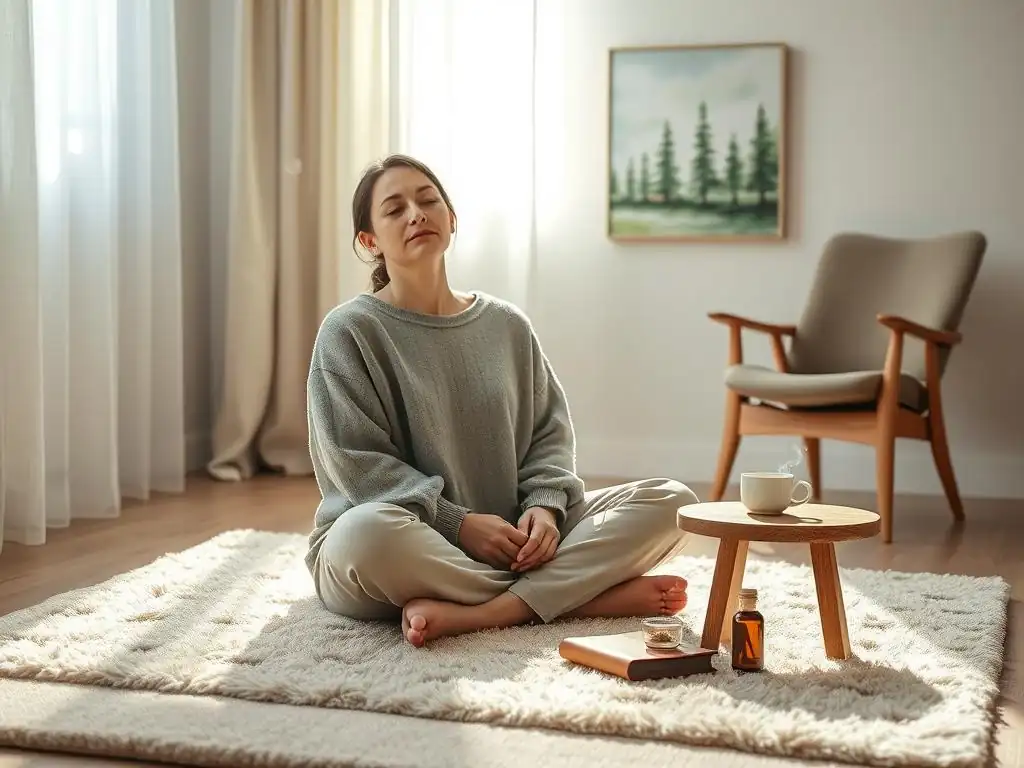
While mindfulness is a powerful tool, it is not always sufficient on its own to manage severe anxiety or chronic insomnia. It's important to recognize when your symptoms are significantly impacting your daily life and to seek professional help. Mindfulness can be a valuable complementary practice alongside traditional treatments, but it should not replace necessary medical or psychological care.
Knowing when to consult a doctor or therapist is a sign of strength, not weakness. Professional guidance can provide diagnosis, tailored treatment plans, and support that addresses the root causes of your difficulties. Integrating mindfulness with professional interventions can create a comprehensive approach to recovery and well-being, maximizing the potential for mindfulness reduce anxiety insomnia symptoms.
Recognizing the Signs of Severe Anxiety and Insomnia: Knowing When to Ask for Help
Signs that you may need professional help include persistent and overwhelming anxiety that interferes with work, relationships, or daily activities; panic attacks; excessive worry that is difficult to control; or chronic insomnia lasting for months that significantly impacts your energy, mood, and concentration. If you are experiencing suicidal thoughts or severe distress, seek immediate help.
Other indicators include relying on alcohol or drugs to cope, significant changes in appetite or weight, or a feeling of hopelessness. While mindfulness can offer relief, severe symptoms may require evaluation by a mental health professional or a sleep specialist. They can assess your specific situation and recommend appropriate treatments, which may include therapy or medication, alongside integrating practices like mindfulness reduce anxiety insomnia.
Integrating Mindfulness with Cognitive Behavioral Therapy (CBT): A Powerful Combination
Cognitive Behavioral Therapy (CBT) is a highly effective psychotherapy approach for anxiety and insomnia. CBT for anxiety helps individuals identify and challenge negative thought patterns and behaviors that contribute to their worries. CBT for insomnia (CBT-I) specifically targets the thoughts and behaviors that interfere with sleep, such as spending too much time in bed awake or having unhelpful beliefs about sleep.
Combining mindfulness with CBT can be particularly powerful. Mindfulness helps individuals become more aware of their thoughts and feelings in the moment, which is a crucial first step in CBT. It provides tools for managing distress and reducing reactivity, making it easier to implement the behavioral changes recommended in CBT. Many therapists now integrate mindfulness techniques into their CBT practice, recognizing how mindfulness reduce anxiety insomnia when used in tandem with cognitive restructuring and behavioral strategies.
Mindfulness-Based Stress Reduction (MBSR) for Anxiety and Sleep Disorders: A Structured Approach
Mindfulness-Based Stress Reduction (MBSR) is an evidence-based, structured eight-week program that teaches participants various mindfulness techniques, including meditation, body scanning, and gentle yoga. Developed by Jon Kabat-Zinn, it is widely used in clinical settings to help people manage stress, anxiety, depression, and chronic pain.
Research specifically on MBSR has shown its effectiveness in reducing symptoms of anxiety disorders and improving sleep quality in individuals with insomnia. The program provides a comprehensive introduction to mindfulness practice and supports participants in establishing a consistent routine. For those seeking a structured way to learn how mindfulness reduce anxiety insomnia, an MBSR program can be an excellent option, often available through hospitals, clinics, or certified instructors.
Long-Term Benefits of Mindfulness for Anxiety and Insomnia: A Sustainable Path to Wellness
Committing to a regular mindfulness practice offers benefits that extend far beyond immediate anxiety relief and improved sleep. Over time, mindfulness cultivates inner resources that build resilience, enhance emotional regulation, and contribute to a greater sense of overall well-being. It becomes a sustainable path towards managing the challenges of anxiety and insomnia.
By consistently practicing mindfulness, you develop a different relationship with your thoughts, feelings, and experiences. You become less reactive to stressors and more capable of navigating difficulties with greater ease and acceptance. This long-term cultivation of mindful awareness empowers you to maintain calm and improve sleep quality over the long haul, demonstrating the lasting impact of how mindfulness reduce anxiety insomnia.
Cultivating Resilience and Emotional Regulation: Building Inner Strength
Mindfulness helps build resilience, the ability to bounce back from adversity. By practicing non-judgmental awareness, you become more adept at observing difficult emotions without being overwhelmed by them. You learn that feelings are temporary and can be experienced without needing to react impulsively or get stuck in rumination.
This practice strengthens your capacity for emotional regulation. Instead of being swept away by anxiety or frustration, you can learn to pause, acknowledge the feeling, and choose a skillful response. This increased inner strength helps you face daily challenges with greater stability and reduces the likelihood of anxiety escalating to the point where it significantly disrupts sleep. Cultivating these skills is a key long-term benefit of letting mindfulness reduce anxiety insomnia.
Improving Overall Quality of Life: Finding Peace and Joy in the Present Moment
Beyond addressing specific symptoms like anxiety and insomnia, mindfulness practice can significantly improve overall quality of life. By training your attention to the present moment, you become more aware of and able to appreciate the positive aspects of your life, even amidst difficulties. This shift in perspective can foster feelings of contentment, gratitude, and joy.
Living more fully in the present moment reduces time spent dwelling on past regrets or future worries, which are major sources of anxiety and stress. This increased presence allows you to engage more fully in activities, relationships, and experiences, leading to a richer and more meaningful life. The peace cultivated through mindfulness extends beyond symptom reduction to a deeper sense of well-being, illustrating the holistic impact of how mindfulness reduce anxiety insomnia.
Mindfulness as a Tool for Preventing Future Anxiety and Insomnia: A Proactive Approach
Regular mindfulness practice can serve as a powerful preventative tool against the recurrence of severe anxiety and insomnia. By maintaining a consistent practice, you continue to build the mental and emotional resilience needed to navigate life's stressors. You become more attuned to the early warning signs of rising anxiety or sleep difficulties, allowing you to intervene before they escalate.
Mindfulness helps you develop healthier coping mechanisms and a greater capacity to tolerate discomfort without resorting to unhelpful patterns that can exacerbate anxiety or disrupt sleep. It's an ongoing practice of self-care that strengthens your ability to maintain mental and physical balance. Embracing mindfulness reduce anxiety insomnia not just now, but also equips you with skills to support your well-being proactively in the future.
Frequently Asked Questions
What is mindfulness and how can it help with anxiety and insomnia?
Mindfulness is a mental state achieved by focusing on the present moment. It can help with anxiety and insomnia by reducing overthinking and promoting relaxation before sleep.
Mindfulness techniques help to interrupt the cycle of anxious thoughts that often keep people awake. By focusing on the present moment, it reduces rumination and worry, promoting better sleep.
Are there specific mindfulness exercises recommended for improving sleep and reducing anxiety?
Yes, practices like mindful breathing, body scan meditations, and guided imagery are often recommended. These exercises help to calm the mind and body, making it easier to fall asleep.
How long does it typically take to see results from using mindfulness for anxiety and insomnia?
The timeline varies, but consistent practice is key. Some may experience initial benefits within a few weeks, while others might need several months of regular practice to see significant improvements.
Where can I find resources to learn more about mindfulness practices for anxiety and insomnia?
Mind Care Guide offers articles, guided meditations, and resources. You can also find helpful materials through mental health professionals and reputable mindfulness apps.
Final Reflection: Cultivating Calm in a Restless World
The pervasive nature of anxiety and insomnia in modern life demands a proactive approach to well-being, and mindfulness offers a powerful, accessible tool. The relentless pace of our digital age, coupled with societal pressures, leaves many struggling to find restful sleep and manage overwhelming anxieties. This article has explored the profound connection between mindfulness practices, reduced anxiety, and improved sleep quality, highlighting techniques readily applicable to daily life.
The impact of mindfulness on our collective mental health is undeniable, slowly but surely shifting the landscape of how we approach stress and its consequences. It's no longer considered a fringe practice, but a valuable resource for navigating the complexities of modern existence. As the renowned mindfulness teacher Jon Kabat-Zinn stated, Mindfulness means paying attention in a particular way: on purpose, in the present moment, and non-judgmentally.
This simple yet profound definition encapsulates the transformative power of focusing on the present, rather than being consumed by anxieties about the future or regrets about the past. This shift in perspective, I believe, is crucial for fostering both mental and physical health.
Now, consider your own life. What small steps can you take today to incorporate mindfulness into your routine? Perhaps it's five minutes of deep breathing before bed, a mindful walk during your lunch break, or simply pausing to appreciate the sensations of your body throughout the day. Start small, be consistent, and allow yourself the grace to cultivate this practice. The journey to better sleep and reduced anxiety begins with a single, mindful breath. Embrace the opportunity to reclaim your peace and quiet, one mindful moment at a time.
Unlock Your Calm: Start Your Mindfulness Journey Today!
Thanks for taking the time to explore the power of mindfulness for better sleep and reduced anxiety. We hope you gained valuable insights into how this practice can transform your well-being. Now, it's time to put that knowledge into action!
- Begin your personalized mindfulness practice: Start with just 5 minutes a day, focusing on your breath and body sensations. You can find guided meditations online or in apps. This is your crucial first step towards a calmer you.
- Share your experience: Connect with our community on social media and share your mindfulness journey. Let's inspire each other! Tell us what you are focusing on and how it makes you feel.
- Explore different mindfulness techniques: Experiment with mindful walking, eating, or even just observing your thoughts without judgment. Find what resonates most with you.
What small step will you take today to cultivate more peace and tranquility in your life?