
The Science Behind Wearable Stress Measurement: Explained

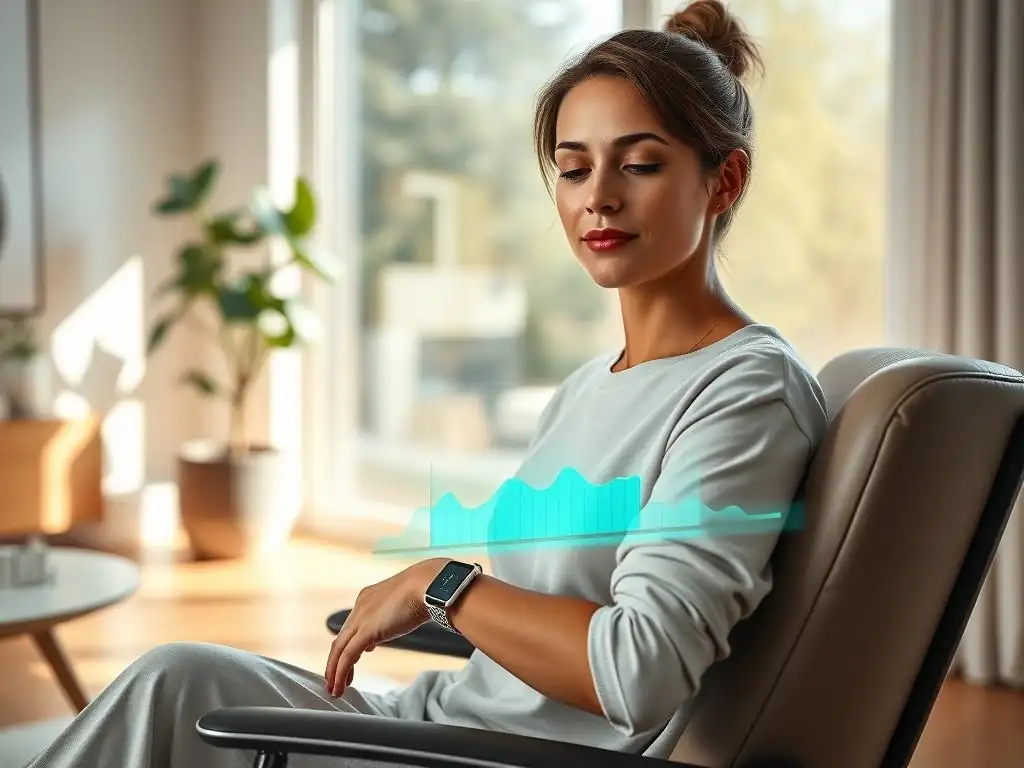
Welcome to Mind Care Guide, your sanctuary for navigating the complexities of mental well-being. Feeling overwhelmed by the pressures of modern life? You're not alone. We understand. In this article, we delve into the fascinating world of wearable stress measurement technology benefits, exploring how these innovative tools can empower you to understand and manage your stress levels like never before. Intrigued? Discover the science and unlock a path towards a calmer, more balanced you. Let's explore together!
The Science Behind Wearable Stress Measurement: Explained
- Understanding Wearable Stress Measurement Technology Benefits
- How Wearable Stress Trackers Work: The Underlying Science
- Accuracy and Limitations of Wearable Stress Measurement
- Maximizing the Benefits of Wearable Stress Measurement Technology
- Beyond the Data: Using Wearable Insights for Improved Mental Well-being
-
Frequently Asked Questions
- What exactly is wearable stress measurement technology, and how does it work?
- What are the key benefits of using wearable stress measurement technology?
- How accurate is wearable stress measurement technology in detecting actual stress levels?
- Can wearable stress measurement tools help with managing and reducing stress?
- What are the potential limitations or drawbacks of relying solely on wearable stress measurement for mental well-being?
- Final Reflection: The Evolving Landscape of Wearable Stress Management
- Unlock Your Inner Calm: Take Control of Your Stress
Understanding Wearable Stress Measurement Technology Benefits
Why Track Stress with Wearable Devices? An Introduction
Stress is a natural response to challenges, but chronic stress can have significant negative impacts on both physical and mental health. Understanding and managing stress is crucial for well-being. Historically, stress assessment relied heavily on subjective questionnaires and clinical interviews, which can be prone to recall bias and may not capture moment-to-moment fluctuations. Wearable devices offer a new dimension by providing objective, continuous, and passive data collection, giving individuals insights into their physiological stress responses throughout the day and night.
The benefits of wearable stress measurement technology include gaining a deeper, data-driven understanding of personal stress triggers and recovery patterns. By continuously monitoring physiological signals, these devices can highlight periods of elevated stress that might otherwise go unnoticed. This objective feedback empowers individuals to recognize the physical manifestations of stress in real-time, fostering greater self-awareness and enabling proactive intervention. The accessibility of this data on a personal device means users can track trends over time, identifying lifestyle factors, activities, or environments that consistently correlate with higher or lower stress levels.
The Growing Popularity of Stress Tracking Wearables
The market for wearable technology has exploded in recent years, driven by increasing health consciousness and technological advancements. Devices capable of tracking metrics relevant to stress, such as heart rate, sleep, and activity, have become mainstream. This widespread adoption has paved the way for more sophisticated algorithms and sensors specifically designed to interpret these signals through the lens of stress. Major tech companies and dedicated health tech innovators are continuously developing and refining stress measurement features in their products.
The benefits of wearable stress measurement technology are a key selling point for many of these devices. As people seek convenient ways to manage their health and well-being, the appeal of a device that can silently monitor stress levels and provide actionable insights is significant. The integration of stress tracking into devices already used for fitness or general health monitoring has lowered the barrier to entry for many users. This growing popularity is also fueling further research and development, promising even more accurate and comprehensive stress monitoring capabilities in the future.
How Wearable Stress Trackers Work: The Underlying Science
Heart Rate Variability (HRV) and Stress: A Deep Dive
What is HRV and How Does It Reflect Stress Levels?
Heart Rate Variability (HRV) is the variation in the time interval between consecutive heartbeats. While it might seem counterintuitive, a healthy, well-regulated nervous system exhibits a relatively high degree of variability in these beat-to-beat intervals.
This variability is not random; it reflects the complex interplay between the sympathetic nervous system (responsible for the "fight or flight" response, decreasing HRV) and the parasympathetic nervous system (responsible for "rest and digest," increasing HRV). A consistently low HRV is often associated with chronic stress, overtraining, poor sleep, or illness, indicating that the sympathetic system might be dominant or the nervous system is less adaptable.
Wearable devices measure HRV by detecting the timing of each heartbeat, typically using optical sensors (photoplethysmography, or PPG) on the wrist or chest strap electrodes (electrocardiography, or ECG). Algorithms then calculate various HRV metrics, such as RMSSD (Root Mean Square of Successive Differences), which is commonly used in wearables as it primarily reflects parasympathetic activity. While a single HRV number isn't a definitive stress score, tracking trends in your personal HRV baseline can provide valuable insights. For example, a significant drop in your typical overnight HRV might indicate accumulated stress, illness, or insufficient recovery from exercise.
The Relationship Between HRV and the Autonomic Nervous System
HRV is a non-invasive window into the balance and activity of the Autonomic Nervous System (ANS). The ANS operates largely unconsciously, regulating vital functions like heart rate, digestion, respiration, and stress response. It comprises two main branches: the sympathetic nervous system, which mobilizes the body for action and tends to decrease HRV, and the parasympathetic nervous system (specifically the vagus nerve), which promotes relaxation and recovery and tends to increase HRV.
When you experience stress, the sympathetic nervous system typically becomes more active, leading to a more rigid, less variable heart rate and thus lower HRV. Conversely, during periods of relaxation, rest, or recovery, the parasympathetic system is more dominant, resulting in greater heart rate variability and higher HRV. Wearable devices leverage this fundamental physiological relationship.
By continuously measuring and analyzing HRV, they provide an objective metric that reflects how well your ANS is coping with stressors and recovering. Understanding this relationship is key to appreciating the benefits of wearable stress measurement technology, as it translates complex physiological states into understandable data points.
Electrodermal Activity (EDA) Sensors: Measuring Skin Conductance for Stress
EDA Explained: Sweat Glands and Stress Response
Electrodermal Activity (EDA), also known as skin conductance or galvanic skin response (GSR), measures changes in the electrical conductivity of the skin. The skin's conductivity is primarily influenced by the activity of sweat glands, particularly the eccrine glands found in high concentrations on the palms of the hands and soles of the feet. These glands are innervated by the sympathetic nervous system. When a person experiences physiological or psychological arousal, such as stress, anxiety, or excitement, sympathetic activity increases, stimulating these sweat glands.
Even slight increases in sweat production, often imperceptible to the individual, lead to changes in the moisture level on the skin's surface. This increased moisture makes the skin a better conductor of electricity. EDA sensors in wearables work by applying a tiny, harmless electrical voltage across two points on the skin and measuring the resulting current flow.
Fluctuations in skin conductance directly correlate with changes in sympathetic nervous system activity, providing a real-time indicator of physiological arousal, which is often a component of the stress response. The benefits of wearable stress measurement technology using EDA lie in its ability to capture these acute, moment-by-moment shifts in physiological state.
Examples of Wearables Using EDA: Google Pixel Watch
Several modern wearable devices incorporate EDA sensors to enhance their stress measurement capabilities. A prominent example is the Google Pixel Watch. This device features an EDA sensor that detects minuscule electrical signals on the skin. When a user experiences a potential stressor or engages in a guided mindfulness session, the watch can measure these changes in skin conductance. The data is then processed by algorithms to provide insights into the user's physiological response.
By combining EDA data with other metrics like heart rate and activity, devices like the Google Pixel Watch aim to offer a more comprehensive picture of the user's stress levels and recovery. For instance, a sudden spike in EDA readings might correlate with a stressful event, while a decrease during a guided breathing exercise could indicate a successful relaxation response. This multi-modal approach helps to triangulate the user's state, contributing significantly to the overall benefits of wearable stress measurement technology by providing richer, more context-aware data.
Actigraphy and Sleep Patterns: Indirect Indicators of Stress
How Sleep Monitoring Reveals Stress-Related Issues
Sleep quality and duration are profoundly affected by stress, and conversely, poor sleep can significantly exacerbate stress levels. Chronic stress often manifests as difficulty falling asleep, staying asleep, or experiencing non-restorative sleep. Monitoring sleep patterns through actigraphy provides valuable indirect insights into a person's stress burden. Actigraphy involves using motion sensors (accelerometers) to track periods of activity and inactivity, which are used to estimate sleep and wake times.
Wearable devices equipped with actigraphy can record when you fall asleep, when you wake up, periods of wakefulness during the night, and the total time spent in bed versus estimated sleep time. While actigraphy doesn't measure stress directly, persistent patterns like significantly reduced total sleep time, increased wakefulness after sleep onset, or highly fragmented sleep are strong indicators of physiological or psychological distress. Tracking these patterns over time allows individuals to see the tangible impact of stress on their rest, highlighting the benefits of wearable stress measurement technology in revealing stress's hidden toll.
Wearables that Track Sleep Quality: Oura Ring
The Oura Ring is a well-known example of a wearable device that heavily emphasizes sleep tracking as a core function, which in turn provides insights relevant to stress and recovery. The Oura Ring uses infrared LEDs, NTC temperature sensors, and accelerometers/gyroscopes to collect data while the user sleeps. It tracks heart rate, HRV, respiratory rate, body temperature variations, and movement.
Based on this data, the Oura Ring provides detailed analysis of sleep stages (light, deep, REM), sleep efficiency, timing, and disturbances. It calculates a daily "Sleep Score" and a "Readiness Score," which factors in sleep quality, HRV, and other recovery metrics. A low Readiness Score, often driven by poor sleep and low HRV, serves as a strong indicator that the body is experiencing significant stress or is not adequately recovered. By providing these comprehensive sleep and recovery metrics, devices like the Oura Ring demonstrate the benefits of wearable stress measurement technology, even when relying on indirect physiological indicators.
The Role of Accelerometers in Stress Detection
Tracking Movement and Activity Levels to Identify Stressors
Accelerometers, which measure acceleration and detect movement, are fundamental components in almost all wearable devices. While primarily used for tracking steps, activity levels, and exercise, the data from accelerometers can also provide indirect clues about a person's stress levels and behaviors associated with stress. For example, a sudden increase in restless movement during sleep, detected by an accelerometer, can indicate disturbed sleep often linked to anxiety or stress.
Beyond sleep, changes in daily activity patterns recorded by accelerometers can correlate with stress. A significant reduction in overall activity might suggest withdrawal or fatigue associated with chronic stress. Conversely, periods of high physical activity or restlessness might sometimes coincide with heightened anxiety. While accelerometer data alone is not a direct measure of stress, when combined with other physiological data streams like heart rate, HRV, and sleep patterns, it contributes to a more holistic picture of a person's state, augmenting the overall benefits of wearable stress measurement technology.
Examples of Wearables Using Accelerometers: Samsung Galaxy Watch 6
Smartwatches like the Samsung Galaxy Watch 6 are equipped with sophisticated accelerometers and gyroscopes that track movement in multiple axes. These sensors are essential for tracking steps, distance, calories burned, and detecting different types of exercise. They also play a crucial role in sleep tracking, identifying periods of stillness and movement to estimate sleep stages and disturbances.
In the context of stress measurement, the accelerometer data on a device like the Galaxy Watch 6 is integrated with other sensors, such as the optical heart rate sensor and potentially EDA sensors depending on the model. The device's algorithms analyze the interplay between activity levels, heart rate changes, and other metrics to provide a stress score or indicate periods of high stress. This integration of accelerometer data with physiological signals exemplifies how multiple data points contribute to the comprehensive benefits of wearable stress measurement technology, offering users a multi-faceted view of their stress response.
Accuracy and Limitations of Wearable Stress Measurement
Factors Affecting the Accuracy of Wearable Stress Trackers
Skin Contact and Sensor Placement
The accuracy of physiological data collected by wearable devices, particularly optical sensors used for heart rate and HRV, is highly dependent on good skin contact and proper sensor placement. Devices worn on the wrist need to be snug, but not uncomfortably tight, and positioned correctly on the arm, typically above the wrist bone. Poor contact due to loose fit, movement artifacts during activity, or even factors like tattoos or excessive hair in the sensor area can interfere with the signal quality.
For EDA sensors, which often require contact with two points on the skin (like two fingers or the back of the wrist), the quality of contact is also critical. Dry or calloused skin can affect conductivity readings. Chest straps, while less convenient for continuous wear, are often considered more accurate for HRV measurement as they are closer to the heart and less susceptible to movement artifacts than wrist-based optical sensors. Understanding these limitations is important when interpreting the data and appreciating the nuanced benefits of wearable stress measurement technology.
Individual Physiological Differences
Human physiology varies significantly from person to person. Factors such as age, fitness level, body composition, skin tone, hydration, and underlying medical conditions can all influence physiological signals like heart rate, HRV, and skin conductance. For instance, individuals with certain cardiovascular conditions or those taking specific medications (like beta-blockers) may have altered heart rate and HRV responses that differ from typical patterns.
These individual differences mean that the algorithms used by wearable devices must be robust enough to account for a wide range of physiological baselines and responses. What constitutes a "high" or "low" stress level based on physiological data can be highly personal. Therefore, the most valuable insights from wearable stress measurement technology benefits come from tracking personal trends and variations relative to one's own baseline, rather than comparing absolute numbers to generalized population data.
Environmental Influences
Environmental factors can also impact the physiological data collected by wearable devices and potentially influence stress measurement readings. Temperature and humidity, for example, can affect skin conductance independent of psychological stress; higher humidity might lead to increased sweating and thus higher EDA readings. Extreme cold can affect blood flow to the extremities, potentially impacting optical heart rate sensor accuracy.
Physical activity itself, independent of psychological stress, can also influence metrics like heart rate and HRV. While devices use algorithms to differentiate between stress-induced physiological changes and those related to physical exertion, this can be challenging during periods of low-to-moderate activity or recovery. Being aware of these environmental and situational influences is crucial for accurate interpretation of the data provided by wearable stress measurement technology.
Validating Wearable Stress Data: Research and Studies
Studies on the Accuracy of HRV-Based Stress Measurement
Numerous studies have investigated the accuracy of HRV measurements from wearable devices compared to gold-standard ECG measurements. Research generally indicates that while wrist-based optical sensors can provide reasonably accurate resting or nocturnal HRV data, their accuracy can decrease significantly during physical activity due to motion artifacts. Chest strap monitors using ECG technology are typically considered more accurate for measuring HRV across a wider range of conditions.
Validation studies often involve comparing simultaneous readings from a wearable device and a clinical ECG monitor during controlled conditions or daily activities. The results from these studies highlight that while wearable HRV provides valuable trend data and is useful for tracking recovery and general stress levels, it may not be as precise as medical-grade equipment for clinical diagnosis. However, for personal insight and tracking the benefits of wearable stress measurement technology for self-management, the data is often sufficiently reliable.
Studies on the Accuracy of EDA-Based Stress Measurement
Research into the accuracy and utility of EDA sensors in consumer wearables is an evolving field. Studies validate that EDA sensors in wearables can indeed detect changes in skin conductance that correlate with sympathetic nervous system activation. For example, research might involve exposing participants to controlled stressors while simultaneously measuring EDA with a wearable and a laboratory-grade system.
Findings suggest that wearable EDA sensors are capable of capturing significant physiological arousal events. However, interpreting the meaning of EDA fluctuations in the context of daily life remains complex, as various factors besides psychological stress (like temperature changes or physical activity) can influence skin conductance. The benefits of wearable stress measurement technology using EDA are often best realized when the data is used in conjunction with other metrics and personal context, helping users identify patterns rather than relying on EDA as a standalone stress indicator.
Maximizing the Benefits of Wearable Stress Measurement Technology
How to Interpret Your Wearable Stress Data
Understanding Your Baseline Stress Levels
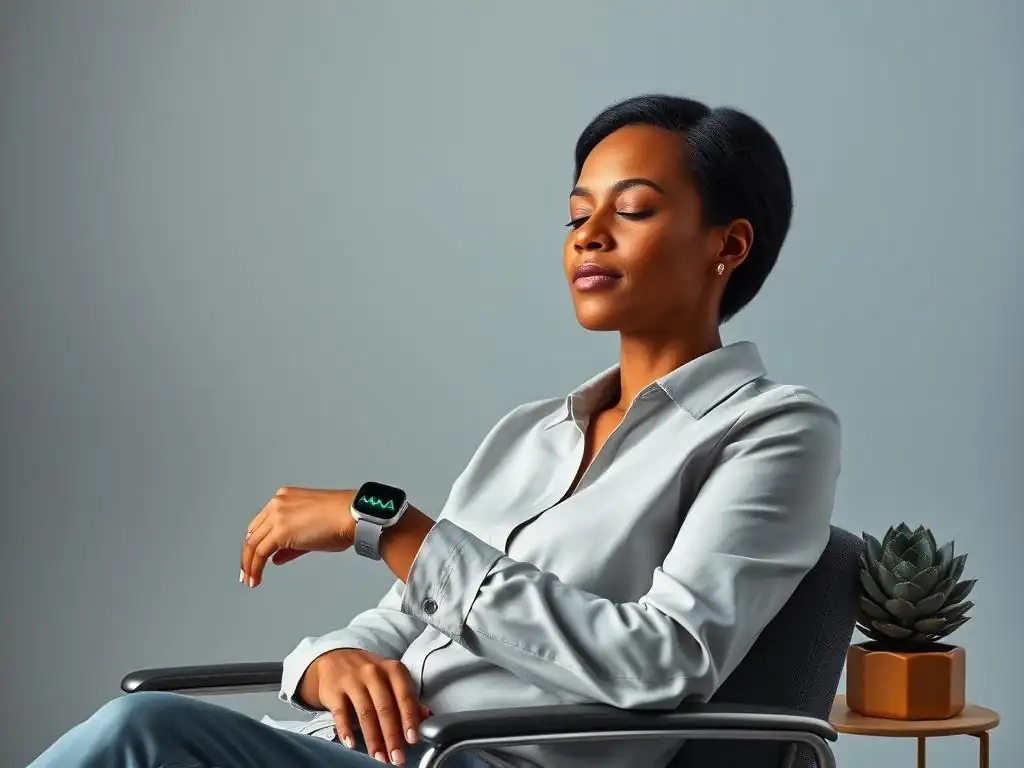
The most effective way to utilize wearable stress data is to first establish your personal baseline. Stress metrics like HRV, resting heart rate, and sleep quality naturally vary between individuals. What might be a low HRV for one person could be average for another. Spend several weeks wearing your device consistently to understand your typical range for these metrics during periods when you feel relatively unstressed.
Once you know your baseline, you can identify deviations that might indicate elevated stress or poor recovery. For example, if your typical overnight HRV is around 60 ms, a drop to 30 ms for several consecutive nights is a significant signal that your body is under strain. Understanding your baseline allows you to personalize the insights from your wearable, maximizing the benefits of wearable stress measurement technology by making the data relevant to you.
Identifying Triggers and Patterns
After establishing your baseline, the next step is to use your wearable data to identify potential stress triggers and patterns. Pay attention to correlations between your stress scores, HRV, sleep quality, and specific events or activities in your life. Do you notice a drop in HRV or an increase in reported stress on days following poor sleep? Does your stress score spike before or after certain types of meetings or social interactions?
Keep a simple journal, either mental or written, to correlate your subjective feelings and daily events with the objective data from your wearable. Over time, this practice can reveal clear patterns, showing you which situations, behaviors (like late-night screen time or caffeine intake), or environments consistently impact your physiological stress response. This ability to identify personal triggers is one of the most powerful benefits of wearable stress measurement technology, enabling targeted stress management strategies.
Integrating Wearable Data with Stress Management Techniques
Combining Wearable Insights with Mindfulness Practices
Wearable data can provide objective feedback on the effectiveness of stress management techniques like mindfulness, meditation, and deep breathing exercises. Many wearables now offer guided breathing or meditation sessions and can show real-time changes in metrics like heart rate or EDA during these activities. Tracking your HRV or stress score before and after a mindfulness practice can provide tangible evidence of its physiological impact, showing the shift towards a more relaxed state.
For example, you might observe that your HRV consistently increases after a 10-minute meditation session, or your EDA readings decrease during a guided breathing exercise. This objective validation can be incredibly motivating, encouraging you to continue incorporating these practices into your routine. Using wearable data to see the immediate and long-term effects enhances the benefits of wearable stress measurement technology by turning data into a tool for improving the efficacy of your chosen stress reduction methods.
Using Wearable Data to Improve Sleep Hygiene
Given the strong link between stress and sleep, using wearable sleep tracking data to improve sleep hygiene is a direct application of this technology. Your wearable can show you your typical bedtime, wake time, time spent awake during the night, and sleep efficiency. It can also track metrics like resting heart rate and HRV during sleep, which reflect recovery quality.
Analyze your sleep data in conjunction with your daily activities. Do you notice poorer sleep on nights when you exercised late, consumed alcohol, or worked right up until bedtime? Use this data to identify habits that are disrupting your sleep and are likely contributing to your stress burden. Implementing changes based on these insights – like setting a consistent sleep schedule, creating a relaxing bedtime routine, or optimizing your sleep environment – can lead to better sleep quality, which in turn helps manage stress. This practical application demonstrates concrete benefits of wearable stress measurement technology for daily well-being.
Recommended Wearable Stress Trackers for Different Needs
Best Overall: Biostrap EVO - Comprehensive Biometrics and Recovery Analysis
The Biostrap EVO is often cited for its comprehensive approach to biometrics, offering detailed analysis of recovery and physiological readiness, which are closely linked to stress. It tracks metrics including high-resolution pulse analysis, oxygen saturation, resting heart rate, HRV (including advanced metrics), respiratory rate, sleep stages, and activity. Its focus is on providing deep insights into the body's recovery state, which is a key indicator of how well it's handling stress.
Unlike some devices that provide a simple "stress score," the Biostrap EVO emphasizes raw data and detailed analysis within its app, allowing users to dive deep into their physiological responses. This level of detail makes it suitable for individuals who want a thorough understanding of their body's state and the factors influencing their recovery and stress resilience. The depth of data provided contributes significantly to the potential benefits of wearable stress measurement technology for those seeking detailed physiological feedback.
Best for Beginners: Calm - Guided Meditation and Sleep Stories with Limited Tracking
While primarily known as a mental wellness app offering guided meditations, sleep stories, and relaxation programs, Calm also integrates with some wearable devices to provide basic tracking. However, for beginners specifically looking to start managing stress with technological support, focusing on the app's core offerings combined with minimal, easy-to-understand tracking can be highly effective. Some versions or integrations might offer basic heart rate correlation with meditation sessions.
The main benefit here is the focus on intervention and practice rather than just data collection. For someone new to stress management, having access to guided sessions is often more immediately helpful than complex physiological charts. While its direct "stress measurement" might be limited compared to dedicated trackers, its strength lies in providing accessible tools for managing stress, complementing the conceptual benefits of wearable stress measurement technology by focusing on the "management" aspect.
Best for Athletes: Polar H10 - Chest Strap for Accurate HRV and Heart Rate Monitoring
For athletes, stress management is often intertwined with training load and recovery. The Polar H10 chest strap is widely regarded as one of the most accurate heart rate monitors available, utilizing ECG technology. This high accuracy is particularly valuable for measuring HRV, a critical metric for athletes monitoring recovery, training readiness, and physiological stress from intense physical exertion.
While it primarily focuses on heart rate and HRV, the precision of the Polar H10 makes it an excellent tool for athletes (or anyone prioritizing HRV accuracy) to objectively track how training, life stressors, and recovery strategies impact their autonomic nervous system. Integrating the highly accurate data from a chest strap like the H10 into a recovery or training platform maximizes the benefits of wearable stress measurement technology for those whose stress is heavily influenced by physical demands and recovery needs.
Beyond the Data: Using Wearable Insights for Improved Mental Well-being
Connecting Wearable Data with Professional Mental Healthcare
Wearable stress measurement technology can serve as a valuable tool to complement professional mental healthcare. While the data from these devices should not be used for self-diagnosis or as a replacement for clinical assessment, it can provide objective information to share with therapists, counselors, or doctors. For example, showing a therapist patterns of poor sleep or consistently low HRV correlated with specific days or situations can offer concrete examples of how stress is manifesting physically.
This objective data can facilitate more productive conversations during therapy sessions, helping both the patient and the clinician identify potential triggers and monitor the physiological impact of stress over time. It can also help track the effectiveness of therapeutic interventions or lifestyle changes recommended by a professional. Using wearable data in this way extends the benefits of wearable stress measurement technology beyond personal tracking, making it a potential aid in the collaborative process of improving mental well-being under professional guidance.
The Future of Wearable Stress Measurement and Mental Health
The field of wearable stress measurement is rapidly evolving. Future advancements are likely to include more sophisticated sensors capable of measuring additional biomarkers (like cortisol levels in sweat), improved algorithms that integrate data from multiple sources more effectively, and personalized predictive analytics. Imagine a future where your wearable can not only tell you that you are stressed but also predict when you are likely to become stressed based on your schedule, environment, and past physiological responses.
Furthermore, the integration of wearable data with AI and machine learning is expected to lead to more personalized and timely interventions, such as nudges to take a break, suggestions for specific stress-reducing activities based on your current physiological state, or even integration with virtual reality or biofeedback programs. As technology becomes more seamless and insightful, the benefits of wearable stress measurement technology will continue to grow, offering increasingly powerful tools for understanding, managing, and ultimately improving mental health and overall well-being.
Frequently Asked Questions
What exactly is wearable stress measurement technology, and how does it work?
It's technology integrated into wearable devices like smartwatches or fitness trackers that monitors physiological signals such as heart rate variability (HRV) or skin conductance to estimate stress levels. The data is then processed using algorithms.
What are the key benefits of using wearable stress measurement technology?
The main benefits include early stress detection, allowing for proactive interventions. It also provides personalized insights into stress triggers and patterns, leading to better self-management.
How accurate is wearable stress measurement technology in detecting actual stress levels?
Accuracy varies depending on the device and individual. While not a perfect measure, these devices can provide a valuable indication of stress trends and changes in physiological responses.
Can wearable stress measurement tools help with managing and reducing stress?
Yes, by providing real-time feedback on stress levels, these tools can prompt users to engage in relaxation techniques or other coping mechanisms, ultimately leading to stress reduction.
What are the potential limitations or drawbacks of relying solely on wearable stress measurement for mental well-being?
Over-reliance can cause anxiety about stress levels. Also, these devices shouldn't replace professional mental health support; they're merely one tool in a comprehensive approach.
Final Reflection: The Evolving Landscape of Wearable Stress Management
The ability to accurately measure and manage stress using wearable technology is no longer a futuristic fantasy; it's a rapidly evolving reality with profound implications for our health and well-being. This article has explored the scientific principles underpinning these advancements, highlighting the diverse benefits ranging from early disease detection to personalized stress reduction strategies. The potential for positive impact is immense, promising a future where proactive mental health management is accessible to all.
The integration of wearable stress measurement into our daily lives is subtly but significantly reshaping our understanding of stress itself. It's moving us beyond a purely subjective experience towards a more objective, quantifiable understanding. This shift allows for more nuanced interventions and a more personalized approach to stress management.
As the renowned psychologist, Viktor Frankl, once said: >“Between stimulus and response there is a space. In that space is our power to choose our response. In our response lies our growth and our freedom.” Wearable technology, by providing data-driven insights, expands that crucial space between stimulus and response, empowering individuals to make conscious choices that foster resilience and well-being.
Consider the implications of this technology for yourself. How might access to real-time stress data transform your daily routine? Would it encourage you to prioritize self-care more effectively? Would it provide the impetus for seeking professional help when needed? The future of stress management isn't just about technological advancement; it's about empowering individuals to take control of their mental health. Embrace the potential of wearable stress measurement, and embark on a journey towards a more balanced and fulfilling life.
Unlock Your Inner Calm: Take Control of Your Stress
Thanks for diving into the science of wearable stress measurement with us! We hope you gained valuable insights into how these devices can help you understand and manage your well-being. Now it's time to put that knowledge into action.
- Start your journey to stress management: Identify the wearable stress tracker that best suits your needs and lifestyle. Research different options and their features to find the perfect fit for your personal goals.
- Share your thoughts: Let us know in the comments below what you found most insightful about wearable stress technology, and what challenges you're hoping to overcome. Start a conversation with your fellow Mind Care Guide readers!
- Explore mindfulness techniques: Complement your chosen wearable by incorporating mindfulness practices like meditation or deep breathing exercises into your daily routine.
Ready to transform your stress management strategy? What's the first step you'll take to better understand and manage your stress levels?