
Cultivating Compassion: Fostering Kindness and Empathy Through Mindfulness in Schools


Welcome to Mind Care Guide, a space dedicated to nurturing your mental well-being.
Are you looking for ways to foster kindness and understanding in your school environment? We understand the challenges you face. This guide explores the powerful practice of Mindfulness for school compassion, offering practical strategies and insightful resources to cultivate empathy and create a more supportive learning community. Discover how mindfulness can transform your school, one breath at a time.
Cultivating Compassion: Fostering Kindness and Empathy Through Mindfulness in Schools
- Introduction: The Power of Mindfulness for School Compassion
- Understanding Compassion and Empathy in the School Environment
- Mindfulness Practices for Cultivating Compassion in Schools
- Implementing Mindfulness Programs to Foster Compassion in the Classroom
- Mindfulness for School Compassion: Specific Techniques and Activities
- Addressing Challenges in Implementing Mindfulness for School Compassion
- The Science Behind Mindfulness and Compassion: Research and Evidence
- Case Studies: Successful Mindfulness Programs Fostering Compassion in Schools
- Resources for Implementing Mindfulness for School Compassion
- Conclusion: Building a More Compassionate and Empathetic School Community Through Mindfulness
-
Frequently Asked Questions
- How can mindfulness practices specifically foster compassion in a school setting?
- What are some practical mindfulness exercises that schools can implement to encourage compassion?
- What are the benefits of integrating mindfulness for school compassion beyond the classroom?
- How can schools address potential challenges or resistance when introducing mindfulness practices?
- How can schools measure the effectiveness of mindfulness programs in promoting compassion?
- Final Reflection: The Ripple Effect of Compassion in Schools
- Unleash the Power of Compassion: Start Building a Kinder Classroom Today!
Introduction: The Power of Mindfulness for School Compassion
In today's educational landscape, fostering a supportive and understanding environment is paramount. Schools are not only places of academic learning but also crucial spaces for social and emotional development. As students navigate complex social dynamics and academic pressures, the ability to connect with others, understand different perspectives, and respond with kindness becomes increasingly vital. This is where the transformative potential of mindfulness comes into play, particularly as a tool for cultivating compassion and empathy within the school community.
Mindfulness, the practice of paying attention to the present moment without judgment, offers a pathway to deeper self-awareness and a greater understanding of others. When integrated into the school setting, mindfulness practices can equip students and educators alike with the skills needed to manage stress, regulate emotions, and, significantly, enhance their capacity for compassion. Exploring mindfulness for school compassion is not just about adding another program; it's about nurturing the fundamental human capacity for kindness and connection, creating a foundation for a more positive and inclusive learning environment where everyone feels valued and understood.
Understanding Compassion and Empathy in the School Environment
Defining Compassion: More Than Just Kindness
Compassion in the school context goes beyond simple acts of kindness; it involves recognizing suffering in oneself and others and being motivated to alleviate it. It's an active response rooted in understanding and care. While kindness might be offering a helping hand, compassion includes the deeper feeling of shared humanity that drives that action, even when it's challenging or uncomfortable. It's about standing with someone in their difficulty, not just observing it from a distance.
This deeper understanding of compassion is crucial for students and staff. It shifts the focus from merely enforcing rules to building a community where individuals genuinely care about each other's well-being. For instance, a student demonstrating compassion might not just refrain from bullying, but actively step in to support a peer who is struggling, showing genuine concern for their emotional state and seeking ways to help them feel safe and included. Cultivating this kind of active, empathetic concern is a core goal of integrating mindfulness for school compassion.
The Role of Empathy in Fostering Positive Relationships
Empathy is the ability to understand and share the feelings of another person. It's the cognitive and emotional bridge that allows us to step into someone else's shoes and see the world from their perspective. In schools, empathy is the bedrock of positive relationships between students, between students and teachers, and among staff members. When individuals can empathize, they are better equipped to resolve conflicts peacefully, communicate effectively, and build trust.
Developing empathy helps reduce misunderstandings and promotes a sense of belonging. For example, a teacher who practices empathy might better understand the challenges a student is facing at home, leading to a more supportive and tailored approach to their learning. Similarly, students who develop empathy are less likely to engage in harmful behaviors like exclusion or gossip, as they can more readily feel the impact of their actions on others. Enhancing empathy through practices like mindfulness for school compassion directly contributes to a safer, more connected school climate.
Why Compassion Matters in Education: Benefits for Students and Teachers
Fostering compassion in schools has far-reaching benefits for both students and teachers. For students, increased compassion is linked to improved social-emotional skills, better peer relationships, reduced aggression, and higher academic engagement. When students feel cared for and witness acts of compassion, they are more likely to feel secure, which is essential for learning. Studies suggest that schools with a strong emphasis on social-emotional learning, including compassion, see improvements in attendance rates and academic performance.
Teachers also benefit significantly. A compassionate school environment can reduce teacher stress and burnout by fostering stronger collegial relationships and a sense of shared purpose. When teachers feel supported and can approach challenging student behaviors with compassion rather than frustration, their job satisfaction often increases. Furthermore, modeling compassion is a powerful teaching tool, demonstrating to students the values and behaviors that contribute to a positive community. Integrating mindfulness for school compassion supports the well-being and effectiveness of the entire educational ecosystem.
Mindfulness Practices for Cultivating Compassion in Schools
Mindfulness Meditation for Enhanced Empathy
Mindfulness meditation, often involving focusing on the breath or bodily sensations, can significantly enhance empathy by increasing self-awareness and emotional regulation. As individuals become more aware of their own internal states – their thoughts, feelings, and physical sensations – they develop a greater capacity to recognize and understand these states in others. This practice trains the mind to observe experiences without immediate judgment, a skill directly applicable to observing and understanding the experiences of others with greater openness.
Regular mindfulness meditation helps quiet the 'noise' of our own reactions and biases, making it easier to truly listen and connect with another person's perspective. For example, a simple five-minute breathing exercise can help a student calm their nervous system and become more present before engaging in a conversation, allowing them to listen more attentively and respond with greater sensitivity. This foundational mindfulness for school compassion practice builds the internal stability needed to extend empathy outwards.
Mindful Listening: A Key to Understanding Others' Perspectives
Mindful listening is a specific application of mindfulness that focuses entirely on the experience of hearing and understanding another person. It involves paying full attention to the speaker, not just their words but also their tone of voice, body language, and the emotions they might be conveying. Crucially, it requires suspending one's own thoughts, judgments, and planned responses to truly absorb what the other person is communicating.
Practicing mindful listening in schools can transform interactions. In a classroom setting, this might look like dedicating specific times for students to share in pairs, with one student practicing mindful listening while the other speaks, and then switching roles. This helps students feel heard and validated, while simultaneously building their capacity to genuinely understand others' viewpoints, even when they differ. This direct practice of empathy is a vital component of mindfulness for school compassion.
Compassionate Breathing Exercises for Stress Reduction and Emotional Regulation
Compassionate breathing exercises combine mindful breathing with an intention to cultivate compassion, either for oneself or others. A simple technique involves breathing in kindness and ease and breathing out tension or difficulty. This practice helps regulate the nervous system, reducing stress and anxiety, which in turn makes it easier to access feelings of empathy and compassion. When individuals are overwhelmed by stress, their capacity to connect with others' suffering is often diminished.
These exercises can be particularly helpful for students and teachers experiencing stress related to academics or social challenges. A teacher might lead the class in a few minutes of compassionate breathing before a test, helping students feel calmer and more connected. By intentionally linking breath with feelings of care and understanding, these exercises actively build the neural pathways associated with compassion and emotional resilience, reinforcing the goals of mindfulness for school compassion programs.
Implementing Mindfulness Programs to Foster Compassion in the Classroom
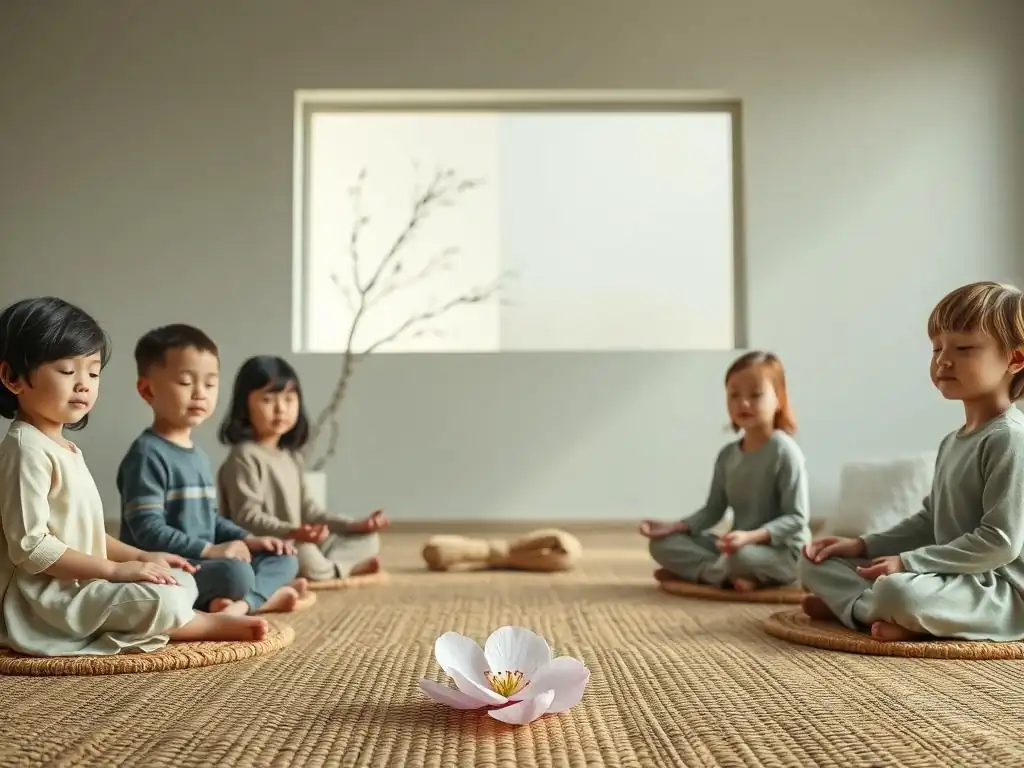
Creating a Compassionate Classroom Culture: Practical Strategies
Creating a compassionate classroom culture requires intentional effort beyond scheduled mindfulness sessions. It involves integrating principles of kindness, empathy, and understanding into daily interactions and classroom norms. Practical strategies include establishing clear expectations around respectful communication and conflict resolution, using restorative justice practices instead of punitive measures, and regularly acknowledging and celebrating acts of kindness and compassion among students.
Teachers can model compassionate behavior by responding to student challenges with patience and understanding. Incorporating morning meetings or check-ins where students can share how they are feeling helps build emotional literacy and empathy within the group. Displaying posters or creating classroom charters that emphasize values like "listen with your heart" or "everyone belongs" can serve as constant reminders of the desired culture. These ongoing efforts are essential for embedding mindfulness for school compassion into the fabric of the learning environment.
Integrating Mindfulness Activities into the Curriculum
Integrating mindfulness activities into the existing curriculum ensures that these practices are not seen as add-ons but as fundamental tools for learning and well-being. Mindfulness can be woven into various subjects. For example, during a science lesson, students might practice mindful observation of a plant; in a literature class, they could use mindful listening to truly hear a poem being read; or in social studies, they might practice mindful reflection on different cultural perspectives.
Short, frequent mindfulness moments are often more effective than long, infrequent sessions. A teacher might start the day with a one-minute breathing exercise, use a quick body scan before a difficult assignment, or incorporate mindful walking transitions between activities. These small integrations make mindfulness accessible and habitual, demonstrating its relevance to all aspects of school life and reinforcing the skills needed for mindfulness for school compassion throughout the day.
Teacher Training: Equipping Educators with Mindfulness Skills for Compassion
Effective implementation of mindfulness for school compassion hinges on providing adequate training for educators. Teachers are the primary facilitators of these practices and need to develop their own mindfulness skills before they can effectively teach them to students. Training should cover personal mindfulness practice, the rationale behind mindfulness in education, and practical techniques for leading activities with students of different age groups.
Investing in teacher training not only equips educators with the skills to lead mindfulness activities but also supports their own well-being, which is critical for preventing burnout. Studies indicate that teachers who practice mindfulness report lower stress levels and higher self-compassion. When teachers embody mindfulness and compassion, they are better able to create the kind of classroom environment that nurtures these qualities in their students, making teacher training a cornerstone of any successful mindfulness for school compassion initiative.
Mindfulness for School Compassion: Specific Techniques and Activities
Loving-Kindness Meditation (LKM) for Students: Step-by-Step Guide
Loving-Kindness Meditation (LKM), also known as Metta meditation, is a powerful practice for cultivating compassion and empathy. It involves directing well wishes towards oneself and others. For students, a simple guide could be:
- Find a comfortable position: Sit or lie down comfortably.
- Close your eyes gently: Or soften your gaze.
- Focus on your breath: Take a few slow, deep breaths.
- Start with yourself: Silently repeat phrases like, "May I be happy. May I be safe. May I be healthy. May I live with ease." Feel the warmth of these wishes for yourself.
- Extend to someone easy: Think of someone you like very much (a friend, a family member, a pet). Direct the same phrases towards them: "May you be happy. May you be safe. May you be healthy. May you live with ease."
- Extend to someone neutral: Think of someone you don't know well (e.g., the bus driver, a store clerk). Direct the phrases towards them.
- Extend to someone difficult (optional, for older students): Think of someone you have difficulty with. Direct the phrases towards them, acknowledging that this might be challenging.
- Extend to all beings: Finally, extend the wishes to all living beings: "May all beings be happy. May all beings be safe. May all beings be healthy. May all beings live with ease."
- Gently return: Bring your awareness back to your breath and then gently open your eyes.
This practice, when done regularly, helps students actively generate feelings of warmth and care, directly fostering mindfulness for school compassion.
Body Scan Meditation to Increase Self-Awareness and Emotional Regulation
The body scan meditation involves systematically bringing awareness to different parts of the body, noticing sensations without judgment. This practice helps students become more attuned to their physical experience, which is often closely linked to their emotional state. By learning to notice tension or discomfort in the body, students can become more aware of their emotions as they arise, rather than being overwhelmed by them.
A typical body scan involves lying down or sitting comfortably and bringing attention sequentially to toes, feet, legs, torso, arms, hands, neck, and head. The instruction is simply to notice what is present – tingling, pressure, warmth, coolness, or nothing at all – without trying to change it.
This increased self-awareness is foundational for emotional regulation; when a student can recognize they are feeling anxious by noticing tension in their shoulders, they can then choose a strategy to manage that anxiety. This self-awareness is a critical prerequisite for extending empathy and is a core component of mindfulness for school compassion.
Mindful Movement Activities to Promote Empathy and Connection
Mindful movement activities bring conscious awareness to physical actions, often incorporating gentle stretching, walking, or simple yoga poses. These practices can be done individually or as a group, promoting both self-awareness and connection with others. Group mindful movement, such as walking silently together or participating in partner stretches (with appropriate boundaries and consent), can foster a sense of shared experience and non-verbal empathy.
Simple activities like mindful walking in the schoolyard, paying attention to the feeling of feet on the ground and the sights and sounds around them, can help students become more present and less reactive. Partner mirror exercises, where students gently mirror each other's slow movements, require close observation and attunement to another person, directly cultivating empathy. These physical activities make mindfulness for school compassion accessible and engaging for students who may find seated meditation challenging, promoting embodied empathy and connection.
Addressing Challenges in Implementing Mindfulness for School Compassion
Overcoming Resistance from Students and Staff
Implementing any new program in schools can face resistance, and mindfulness for school compassion is no exception. Students, especially adolescents, might initially view it as "boring" or "weird," while staff may feel overwhelmed by another requirement or skeptical of its benefits. Overcoming this requires clear communication, voluntary participation where possible, and focusing on relatable benefits.
For students, framing mindfulness as a tool for managing stress, improving focus, or even enhancing athletic or artistic performance can increase buy-in. Offering a variety of practices (seated, movement, creative) allows students to find what resonates. For staff, providing opportunities for them to experience the benefits of mindfulness for themselves is crucial. Offering optional staff mindfulness sessions, sharing research findings, and highlighting how mindfulness can ease the demands of teaching can help build support. Starting small with pilot programs and champion teachers can also create positive momentum.
Time Constraints: Integrating Mindfulness into a Busy Schedule
One of the most significant challenges is finding time for mindfulness in already packed school schedules. Integrating mindfulness for school compassion doesn't necessarily require adding long, dedicated periods. Instead, the focus can be on weaving short mindfulness moments into existing routines. This might involve starting classes with a one-minute breathing exercise, using a brief mindful transition between subjects, or incorporating mindful moments during homeroom or advisory periods.
Another strategy is to connect mindfulness practices directly to curriculum objectives, as mentioned earlier. For example, using mindful observation in science or mindful listening in language arts. Providing teachers with simple, five-minute scripts or activity ideas makes integration easier. School administrators can also support this by protecting brief periods for mindfulness or integrating it into existing social-emotional learning time, demonstrating that mindfulness for school compassion is a priority, not an afterthought.
Measuring the Impact of Mindfulness Programs on Compassion and Empathy
Measuring abstract concepts like compassion and empathy can be challenging, but it's important for demonstrating the effectiveness of mindfulness for school compassion programs. While there isn't a single perfect metric, a multi-faceted approach can provide valuable insights. This might include using student and teacher self-report questionnaires on stress levels, emotional regulation, and prosocial behavior.
Observational data can also be collected, such as tracking disciplinary referrals related to conflict or aggression, or observing student interactions during unstructured time. Anonymous surveys on school climate, feelings of safety, and peer relationships can also reflect changes influenced by increased compassion. While a direct causal link can be hard to isolate, collecting data before and after implementation can provide strong indicators of the positive impact of mindfulness for school compassion initiatives on the overall school environment and individual well-being.
The Science Behind Mindfulness and Compassion: Research and Evidence

Studies on the Benefits of Mindfulness for Emotional Well-being
Extensive research supports the positive impact of mindfulness on emotional well-being, a foundation for compassion. Studies consistently show that mindfulness practices can reduce symptoms of anxiety and depression in both adults and adolescents. For instance, a meta-analysis of studies on mindfulness interventions in schools involving thousands of students reported reduced stress and improvements in emotional regulation.
Mindfulness helps individuals become less reactive to difficult emotions by creating space between the feeling and the response. Instead of being immediately overwhelmed by anger or frustration, a student who practices mindfulness can notice the feeling without being consumed by it, allowing them to choose a more constructive reaction. This enhanced emotional resilience directly supports the capacity for empathy and compassionate responses, reinforcing the benefits of mindfulness for school compassion.
Research on the Link Between Mindfulness and Increased Compassion
A growing body of research specifically links mindfulness practice to increased compassion and prosocial behavior. Studies using techniques like Loving-Kindness Meditation have shown measurable increases in feelings of warmth and empathy towards others. For example, some research indicates that even short periods of LKM practice can increase compassionate responses to suffering observed in others.
Neuroscientific studies using fMRI scans have observed changes in brain regions associated with empathy and emotional regulation following mindfulness and compassion training. These changes suggest that compassion is not just an innate trait but a skill that can be developed through practice. This evidence provides a strong scientific basis for implementing mindfulness for school compassion programs, demonstrating that these practices can genuinely cultivate greater kindness and understanding.
The Neurological Basis of Compassion: How Mindfulness Affects the Brain
Neuroscience reveals that mindfulness and compassion practices can lead to structural and functional changes in the brain, particularly in areas related to empathy, emotional regulation, and perspective-taking. The prefrontal cortex, involved in decision-making and emotional control, and the insula, which processes bodily sensations and emotions, show increased activity and connectivity in experienced meditators.
Studies have also observed changes in the amygdala, the brain's "fear center," showing reduced reactivity to stressful stimuli after mindfulness training. Furthermore, compassion-specific practices like LKM have been linked to increased activity in areas associated with reward and affiliation, suggesting that being compassionate is inherently rewarding. Understanding this neurological basis provides compelling evidence that mindfulness for school compassion is not merely a soft skill but a practice that can fundamentally shape the brain's capacity for kindness and connection.
Case Studies: Successful Mindfulness Programs Fostering Compassion in Schools
Oakland Unified School District: Implementing Mindfulness to Reduce Suspension Rates
Oakland Unified School District (OUSD) in California implemented mindfulness programs across many of its schools, particularly focusing on challenging urban environments. The initiative aimed to improve school climate, reduce stress, and decrease disciplinary issues. Reports from OUSD indicated a significant reduction in suspension rates in schools that consistently implemented mindfulness practices. For instance, some reports cited reductions of over 30% in suspension rates in participating schools over a few years.
This success is attributed, in part, to the development of greater emotional regulation and empathy among students and staff. Mindfulness helped students pause before reacting impulsively and increased their capacity to understand the impact of their behavior on others. Teachers also reported feeling better equipped to handle classroom disruptions with greater patience and less reactivity, fostering a more compassionate and supportive environment. This case provides a powerful example of the tangible impact of mindfulness for school compassion on behavior and school climate.
San Francisco Unified School District: Utilizing Mindfulness to Improve School Climate
San Francisco Unified School District (SFUSD) also implemented district-wide mindfulness initiatives, recognizing the link between student well-being and academic success. Their programs focused on integrating short mindfulness practices into the school day for both students and staff, with an emphasis on social-emotional learning goals, including empathy and self-compassion.
Evaluations within SFUSD reported improvements in student focus, reductions in anxiety, and enhancements in students' ability to manage difficult emotions. Teachers noted improved classroom management and stronger relationships with students. While specific quantifiable data on compassion is complex, the overall improvement in school climate, characterized by reduced conflict and increased positive interactions, strongly suggests that the focus on mindfulness for school compassion contributed to a more empathetic and connected learning community.
Baltimore City Public Schools: Fostering Compassion through Mindfulness-Based Stress Reduction (MBSR)
Baltimore City Public Schools collaborated with external organizations to bring adapted Mindfulness-Based Stress Reduction (MBSR) programs to students and staff, particularly in schools facing significant challenges. The programs aimed to build resilience, manage trauma, and cultivate compassion in stressful environments. MBSR, a structured mindfulness course, includes practices like body scan, mindful movement, and seated meditation, often incorporating discussions on challenging emotions and interpersonal dynamics.
Results from these programs in Baltimore schools indicated positive shifts in student behavior and emotional well-being. Students reported feeling less stressed and more capable of handling difficult situations. Educators participating in the programs reported reduced burnout and a greater sense of presence and connection with their students. This case demonstrates how structured mindfulness interventions can serve as a powerful vehicle for fostering self-compassion and extending that compassion outwards within a school community, highlighting the vital role of mindfulness for school compassion in healing and growth.
Resources for Implementing Mindfulness for School Compassion
Books and Articles on Mindfulness and Compassion in Education
Numerous resources are available for schools looking to implement mindfulness for school compassion. Several foundational books provide theoretical background and practical guidance. Titles like "Mindful Teaching and Teaching Mindfulness" by Deborah Schoeberlein David and Suki Sheth offer insights for educators. For a deeper dive into the science, "Train Your Mind, Change Your Brain" by Sharon Begley, discussing the work of Richie Davidson, is valuable.
Academic articles in educational psychology and neuroscience journals often publish research findings on the effectiveness of school-based mindfulness programs. Educational websites and organizations dedicated to social-emotional learning frequently publish articles and guides summarizing best practices and research relevant to fostering compassion through mindfulness in educational settings. Exploring these resources can provide a solid knowledge base for schools embarking on this journey.
Online Mindfulness Courses and Workshops for Teachers
Accessible training is key for successful implementation of mindfulness for school compassion. Many reputable organizations offer online mindfulness courses and workshops specifically designed for educators. These programs often cover personal practice, pedagogical approaches to teaching mindfulness to students, and strategies for integrating it into the school day.
Online formats offer flexibility for busy teachers, allowing them to learn at their own pace. Some courses are self-guided, while others include live sessions and interaction with instructors and peers. Participating in such training equips teachers with the confidence and competence needed to lead mindfulness practices effectively and authentically, ensuring that the principles of mindfulness for school compassion are embodied by those guiding the students.
Organizations Offering Mindfulness Training and Support for Schools
Several non-profit organizations and professional groups specialize in providing mindfulness training and support services directly to schools and school districts. Organizations like Mindful Schools, Committee for Children (with programs like Second Step), and others offer structured curricula, teacher training programs, and ongoing coaching to support implementation.
These organizations often have extensive experience navigating the unique challenges of the school environment and can provide tailored support based on a school's specific needs and resources. Partnering with such organizations can significantly enhance the likelihood of successful and sustainable implementation of mindfulness for school compassion initiatives, providing expert guidance and proven frameworks for fostering a more compassionate school community.
Conclusion: Building a More Compassionate and Empathetic School Community Through Mindfulness
Cultivating compassion and empathy is not merely a desirable outcome for schools; it is increasingly recognized as an essential component of a healthy, safe, and effective learning environment. As explored throughout this article, mindfulness practices offer a powerful and evidence-based pathway to nurture these vital social-emotional skills in students and educators alike. From simple breathing exercises to structured loving-kindness meditations, the techniques of mindfulness for school compassion provide practical tools for increasing self-awareness, regulating emotions, and fostering genuine connection with others.
Implementing mindfulness programs requires commitment, thoughtful integration into the school day, and dedicated training for staff. While challenges such as time constraints and initial resistance may arise, the documented benefits – including reduced stress, improved relationships, and enhanced academic engagement – underscore the value of this investment. By prioritizing mindfulness for school compassion, educational institutions can build communities where kindness, understanding, and empathy flourish, preparing students not only for academic success but for a life of meaningful connection and compassionate engagement with the world around them.
Frequently Asked Questions
How can mindfulness practices specifically foster compassion in a school setting?
Mindfulness practices like meditation and mindful listening help students become more aware of their own thoughts and feelings, which is the first step in understanding others. This increased self-awareness makes it easier to develop empathy and compassion towards classmates and teachers. It also teaches them emotional regulation and resilience.
What are some practical mindfulness exercises that schools can implement to encourage compassion?
Schools can implement simple exercises like guided meditations focusing on loving-kindness, mindful breathing during stressful times, and mindful listening during class discussions. These practices promote self-compassion and empathy, reducing bullying and creating a more supportive environment. Another good practice is gratitude journaling which helps to focus on the positive aspects of school.
What are the benefits of integrating mindfulness for school compassion beyond the classroom?
Integrating mindfulness and compassion extends beyond the classroom by fostering a more inclusive and supportive school culture. This leads to improved student-teacher relationships, reduced behavioral issues, and better overall mental well-being for the entire school community. It prepares students to be compassionate adults.
How can schools address potential challenges or resistance when introducing mindfulness practices?
Address resistance by providing evidence-based information on the benefits of mindfulness and compassion. Offer training and support for teachers and staff to feel comfortable implementing these practices. Start with small, manageable steps and gradually expand the program based on positive feedback and results.
How can schools measure the effectiveness of mindfulness programs in promoting compassion?
Effectiveness can be measured through student surveys assessing levels of empathy, compassion, and prosocial behavior. Track reductions in disciplinary incidents and improvements in classroom climate. Observe changes in student-teacher interactions and overall school well-being.
Final Reflection: The Ripple Effect of Compassion in Schools
The cultivation of compassion through mindfulness in schools isn't just a trend; it's a vital necessity for creating a more empathetic and resilient generation. Our exploration of mindfulness techniques and their impact on fostering kindness and empathy within educational settings reveals a powerful truth: the ability to understand and share the feelings of others is not innate, but a skill that can – and must – be nurtured. This is particularly crucial in today's complex and often challenging world.
The integration of mindfulness practices into the school curriculum has profound and lasting effects, extending far beyond the classroom walls. It shapes not only individual character but also the overall social and emotional climate of the school community. By teaching children to regulate their emotions, understand their own inner world, and connect with the experiences of others, we are building a foundation for a more compassionate and just society. As the Dalai Lama so eloquently stated, If you want others to be happy, practice compassion. If you want to be happy, practice compassion.
This simple yet profound statement underscores the interconnectedness of individual well-being and the collective good, a connection that mindfulness helps to illuminate.
Consider the impact of this work on your own life. How can you incorporate elements of mindfulness and compassionate practice into your daily interactions? Perhaps it's a moment of quiet reflection before reacting to a challenging situation, or a conscious effort to listen empathetically to a friend or colleague.
The journey towards cultivating compassion is a personal one, but the rewards – for yourself and for the world around you – are immeasurable. Let us all commit to fostering a culture of kindness and understanding, beginning with ourselves and extending outwards to create a ripple effect of compassion that transforms our schools and ultimately, our world.
Unleash the Power of Compassion: Start Building a Kinder Classroom Today!
Thanks for taking the time to explore the importance of fostering compassion in schools. You've gained valuable insights into how mindfulness can cultivate kindness and empathy in young minds—a truly rewarding journey! Now, let's turn these insights into action.
- Lead a short mindfulness exercise in your classroom: Even 5 minutes of focused breathing can make a world of difference! This is your first step to creating a more compassionate learning environment.
- Share this article with fellow educators: Spread the word and inspire others to join the movement towards kinder classrooms. Let's build a community of compassionate educators together!
- Reflect on your own compassionate actions: What small act of kindness can you implement today to model compassionate behavior for your students?
What small, compassionate act will you take to make your classroom a more nurturing space today?