
Transforming Your Workspace: Using Diffusers to Reduce Workplace Anxiety

Welcome to Mind Care Guide. Feeling overwhelmed in your workspace? You're not alone. Discover the surprisingly effective ways a simple diffuser can transform your environment and ease workplace stress. Dive in to explore the stressful workplace diffuser benefits and begin your journey towards a calmer, more productive you. Intrigued? Let's unlock the secrets to a more peaceful workday, one fragrant breath at a time...
Transforming Your Workspace: Using Diffusers to Reduce Workplace Anxiety
- Understanding Workplace Anxiety and the Power of Aromatherapy
- Choosing the Right Diffuser for Your Office: A Buyer's Guide
-
Top Essential Oils for Stressful Workplace Relief: A Practical Guide
- Lavender Essential Oil: The Classic Choice for Calming Anxiety
- Peppermint Essential Oil: Boosting Focus and Energy While Reducing Tension
- Lemon Essential Oil: Enhancing Mood and Reducing Stress with its Citrusy Aroma
- Roman Chamomile Essential Oil: Promoting Relaxation and Sleep (Ideal for evening work)
- Blending Essential Oils for Optimal Anxiety Reduction: DIY Recipes
- Setting Up Your Diffuser for Maximum Stressful Workplace Diffuser Benefits
- Real-Life Examples: How Diffusers Have Reduced Anxiety in Workplaces
- Beyond Diffusers: Complementary Strategies for Workplace Anxiety Management
- Optimizing Your Workspace for Mental Well-being: A Holistic Approach
-
Frequently Asked Questions
- What are the primary benefits of using a diffuser in a stressful workplace environment?
- How do diffusers help specifically with workplace anxiety related to "Stressful workplace diffuser benefits"?
- What types of essential oils are most effective for reducing stress and anxiety in the workplace when using a diffuser?
- Are there any potential downsides or precautions to consider when using a diffuser in a shared workspace?
- How can I maximize the benefits of a diffuser in my workplace to achieve optimal mental well-being related to "Stressful workplace diffuser benefits"?
- Final Reflection: Breathing Easy in a Chaotic World
- Breathe Easy: Unleash the Calming Power of Diffusers
Understanding Workplace Anxiety and the Power of Aromatherapy
The Rising Issue of Workplace Stress and Its Impact on Mental Well-being
Workplace stress is a pervasive challenge in the modern professional landscape, impacting millions globally. It's not just about feeling busy; prolonged exposure to high-pressure environments, tight deadlines, and demanding tasks can lead to significant anxiety, burnout, and a decline in overall mental health. Studies and surveys consistently highlight the scale of the problem; for instance, a significant percentage of employees report experiencing moderate to high levels of stress regularly.
This chronic stress manifests in various ways, including difficulty concentrating, irritability, sleep disturbances, and even physical ailments like headaches and muscle tension. The cumulative effect is a reduction in productivity, increased absenteeism, and a diminished quality of life both inside and outside the office.
The impact of this rising tide of workplace stress extends beyond individual well-being to affect organizational health. Companies face decreased employee engagement, higher turnover rates, and reduced innovation when their workforce is struggling with anxiety. Addressing workplace anxiety is no longer just a matter of employee welfare; it's a strategic imperative for sustainable business success.
Traditional approaches often involve stress management workshops or employee assistance programs, which are valuable but may not offer immediate, accessible relief within the daily work environment. This gap highlights the need for practical, on-the-spot solutions that can help mitigate stress and foster a calmer atmosphere throughout the workday, contributing to the overall stressful workplace diffuser benefits.
How Aromatherapy Diffusers Offer a Natural Solution for Anxiety Relief
Aromatherapy, the practice of using natural plant extracts (essential oils) for therapeutic benefits, has gained traction as a complementary approach to managing stress and anxiety. Within the workplace context, using an essential oil diffuser provides a simple yet effective way to introduce calming or uplifting aromas into the immediate environment.
Unlike candles or sprays, diffusers disperse a fine mist of water and essential oil into the air, allowing the aromatic compounds to be inhaled and absorbed by the body. This process can influence the limbic system in the brain, which is involved in emotions, memory, and motivation, offering a direct pathway to affecting mood and stress levels.
The benefits of diffusers in a stressful workplace are manifold. They create a more pleasant and relaxing atmosphere, counteracting the often sterile or anxiety-inducing environment of an office. By introducing specific scents known for their calming properties, such as lavender or chamomile, a diffuser can help lower heart rate, reduce feelings of tension, and promote a sense of peace.
Furthermore, certain oils can help improve focus and mental clarity, indirectly reducing anxiety caused by feeling overwhelmed or unable to concentrate. This makes exploring stressful workplace diffuser benefits a practical step for individuals and teams seeking to enhance their daily well-being and productivity naturally.
Exploring the Science Behind Essential Oils and Their Calming Effects
The therapeutic effects of essential oils are rooted in their complex chemical composition and how these compounds interact with the human body, particularly through the olfactory system. When essential oil molecules are inhaled, they travel from the nasal cavity to the olfactory bulb, a structure in the brain that processes smells. From there, signals are sent to the limbic system, including the amygdala and hippocampus, areas heavily involved in processing emotions, memories, and stress responses.
This direct connection explains why certain scents can evoke strong emotional reactions or physiological changes. For example, inhaling lavender has been shown in some studies to reduce cortisol levels, often referred to as the "stress hormone," and increase alpha waves in the brain, associated with a state of relaxed alertness.
Beyond the limbic system, some chemical components of essential oils may also interact with neurotransmitters or receptors in the nervous system. Linalool, a major component of lavender, is thought to influence GABA receptors, which are inhibitory neurotransmitters that help calm the nervous system.
Similarly, limonene, found in citrus oils like lemon, has been studied for its potential mood-elevating and stress-reducing properties. While research is ongoing and results can vary depending on the oil, concentration, and individual, the scientific basis for the calming effects of many essential oils provides a compelling reason to consider the benefits of diffusers in a stressful workplace as a tool for anxiety management.
Choosing the Right Diffuser for Your Office: A Buyer's Guide
Ultrasonic Diffusers vs. Nebulizing Diffusers: Which is Best for Workplace Stress?
When selecting a diffuser for your office space, the two most common types you'll encounter are ultrasonic and nebulizing diffusers. Understanding the differences between them is crucial for maximizing the stressful workplace diffuser benefits you hope to achieve. Ultrasonic diffusers work by using high-frequency vibrations to create a fine mist from a mixture of water and essential oil. This mist is then dispersed into the air, carrying the aroma with it. They typically require water, which also adds a small amount of humidity to the air, a potential benefit in dry office environments.
Nebulizing diffusers, on the other hand, do not use water or heat. They work by using an air pump to atomize pure essential oil into a micro-mist of tiny particles, which are then released into the air. This method results in a much more concentrated and intense diffusion of the oil's aroma and therapeutic compounds.
Because they use pure oil, they can consume oil more quickly than ultrasonic diffusers but deliver a potent aromatherapy experience. The choice between these two depends on your priorities: if you need quiet operation and potentially some humidification, an ultrasonic diffuser might be suitable. If you prioritize the strongest therapeutic effect from pure oil, a nebulizing diffuser could be better, provided its noise level is acceptable.
Ultrasonic Diffusers: Quiet Operation and Humidifying Benefits
Ultrasonic diffusers are a popular choice for office environments primarily because of their quiet operation. The ultrasonic vibrations are typically silent or produce only a very low hum, making them unobtrusive in a shared or quiet workspace. This is a significant advantage when aiming for a peaceful atmosphere to reduce workplace anxiety.
They also serve a dual purpose by adding moisture to the air. In air-conditioned or heated offices, the air can become quite dry, which can contribute to discomfort, dry skin, and even increased susceptibility to airborne viruses. The gentle mist from an ultrasonic diffuser can help counteract this dryness, improving overall comfort and potentially health.
However, because ultrasonic diffusers use water, the resulting aroma is less concentrated than with a nebulizing diffuser. This means the therapeutic effect might be perceived as milder, and the scent may not carry as far in a large space. They also require regular cleaning to prevent mold or bacterial growth in the water reservoir. Despite these points, their combination of quietness, humidification, and effective scent dispersal makes them a strong contender for personal workspaces or small shared offices looking for the benefits of diffusers in a stressful workplace without significant noise disruption.
Nebulizing Diffusers: Pure Essential Oil Diffusion for Maximum Therapeutic Effect
Nebulizing diffusers are the go-to option for aromatherapy enthusiasts who seek the most potent therapeutic experience from their essential oils. By atomizing pure oil without dilution, they deliver a much higher concentration of aromatic compounds into the air. This can be particularly beneficial when targeting specific issues like deep relaxation or intense focus, potentially maximizing the stressful workplace diffuser benefits. The aroma is typically stronger and fills a space more quickly and effectively than with ultrasonic models.
The main drawbacks of nebulizing diffusers are their noise level and oil consumption. The air pump required for atomization produces a noticeable buzzing or whirring sound, which might be disruptive in a very quiet office. They also use essential oil much faster than ultrasonic diffusers, as they diffuse pure oil continuously when on. Despite these considerations, for those prioritizing the intensity and purity of the aroma and its potential therapeutic impact, a nebulizing diffuser offers a powerful way to introduce beneficial scents into a workspace.
Essential Features to Look for in a Workplace Diffuser
Beyond the type of diffusion, several features are important to consider when selecting a diffuser for your office to ensure it effectively contributes to reducing workplace anxiety and provides the desired stressful workplace diffuser benefits. These include the diffuser's run time, coverage area, noise level, and ease of use and maintenance. Choosing a diffuser that fits your specific needs and workspace is key to integrating aromatherapy successfully into your daily routine.
Carefully evaluating these features will help you find a diffuser that not only disperses pleasant aromas but also operates efficiently and conveniently within your professional setting. A well-chosen diffuser becomes a seamless part of your workspace, actively working to create a calmer and more focused environment, thereby enhancing the overall benefits of diffusers in a stressful workplace.
Run Time and Coverage Area: Finding the Perfect Fit for Your Office Space
The run time of a diffuser dictates how long it can operate before needing a refill (for ultrasonic) or before its cycle ends (both types often have intermittent settings). For a typical workday, a diffuser with a run time of 4-8 hours or an intermittent setting that cycles on and off is usually sufficient.
Some diffusers offer settings for 1 hour, 3 hours, 6 hours, or continuous operation until the water runs out (ultrasonic). Consider how long you spend at your desk and whether you want the scent present all day or only during specific periods of high stress or focus.
The coverage area indicates the size of the space the diffuser can effectively scent. This is measured in square feet or meters. A small personal diffuser might cover only 100-200 sq ft, suitable for a single cubicle or small office. A larger diffuser might cover 300-500 sq ft, appropriate for a shared office or meeting room. Choose a diffuser with a coverage area that matches your workspace size; a diffuser too small for the space won't provide adequate aroma dispersal, limiting the potential stressful workplace diffuser benefits.
Noise Level: Ensuring a Quiet and Peaceful Work Environment
Noise is a critical factor in an office, especially one where focus and concentration are paramount. Loud or distracting sounds can exacerbate stress and anxiety. Ultrasonic diffusers are generally very quiet, often emitting only a soft hum or the gentle sound of bubbling water, usually below 30 dB (decibels), comparable to a whisper. Nebulizing diffusers, while more powerful, typically produce more noise due to the air pump, often ranging from 40-60 dB, which is similar to quiet office noise or background conversation.
Before purchasing, check the manufacturer's specifications for the noise level. If you work in a very quiet environment or are particularly sensitive to sound, an ultrasonic diffuser is likely the better choice. If you have some background noise or are in a private office, a nebulizing diffuser might be acceptable, provided you test it first. The goal is to add a calming element, not introduce a new source of distraction, to truly harness the benefits of diffusers in a stressful workplace.
Ease of Use and Maintenance: Simple Operation for Busy Professionals
Busy professionals need tools that are easy to integrate into their routine, not add complexity. Look for a diffuser that is simple to fill, operate, and clean. Ultrasonic diffusers require filling a water reservoir and adding oil; nebulizing diffusers require attaching a bottle of oil (often directly or via a small glass reservoir). Controls should be intuitive, with clear settings for run time and diffusion intensity. Auto shut-off features are also highly recommended for safety and convenience, ensuring the unit turns off when the water runs low (ultrasonic) or after a set cycle.
Maintenance involves regular cleaning to prevent clogs and ensure hygienic operation. Ultrasonic diffusers need their water reservoir cleaned frequently, typically with water and a mild soap or vinegar solution, to prevent mold and mineral buildup. Nebulizing diffusers require cleaning the glass nebulizer with alcohol, which can be a bit more involved but is essential for optimal performance. Choosing a diffuser with easily accessible parts for cleaning will make this task less burdensome, ensuring you can consistently enjoy the stressful workplace diffuser benefits without hassle.
Top Essential Oils for Stressful Workplace Relief: A Practical Guide
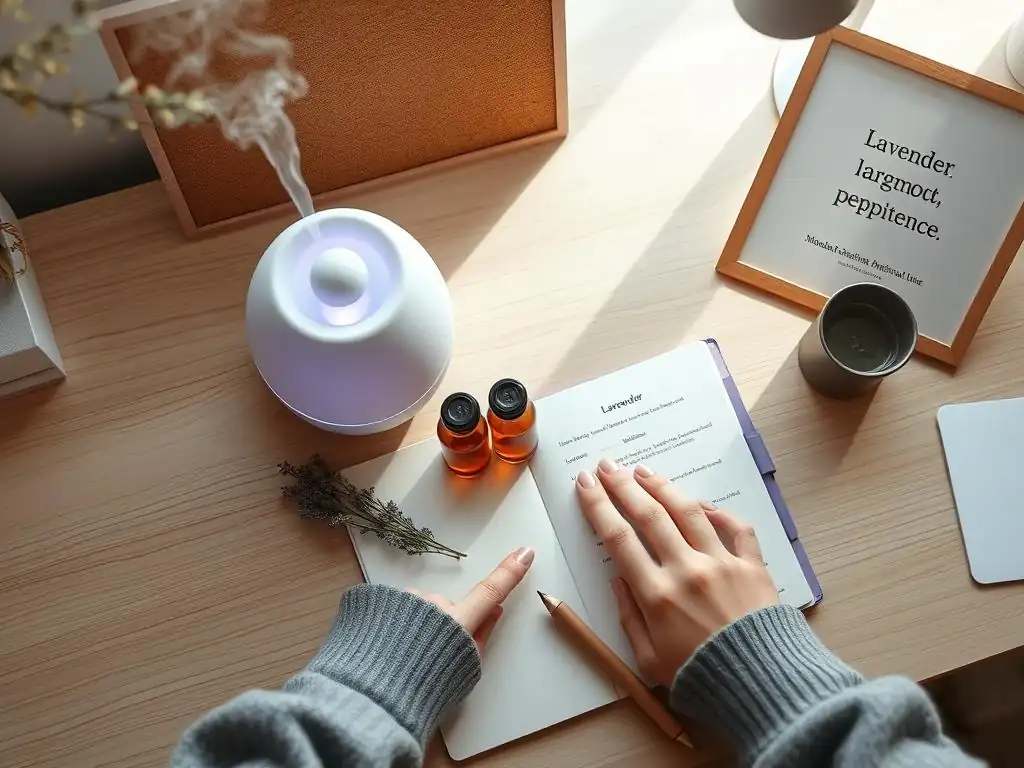
Selecting the right essential oils is just as important as choosing the right diffuser when aiming to reduce workplace anxiety and leverage stressful workplace diffuser benefits. Different oils possess different properties that can impact mood, focus, and stress levels. Here are some of the most popular and effective essential oils for a stressful workplace environment.
Lavender Essential Oil: The Classic Choice for Calming Anxiety
Lavender (Lavandula angustifolia) is arguably the most well-known essential oil for relaxation and anxiety relief, and for good reason. Its calming properties have been extensively studied. Research suggests that inhaling lavender can help reduce anxiety, improve mood, and promote a sense of calm. It is thought to influence the parasympathetic nervous system, which helps slow down heart rate and breathing, inducing relaxation.
Using lavender in a workplace diffuser can help create a serene atmosphere, counteracting the tension and pressure that often build up during the day. It's particularly useful during periods of high stress, before important meetings, or towards the end of the day to wind down before heading home. While primarily known for calming, a subtle diffusion of lavender can also help improve focus by reducing distracting anxious thoughts.
Peppermint Essential Oil: Boosting Focus and Energy While Reducing Tension
Peppermint (Mentha piperita) essential oil offers a different kind of stressful workplace diffuser benefits. Known for its invigorating and stimulating properties, peppermint can help increase alertness, improve concentration, and combat mental fatigue. Its sharp, minty aroma is instantly refreshing and can help clear the mind.
Beyond its energizing effects, peppermint can also help alleviate tension headaches, a common symptom of workplace stress. A study involving college students found that inhaling peppermint oil improved memory and alertness. Diffusing peppermint can be beneficial during tasks requiring high focus, after lunch to combat the afternoon slump, or when feeling overwhelmed and needing a mental boost to tackle challenging work.
Lemon Essential Oil: Enhancing Mood and Reducing Stress with its Citrusy Aroma
Lemon (Citrus limon) essential oil, extracted from the peel of the fruit, is highly valued for its uplifting and mood-enhancing properties. The bright, fresh scent of lemon is known to be invigorating and can help reduce feelings of stress and improve overall mood. Some studies have indicated that citrus scents can help reduce anxiety and improve positive feelings.
Diffusing lemon oil in the workplace can create a more positive and energetic atmosphere. It can help combat feelings of negativity, lethargy, and stress, making the workspace feel lighter and more pleasant. It's an excellent choice for boosting morale and promoting a sense of well-being throughout the day, contributing significantly to the benefits of diffusers in a stressful workplace environment.
Roman Chamomile Essential Oil: Promoting Relaxation and Sleep (Ideal for evening work)
Roman Chamomile (Chamaemelum nobile) essential oil is renowned for its gentle yet powerful calming and sedative properties. Often used to promote relaxation and improve sleep quality, it contains esters that are known for their soothing effects on the nervous system. While perhaps less common for daytime office use than lavender, it's exceptionally effective for intense anxiety or for those who work late and need to transition to a relaxed state.
For a stressful workplace that requires late hours, a small diffusion of Roman Chamomile in a private office towards the end of the evening can help signal the body and mind to begin winding down, making the transition from work to rest easier. It's a potent oil for deep relaxation and can be particularly beneficial for individuals who find it hard to switch off after a demanding workday, maximizing the stressful workplace diffuser benefits in the evening hours.
Blending Essential Oils for Optimal Anxiety Reduction: DIY Recipes
Combining essential oils can create synergistic effects, often enhancing the individual properties of each oil and targeting specific needs more effectively. Here are a couple of simple DIY blend recipes designed to help reduce workplace anxiety and maximize stressful workplace diffuser benefits. Always ensure you are using 100% pure, therapeutic-grade essential oils.
These recipes are suggestions; feel free to adjust the ratios slightly based on your personal preference for scent intensity and the size of your diffuser and workspace. Start with the lower number of drops if you have a small diffuser or sensitive nose.
Recipe 1: The "Focus & Calm" Blend (Lemon, Rosemary, Peppermint)
This blend is designed to sharpen focus and boost alertness while simultaneously keeping stress and tension at bay.
- Lemon Essential Oil: 3 drops (for uplifting mood and clarity)
- Rosemary Essential Oil: 2 drops (for concentration and memory)
- Peppermint Essential Oil: 1 drop (for energy and tension relief)
Combine the oils in your diffuser's water reservoir (for ultrasonic) or glass nebulizer (for nebulizing). This blend is ideal for tackling complex tasks, preparing for presentations, or combating the afternoon slump while maintaining a calm demeanor. The combination directly supports unlocking stressful workplace diffuser benefits related to cognitive function and stress management.
Recipe 2: The "Stress Relief" Blend (Lavender, Chamomile, Bergamot)
This blend is specifically formulated for deep relaxation and anxiety reduction. Bergamot, a citrus oil, adds an uplifting note that complements the calming effects of lavender and chamomile.
- Lavender Essential Oil: 4 drops (for relaxation and anxiety)
- Roman Chamomile Essential Oil: 2 drops (for profound calm)
- Bergamot Essential Oil: 2 drops (for uplifting mood and reducing tension)
Add these oils to your diffuser. This blend is perfect for diffusing during particularly stressful periods, before a difficult conversation, or simply throughout the day to maintain a tranquil environment. It directly targets reducing feelings of overwhelm and promoting a sense of peace, highlighting the powerful stressful workplace diffuser benefits of targeted oil blends.
Setting Up Your Diffuser for Maximum Stressful Workplace Diffuser Benefits
Proper setup and maintenance are crucial to ensuring your diffuser operates effectively and safely, allowing you to fully experience the benefits of diffusers in a stressful workplace. It's not just about plugging it in; strategic placement, consistent usage, and regular cleaning all play a role.
By following these guidelines, you can ensure your diffuser is a reliable tool for managing workplace stress and enhancing your environment. Taking a few moments to set it up correctly and maintain it will maximize its effectiveness and longevity.
Placement Matters: Optimizing Diffuser Location for Effective Aromatherapy
The location of your diffuser in your office space significantly impacts how well the aroma disperses and how effectively you receive the therapeutic benefits. Ideally, place the diffuser on a stable surface at approximately desk level or slightly higher. This allows the mist or atomized oil particles to disperse effectively into your breathing space. Avoid placing it directly under vents or fans that could blow the mist away from your area.
For a personal workspace like a cubicle or small office, placing it within a few feet of where you sit is usually sufficient. In a shared office, consider a more central location if appropriate and agreed upon by colleagues, or use a personal diffuser specifically for your desk. Ensure the diffuser is not placed too close to electronic equipment or paper documents, as the mist could potentially cause damage. Strategic placement is key to ensuring you capture the full range of stressful workplace diffuser benefits.
Diffusion Schedules: Creating a Consistent Routine for Anxiety Management
Consistent exposure to beneficial aromas is often more effective than sporadic use. Establish a diffusion schedule that aligns with your workday and stress triggers. You might choose to diffuse calming oils like lavender upon arrival to ease into the day, use uplifting oils like lemon or peppermint during the mid-morning or afternoon slump, or diffuse a stress-relief blend before tackling a challenging task.
Many diffusers offer intermittent settings (e.g., mist for 30 seconds, pause for 60 seconds), which can help extend the run time and prevent olfactory fatigue (where your nose gets used to the scent and stops noticing it). Experiment with different schedules and oils to find what works best for your personal stress points throughout the day. A consistent routine helps reinforce the positive association with your workspace and aromatherapy, solidifying the stressful workplace diffuser benefits over time.
Maintaining Your Diffuser: Ensuring Longevity and Optimal Performance
Regular cleaning is essential for both the performance and hygiene of your diffuser. Mineral buildup from water (in ultrasonic diffusers) and essential oil residue can clog the mechanism and reduce its effectiveness. For ultrasonic diffusers, empty the water reservoir daily and wipe it clean. A deeper clean with white vinegar (diffuse vinegar and water for a short period, then rinse) can help remove mineral deposits, typically recommended weekly or bi-weekly depending on usage and water quality.
Nebulizing diffusers require cleaning the glass nebulizer, usually by running rubbing alcohol through it. Check your specific diffuser's instructions, as cleaning procedures can vary. Neglecting maintenance can not only reduce the amount of aroma diffused but can also lead to the growth of mold or bacteria, which you certainly don't want to be inhaling. Proper care ensures your diffuser remains a reliable tool for accessing the stressful workplace diffuser benefits for a long time.
Real-Life Examples: How Diffusers Have Reduced Anxiety in Workplaces
While specific company names are often kept private for privacy reasons, numerous anecdotal reports and pilot programs illustrate the positive impact of introducing aromatherapy via diffusers into professional environments. These examples highlight the tangible stressful workplace diffuser benefits observed by individuals and teams.
These scenarios, while generalized, reflect common experiences reported by businesses and employees who have incorporated aromatherapy into their workspaces, demonstrating the practical benefits of diffusers in a stressful workplace.
Case Study 1: A Tech Startup's Success with Lavender and Lemon Diffusers
In a fast-paced tech startup environment, deadlines are tight, and pressure is high, leading to noticeable employee stress and occasional burnout. The company decided to pilot aromatherapy in a few key departments, including the customer support team and a software development team known for working long hours. They introduced ultrasonic diffusers using a blend of Lavender and Lemon essential oils, diffusing intermittently throughout the day.
After a trial period of approximately two months, informal feedback from employees was overwhelmingly positive. Customer support agents reported feeling calmer during challenging calls. The development team noted a reduction in tension and improved focus during coding sprints. While quantitative data on stress reduction was not formally tracked, the perceived improvement in atmosphere and employee morale was significant enough for the company to consider expanding the initiative to other departments, recognizing the tangible stressful workplace diffuser benefits.
Case Study 2: Improved Focus and Productivity in a Marketing Agency Using Peppermint
A creative marketing agency often faced periods of intense brainstorming and project execution under pressure. The team frequently experienced creative blocks and fatigue, especially in the afternoons. Seeking a natural boost, they introduced nebulizing diffusers in common areas and individual offices, primarily using Peppermint and a blend including Rosemary and Lemon.
Employees reported feeling more alert and less prone to the afternoon slump. Brainstorming sessions felt more energetic, and individuals noted improved concentration on tasks requiring detailed attention. While measuring creativity is complex, the agency observed fewer complaints about fatigue and a general uplift in energy levels during peak work hours. This example underscores how targeting specific needs like focus and energy, in addition to general stress relief, contributes to the overall stressful workplace diffuser benefits.
Testimonials: Hearing from Individuals Who Have Benefited from Workplace Aromatherapy
Hearing directly from individuals who have incorporated diffusers into their stressful workplace provides powerful insight into their effectiveness.
My job in data entry is repetitive and can be quite stressful when deadlines loom. I started using a small ultrasonic diffuser with lavender and a touch of bergamot at my desk. It honestly makes a world of difference. I feel calmer throughout the day, and the subtle scent is a pleasant background that helps me stay focused without feeling overwhelmed.
- Sarah J., Office Administrator
As a graphic designer, I need to be creative and focused, but tight deadlines often lead to anxiety. I use a nebulizing diffuser with peppermint and lemon in my private office. The strong, clean scent helps clear my head and gives me a boost when I'm feeling stuck. It's become an essential part of my workday routine for managing stress.
- Mark T., Graphic Designer
These testimonials reflect the personal impact of leveraging stressful workplace diffuser benefits on a daily basis.
Beyond Diffusers: Complementary Strategies for Workplace Anxiety Management
While diffusers offer significant benefits for reducing workplace anxiety, they are most effective when used as part of a broader strategy for mental well-being. Combining aromatherapy with other stress management techniques can provide a more holistic and robust approach to creating a calmer and more productive work environment.
Integrating multiple strategies addresses workplace anxiety from various angles – environmental, physical, and psychological – providing comprehensive support.
Mindfulness Practices and Meditation Techniques
Mindfulness and meditation are powerful tools for managing stress and anxiety by helping individuals stay present and observe their thoughts and feelings without judgment. Even short practices, like a few minutes of deep breathing or a guided meditation during a break, can significantly reduce stress levels.
Incorporating a brief mindfulness exercise before starting work, during moments of high stress, or at the end of the day can complement the calming effects of aromatherapy. Some individuals find that diffusing a calming oil like frankincense or sandalwood while practicing mindfulness enhances the experience, deepening the sense of peace and presence.
Ergonomic Workstation Setup and Regular Breaks
Physical discomfort can contribute significantly to workplace stress and anxiety. Ensuring your workstation is ergonomically set up – with your screen at eye level, keyboard and mouse within easy reach, and a supportive chair – can prevent physical strain, headaches, and fatigue.
Equally important are regular breaks. Stepping away from your desk, even for just 5-10 minutes every hour or two, can help reset your mind and body. Use these breaks to walk around, stretch, look away from your screen, or simply sit quietly and focus on your breath. Combining a short break with inhaling a refreshing oil like peppermint from a personal inhaler or a nearby diffuser can be particularly revitalizing.
Open Communication and Support Systems within the Workplace
A supportive work environment where open communication is encouraged can drastically reduce anxiety. Feeling comfortable discussing challenges, seeking help when needed, and having positive relationships with colleagues and superiors are crucial for mental well-being.
Organizations can foster this by promoting a culture of empathy, providing training on stress management, and ensuring managers are equipped to support their teams. As an individual, don't hesitate to communicate your needs (where appropriate and comfortable) and utilize any support systems available, such as employee assistance programs or mental health resources. A supportive culture amplifies the benefits of individual stress-reduction efforts like using diffusers, creating a more resilient and less stressful workplace overall.
Optimizing Your Workspace for Mental Well-being: A Holistic Approach
Creating a workspace that supports your mental well-being is an ongoing process that involves integrating various strategies tailored to your needs. Leveraging stressful workplace diffuser benefits is an excellent starting point, but a truly optimized environment considers multiple factors.
By adopting a holistic approach that combines environmental enhancements like aromatherapy with personal practices and organizational support, you can build resilience against workplace stress and foster a consistently positive and productive professional life.
Combining Aromatherapy with Other Relaxation Techniques
The synergy between aromatherapy and other relaxation techniques can significantly enhance their individual effects. For instance, diffusing calming oils during yoga or stretching breaks can deepen relaxation. Using uplifting scents like citrus or eucalyptus during light exercise or a brisk walk can boost energy and clear the mind.
Pairing a stress-relief oil blend with guided meditation or deep breathing exercises can create a powerful ritual to anchor you during challenging moments. Experiment with different combinations to discover what works best for you in integrating the stressful workplace diffuser benefits into a broader relaxation framework.
Creating a Personalized Self-Care Routine for Workplace Stress
Developing a personalized self-care routine specifically for the workplace is key to sustainable stress management. This routine might include:
- Starting the day by diffusing an uplifting blend to set a positive tone.
- Scheduling short breaks for mindfulness or stretching.
- Using a focus blend during periods requiring high concentration.
- Having a calming blend ready for stressful situations.
- Ending the workday by diffusing a relaxing oil to transition out of work mode.
This routine should be flexible and adaptable to the demands of your job, but having a plan provides structure and ensures you are proactively addressing stress throughout the day, maximizing the benefits of diffusers in a stressful workplace as part of a larger strategy.
The Long-Term Benefits of a Stress-Free Work Environment
Investing in creating a less stressful work environment yields significant long-term benefits for both individuals and organizations. For individuals, it leads to improved mental and physical health, greater job satisfaction, enhanced creativity, and a better work-life balance. Reducing chronic stress can lower the risk of burnout, anxiety disorders, and stress-related physical ailments.
For organizations, a workforce experiencing less stress is typically more engaged, productive, innovative, and loyal. This results in lower absenteeism and turnover rates, improved collaboration, and ultimately, greater overall success. By embracing tools like diffusers and fostering a culture that prioritizes well-being, businesses and employees can unlock the full, lasting stressful workplace diffuser benefits, transforming the workplace from a source of anxiety into an environment where individuals can thrive.
Frequently Asked Questions
What are the primary benefits of using a diffuser in a stressful workplace environment?
Diffusers can provide stress reduction through aromatherapy, promoting a calmer atmosphere. They can also improve air quality and create a more pleasant sensory experience.
Diffusers, when used with specific essential oils, can directly target anxiety symptoms. Certain scents are known for their calming properties, helping to reduce tension and promote relaxation.
What types of essential oils are most effective for reducing stress and anxiety in the workplace when using a diffuser?
Lavender, chamomile, and bergamot are commonly recommended for their anxiolytic effects. Consider oils with citrus notes for an uplifting and invigorating aroma.
Sensitivity to certain scents can vary, so consider the preferences of your colleagues. It's also important to ensure the diffuser is used safely and doesn't pose a fire hazard.
Start with low concentrations of essential oils and monitor the impact on your colleagues. Combine diffuser use with other stress-reduction techniques like mindfulness and regular breaks for optimal effect.
Final Reflection: Breathing Easy in a Chaotic World
The pervasive anxiety of the modern workplace is undeniable, and the simple act of diffusing essential oils offers a surprisingly powerful antidote. This isn't just about pleasant scents; we've explored the scientifically-backed benefits of aromatherapy in reducing stress hormones, improving focus, and fostering a more calming atmosphere. The impact extends far beyond individual well-being, influencing team dynamics and overall productivity.
The shift towards prioritizing mental health in the workplace is long overdue, and the integration of simple, accessible tools like diffusers represents a significant step forward. This isn't merely a trend; it's a reflection of our growing understanding of the interconnectedness between physical and mental well-being. As the saying goes, A healthy mind in a healthy body.
This principle applies not just to individuals, but to the entire workplace environment. The subtle, yet profound, influence of aromatherapy on our collective mood and productivity highlights the importance of creating spaces that nurture both our minds and bodies.
Consider the impact of a consistently calm and focused workspace on your own life. What small changes can you implement today to cultivate a more peaceful and productive environment? Experiment with different essential oil blends, observe their effects on your mood and energy levels, and share your discoveries with your colleagues. By embracing simple, yet effective strategies like aromatherapy, we can collectively transform our workplaces into havens of calm and creativity, fostering a healthier and more fulfilling professional life for everyone.
Breathe Easy: Unleash the Calming Power of Diffusers
Thanks for taking the time to explore the amazing ways diffusers can transform your workspace and reduce anxiety. You've now learned how to create a more peaceful and productive environment. Ready to take the next step?
- Start diffusing today! Experiment with different essential oils to find your perfect calming blend. Lavender, chamomile, and bergamot are excellent starting points.
- Share your diffuser experience! Tell us on social media what oils you're using and how they're impacting your workday. Let's build a community of calm!
- Try a simple aromatherapy ritual: Combine diffusing with a short mindful breathing exercise for an extra boost of relaxation.
What simple changes will you make to your workspace to enhance your well-being?