
Your Genes Are Not Your Destiny: The Epigenetic Perspective

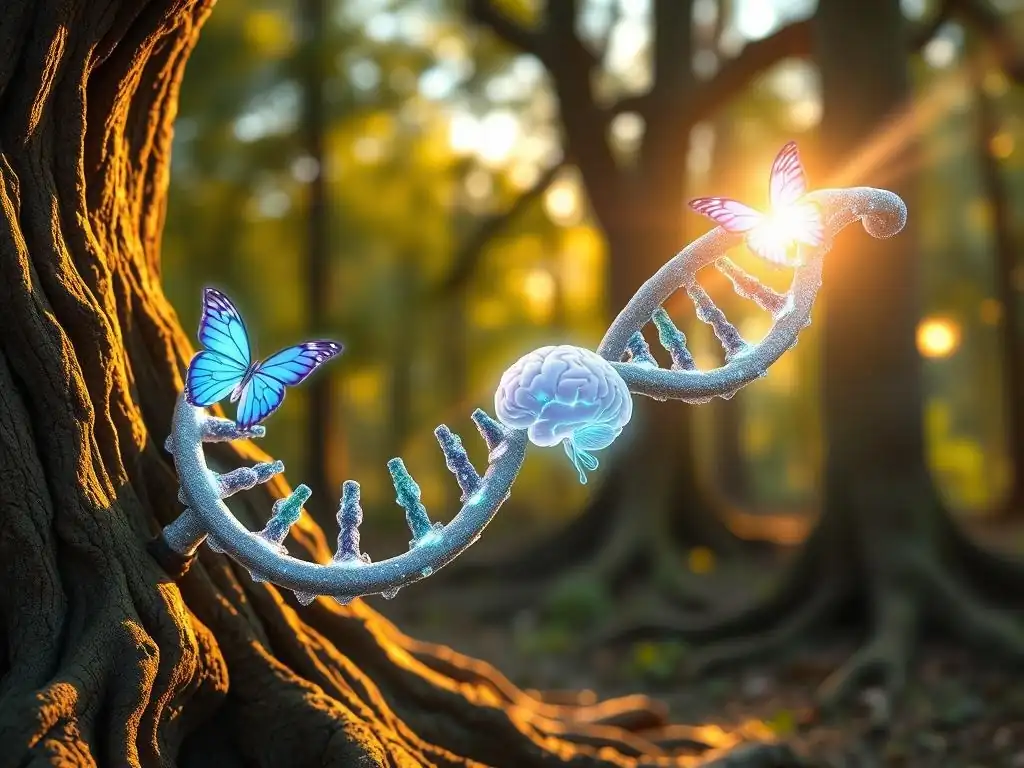
Welcome to Mind Care Guide.
Feeling like your family history dictates your mental health? You're not alone. But what if we told you there's more to the story than just your genes? Dive into the fascinating world where environment and experience shape your well-being. This week, we explore how epigenetics impact mental health, revealing the surprising ways you can influence your own mental landscape. Curious? Your journey to understanding starts here.
Your Genes Are Not Your Destiny: The Epigenetic Perspective
- Introduction: Understanding Epigenetics and Mental Well-being
- The Mechanisms of Epigenetic Modification
- The Impact of Early Life Experiences on Epigenetics and Mental Health
-
Epigenetics and Specific Mental Health Conditions
- Epigenetic Alterations in Depression: BDNF and HPA Axis Regulation
- Epigenetics of Anxiety Disorders: The Role of Stress Response Genes
- Schizophrenia and Epigenetic Dysregulation: Evidence from Twin Studies
- Epigenetics and Bipolar Disorder: Molecular Mechanisms Involved
- The Link Between Epigenetics, Trauma and PTSD: Specific Epigenetic Markers
- Environmental Factors and the Epigenome: Implications for Mental Health
- Therapeutic Interventions Targeting Epigenetics for Mental Health
- The Future of Epigenetics in Mental Health Care
- Conclusion: Empowering Mental Well-being Through Epigenetic Awareness
-
Frequently Asked Questions
- How does epigenetics influence mental health?
- What are some environmental factors that can alter epigenetic marks relevant to mental health?
- Can epigenetic changes be passed down through generations, impacting mental health?
- Is it possible to reverse or modify epigenetic changes to improve mental well-being?
- How does understanding epigenetics change our perspective on mental health treatment?
- Final Reflection: Unraveling the Epigenetic Code of Mental Wellbeing
- Unlock Your Genetic Potential: Take Control of Your Health!
Introduction: Understanding Epigenetics and Mental Well-being
For decades, the prevailing view in biology centered on DNA as the unchangeable blueprint of life, dictating our traits and predispositions, including aspects of our mental health. This perspective, while foundational, didn't fully account for the dynamic interplay between our genes and the world around us. It left many questions unanswered regarding why individuals with similar genetic backgrounds could experience vastly different life outcomes, particularly concerning their psychological well-being.
The Central Dogma and its Limitations: Why Genes Aren't the Whole Story
The "Central Dogma" of molecular biology describes the flow of genetic information: from DNA to RNA to protein. This model emphasizes that DNA contains the instructions for building and maintaining an organism. While undeniably true, it presents a somewhat static view, suggesting that our genetic code is largely fixed from conception and primarily determines our biological fate. This perspective, when applied to complex traits like mental health, can feel deterministic, potentially leading to the misconception that if certain genes are associated with a condition, one's path is predetermined.
However, this model doesn't fully explain the observed variability in how genetic predispositions manifest. For example, identical twins, who share nearly 100% of their DNA, can have different susceptibilities to mental health conditions like schizophrenia or bipolar disorder. If genes were the sole determinant, their outcomes should be identical. This discrepancy highlights the limitations of focusing solely on the DNA sequence itself and points to other factors influencing how those genes are actually used by the body.
Introducing Epigenetics: How Environment Shapes Gene Expression
Epigenetics offers a crucial layer of understanding beyond the DNA sequence. The term "epigenetic" literally means "on top of" or "in addition to" genetics. Epigenetic modifications are chemical tags or marks added to DNA or the proteins that package DNA (histones) that don't change the underlying genetic code but do influence which genes are turned "on" or "off," and to what extent. Think of the DNA as the computer hardware; the epigenome is the software that tells the hardware what programs to run and when.
These epigenetic marks are dynamic and can be influenced by a wide range of environmental factors throughout life, including diet, stress, exposure to toxins, social interactions, and even psychological experiences. This means that while your genetic blueprint is fixed, how your genes are expressed – how they function and influence your traits – can be significantly shaped by your life experiences.
This dynamic nature provides a biological mechanism for how the environment gets "under the skin" and impacts our biology, including brain function and ultimately, our mental well-being. Understanding this is key to appreciating the profound Epigenetics impact mental health.
Epigenetics and Mental Health: A New Frontier in Understanding Mental Illness
The realization that epigenetic modifications are responsive to environmental factors, particularly during critical developmental periods, has opened a new frontier in understanding the origins and progression of mental health conditions. Research in this area is actively exploring how adverse experiences, chronic stress, poor nutrition, and other environmental exposures can lead to specific epigenetic changes in brain cells. These changes can alter the expression of genes critical for neurodevelopment, synaptic plasticity, stress response, and emotional regulation.
Studies are increasingly demonstrating that specific mental illnesses, including depression, anxiety disorders, schizophrenia, and PTSD, are associated with distinct epigenetic patterns in brain tissue or even in accessible tissues like blood. These patterns are not simply reflections of genetic risk but appear to be accumulated marks reflecting the interaction between an individual's genetic predisposition and their unique environmental history.
This understanding shifts the paradigm from viewing mental illness solely as a genetic or neurochemical imbalance to recognizing it as a complex disorder influenced by the dynamic interplay between genes and environment mediated by epigenetic mechanisms. This provides a more nuanced view of how Epigenetics impact mental health, offering new avenues for research, diagnosis, and potentially, treatment.
The Mechanisms of Epigenetic Modification
Epigenetic modifications are the molecular switches that control gene activity without altering the DNA sequence itself. These mechanisms are complex and work in concert to regulate the accessibility of DNA to the cellular machinery responsible for transcription (copying DNA into RNA). Understanding these mechanisms is crucial for grasping how environmental factors can leave enduring marks on our genome that influence function, including brain function and mental health.
DNA Methylation: Silencing Genes and its Role in Mental Disorders
DNA methylation is one of the most well-understood epigenetic mechanisms. It involves the addition of a methyl group (a small chemical tag) to a cytosine base in the DNA sequence, typically when it's followed by a guanine base (forming a CpG site). High levels of DNA methylation in the promoter region of a gene (the area that controls its transcription) usually lead to gene silencing – effectively turning the gene "off." Conversely, removing methylation can activate gene expression. This process is carried out by enzymes called DNA methyltransferases (DNMTs) and removed by ten-eleven translocation (TET) enzymes.
Research has linked altered DNA methylation patterns to several mental disorders. For instance, studies have found changes in methylation of genes involved in stress response, like the glucocorticoid receptor gene (NR3C1), in individuals with a history of early life adversity and later developing depression or PTSD.
In schizophrenia, studies have identified altered methylation patterns in genes crucial for brain development and neurotransmitter systems, such as genes involved in dopamine signaling or GABAergic transmission. These specific epigenetic alterations provide a molecular basis for understanding how early experiences or predispositions might lead to long-lasting changes in brain function, underscoring how Epigenetics impact mental health.
Histone Modification: Altering Chromatin Structure to Influence Gene Activity
DNA in our cells is not a naked strand; it's wrapped around proteins called histones, forming a complex called chromatin. The way DNA is wrapped around histones affects how accessible it is to the transcription machinery. When chromatin is tightly packed (heterochromatin), genes are generally silenced. When it's more loosely packed (euchromatin), genes are typically active. Histone modifications are chemical tags added to the tails of histone proteins that can alter the structure of chromatin, thereby influencing gene expression.
There are numerous types of histone modifications, including acetylation, methylation, phosphorylation, ubiquitination, and sumoylation, each with potentially different effects on gene activity. For example, histone acetylation often loosens chromatin structure and is associated with gene activation, while certain types of histone methylation can lead to either activation or repression depending on which histone and which specific site is modified. Enzymes like histone acetyltransferases (HATs) and histone deacetylases (HDACs) add or remove these tags.
Dysregulation of these enzymes and subsequent histone modifications have been implicated in various mental health conditions. For instance, altered histone acetylation has been observed in post-mortem brain samples from individuals with depression and schizophrenia, potentially affecting the expression of genes vital for neuronal function and plasticity. These findings illustrate another critical way that Epigenetics impact mental health at a fundamental molecular level.
Non-coding RNAs: The Silent Regulators of Gene Expression and Brain Function
Beyond DNA methylation and histone modifications, another significant class of epigenetic regulators are non-coding RNAs (ncRNAs). Unlike messenger RNAs (mRNAs) which are translated into proteins, ncRNAs perform various regulatory functions themselves. Key players in this category include microRNAs (miRNAs) and long non-coding RNAs (lncRNAs). These molecules can influence gene expression at multiple levels, from preventing the transcription of DNA to blocking the translation of mRNA into protein, or even interacting with DNA and histones to influence chromatin structure.
MicroRNAs, for example, are small ncRNAs that typically bind to specific mRNA molecules, leading to their degradation or preventing their translation into proteins. This effectively silences the expression of target genes. Research has found that the expression levels of specific miRNAs are altered in the brains and blood of individuals with various mental health conditions, including bipolar disorder, anxiety disorders, and schizophrenia. These miRNAs can target genes involved in neurotransmitter pathways, neuronal survival, and synaptic function.
Similarly, lncRNAs are being increasingly recognized for their roles in regulating gene expression through diverse mechanisms, including interacting with chromatin-modifying enzymes or acting as scaffolds for protein complexes. Dysregulation of specific lncRNAs has also been linked to psychiatric disorders. The complex network of ncRNAs adds another layer to the intricate picture of how Epigenetics impact mental health by fine-tuning gene expression in the brain.
The Impact of Early Life Experiences on Epigenetics and Mental Health
The early years of life, including prenatal development, infancy, and childhood, are particularly sensitive periods for epigenetic programming. During these critical windows, the developing brain is highly plastic, and environmental inputs can leave enduring epigenetic marks that shape neural circuits and stress response systems, influencing mental health trajectories later in life.
Adverse Childhood Experiences (ACEs) and Epigenetic Programming
Adverse Childhood Experiences (ACEs), such as abuse, neglect, household dysfunction, and trauma, are potent environmental factors that have been consistently linked to increased risk for a wide range of physical and mental health problems in adulthood. Mounting evidence suggests that ACEs exert their long-term effects, at least in part, through epigenetic mechanisms. Exposure to chronic stress or trauma during critical developmental periods can induce stable epigenetic changes in genes involved in the hypothalamic-pituitary-adrenal (HPA) axis, the body's primary stress response system.
Studies have shown, for instance, altered methylation patterns in the promoter region of the NR3C1 gene (which codes for the glucocorticoid receptor, a key component of the HPA axis) in individuals with a history of childhood abuse. These epigenetic changes can lead to altered expression of the receptor, potentially resulting in a dysregulated stress response system that is either hyper- or hypo-reactive. This persistent dysregulation can increase vulnerability to stress-related disorders like depression, anxiety, and PTSD in adulthood.
Research on individuals exposed to the Dutch Famine during gestation also revealed lasting epigenetic changes, including in genes related to growth and metabolism, demonstrating the enduring impact of early life conditions on the epigenome. These findings provide compelling evidence for how early life adversity and Epigenetics impact mental health outcomes decades later.
Parental Influence: How Epigenetic Inheritance Affects Mental Health in Offspring
Beyond direct environmental exposure, there is growing interest in the concept of transgenerational epigenetic inheritance – the idea that epigenetic marks acquired by parents might be passed down to their offspring, influencing their traits and health, including mental health, even if the offspring haven't experienced the same environmental challenge directly. While this area is complex and still under active investigation, particularly in humans, animal models have provided intriguing insights.
Classic studies in rodents have shown that maternal care significantly impacts the epigenetic programming of stress response genes in offspring. Rat pups that receive high levels of licking and grooming from their mothers exhibit different methylation patterns in the NR3C1 gene in the hippocampus compared to pups receiving low levels of care. These epigenetic differences lead to altered stress reactivity and anxiety-like behaviors in adulthood.
While direct epigenetic inheritance of specific marks across generations in humans is debated, the environment experienced by parents (e.g., stress, trauma, diet) can certainly influence the offspring's environment (e.g., parental behavior, prenatal conditions), which in turn shapes the offspring's epigenome. Furthermore, some studies suggest potential epigenetic changes in germ cells (sperm and eggs) in response to parental experiences, which could theoretically be transmitted. This complex interplay highlights how parental factors and Epigenetics impact mental health across generations.
The Role of Nutrition in Shaping the Epigenome and Brain Development
Nutrition, particularly during prenatal and early postnatal development, is a crucial environmental factor that profoundly influences epigenetic programming and brain development. Nutrients provide the building blocks and cofactors for the enzymes that establish and maintain epigenetic marks. For example, folate, vitamin B12, methionine, and choline are essential for DNA methylation because they are involved in the one-carbon metabolism pathway, which produces methyl groups.
Maternal nutrition during pregnancy can have lasting epigenetic effects on the developing fetus. Deficiencies or excesses of certain nutrients can alter methylation patterns in genes critical for brain structure and function. Studies have shown that maternal malnutrition, such as during the Dutch Famine, was associated with specific epigenetic changes in offspring later in life, linked to increased risk for schizophrenia and affective disorders.
Similarly, postnatal nutrition continues to shape the epigenome during critical periods of brain maturation. Adequate intake of omega-3 fatty acids, for instance, is important for neuronal membrane development and function, and emerging research is exploring its potential influence on epigenetic modifications relevant to mood and cognition. These findings underscore the vital connection between diet and Epigenetics impact mental health from the earliest stages of life.
Epigenetics and Specific Mental Health Conditions

Research into the Epigenetics impact mental health has advanced significantly, with studies identifying specific epigenetic alterations associated with various psychiatric disorders. While these findings are often correlational and complex, they provide valuable insights into the molecular pathways potentially disrupted in these conditions and offer clues for future therapeutic targets.
Epigenetic Alterations in Depression: BDNF and HPA Axis Regulation
Major depressive disorder (MDD) is a complex condition, and epigenetic research is revealing potential molecular underpinnings. Studies have frequently focused on genes involved in neuroplasticity and stress response. Brain-Derived Neurotrophic Factor (BDNF) is a protein crucial for neuronal survival, growth, and synaptic plasticity, processes often impaired in depression. Research has found altered methylation patterns in the BDNF gene in post-mortem brain samples and peripheral blood from individuals with depression. For example, increased methylation in certain BDNF promoter regions has been associated with reduced gene expression, potentially contributing to the neurobiological changes seen in the disorder.
Furthermore, as mentioned earlier, the HPA axis is often dysregulated in depression. Epigenetic modifications to genes encoding key components of this system, such as the glucocorticoid receptor ( NR3C1) and corticotropin-releasing hormone ( CRH), have been observed. Studies have shown that individuals who experienced childhood trauma and developed depression exhibit persistent epigenetic changes in the NR3C1 gene, leading to altered feedback mechanisms and chronic stress vulnerability. These findings suggest that epigenetic alterations in genes regulating neuroplasticity and stress response are significant contributors to the complex picture of how Epigenetics impact mental health, specifically in the context of depression.
Epigenetics of Anxiety Disorders: The Role of Stress Response Genes
Anxiety disorders, including generalized anxiety disorder, panic disorder, and phobias, are characterized by excessive fear and worry. Similar to depression, dysregulation of the stress response system plays a significant role. Epigenetic research in anxiety disorders often overlaps with findings in depression due to shared underlying biological pathways and high comorbidity rates. Studies have also implicated epigenetic changes in genes related to the HPA axis and neurotransmitter systems involved in fear and anxiety processing, such as GABAergic and glutamatergic systems.
Research has identified altered methylation patterns in genes like FKBP5, which is involved in regulating glucocorticoid receptor sensitivity. Specific epigenetic variants in FKBP5 have been associated with increased risk for developing anxiety disorders and PTSD following trauma exposure. Furthermore, studies in animal models of anxiety have shown that stress can induce specific histone modifications in brain regions like the amygdala and prefrontal cortex, altering the expression of genes critical for emotional regulation and fear learning. These molecular insights into how stress and Epigenetics impact mental health provide a deeper understanding of the biological underpinnings of anxiety disorders.
Schizophrenia and Epigenetic Dysregulation: Evidence from Twin Studies
Schizophrenia is a severe psychiatric disorder with a strong genetic component, but its incomplete concordance in identical twins (around 40-50%) strongly points to the influence of non-genetic factors. Epigenetic studies, particularly those comparing affected and unaffected identical twins, offer a powerful approach to disentangling genetic predisposition from environmental influences mediated by epigenetics. These studies have identified significant epigenetic differences (e.g., in DNA methylation and histone modifications) between twins discordant for schizophrenia, even though their DNA sequences are nearly identical.
Specific genes implicated in schizophrenia through epigenetic studies include those involved in neurodevelopment, synaptic function, and immune response. For example, studies have found altered methylation in genes related to the reelin signaling pathway ( RELN), which is crucial for neuronal migration and synaptic plasticity, and in genes involved in glutamatergic neurotransmission ( GRIN2B). These epigenetic changes are thought to contribute to the neurobiological abnormalities observed in schizophrenia. The findings from twin studies provide compelling evidence that environmental factors, potentially acting through epigenetic mechanisms, play a crucial role in the development of schizophrenia, highlighting the significant Epigenetics impact mental health.
Epigenetics and Bipolar Disorder: Molecular Mechanisms Involved
Bipolar disorder, characterized by dramatic mood swings between depressive and manic states, is another complex condition with both genetic and environmental influences. Epigenetic research is beginning to uncover molecular mechanisms that might contribute to its pathophysiology. Studies have investigated epigenetic modifications in genes related to mood regulation, circadian rhythms, and cellular resilience.
Research has found altered DNA methylation and histone modification patterns in post-mortem brain samples and peripheral blood from individuals with bipolar disorder. Genes involved in circadian clock function (e.g., CLOCK, BMAL1) have shown altered methylation, potentially contributing to the sleep and rhythm disturbances common in the disorder.
Additionally, genes involved in calcium signaling and mitochondrial function have been identified with epigenetic alterations. While research in bipolar disorder is still evolving compared to depression or schizophrenia, these initial findings suggest that epigenetic dysregulation of key molecular pathways could contribute to the mood instability and other symptoms characteristic of the condition, further illustrating how Epigenetics impact mental health across the spectrum of mood disorders.
The Link Between Epigenetics, Trauma and PTSD: Specific Epigenetic Markers
Post-Traumatic Stress Disorder (PTSD) develops in some individuals after exposure to a traumatic event. While not everyone exposed to trauma develops PTSD, vulnerability is influenced by genetic and environmental factors. Epigenetic studies are shedding light on how trauma can leave enduring molecular marks that increase susceptibility to or maintain the disorder.
As mentioned earlier, the FKBP5 gene is a prominent example. Epigenetic modifications, specifically decreased methylation within an intron of the FKBP5 gene, have been strongly associated with increased and prolonged stress reactivity and a higher risk of developing PTSD following childhood trauma. This epigenetic change appears to enhance the expression of the FKBP5 protein, which in turn desensitizes the glucocorticoid receptor, leading to a blunted negative feedback on the HPA axis.
Beyond FKBP5, research has identified epigenetic changes in other genes involved in stress response, fear conditioning, and memory consolidation in individuals with PTSD, including genes related to the oxytocin receptor and neuropeptide Y pathways. These specific epigenetic markers serve as potential biological signatures of trauma exposure and its lasting impact on brain function. The study of Epigenetics impact mental health in the context of trauma is particularly powerful because it provides a biological link between a specific environmental event (trauma) and persistent changes in gene regulation that contribute to symptom development and maintenance.
Environmental Factors and the Epigenome: Implications for Mental Health
The environment is not just a backdrop to our lives; it's an active participant in shaping our biology through epigenetic modifications. Understanding how specific environmental factors influence the epigenome provides valuable insights into risk factors for mental health conditions and potential targets for intervention.
Stress and Epigenetic Changes: Long-Term Effects on Brain Function
Chronic stress is one of the most significant environmental factors known to influence the epigenome, with profound implications for mental health. Exposure to prolonged or severe stress, particularly during sensitive developmental periods, can induce stable epigenetic changes in brain regions critical for stress regulation, learning, and memory, such as the hippocampus, amygdala, and prefrontal cortex. These epigenetic alterations can affect the expression of genes involved in neurotransmitter synthesis and signaling, synaptic plasticity, and the HPA axis.
For example, chronic stress in animal models has been shown to induce changes in DNA methylation and histone modifications in genes like BDNF, NR3C1, and genes coding for glutamate receptors, leading to impaired neuronal function and behavioral changes resembling depression and anxiety. In humans, studies of individuals exposed to chronic stress, such as caregivers of individuals with chronic illness or residents in areas of conflict, have shown distinct epigenetic profiles compared to control groups, often involving genes related to inflammation and stress response.
These studies underscore how stress and Epigenetics impact mental health by leaving molecular imprints that alter brain circuitry and function over the long term.
Diet and Epigenetic Regulation: Fueling a Healthy Mind
Beyond early development, diet continues to influence the epigenome throughout life, impacting brain health and mental well-being. Nutrients act as substrates and cofactors for epigenetic enzymes, meaning that the availability of vitamins (like folate, B12), minerals (like zinc, magnesium), and other dietary components (like omega-3 fatty acids, polyphenols) can directly affect DNA methylation and histone modification patterns.
A diet rich in methyl-donors, antioxidants, and anti-inflammatory compounds may promote epigenetic patterns associated with healthy brain function and resilience. Conversely, diets high in processed foods, saturated fats, and sugar can contribute to epigenetic changes linked to inflammation and oxidative stress, potentially increasing vulnerability to mood disorders and cognitive decline.
For instance, studies suggest that components of a Mediterranean diet may positively influence epigenetic markers associated with reduced risk of depression and dementia. While the direct causal links are still being established, the evidence highlights the potential of nutrition to influence the Epigenetics impact mental health through its effects on gene regulation in the brain.
Exposure to Toxins and Epigenetic Risks: Protecting Your Mental Health
Exposure to environmental toxins, such as heavy metals (e.g., lead, mercury), pesticides, air pollutants, and endocrine-disrupting chemicals, can also induce epigenetic changes with potential consequences for mental health. These substances can interfere with epigenetic enzymes or directly cause DNA damage that triggers epigenetic responses.
Studies have shown that exposure to certain toxins during prenatal development or early childhood is associated with altered DNA methylation patterns in genes related to neurodevelopment and behavior. For example, lead exposure has been linked to epigenetic changes in genes involved in dopamine signaling and cognitive function. Air pollution exposure during pregnancy has been associated with altered methylation in genes related to stress response and inflammation in newborns.
While the precise mechanisms are complex and require further research, these findings suggest that environmental pollutants can contribute to mental health risks by disrupting the delicate epigenetic balance necessary for healthy brain development and function. Understanding these risks is crucial for appreciating the broad range of environmental factors that, via Epigenetics impact mental health.
Therapeutic Interventions Targeting Epigenetics for Mental Health

The discovery that epigenetic marks are potentially reversible offers exciting possibilities for novel therapeutic interventions for mental health conditions. Unlike genetic mutations, epigenetic modifications are dynamic and can, in principle, be altered by pharmacological agents or lifestyle changes, providing new avenues for treatment.
Epigenetic Drugs: Potential for Treating Mental Illness
Pharmacological agents that target epigenetic enzymes, such as DNA methyltransferase inhibitors (DNMTi) or histone deacetylase inhibitors (HDACi), are already being used in other fields, particularly oncology. While their application in mental health is still largely experimental, preclinical studies and early clinical trials show promise. HDAC inhibitors, for example, have been shown to improve learning and memory in animal models of cognitive dysfunction and have demonstrated antidepressant-like effects. These drugs can potentially reverse or normalize aberrant histone modification patterns in brain circuits affected by mental illness, thereby restoring the expression of genes crucial for neuronal function and plasticity.
However, developing epigenetic drugs for mental health is challenging. Epigenetic enzymes are widespread throughout the body, and targeting them systemically can lead to unwanted side effects. Future research focuses on developing more selective drugs that target specific epigenetic marks or enzymes in particular brain regions or cell types relevant to the disorder. Despite the challenges, the potential to correct underlying gene expression abnormalities offers a powerful new strategy for treating mental illness, illustrating the therapeutic implications of understanding how Epigenetics impact mental health.
Lifestyle Interventions: Promoting Epigenetic Resilience Through Diet and Exercise
Perhaps one of the most empowering aspects of epigenetics is the recognition that lifestyle choices can influence our epigenome. This opens the door to non-pharmacological interventions aimed at promoting epigenetic resilience and supporting mental well-being. A healthy diet, rich in fruits, vegetables, whole grains, and lean proteins, provides the necessary nutrients for proper epigenetic function. As discussed earlier, specific vitamins and minerals are essential cofactors for epigenetic enzymes.
Regular physical exercise is another powerful lifestyle factor that can positively influence the epigenome. Exercise has been shown to induce epigenetic changes in genes related to neurotrophic factors (like BDNF), synaptic plasticity, and stress response in the brain, contributing to its antidepressant and anxiolytic effects.
For example, studies in both animals and humans have demonstrated that exercise can alter BDNF methylation patterns in brain regions like the hippocampus, potentially enhancing neurogenesis and improving mood. Engaging in regular exercise and adopting a balanced, nutrient-rich diet are accessible ways individuals can potentially influence their epigenome in ways that support mental health, showcasing practical ways Epigenetics impact mental health resilience.
Psychotherapy and Epigenetic Reprogramming: How Therapy Can Influence Gene Expression
Emerging research suggests that even psychological interventions, such as psychotherapy, might exert their effects, in part, by inducing beneficial epigenetic changes in the brain. Therapy provides a corrective emotional and cognitive experience that can alter stress responses and promote adaptive coping mechanisms. These psychological shifts appear to have biological correlates at the epigenetic level.
Studies investigating the effects of psychotherapy on epigenetic markers are still relatively new but promising. For instance, some research has examined epigenetic changes in individuals undergoing therapy for PTSD or depression.
Preliminary findings suggest that successful therapy might be associated with changes in methylation patterns of genes involved in stress response or emotional regulation, such as the NR3C1 or BDNF genes. While more research is needed to fully understand these complex interactions, the idea that talking therapy can influence gene expression provides a fascinating biological mechanism for its effectiveness and further highlights the dynamic nature of how Epigenetics impact mental health, suggesting that positive environmental inputs can lead to beneficial molecular changes.
The Future of Epigenetics in Mental Health Care
The field of epigenetics is rapidly evolving, and its integration into mental health care holds immense potential to transform how we understand, diagnose, and treat psychiatric disorders. This future envisions more personalized approaches, earlier interventions, and a deeper appreciation for the interplay between our biology and our lived experiences.
Personalized Medicine: Tailoring Treatments Based on Individual Epigenetic Profiles
One of the most exciting prospects is the potential for personalized mental health care based on an individual's epigenetic profile. Just as pharmacogenomics aims to tailor drug prescriptions based on genetic variations, "epigenetic profiling" could potentially help clinicians select the most effective treatments based on a patient's unique epigenetic landscape. For example, identifying specific epigenetic alterations in stress response genes might indicate that a patient would respond better to therapies targeting the HPA axis or stress reduction techniques.
Furthermore, epigenetic markers could potentially help predict an individual's response to specific medications or psychotherapies. Research is underway to identify epigenetic signatures associated with treatment response in conditions like depression or schizophrenia. While routine epigenetic testing is not yet available in clinical practice, the goal is that in the future, analyzing a patient's epigenetic marks from an easily accessible tissue like blood could provide valuable information to guide treatment decisions, moving towards a more precise and effective approach to mental health care that leverages how Epigenetics impact mental health outcomes on an individual level.
Early Detection and Prevention: Identifying Individuals at Risk for Mental Illness
Epigenetic markers also hold promise for the early detection and prevention of mental illness. Because epigenetic marks can reflect past environmental exposures and predict future health outcomes, they could potentially serve as biomarkers to identify individuals who are at higher risk of developing a mental health condition before symptoms fully manifest. For example, identifying specific epigenetic patterns in newborns or young children associated with exposure to early life adversity could flag those individuals for early intervention and support programs.
This preventative approach could involve targeted interventions aimed at modifying the environment or promoting resilience to counteract the negative epigenetic programming. While significant research is needed to validate epigenetic biomarkers for risk prediction and ensure their clinical utility and ethical implementation, the possibility of identifying vulnerable individuals early offers a powerful strategy to mitigate the impact of risk factors and promote long-term mental well-being. This proactive approach underscores the potential of understanding how Epigenetics impact mental health not just in treatment but in preventing illness.
As the field of epigenetics in mental health advances, it is crucial to address the significant ethical considerations it raises. The ability to potentially read an individual's environmental history from their epigenetic marks raises concerns about privacy, discrimination (e.g., in insurance or employment), and the potential for stigmatization based on one's epigenetic profile.
Furthermore, research into transgenerational epigenetic inheritance raises complex questions about responsibility and the potential for blaming parents for their children's epigenetic profiles and health outcomes. It is essential that research is conducted with transparency, informed consent, and robust protections for participants' data and privacy. Public education is also vital to ensure that the understanding of epigenetics is not misinterpreted in deterministic or stigmatizing ways. Navigating these ethical complexities responsibly is paramount to harnessing the power of epigenetics for the benefit of mental health without causing harm.
Conclusion: Empowering Mental Well-being Through Epigenetic Awareness
The journey through the world of epigenetics reveals a powerful truth: our genes are not our unchangeable destiny. While our genetic code provides the foundation, the dynamic layer of epigenetic modifications, heavily influenced by our environment and experiences, plays a crucial role in shaping how those genes function, particularly in the complex landscape of mental health. This understanding shifts the narrative from one of passive genetic fate to one of dynamic interaction and potential agency.
The Power of Choice: Taking Control of Your Epigenetic Landscape
Recognizing that lifestyle factors like diet, exercise, stress management, and even our relationships can influence our epigenome is incredibly empowering. It suggests that while we cannot change the genes we were born with, we can potentially influence how they are expressed through conscious choices and behaviors. Adopting healthy habits isn't just about physical health; it's also about nurturing a resilient epigenome that supports optimal brain function and mental well-being.
This perspective emphasizes that individuals are not merely passive recipients of their genetic inheritance or environmental circumstances. By making informed choices about our lifestyles and seeking supportive environments, we can actively participate in shaping our epigenetic landscape in ways that promote positive mental health outcomes. This provides a hopeful counterpoint to deterministic views, highlighting the potential for personal agency in influencing how Epigenetics impact mental health.
Epigenetics and Hope: A New Perspective on Mental Health Recovery
For individuals living with mental health conditions, the epigenetic perspective offers a new source of hope. It suggests that the biological changes associated with these conditions, even those potentially programmed early in life, may not be irreversible. The plasticity of the epigenome means that interventions – from targeted therapies and lifestyle changes to supportive relationships and psychological treatments – have the potential to modify epigenetic marks and restore healthier patterns of gene expression.
This viewpoint reframes mental health recovery not just as managing symptoms but as a process that can involve tangible biological changes at the molecular level. It reinforces the importance of comprehensive care that addresses both psychological and biological factors, recognizing the interconnectedness of mind and body. The ongoing research into how Epigenetics impact mental health continues to unlock new possibilities for more effective treatments and a deeper understanding of the path to recovery, offering a hopeful future for individuals seeking mental well-being.
Frequently Asked Questions
How does epigenetics influence mental health?
Epigenetics modifies gene expression without changing the DNA sequence itself. These epigenetic changes can be influenced by environmental factors, affecting brain development and increasing or decreasing vulnerability to mental health disorders.
What are some environmental factors that can alter epigenetic marks relevant to mental health?
Stress, trauma, diet, and exposure to toxins can all impact epigenetic marks. These environmental influences can lead to altered gene expression that contributes to conditions like depression, anxiety, and PTSD.
Can epigenetic changes be passed down through generations, impacting mental health?
Yes, some epigenetic changes can be inherited, although this is a complex and still evolving area of research. Intergenerational epigenetic inheritance suggests that parental experiences can influence the mental health of their offspring.
Is it possible to reverse or modify epigenetic changes to improve mental well-being?
Potentially. Research is exploring therapies and lifestyle interventions, such as mindfulness and nutrition, that might reprogram epigenetic marks and promote better mental health outcomes.
How does understanding epigenetics change our perspective on mental health treatment?
It emphasizes that mental health is not solely determined by genetics but is also heavily influenced by environment and experience. This highlights the importance of holistic approaches to treatment and prevention, focusing on both biological and environmental factors.
Final Reflection: Unraveling the Epigenetic Code of Mental Wellbeing
The understanding of epigenetics is revolutionizing our approach to mental health, offering a powerful counterpoint to the deterministic view that our genes alone dictate our fate. No longer are we prisoners of our inherited predispositions; instead, we are presented with a dynamic interplay between our genes and our environment, a dance that shapes our mental landscape in profound ways. This understanding empowers us to take a proactive role in shaping our mental wellbeing, moving beyond passive acceptance of genetic predispositions.
The implications of epigenetics for mental health are far-reaching and continue to unfold before us. It's not just about understanding the risks inherited through our DNA, but about recognizing the crucial role of lifestyle choices, environmental exposures, and even our relationships in influencing gene expression. The genome is not a blueprint, but a roadmap; it provides a set of possibilities, but the actual route taken depends on the environment.
This quote perfectly encapsulates the epigenetic perspective, highlighting the dynamic and interactive nature of gene expression and its impact on our mental state. The ongoing research in this field offers hope for developing targeted interventions that address the root causes of mental illness, rather than simply managing symptoms.
Consider the power you hold. You are not merely a product of your genes, but an active participant in shaping your own mental health trajectory. Embrace the epigenetic principle: your lifestyle choices—diet, exercise, stress management, and social connections—can profoundly influence your gene expression and, consequently, your mental wellbeing.
Explore the possibilities of epigenetic modification through mindful living, seeking support when needed, and actively cultivating a healthy and nurturing environment for yourself. The future of mental health lies not just in understanding our genes, but in understanding and harnessing the power of epigenetics to build a more resilient and flourishing future for ourselves and generations to come.
Unlock Your Genetic Potential: Take Control of Your Health!
Thanks for exploring the fascinating world of epigenetics with us! You've now learned how much more influence you have over your health and well-being than you may have thought. Ready to put this knowledge into action?
- Prioritize lifestyle changes: Identify one small, manageable change you can implement today to support your epigenetic health (better sleep, increased hydration, mindful movement, etc.). This is your first step toward a healthier you.
- Share your newfound knowledge: Discuss this article with a friend or family member and encourage them to explore the power of epigenetics too. Sharing is caring, and it strengthens community health.
- Explore further: Consider researching specific epigenetic modifications linked to conditions that interest you, and explore ways you can positively influence those factors.
What small step will you take today to positively impact your epigenetic future?