
The MicrobiomeGutBrain Axis: An Epigenetic Connection to Mental Health

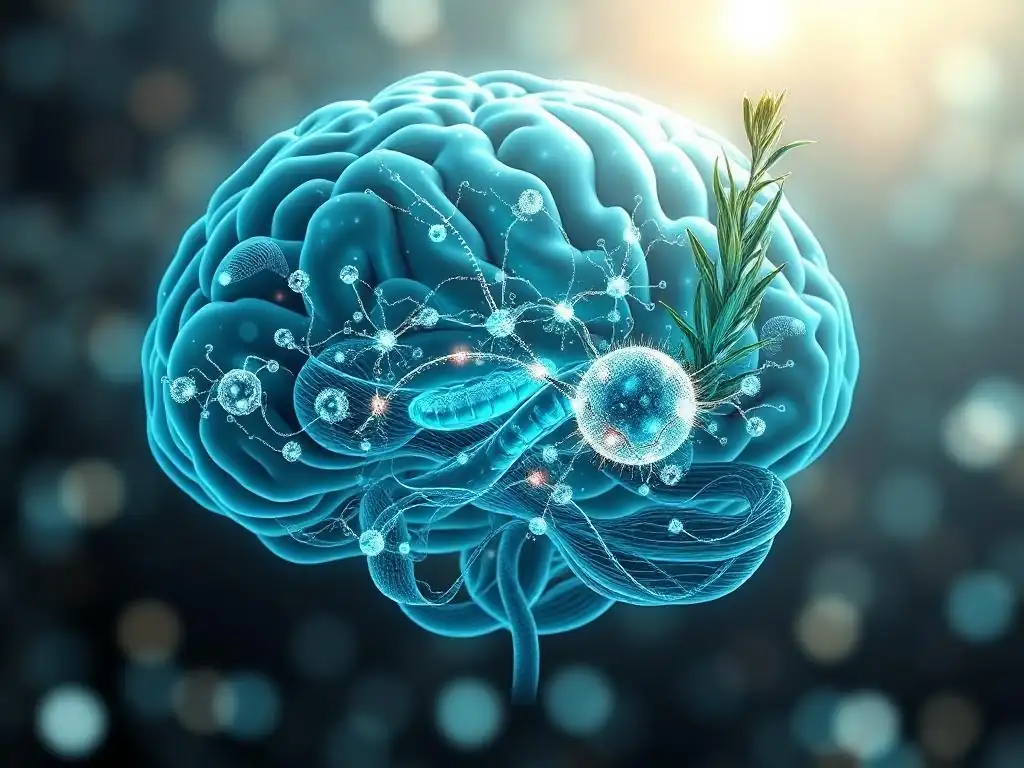
Welcome to Mind Care Guide, a sanctuary dedicated to nurturing your mental well-being.
Ever wondered if your gut holds the key to unlocking a healthier mind? Dive into our exploration of the " Gut Microbiome Mental Health Connection" and discover the fascinating link between your digestive system and your emotional landscape. Could the tiny inhabitants of your gut be influencing your mood and mental resilience? Let's unravel this intriguing relationship together, offering insights and resources to empower your journey towards holistic well-being. Prepare to be enlightened!
The Microbiome-Gut-Brain Axis: An Epigenetic Connection to Mental Health
- Introduction: Understanding the Gut Microbiome and Mental Health Connection
- The Gut Microbiome: A Key Player in Mental Health
- The Gut-Brain Axis: A Two-Way Communication System
- Epigenetic Mechanisms Linking the Gut Microbiome and Mental Health
- Specific Mental Health Conditions and the Gut Microbiome
- Dietary Interventions for Mental Health: Targeting the Gut Microbiome
- Lifestyle Factors and the Gut-Brain Axis
- Future Directions in Gut Microbiome and Mental Health Research
- Conclusion: Optimizing the Gut Microbiome for Improved Mental Health
-
Frequently Asked Questions
- What is the Microbiome-Gut-Brain Axis and how does it relate to mental health?
- How does the gut microbiome influence mental health epigenetically?
- What kind of mental health challenges are linked to imbalances in the gut microbiome?
- What are some ways to improve gut health for better mental well-being?
- Where can I find more information and support regarding the gut microbiome mental health connection?
- Final Reflection: Unraveling the Mind-Gut Connection: A Future of Personalized Mental Healthcare
- Unlock Your Mind's Potential: Nurture Your Gut-Brain Connection
Introduction: Understanding the Gut Microbiome and Mental Health Connection
The Emerging Field of the Gut-Brain Axis and Mental Well-being
The intricate relationship between our digestive system and our brain is a rapidly expanding area of scientific inquiry, often referred to as the gut-brain axis. This bidirectional communication pathway is proving to be far more influential on our mental and emotional states than previously understood. Scientists are now uncovering how the trillions of microorganisms residing in our gut, collectively known as the gut microbiome, play a significant role in everything from mood regulation to cognitive function, highlighting a profound gut microbiome mental health connection.
Research in this field has surged in recent years, driven by advances in sequencing technologies that allow for detailed analysis of microbial communities. For instance, studies involving germ-free animals have demonstrated altered brain development and behavior compared to those with a normal microbiome. Human studies, while more complex, are also revealing compelling associations. A 2019 systematic review, analyzing data from multiple studies, suggested that individuals with depression and anxiety often exhibit distinct gut microbiome profiles compared to healthy controls, reinforcing the growing understanding of the gut microbiome mental health connection.
Epigenetics: How the Gut Microbiome Influences Gene Expression in the Brain
Beyond direct signaling, the gut microbiome exerts influence through epigenetic mechanisms, which are changes in gene expression that do not involve alterations to the underlying DNA sequence. This is a key piece in understanding the gut microbiome mental health connection at a molecular level. The metabolites produced by gut bacteria, such as short-chain fatty acids (SCFAs), can travel through the bloodstream and influence epigenetic modifications in brain cells.
These microbial-derived compounds can interact with enzymes that control DNA methylation and histone modification, two primary epigenetic processes. For example, butyrate, an SCFA produced by the fermentation of dietary fiber by gut bacteria, has been shown in preclinical studies to inhibit histone deacetylases (HDACs), enzymes that typically repress gene expression. By inhibiting HDACs, butyrate can increase the expression of genes important for neuronal function, plasticity, and stress response pathways within the brain, illustrating a direct epigenetic link in the gut microbiome mental health connection.
The Gut Microbiome: A Key Player in Mental Health
What is the Gut Microbiome and Why is it Important?
The gut microbiome is a complex ecosystem of bacteria, archaea, fungi, viruses, and other microorganisms that primarily inhabit the gastrointestinal tract. It's estimated that the human gut harbors more microbial cells than human cells, potentially outnumbering them by a factor of 1.3 to 1. This vast community isn't just passively present; it's an active metabolic organ, performing functions vital for human health that we cannot perform ourselves, such as synthesizing certain vitamins (like K and B vitamins) and breaking down complex carbohydrates.
The importance of this microbial community extends far beyond digestion. It plays critical roles in the maturation of the immune system, protects against pathogens, and, crucially, interacts extensively with the nervous system. The composition and activity of this microbial community are profoundly influenced by diet, lifestyle, antibiotic use, and genetics. Understanding the state and function of this internal ecosystem is fundamental to grasping the full scope of the gut microbiome mental health connection.
The Diversity of Gut Bacteria and its Impact on Brain Function
A diverse gut microbiome, rich in various bacterial species, is generally associated with better health outcomes, including mental well-being. Different bacterial species perform different functions and produce different metabolites. For instance, bacteria belonging to the Firmicutes and Bacteroidetes phyla typically dominate a healthy gut, but the specific species within these groups, like Faecalibacterium prausnitzii or Bifidobacterium species, are particularly beneficial.
The metabolites produced by these diverse microbes, such as SCFAs (butyrate, propionate, acetate), neurotransmitters (GABA, serotonin precursors), and other signaling molecules, can directly or indirectly influence brain chemistry and function. A lack of diversity, often termed dysbiosis, means fewer beneficial functions are being performed, potentially leading to reduced production of neuroactive compounds or increased production of inflammatory molecules, thereby weakening the positive gut microbiome mental health connection. For example, low diversity has been linked in some studies to increased symptoms of depression and anxiety.
Gut Microbiome Imbalance (Dysbiosis) and Mental Health Disorders
Dysbiosis refers to an alteration in the composition and/or function of the gut microbiome compared to a healthy state. This imbalance can involve a reduction in beneficial bacteria, an increase in potentially harmful microbes, or a decrease in overall microbial diversity. Dysbiosis is increasingly implicated in the development and exacerbation of various mental health conditions, strongly supporting the existence of a significant gut microbiome mental health connection.
Conditions such as irritable bowel syndrome (IBS), which often co-occurs with anxiety and depression, frequently present with characteristic patterns of dysbiosis. Studies have shown that transferring the gut microbiota from stressed or depressed animals to germ-free animals can induce anxiety- or depressive-like behaviors in the recipients. While human research is correlational, observed patterns like reduced Bifidobacteria and Lactobacillus species in individuals with major depressive disorder point towards dysbiosis as a potential contributing factor in the complex interplay defining the gut microbiome mental health connection.
The Gut-Brain Axis: A Two-Way Communication System
Neural Pathways: The Vagus Nerve and Direct Communication
One of the most direct lines of communication between the gut and the brain is the vagus nerve, the tenth cranial nerve, which is the longest nerve in the autonomic nervous system. This nerve acts like a superhighway, transmitting signals bidirectionally. Approximately 80% of vagal fibers are afferent, meaning they send information from the gut to the brain, while the remaining 20% are efferent, carrying signals from the brain to the gut.
Gut microbes can influence vagal signaling through various mechanisms. They can produce neurotransmitters or neuromodulators that directly activate vagal nerve endings in the gut lining. For example, certain Lactobacillus strains have been shown in animal models to influence GABA (gamma-aminobutyric acid) receptors, a key inhibitory neurotransmitter system, via the vagus nerve, impacting anxiety-like behavior. This direct neural link is a critical component of the gut microbiome mental health connection.
Immune System Modulation: Inflammation and Mental Health
The gut houses a vast proportion of the body's immune cells, estimated to be around 70-80%. The gut microbiome plays a crucial role in educating and regulating this immune system. When the gut barrier is compromised (often referred to as "leaky gut"), or when dysbiosis is present, bacterial components like lipopolysaccharide (LPS) can cross into the bloodstream, triggering a systemic inflammatory response.
Chronic low-grade inflammation is increasingly recognized as a significant factor in the pathophysiology of several mental health disorders, including depression and anxiety. Inflammatory cytokines produced in response to gut-derived signals can cross the blood-brain barrier or signal to the brain via the vagus nerve, affecting neurotransmitter metabolism, neurogenesis, and synaptic plasticity. This immune-mediated pathway is a powerful mechanism underlying the gut microbiome mental health connection.
Metabolic Signaling: Short-Chain Fatty Acids (SCFAs) and Brain Function
Gut bacteria produce a wide array of metabolites as byproducts of their metabolic activity, particularly the fermentation of dietary fibers. Among the most important are short-chain fatty acids (SCFAs), primarily acetate, propionate, and butyrate. These molecules are readily absorbed from the gut and can enter the bloodstream, reaching various organs, including the brain.
SCFAs have diverse effects on brain health and function. Butyrate, for example, serves as a primary energy source for colonocytes but also crosses the blood-brain barrier and has been shown to have neuroprotective effects, potentially by reducing inflammation and improving mitochondrial function. Propionate and acetate also influence brain function, affecting appetite regulation, neurotransmitter synthesis, and even potentially influencing the blood-brain barrier integrity. These metabolic signals highlight a crucial pathway in the gut microbiome mental health connection.
Epigenetic Mechanisms Linking the Gut Microbiome and Mental Health
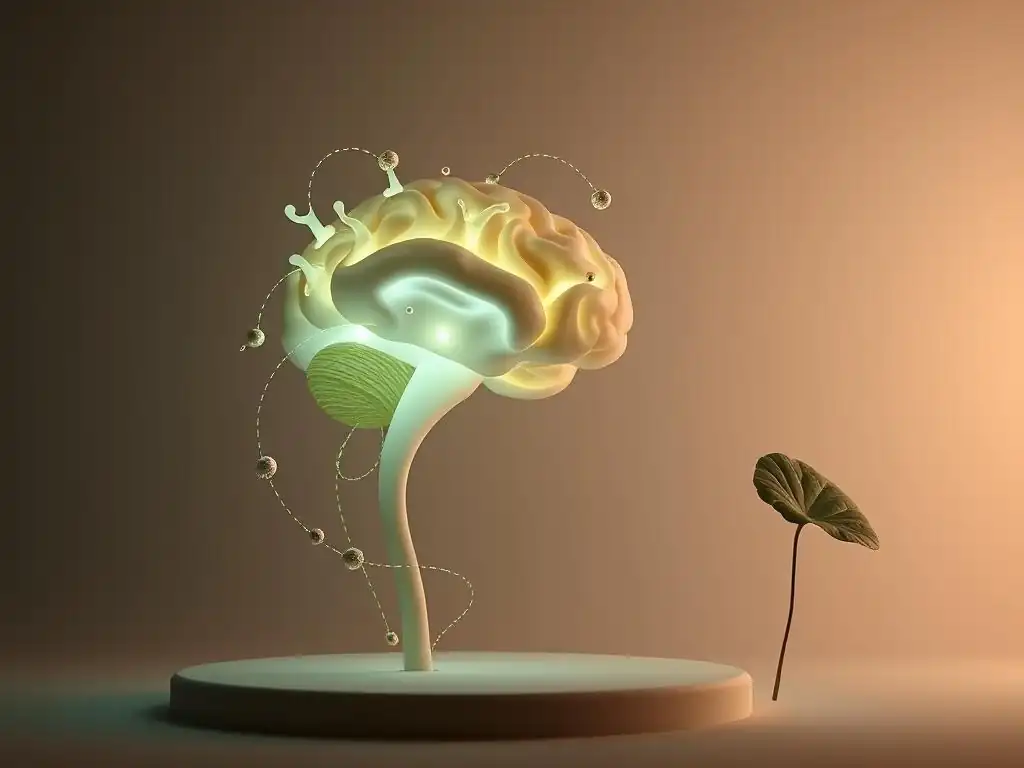
DNA Methylation: How Gut Bacteria Can Alter Gene Expression
DNA methylation is an epigenetic modification involving the addition of a methyl group to a DNA base, typically cytosine, which can alter gene activity without changing the DNA sequence. This process is sensitive to environmental factors, including metabolites produced by gut bacteria. For instance, SCFAs like butyrate and propionate can indirectly influence methylation patterns by affecting the availability of methyl donors or the activity of enzymes involved in methylation and demethylation.
Studies in animal models have shown that manipulating the gut microbiome can lead to changes in DNA methylation in brain regions associated with mood and behavior, such as the hippocampus and prefrontal cortex. While direct evidence in humans is still emerging, this pathway provides a plausible mechanism by which the gut microbiome can exert long-lasting effects on brain function and contribute to the gut microbiome mental health connection by altering the epigenetic landscape of neurons.
Histone Modification: The Role of Gut Microbiome in Chromatin Structure
Histone modifications involve chemical changes to the proteins around which DNA is wrapped (histones), affecting how tightly or loosely the DNA is packed. This 'chromatin structure' influences whether genes are accessible to be transcribed into proteins. Modifications like acetylation, methylation, and phosphorylation of histones can either activate or repress gene expression.
Several gut microbiome-derived metabolites are known to directly influence histone modification enzymes. As mentioned earlier, butyrate is a potent inhibitor of histone deacetylases (HDACs). By inhibiting HDACs, butyrate generally leads to increased histone acetylation, opening up chromatin structure and allowing for increased transcription of associated genes. This mechanism has been shown to impact genes involved in neurogenesis, synaptic plasticity, and stress response pathways in the brain, representing a key epigenetic link in the gut microbiome mental health connection.
MicroRNAs (miRNAs): Gut-Derived Regulators of Brain Gene Expression
MicroRNAs (miRNAs) are small, non-coding RNA molecules that regulate gene expression by binding to messenger RNA (mRNA) molecules, leading to their degradation or inhibiting their translation into proteins. MiRNAs play critical roles in brain development, neuronal function, and synaptic plasticity. Emerging research suggests that the gut microbiome can influence miRNA expression both locally in the gut and systemically, potentially impacting brain function.
While the exact mechanisms are still being elucidated, it's hypothesized that gut microbes or their metabolites can influence the production or stability of host miRNAs, or potentially even produce their own RNA molecules that interact with host cells. Changes in circulating miRNAs have been observed in response to gut dysbiosis, and these miRNAs could potentially cross the blood-brain barrier to alter gene expression in brain cells. This represents another layer of epigenetic regulation contributing to the complex gut microbiome mental health connection.
Specific Mental Health Conditions and the Gut Microbiome
Anxiety Disorders: The Gut Microbiome and the HPA Axis
Anxiety disorders are characterized by excessive worry, fear, and nervousness. Research increasingly points to a significant gut microbiome mental health connection in these conditions, particularly through interactions with the hypothalamic-pituitary-adrenal (HPA) axis, the body's central stress response system. Dysbiosis has been linked to increased activation of the HPA axis, leading to elevated levels of stress hormones like cortisol.
Studies in both animals and humans have demonstrated that specific probiotic strains, such as Lactobacillus rhamnosus (JB-1), can modulate anxiety-like behavior and alter the expression of GABA receptors in the brain via the vagus nerve. Furthermore, individuals with anxiety disorders have sometimes shown different gut microbial compositions compared to healthy controls, often with reduced levels of beneficial bacteria. This suggests that interventions targeting the gut microbiome could potentially help regulate the stress response and alleviate anxiety symptoms, reinforcing the gut microbiome mental health connection.
Depression: Gut Microbiome Composition and Neurotransmitter Production
Major depressive disorder is a complex condition involving persistent low mood and loss of interest. A growing body of evidence highlights a strong gut microbiome mental health connection in depression, mediated partly through the production of neuroactive compounds and inflammatory signaling. Gut bacteria can produce or influence the production of neurotransmitters like serotonin (a large portion of which is produced in the gut), dopamine, and GABA, which are critical for mood regulation.
Dysbiosis in depressed individuals often involves changes like increased Firmicutes to Bacteroidetes ratio or reduced abundance of specific butyrate-producing bacteria like Faecalibacterium prausnitzii. These microbial shifts can affect the availability of precursors for neurotransmitter synthesis or increase the production of inflammatory molecules that negatively impact brain function. For instance, reduced levels of SCFAs due to dysbiosis may impair neurogenesis and synaptic function, contributing to depressive symptoms and underscoring the gut microbiome mental health connection.
Autism Spectrum Disorder (ASD): Gut Microbiome and Brain Development
Autism Spectrum Disorder (ASD) is a neurodevelopmental condition characterized by challenges with social interaction, communication, and repetitive behaviors. Gastrointestinal issues are highly prevalent in individuals with ASD, affecting an estimated 40-90%, and research is exploring a potential gut microbiome mental health connection in this context. Differences in gut microbiota composition have been consistently observed in individuals with ASD compared to neurotypical individuals.
These differences often include altered ratios of specific bacterial groups and reduced diversity. It's hypothesized that gut dysbiosis could contribute to ASD symptoms through various pathways: producing metabolites that affect brain development and function (e.g., propionic acid), increasing gut permeability leading to inflammation, or influencing immune responses that impact the brain. While the exact causal relationship is still under investigation, modulating the gut microbiome is being explored as a potential therapeutic avenue for managing some symptoms associated with ASD, illustrating a potential facet of the gut microbiome mental health connection.
Schizophrenia: Exploring the Gut-Brain Axis in Psychotic Disorders
Schizophrenia is a severe chronic mental disorder affecting how a person thinks, feels, and behaves. While the link is less established than for anxiety or depression, emerging research is exploring a potential gut microbiome mental health connection in schizophrenia. Studies comparing the gut microbiota of individuals with schizophrenia to healthy controls have reported differences in microbial composition, although findings have varied across populations.
Some studies have noted alterations in specific genera, such as increased Lactobacillus or decreased Bifidobacterium species, though results are not consistent. Potential mechanisms linking gut dysbiosis to schizophrenia include chronic inflammation, altered production of neuroactive metabolites, and effects on neurotransmitter systems like dopamine and glutamate, which are implicated in the disorder. While more research is needed to clarify the nature and significance of this connection, exploring the gut-brain axis opens new avenues for understanding the complex etiology of psychotic disorders and their potential link to the gut microbiome mental health connection.
Dietary Interventions for Mental Health: Targeting the Gut Microbiome
Probiotics: Enhancing Gut Microbiome Diversity and Function
Probiotics are live microorganisms that, when administered in adequate amounts, confer a health benefit on the host. They are a direct way to potentially influence the gut microbiome mental health connection. Specific probiotic strains have been investigated for their psychotropic effects, sometimes referred to as "psychobiotics." These strains may exert their effects by producing neuroactive substances, reducing inflammation, strengthening the gut barrier, or influencing neurotransmitter receptors.
For example, studies using specific Lactobacillus and Bifidobacterium strains have shown promise in reducing symptoms of anxiety and depression in some individuals. A meta-analysis published in 2018, reviewing 11 studies, found that probiotic supplementation significantly reduced depression scores compared to placebo. However, the effects are often strain-specific, and results can vary depending on the individual's baseline gut microbiome and the specific mental health condition. Choosing the right strain or combination is key to leveraging the gut microbiome mental health connection.
Prebiotics: Fueling Beneficial Gut Bacteria
Prebiotics are non-digestible fibers that selectively stimulate the growth and/or activity of beneficial bacteria in the gut, such as Bifidobacteria and Lactobacilli. By nourishing these health-promoting microbes, prebiotics can indirectly improve gut function and potentially enhance the gut microbiome mental health connection. Common prebiotics include inulin, fructans, and galacto-oligosaccharides (GOS), found naturally in foods like garlic, onions, leeks, asparagus, and bananas.
When beneficial bacteria ferment prebiotics, they produce beneficial metabolites, including SCFAs like butyrate, which, as discussed, have positive effects on brain health. Studies have shown that prebiotic supplementation can reduce cortisol levels, improve sleep quality, and decrease anxiety symptoms in some individuals. For example, a study giving healthy participants a prebiotic blend for 3 weeks found a decrease in waking cortisol levels and altered attention towards negative stimuli, suggesting a link between prebiotic intake, gut bacteria, and stress response modulation, further highlighting the gut microbiome mental health connection.
The Mediterranean Diet: A Gut-Friendly Approach to Mental Well-being
The Mediterranean diet, rich in fruits, vegetables, whole grains, legumes, nuts, seeds, olive oil, and lean protein, is widely recognized for its physical health benefits, but it also strongly supports a healthy gut microbiome and thus the gut microbiome mental health connection. This dietary pattern provides abundant fiber, which acts as a prebiotic, fueling beneficial bacteria. It is also rich in polyphenols, plant compounds that are not fully absorbed in the small intestine and reach the colon, where they are metabolized by gut bacteria into bioactive compounds.
Research consistently links adherence to a Mediterranean diet with a lower risk of depression and anxiety. For instance, the "SMILES" trial, a randomized controlled trial, showed that dietary intervention based on the Mediterranean diet significantly improved depressive symptoms in individuals with moderate to severe depression. This effect is likely mediated, at least in part, by the diet's positive impact on gut microbiome diversity and function, illustrating the power of diet in influencing the gut microbiome mental health connection.
The Role of Fermented Foods in Gut Microbiome Modulation and Mental Health
Fermented foods, such as yogurt (with live and active cultures), kefir, sauerkraut, kimchi, kombucha, and tempeh, contain live microorganisms that can potentially contribute to the gut microbiome. While the survival and colonization rates of these microbes in the gut vary, consuming fermented foods can introduce a diversity of microbes and their metabolites into the digestive system, potentially supporting the gut microbiome mental health connection.
These foods can also enhance the bioavailability of certain nutrients and produce beneficial compounds during the fermentation process. Although research is still evolving, some studies suggest that regular consumption of fermented foods may be associated with improved mood and reduced anxiety. For example, a study found that young adults who consumed more fermented foods had fewer social anxiety symptoms. Incorporating a variety of fermented foods into one's diet is a practical strategy for supporting gut health and potentially influencing mental well-being through the gut microbiome.
Lifestyle Factors and the Gut-Brain Axis

Stress Management: The Impact of Stress on the Gut Microbiome
Chronic psychological stress has a profound and detrimental impact on the gut microbiome, creating a negative feedback loop within the gut-brain axis that affects the gut microbiome mental health connection. Stress hormones like cortisol can alter gut motility, increase gut permeability (leading to "leaky gut"), and directly change the composition and diversity of the gut microbiota.
Studies have shown that stress can reduce beneficial bacteria like Lactobacillus and Bifidobacterium species while potentially increasing levels of pathogenic or pro-inflammatory microbes. This stress-induced dysbiosis can, in turn, exacerbate the stress response by increasing inflammation and altering neurotransmitter signaling, contributing to a vicious cycle that negatively impacts mental health. Effective stress management techniques are therefore not only beneficial for the mind but also crucial for maintaining a healthy gut microbiome and supporting the gut microbiome mental health connection.
Exercise: Promoting Gut Microbiome Health and Mental Well-being
Regular physical exercise is well-known to benefit mental health, and emerging research suggests that a significant part of this benefit may be mediated through its positive effects on the gut microbiome. Exercise appears to increase the diversity of gut bacteria and promote the growth of beneficial species that produce SCFAs, such as Faecalibacterium prausnitzii and species within the Lachnospiraceae family.
For instance, studies comparing athletes to sedentary individuals have shown higher microbial diversity and different SCFA profiles in the athletes. These exercise-induced changes in the gut microbiome can lead to increased production of SCFAs, reduced inflammation, and improved gut barrier function, all of which can positively influence brain function and mood. Incorporating regular physical activity is a powerful lifestyle strategy for nurturing both the gut microbiome and the gut microbiome mental health connection.
Sleep: The Gut Microbiome-Sleep Cycle Connection
Sleep and the gut microbiome are intricately linked in a bidirectional relationship, influencing each other and contributing to the overall gut microbiome mental health connection. The gut microbiome exhibits its own circadian rhythm, with the composition and activity of microbes fluctuating over a 24-hour cycle. Disruptions to the host's sleep-wake cycle, such as those caused by shift work or chronic sleep deprivation, can disrupt this microbial rhythm and lead to dysbiosis.
Conversely, the gut microbiome can influence sleep patterns. Gut bacteria produce metabolites and neurotransmitters that can affect sleep-regulating brain regions. For example, some bacteria produce GABA and serotonin, which play roles in sleep induction and regulation. Dysbiosis and associated inflammation may contribute to sleep disturbances, which in turn can worsen mental health symptoms. Prioritizing consistent, quality sleep is therefore essential for maintaining a healthy gut microbiome and supporting the positive gut microbiome mental health connection.
Future Directions in Gut Microbiome and Mental Health Research
Developing Targeted Therapies for Gut-Brain Axis Dysfunction
Research into the gut microbiome mental health connection is paving the way for novel therapeutic approaches that target the gut-brain axis. Beyond broad interventions like probiotics and prebiotics, scientists are exploring more targeted strategies. This includes developing next-generation probiotics composed of specific beneficial strains identified through research, or using postbiotics – beneficial compounds produced by bacteria – directly.
Fecal microbiota transplantation (FMT), which involves transferring stool from a healthy donor to a recipient, is another area of investigation, particularly for severe conditions like recurrent Clostridium difficile infection, but also being explored cautiously for mental health conditions resistant to conventional treatments. The goal is to restore a healthy microbial ecosystem to alleviate symptoms associated with gut-brain axis dysfunction. While promising, these targeted therapies are still largely experimental for mental health applications, highlighting the ongoing need for rigorous research into the gut microbiome mental health connection.
Personalized Nutrition for Mental Health Based on Gut Microbiome Profiling
As our ability to analyze the gut microbiome becomes more sophisticated, the concept of personalized nutrition for mental health is gaining traction. Instead of general dietary advice, this approach would involve analyzing an individual's unique gut microbiome composition and function to provide tailored dietary recommendations aimed at optimizing their specific microbial ecosystem for improved mental well-being.
For example, if an individual's microbiome analysis reveals low levels of butyrate-producing bacteria, a personalized plan might recommend increasing intake of specific fibers known to feed those particular bacteria. Conversely, if certain potentially detrimental bacteria are elevated, advice might focus on reducing foods that fuel their growth. This personalized approach, based on understanding the individual gut microbiome mental health connection, holds potential for more effective dietary interventions, though large-scale clinical trials are needed to validate its efficacy.
Understanding the Long-Term Effects of Gut Microbiome Modulation on Mental Health
While short-term studies on probiotics, prebiotics, and dietary interventions show promise for influencing mental health, a critical area for future research is understanding the long-term effects of modulating the gut microbiome. How durable are the changes induced by these interventions? Do the benefits persist after stopping supplementation? What are the potential long-term consequences of significantly altering the gut ecosystem?
Longitudinal studies are needed to track individuals over extended periods to assess the sustained impact of gut-targeted interventions on mental health outcomes. Furthermore, research needs to explore how early-life microbial exposures and interventions might have lasting effects on brain development and mental health trajectories throughout life, providing crucial insights into the enduring nature of the gut microbiome mental health connection. Addressing these questions is vital for developing safe and effective long-term strategies.
Conclusion: Optimizing the Gut Microbiome for Improved Mental Health
The Power of the Gut-Brain Axis in Mental Wellness
The emerging science of the gut-brain axis reveals a powerful connection between our digestive system and our mental well-being. The gut microbiome, the vast community of microbes living within us, is not merely involved in digestion; it is a critical regulator of immune function, metabolic signaling, and neural communication that profoundly influences our mood, cognition, and behavior. Understanding this intricate gut microbiome mental health connection opens up exciting new perspectives on mental wellness.
The bidirectional communication via neural pathways like the vagus nerve, the modulation of the immune system, and the production of neuroactive metabolites underscores the significant impact of gut health on brain function. Recognizing the power of the gut-brain axis empowers us to consider gut health as an integral component of comprehensive mental health care, moving beyond focusing solely on the brain to address the broader ecosystem influencing our minds.
Taking a Holistic Approach to Mental Health: Integrating Gut Health
Given the compelling evidence for the gut microbiome mental health connection, it is becoming increasingly clear that a holistic approach to mental health is essential. This involves integrating strategies aimed at optimizing gut health alongside traditional mental health treatments. Dietary changes, such as increasing fiber and fermented food intake and adopting a Mediterranean-style pattern, are foundational steps.
Lifestyle factors like stress management, regular exercise, and adequate sleep also play crucial roles in maintaining a healthy gut microbiome. While probiotic and prebiotic supplements may offer targeted support, they are best viewed as adjuncts to a healthy diet and lifestyle. Addressing gut health as part of a broader mental wellness strategy acknowledges the complex interplay between body and mind and offers new avenues for support and healing, strengthening the gut microbiome mental health connection.
Further Reading: Resources for Understanding the Gut-Brain Axis
The field of the gut-brain axis and its connection to mental health is dynamic and rapidly evolving. For those interested in delving deeper into this fascinating area, numerous resources are available. Scientific reviews and articles published in journals focusing on neuroscience, gastroenterology, psychiatry, and microbiology provide detailed insights into the latest research findings on the gut microbiome mental health connection.
Patient-focused organizations and reputable health websites also offer accessible information explaining the basics of the gut-brain axis and practical tips for supporting gut health through diet and lifestyle. Exploring these resources can further enhance understanding of how our internal microbial ecosystem impacts our mental landscape.
Frequently Asked Questions
What is the Microbiome-Gut-Brain Axis and how does it relate to mental health?
The Microbiome-Gut-Brain Axis is a bidirectional communication system between the gut microbiome and the brain. It's increasingly recognized for its influence on mental well-being, affecting mood, cognition, and behavior through various pathways.
How does the gut microbiome influence mental health epigenetically?
The gut microbiome can produce metabolites that influence gene expression in the brain, a process known as epigenetics. These epigenetic modifications can alter brain development and function, impacting mental health outcomes.
What kind of mental health challenges are linked to imbalances in the gut microbiome?
Research suggests a link between gut microbiome imbalances and various mental health conditions, including anxiety, depression, and even neurodevelopmental disorders like autism spectrum disorder.
What are some ways to improve gut health for better mental well-being?
Dietary changes like increasing fiber intake, consuming probiotic-rich foods, and reducing processed foods can positively influence the gut microbiome. This, in turn, may improve mental health symptoms.
Where can I find more information and support regarding the gut microbiome mental health connection?
The Mind Care Guide website provides comprehensive resources and support related to mental well-being, including information on the Gut-Brain Axis and strategies for improving gut health to support mental health.
Final Reflection: Unraveling the Mind-Gut Connection: A Future of Personalized Mental Healthcare
The intricate relationship between the gut microbiome and mental health is no longer a fringe theory; it's a rapidly evolving field with profound implications for how we understand and treat mental illness. The research presented here highlights the undeniable epigenetic influence of gut bacteria on brain function, suggesting a future where personalized interventions, targeting the microbiome, could revolutionize mental healthcare.
This exploration of the gut-brain axis has profoundly impacted my understanding of mental well-being, shifting my perspective from a purely neurological focus to a more holistic, interconnected view. The sheer complexity of this system, where trillions of microorganisms communicate with our brains, is both awe-inspiring and humbling. The gut is the second brain
is more than a catchy phrase; it's a testament to the intricate communication network that governs our physical and mental states. Understanding this connection allows us to appreciate the profound impact of lifestyle choices, diet, and environmental factors on our mental health.
Consider the implications of this research. What if we could prevent mental health issues by modulating the gut microbiome early in life? What if personalized probiotic therapies could become as commonplace as medication for depression and anxiety? This isn't science fiction; it's a future we are actively building. I urge you to reflect on your own lifestyle choices and consider how you can nurture your gut microbiome – through diet, stress management, and mindful living – to support your mental and overall well-being. The journey towards a healthier mind begins, quite literally, within your gut.
Unlock Your Mind's Potential: Nurture Your Gut-Brain Connection
Thanks for taking the time to explore the fascinating world of the gut-brain axis! You've just uncovered how deeply connected your mental well-being is to your gut health. Now it's time to put this knowledge into action.
- Prioritize prebiotic and probiotic-rich foods: Make a conscious effort to add fermented foods like yogurt or kimchi, and fiber-rich vegetables to your diet this week. This is the foundational step to a healthier gut microbiome.
- Share your newfound knowledge: Tell a friend or family member about the gut-brain connection and how they can improve their mental health through diet. Let's spread the word about this powerful relationship!
- Explore Mind Care Guide's resources: Discover additional articles and insights on gut health and mental well-being within our library. You might find the perfect supplement to support your journey.
Ready to take charge of your mental wellness from the gut up? What small step will you take today to nurture your gut-brain connection?