
Finding Stillness: Using Yoga to Quiet Racing Thoughts

Welcome to Mind Care Guide.
Feeling overwhelmed? Know that you're not alone. Many of us struggle with the constant buzz of anxiety. Here, we understand that search for inner peace. This week, we delve into a gentle yet powerful practice that can help you reclaim your calm: yoga. Explore our guide, Finding Stillness: Using Yoga to Quiet Racing Thoughts, and discover how simple poses and mindful breathing can unlock profound anxiety relief. Ready to begin your journey towards a more serene you? Let's get started.
Finding Stillness: Using Yoga to Quiet Racing Thoughts
- Understanding Racing Thoughts and Anxiety
- Yoga for Anxiety Relief: A Path to Inner Peace
- Key Yoga Poses for Quieting the Mind
- Breathing Techniques (Pranayama) for Calming Anxiety
- Mindfulness and Meditation in Yoga for Anxiety
- Creating a Yoga Routine for Anxiety Relief
- Beyond the Mat: Integrating Stillness into Daily Life
- Seeking Professional Support for Anxiety
-
Frequently Asked Questions
- What type of yoga is most effective for anxiety relief?
- How often should I practice yoga to experience anxiety relief?
- Can yoga completely replace other forms of anxiety treatment?
- What are some specific yoga poses that are particularly helpful for calming anxiety?
- Where can I find resources and guidance for practicing yoga for anxiety?
- Final Reflection: Finding Peace in the Present Moment
- Unwind and Embrace Inner Peace: Your Yoga Journey Starts Now
Understanding Racing Thoughts and Anxiety
What Causes Racing Thoughts? Exploring the Roots of Anxiety
Racing thoughts are often described as a cascade of rapid, uncontrollable thoughts that jump from one topic to another, making it difficult to focus or relax. This phenomenon is a common symptom associated with various forms of anxiety disorders, including generalized anxiety disorder (GAD), panic disorder, and social anxiety. These thoughts aren't just random; they are frequently linked to worries, fears, or hypothetical negative scenarios.
The brain, in a state of hyperarousal, struggles to filter or slow down this mental chatter, leading to significant distress and impaired cognitive function. Identifying the triggers for these thoughts – which can range from specific situations or people to internal feelings or even mundane tasks – is a crucial step in managing them.
The roots of anxiety and its accompanying racing thoughts are multifaceted, involving a complex interplay of genetic predisposition, environmental factors, and neurobiological processes. Research suggests that individuals with anxiety may have differences in brain structures like the amygdala, which is involved in processing fear and emotional responses. Additionally, imbalances in neurotransmitters such as serotonin and norepinephrine are often implicated.
Traumatic experiences, chronic stress, and even learned behaviors from childhood can also contribute to developing anxiety patterns that manifest as persistent, rapid thinking. Understanding that these thoughts are symptoms of an underlying condition, rather than a personal failing, is empowering and opens the door to effective coping strategies like yoga for anxiety relief.
The Connection Between Anxiety and Mental Chatter
Anxiety and mental chatter, or racing thoughts, are deeply intertwined, forming a feedback loop that can be challenging to interrupt. When a person experiences anxiety, the body's stress response is activated, triggering physiological changes like increased heart rate and shallow breathing. Simultaneously, the mind often goes into overdrive, attempting to anticipate potential threats or problems.
This excessive thinking is the "mental chatter" – a constant stream of worries, doubts, and worst-case scenarios that fuels the anxious state. The more intense the anxiety, the more frantic the thoughts tend to become, creating a cycle where the thoughts amplify the anxiety, and the anxiety intensifies the thoughts.
This persistent mental noise makes it incredibly difficult to find peace or focus on the present moment. It can interfere with sleep, concentration, decision-making, and overall well-being. For someone experiencing this, the world can feel overwhelming and chaotic, even when external circumstances are calm. Traditional coping mechanisms might prove ineffective against this relentless internal dialogue. This is where practices like yoga for anxiety relief offer a unique approach, targeting both the physical symptoms of stress and the mental patterns of racing thoughts through mindful movement and breathwork.
Yoga for Anxiety Relief: A Path to Inner Peace
How Yoga Can Help Calm a Racing Mind
Yoga offers a holistic approach to managing anxiety and quieting racing thoughts by addressing both the physical and mental manifestations of stress. Through a combination of physical postures (asanas), breathing techniques (pranayama), and meditation, yoga helps to regulate the nervous system, which is often in a state of overdrive during anxiety. The physical movement releases built-up tension in the muscles, a common symptom of chronic stress. As the body relaxes, it sends signals to the brain that it is safe, helping to downregulate the fight-or-flight response.
Furthermore, the practice of focusing on breath and movement during yoga pulls the mind away from anxious thoughts and anchors it in the present moment. This deliberate shift in attention acts as a powerful antidote to the mind's tendency to dwell on past regrets or future worries. Regularly engaging in yoga for anxiety relief helps to train the mind to become less reactive to racing thoughts, fostering a sense of calm and control. Over time, this practice can build resilience, making it easier to navigate stressful situations without becoming overwhelmed by mental chatter.
The Science Behind Yoga and Anxiety Reduction: A Mind-Body Approach
Numerous studies have explored the efficacy of yoga as a complementary therapy for anxiety, providing scientific backing for its benefits. Research indicates that yoga practice can lead to measurable changes in brain chemistry and structure. For instance, studies using fMRI have shown that regular yoga can increase the volume of gray matter in areas associated with fear regulation and stress response, such as the prefrontal cortex and hippocampus. This suggests that yoga may physically alter the brain in ways that enhance emotional regulation.
Moreover, yoga has been shown to influence the body's stress hormones. Cortisol, often referred to as the "stress hormone," is typically elevated in individuals with chronic anxiety. Studies have found that consistent yoga practice can significantly lower cortisol levels. Additionally, yoga stimulates the production of gamma-aminobutyric acid (GABA), a neurotransmitter that has a calming effect on the nervous system, similar to the action of some anti-anxiety medications. This scientific evidence supports the anecdotal reports of individuals finding significant yoga for anxiety relief, highlighting its potential as a powerful tool for mental well-being.
Key Yoga Poses for Quieting the Mind
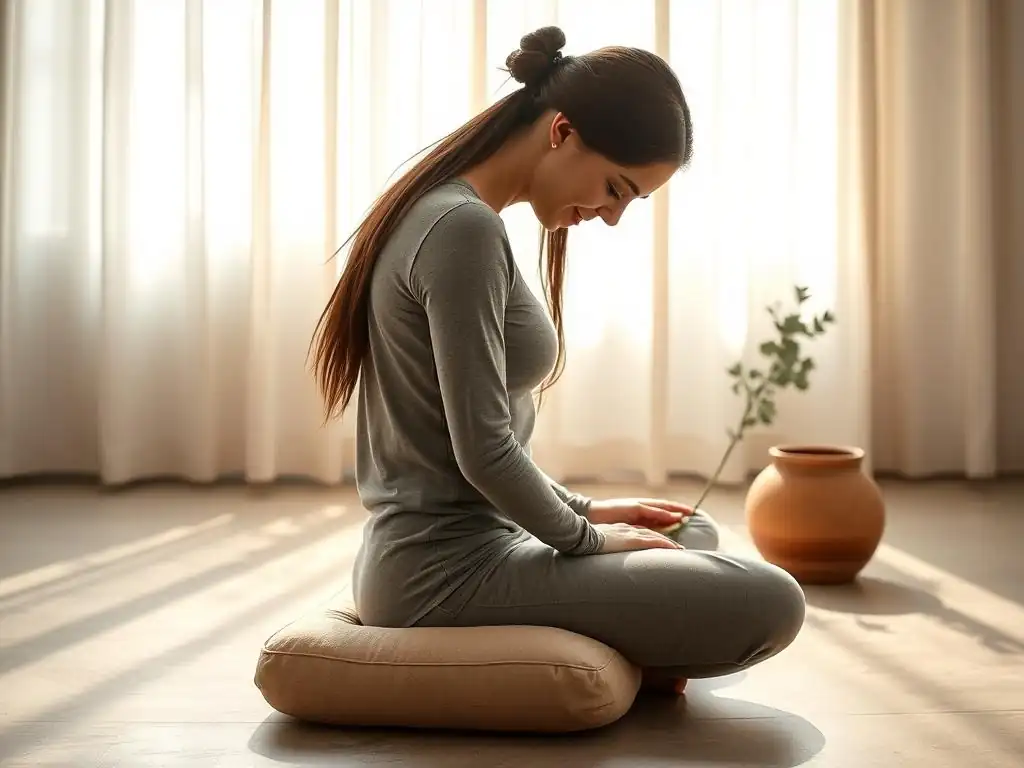
Gentle Yoga Poses for Anxiety Relief: A Beginner's Guide
Starting a yoga practice doesn't require complex postures or high flexibility. Gentle yoga poses are particularly effective for beginners and those seeking yoga for anxiety relief because they are accessible, promote relaxation, and help cultivate body awareness without causing strain. The focus is often on slow, deliberate movements synchronized with breath, allowing the practitioner to stay grounded in the present moment. These poses can be performed with modifications using props like blankets, blocks, or bolsters to enhance comfort and support, making the practice deeply restorative.
Examples of gentle poses include Simple Seated Pose (Sukhasana), Cat-Cow Pose (Marjaryasana-Bitilasana), and Downward-Facing Dog (Adho Mukha Svanasana) with bent knees. Simple Seated Pose, with its emphasis on upright posture and settled breath, provides a foundational position for mindfulness. Cat-Cow gently warms the spine and links movement to breath, releasing tension. Downward Dog, even modified, helps to release tension in the hamstrings and shoulders while offering a mild inversion that can be calming for some. Integrating these gentle poses into a routine provides a nurturing entry point into using yoga to manage anxiety.
Supported Child’s Pose: Finding Comfort and Grounding
Supported Child’s Pose (Balasana) is a deeply calming and grounding posture that is highly recommended for yoga for anxiety relief. It involves kneeling and folding forward, resting the torso on the thighs and the forehead on the mat or a support. The arms can rest alongside the body or be extended forward.
The key to making it supported is often placing a bolster or folded blanket under the torso or forehead, allowing the body to fully surrender and relax. This pose creates a sense of being held and protected, mimicking the fetal position, which can be incredibly soothing to an agitated nervous system.
Holding Supported Child's Pose for several minutes encourages introspection and withdrawal from external stimuli, offering a safe space to simply be with one's breath. The gentle pressure on the forehead can be calming, and the forward fold itself signals the body to relax. As you breathe deeply in this pose, you can feel the gentle expansion of your back with each inhale, and the softening release with each exhale. This simple yet profound pose provides an immediate anchor to the present moment, helping to quiet the noise of racing thoughts and cultivate a sense of inner peace.
Legs-Up-the-Wall Pose (Viparita Karani): Easing Tension and Anxiety
Legs-Up-the-Wall Pose (Viparita Karani) is a restorative inversion that is exceptionally effective for easing tension and promoting yoga for anxiety relief. It involves lying on your back with your legs extended straight up against a wall, with your hips close to the wall. A folded blanket or bolster can be placed under the hips for added comfort and to enhance the inversion effect. The pose is considered restorative because it requires minimal muscular effort, allowing the body and mind to deeply relax.
This pose helps to calm the nervous system by gently shifting circulation and reducing pressure in the legs and feet, which can be particularly beneficial for people who stand a lot or experience fatigue. The mild inversion encourages blood flow towards the upper body and head, which can have a soothing effect. Lying quietly in this pose, focusing on the breath, helps to interrupt the cycle of racing thoughts. Many people report feeling a sense of calm and spaciousness after just 5-10 minutes in Viparita Karani, making it an invaluable tool for de-escalating moments of heightened anxiety.
Corpse Pose (Savasana): Achieving Deep Relaxation and Stillness
Corpse Pose (Savasana) is perhaps the most important pose for yoga for anxiety relief, yet it is often underestimated. It involves lying flat on your back with your arms resting alongside your body, palms facing up, and your legs gently splayed. The goal of Savasana is complete physical, mental, and emotional relaxation.
While it may seem simple, truly letting go of tension and quieting the mind in Savasana can be challenging, especially for those prone to racing thoughts. It requires conscious effort to release muscular tension throughout the body, from the tips of the toes to the crown of the head.
Savasana provides a dedicated time and space for the nervous system to downregulate after the physical practice. It allows the benefits of the asanas and pranayama to integrate fully. For someone with anxiety, lying still might initially feel uncomfortable, even triggering more thoughts. However, with practice, Savasana becomes a powerful tool for cultivating stillness and non-reactivity to mental chatter. Learning to rest deeply in Savasana trains the mind to detach from thoughts and worries, fostering a profound sense of peace and calm that can extend beyond the yoga mat.
Breathing Techniques (Pranayama) for Calming Anxiety
The Power of Breath: Connecting Mind and Body
In yoga philosophy, breath (prana) is considered the vital life force, intimately connected to the state of the mind. Pranayama, the practice of breath control, is a cornerstone of yoga for anxiety relief. When we are anxious, our breathing tends to become shallow, rapid, and irregular, which further activates the sympathetic nervous system (the fight-or-flight response). Conversely, conscious, slow, and deep breathing activates the parasympathetic nervous system (the rest-and-digest response), promoting relaxation and calming the mind.
Learning to control and regulate the breath provides an immediate and accessible tool for managing anxiety in any situation. By focusing attention on the sensation of the breath entering and leaving the body, the mind is drawn away from anxious thoughts and anchored in the present moment. Pranayama techniques not only influence physiological responses like heart rate and blood pressure but also directly impact mental clarity and emotional state. Incorporating breathwork into a daily routine or using it during moments of heightened stress can significantly reduce the intensity of racing thoughts and foster a sense of inner calm.
Deep Belly Breathing (Diaphragmatic Breathing): Reducing Stress and Anxiety
Deep Belly Breathing, also known as Diaphragmatic Breathing, is one of the most fundamental and effective pranayama techniques for reducing stress and promoting yoga for anxiety relief. Unlike shallow chest breathing, which is common in anxious states, diaphragmatic breathing involves fully engaging the diaphragm, the large muscle located below the lungs. This allows for deeper inhalations, bringing more oxygen into the body, and more complete exhalations, helping to expel carbon dioxide and release tension.
To practice Deep Belly Breathing, find a comfortable seated or lying position. Place one hand on your chest and the other on your belly. Inhale slowly and deeply through your nose, feeling your belly rise outwards while your chest remains relatively still.
Exhale slowly through your mouth (or nose), feeling your belly gently fall inwards. The exhale should ideally be longer than the inhale. Practicing this simple technique for just a few minutes can significantly lower heart rate, reduce blood pressure, and calm the nervous system, providing immediate relief from the physical and mental symptoms of anxiety and helping to quiet racing thoughts.
Alternate Nostril Breathing (Nadi Shodhana): Balancing the Nervous System
Alternate Nostril Breathing (Nadi Shodhana) is a powerful balancing pranayama technique used to calm the mind and balance the energy channels in the body, making it excellent for yoga for anxiety relief. This technique involves inhaling and exhaling through one nostril at a time, alternating sides. According to yogic tradition, breathing through the left nostril is associated with the parasympathetic nervous system (calming), while breathing through the right nostril is associated with the sympathetic nervous system (activating). By alternating, the practice helps to harmonize these two systems.
To practice Nadi Shodhana, sit comfortably with a straight spine. Close your right nostril with your right thumb and inhale slowly through your left nostril. Close your left nostril with your right ring finger, release your thumb from the right nostril, and exhale through the right nostril. Inhale through the right nostril.
Close the right nostril with your thumb, release your ring finger from the left nostril, and exhale through the left nostril. This completes one round. Continue alternating for several rounds. This rhythmic, focused breathing practice can significantly reduce mental fluctuations, quiet racing thoughts, and induce a state of calm and clarity, making it a valuable tool for managing anxiety.
Ujjayi Breath (Victorious Breath): Focusing the Mind and Reducing Tension
Ujjayi Breath, often translated as "Victorious Breath" or "Ocean Breath," is a warming and focusing pranayama technique commonly used throughout a yoga practice. It involves breathing through the nose while slightly constricting the back of the throat, creating a soft, audible sound similar to ocean waves. This gentle constriction helps to regulate the flow of breath, making it smoother and longer, and also provides a focal point for the mind, which is particularly helpful for individuals seeking yoga for anxiety relief.
The audible nature of Ujjayi breath serves as an anchor, drawing attention away from distracting thoughts and into the present moment. The controlled, deep inhalations and exhalations help to calm the nervous system and build internal heat, which can release physical tension. Practicing Ujjayi breath during yoga poses helps to link movement with breath, creating a moving meditation that keeps the mind engaged and less likely to wander into anxious patterns. It can be practiced on its own as well, offering a portable technique for calming the mind and reducing tension whenever needed.
Mindfulness and Meditation in Yoga for Anxiety
Integrating Mindfulness into Your Yoga Practice
Mindfulness is the practice of paying attention to the present moment without judgment. While often associated with formal meditation, mindfulness is an integral component of yoga, particularly when using yoga for anxiety relief. Integrating mindfulness into your yoga practice means bringing full awareness to the sensations in your body, the flow of your breath, and the thoughts and emotions that arise, observing them without getting caught up in them.
During a yoga session, instead of simply moving through poses mechanically, pay attention to how each posture feels in your body. Notice the stretch, the strength, the balance, or the release. Observe the rhythm of your breath as you move. When your mind inevitably wanders to anxious thoughts, gently acknowledge them without judgment and guide your attention back to your breath or body sensation. This consistent practice of returning to the present moment strengthens your ability to manage racing thoughts off the mat, helping you become less reactive to them in daily life.
Yoga Nidra: A Guided Meditation for Deep Relaxation and Anxiety Reduction
Yoga Nidra, or "yogic sleep," is a powerful guided meditation technique practiced lying down, that systematically leads the practitioner into a state of deep relaxation while remaining fully conscious. Unlike regular sleep, the goal of Yoga Nidra is to hover in the liminal state between wakefulness and sleep, where the mind is receptive to deep rest and healing. This practice is highly effective for yoga for anxiety relief because it directly addresses the physical and mental tension that anxiety creates.
A typical Yoga Nidra session involves a series of steps, including setting an intention (sankalpa), a body scan to release physical tension, breath awareness, feeling opposite sensations (like heaviness and lightness), and guided imagery. By systematically relaxing the entire body and guiding the mind through various levels of awareness, Yoga Nidra helps to quiet mental chatter and soothe the nervous system. Many people find that even a short Yoga Nidra session (20-40 minutes) can feel as restorative as several hours of sleep, providing profound relief from anxiety and promoting a deep sense of peace.
Body Scan Meditation: Cultivating Awareness and Reducing Physical Tension
Body Scan Meditation is a mindfulness technique often incorporated into yoga and meditation practices. It involves bringing focused attention sequentially to different parts of the body, noticing physical sensations without trying to change them. This practice is particularly beneficial for yoga for anxiety relief because anxiety often manifests as physical tension – tight shoulders, clenched jaw, stomach unease. By systematically scanning the body, you become more aware of where you hold tension and learn to consciously release it.
To practice a Body Scan, lie down comfortably. Begin by bringing your awareness to your feet, noticing any sensations there. Then, slowly move your attention up your body – to your ankles, calves, knees, thighs, hips, and so on, all the way up to the crown of your head.
Simply observe what you feel – tingling, warmth, coolness, tightness, or nothing at all – with curiosity and non-judgment. If you encounter an area of tension, you can breathe into it on the inhale and imagine releasing it on the exhale. This practice helps to ground you in your physical experience, interrupting the cycle of racing thoughts by shifting focus from the mind to the body.
Creating a Yoga Routine for Anxiety Relief
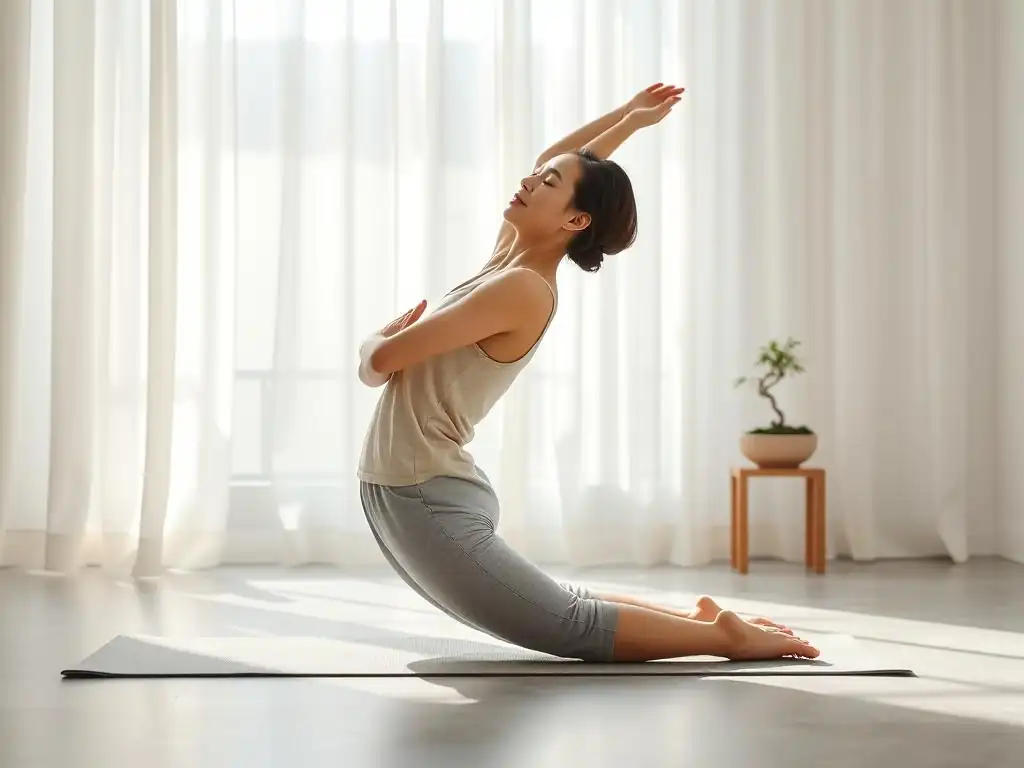
Designing a Personalized Yoga Practice for Mental Well-being
Creating a personalized yoga routine is key to effectively using yoga for anxiety relief. There is no one-size-fits-all approach; the best routine depends on your current physical and mental state, your schedule, and your preferences. Start by identifying what feels good and what helps you feel calmer. Some people might benefit most from gentle, restorative practices focusing on relaxation and breathwork, while others might find that more dynamic flow (Vinyasa) helps to release restless energy and quiet the mind through focused movement.
A balanced routine might include a mix of elements:
- Asanas: Incorporate poses that feel grounding (like Child's Pose or poses close to the earth) and poses that help release tension (like gentle twists or hip openers).
- Pranayama: Include simple breathwork like Deep Belly Breathing or Alternate Nostril Breathing, perhaps for 5-10 minutes before or after your physical practice.
- Meditation/Relaxation: Dedicate time for Savasana or Yoga Nidra at the end of your practice.
Consider the time of day – some find morning yoga energizing yet centering, while evening yoga helps wind down before sleep. Even 15-20 minutes of focused practice can be beneficial. Listen to your body and mind each day and adjust your practice accordingly. The goal is consistency and creating a nurturing space for yourself.
How Often Should You Practice Yoga for Anxiety?
The frequency of yoga practice for yoga for anxiety relief can vary from person to person, but consistency is generally more important than duration or intensity. Many people find that practicing yoga 3-5 times per week yields noticeable benefits in managing anxiety symptoms and reducing racing thoughts. Even short, daily practices can be incredibly effective. For example, dedicating 10-15 minutes each morning to a few calming poses and breathwork, or practicing 20-30 minutes in the evening to unwind, can make a significant difference.
Some studies suggest that practicing yoga at least twice a week for several weeks (e.g., 8-12 weeks) shows significant improvements in anxiety levels. However, finding relief doesn't always require a lengthy commitment. Many individuals experience a sense of calm and reduced mental chatter immediately after a single session.
The key is to establish a routine that is sustainable for you. Even if you can only manage a few minutes of mindful movement or breathwork on busy days, consistently returning to the practice reinforces its calming effects over time. Experiment to find a frequency that fits your life and helps you feel more centered.
Tips for Staying Consistent with Your Yoga Routine
Maintaining consistency with a yoga routine for yoga for anxiety relief can be challenging amidst a busy or stressful life. One effective tip is to schedule your yoga time just like any other important appointment. Block out the time in your calendar and commit to it. Another tip is to start small; even 5-10 minutes of mindful movement or breathwork is better than nothing and can build momentum. Consider creating a dedicated space in your home for practice, even if it's just a corner with your mat, to make it easier to step onto the mat.
Practicing with others, whether in a local class or through online platforms, can also provide motivation and a sense of community. There are countless online resources offering classes specifically focused on yoga for anxiety. Don't strive for perfection; some days your practice might be dynamic, others might be purely restorative.
Be flexible and compassionate with yourself. If you miss a day or two, simply return to your mat without judgment. Tracking your practice in a journal can also help you see your progress and identify which types of practice are most helpful for managing your anxiety and quieting racing thoughts.
Beyond the Mat: Integrating Stillness into Daily Life
Mindfulness Practices for Everyday Moments
The benefits of yoga for anxiety relief extend far beyond the physical practice on the mat. The mindfulness cultivated during yoga can be integrated into everyday moments to help manage racing thoughts throughout the day. Simple practices like mindful eating, paying full attention to the taste, texture, and smell of your food, can ground you in the present. Mindful walking, focusing on the sensation of your feet on the ground and the movement of your body, can turn a commute or stroll into a calming experience.
Even mundane tasks like washing dishes or brushing your teeth can become opportunities for mindfulness. By bringing your full attention to the physical sensations and the task at hand, you interrupt the mind's tendency to jump to worries about the past or future. Set reminders throughout the day to take a few deep breaths and check in with your body and mind. These brief moments of intentional presence can accumulate, building your capacity to notice and detach from racing thoughts before they escalate, reinforcing the stillness you find on the mat.
Cultivating Self-Compassion and Acceptance
Managing anxiety and racing thoughts is an ongoing process, and cultivating self-compassion and acceptance is crucial for long-term well-being. Anxiety is not a choice, and experiencing racing thoughts is a symptom, not a personal failing. Approaching yourself with kindness and understanding, rather than frustration or self-criticism, can significantly ease the burden. Recognize that some days will be easier than others, and that's okay.
Self-compassion involves treating yourself with the same kindness and understanding you would offer a friend who is struggling. This includes acknowledging your difficulties without judgment and recognizing that suffering is a shared human experience. Acceptance doesn't mean liking your anxiety or racing thoughts, but rather acknowledging their presence without resistance. When you stop fighting against the difficult internal experience, you create space for it to shift. Integrating this compassionate attitude with your yoga for anxiety relief practice allows for a more gentle and sustainable path towards finding stillness.
Mindful Walking: Connecting with the Present Moment
Mindful walking is a simple yet powerful practice that can be done anywhere, anytime, offering a portable form of yoga for anxiety relief. Unlike walking for exercise or to get from point A to point B, mindful walking is about paying deliberate attention to the experience of walking itself. It helps to ground you in the present moment, diverting the mind's focus away from racing thoughts and external worries.
To practice mindful walking, bring your attention to the physical sensations of walking. Notice the feeling of your feet touching the ground, the shift of weight from one foot to the other, the movement of your legs and arms, and the rhythm of your breath. Pay attention to the sights, sounds, and smells around you, observing them without getting lost in analysis or judgment.
If your mind wanders to anxious thoughts, gently notice where it went and guide your attention back to the sensations of walking. Even a few minutes of mindful walking can help clear your head, reduce tension, and bring a sense of calm.
Seeking Professional Support for Anxiety
When to Seek Help from a Mental Health Professional
While yoga for anxiety relief can be a powerful tool for managing symptoms and cultivating stillness, it is important to recognize its role as a complementary practice and understand when professional help is needed. If your anxiety or racing thoughts are persistent, overwhelming, significantly interfering with your daily life (work, relationships, sleep), or if you experience panic attacks, it may be time to consult a mental health professional.
Signs that professional support could be beneficial include feeling constantly on edge, having difficulty controlling worry, experiencing physical symptoms like chronic fatigue or digestive issues related to anxiety, or avoiding situations due to fear.
A mental health professional, such as a therapist, counselor, or psychiatrist, can provide a diagnosis, offer evidence-based treatments like Cognitive Behavioral Therapy (CBT) or Exposure Therapy, and discuss medication options if appropriate. They can help you understand the underlying causes of your anxiety and develop personalized coping strategies. Seeking help is a sign of strength, not weakness, and professional support can provide the necessary tools and guidance for profound healing and recovery.
Combining Yoga with Therapy and Other Treatments
For many individuals, the most effective approach to managing anxiety and racing thoughts involves combining various strategies. Integrating yoga for anxiety relief with professional therapy and other treatments can create a comprehensive and synergistic plan for mental well-being. Therapy provides a space to process thoughts and emotions, identify negative patterns, and develop coping skills, while yoga offers a practical, embodied way to manage stress, regulate the nervous system, and practice mindfulness in the moment.
A therapist might even recommend specific yoga or mindfulness techniques as part of your treatment plan. For example, they might suggest practicing deep breathing exercises learned in yoga during moments of panic or using body scan meditation to increase awareness of physical tension discussed in therapy. Combining physical activity, mindfulness, and therapeutic support addresses anxiety from multiple angles, leading to more sustainable and significant improvements in symptoms and overall quality of life. Discussing your interest in yoga with your therapist can help create a collaborative approach to your care.
Resources for Finding Mental Health Support
Finding the right mental health support is a crucial step when anxiety and racing thoughts become overwhelming. There are various resources available to help you connect with qualified professionals. Your primary care physician is a good starting point; they can provide initial assessments and refer you to mental health specialists. Many health insurance providers have directories of in-network therapists and psychiatrists.
National and local mental health organizations often provide helplines, online resources, and directories of mental health professionals. University counseling centers offer services to students. Community mental health centers can provide affordable options. Online therapy platforms have also become increasingly popular, offering convenient access to licensed therapists from the comfort of your home. When seeking support, look for professionals who have experience treating anxiety disorders. Remember that finding the right fit may take time, but seeking help is a brave and essential step towards finding peace and managing your anxiety effectively.
Frequently Asked Questions
What type of yoga is most effective for anxiety relief?
While individual preferences vary, gentle forms of yoga, such as Hatha, Restorative, and Yin Yoga, are often recommended. These styles emphasize mindful movement and deep breathing, promoting relaxation.
How often should I practice yoga to experience anxiety relief?
Consistency is key. Aim for at least 3-4 sessions per week, even if they're just short, 15-20 minute practices. Listen to your body and adjust the frequency as needed for optimal anxiety reduction.
Can yoga completely replace other forms of anxiety treatment?
Yoga can be a valuable tool for managing anxiety, but it's often most effective when used in conjunction with other therapies. It's important to consult with a mental health professional for a comprehensive treatment plan.
What are some specific yoga poses that are particularly helpful for calming anxiety?
Poses like Child's Pose, Corpse Pose (Savasana), and Legs-up-the-Wall Pose are known for their calming and grounding effects. These postures encourage physical and mental relaxation.
Where can I find resources and guidance for practicing yoga for anxiety?
"Mind Care Guide" offers comprehensive resources and information on mental well-being. You can also find qualified yoga instructors and online classes specifically designed for anxiety relief to guide you.
Final Reflection: Finding Peace in the Present Moment
The relentless pace of modern life leaves many of us feeling overwhelmed and anxious, a pervasive condition that impacts our well-being profoundly. Yoga, often perceived as simply physical exercise, offers a powerful antidote to this pervasive anxiety, providing a tangible path towards inner stillness and emotional resilience. This exploration of yoga's anxiety-relieving properties reveals its potential not just as a physical practice, but as a transformative journey towards mental clarity and peace.
The impact of yoga on our collective consciousness is undeniable; its influence extends far beyond the yoga mat, permeating our understanding of stress management and self-care. It's a testament to the power of mindful movement and breathwork to cultivate a sense of calm amidst the chaos. As the renowned yoga teacher, B.K.S. Iyengar, wisely stated: Yoga is a light, which once lit, will never dim. The better your practice, the brighter your flame.
This quote encapsulates the enduring and transformative nature of yoga's ability to not only alleviate anxiety but to foster a deeper connection with oneself and the world.
Now, consider your own life. What areas feel overwhelmed or burdened by stress? I invite you to explore the gentle power of yoga, even if it's just a few minutes of mindful breathing each day. Start small, be patient with yourself, and allow the practice to unfold organically. The journey towards inner stillness is a personal one, but the rewards – a calmer mind, a stronger body, and a deeper sense of self – are immeasurable. Embrace the opportunity to find your own peace, one breath at a time.
Unwind and Embrace Inner Peace: Your Yoga Journey Starts Now
Thanks for taking the time to explore the power of yoga in quieting racing thoughts! We hope you gained valuable insights into finding stillness amidst the daily chaos. Ready to deepen your practice and experience the transformative benefits?
- Begin your personalized yoga flow: Start with a simple sequence tailored to your current skill level. Focus on breathing and mindful movement. Even 10 minutes can make a world of difference!
- Share your journey: Connect with others by sharing your experience – what pose did you find most calming? What challenges did you face? Let's inspire each other!
- Explore guided meditations: Complement your yoga practice with guided meditations designed for relaxation and stress reduction.
Ready to experience the profound calm that awaits you? What small step will you take today to cultivate more stillness in your life?