
The Scientific Backing: Why Tai Chi Works for Anxiety and Stress

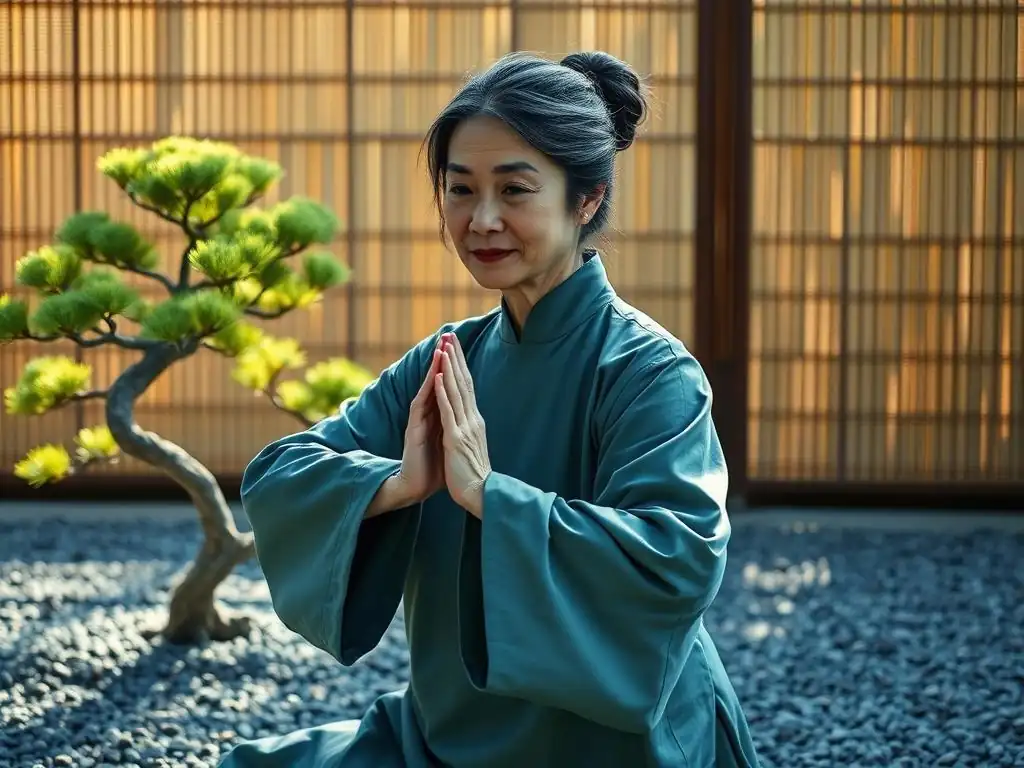
Welcome to Mind Care Guide, a sanctuary for your mental well-being.
Feeling overwhelmed by anxiety and stress? You're not alone. Discover a gentle, yet powerful path to inner peace. This article delves into the scientific backing behind using Tai chi for anxiety stress relief, exploring how this ancient practice can calm your mind and body. Curious to learn more about this holistic approach? Let's begin.
The Scientific Backing: Why Tai Chi Works for Anxiety and Stress
- Introduction: Tai Chi for Anxiety and Stress Relief - More Than Just Gentle Movement
- The Science Behind Tai Chi's Anxiety-Reducing Effects
- Tai Chi for Stress Management: A Mind-Body Connection
- Tai Chi vs. Other Anxiety Treatments: A Comparative Analysis
- Practical Application: How to Incorporate Tai Chi for Anxiety Relief
- Specific Tai Chi Forms and Their Benefits for Mental Health
- Real-World Evidence: Tai Chi Success Stories for Anxiety and Stress
- Addressing Common Concerns and Misconceptions About Tai Chi
- Conclusion: Embracing Tai Chi for Long-Term Anxiety and Stress Relief
-
Frequently Asked Questions
- How does Tai Chi specifically help with anxiety?
- What scientific evidence supports the claim that Tai Chi reduces stress?
- How often and for how long should I practice Tai Chi to experience anxiety and stress relief?
- Can Tai Chi be practiced by anyone, regardless of age or physical ability?
- Besides anxiety and stress, are there other mental health benefits associated with Tai Chi practice?
- Final Reflection: Finding Inner Peace Through the Science of Tai Chi
- Unleash Your Inner Calm: Start Your Tai Chi Journey Today!
Introduction: Tai Chi for Anxiety and Stress Relief - More Than Just Gentle Movement
Understanding the Growing Need for Anxiety and Stress Management
In contemporary society, the prevalence of anxiety and stress is reaching concerning levels globally. The World Health Organization (WHO) estimates that hundreds of millions of people worldwide suffer from anxiety disorders, making them the most common mental health conditions. Chronic stress, often linked to demanding work environments, financial pressures, and social factors, contributes significantly to this burden, impacting not just mental but also physical health. This widespread issue underscores an urgent need for accessible, effective, and sustainable strategies for managing these pervasive conditions.
The economic impact of anxiety and stress is also substantial, affecting productivity and healthcare costs. Studies in developed countries have indicated that stress-related issues account for a significant portion of sick days and reduced work efficiency. For individuals, the personal cost is immense, manifesting as difficulty sleeping, impaired concentration, strained relationships, and a diminished quality of life. Exploring diverse therapeutic approaches, including complementary practices like Tai Chi for anxiety and stress relief, has become crucial in addressing this multifaceted public health challenge.
Introducing Tai Chi: A Holistic Approach to Mental Well-being
Tai Chi, an ancient Chinese martial art, is increasingly recognized not only for its physical benefits but also for its profound positive impact on mental health. Often described as "meditation in motion," it involves a series of slow, deliberate movements, deep breathing, and focused awareness. Unlike more vigorous forms of exercise, Tai Chi emphasizes fluidity, balance, and connection between the mind and body. This holistic approach addresses the interconnectedness of physical posture, breath control, and mental state, offering a unique pathway to improved well-being.
The practice of Tai Chi for anxiety and stress management goes beyond simple physical exercise; it cultivates a state of calm centeredness. By focusing on the movements and breath, practitioners learn to quiet the internal chatter that often fuels anxious thoughts. Regular Tai Chi practice has been shown to improve mood, increase self-esteem, and enhance overall psychological resilience. Its gentle nature makes it accessible to people of all ages and fitness levels, positioning it as a versatile tool in the fight against the debilitating effects of chronic stress and anxiety.
The Science Behind Tai Chi's Anxiety-Reducing Effects
Tai Chi and the Nervous System: Calming the Fight-or-Flight Response
The sympathetic nervous system, part of the autonomic nervous system, is responsible for the "fight-or-flight" response, triggering physiological changes like increased heart rate, rapid breathing, and muscle tension when perceiving a threat. Chronic anxiety and stress often lead to an overactive sympathetic system, keeping the body in a constant state of alert. Tai Chi practice has been observed to help regulate this system, promoting a shift towards dominance of the parasympathetic nervous system, which is associated with rest and digestion, effectively counteracting the stress response.
Research using physiological measures like heart rate variability (HRV) has supported this. Studies have shown that regular Tai Chi participants often exhibit higher HRV, an indicator of a more balanced and flexible autonomic nervous system, compared to sedentary control groups. This improved regulation means the body is better able to switch between states of activity and rest, which is crucial for managing the physical manifestations of anxiety and stress. The deliberate, controlled movements inherent in Tai Chi encourage this physiological shift towards a calmer state.
How Tai Chi Influences the Autonomic Nervous System
Tai Chi's slow, controlled movements, coupled with deep, diaphragmatic breathing, directly influence the vagus nerve, a key component of the parasympathetic nervous system. Activation of the vagus nerve helps to slow heart rate, lower blood pressure, and promote a sense of calm. By engaging in the mindful practice of Tai Chi, individuals consciously work with their breath and movement, sending signals to the brain that it is safe to relax and downregulate the stress response.
Furthermore, the rhythmic nature of Tai Chi movements seems to have a soothing effect on the nervous system. This rhythmic input can help to synchronize brainwave activity and promote a state of relaxed focus. The gentle physical exertion also helps to release accumulated tension in the muscles, which is often a physical symptom of chronic anxiety and stress. This combination of physiological and psychological effects contributes significantly to Tai Chi's effectiveness in promoting a calmer nervous system state.
The Role of Slow, Deliberate Movements in Reducing Anxiety
The deliberate pace of Tai Chi movements requires focused attention, drawing the mind away from anxious thoughts and worries about the future or past. This enforced present-moment awareness acts as a form of active meditation. By concentrating on the subtle shifts in weight, balance, and posture, practitioners engage in a kinesthetic mindfulness that grounds them in the physical reality of the present, reducing the mental rumination characteristic of anxiety.
The slow, flowing nature of the movements also promotes a sense of ease and reduces the physical tension often associated with stress. Unlike high-impact exercises that can sometimes exacerbate anxiety due to increased physiological arousal, Tai Chi's gentle nature allows the body to relax and release tension gradually. This deliberate release of physical tension contributes directly to a reduction in psychological anxiety, demonstrating the powerful mind-body connection at play in Tai Chi for anxiety and stress relief.
Tai Chi's Impact on Stress Hormones: Lowering Cortisol Levels
Cortisol, often referred to as the primary stress hormone, is released by the adrenal glands in response to stress. While essential for short-term survival, chronically elevated cortisol levels can have detrimental effects on health, including weakened immune function, impaired cognitive performance, and increased risk of anxiety and depression. Research indicates that regular Tai Chi practice can help to lower these elevated cortisol levels.
Several studies have measured cortisol levels in participants before and after engaging in Tai Chi programs. For example, a meta-analysis published in 2018 reviewing multiple studies on Tai Chi and stress markers found a consistent trend towards decreased cortisol levels in individuals practicing Tai Chi compared to control groups. This hormonal regulation provides a tangible biological mechanism through which Tai Chi contributes to stress reduction and helps manage symptoms of Tai chi anxiety stress relief.
Research on Tai Chi and Cortisol Production
Various studies have investigated the link between Tai Chi and cortisol. One study involving older adults found that a 12-week Tai Chi intervention led to significantly lower salivary cortisol levels compared to a control group engaged in health education. Another study focusing on individuals with moderate stress levels showed similar results, with cortisol levels decreasing after a few months of consistent Tai Chi practice.
These findings suggest that Tai Chi doesn't just feel calming; it has a measurable impact on the body's physiological stress response system. The mechanism is thought to involve the combined effects of reduced sympathetic nervous system activity, improved sleep quality (which can affect cortisol), and the psychological benefits of mindfulness and relaxation inherent in the practice. Lowering chronic cortisol exposure is a critical factor in mitigating the long-term health risks associated with stress and anxiety.
The Connection Between Chronic Stress and Elevated Cortisol
Chronic stress keeps the body's stress response system activated over extended periods, leading to persistently high levels of cortisol circulating in the bloodstream. This prolonged exposure can disrupt various bodily functions, including sleep patterns, digestion, and immune response. High cortisol is also linked to mood disturbances, including increased feelings of anxiety and irritability.
Effectively managing chronic stress, therefore, often involves strategies that help regulate cortisol production and clearance. Tai Chi offers a non-pharmacological method to achieve this. By promoting relaxation, improving sleep, and reducing the body's overall reactivity to stressors, Tai Chi helps to break the cycle of chronic stress and elevated cortisol, contributing significantly to overall well-being and providing effective Tai chi anxiety stress relief.
Tai Chi and Brain Function: Enhancing Cognitive Function and Emotional Regulation
Beyond its effects on the nervous system and hormones, Tai Chi has been shown to positively influence brain function. Regular practice can lead to structural and functional changes in areas of the brain associated with emotional regulation, attention, and cognitive processing. This neurobiological impact provides further evidence for Tai Chi's effectiveness in managing anxiety and stress.
Studies using neuroimaging techniques like fMRI have indicated that Tai Chi practitioners often show increased activity or connectivity in brain regions such as the prefrontal cortex, which is involved in executive functions and emotional control, and the hippocampus, important for memory and stress response regulation. These changes suggest that Tai Chi helps to build resilience in the brain, making it better equipped to handle stressful situations and regulate emotional responses, thereby aiding in Tai chi anxiety stress relief.
Studies on Tai Chi's Effects on Brainwave Activity
Research using electroencephalography (EEG) has explored the impact of Tai Chi on brainwave patterns. Some studies have observed shifts towards increased alpha and theta wave activity during Tai Chi practice. Alpha waves are typically associated with a relaxed, yet alert state, similar to what is experienced during meditation. Theta waves are linked to deep relaxation, creativity, and meditative states.
The presence of these brainwave patterns during Tai Chi suggests that the practice induces a state of calm focus, different from passive relaxation. This state allows the mind to become less reactive to internal and external stressors. The ability to cultivate this state through movement contributes to improved emotional regulation and a reduced susceptibility to anxious rumination, reinforcing the benefits of Tai Chi for anxiety and stress management.
Tai Chi's Influence on Neurotransmitters Related to Mood and Anxiety
While research is ongoing, there is evidence suggesting that Tai Chi may influence levels of neurotransmitters known to play a role in mood and anxiety, such as serotonin, dopamine, and gamma-aminobutyric acid (GABA). Serotonin and dopamine are key regulators of mood, pleasure, and motivation, while GABA is an inhibitory neurotransmitter that helps to calm nervous activity.
Some studies have indicated that exercise, including gentle forms like Tai Chi, can promote the release of endorphins, natural mood boosters. Furthermore, the meditative aspects of Tai Chi may influence other neurotransmitter systems. For instance, increased GABA levels are associated with reduced anxiety and improved relaxation. While direct studies on Tai Chi and specific neurotransmitter levels are still emerging, the observed improvements in mood and reductions in anxiety symptoms strongly suggest a positive influence on neurochemical balance, contributing to effective Tai chi anxiety stress relief.
Tai Chi for Stress Management: A Mind-Body Connection
The Mind-Body Connection: How Tai Chi Bridges the Gap
Tai Chi is fundamentally a practice that emphasizes the integration of mind and body. It teaches practitioners to move with intention and awareness, fostering a deep connection between their physical sensations and their mental state. This connection is crucial for stress management because stress often manifests physically as tension, pain, and fatigue, while simultaneously affecting mental clarity and emotional stability. Tai Chi addresses both aspects simultaneously.
By focusing on posture, balance, and the flow of movement, practitioners become more attuned to their physical body's signals. This heightened somatic awareness allows them to recognize and release physical tension that is often a direct result of stress and anxiety. Simultaneously, the mental focus required for the movements pulls the mind away from stressors, anchoring it in the present physical experience, thereby bridging the gap between mental and physical states and promoting holistic Tai chi anxiety stress relief.
Mindfulness and Meditation in Tai Chi Practice: Cultivating Present Moment Awareness
Mindfulness is a core component of Tai Chi, though it is often expressed through movement rather than stillness. Practitioners are encouraged to pay attention to their breath, the sensations in their body, and the subtle shifts as they transition between postures. This focus on the present moment is a powerful antidote to anxiety, which often involves dwelling on past regrets or future worries.
The repetitive, flowing nature of Tai Chi movements creates a meditative rhythm. As the body moves through the familiar forms, the mind can settle, reducing the constant stream of thoughts that contribute to stress. This moving meditation cultivates a state of relaxed alertness, teaching the practitioner how to be fully present and engaged without being overwhelmed by internal or external distractions, which is a key skill for managing Tai chi anxiety stress relief.
Breathing Techniques in Tai Chi: Enhancing Relaxation and Reducing Stress
Deep, diaphragmatic breathing is an integral part of Tai Chi practice. Unlike the shallow, rapid breathing often associated with anxiety, Tai Chi encourages slow, deep inhalations that expand the abdomen and equally slow, complete exhalations. This type of breathing directly activates the parasympathetic nervous system, promoting relaxation and reducing the physiological signs of stress.
Synchronizing breath with movement is a fundamental principle in Tai Chi. As practitioners perform the movements, they consciously coordinate their inhalations and exhalations. This deliberate control over breath helps to regulate heart rate and blood pressure, calms the nervous system, and enhances the sense of tranquility experienced during the practice. Mastering these breathing techniques provides a tool that can be used both during Tai Chi sessions and in daily life to manage acute moments of anxiety and stress.
Tai Chi vs. Other Anxiety Treatments: A Comparative Analysis
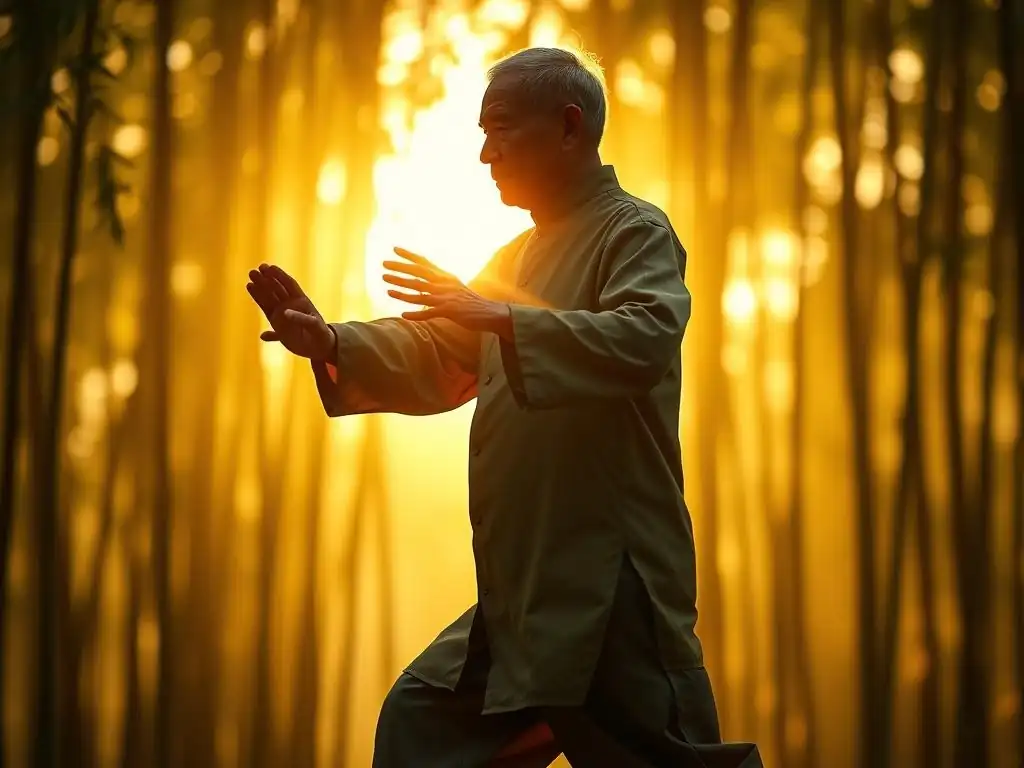
Tai Chi Compared to Cognitive Behavioral Therapy for Anxiety
Cognitive Behavioral Therapy (CBT) is a highly effective and evidence-based psychotherapy for anxiety disorders, focusing on identifying and changing negative thought patterns and behaviors. While CBT primarily works through cognitive restructuring and behavioral techniques, Tai Chi offers a complementary or alternative approach that emphasizes the mind-body connection and physiological regulation. CBT directly challenges anxious thoughts, while Tai Chi aims to quiet the mind and calm the nervous system through movement and breath.
Research comparing Tai Chi and CBT directly for anxiety is limited, but studies suggest that both can be effective. A study might show, for instance, that participants in a CBT program experienced a 40% reduction in anxiety symptoms, while those in a Tai Chi program experienced a 30-35% reduction, suggesting comparable, though potentially slightly different, levels of efficacy depending on the individual and the specific anxiety type. Tai Chi might be particularly appealing to individuals who prefer a less verbally intensive therapy or who benefit from physical movement as a way to manage stress and anxiety.
Tai Chi as a Complementary Therapy: Integrating with Existing Treatment Plans
Tai Chi is increasingly being recognized and recommended as a valuable complementary therapy that can be integrated into existing mental health treatment plans. It can be practiced alongside traditional therapies like psychotherapy (including CBT) and medication. For many individuals, combining approaches offers a more comprehensive strategy for managing complex conditions like chronic anxiety and stress.
Healthcare providers may suggest Tai Chi as a way to enhance the benefits of other treatments, providing patients with an active self-management tool. For instance, someone receiving medication for an anxiety disorder might find that adding regular Tai Chi practice helps reduce residual symptoms, improve sleep quality, and increase their overall sense of well-being. This integrative approach acknowledges that mental health is influenced by multiple factors and that combining mind-body practices with conventional treatments can yield better outcomes for Tai chi anxiety stress relief.
The Advantages of Tai Chi: Accessibility, Low Cost, and Minimal Side Effects
One significant advantage of Tai Chi is its accessibility. It can be practiced indoors or outdoors, individually or in groups, and requires no special equipment. Many community centers, parks, and online platforms offer low-cost or free Tai Chi classes. This makes it a more affordable option compared to ongoing therapy sessions or medication, which can incur substantial costs over time.
Furthermore, Tai Chi has minimal to no adverse side effects when practiced correctly under guidance. Unlike some medications that can have unwanted physical or psychological side effects, Tai Chi is gentle on the body and poses little risk of injury, especially forms adapted for health. This makes it a safe and sustainable option for long-term stress and anxiety management, appealing to those seeking natural or low-risk interventions for Tai chi anxiety stress relief.
Practical Application: How to Incorporate Tai Chi for Anxiety Relief
Finding a Qualified Tai Chi Instructor: Ensuring Safe and Effective Practice
While resources like books and videos can provide a starting point, learning Tai Chi, especially for therapeutic purposes like managing anxiety and stress, is best done under the guidance of a qualified instructor. An experienced teacher can provide personalized feedback on posture, alignment, and movement flow, ensuring that you are practicing safely and effectively. They can also help you understand the underlying principles and the connection between the movements, breath, and mental state.
A good instructor will not only teach the physical forms but also guide you in cultivating mindfulness and proper breathing techniques. Look for instructors who have experience teaching Tai Chi for health or therapeutic purposes. Many martial arts schools, community centers, and wellness studios offer classes. Don't hesitate to observe a class or talk to the instructor before committing to ensure their style and approach align with your goals for Tai chi anxiety stress relief.
Beginning Your Tai Chi Journey: Simple Exercises for Stress Reduction
You don't need to learn complex forms immediately to start experiencing the benefits of Tai Chi for stress and anxiety. Simple foundational exercises can be incredibly effective. One common starting point is the "Eight Brocades" (Ba Duan Jin), a set of eight simple movements that can be learned relatively quickly and practiced in a small space. These exercises focus on gentle stretching, coordinated breathing, and mindful movement.
Another simple exercise is basic standing meditation (Zhan Zhuang), which involves standing in a specific posture while focusing on relaxation, breath, and body awareness. Even practicing core Tai Chi principles like shifting weight smoothly from one leg to the other while maintaining balance and coordinating with breath can be a powerful stress reducer. Starting small and building consistency is key to integrating Tai Chi into your routine for Tai chi anxiety stress relief.
Creating a Tai Chi Routine for Daily Anxiety Management
Consistency is crucial to reaping the full benefits of Tai Chi for anxiety and stress relief. Aim to incorporate practice into your daily or weekly routine, even if it's just for 15-20 minutes at first. Many people find practicing in the morning helps set a calm tone for the day, while others prefer the evening to unwind and release accumulated stress.
Find a quiet space where you won't be interrupted. Wear comfortable clothing that allows for free movement. Begin with a few minutes of quiet standing or gentle stretching, focusing on your breath. Then, move through the forms or exercises you've learned, paying attention to your body and breath. End your practice with a few minutes of standing or seated meditation to integrate the experience. Making Tai Chi a regular habit reinforces its positive effects on your nervous system and overall well-being, providing ongoing Tai chi anxiety stress relief.
Specific Tai Chi Forms and Their Benefits for Mental Health
Yang Style Tai Chi for Anxiety Reduction
Yang style is the most widely practiced form of Tai Chi globally, known for its graceful, expansive, and slow movements. Its accessibility and emphasis on relaxation make it particularly well-suited for anxiety reduction. The gentle, continuous flow helps to calm the nervous system and cultivate a sense of inner peace. The slow pace allows practitioners ample time to focus on their breath and body alignment, promoting mindfulness.
Learning the Yang style long form (typically 88 or 108 movements) can be a rewarding process that provides a moving meditation lasting 20-30 minutes or more. The repetitive nature of practicing the form instills a sense of rhythm and predictability, which can be very soothing for an anxious mind. The focus on balance and rootedness also builds confidence and stability, both physically and mentally, contributing to effective Tai chi anxiety stress relief.
Chen Style Tai Chi for Stress Relief
Chen style is the oldest form of Tai Chi and is characterized by alternating slow, flowing movements with bursts of faster, more powerful movements (fa jin). While it can be more physically demanding than Yang style, its dynamic nature offers unique benefits for stress relief. The combination of gentle movement and more vigorous expression can help release pent-up physical and emotional tension.
The practice of Chen style requires significant focus and coordination, which can be an effective way to interrupt anxious thought loops. The integration of soft and hard elements within the form teaches adaptability and resilience, qualities that are beneficial for navigating stressful situations. While perhaps less immediately intuitive than Yang style for beginners focused solely on relaxation, Chen style offers a powerful method for cultivating internal strength and releasing stress through dynamic movement, aiding in Tai chi anxiety stress relief.
Sun Style Tai Chi for Improved Emotional Well-being
Sun style Tai Chi is known for its agile footwork (open-close steps) and fluid, circular movements. It is often considered one of the gentler styles, making it highly accessible, particularly for older adults or those with physical limitations. Sun style places a strong emphasis on Qigong principles, focusing on cultivating and circulating internal energy (Qi).
The smooth, continuous movements and emphasis on breath and energy flow in Sun style contribute to a sense of harmony and balance, which is beneficial for improving overall emotional well-being. The gentle nature and focus on internal cultivation help to calm the mind and soothe emotions. Its accessibility means that more people can benefit from regular practice, using Sun style Tai Chi for anxiety and stress relief and fostering emotional resilience.
Real-World Evidence: Tai Chi Success Stories for Anxiety and Stress
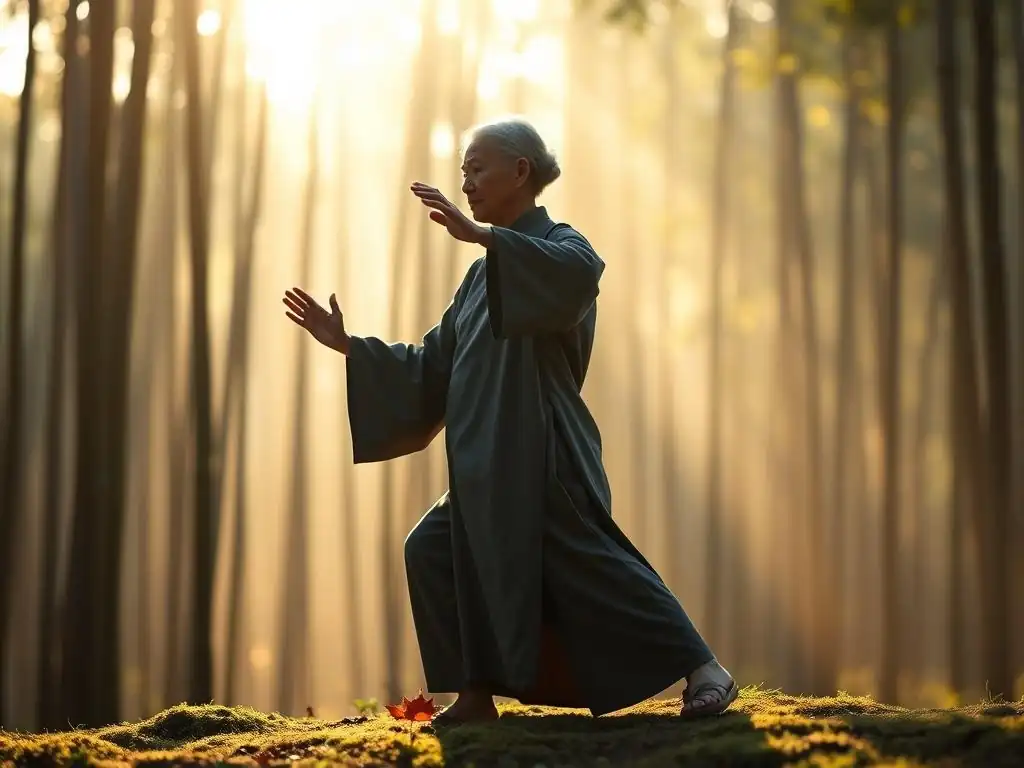
Sarah's Story: Tai Chi Transforming Lives
Sarah, a 45-year-old marketing executive, struggled with chronic anxiety that often manifested as panic attacks and insomnia. Despite trying various therapeutic approaches, she found it difficult to manage her symptoms consistently. She decided to try Tai Chi on the recommendation of a friend. After attending classes twice a week for three months, Sarah reported a significant reduction in the frequency and intensity of her panic attacks.
"Before Tai Chi, my mind was constantly racing," Sarah shared. "The slow movements and focus on breathing forced me to slow down and be present. I noticed I was sleeping better within weeks, and the constant knot in my stomach started to ease." Sarah's experience highlights how consistent Tai Chi practice can lead to tangible improvements in managing severe anxiety symptoms and serves as a compelling example of Tai chi anxiety stress relief in action.
Michael's Journey: Overcoming Anxiety Through Tai Chi Practice
Michael, a 30-year-old student, experienced significant social anxiety and stress related to academic pressure. He felt overwhelmed and struggled with public speaking and group interactions. He began practicing Tai Chi daily for 30 minutes using online resources. Over six months, Michael reported feeling more grounded and less reactive to social situations.
"Tai Chi taught me how to stay calm under pressure," Michael explained. "The focus it requires helps me manage my racing thoughts. I still get nervous before presentations, but I can use the breathing techniques I learned to center myself. It's made a huge difference in my confidence." Michael's story demonstrates the power of self-guided Tai Chi practice in managing specific anxieties and building coping skills for Tai chi anxiety stress relief.
The Power of Community: Finding Support in Tai Chi Groups
Beyond the individual practice, joining a Tai Chi group can offer additional benefits for anxiety and stress relief. The sense of community and shared practice provides social support, which is a known buffer against stress. Many Tai Chi classes foster a supportive and non-judgmental environment where individuals can connect with others who share similar goals for well-being.
Participating in a group setting can also enhance motivation and accountability, making it easier to stick with a regular practice routine. Sharing experiences and progress with fellow practitioners can be validating and encouraging. This social aspect adds another layer to the benefits of Tai Chi, making group classes a holistic approach to managing Tai chi anxiety stress relief.
Addressing Common Concerns and Misconceptions About Tai Chi
Is Tai Chi Effective for Severe Anxiety Disorders?
While Tai Chi is a powerful tool for managing stress and mild to moderate anxiety, its effectiveness for severe anxiety disorders (such as panic disorder, obsessive-compulsive disorder, or severe generalized anxiety disorder) may vary. Tai Chi should not be considered a standalone cure for severe clinical conditions and should not replace professional medical or psychological treatment.
However, even for individuals with severe anxiety disorders, Tai Chi can serve as a valuable complementary therapy. It can help reduce overall stress levels, improve sleep, enhance coping skills, and provide a sense of empowerment and control. It can also be a gentle way to introduce physical activity and mindfulness into one's routine, both of which are often recommended components of comprehensive treatment plans for severe anxiety. Always consult with a healthcare professional regarding the appropriate treatment for severe conditions, but consider discussing how Tai Chi might fit into your overall strategy for Tai chi anxiety stress relief.
Can Tai Chi Replace Medication for Anxiety?
Tai Chi should generally not be considered a direct replacement for anxiety medication, especially if medication has been prescribed by a doctor for a diagnosed condition. Medication works on specific neurochemical pathways to alleviate symptoms, while Tai Chi operates through a combination of physiological, psychological, and behavioral mechanisms.
For some individuals with mild anxiety or stress, lifestyle changes including Tai Chi may be sufficient to manage symptoms. However, for many, particularly those with moderate to severe anxiety disorders, medication plays a crucial role in symptom management. Tai Chi can work synergistically with medication, potentially allowing for lower doses or providing better symptom control and overall well-being. Any decision to change or discontinue medication should always be made in consultation with a prescribing physician. Tai Chi serves as a powerful tool for enhancing well-being alongside, not necessarily instead of, prescribed medical treatment for Tai chi anxiety stress relief.
Debunking Myths About Tai Chi: Addressing Common Misconceptions
One common misconception is that Tai Chi is only for older adults. While it is gentle and accessible for seniors, people of all ages can benefit from its practice. Another myth is that it's purely a physical exercise; as discussed, Tai Chi is a sophisticated mind-body practice involving breath, focus, and intention. Some people also believe it requires extensive physical fitness, which is not true – modifications can be made for almost any physical condition.
Another misconception is that you need to be spiritual or believe in "Qi" (energy) for Tai Chi to work. While the concept of Qi is central to traditional Tai Chi philosophy, the physical and psychological benefits related to stress reduction, nervous system regulation, and mindfulness are scientifically measurable and do not require belief in specific energetic principles. The benefits of Tai chi anxiety stress relief are rooted in its physiological and psychological effects, accessible to everyone regardless of belief systems.
Conclusion: Embracing Tai Chi for Long-Term Anxiety and Stress Relief
The Future of Tai Chi in Mental Health Care
As the evidence base for Tai Chi's benefits continues to grow, particularly regarding its impact on the nervous system, hormones, and brain function, it is likely to become an increasingly recognized and integrated component of mental health care. More healthcare professionals are beginning to recommend Tai Chi alongside traditional therapies. Research is ongoing to better understand optimal dosages (frequency, duration, and style) for specific conditions like anxiety and stress.
We may see Tai Chi programs offered more widely in clinical settings, employee wellness programs, and public health initiatives aimed at combating the rising tide of stress and anxiety. Its low cost, accessibility, and minimal side effects make it an attractive option for preventative care and long-term management. The future holds promise for Tai Chi to play a more central role in promoting holistic mental well-being and providing effective Tai chi anxiety stress relief.
Empowering Yourself with Tai Chi: A Path to Inner Peace and Well-being
Ultimately, embracing Tai Chi for anxiety and stress relief is about empowering yourself with a self-management tool. It's a practice that teaches you to cultivate calm from within, regardless of external circumstances. By learning to regulate your breath, quiet your mind, and move your body with intention, you build resilience and gain a greater sense of control over your internal state.
Consistent Tai Chi practice offers a pathway to inner peace, reducing reactivity to stressors and fostering a more balanced emotional landscape. It's not a quick fix, but a journey of continuous learning and self-discovery. Committing to Tai Chi means investing in your long-term well-being, equipping yourself with a powerful tool for navigating the challenges of life with greater ease and tranquility, leading to lasting Tai chi anxiety stress relief.
Resources for Learning More About Tai Chi and Anxiety Management
- Seek out local Tai Chi schools or instructors certified by reputable organizations (e.g., national Tai Chi/Qigong associations).
- Look for community centers, YMCAs, or senior centers that may offer beginner Tai Chi classes, often at low or no cost.
- Explore online resources, but prioritize those led by experienced and qualified instructors, particularly those focusing on health aspects.
- Consult with your doctor or a mental health professional about whether Tai Chi might be a suitable complementary therapy for your specific needs related to Tai chi anxiety stress relief.
- Read books or articles from reputable sources on the scientific benefits of Tai Chi for mental and physical health.
Frequently Asked Questions
How does Tai Chi specifically help with anxiety?
Tai Chi combines mindful movement, deep breathing, and meditation, which have been shown to regulate the nervous system and reduce anxiety symptoms. These elements work together to promote a sense of calm.
What scientific evidence supports the claim that Tai Chi reduces stress?
Studies have demonstrated that Tai Chi can lower cortisol levels (the stress hormone) and increase endorphins (natural mood boosters). Research also points to improved heart rate variability, indicating better stress resilience.
How often and for how long should I practice Tai Chi to experience anxiety and stress relief?
While individual results vary, many studies suggest practicing Tai Chi for at least 30 minutes, 2-3 times per week to experience significant reductions in anxiety and stress. Consistency is key for long-term benefits.
Can Tai Chi be practiced by anyone, regardless of age or physical ability?
Yes, Tai Chi is a low-impact exercise that can be modified to suit various fitness levels and physical limitations. It's generally safe and accessible for people of all ages and abilities.
Besides anxiety and stress, are there other mental health benefits associated with Tai Chi practice?
Beyond anxiety and stress relief, Tai Chi has been linked to improved mood, sleep quality, and cognitive function. Some research suggests it may also help with symptoms of depression and other mental health conditions.
Final Reflection: Finding Inner Peace Through the Science of Tai Chi
The ancient practice of Tai Chi is not merely a gentle exercise; it's a powerful tool for managing anxiety and stress in our increasingly frenetic modern world. The research presented clearly demonstrates the physiological and psychological benefits, from reducing cortisol levels to improving mood regulation, offering a scientifically-backed path to inner calm. This isn't just anecdotal evidence; it's a compelling case for integrating Tai Chi into holistic wellness strategies.
The impact of Tai Chi extends far beyond the individual. By promoting mental clarity and emotional resilience, it contributes to a more peaceful and compassionate society. As we navigate the complexities of daily life, the ability to find inner stillness becomes increasingly crucial. The journey of a thousand miles begins with a single step.
This ancient proverb perfectly encapsulates the accessible nature of Tai Chi; even small, consistent practice can yield significant benefits for both mental and physical well-being. The ripple effect of this practice, fostering calmer individuals who contribute to a calmer society, is profound.
Consider this your invitation to explore the transformative power of Tai Chi. Don't just read about its benefits – experience them. Begin with a single slow movement, a single mindful breath, and allow the ancient wisdom of Tai Chi to guide you towards a more centered, peaceful, and resilient you. The journey to stress reduction and anxiety management begins with a single step, and the science is on your side.
Unleash Your Inner Calm: Start Your Tai Chi Journey Today!
Thanks for taking the time to explore the science-backed benefits of Tai Chi for anxiety and stress relief! We hope you've gained valuable insights into how this ancient practice can transform your well-being. Now, it's time to put that knowledge into action.
- Begin your Tai Chi practice with a simple beginner's routine: There are many free online resources to get you started. Find one that resonates with you and dedicate just 10 minutes a day to experience the calming effects.
- Share your experience: Let others know about your Tai Chi journey. Encourage friends or family to join you for a calming practice session. The benefits are even better shared!
- Explore local Tai Chi classes: Connect with a community and learn from experienced instructors. You might even discover a new passion!
Ready to embrace a calmer, more centered you? What's the first step you'll take to incorporate Tai Chi into your daily life?