
The Future of Brain Training: Innovations in Neurofeedback


Welcome to Mind Care Guide, a space dedicated to nurturing your mental well-being.
Feeling overwhelmed by the complexities of mental health? You're not alone. We're here to guide you. Dive into our latest article, " The Future of Brain Training: Innovations in Neurofeedback," and discover how this cutting-edge technology is revolutionizing mental wellness. Could neurofeedback brain health improvement be the key to unlocking your cognitive potential and achieving lasting peace of mind? Let's explore this fascinating frontier together...
The Future of Brain Training: Innovations in Neurofeedback
- Introduction: Neurofeedback for Cognitive Enhancement - A New Era
- Current State of Neurofeedback: Applications and Limitations
- Innovations Driving the Future of Neurofeedback
- The Science Behind Neurofeedback's Future: Research and Development
- Ethical Considerations and Future Challenges in Neurofeedback
- Neurofeedback for Cognitive Enhancement: A Look Ahead
- Conclusion: Embracing the Future of Brain Training with Neurofeedback
-
Frequently Asked Questions
- What exactly is Neurofeedback and how does it relate to brain health improvement?
- How does Neurofeedback differ from other brain training methods?
- What mental health challenges can Neurofeedback potentially help with?
- Is Neurofeedback a safe and effective method for brain health improvement?
- How can I find a qualified Neurofeedback practitioner?
- Final Reflection: Harnessing the Brain's Potential: A Future of Enhanced Well-being
- Unlock Your Brain's Potential: Start Your Neurofeedback Journey Today!
Introduction: Neurofeedback for Cognitive Enhancement - A New Era
Neurofeedback, a form of biofeedback focused on brain activity, is ushering in a new era for cognitive enhancement and mental well-being. This non-invasive technique allows individuals to gain conscious control over their brainwaves, offering a unique pathway to improved focus, emotional regulation, and overall brain health. As technology advances, the potential for neurofeedback to revolutionize how we approach mental training and therapeutic interventions continues to grow, promising more accessible and effective methods for achieving optimal brain function.
This article explores the journey of neurofeedback from its foundational principles to the cutting-edge innovations shaping its future. We will delve into how this technology facilitates Neurofeedback brain health improvement, examining current applications, limitations, and the exciting developments in advanced EEG, AI, VR integration, and portable devices. Understanding these advancements is key to appreciating the transformative impact neurofeedback is set to have on cognitive performance, mental health treatment, and daily life.
Understanding Neurofeedback: The Foundation of Brainwave Training
Neurofeedback operates on the principle of operant conditioning, providing real-time feedback on brainwave activity measured via electroencephalography (EEG). Sensors placed on the scalp detect electrical signals produced by the brain. This activity is then processed and presented to the individual, often as a visual display, auditory tone, or even a game. The goal is to train specific brainwave patterns associated with desired mental states, such as increased alpha waves for relaxation or decreased theta waves for improved focus.
During a typical session, the individual learns to consciously or unconsciously alter their brainwave patterns to achieve a target state, guided by the feedback. For example, if the goal is to increase focus, the feedback might reward the brain when it produces more beta waves (associated with concentration) and fewer theta waves (associated with drowsiness). Over time, through repeated practice, the brain learns to maintain these desired patterns independently, leading to lasting changes in cognitive function and emotional regulation, contributing significantly to Neurofeedback brain health improvement.
The Promise of Neurofeedback: Benefits for Attention and Performance
The potential benefits of neurofeedback for attention and performance have been a significant area of interest and research. By directly targeting the brain's electrical activity, neurofeedback offers a unique approach to enhancing cognitive skills. Studies and clinical reports suggest that training specific brainwave frequencies can lead to tangible improvements in areas like focus, memory, processing speed, and executive functions.
Individuals utilizing neurofeedback have reported experiencing enhanced concentration during demanding tasks, reduced distractibility, and an overall sense of improved mental clarity. Athletes, students, and professionals are increasingly exploring neurofeedback as a tool for peak performance training, aiming to optimize their mental state for competitive edge, academic success, or professional productivity. This direct intervention on brainwave patterns holds promise for unlocking greater cognitive potential and facilitating Neurofeedback brain health improvement across diverse populations.
Current State of Neurofeedback: Applications and Limitations
Neurofeedback has evolved from a niche research tool to a recognized therapeutic modality with various applications. Its non-pharmacological nature makes it an attractive option for individuals seeking alternatives or complements to traditional treatments. However, like any technology, it faces limitations that influence its accessibility and widespread adoption.
Currently, neurofeedback is most commonly utilized in clinical settings, administered by trained professionals. While the technology itself is becoming more sophisticated, the delivery often still relies on clinic-based sessions, which can be time-consuming and costly. Understanding the current landscape, including its successes and challenges, is crucial for appreciating the direction of future innovations aimed at expanding its reach and effectiveness for Neurofeedback brain health improvement.
Neurofeedback Applications for ADHD and Anxiety
One of the most established applications of neurofeedback is in the management of Attention-Deficit/Hyperactivity Disorder (ADHD). Research consistently indicates that training individuals with ADHD to increase beta waves and decrease theta waves in specific brain regions can lead to significant reductions in symptoms like inattention, impulsivity, and hyperactivity. A meta-analysis published around 2013, synthesizing findings from numerous studies, suggested effect sizes comparable to pharmacological treatments for inattention and impulsivity, though results can vary between individuals and training protocols. This has positioned neurofeedback as a viable non-medication option, particularly for children and adolescents.
Neurofeedback also shows considerable promise in addressing anxiety disorders. Protocols often focus on increasing alpha and theta waves, associated with states of relaxation and calm, or training the amplitude of specific frequencies in areas linked to emotional processing, such as the amygdala (though this requires more advanced techniques like sLORETA neurofeedback). Clinical reports highlight reductions in worry, panic symptoms, and physiological arousal associated with anxiety. While more large-scale, controlled trials are always beneficial, existing evidence supports neurofeedback as a valuable tool for promoting relaxation and reducing the burden of chronic anxiety, contributing to overall Neurofeedback brain health improvement.
Limitations of Current Neurofeedback Techniques: Cost and Accessibility
Despite its therapeutic potential, current neurofeedback techniques face significant barriers, primarily related to cost and accessibility. Traditional clinic-based neurofeedback requires multiple sessions, often ranging from 20 to 40 sessions or more, each typically costing between $100 and $200. This cumulative expense can amount to thousands of dollars, making it prohibitive for many individuals and families, especially since it is often not covered by standard health insurance plans. The financial burden limits access to those who could potentially benefit greatly from this non-pharmacological approach to Neurofeedback brain health improvement.
Beyond cost, accessibility is also a challenge. Finding qualified neurofeedback practitioners can be difficult, particularly in rural or underserved areas. Clinic hours may conflict with work or school schedules, requiring significant time commitments for travel and appointments. The need for specialized equipment and trained personnel means that neurofeedback is not as readily available as other forms of therapy or intervention. These limitations underscore the critical need for innovation to make neurofeedback more affordable, convenient, and widely available.
Innovations Driving the Future of Neurofeedback
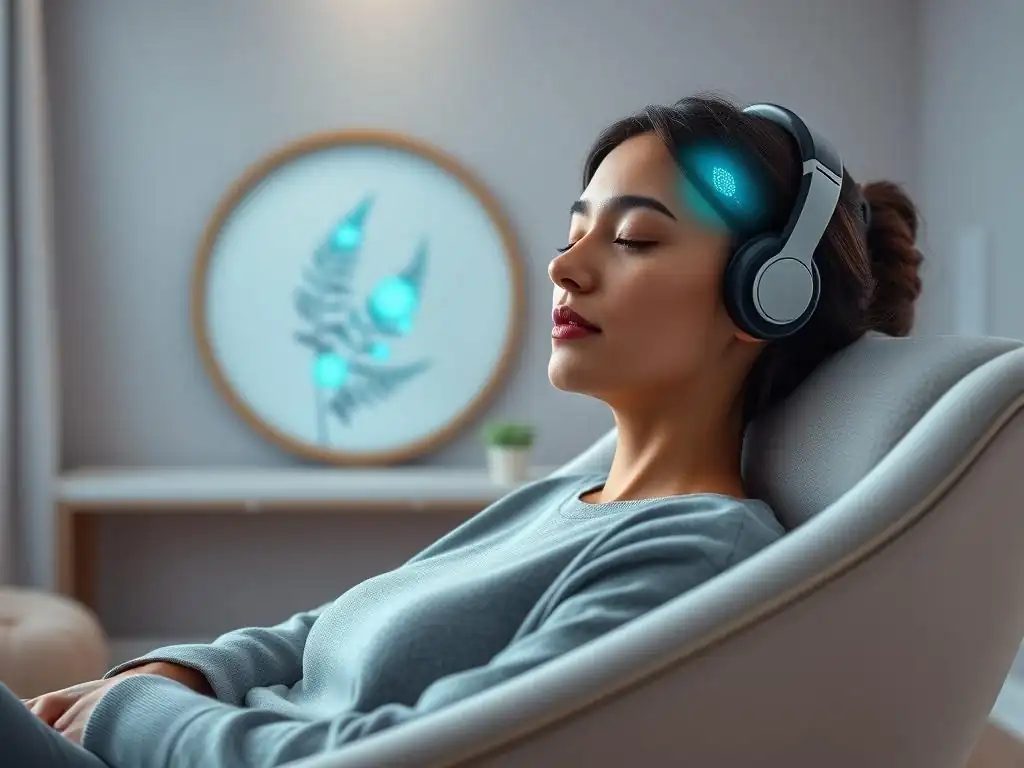
The landscape of neurofeedback is being rapidly transformed by technological advancements. Researchers and developers are pushing the boundaries of what's possible, integrating cutting-edge technologies like advanced EEG, artificial intelligence, virtual reality, and miniaturization to create more effective, personalized, and accessible brain training solutions. These innovations are directly aimed at overcoming the limitations of current methods and unlocking new possibilities for Neurofeedback brain health improvement.
The convergence of these technologies is not just improving the technical aspects of data acquisition and processing; it's also enhancing the user experience and therapeutic outcomes. By making neurofeedback more precise, engaging, and convenient, these innovations are paving the way for its broader adoption and greater impact on mental well-being and cognitive function. The future promises a more integrated and personalized approach to brain training.
Advanced EEG Technology for Precision Neurofeedback
The foundation of neurofeedback lies in accurately measuring brain activity using EEG. Traditional systems often use a limited number of electrodes (e.g., 19 channels), providing a general overview of brainwave patterns. However, the future of neurofeedback is moving towards much higher precision through advanced EEG technology, enabling more targeted and effective interventions for Neurofeedback brain health improvement.
Innovations in electrode density and type are leading this charge. These advancements allow for more detailed mapping of brain activity, distinguishing signals from closely located brain regions and reducing noise, thereby increasing the reliability and specificity of the neurofeedback training.
High-Density EEG for Enhanced Brain Mapping
High-density EEG systems employ a significantly larger number of electrodes, often 64, 128, or even 256 channels, compared to standard clinical setups. This increased spatial resolution provides a much richer and more detailed picture of the brain's electrical activity, allowing practitioners to pinpoint the source of specific brainwave patterns with greater accuracy. For instance, researchers can better identify localized areas of dysregulation associated with conditions like depression or chronic pain, enabling more precise targeting during neurofeedback sessions.
This enhanced mapping capability is crucial for advanced neurofeedback techniques such as sLORETA (standardized Low-Resolution Electromagnetic Tomography), which estimates activity in specific brain regions (like the anterior cingulate cortex or amygdala) rather than just surface locations. By providing feedback on activity within these deeper structures, high-density EEG facilitates more nuanced and potentially more effective training protocols tailored to individual brain profiles and specific therapeutic goals, leading to more targeted Neurofeedback brain health improvement.
Dry Electrode EEG Systems for Convenient Brain Training
A significant barrier to the convenience of traditional neurofeedback has been the need for conductive gel or paste with wet electrodes, which can be messy and require preparation time. Dry electrode EEG systems eliminate this requirement, using materials that can measure brain activity directly through hair and skin with minimal or no preparation. This innovation drastically reduces setup time and makes the technology much more user-friendly for repeated use, particularly in non-clinical settings.
While early dry electrode systems sometimes faced challenges with signal quality compared to wet electrodes, ongoing development has led to significant improvements. Modern dry electrode technology offers signal quality sufficient for many neurofeedback applications, making devices more portable and easier for individuals to use at home. This convenience is vital for increasing the frequency and consistency of training, which are key factors in achieving lasting Neurofeedback brain health improvement.
Artificial Intelligence (AI) in Neurofeedback: Personalized Brain Training
The complexity of brain activity and individual responses to neurofeedback presents a significant challenge in developing optimal training protocols. Artificial intelligence, particularly machine learning, is emerging as a powerful tool to analyze vast amounts of data and personalize neurofeedback interventions, moving beyond one-size-fits-all approaches.
AI can process real-time EEG data, identify subtle patterns that might be missed by human observation, and adapt training parameters dynamically. This promises to make neurofeedback more efficient, effective, and tailored to the unique needs and brain characteristics of each individual, significantly enhancing the potential for Neurofeedback brain health improvement.
AI-Powered Protocols for Optimized Neurofeedback Sessions
Developing an effective neurofeedback protocol for an individual often involves trial and error, requiring practitioner expertise to interpret EEG data and adjust training parameters (e.g., target frequencies, thresholds, reward contingencies). AI algorithms can analyze an individual's baseline brain activity and their response to initial training sessions to automatically generate and optimize personalized protocols. For example, an AI system could analyze spectral power across different frequency bands and connectivity patterns to identify specific areas of dysregulation and suggest the most effective training target and reward strategy.
Furthermore, AI can continuously monitor the individual's progress and real-time brain state during a session, dynamically adjusting the difficulty level or feedback sensitivity to keep the training optimally challenging and engaging. This adaptive approach ensures that the individual is consistently working towards the desired brain state in the most efficient way, potentially reducing the total number of sessions required and improving overall therapeutic outcomes for Neurofeedback brain health improvement.
Machine Learning for Predicting Neurofeedback Outcomes
Predicting how well an individual will respond to neurofeedback training is currently challenging. Response rates can vary significantly depending on the condition being addressed, individual differences in brain structure and function, and adherence to the training regimen. Machine learning models are being developed to analyze pre-treatment data, such as baseline EEG patterns, demographic information, and clinical assessments, to predict the likelihood of a positive response to neurofeedback.
By identifying factors associated with successful outcomes, these models can help clinicians select candidates who are most likely to benefit from neurofeedback or tailor the initial protocol based on predictive markers. For instance, research might identify specific EEG biomarkers in individuals with anxiety that predict greater symptom reduction with alpha-theta training. While still an active area of research, the ability to predict outcomes could lead to more efficient use of resources, better-informed treatment decisions, and increased confidence in pursuing neurofeedback for Neurofeedback brain health improvement.
Virtual Reality (VR) Integration for Immersive Neurofeedback Experiences
Traditional neurofeedback feedback displays often involve simple graphs, meters, or video games, which can sometimes feel abstract or lack engagement. Integrating virtual reality into neurofeedback creates immersive, interactive environments that can enhance user motivation, provide more intuitive feedback, and simulate real-world scenarios for training.
VR neurofeedback can transform the training experience from a clinical procedure into an engaging activity, making it more appealing, especially for younger users or those who struggle with traditional methods. This enhanced engagement can potentially improve adherence and the effectiveness of the training for Neurofeedback brain health improvement.
Enhancing Engagement with VR-Based Neurofeedback
VR environments can translate complex brainwave data into intuitive and engaging visual or auditory experiences. Instead of watching a bar graph, a user might find themselves navigating a serene forest where the sunlight intensifies as their alpha waves increase, or flying a spaceship that speeds up when they achieve a focused beta state. This gamification within a realistic or fantastical 3D world makes the learning process more enjoyable and less like a clinical task.
The immersive nature of VR also helps to reduce distractions, allowing individuals to focus more intently on the internal experience of regulating their brain activity. This heightened focus and engagement can potentially accelerate the learning process and lead to more robust changes in brainwave patterns. The novelty and interactive elements of VR neurofeedback are key to maintaining motivation over the multiple sessions typically required for significant Neurofeedback brain health improvement.
VR for Treating Phobias with Neurofeedback
Combining VR with neurofeedback offers a powerful tool for treating anxiety disorders, particularly phobias. Exposure therapy, a common treatment for phobias, involves gradually exposing individuals to feared objects or situations in a safe environment. VR can simulate these feared scenarios realistically, from heights or spiders to public speaking, in a controlled digital space.
By integrating neurofeedback, therapists can monitor the individual's brain activity and provide feedback as they navigate the VR environment. For example, the VR scenario might become less intense or the individual might gain a sense of control within the simulation when their brain activity indicates a calmer state (e.g., increased alpha or decreased high-beta activity). This allows individuals to practice regulating their fear response in real-time while being exposed to the phobic stimulus, facilitating desensitization and promoting Neurofeedback brain health improvement by training the brain to remain calm in anxiety-provoking situations.
Portable and Home-Based Neurofeedback Devices
Moving neurofeedback out of the clinic and into the home is a major trend driven by the need to improve accessibility and reduce costs. Advances in miniaturization, wireless technology, and user-friendly interfaces are enabling the development of portable and home-based neurofeedback devices.
These devices range from relatively simple headband-style sensors to more complex multi-channel systems designed for personal use. While offering unprecedented convenience, home neurofeedback also presents new considerations regarding supervision, data interpretation, and ensuring the effectiveness and safety of the training without direct professional oversight.
Accessibility and Convenience of Home Neurofeedback
Home-based neurofeedback devices offer unparalleled convenience, allowing individuals to train on their own schedule without needing to travel to a clinic. This flexibility can significantly improve adherence to the training protocol, which is essential for achieving lasting results. For conditions requiring frequent sessions, such as chronic pain or sleep disorders, the ability to train daily at home can be a game-changer.
Furthermore, home systems are typically more affordable than a full course of clinic sessions, although the initial cost of the device can still be substantial (ranging from a few hundred to several thousand dollars). The reduction in per-session cost makes long-term or booster training more feasible. Increased accessibility means more people can potentially benefit from neurofeedback for Neurofeedback brain health improvement, integrating it into their daily routines much like other forms of personal wellness technology.
Considerations for Effective Home Neurofeedback Training
While home neurofeedback offers convenience, it's crucial to address the considerations necessary for effective and safe training. Unlike clinic-based sessions with a trained practitioner, home users are largely responsible for setup, understanding the protocol, and interpreting their progress. Proper guidance and support are paramount.
Many reputable home systems include software with pre-set protocols and tutorials. However, for complex conditions or personalized training, remote supervision or initial consultation with a qualified neurofeedback professional is often recommended. Understanding the limitations of the device, potential artifacts (like muscle tension interfering with EEG signals), and knowing when to seek professional help are vital for ensuring the training is both beneficial and safe. Effective home neurofeedback for Neurofeedback brain health improvement requires a balance between user autonomy and appropriate professional guidance.
The Science Behind Neurofeedback's Future: Research and Development
The future of neurofeedback is not solely driven by technology; it is deeply rooted in ongoing scientific research. Scientists are continuously working to understand the precise mechanisms by which neurofeedback influences the brain, explore new applications, and validate its effectiveness through rigorous clinical trials.
This scientific foundation is critical for refining existing techniques, developing novel protocols, and establishing neurofeedback as a credible and evidence-based intervention for a wider range of conditions. The interplay between technological innovation and scientific discovery is propelling the field forward, promising more targeted and effective ways to achieve Neurofeedback brain health improvement.
Latest Research on Neurofeedback Mechanisms
Understanding how neurofeedback works at a neurological level is key to optimizing its application. Recent research is moving beyond simply observing behavioral changes to investigating the underlying neurophysiological mechanisms. Studies using fMRI (functional Magnetic Resonance Imaging) concurrently with EEG neurofeedback are providing insights into how training specific brainwave patterns affects activity and connectivity in deeper brain networks, such as the default mode network or executive control network.
Other research explores the role of specific neurotransmitters and structural changes in the brain associated with neurofeedback training. For example, some studies are investigating whether neurofeedback can influence neurochemical balance or promote synaptogenesis in targeted brain regions. This deeper understanding of the brain's response to training is vital for developing more theoretically grounded and potentially more powerful neurofeedback protocols aimed at specific neurological targets for Neurofeedback brain health improvement.
Clinical Trials Exploring Novel Neurofeedback Applications for Autism
While neurofeedback has established applications for conditions like ADHD and anxiety, clinical research is actively exploring its potential for a broader spectrum of neurological and psychological challenges. Autism Spectrum Disorder (ASD) is one area where promising preliminary results are driving further investigation. Individuals with ASD often exhibit atypical brainwave patterns, particularly related to connectivity and processing sensory information.
Clinical trials are currently evaluating neurofeedback protocols designed to address specific symptoms of ASD, such as social communication difficulties, repetitive behaviors, or sensory sensitivities. For example, some trials focus on training individuals to regulate alpha rhythms in areas related to social processing or improve connectivity between different brain regions. While still in relatively early stages compared to ADHD research, these trials are generating valuable data on the feasibility and potential efficacy of neurofeedback as a complementary therapy to support individuals with ASD in achieving improved social function and overall Neurofeedback brain health improvement.
The Role of Neuroplasticity in Neurofeedback's Effectiveness
The long-term effects of neurofeedback are fundamentally dependent on the brain's capacity for neuroplasticity – its ability to reorganize itself by forming new neural connections throughout life. Neurofeedback training is believed to facilitate this process by providing the brain with repeated, targeted feedback on its own activity, essentially guiding it to form new, more adaptive patterns.
When an individual consistently practices generating desired brainwave patterns, the neural pathways associated with those patterns are strengthened. Conversely, pathways associated with undesirable patterns may weaken. This learning process, driven by the feedback loop and reinforced over multiple sessions, leads to structural and functional changes in the brain that support improved cognitive function, emotional regulation, and behavior. Understanding and leveraging the principles of neuroplasticity is central to maximizing the therapeutic impact and lasting Neurofeedback brain health improvement achieved through neurofeedback.
Ethical Considerations and Future Challenges in Neurofeedback
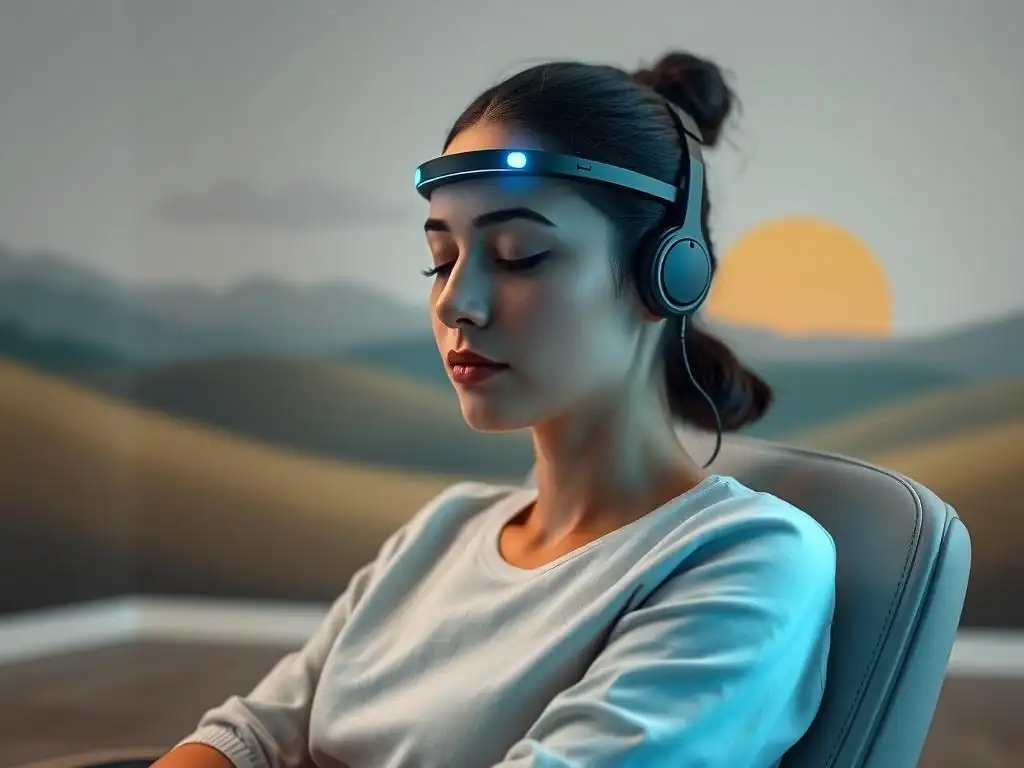
As neurofeedback technology becomes more powerful and accessible, it raises important ethical considerations and future challenges that need careful navigation. Ensuring responsible development, deployment, and access is crucial for realizing the full potential of neurofeedback while protecting individuals.
These challenges span from technical issues like data security to broader societal questions about equitable access and the potential for misuse of brain training technologies. Addressing these points proactively is essential for building trust and ensuring that the future of neurofeedback benefits everyone.
Data Privacy and Security in Neurofeedback Systems
Neurofeedback systems collect highly sensitive personal data – recordings of an individual's brain activity. As devices become more interconnected and data is potentially stored in cloud-based systems, ensuring robust data privacy and security is paramount. Protecting this information from unauthorized access, breaches, or misuse is a critical challenge.
Developers must implement strong encryption and security protocols to safeguard recorded EEG data and associated personal information. Users need clear policies on how their data is collected, stored, used, and who has access to it. As portable and home-based devices become more common, establishing clear standards and regulations for data handling will be essential to maintain user trust and protect individual privacy when pursuing Neurofeedback brain health improvement.
Ensuring Responsible Use of Neurofeedback Technology
The increasing accessibility of neurofeedback technology, particularly home-based devices, raises questions about responsible use. Without professional oversight, there is a risk of individuals using devices incorrectly, applying inappropriate protocols for their specific needs, or having unrealistic expectations about outcomes. While neurofeedback is generally considered safe, improper use could lead to frustration or a lack of efficacy.
Educating users about the technology's capabilities and limitations, providing clear instructions, and promoting the importance of consulting with qualified professionals, especially for therapeutic applications, are vital steps. Guidelines for manufacturers regarding product claims and recommended usage are also necessary. Ensuring responsible adoption will help maximize the benefits of Neurofeedback brain health improvement while minimizing potential downsides.
Accessibility and Affordability of Advanced Neurofeedback Therapies
Despite technological advancements aiming to reduce costs and improve accessibility, the most advanced forms of neurofeedback, such as those utilizing high-density EEG or complex AI algorithms, may still remain expensive and confined to specialized clinics initially. The challenge is to ensure that these cutting-edge innovations eventually become affordable and available to a wider population, not just a privileged few.
Strategies could include advocating for insurance coverage, developing tiered technology options, exploring subscription models for home systems, and supporting training programs to increase the number of qualified practitioners in diverse geographic areas. Achieving equitable access to advanced neurofeedback therapies is crucial for ensuring that the promise of Neurofeedback brain health improvement is available to everyone who could potentially benefit.
Neurofeedback for Cognitive Enhancement: A Look Ahead
Looking into the future, neurofeedback is poised to become an even more powerful tool for cognitive enhancement and mental well-being. The convergence of technology, scientific understanding, and increased accessibility paints a picture of neurofeedback moving from specialized therapy to a more integrated aspect of personal health and performance optimization.
The coming years will likely see neurofeedback devices become more seamless, intelligent, and incorporated into daily life. The potential applications extend beyond remediation of deficits to proactively enhancing cognitive abilities and achieving peak performance in various domains, further solidifying its role in Neurofeedback brain health improvement.
Predictions for the Future of Neurofeedback Technology
Future neurofeedback technology is likely to be characterized by greater integration, miniaturization, and intelligence. We can anticipate devices becoming smaller, more comfortable, and potentially integrated into everyday wearables like headphones or headbands. Wireless capabilities will become standard, allowing for greater freedom of movement during training.
AI will play an increasingly central role, not just in protocol design but also in real-time data analysis and personalized coaching delivered through the device itself. Feedback modalities may become even more sophisticated, potentially using haptic feedback or subtle environmental changes integrated into augmented reality (AR) experiences. The focus will be on creating seamless, personalized, and highly effective brain training experiences that adapt to the user's progress and needs, driving significant Neurofeedback brain health improvement.
Neurofeedback as a Complementary Therapy in Cognitive Rehabilitation
Neurofeedback is expected to become a more common and integrated complementary therapy within cognitive rehabilitation programs. For individuals recovering from stroke, traumatic brain injury (TBI), or those experiencing age-related cognitive decline, neurofeedback can offer a targeted approach to retraining specific brain functions that have been impaired.
By identifying and training dysregulated brainwave patterns associated with deficits in memory, attention, or executive function, neurofeedback can work alongside traditional therapies like occupational and speech therapy. The ability to directly influence brain activity provides a unique avenue for promoting neuroplasticity and restoring function. As research provides stronger evidence, neurofeedback will likely be routinely included in comprehensive rehabilitation plans to maximize recovery and support Neurofeedback brain health improvement.
The Potential of Neurofeedback for Peak Performance Training
Beyond addressing clinical conditions, the future holds significant potential for neurofeedback in peak performance training. Athletes, musicians, surgeons, and other professionals who rely on high levels of focus, emotional control, and rapid decision-making can use neurofeedback to optimize their mental state.
Protocols can be designed to enhance specific cognitive skills relevant to their domain, such as increasing sustained attention for pilots or improving emotional regulation for performers facing pressure. By training the brain to consistently enter and maintain optimal states, individuals can unlock higher levels of performance. As technology becomes more accessible and affordable, neurofeedback could become a standard tool for anyone looking to gain a cognitive edge and achieve peak Neurofeedback brain health improvement.
Conclusion: Embracing the Future of Brain Training with Neurofeedback
Neurofeedback stands at the forefront of the future of brain training, offering a powerful, non-invasive method for enhancing cognitive function and improving mental well-being. From its foundational principles of brainwave training to the sophisticated integration of advanced EEG, AI, VR, and portable technologies, the field is evolving rapidly. These innovations are addressing key limitations, promising greater precision, personalization, accessibility, and engagement in brain training.
The scientific community continues to deepen our understanding of how neurofeedback works and expand its potential applications through rigorous research and clinical trials. While ethical considerations and challenges related to accessibility must be actively addressed, the trajectory points towards a future where neurofeedback is a more integral part of both clinical therapy and personal cognitive enhancement.
The Ongoing Evolution of Neurofeedback for Cognitive Enhancement
The journey of neurofeedback is one of continuous evolution. What began as basic brainwave monitoring has transformed into a sophisticated technology capable of precise, personalized interventions. The integration of artificial intelligence promises protocols tailored to individual brain profiles, while virtual reality makes the training experience more immersive and engaging. Portable devices are breaking down barriers of cost and location, bringing the potential for Neurofeedback brain health improvement into homes and daily lives.
This evolution is driven by a combination of technological innovation and a growing scientific understanding of the brain's remarkable plasticity. As researchers uncover more about specific brainwave patterns associated with various cognitive states and conditions, neurofeedback protocols will become even more targeted and effective. The future holds the promise of neurofeedback being used proactively for cognitive optimization, stress reduction, and overall mental resilience, not just reactively for treating disorders.
Taking Charge of Your Brain Health with Neurofeedback
As neurofeedback technology becomes more advanced and accessible, individuals have an unprecedented opportunity to take a more active role in managing their brain health. Understanding the principles and potential benefits of neurofeedback empowers you to explore this innovative approach to cognitive enhancement and mental well-being.
Whether considering neurofeedback for addressing specific challenges like focus or anxiety, or exploring its potential for peak performance, staying informed about the latest developments is key. Consulting with qualified professionals can help determine if neurofeedback is a suitable option for your goals. Embracing the future of brain training with neurofeedback means recognizing the power of training your brain to function at its best, paving the way for enhanced cognitive abilities and a healthier mind, ultimately contributing to significant Neurofeedback brain health improvement.
Frequently Asked Questions
What exactly is Neurofeedback and how does it relate to brain health improvement?
Neurofeedback is a type of biofeedback that directly trains brain activity. It uses real-time displays of brainwave activity to teach self-regulation, leading to improved brain function and mental well-being. This directly addresses the "Neurofeedback brain health improvement" keyword.
How does Neurofeedback differ from other brain training methods?
Unlike cognitive training games, Neurofeedback provides direct feedback on brainwave activity. This allows for more targeted and personalized training, leading to more efficient and lasting changes in brain function.
What mental health challenges can Neurofeedback potentially help with?
Neurofeedback has shown promise in addressing conditions like ADHD, anxiety, depression, and PTSD. It helps to regulate brainwave patterns associated with these conditions, promoting symptom relief.
Is Neurofeedback a safe and effective method for brain health improvement?
Neurofeedback is generally considered a safe and non-invasive technique. While research is ongoing, many studies suggest it can be an effective tool for improving brain health and addressing various mental health challenges, when administered by qualified professionals.
How can I find a qualified Neurofeedback practitioner?
Look for practitioners with certification from recognized Neurofeedback organizations. Ensure they have experience treating the specific mental health challenge you are facing and that they have a strong understanding of EEG biofeedback principles.
Final Reflection: Harnessing the Brain's Potential: A Future of Enhanced Well-being
The convergence of neuroscience and technology is rapidly reshaping our understanding of brain health, offering unprecedented opportunities for cognitive enhancement and improved well-being. Neurofeedback, once a niche field, is now poised to become a mainstream tool for optimizing brain function and addressing a wide range of neurological and psychological challenges. This signifies a pivotal moment, where scientific advancements are directly translating into accessible and effective methods for improving lives.
The journey into understanding the brain's plasticity and its responsiveness to targeted interventions like neurofeedback has been profoundly impactful, not only for the scientific community but also for individuals seeking to improve their cognitive performance and mental health. The potential for personalized brain training is particularly exciting. The brain is the most complex organ in the body, and its potential for growth and change is limitless.
This quote encapsulates the core message of this article: that we are only beginning to scratch the surface of what's possible when it comes to harnessing the brain's inherent capacity for self-improvement. The ongoing research and development in neurofeedback are paving the way for a future where mental wellness is proactively managed, rather than reactively treated.
Consider the implications of this for your own life. What areas of your cognitive function could benefit from targeted training? Are you ready to explore the potential of neurofeedback to enhance your focus, memory, emotional regulation, or overall well-being? This isn't just about improving performance; it's about unlocking your brain's full potential and living a richer, more fulfilling life. Take the first step towards understanding your brain's capabilities and embark on a journey of self-discovery and empowerment. The future of brain health is here, and it's yours to shape.
Unlock Your Brain's Potential: Start Your Neurofeedback Journey Today!
Thank you for exploring the exciting world of neurofeedback with us! We hope you gained valuable insights into its potential for enhancing cognitive function and overall well-being. Now, it's time to take the next step.
- Schedule a consultation with a qualified neurofeedback practitioner: This is the most important step to personalize your brain training program and achieve optimal results. Finding the right practitioner is key to a successful experience.
- Share this article with someone who might benefit from neurofeedback: Spread the word about this transformative technology and help others discover its power.
- Explore online resources dedicated to neurofeedback: Delve deeper into the research and learn more about the specific applications that interest you most.
Ready to unlock your brain's hidden potential? What specific cognitive enhancement are you most excited to explore with neurofeedback?