
Practical Tips for Supporting Elderly Loved Ones with Mental Health Issues

Welcome to Mind Care Guide, a space dedicated to nurturing your mental well-being and offering support through life's challenges.
Feeling overwhelmed navigating the complexities of mental health, especially when it comes to our loved ones? You're not alone. In this article, we delve into supporting elderly mental health needs, providing practical tips and compassionate guidance to help you understand and address the unique challenges faced by our seniors. Prepare to discover actionable strategies and build a stronger, more supportive relationship with the elders in your life. Let's begin this journey together.
Supporting Elderly Loved Ones with Parkinson's Disease
- Understanding Parkinson's Disease
- Creating a Supportive Home Environment
- Communication Strategies for Effective Support
- Managing Specific Challenges Related to Parkinson's
- Accessing Professional Support for Parkinson's Disease
- Promoting a Healthy Lifestyle for Improved Well-being
- Building a Support Network for Caregivers
- Legal and Financial Considerations for Parkinson's Care
- Resources for Parkinson's Disease
-
Frequently Asked Questions
- What are some common mental health challenges faced by the elderly?
- How can I help an elderly loved one overcome feelings of loneliness and isolation?
- What are some practical ways to improve the mental well-being of elderly individuals with cognitive decline?
- How can I effectively communicate with an elderly loved one who is struggling with their mental health?
- Where can I find professional support and resources for addressing the mental health needs of my elderly loved one?
- Final Reflection: Navigating the Labyrinth of Elderly Mental Health
- Unlock a Brighter Future: Support Your Loved One's Mental Wellbeing
Understanding Parkinson's Disease
Recognizing Early Symptoms and Progression
Parkinson's disease is a progressive neurodegenerative disorder that affects primarily the motor system, though it has wide-ranging non-motor symptoms as well. Early signs can be subtle and often go unnoticed, making supporting elderly mental health needs challenging if the underlying physical condition isn't recognized. Common early motor symptoms include a slight tremor, often starting in one limb, stiffness or rigidity in the limbs and trunk, and bradykinesia (slowed movement). Changes in posture and balance, leading to a stooped stance or difficulty walking, can also be among the first indicators.
Beyond the noticeable motor issues, non-motor symptoms can precede motor symptoms by years or even decades. These include loss of sense of smell (anosmia), sleep disorders like REM sleep behavior disorder (acting out dreams), constipation, and mood disorders such as depression and anxiety. Recognizing these diverse early signs is crucial because they impact the individual's overall well-being and signal the potential need for specialized support tailored to the complexities of Parkinson's, which is vital for supporting elderly mental health needs effectively.
The Impact on Cognitive Function and Mental Well-being
Parkinson's disease significantly impacts cognitive function and mental well-being, extending far beyond the physical symptoms. Many individuals with Parkinson's experience changes in thinking, memory, and problem-solving abilities. While severe dementia occurs in a subset of patients, milder cognitive impairment is quite common. This can manifest as difficulty with executive functions like planning, organizing, and multitasking, or problems with visual-spatial skills. These cognitive changes directly affect independence and can exacerbate feelings of frustration and confusion, underscoring the importance of supporting elderly mental health needs in this population.
Furthermore, mental health conditions are prevalent in Parkinson's. Depression affects an estimated 40-50% of people with Parkinson's at some point, often predating motor symptoms. Anxiety is also common, sometimes manifesting as panic attacks or generalized worry. Psychosis, including hallucinations and delusions, can occur, particularly in later stages or as a side effect of medication. These mental health challenges are not merely reactions to the physical disability but are often direct results of the disease's effects on brain chemistry and structure, necessitating integrated support strategies.
Importance of Early Diagnosis and Intervention
Early diagnosis of Parkinson's disease is paramount for effective management and supporting elderly mental health needs. While there is currently no cure, starting treatment early can help manage symptoms, slow the progression of motor difficulties, and significantly improve quality of life. Early intervention allows for the initiation of therapies like medication, physical therapy, and occupational therapy, which can maintain function and independence for a longer period. A timely diagnosis also provides the opportunity for individuals and families to understand the disease trajectory and plan for future care needs.
Moreover, an early diagnosis enables prompt identification and treatment of non-motor symptoms, including cognitive and mental health issues. Addressing depression, anxiety, and sleep disturbances early on can prevent them from severely impacting daily life and exacerbating other symptoms. Early access to support groups and educational resources empowers both the individual with Parkinson's and their caregivers, fostering a sense of control and resilience. This proactive approach is fundamental to supporting elderly mental health needs comprehensively from the outset of the disease journey.
Creating a Supportive Home Environment
Adapting the Home for Mobility and Safety
Adapting the home environment is a critical step in supporting elderly mental health needs for individuals with Parkinson's, as it directly impacts their safety, independence, and confidence. Simple modifications can prevent falls, which are a significant risk. Installing grab bars in bathrooms near the toilet and shower is essential. Removing tripping hazards like loose rugs and clutter is also vital. Ensuring adequate lighting throughout the home, especially on stairs and in hallways, helps improve visibility and reduce the risk of accidents.
Other helpful adaptations include adding handrails to both sides of staircases and using non-slip mats in areas prone to moisture. Rearranging furniture to create clear, wide pathways allows for easier movement, particularly if a walker or wheelchair becomes necessary. Adjusting the height of chairs and beds can make sitting and standing easier. These physical changes not only enhance safety but also reduce anxiety about navigating the home, contributing positively to the individual's mental state.
Social isolation can profoundly negatively impact the mental health of elderly individuals with Parkinson's. Promoting social engagement is key to supporting elderly mental health needs. Encourage participation in activities the person enjoys, whether it's a book club, a gardening group, or a craft circle. Facilitating regular visits from family and friends provides valuable social interaction and emotional support. Technology can also play a role; setting up video calls with distant loved ones can help maintain connections.
Connecting with others who understand Parkinson's is particularly beneficial. Joining a local Parkinson's support group allows individuals and caregivers to share experiences, gain practical advice, and feel less alone. Many organizations offer virtual support groups as well. Planning outings, even simple ones like a walk in the park or a visit to a local cafe, can break monotony and provide stimulating social interaction. Maintaining these connections fosters a sense of belonging and purpose, crucial for mental well-being.
Maintaining Independence and Dignity
Maintaining independence and dignity is paramount when supporting elderly mental health needs for individuals with Parkinson's. While assistance may be necessary, it's important to empower the individual to do as much for themselves as possible. Adaptations to clothing, such as using Velcro closures or elastic waistbands, can make dressing easier. Using adaptive utensils and dishes can help with eating difficulties. Providing tools that assist with gripping or fine motor tasks can maintain the ability to perform daily activities.
Allowing the individual to make choices about their daily routine and activities, even small ones, reinforces their autonomy. Encourage participation in household tasks they can still manage. When assistance is needed, offer it supportively rather than taking over completely. Respecting their pace and allowing extra time for tasks prevents frustration and preserves their sense of capability. This focus on maintaining independence, wherever possible, is vital for self-esteem and overall mental health.
Communication Strategies for Effective Support
Parkinson's can affect communication in various ways, making effective support crucial for supporting elderly mental health needs. Motor symptoms can lead to hypophonia (soft speech), dysarthria (slurred speech), and difficulty with facial expressions (masked face), which can be misinterpreted as apathy or disinterest. Cognitive changes can affect word finding, sentence structure, and the ability to follow complex conversations. Non-motor symptoms like anxiety can also impact communication, making it hard to articulate thoughts clearly.
To address these challenges, caregivers should be patient and allow extra time for the person to speak. Encourage them to speak slowly and loudly. Using shorter sentences and asking one question at a time can aid comprehension. Pay attention to non-verbal cues, but be aware that facial expressions may not reflect the individual's emotions accurately. It's helpful to confirm understanding to avoid frustration on both sides. For example, you might say, "So, if I understand correctly, you're saying..."
Active Listening and Patience
Active listening is a fundamental strategy for supporting elderly mental health needs, especially when communication is challenging. This involves fully concentrating on, understanding, responding to, and remembering what is being said. When an elderly loved one with Parkinson's is speaking, give them your undivided attention. Turn off distractions like the television or phone. Maintain eye contact and use encouraging gestures like nodding.
Patience is key. Avoid interrupting or finishing their sentences, even if it takes them a while to find the right words. Allow pauses and silence. If you don't understand something, politely ask for clarification rather than pretending to understand. Rephrasing what you heard can help ensure accuracy and shows you are engaged. Remember that communication difficulties can be frustrating for the person with Parkinson's, so maintaining a calm and supportive demeanor is essential.
Encouraging Open Dialogue About Needs and Concerns
Creating an environment where open dialogue is encouraged is vital for supporting elderly mental health needs. Individuals with Parkinson's may hesitate to express their fears, frustrations, or physical discomforts due to embarrassment or a desire not to burden others. Make it clear that you are available and willing to listen without judgment. Set aside dedicated time for conversations, even if it's just a few minutes each day.
Ask open-ended questions that invite more than a yes/no answer. For example, instead of "Are you feeling okay? ", try "How have you been feeling today?" or "What's been on your mind lately?". Be empathetic and validate their feelings. If they express concerns about their symptoms or future, acknowledge their worries and discuss practical steps or resources that might help. Encourage them to participate in decisions about their care as much as possible, fostering a sense of control and collaboration.

Supporting Motor Skill Difficulties
Motor skill difficulties are hallmark symptoms of Parkinson's, significantly impacting daily life and requiring practical support for supporting elderly mental health needs. Bradykinesia, rigidity, and tremor can make simple tasks like buttoning a shirt, cutting food, or writing incredibly challenging. This loss of function can lead to frustration, dependence, and a decline in self-esteem.
Practical support involves patience and providing adaptive tools. Occupational therapists can recommend strategies and equipment, such as weighted utensils to counteract tremor, dressing aids, or voice-to-text software for writing. Breaking down complex tasks into smaller, manageable steps can also help. Allowing ample time and avoiding rushing the individual reduces anxiety associated with motor challenges, thereby supporting their emotional well-being.
Addressing Sleep Disturbances
Sleep disturbances are extremely common in Parkinson's and can severely impact both physical and mental health, making their management crucial for supporting elderly mental health needs. Issues include insomnia, daytime sleepiness, restless legs syndrome, and REM sleep behavior disorder (RBD), where individuals physically act out their dreams. RBD can be particularly distressing for both the person and their sleep partner and poses a risk of injury.
Managing sleep disturbances often requires a multi-faceted approach. Maintaining a consistent sleep schedule, ensuring the bedroom is dark, quiet, and cool, and avoiding caffeine and alcohol before bed can help. Addressing pain or stiffness that disrupts sleep is also important. In cases of RBD or severe insomnia, a neurologist or sleep specialist may prescribe medication. Creating a safe sleep environment by removing sharp objects from the bedroom can mitigate risks associated with RBD.
Managing Non-Motor Symptoms: Depression, Anxiety, and Cognitive Changes
Effectively managing non-motor symptoms like depression, anxiety, and cognitive changes is central to supporting elderly mental health needs in Parkinson's. These symptoms are often as debilitating as motor symptoms and can significantly impact quality of life. Depression and anxiety should be treated proactively, often with a combination of therapy and antidepressant or anti-anxiety medications, as recommended by a doctor. Ignoring these symptoms can worsen motor function and overall well-being.
For cognitive changes, strategies focus on compensatory techniques and cognitive stimulation. Keeping routines consistent, using calendars and lists for reminders, and simplifying tasks can help. Engaging in mentally stimulating activities like puzzles, reading, or learning new skills can support cognitive function. If cognitive impairment is significant, safety measures like supervision or removing driving privileges may be necessary. Regular assessment by a neurologist or neuropsychologist helps monitor these changes and guide interventions.
Coping with Medication Side Effects
Medications are essential for managing Parkinson's symptoms, particularly motor ones, but their side effects can significantly impact mental health and require careful management as part of supporting elderly mental health needs. Dopaminergic medications, while crucial for motor control, can cause side effects such as hallucinations, delusions, impulse control disorders (like compulsive gambling or shopping), confusion, and excessive daytime sleepiness. These side effects can be distressing and challenging for both the individual and caregivers.
Open communication with the prescribing neurologist is vital. Side effects should be reported promptly, as adjusting dosage or switching medications can often alleviate them. Caregivers should monitor for behavioral changes or signs of confusion. Keeping a detailed log of symptoms and medication timing can help identify patterns. Understanding potential side effects allows caregivers to be prepared and respond appropriately, ensuring the individual receives the best possible care while minimizing adverse impacts on their mental state.
Accessing Professional Support for Parkinson's Disease
Finding Neurologists and Movement Disorder Specialists
Accessing appropriate professional medical care is fundamental for supporting elderly mental health needs in the context of Parkinson's disease. The primary specialist is typically a neurologist. For optimal care, seeking out a movement disorder specialist – a neurologist with extra training in Parkinson's and other movement disorders – is often recommended. These specialists have deep expertise in diagnosing and managing the complexities of Parkinson's symptoms, including both motor and non-motor aspects.
Finding the right specialist may involve asking for referrals from a primary care physician, contacting national Parkinson's organizations that often have directories of specialists, or checking with local hospitals or university medical centers known for their neurology departments. It's important to find a specialist with whom both the individual and caregivers feel comfortable and who is experienced in treating elderly patients with Parkinson's.
Understanding and navigating insurance coverage is a practical necessity when supporting elderly mental health needs associated with Parkinson's, as care can be expensive. Coverage varies significantly depending on the type of insurance (Medicare, Medicaid, private insurance, etc.) and the specific plan. It's crucial to understand what the plan covers regarding doctor visits, medications, therapies (physical, occupational, speech), hospital stays, and potential long-term care or home health services.
Contacting the insurance provider directly to understand benefits, deductibles, co-pays, and out-of-pocket maximums is advisable. Inquire about pre-authorization requirements for certain medications or therapies. Keep detailed records of all medical expenses and insurance communications. For those with Medicare, understanding the different parts (A, B, C, D) and supplemental options is key. Many Parkinson's foundations offer resources and helplines to assist with navigating insurance issues.
Understanding Treatment Options: Medication, Therapy, and Surgical Interventions
Treatment for Parkinson's is highly individualized and typically involves a combination of approaches aimed at managing symptoms and improving quality of life, all contributing to supporting elderly mental health needs. Medication is a cornerstone, primarily focused on increasing dopamine levels or mimicking dopamine's effects. Levodopa is the most effective drug for motor symptoms, but others like dopamine agonists, MAO-B inhibitors, and COMT inhibitors are also used. Managing medication timing and side effects is an ongoing process.
Non-pharmacological therapies are equally important. Physical therapy helps maintain mobility, balance, and flexibility. Occupational therapy provides strategies and tools for managing daily activities. Speech therapy addresses voice and swallowing difficulties. In selected cases, deep brain stimulation (DBS), a surgical procedure involving implanting electrodes in the brain, can help manage motor symptoms when medications become less effective or cause significant side effects. Understanding these options empowers informed decision-making about care.
Promoting a Healthy Lifestyle for Improved Well-being
Encouraging Physical Activity and Exercise
Regular physical activity and exercise are incredibly beneficial for individuals with Parkinson's, playing a significant role in supporting elderly mental health needs alongside physical health. Exercise can help improve motor symptoms like balance, gait, and flexibility. It can also combat fatigue, improve sleep quality, and elevate mood, directly addressing mental health challenges. The Parkinson's Foundation recommends roughly 2.5 hours of exercise per week.
Encourage activities that are enjoyable and safe. This might include walking, swimming, cycling, dancing (like Tango, which has shown benefits for Parkinson's symptoms), Tai Chi, or specific Parkinson's-focused exercise classes. Even simple chair exercises or stretching can be helpful. Consistency is key, so finding activities that can be incorporated into a daily or weekly routine is important. Supporting elderly mental health needs through exercise involves finding activities that are not only physically beneficial but also engaging and motivating.
Promoting a Nutritious Diet for Brain Health
A nutritious diet supports overall health and can play a role in supporting elderly mental health needs in Parkinson's. While no specific diet cures Parkinson's, a balanced diet rich in fruits, vegetables, whole grains, and lean protein provides essential nutrients that support brain function and general well-being. Hydration is also crucial.
Specific dietary considerations for Parkinson's include managing constipation, which is common, by increasing fiber and fluid intake. Protein can sometimes interfere with the absorption of levodopa medication, so neurologists may advise taking this medication about 30-60 minutes before or one to two hours after a protein-heavy meal. Consulting with a dietitian can provide personalized recommendations that address both nutritional needs and medication timing. A healthy diet contributes to better physical function and can positively impact mood and energy levels.
Supporting Speech and Occupational Therapy
Supporting engagement in speech and occupational therapy is vital for maintaining function and independence, thereby supporting elderly mental health needs. Speech therapy can help individuals with hypophonia improve voice volume and clarity using techniques like LSVT LOUD®. It also addresses swallowing difficulties (dysphagia), which can lead to malnutrition or aspiration pneumonia. Regular practice of speech exercises at home is essential for maintaining progress made in therapy sessions.
Occupational therapy focuses on adapting daily tasks and the environment to maintain independence despite motor challenges. This includes strategies for dressing, bathing, eating, and writing. An occupational therapist can recommend adaptive equipment and home modifications. Encouraging consistent participation in these therapies and helping the individual practice learned techniques at home empowers them and reduces reliance on others, which is crucial for preserving dignity and mental well-being.
Building a Support Network for Caregivers
Connecting with Family, Friends, and Parkinson's Support Groups
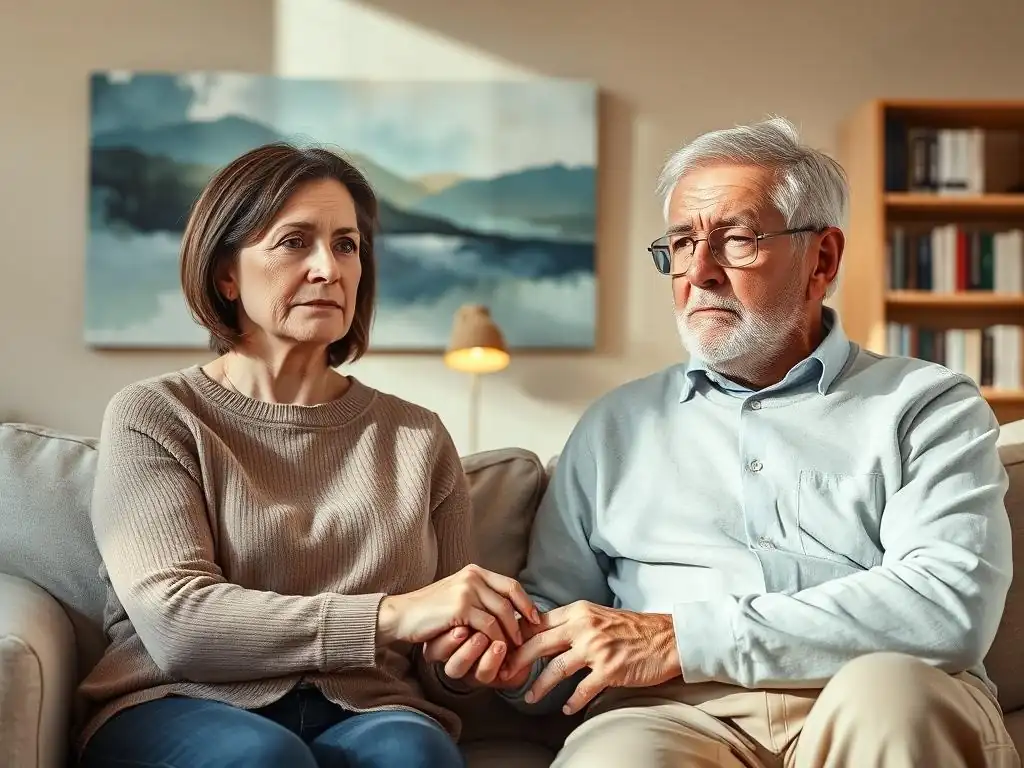
Caregiving for someone with Parkinson's, especially while supporting elderly mental health needs, is demanding and requires a strong support network. Encourage family members and friends to offer practical help, such as assisting with appointments, running errands, or providing companionship. Clearly communicating specific needs can make it easier for others to offer meaningful support.
Connecting with other Parkinson's caregivers through support groups, either in-person or online, is invaluable. These groups provide a safe space to share challenges, exchange advice, and receive emotional support from people who truly understand the daily realities of caregiving. Organizations like the Parkinson's Foundation offer resources for finding local support groups. Building this network helps caregivers feel less isolated and better equipped to handle the stresses of their role.
Prioritizing Self-Care to Prevent Burnout
Caregiver burnout is a serious risk that can compromise both the caregiver's health and their ability to provide effective support, including supporting elderly mental health needs. Prioritizing self-care is not selfish; it's necessary. Encourage the caregiver to schedule regular breaks, even if just for a few minutes each day. This might involve reading, listening to music, meditating, or pursuing a hobby.
Regular physical activity and maintaining their own social connections are also vital for the caregiver's well-being. Encourage them to eat healthily and get sufficient sleep. Recognizing the signs of burnout, such as chronic fatigue, irritability, withdrawal, or feelings of hopelessness, is the first step. Seeking professional help from a therapist or counselor if needed is a sign of strength, not weakness, and is crucial for sustaining long-term caregiving capacity.
Utilizing Respite Care Services
Utilizing respite care services is a practical way to provide the caregiver with a much-needed break, essential for preventing burnout and sustaining their ability to provide care, including supporting elderly mental health needs. Respite care can range from a few hours of in-home assistance to short-term stays in a residential facility. This allows the primary caregiver time to rest, attend to their own needs, or simply recharge.
Explore local options for respite care through home health agencies, adult day centers, or residential care facilities. Some Parkinson's organizations or local Area Agencies on Aging may have information on available services and potential financial assistance. Planning for respite care in advance ensures that backup support is available when needed, providing peace of mind for the caregiver and ensuring the individual with Parkinson's continues to receive safe and appropriate care.
Legal and Financial Considerations for Parkinson's Care
Understanding Advance Directives and Power of Attorney
Addressing legal and financial matters is a crucial aspect of comprehensive care and supporting elderly mental health needs by reducing future uncertainty and anxiety. Understanding advance directives is key. An advance directive, such as a living will, allows individuals to state their preferences for medical treatment if they become unable to communicate their wishes.
Establishing a durable power of attorney for healthcare designates a trusted person to make medical decisions on their behalf if they are incapacitated. Similarly, a durable power of attorney for finances allows someone to manage financial affairs. These documents should be prepared while the individual is still capable of making informed decisions and should be discussed openly with the designated agents and family members. Having these legal documents in place provides peace of mind and ensures wishes are respected.
Managing Finances and Long-Term Care Planning
Managing finances and planning for the long-term costs of Parkinson's care is essential. The progressive nature of the disease often means increasing needs for assistance, therapies, and potentially residential care, all of which can be expensive. Creating a detailed financial plan involves assessing current assets and income, estimating future care costs, and exploring funding options.
This may involve consulting with a financial advisor specializing in elder care. Understanding potential sources of funding, such as long-term care insurance, Veterans Affairs (VA) benefits, or government programs like Medicaid (if eligible), is vital. Planning for long-term care early allows families to explore all options and make informed decisions about how to finance future needs without undue stress, which helps in supporting elderly mental health needs by alleviating financial worries.
Exploring Financial Assistance Programs
Exploring available financial assistance programs can significantly ease the burden of care costs when supporting elderly mental health needs for individuals with Parkinson's. Various programs exist at federal, state, and local levels, although eligibility criteria vary widely based on income, assets, and specific needs.
Programs like Medicaid provide healthcare coverage for low-income individuals, which may include long-term care services. VA benefits can assist eligible veterans with healthcare and support services. Some pharmaceutical companies offer patient assistance programs for medication costs. Non-profit organizations focused on Parkinson's may also offer grants or financial aid for specific needs, such as respite care or adaptive equipment. Researching and applying for these programs requires effort but can provide much-needed financial relief.
Resources for Parkinson's Disease
Parkinson's Foundation
The Parkinson's Foundation is a leading resource for people with Parkinson's, their families, and caregivers. They provide comprehensive information about the disease, symptoms, treatment options, and research updates. Their website offers educational materials, webinars, and publications available for download (though not directly linked here as per instructions).
The foundation also offers a helpline staffed by trained professionals who can provide support, answer questions, and help navigate resources. They fund research aimed at finding a cure and improving treatments. Connecting with the Parkinson's Foundation is an excellent first step for anyone seeking reliable information and support for supporting elderly mental health needs related to Parkinson's.
National Institute of Neurological Disorders and Stroke (NINDS)
The National Institute of Neurological Disorders and Stroke (NINDS) is part of the U.S. National Institutes of Health (NIH). NINDS conducts and supports research on brain and nervous system disorders, including Parkinson's disease. They provide information about the latest research findings, clinical trials, and basic facts about the disease.
While NINDS is primarily a research organization, their website offers valuable, scientifically vetted information that can help individuals and caregivers understand the underlying mechanisms of Parkinson's and stay informed about potential future treatments. Their resources are useful for gaining a deeper understanding of the disease from a scientific perspective, contributing to informed decisions about care.
Local Parkinson's Support Groups
Local Parkinson's support groups are invaluable resources for both individuals with the disease and their caregivers, directly contributing to supporting elderly mental health needs. These groups offer a forum for sharing experiences, challenges, and successes with others who are navigating similar situations. The emotional support and practical advice gained from peers can be incredibly empowering.
Many support groups also host guest speakers, such as neurologists, therapists, or social workers, who provide expert information on managing specific aspects of Parkinson's. Finding a local group can be done through national organizations like the Parkinson's Foundation or by asking for recommendations from a neurologist's office or local hospitals. Participation fosters a sense of community and reduces feelings of isolation.
Frequently Asked Questions
What are some common mental health challenges faced by the elderly?
The elderly often experience depression, anxiety, and cognitive decline (like dementia) due to factors such as isolation, loss of loved ones, and age-related physical changes. Recognizing these challenges is the first step to providing support.
How can I help an elderly loved one overcome feelings of loneliness and isolation?
Encourage social interaction through activities like senior centers, volunteering, or spending time with family. Regular visits and phone calls can also significantly reduce feelings of isolation.
What are some practical ways to improve the mental well-being of elderly individuals with cognitive decline?
Maintain a structured routine to provide stability and reduce confusion. Engage them in mentally stimulating activities like puzzles or reminiscing about the past, and ensure a safe and comfortable environment.
How can I effectively communicate with an elderly loved one who is struggling with their mental health?
Practice patience and active listening. Avoid interrupting or dismissing their feelings, and validate their experiences. Speak clearly and simply, using non-judgmental language.
Where can I find professional support and resources for addressing the mental health needs of my elderly loved one?
Consult with a geriatric psychiatrist or therapist specialized in elderly mental health. Organizations like the Alzheimer's Association and National Council on Aging offer valuable resources and support groups.
The challenges of supporting elderly loved ones struggling with mental health issues are not merely personal struggles; they are a widespread societal concern demanding immediate attention. The increasing aging population, coupled with a growing awareness of mental health complexities, means that the practical strategies discussed in this article are not just helpful suggestions, but vital tools for navigating a critical and increasingly prevalent reality.
The emotional toll of witnessing a loved one grapple with age-related cognitive decline or mental health deterioration is profound. It's a journey marked by both heartbreak and resilience, requiring a delicate balance of patience, understanding, and unwavering support. The best thing one can do when it's dark is to light a candle.
This simple act of kindness, both metaphorical and literal, encapsulates the spirit of caregiving – offering a beacon of hope amidst the challenges. The impact extends beyond the individual, shaping family dynamics and highlighting the urgent need for improved societal support systems for both caregivers and the elderly themselves.
You, the reader, now hold the knowledge to make a tangible difference. Consider the practical tips outlined within this article – from fostering open communication to seeking professional guidance – and reflect on how you can apply them to your own life, whether you are a caregiver yourself, or simply seeking to better understand the needs of the elderly in your community. Let this knowledge empower you to become an advocate for better mental health support for our aging population. The journey may be challenging, but the rewards of compassion, understanding, and effective support are immeasurable.
Unlock a Brighter Future: Support Your Loved One's Mental Wellbeing
Thanks for taking the time to learn more about supporting your elderly loved ones through mental health challenges. We hope this article provided valuable insights and practical strategies. Now, let's turn that knowledge into action!
- Prioritize one small change this week: Choose just one tip from the article – whether it's scheduling a regular phone call, exploring local support groups, or learning a new relaxation technique – and commit to implementing it. This small step can make a significant difference.
- Share this knowledge: Forward this article to a friend or family member who might find it helpful. Sharing this crucial information can expand the network of support for those facing similar challenges.
- Explore resources further: Look through MindCareGuide.org for more articles and resources on this important topic. There's always more to learn, and we’re here to help.
What small step will you take today to nurture the mental wellbeing of your loved one?