
Eating Colorful: The Role of Fruits and Vegetables in Mood Support

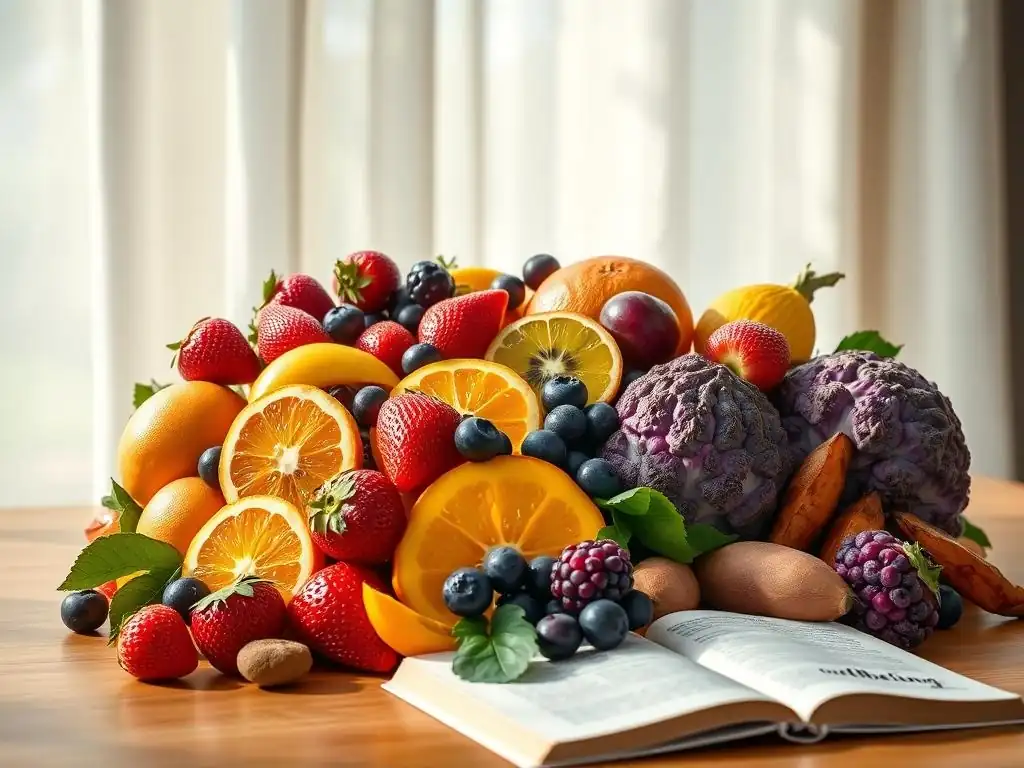
Welcome to Mind Care Guide.
Feeling a little gray lately? You're not alone. We understand that navigating the complexities of mental well-being can be challenging. But what if a simple, vibrant solution was closer than you think? In this guide, we'll explore the surprising connection between what you eat and how you feel, specifically diving into the power of colorful fruits and vegetables for mood support. Prepare to discover how adding a rainbow to your plate can brighten your day, and leave you wondering why you didn't try it sooner.
Eating Colorful: The Role of Fruits and Vegetables in Mood Support
- Introduction: The Link Between Diet and Mood
- Colorful Fruits and Vegetables: A Nutritional Powerhouse for Mood
- How Colorful Foods Can Boost Your Mood
- Incorporating Colorful Foods into Your Daily Diet
- Addressing Common Barriers to Healthy Eating
- Beyond Diet: A Holistic Approach to Mood Support
- Conclusion: The Power of Colorful Fruits and Vegetables for a Brighter Mood
-
Frequently Asked Questions
- How do colorful fruits and vegetables contribute to mood support?
- What specific colors in fruits and vegetables are most beneficial for mood?
- How much of these colorful foods should I consume daily for noticeable mood improvements?
- Are there any specific fruits or vegetables that are particularly effective at boosting mood?
- Can simply adding colorful fruits and vegetables replace other forms of mental health treatment?
- Final Reflection: The Vibrant Path to Well-being
- Unlock Your Vibrant Mood: Nourish Your Body and Mind
Introduction: The Link Between Diet and Mood
It's becoming increasingly clear that what we eat profoundly impacts not just our physical health but our emotional and mental well-being. Our mood, energy levels, and even cognitive function can be influenced by the nutrients we consume – or lack thereof. While many factors contribute to mental health, mounting evidence points to diet as a critical, often overlooked, component.
This article explores the powerful connection between nutrition, specifically the consumption of colorful fruits and vegetables, and mood support. We will delve into the science behind this link, highlight the key nutrients found in vibrant produce, and provide practical ways to incorporate more color into your daily meals to foster a brighter, more balanced mood.
Understanding the Gut-Brain Connection and Mental Wellness
The human body houses a complex communication network between the gut and the brain, often referred to as the gut-brain axis. This bidirectional highway involves nerve pathways, hormones, and the immune system. A significant player in this connection is the gut microbiome – the trillions of microorganisms residing in our digestive tract. These microbes produce various compounds, including short-chain fatty acids (SCFAs), which can influence brain function and inflammation, and even play a role in the synthesis of neurotransmitters.
Research suggests that around 90% of the body's serotonin, a neurotransmitter crucial for regulating mood, sleep, and appetite, is produced in the gut. A diverse and healthy gut microbiome, nurtured by a diet rich in fiber from plants, is better equipped to support this production and reduce inflammation, which is increasingly linked to mood disorders like depression and anxiety. Therefore, optimizing gut health through dietary choices is a fundamental step towards enhancing mental wellness.
The Importance of a Balanced Diet for Emotional Health
A balanced diet, rich in whole, unprocessed foods, provides the essential building blocks our brains need to function optimally. This includes healthy fats (like omega-3s), lean proteins, complex carbohydrates, and a wide array of vitamins, minerals, and antioxidants. Deficiencies in certain nutrients, such as B vitamins, magnesium, or zinc, have been associated with increased risks of depression and anxiety.
Conversely, diets high in processed foods, refined sugars, and unhealthy fats can lead to inflammation throughout the body, including the brain. This chronic inflammation can disrupt neurotransmitter function and impair cognitive processes, potentially contributing to mood swings, irritability, and even exacerbating symptoms of mood disorders. Prioritizing a nutrient-dense diet lays the foundation for stable energy levels, balanced blood sugar, and reduced inflammation, all of which are vital for robust emotional health and effective colorful fruits vegetables mood support.
Colorful Fruits and Vegetables: A Nutritional Powerhouse for Mood
Beyond just providing essential vitamins and minerals, the vibrant colors in fruits and vegetables signify the presence of unique plant compounds that offer significant benefits for our mental state. Eating the rainbow isn't just a fun concept; it's a scientifically supported strategy for comprehensive nutritional intake that supports mood.
The diverse palette of colors in produce correlates with a variety of powerful nutrients. Incorporating a wide range of colorful fruits and vegetables into your diet ensures you're getting a broad spectrum of these beneficial compounds, maximizing their potential impact on brain function and emotional resilience. This is where the concept of colorful fruits vegetables mood support truly comes to life on your plate.
What Makes Fruits and Vegetables "Colorful"? Phytonutrients Explained
The brilliant hues in fruits and vegetables aren't just for show; they are indicators of the presence of phytonutrients (also called phytochemicals). These are natural chemical compounds produced by plants that help protect them from damage. When we consume them, they can offer similar protective benefits to our bodies, acting as antioxidants and possessing anti-inflammatory properties.
Different colors often signify different types of phytonutrients. For instance, the deep blues and purples of berries and eggplant come from anthocyanins, potent antioxidants. The reds of tomatoes and peppers are often due to lycopene and capsaicin. Oranges and yellows in carrots, sweet potatoes, and citrus fruits are rich in carotenoids like beta-carotene. Greens in spinach and kale contain chlorophyll, lutein, and zeaxanthin. Each of these compounds has unique properties that contribute to overall health, including neurological health and effective colorful fruits vegetables mood support.
Key Vitamins and Minerals in Colorful Produce That Support Mental Wellbeing
Colorful produce is packed with essential micronutrients that play direct roles in brain health and the regulation of our emotional state. These nutrients are critical for processes like neurotransmitter synthesis, nerve function, and protecting brain cells from damage. Ensuring adequate intake of these vitamins and minerals is fundamental for maintaining stable mood and cognitive function.
Focusing on getting a wide array of these nutrients through a colorful diet is a practical way to support mental wellness. While supplements can play a role, nutrients from whole foods are often better absorbed and come packaged with other beneficial compounds that work synergistically. Leveraging colorful fruits vegetables mood support through diet provides a comprehensive approach.
Vitamin B and its Impact on Mood Regulation
B vitamins, particularly B6, folate (B9), and B12 (though B12 is less common in produce), are vital for neurological function and the synthesis of neurotransmitters like serotonin, dopamine, and norepinephrine – chemicals critical for mood regulation. Folate, found abundantly in leafy greens like spinach and kale, as well as asparagus and broccoli, is particularly important.
Studies have shown a link between low folate levels and an increased risk of depression. Folate is necessary for the production of SAM-e (S-adenosylmethionine), a compound involved in brain metabolism and mood. Ensuring adequate intake of folate through colorful vegetables can help support healthy neurotransmitter levels and contribute to better mood stability.
The Role of Magnesium in Reducing Anxiety and Stress
Magnesium is a mineral involved in over 300 biochemical reactions in the body, including many related to stress response and nerve function. It plays a role in regulating neurotransmitters and hormones that are crucial for calming the nervous system. Many people in Western populations do not consume adequate magnesium.
Symptoms of magnesium deficiency can include anxiety, irritability, and fatigue. Colorful foods rich in magnesium include dark leafy greens (like spinach and Swiss chard), broccoli, and some fruits like bananas (though yellow, they fit the overall theme of produce benefits). Increasing dietary magnesium intake may help reduce symptoms of anxiety and promote relaxation, supporting colorful fruits vegetables mood support.
Antioxidants and their Protective Effects on Brain Health
Antioxidants are compounds that help protect our cells, including brain cells, from damage caused by unstable molecules called free radicals. This damage, known as oxidative stress, is linked to inflammation and is implicated in the development and progression of various chronic conditions, including mood disorders.
Colorful fruits and vegetables are primary sources of dietary antioxidants like Vitamin C (found in bell peppers, citrus, strawberries), Vitamin E (in leafy greens), carotenoids (in carrots, sweet potatoes, bell peppers), and flavonoids (in berries, apples, citrus). By neutralizing free radicals and reducing inflammation, these antioxidants help preserve brain health and function, contributing to improved mood and reduced risk of cognitive decline.
How Colorful Foods Can Boost Your Mood
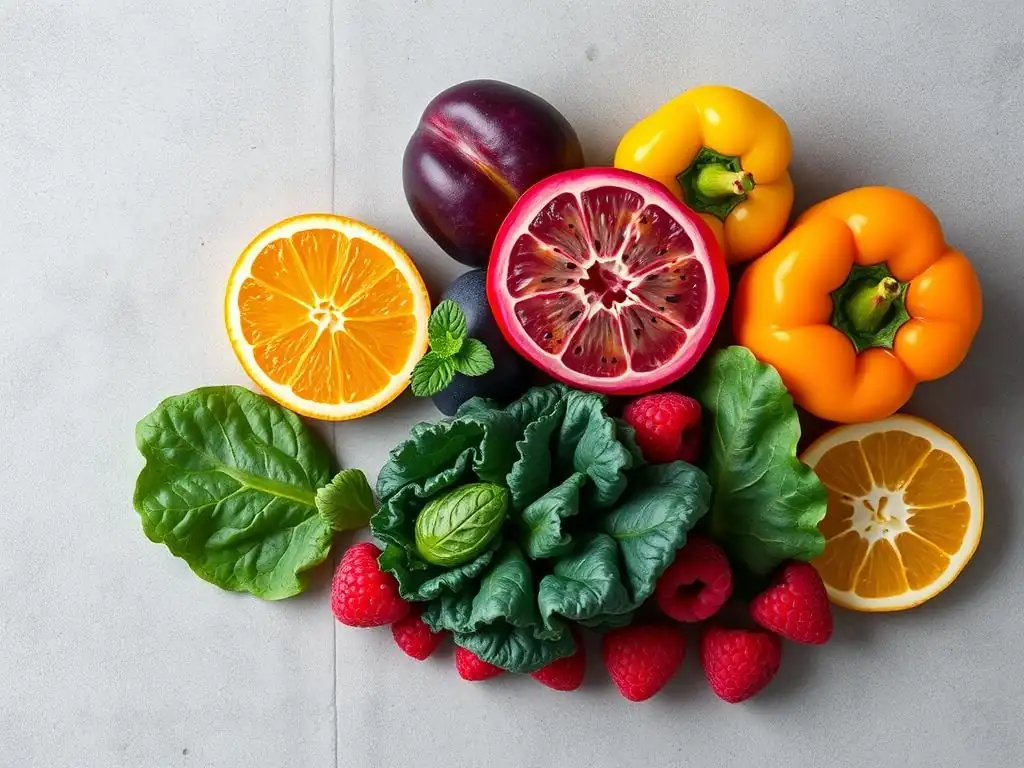
The cumulative effect of the nutrients and phytonutrients found in colorful produce is a powerful force for enhancing mood. It's not just about preventing deficiencies; it's about actively nourishing the brain and body to function at their best.
Understanding the specific ways different colorful foods impact our mental state can empower us to make deliberate choices that prioritize our emotional well-being alongside physical health. This direct link between consumption of colorful fruits vegetables mood support is a key takeaway.
The Science Behind Food and Mood Enhancement
The science connecting food and mood enhancement involves several interconnected pathways. As discussed, a healthy gut microbiome, fostered by fiber-rich colorful produce, supports neurotransmitter production and reduces inflammation. Furthermore, the abundance of antioxidants and anti-inflammatory compounds in these foods directly protects brain cells from damage and promotes better cellular communication.
Nutrients like B vitamins and magnesium directly participate in the biochemical processes required for energy production and neurotransmitter synthesis. Stable blood sugar levels, supported by the fiber in fruits and vegetables, prevent energy crashes and mood swings often associated with refined carbohydrates. Collectively, these biological mechanisms explain why diets rich in colorful produce are consistently associated with lower rates of depression and anxiety in large observational studies.
Specific Fruits and Vegetables and Their Mood-Boosting Properties
While all colorful fruits and vegetables offer benefits, some are particularly noteworthy for their potential impact on mood and brain health due to their specific nutrient profiles. Focusing on incorporating a variety of these can provide targeted support for mental wellness.
Think of these examples as starting points for building a diet focused on colorful fruits vegetables mood support. Each color group brings its own unique set of benefits to the table, or rather, to your plate.
Berries for Brain Health and Emotional Balance
Berries, such as blueberries, strawberries, raspberries, and blackberries, are nutritional powerhouses, particularly when it comes to brain health. Their vibrant hues are largely due to high levels of anthocyanins, potent antioxidants that can cross the blood-brain barrier and exert protective effects on brain cells.
Studies have shown that regular consumption of berries is associated with improved cognitive function and memory in older adults. Furthermore, the high antioxidant content helps combat oxidative stress and inflammation, factors linked to mood disorders. Some research suggests that the flavonoids in berries may even help reduce symptoms of depression, making them a delicious addition for emotional balance.
Leafy Greens: Nature's Antidepressant?
Dark leafy greens like spinach, kale, collard greens, and Swiss chard are nutritional giants, packed with vitamins, minerals, and antioxidants essential for mental health. They are exceptionally high in folate, a B vitamin crucial for neurotransmitter synthesis, as previously mentioned.
They also provide significant amounts of magnesium, Vitamin K, and various carotenoids. The combination of folate, magnesium, and antioxidants makes leafy greens a cornerstone of a diet aimed at mood support. Some observational studies have found that individuals who consume more green leafy vegetables tend to have a lower risk of developing depression, leading some to playfully refer to them as "nature's antidepressant."
Brightly Colored Peppers and Their Positive Impact on Energy Levels
Bell peppers, in their various colors like red, yellow, and orange, are an excellent source of Vitamin C, often containing more than citrus fruits by weight. Vitamin C is a powerful antioxidant that protects brain cells and also plays a role in the synthesis of norepinephrine, a neurotransmitter that affects mood and energy levels.
Beyond Vitamin C, bell peppers contain various phytonutrients, including capsaicinoids (though less potent in bell peppers than chilies), which have been studied for their potential anti-inflammatory and pain-relieving properties. The high Vitamin C content can also help reduce fatigue and improve overall energy, indirectly supporting a more positive mood.
Incorporating Colorful Foods into Your Daily Diet
Knowing the benefits is one thing; putting it into practice is another. The good news is that adding more colorful fruits and vegetables to your meals doesn't have to be complicated or time-consuming. Small, consistent changes can make a big difference over time.
Making colorful foods a regular part of your diet is a proactive step towards leveraging colorful fruits vegetables mood support. The goal is to make it a sustainable habit rather than a temporary change.
Practical Tips for Adding More Fruits and Vegetables to Your Meals
Here are some simple ways to boost your intake of colorful produce throughout the day:
- \[ ] Add a handful of spinach or kale to your morning smoothie.
- \[ ] Top your yogurt or oatmeal with mixed berries.
- \[ ] Include sliced bell peppers, cucumbers, and carrots in your lunch salad or as a snack.
- \[ ] Throw a variety of chopped vegetables (broccoli, peppers, onions, carrots) into stir-fries, soups, or stews.
- \[ ] Snack on apple slices with nut butter or celery sticks with hummus.
- \[ ] Make half your dinner plate colorful vegetables.
- \[ ] Blend vegetables like squash or sweet potato into sauces.
These small additions add significant nutrients and help ensure you're getting a wide spectrum of beneficial compounds.
Simple and Delicious Recipes for Mood Enhancement
You don't need to be a gourmet chef to prepare meals that are both delicious and supportive of your mood. Focusing on simple preparations that highlight the natural flavors of colorful produce is key.
These recipes are designed to be easy to make and pack a punch in terms of colorful fruits vegetables mood support. They are versatile and can be adapted based on what you have on hand.
Berry Blast Smoothie
A quick and easy way to start the day with antioxidants and vitamins. Ingredients:
- 1 cup mixed frozen berries (blueberries, raspberries, strawberries)
- Handful of spinach or kale (you won't taste it!)
- 1/2 banana (for creaminess)
- 1 cup milk (dairy or non-dairy) or yogurt
- Optional: a spoonful of chia seeds or flax seeds
Blend until smooth and enjoy this vibrant, mood-boosting drink.
Rainbow Vegetable Stir-Fry
This dish is a fantastic way to eat the rainbow in one meal. Ingredients:
- Broccoli florets
- Sliced carrots
- Red, yellow, and orange bell pepper strips
- Snow peas or green beans
- Red onion wedges
- Optional protein (chicken, tofu, shrimp)
- A simple sauce made with soy sauce, ginger, garlic, and a touch of sesame oil.
Quickly stir-fry the vegetables until tender-crisp and toss with the sauce. Serve over brown rice or quinoa for a complete meal that nourishes both body and mind.
Meal Planning for Optimal Mood Support
Planning your meals and snacks ahead of time is one of the most effective strategies for consistently incorporating colorful fruits and vegetables into your diet. When you have a plan, you're less likely to make impulsive, less healthy choices, especially when you're busy or stressed.
Dedicate some time each week to plan your meals. Think about which colorful vegetables and fruits you want to include in each meal and snack. This also helps with grocery shopping, reducing waste and making healthy eating more efficient. Having pre-chopped veggies or washed berries ready in the fridge makes healthy choices the easy choices throughout the week, reinforcing colorful fruits vegetables mood support habits.
Addressing Common Barriers to Healthy Eating
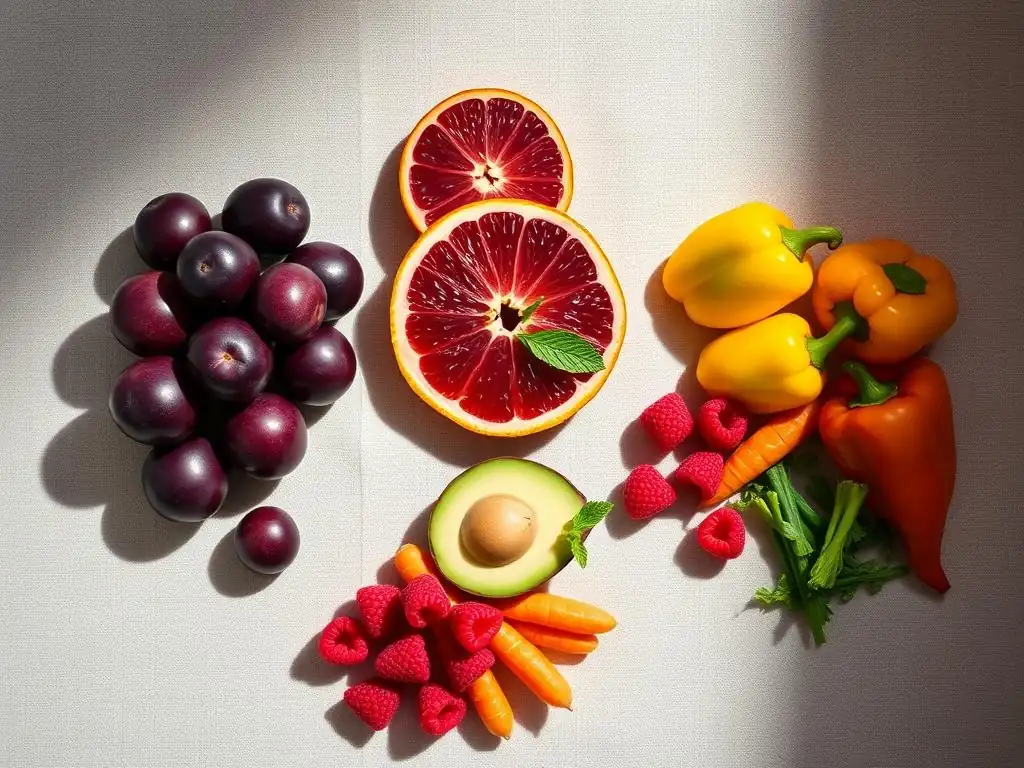
It's understandable that making significant dietary changes can feel challenging. Time constraints, budget limitations, and dietary restrictions are real hurdles. However, with a little planning and creativity, these barriers can often be overcome.
Acknowledging these challenges empathetically is important. Providing practical solutions makes the goal of incorporating colorful fruits vegetables mood support more achievable for everyone.
Overcoming Time Constraints and Budget Limitations
Eating healthy, including plenty of colorful produce, doesn't have to be expensive or time-consuming. Frozen and canned fruits and vegetables (without added sugar or salt) are often just as nutritious as fresh and can be significantly cheaper and last longer. Buying produce in season is also more budget-friendly.
Meal prepping on weekends can save valuable time during the week. Wash and chop vegetables, cook grains, and prepare components of meals in advance. Simple, quick recipes like smoothies, salads, and stir-fries are perfect for busy schedules. Focusing on budget-friendly options like carrots, cabbage, potatoes, apples, and bananas still provides valuable nutrients and contributes to your colorful intake.
Dealing with Dietary Restrictions
Individuals with allergies, sensitivities, or specific dietary needs (like low FODMAP, gluten-free, etc.) can still benefit greatly from colorful fruits and vegetables. The key is to focus on the wide variety of produce that is compatible with your restrictions.
For example, someone on a low FODMAP diet might need to choose specific types and quantities of fruits and vegetables, but can still enjoy options like bell peppers, carrots, spinach, strawberries, and blueberries. Consulting with a registered dietitian can provide personalized guidance on how to incorporate a wide range of colorful, nutrient-dense produce while adhering to necessary restrictions, ensuring you still receive the benefits of colorful fruits vegetables mood support.
The Importance of Mindful Eating for Mood Regulation
Beyond what you eat, how you eat also impacts your mood. Mindful eating involves paying attention to your food, your body's hunger and fullness cues, and the experience of eating without judgment. Eating mindfully can reduce stress around food, prevent overeating or undereating, and help you better appreciate the nourishment you're providing your body.
When you eat mindfully, you are more likely to notice how certain foods make you feel, both physically and emotionally. This awareness can strengthen the connection between choosing nutritious, colorful foods and experiencing improved mood and energy levels. Taking a few moments to pause, breathe, and truly taste your food can enhance the benefits of a healthy diet.
Beyond Diet: A Holistic Approach to Mood Support
While diet, particularly incorporating colorful fruits and vegetables, is a powerful tool for mood support, it is most effective when viewed as part of a larger, holistic approach to well-being. Mental health is influenced by multiple factors, and combining healthy eating with other positive lifestyle changes creates a synergistic effect.
Integrating healthy dietary habits with other pillars of wellness amplifies the benefits and builds a more resilient foundation for mental health. Colorful fruits vegetables mood support is a crucial piece, but it works best in concert with other healthy practices.
Combining Colorful Eating with Other Lifestyle Changes
Focusing solely on diet while neglecting other areas like sleep, exercise, or stress management may limit the potential for improvement. A comprehensive approach addresses the interconnectedness of physical and mental health.
Making gradual, sustainable changes across multiple lifestyle areas is often more effective than trying to overhaul everything at once. Each positive habit reinforces the others, creating a virtuous cycle that supports overall well-being and mood stability.
Exercise and its Synergistic Effects with Diet
Regular physical activity is a well-established mood booster. Exercise releases endorphins, reduces stress hormones like cortisol, and can improve sleep quality. It also helps reduce inflammation, similar to the effects of a diet rich in colorful produce.
Combining a diet focused on colorful fruits vegetables mood support with regular exercise creates a powerful anti-inflammatory and mood-enhancing synergy. The energy provided by nutritious food fuels effective workouts, while exercise can improve appetite regulation and nutrient absorption. Aim for at least 150 minutes of moderate-intensity exercise per week, alongside incorporating more colorful foods into your meals.
The Role of Sleep in Mood Regulation
Adequate and quality sleep is fundamental for mental health. Chronic sleep deprivation can significantly impair mood, increase irritability, and exacerbate symptoms of anxiety and depression. Sleep allows the brain to consolidate memories, process emotions, and clear waste products.
Just as diet impacts sleep (e.g., caffeine intake, blood sugar fluctuations), prioritizing good sleep hygiene supports healthy eating choices and overall mood. Aim for 7-9 hours of quality sleep per night. When you're well-rested, you're often better equipped to make healthy food choices and manage stress effectively, complementing the benefits of colorful fruits vegetables mood support.
Stress Management Techniques for Optimal Mental Wellness
Chronic stress is a major contributor to poor mental health and can negatively impact dietary choices and gut health. Incorporating stress management techniques into your daily routine is crucial for supporting mood.
Practices like mindfulness meditation, deep breathing exercises, yoga, spending time in nature, or engaging in hobbies can help regulate the body's stress response. By reducing stress, you create a more favorable internal environment that allows the benefits of a healthy diet, including the consumption of colorful fruits and vegetables, to have a greater positive impact on your mood and overall well-being.
Conclusion: The Power of Colorful Fruits and Vegetables for a Brighter Mood
Our journey through the world of colorful fruits and vegetables reveals a compelling connection between the food we eat and how we feel emotionally. It's clear that embracing a diet rich in vibrant produce is a practical, accessible, and powerful strategy for supporting mental wellness.
Making deliberate choices to include a wide array of colors on your plate is an investment in your emotional health. It's about nourishing your body and brain from the inside out to foster a more stable, positive mood.
Recap of the Benefits of a Colorful Diet for Mental Health
To summarize, a diet abundant in colorful fruits and vegetables supports mental health through several key mechanisms:
- Nourishing the gut microbiome, which influences neurotransmitter production and reduces inflammation via the gut-brain axis.
- Providing essential vitamins (like B vitamins, C, K) and minerals (like magnesium) crucial for brain function and stress regulation.
- Delivering potent antioxidants and anti-inflammatory phytonutrients that protect brain cells from damage.
- Stabilizing blood sugar and energy levels, preventing mood swings.
- Offering fiber that promotes satiety and supports overall digestive health.
These combined effects underscore the significant role of colorful fruits vegetables mood support as a foundation for emotional well-being.
Taking the First Steps Towards a Healthier, Happier You Through Diet
Incorporating more colorful fruits and vegetables into your diet doesn't require drastic changes overnight. Start small. Choose one new colorful vegetable or fruit to try this week. Add a handful of berries to your breakfast or a side salad to your lunch. Swap a less healthy snack for a piece of fruit or some veggie sticks.
Be patient and consistent. Pay attention to how these changes make you feel over time. Small, sustainable steps towards eating more colorful foods, combined with other healthy lifestyle habits, can pave the way for improved mood, increased energy, and a brighter outlook on life. Your plate is a powerful tool for nurturing your mental well-being – start adding more color today.
Frequently Asked Questions
How do colorful fruits and vegetables contribute to mood support?
Colorful fruits and vegetables are packed with essential vitamins and minerals that play a crucial role in brain function and neurotransmitter production. These nutrients can positively impact mood and overall mental well-being. They also provide antioxidants that combat oxidative stress.
What specific colors in fruits and vegetables are most beneficial for mood?
While all colors offer benefits, certain colors are particularly potent. Dark leafy greens are rich in folate, while berries are high in antioxidants. Orange and yellow produce can provide Vitamin C and help boost mood.
How much of these colorful foods should I consume daily for noticeable mood improvements?
While individual needs vary, aiming for at least five servings a day of a variety of colorful fruits and vegetables is a good starting point. Consistency is key for experiencing long-term mood improvements.
Are there any specific fruits or vegetables that are particularly effective at boosting mood?
Certain fruits and vegetables stand out. Blueberries are known for their antioxidant properties, while bananas are a great source of potassium and vitamin B6, which support neurotransmitter function. Spinach is rich in folate, which is crucial for healthy brain function.
Can simply adding colorful fruits and vegetables replace other forms of mental health treatment?
No. While incorporating colorful fruits and vegetables is a beneficial lifestyle change, it should not replace professional mental health treatment. It's best used as a complementary approach to therapy and medication.
Final Reflection: The Vibrant Path to Well-being
The connection between the vibrant colors of fruits and vegetables and our emotional well-being is not merely a trendy health tip; it's a fundamental truth with profound implications for our daily lives. Ignoring this connection means missing out on a readily available, powerful tool for improving mental and emotional health. The research is clear: a diet rich in colorful produce significantly impacts mood regulation and overall psychological well-being.
The impact of this simple dietary shift extends far beyond individual health; it touches upon broader societal issues of access to nutritious food and the growing awareness of the mind-body connection. We are increasingly recognizing the interconnectedness of physical and mental health, and the role of diet plays a crucial part in this understanding. Let food be thy medicine and medicine be thy food,
– Hippocrates. This ancient wisdom rings truer than ever in our modern world, highlighting the power of nourishing our bodies to nourish our minds.
Now, consider your own plate. What colors are present? Do you actively seek out the rainbow of nutrients nature provides? I invite you to take a moment to reflect on your relationship with food and its impact on your mood. Make a conscious effort to incorporate more colorful fruits and vegetables into your daily diet. Start small, experiment with new recipes, and savor the vibrant flavors and the positive impact they have on your overall well-being. Your journey to a brighter, more vibrant life begins with the simple act of choosing color.
Unlock Your Vibrant Mood: Nourish Your Body and Mind
Thanks for taking the time to explore the powerful connection between vibrant fruits and vegetables and a positive mood! We hope you gained valuable insights into how simple dietary changes can make a big difference. Now it's time to put that knowledge into action.
- Prioritize one new colorful fruit or vegetable this week: Challenge yourself to incorporate it into at least three meals. Experiment with new recipes or simply add it as a vibrant side. This is your primary action!
- Share your colorful creations: Snap a picture of your delicious and mood-boosting meal and share it on social media using #MindCareGuideEats. Let's inspire each other!
- Join our community forum: Discuss your experience, share favorite recipes, and connect with like-minded individuals dedicated to healthy eating and positive well-being. Discover new ways to brighten your plate and your outlook.
Ready to discover the delicious path to a brighter, more vibrant you? What’s one colorful addition you'll make to your meals this week?