
Healthy Fats, Happy Brain: Choosing the Right Fats for Mood


Welcome to Mind Care Guide, a sanctuary dedicated to nurturing your mental well-being. Feeling lost in the complexities of your emotional landscape? You're not alone. Explore with us how something as simple as incorporating the right fats into your diet can make a profound difference. Intrigued? Let's dive into the science behind the Omega3 fatty acids mood boost and unlock a path towards a happier, healthier you. Discover how these vital nutrients can be a powerful ally in your journey towards emotional balance.
Healthy Fats, Happy Brain: Choosing the Right Fats for Mood - Mind Care Guide
- Introduction: The Link Between Dietary Fats and Mental Well-being
- Decoding Dietary Fats: Saturated, Unsaturated, and Trans Fats
- Omega-3 Fatty Acids: Your Brain's Best Friend for Mood Boost
- The Power of Omega-3s: EPA vs. DHA for Mental Health
- Food Sources of Omega-3 Fatty Acids: A Delicious and Healthy Way to Boost Your Mood
- Beyond Omega-3s: Other Healthy Fats for Brain Health
- Practical Tips for Incorporating Healthy Fats into Your Diet
- The Importance of a Balanced Diet: Fats, Carbs, and Protein for Mood Stability
- Potential Risks and Considerations When Increasing Fat Intake
- Conclusion: Nourishing Your Brain for a Happier, Healthier You with the Right Fats
-
Frequently Asked Questions
- What are Omega-3 fatty acids and how do they relate to mood?
- Which Omega-3 fatty acids are most beneficial for improving mood?
- How much Omega-3 fatty acids should I consume daily to experience a mood boost?
- Besides supplements, what food sources are rich in Omega-3 fatty acids?
- Are there any potential side effects or interactions to be aware of when taking Omega-3 supplements for mood?
- Final Reflection: The Untapped Power of Fats for a Brighter Mood
- Unlock Your Brain's Potential: Nourish Your Mood with Healthy Fats
Introduction: The Link Between Dietary Fats and Mental Well-being
Understanding the Impact of Diet on Mood and Cognitive Function
Our diet is far more than just fuel for our bodies; it profoundly influences the intricate workings of our brain and, consequently, our mood and cognitive function. Research consistently shows a strong connection between dietary patterns and mental health outcomes.
For instance, studies indicate that diets high in processed foods, sugar, and unhealthy fats are associated with an increased risk of depression and anxiety, potentially contributing to inflammation and oxidative stress in the brain. Conversely, dietary patterns rich in whole foods, fruits, vegetables, lean proteins, and, crucially, healthy fats, are linked to better mental health resilience and improved cognitive performance.
The brain, though only about 2% of our body weight, consumes roughly 20% of our daily energy intake. This energy comes from the food we eat, and the quality of that food matters significantly. Nutrients like B vitamins, magnesium, zinc, and particularly fatty acids, play critical roles in neurotransmitter synthesis, brain cell structure, and signaling pathways that regulate mood, memory, and overall cognitive sharpness. A diet deficient in essential nutrients can impair these processes, potentially leading to fatigue, difficulty concentrating, and mood disturbances.
Why Healthy Fats are Essential for Brain Health
Healthy fats are absolutely fundamental building blocks for the brain. Approximately 60% of the dry weight of the human brain is fat, with a large proportion being omega-3 fatty acids. These fats are integral components of cell membranes throughout the brain, influencing their fluidity, flexibility, and ability to communicate effectively. Without adequate healthy fats, brain cells struggle to function optimally, impacting everything from learning and memory to emotional regulation.
Beyond structural support, healthy fats, especially specific types like omega-3s, participate directly in crucial brain processes. They are involved in reducing inflammation, a factor increasingly linked to various mental health conditions. They also play a role in the synthesis and function of neurotransmitters like serotonin and dopamine, chemicals that significantly impact mood, motivation, and feelings of well-being. Ensuring a steady supply of healthy fats through diet is a key strategy for supporting robust brain health and promoting a stable mood.
Decoding Dietary Fats: Saturated, Unsaturated, and Trans Fats
Saturated Fats: When and How Much?
Saturated fats are a type of fat typically solid at room temperature. They are commonly found in animal products like red meat, butter, cheese, and poultry skin, as well as some plant-based oils like coconut and palm oil. While they are a source of energy, high intake of saturated fats has traditionally been linked to increased levels of LDL (bad) cholesterol, a risk factor for heart disease. Emerging research is nuanced, but general health guidelines still recommend moderation.
From a mental health perspective, excessive saturated fat intake, particularly when part of a diet high in processed foods, has been associated with negative impacts on cognitive function and mood over time. While the brain does need some saturated fat, primarily from cholesterol which the body produces, consuming large amounts from diet may contribute to systemic inflammation which can affect brain health.
Current dietary guidelines from organizations like the American Heart Association typically recommend limiting saturated fat intake to less than 6% of total daily calories, or no more than 10% according to other guidelines. For someone consuming 2000 calories a day, this equates to roughly 13-22 grams of saturated fat per day.
Unsaturated Fats: The Good Guys (Monounsaturated and Polyunsaturated)
Unsaturated fats are liquid at room temperature and are widely considered beneficial for health. They are primarily found in plant-based foods. There are two main types: monounsaturated fats and polyunsaturated fats. Monounsaturated fats are abundant in olive oil, avocados, nuts (like almonds, peanuts, pecans), and seeds (like pumpkin and sesame seeds). They are known for their role in supporting heart health by helping to lower LDL cholesterol levels and may also have anti-inflammatory properties beneficial for brain health.
Polyunsaturated fats include the well-known omega-3 and omega-6 fatty acids. These are "essential" fatty acids, meaning our bodies cannot produce them, so we must obtain them from our diet. Omega-6s are common in vegetable oils (corn, soybean, sunflower) and many processed foods. Omega-3s, the stars of our brain-boosting discussion, are found in fatty fish, flaxseeds, chia seeds, and walnuts. Both types are crucial for various bodily functions, including cell growth and brain activity, but maintaining a healthy balance between omega-6 and omega-3 intake is considered vital, as a high ratio of omega-6 to omega-3 can promote inflammation.
Trans Fats: The Mood-Busting Culprit
Trans fats are a type of unsaturated fat that has undergone a process called hydrogenation, making them more solid and stable. They were widely used in processed foods to improve texture, shelf life, and flavor. Artificial trans fats are found in products like shortening, some margarines, fried foods, baked goods (like pastries, cookies, cakes), and snack foods. Small amounts of natural trans fats occur in meat and dairy, but these are not considered as harmful as artificial trans fats.
The scientific consensus is clear: artificial trans fats are detrimental to health. They increase LDL cholesterol, decrease HDL (good) cholesterol, and contribute significantly to inflammation throughout the body, including the brain. Research has linked higher consumption of trans fats to a greater risk of depression.
For example, one study involving thousands of participants found that those who consumed the most trans fats had a significantly higher risk of developing depression compared to those who consumed very little. Many countries and regions, including the United States and the European Union, have taken steps to ban or severely restrict the use of artificial trans fats in foods due to their harmful effects. It is highly recommended to avoid artificial trans fats entirely for both physical and mental well-being.
Omega-3 Fatty Acids: Your Brain's Best Friend for Mood Boost
What are Omega-3 Fatty Acids and Why are They Important?
Omega-3 fatty acids are a group of polyunsaturated fats that are essential for human health, particularly for brain development and function throughout life. As mentioned, they are "essential" because our bodies cannot synthesize them; we must get them from our diet. The three main types are Alpha-Linolenic Acid (ALA), Eicosapentaenoic Acid (EPA), and Docosahexaenoic Acid (DHA). ALA is primarily found in plant sources like flaxseeds, chia seeds, and walnuts. EPA and DHA are predominantly found in fatty fish and seafood.
These fats are critical components of cell membranes, especially in the brain and retina. DHA is particularly abundant in the grey matter of the brain, making up a significant portion of the structural fatty acids. Beyond structure, omega-3s influence cell signaling pathways, gene expression, and the production of signaling molecules called eicosanoids, which play roles in inflammation and immune function. Their widespread involvement in brain biology underscores why they are considered so vital for cognitive health and achieving an Omega3 fatty acids mood boost.
The Science Behind Omega-3s and Mood Regulation
The link between omega-3 fatty acids and mood regulation is a significant area of research, with multiple proposed mechanisms. One key mechanism involves their anti-inflammatory properties. Chronic, low-grade inflammation in the brain is increasingly implicated in the development and persistence of mood disorders like depression. Omega-3s, particularly EPA, can help reduce the production of pro-inflammatory molecules and increase the production of anti-inflammatory ones, potentially mitigating this harmful process.
Another crucial role is their influence on neurotransmitter function. Omega-3s affect the fluidity of cell membranes, which in turn impacts the function of receptors for neurotransmitters like serotonin and dopamine. Optimal receptor function is essential for these mood-regulating chemicals to work effectively. Furthermore, omega-3s may play a role in the synthesis and release of these neurotransmitters. By supporting these fundamental brain processes, adequate omega-3 intake contributes to a more stable and positive mood, offering a tangible Omega3 fatty acids mood boost for many individuals.
Omega-3s and the Reduction of Depressive Symptoms
Numerous studies have explored the potential of omega-3 fatty acids, particularly EPA and DHA, in reducing symptoms of depression. While results vary across studies depending on design, dosage, and participant characteristics, a significant body of evidence suggests a positive effect, especially for EPA. Meta-analyses, which combine the results of multiple studies, have often found that omega-3 supplementation, particularly with higher doses of EPA (e.g., 1 gram or more per day), is associated with a modest but significant reduction in depressive symptoms compared to placebo.
For example, one prominent meta-analysis published in the Journal of Clinical Psychiatry reviewed data from multiple randomized controlled trials and concluded that omega-3 supplementation was effective in treating depression, particularly in individuals with more severe symptoms. The effect size observed was comparable to that of some antidepressant medications, suggesting that omega-3s can be a valuable adjunctive therapy or a primary strategy for mild to moderate symptoms, contributing to an Omega3 fatty acids mood boost. It's important to note that omega-3s are not a guaranteed cure and should be discussed with a healthcare provider, especially if managing existing depression.
The Power of Omega-3s: EPA vs. DHA for Mental Health

EPA (Eicosapentaenoic Acid): Potential Benefits for Mood and Depression
EPA, or Eicosapentaenoic Acid, is a type of omega-3 fatty acid found primarily in fatty fish and fish oil supplements. While both EPA and DHA are vital, research increasingly points to EPA as potentially having a more direct and significant impact on mood and depressive symptoms compared to DHA. This is thought to be related to EPA's stronger anti-inflammatory effects and its more pronounced influence on neurotransmitter pathways associated with mood regulation, such as the serotonin system.
Several clinical trials have investigated the effects of EPA-rich omega-3 supplements on depression. Some studies have shown that supplements with a higher ratio of EPA to DHA, or those containing primarily EPA, are more effective in reducing depressive symptoms.
For instance, a study might find that participants taking a supplement with 1000 mg of EPA and 400 mg of DHA per day experience a greater improvement in mood scores than those taking a supplement with a lower EPA dose or a balanced EPA/DHA ratio. This focus on EPA highlights its specific potential as part of an Omega3 fatty acids mood boost strategy.
DHA (Docosahexaenoic Acid): Importance for Brain Structure and Function
DHA, or Docosahexaenoic Acid, is the most abundant omega-3 fatty acid in the brain and retina. It is a critical structural component of cell membranes, particularly in neurons. DHA is essential for brain development in infants and plays a crucial role in maintaining cognitive function throughout life, including memory and learning. While less directly linked to acute mood treatment than EPA, adequate DHA levels are fundamental for overall brain health, which indirectly supports emotional well-being.
Insufficient DHA has been associated with impaired cognitive function and potentially a higher risk of neurodegenerative diseases. During critical periods of brain growth, such as pregnancy and early childhood, DHA is particularly important. For adult brain health and function, maintaining adequate DHA levels supports the integrity and communication capabilities of brain cells. While EPA may provide a more immediate Omega3 fatty acids mood boost, DHA provides the essential structural foundation upon which healthy brain function and stable mood depend.
Finding the Right Ratio of EPA to DHA
Determining the optimal ratio of EPA to DHA for mental health is an ongoing area of research, and recommendations can vary. However, based on studies suggesting a greater role for EPA in mood regulation, many researchers and clinicians recommend a supplement or dietary intake with a higher proportion of EPA relative to DHA when specifically targeting mood disorders. Some studies that showed positive results for depression used ratios ranging from 1.5:1 to 3:1 (EPA:DHA), and some even used almost pure EPA formulations.
While a higher EPA ratio might be beneficial for mood, DHA remains essential for overall brain structure and cognitive function. Therefore, a balanced approach is often recommended for general brain health, ensuring adequate intake of both. For individuals specifically seeking an Omega3 fatty acids mood boost and considering supplements, discussing the appropriate EPA:DHA ratio and dosage with a healthcare professional or registered dietitian is advisable, taking into account their specific needs and health status. A typical supplement might provide around 1000 mg of total omega-3s, with specific amounts of EPA and DHA listed.
Food Sources of Omega-3 Fatty Acids: A Delicious and Healthy Way to Boost Your Mood
Fatty Fish: Salmon, Mackerel, and Sardines - Nutritional Information and Benefits
Fatty fish are the richest and most bioavailable dietary sources of EPA and DHA, making them excellent choices for an Omega3 fatty acids mood boost. Fish like salmon, mackerel, herring, sardines, and anchovies are particularly high in these beneficial fats. A typical 3-ounce serving of cooked wild salmon, for example, can provide around 1.5 to 2 grams of total omega-3 fatty acids, including significant amounts of both EPA and DHA. Mackerel and sardines often contain even higher amounts per serving.
Consuming fatty fish regularly, ideally two to three times per week, is a highly effective way to increase your omega-3 intake. Beyond omega-3s, fatty fish are also excellent sources of high-quality protein, vitamin D, and selenium, all of which contribute to overall health. The regular consumption of these fish has been associated not only with heart health benefits but also with a lower risk of depression in observational studies, reinforcing their role in supporting mental well-being and providing a natural Omega3 fatty acids mood boost.
Plant-Based Omega-3 Sources: Flaxseeds, Chia Seeds, and Walnuts - How to Incorporate them into Your Diet
For vegetarians, vegans, or those who don't eat fish, plant-based sources offer ALA, the precursor to EPA and DHA. While the body can convert ALA into EPA and DHA, the conversion rate is relatively inefficient, typically ranging from less than 1% to about 10-15% for EPA and even lower for DHA. However, consistent intake of ALA is still beneficial. Top plant sources include flaxseeds, chia seeds, and walnuts.
A tablespoon of ground flaxseeds contains about 2.3 grams of ALA. A tablespoon of chia seeds provides around 2.5 grams of ALA. A quarter cup of walnuts offers approximately 2.5 grams of ALA. To maximize absorption from flaxseeds, it's best to consume them ground. These can be easily incorporated into your diet: sprinkle ground flax or chia seeds on yogurt, oatmeal, or salads; add them to smoothies; or include walnuts in trail mix, baked goods, or as a snack.
While the direct Omega3 fatty acids mood boost from ALA may be less pronounced than from preformed EPA/DHA, these foods are also rich in fiber, antioxidants, and other nutrients beneficial for overall health.
Fortified Foods and Omega-3 Supplements: When and How to Consider Them
Fortified foods and omega-3 supplements can be useful ways to increase intake, especially for those who don't consume fatty fish regularly or have higher needs. Some foods, like certain eggs, milk, yogurt, breads, and juices, are fortified with omega-3s, often from algal oil (a vegetarian source of DHA and sometimes EPA) or fish oil. Checking the nutrition label will indicate the amount and type of omega-3 added.
Omega-3 supplements, typically derived from fish oil, krill oil, or algae, provide concentrated sources of EPA and DHA. They are an option for individuals who find it difficult to meet their needs through diet alone or who are specifically targeting an Omega3 fatty acids mood boost under the guidance of a healthcare professional. Dosage recommendations vary, but studies showing benefits for mood often use doses ranging from 1 to 2 grams of total omega-3s per day, with a focus on EPA.
When choosing a supplement, look for one that is third-party tested for purity and contaminants like mercury and PCBs. Always discuss supplementation with a doctor or dietitian, as high doses can interact with certain medications, such as blood thinners.
Beyond Omega-3s: Other Healthy Fats for Brain Health
Monounsaturated Fats: Olive Oil, Avocados, and Nuts
Monounsaturated fats are another class of healthy fats that contribute positively to brain health and overall well-being. Found abundantly in olive oil (especially extra virgin), avocados, and various nuts like almonds, cashews, and pistachios, these fats are known for their anti-inflammatory effects and their role in supporting cardiovascular health. Given the close link between heart health and brain health, diets rich in monounsaturated fats indirectly support cognitive function and mood stability.
Studies, particularly those focusing on the Mediterranean diet which is high in olive oil, show associations with better cognitive function and a lower risk of depression. For example, research has indicated that adherence to a Mediterranean-style diet, characterized by high intake of olive oil, fruits, vegetables, nuts, and fish, is linked to a reduced risk of developing depression. These fats help maintain healthy cell membranes and may protect brain cells from oxidative damage, complementing the benefits derived from Omega3 fatty acids mood boost strategies.
The Role of Medium-Chain Triglycerides (MCTs) in Brain Function
Medium-Chain Triglycerides (MCTs) are a type of saturated fat that is metabolized differently than long-chain saturated fats. They are found in coconut oil and palm kernel oil, and are also available as concentrated MCT oil supplements. Unlike most fats, MCTs are rapidly absorbed and transported directly to the liver, where they can be quickly converted into ketones. Ketones can serve as an alternative energy source for the brain, particularly when glucose availability is low.
Research into MCTs and brain function is still evolving, but some studies suggest potential benefits, particularly for individuals with cognitive impairment. For healthy individuals, MCTs may provide a readily available energy source for the brain, potentially improving focus and cognitive performance.
While not directly linked to an Omega3 fatty acids mood boost in the same way as EPA, supporting the brain's energy metabolism is another facet of maintaining overall brain health, which can contribute to better mood and cognitive resilience. However, consuming large amounts of MCTs can cause digestive upset, so moderation is key, especially when using concentrated MCT oil.
Practical Tips for Incorporating Healthy Fats into Your Diet
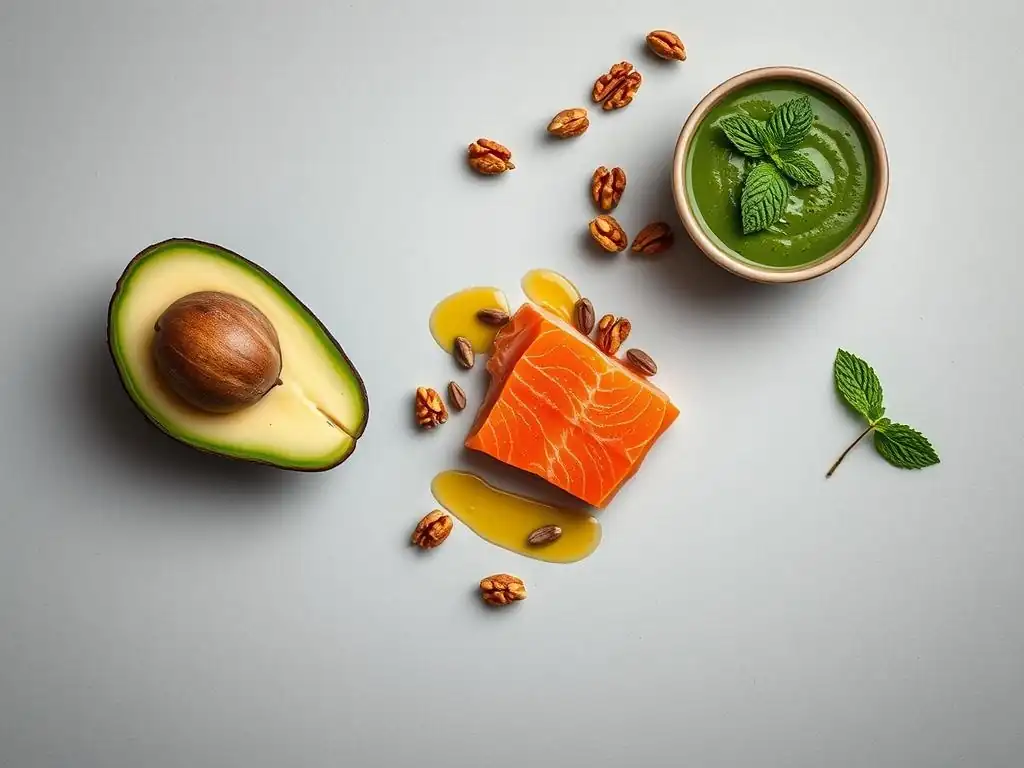
Meal Planning Strategies for Optimal Fat Intake
Incorporating healthy fats into your daily meals doesn't have to be complicated. Strategic meal planning can ensure you're consistently getting the beneficial fats your brain needs for an Omega3 fatty acids mood boost and overall function. Start by identifying meals where you can swap less healthy fats for better options. For instance, use olive oil or avocado oil for cooking instead of butter or vegetable oils high in omega-6s. Plan to include fatty fish like salmon or mackerel in your dinner rotation at least twice a week.
For other meals, think about integrating plant-based sources. Sprinkle ground flaxseeds or chia seeds into your breakfast cereal or yogurt. Add a handful of walnuts or almonds to your mid-day snack. Use avocado slices on sandwiches or in salads. When preparing salads, make your own dressing using olive oil and vinegar. Consider adding a small amount of nuts or seeds to stir-fries or roasted vegetables for added healthy fats and texture. Planning ahead helps make these choices habitual.
Easy Recipes Featuring Healthy Fats
Creating simple, delicious recipes centered around healthy fats is a great way to ensure consistent intake. Here are a few ideas:
- Salmon with Roasted Vegetables: Bake or pan-sear a salmon fillet and serve with a side of vegetables roasted with olive oil, salt, and pepper. This provides ample omega-3s and monounsaturated fats.
- Chia Seed Pudding: Mix chia seeds with milk (dairy or non-dairy), a sweetener, and fruit. Let it sit in the fridge overnight. This is a simple way to get ALA and fiber for breakfast or a snack.
- Avocado Toast with Seeds: Mash half an avocado onto whole-grain toast and sprinkle with ground flaxseeds or hemp seeds for an easy, nutrient-dense meal.
- Walnut and Spinach Salad: Combine fresh spinach with walnuts, berries, and a dressing made from olive oil and balsamic vinegar.
These examples demonstrate how easily healthy fats can be integrated into everyday cooking, contributing to your overall well-being and supporting your brain's need for an Omega3 fatty acids mood boost.
Reading Food Labels: Identifying Healthy vs. Unhealthy Fats
Becoming adept at reading food labels is essential for making informed choices about fat intake. Look at the "Nutrition Facts" panel, specifically the "Total Fat" section. This section breaks down the total fat content into saturated fat, trans fat, polyunsaturated fat, and monounsaturated fat. The goal is generally to minimize saturated and trans fats while prioritizing unsaturated fats.
Pay close attention to the "Trans Fat" line; aim for 0 grams. However, note that products can list 0 grams if they contain less than 0.5 grams per serving, so it's also crucial to check the ingredient list for "partially hydrogenated oil," which indicates the presence of artificial trans fats. For saturated fat, compare the amount to the recommended daily limit (e.g., <6-10% of calories).
Look for products that are good sources of unsaturated fats, particularly polyunsaturated fats (often listed with a sub-breakdown for omega-3s if added) and monounsaturated fats. Understanding these labels empowers you to choose foods that contribute positively to your brain health and support your journey towards an Omega3 fatty acids mood boost.
The Importance of a Balanced Diet: Fats, Carbs, and Protein for Mood Stability
The Interplay of Macronutrients in Mental Well-being
While healthy fats, especially omega-3s, are crucial for brain health and mood, it's vital to remember that they are just one piece of the puzzle. A truly balanced diet, incorporating appropriate amounts of all macronutrients – fats, carbohydrates, and proteins – is essential for overall mental well-being and mood stability. Carbohydrates provide the primary source of glucose, the brain's preferred fuel. Choosing complex carbohydrates like whole grains, fruits, and vegetables ensures a steady supply of energy, preventing the blood sugar spikes and crashes that can negatively impact mood and energy levels.
Proteins provide amino acids, some of which are precursors to neurotransmitters like serotonin, dopamine, and norepinephrine, all critical for mood regulation. Combining protein with carbohydrates and fats at meals helps slow down digestion, stabilize blood sugar, and provides sustained energy for the brain. For example, pairing a source of healthy fat (like avocado or nuts) with lean protein (like chicken or beans) and complex carbohydrates (like quinoa or vegetables) creates a meal that supports stable energy levels and provides the building blocks for neurotransmitter synthesis, working synergistically with the Omega3 fatty acids mood boost from other dietary components.
Avoiding Extreme Diets: A Sustainable Approach to Healthy Eating
Extreme or restrictive diets, such as those that severely cut out entire macronutrient groups or drastically reduce calorie intake, can be detrimental to both physical and mental health. While some therapeutic diets exist for specific conditions, overly restrictive approaches can lead to nutrient deficiencies, energy crashes, and an unhealthy relationship with food, all of which can negatively impact mood and cognitive function. Rapid weight loss or nutrient restriction can also stress the body and mind.
A sustainable approach to healthy eating focuses on balance, variety, and moderation. It involves incorporating a wide range of nutrient-dense foods from all food groups, including plenty of vegetables, fruits, lean proteins, whole grains, and sources of healthy fats. This ensures the brain receives the diverse array of nutrients it needs to function optimally, supporting long-term mood stability rather than relying on quick fixes. Prioritizing consistent, balanced nutrition is a more effective and empathetic strategy for nurturing a happy and healthy brain over time, complementing the targeted benefits of an Omega3 fatty acids mood boost.
Potential Risks and Considerations When Increasing Fat Intake
Possible Interactions with Anticoagulants
While increasing healthy fat intake through diet is generally safe and encouraged, individuals taking certain medications need to be aware of potential interactions, particularly with omega-3 supplements. High doses of omega-3 fatty acids, especially EPA and DHA, have a mild blood-thinning effect. This can be a concern for individuals taking anticoagulant or antiplatelet medications, such as warfarin (Coumadin), aspirin, or clopidogrel (Plavix).
Combining high-dose omega-3 supplements with these medications could potentially increase the risk of bleeding or bruising. While dietary sources of omega-3s are less likely to cause significant interactions at typical consumption levels (e.g., a few servings of fish per week), taking high-dose supplements (often several grams per day) requires caution. It is absolutely essential for anyone on blood-thinning medication to consult with their healthcare provider before starting an omega-3 supplement to discuss the appropriate dosage and monitor for any adverse effects.
Digestive Issues and How to Avoid Them
Increasing fat intake, especially through supplements or large quantities of certain foods, can sometimes lead to digestive issues. For example, consuming excessive amounts of omega-3 supplements, particularly fish oil, can cause symptoms like fishy burps, nausea, heartburn, or loose stools. Similarly, consuming large amounts of MCT oil, while potentially beneficial in moderation, can lead to abdominal cramping, bloating, and diarrhea due to its rapid metabolism and absorption.
To minimize the risk of digestive upset when increasing healthy fat intake, start gradually. If using omega-3 supplements, begin with a lower dose and slowly increase it as tolerated. Taking supplements with meals can also help reduce side effects. For MCT oil, start with a very small amount (e.g., half a teaspoon) and increase slowly over several days or weeks. When incorporating dietary fats like nuts or seeds, ensure you are also consuming adequate fiber and fluids to support healthy digestion. Paying attention to your body's response and adjusting intake accordingly is key.
Consulting with a Healthcare Professional or Registered Dietitian
Before making significant changes to your diet, particularly if you have existing health conditions, are taking medications, or are considering high-dose supplementation for an Omega3 fatty acids mood boost, it is highly recommended to consult with a healthcare professional or a registered dietitian. These experts can provide personalized advice based on your individual health status, dietary needs, and goals.
A doctor can help you understand potential interactions between supplements and medications and monitor your overall health. A registered dietitian can provide tailored dietary guidance, help you create a balanced meal plan that incorporates optimal amounts of healthy fats and other nutrients, and ensure your dietary changes are safe and sustainable. They can also help assess whether supplementation is necessary and recommend appropriate types and dosages. Seeking professional guidance ensures you are approaching dietary changes for mood and brain health in the safest and most effective way.
Conclusion: Nourishing Your Brain for a Happier, Healthier You with the Right Fats
The Long-Term Benefits of a Fat-Conscious Diet
Embracing a diet rich in healthy fats, particularly omega-3 fatty acids, offers profound long-term benefits for both your physical and mental well-being. By providing the essential building blocks for brain cells and supporting crucial processes like inflammation regulation and neurotransmitter function, these fats lay the foundation for optimal cognitive performance and emotional resilience over time. Consistently choosing sources of healthy fats, like fatty fish, nuts, seeds, avocados, and olive oil, contributes to a lower risk of chronic diseases, including those affecting the heart and brain.
Beyond disease prevention, a fat-conscious diet supports sustained energy levels, improves focus, and contributes to a more stable and positive mood. It's not just about avoiding the "bad" fats; it's about actively incorporating the "good" fats that nourish your brain and body. This dietary approach is a sustainable lifestyle change that contributes significantly to maintaining vitality and sharp cognition well into the future, offering a continuous Omega3 fatty acids mood boost as part of an overall healthy lifestyle.
Taking Control of Your Mood Through Nutrition
Understanding the powerful link between what you eat and how you feel is an empowering step towards taking control of your mood and mental health. While diet is not a substitute for professional medical or psychological care when needed, it is a fundamental and accessible tool for supporting your well-being. Prioritizing healthy fats, ensuring adequate omega-3 intake for an Omega3 fatty acids mood boost, and building a balanced dietary pattern around whole, nutrient-dense foods are tangible actions you can take every day.
Making gradual, sustainable changes to your eating habits can lead to noticeable improvements in energy, focus, and emotional stability. It's about nourishing your brain with the nutrients it needs to thrive. By making conscious choices about the fats you consume, you are investing in your brain health, enhancing your resilience, and paving the way for a happier, healthier you. Start today by incorporating more healthy fats into your meals and experience the positive impact on your mood and overall quality of life.
Frequently Asked Questions
What are Omega-3 fatty acids and how do they relate to mood?
Omega-3 fatty acids are essential fats crucial for brain health. Studies suggest they play a significant role in regulating mood and may help alleviate symptoms of depression and anxiety. They are often considered for their mood boost potential.
Which Omega-3 fatty acids are most beneficial for improving mood?
The two main Omega-3s beneficial for mood are EPA (eicosapentaenoic acid) and DHA (docosahexaenoic acid). EPA is often considered more potent for mood regulation, while DHA is vital for overall brain structure and function.
How much Omega-3 fatty acids should I consume daily to experience a mood boost?
While individual needs vary, most experts recommend a daily intake of at least 1000-2000mg of combined EPA and DHA for noticeable mood benefits. Consult with a healthcare professional to determine the optimal dosage for your specific needs.
Besides supplements, what food sources are rich in Omega-3 fatty acids?
Excellent food sources of Omega-3s include fatty fish like salmon, mackerel, and tuna. Plant-based sources include flaxseeds, chia seeds, and walnuts, though their conversion to EPA and DHA in the body is less efficient.
Are there any potential side effects or interactions to be aware of when taking Omega-3 supplements for mood?
Omega-3 supplements are generally safe, but high doses can cause mild side effects like upset stomach or fishy burps. They may also interact with blood-thinning medications, so it's crucial to consult your doctor before starting supplementation, especially if you have pre-existing medical conditions or are taking other medications.
Final Reflection: The Untapped Power of Fats for a Brighter Mood
The connection between the fats we consume and our mental well-being is undeniable, a crucial link often overlooked in the pursuit of a healthy lifestyle. Ignoring the vital role of healthy fats, particularly omega-3s, in mood regulation is akin to neglecting a fundamental pillar of mental health. The research is clear: a diet rich in the right fats can significantly impact our emotional landscape, offering a natural pathway to improved mood and cognitive function.
The ongoing exploration of the brain-gut-fat axis is revealing just how deeply intertwined our dietary choices are with our emotional state. This isn't just about avoiding unhealthy fats; it's about actively incorporating beneficial ones, like omega-3s from fatty fish, flaxseeds, and walnuts, into our daily lives. As Dr. Andrew Weil eloquently stated, Food is medicine. What you eat can profoundly affect your health and well-being.
This rings especially true when considering the impact of omega-3 fatty acids on brain health and mood stability. The more we understand this connection, the more empowered we become to make choices that support both physical and mental wellness.
Now, consider your own diet. Are you prioritizing healthy fats? Take a moment to reflect on your current eating habits and identify areas where you can incorporate more omega-3s. Perhaps it's adding a serving of salmon to your weekly meal plan, sprinkling chia seeds on your yogurt, or simply swapping your usual snack for a handful of walnuts. Small changes can accumulate into significant improvements in your mood and overall well-being. Embrace the power of food as medicine, and embark on a journey towards a happier, healthier you, one healthy fat at a time.
Unlock Your Brain's Potential: Nourish Your Mood with Healthy Fats
Thanks for taking the time to explore the power of healthy fats for a happier, more balanced mood! We hope you found valuable insights into how the right fats can support your brain health. Now it's time to put this knowledge into action.
- Prioritize Omega-3s: Make a conscious effort to incorporate more Omega-3 rich foods into your weekly diet. Think fatty fish, flaxseeds, or chia seeds. This is your primary step towards a brighter mood.
- Experiment with Avocado or Nuts: Try adding avocado to your lunch or snacking on a handful of walnuts. Small changes make a big difference!
- Share Your Journey: Tell us (and others!) what you're trying. Share your experiences and favorite healthy fat recipes in the comments below! Let's build a community of support around brain health.
What's one small change you'll make today to boost your mood with healthy fats?