
No Park Nearby? 10 Creative Ways to Connect with Nature Daily


Welcome to Mind Care Guide, your haven for nurturing mental well-being.
Feeling disconnected? You're not alone. Sometimes, the demands of modern life can leave us feeling adrift, far from the restorative power of the natural world. But what if I told you that you could cultivate a profound sense of nature connection without a park in sight? Intrigued? Discover ten surprisingly simple, yet incredibly effective, ways to weave nature into your daily life, right here, right now. Let's begin your journey towards a more grounded and balanced you.
- Introduction: Reconnecting with Nature for Mental Wellness
- 1. Bring Nature Indoors: Houseplants and Your Well-being
- 2. Nature Sounds and Visuals: A Sensory Escape
- 3. Mindful Moments in Nature: Even Without a Park
- 4. Balcony or Window Gardening: Your Personal Green Space
- 5. Nature-Based Hobbies: Engaging with the Natural World
- 6. Urban Nature Walks: Exploring Hidden Green Spaces
- 7. Volunteer for Nature Conservation: Giving Back to the Earth
- 8. Nature-Inspired Crafts: Connecting Creatively
- 9. Eat Seasonally and Locally: Connecting with Nature Through Food
- 10. Stargazing: Connecting with the Cosmos
- Conclusion: Cultivating a Daily Nature Connection for a Healthier Mind
-
Frequently Asked Questions
- How can I experience nature connection if I don't live near a park?
- What are some quick and easy ways to bring nature indoors?
- Why is nature connection important for my mental well-being?
- How can I utilize technology to foster a sense of nature connection?
- Can simply observing nature from my window be considered a form of nature connection?
- Final Reflection: Reclaiming Nature's Embrace, Wherever You Are
- Unlock Your Inner Naturalist: Take the Next Step
Introduction: Reconnecting with Nature for Mental Wellness
The Importance of Nature Connection for Mental Health
Connecting with nature is not just a pleasant pastime; it's increasingly recognized as a vital component of mental wellness. Research consistently demonstrates that spending time in or even just viewing natural environments can significantly reduce stress levels, decrease symptoms of anxiety and depression, and improve overall mood. For instance, studies have shown that just 20 minutes of exposure to a natural setting can lower cortisol levels, the body's primary stress hormone, by an average of 10-15%. This physiological response underscores nature's profound impact on our nervous system and psychological state.
Furthermore, engaging with nature fosters a sense of calm and restoration. It provides a respite from the demands of modern life, often characterized by constant digital stimulation and urban noise. Regular nature connection has been linked to enhanced cognitive function, including improved focus and memory retention. A 2015 study found that participants who took walks in nature performed significantly better on memory tests than those who walked in urban settings. This restorative effect highlights why finding ways to connect with nature, regardless of location, is crucial for maintaining mental clarity and emotional balance.
Nature Connection Without a Park: Embracing Urban Nature
While large parks and sprawling wilderness areas offer undeniable benefits, the reality for many is living in urban or suburban environments where easy access to such spaces is limited. This doesn't mean that nature connection is out of reach. The essence of connecting with nature lies in mindful observation and interaction with the natural elements around us, no matter how small or seemingly insignificant. It's about finding the green shoot pushing through a crack in the pavement, watching the clouds drift across the sky, or feeling the sun on your skin.
Developing a practice of nature connection without a park involves shifting perspective and actively seeking out natural elements in your immediate surroundings. This urban nature might manifest as street trees, small community gardens, birds visiting a windowsill feeder, or even the changing patterns of light and shadow throughout the day. By recognizing and engaging with these accessible forms of nature, individuals living in built-up areas can still cultivate a meaningful relationship with the natural world and reap its considerable mental health benefits.
1. Bring Nature Indoors: Houseplants and Your Well-being
Choosing Houseplants for Air Purification and Stress Reduction
Bringing living greenery into your home is one of the most direct ways to foster nature connection without a park. Houseplants offer numerous benefits, including improving indoor air quality by filtering out common toxins such as formaldehyde and benzene, often found in household products. NASA's Clean Air Study, though conducted under controlled conditions, highlighted the potential of plants like the Snake Plant ( Sansevieria trifasciata) and the Pothos ( Epipremnum aureum) for air purification. Cleaner air can contribute to better respiratory health and potentially reduce stress-related symptoms.
Beyond air quality, the mere presence of houseplants has been shown to reduce psychological stress. Studies in environments like offices and hospitals indicate that having plants nearby can lower blood pressure and heart rate, creating a more calming atmosphere. The act of caring for plants itself can be a meditative and grounding activity, providing a sense of purpose and routine. Popular choices known for both ease of care and potential stress-reducing qualities include the Peace Lily ( Spathiphyllum wallisii) and the Spider Plant ( Chlorophytum comosum).
Creating a Mini Indoor Garden: Tips and Ideas
Transforming a corner of your home into a mini indoor garden can significantly enhance your nature connection without a park. Start by choosing a location with appropriate light for the plants you select – some thrive in bright, indirect light (like Fiddle Leaf Figs), while others tolerate lower light conditions (like ZZ Plants). Consider grouping plants with similar watering needs together to simplify care. Vertical gardening solutions, such as wall-mounted planters or tiered stands, are excellent for maximizing space, especially in smaller apartments.
Incorporating a variety of plant types adds visual interest and diversity, mimicking the complexity of outdoor ecosystems. Mix leafy greens with flowering plants or succulents. Add elements like decorative pots, small stones, or even a tiny water feature to create a tranquil retreat. Dedicate a few minutes each day to watering, pruning, or simply observing your plants. This routine engagement strengthens your bond with these living things and provides a consistent, accessible source of nature connection right inside your home.
2. Nature Sounds and Visuals: A Sensory Escape
Utilizing Nature Sounds for Relaxation and Focus
Even when physical access to green spaces is limited, engaging your senses with nature's elements can provide a powerful connection. Listening to nature sounds, such as rainfall, ocean waves, or bird songs, has been shown to promote relaxation and reduce physiological signs of stress. Research using fMRI scans has indicated that listening to natural sounds decreases the body's 'fight-or-flight' response and increases activity in the parasympathetic nervous system, which helps the body rest and digest.
Beyond relaxation, nature sounds can also aid focus and concentration, particularly in noisy urban environments. Unlike jarring or unpredictable sounds, natural soundscapes often possess a soothing randomness or predictable rhythm that can mask distracting noises without demanding cognitive attention. Many people find background nature sounds helpful for deep work or meditation. Try incorporating 15-20 minutes of listening to nature sound recordings during your workday or as part of your evening wind-down routine to experience these benefits firsthand.
Nature-Inspired Art and Photography: Bringing the Outdoors In
Surrounding yourself with visual representations of nature can also positively impact your mood and sense of well-being. Displaying nature-inspired art, photographs, or even screensavers featuring landscapes, forests, or oceans can create a sense of spaciousness and calm within an indoor environment. This concept aligns with biophilia, the innate human tendency to connect with nature, suggesting that visual cues alone can trigger positive emotional responses.
Studies have shown that viewing images of nature can reduce physiological stress markers almost as effectively as being in nature itself, albeit for shorter durations. Consider curating a collection of your favorite nature photographs or investing in prints that evoke a sense of peace or wonder. Even simple elements like a desktop background of a serene forest or a framed picture of a sunset can serve as mini-breaks for your mind, offering a momentary escape and reinforcing your nature connection without a park.
3. Mindful Moments in Nature: Even Without a Park
Practicing Mindful Breathing Outdoors: Connecting with the Air
Mindfulness is a powerful tool for enhancing nature connection, and it requires very little space. Stepping outside, even onto a small balcony, doorstep, or simply opening a window, allows you to engage in mindful breathing while connecting with the natural atmosphere. Focus on the sensation of the air entering and leaving your lungs. Notice its temperature – is it cool, warm, crisp, or humid? Pay attention to any subtle scents it carries – perhaps rain, distant flowers, or even urban smells that speak to the complex ecosystem around you.
This simple practice, taking just a few minutes, grounds you in the present moment and connects you to the vast, invisible ocean of air that sustains all life. It shifts your focus from internal stressors to external, natural elements. Regular mindful breathing outdoors can lower stress levels and increase self-awareness. Try dedicating 5-10 minutes each morning or evening to this practice, finding a quiet spot where you can comfortably breathe and observe the air around you.
Observing the Small Details: Finding Nature in Unexpected Places
Nature connection without a park is often about appreciating the micro-nature that exists everywhere. Instead of seeking grand vistas, train yourself to notice the small, often overlooked details of the natural world in your immediate vicinity. This could be observing an ant trail along a sidewalk crack, watching a spider spin its web, noticing the intricate pattern on a fallen leaf, or seeing how light filters through the branches of a single street tree.
Take a few minutes each day during your commute, a break at work, or while running errands to pause and observe. Look closely at the textures of bark, the colors of moss growing on a wall, or the determined growth of weeds in a neglected patch of earth. This practice cultivates a sense of wonder and discovery, revealing that nature is not confined to designated green areas but is a resilient force constantly interacting with the urban environment. It's a profound way to connect with nature even in the most built-up areas.
4. Balcony or Window Gardening: Your Personal Green Space
Container Gardening Basics: Choosing Plants and Soil
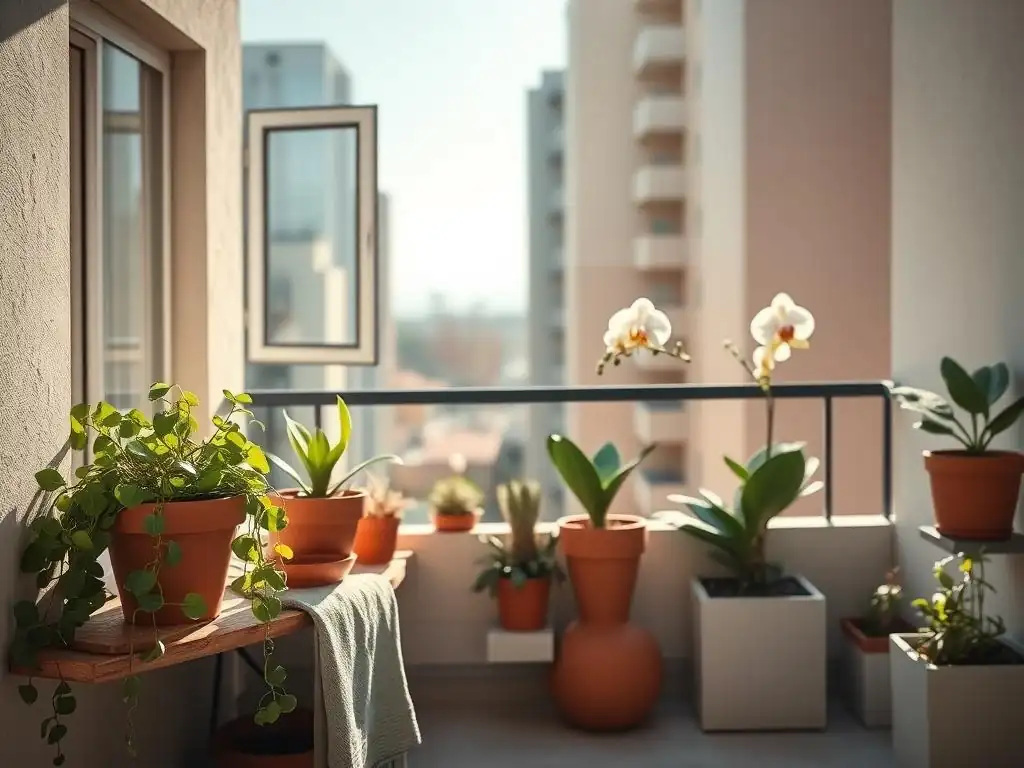
For those with a balcony, patio, or even just a sunny windowsill, container gardening offers an excellent opportunity for nature connection without a park. The first step is selecting appropriate containers, ensuring they have drainage holes to prevent waterlogging. Choose plants based on the amount of sunlight the area receives; herbs like basil and mint thrive in sunny spots, while leafy greens like spinach or lettuce can tolerate partial shade. Succulents and cacti are low-maintenance options for very sunny, dry locations.
Using good quality potting mix is crucial for container gardening as it provides essential nutrients and proper aeration for roots. Avoid using garden soil, which can compact in pots. Consider starting with easy-to-grow plants like cherry tomatoes, peppers, or flowering annuals such as petunias or marigolds. These provide tangible results relatively quickly, offering a rewarding connection to the growth process and a sense of accomplishment.
Creating a Balcony Oasis for Relaxation and Reflection
Transforming a balcony or even a spacious windowsill into a small green oasis can create a valuable personal retreat for nature connection without a park. Arrange your containers to create layers and visual interest. Add a comfortable chair or cushion where you can sit and observe your plants, listen to birds, or simply enjoy the fresh air. Incorporate small decorative elements like wind chimes, solar lights, or a tiny bird feeder (if permissible).
This dedicated green space, no matter how small, becomes a sanctuary where you can step away from indoor pressures and immerse yourself in a mini-natural environment. Watering, pruning, and nurturing your plants provide a tactile connection to nature. Spending even 10-15 minutes daily in this space can significantly reduce stress and improve mood. It's your personal slice of nature, readily accessible whenever you need a moment of calm and connection.
5. Nature-Based Hobbies: Engaging with the Natural World
Birdwatching in Your Backyard or Local Area
Birdwatching is a fantastic hobby for nature connection without a park, often requiring nothing more than a window and keen observation skills. Urban and suburban areas are home to a surprising variety of bird species adapting to human environments. Common visitors might include sparrows, pigeons, starlings, robins, or even more vibrant species like blue jays or cardinals depending on your region. Setting up a simple bird feeder or bird bath near a window can significantly increase the number and variety of your feathered visitors.
Observing birds provides a dynamic and engaging way to connect with the natural world daily. Learn to identify common species by their appearance and calls. Notice their behaviors – how they interact with each other, forage for food, or build nests. This practice fosters patience, improves observational skills, and provides a sense of wonder as you witness the complex lives of these wild creatures unfolding right outside your door. Many free apps and online resources can help you identify local birds.
Safe Foraging Practices: Identifying Edible Plants
Note: Foraging requires careful identification and should only be attempted with expert guidance to avoid consuming poisonous plants. This section discusses the concept as a nature connection hobby, emphasizing safety.
Exploring the possibility of safe foraging in urban or suburban areas can be a deeply grounding way to connect with nature through food. While extensive foraging might require access to larger green spaces, many common "weeds" found in less manicured areas are edible and nutritious. Examples in many regions include dandelion greens, clover, or wild violets. However, it is absolutely critical to correctly identify plants using reliable field guides or, ideally, learning from an experienced local forager.
Beyond edibles, identifying non-edible plants, trees, and fungi in your local area is also a form of foraging knowledge. Learning the names and characteristics of the flora around you transforms an anonymous green backdrop into a landscape filled with familiar faces. This practice deepens your understanding of the local ecosystem and fosters a sense of place. Remember to forage ethically, taking only what you need and being certain of your identification before consuming anything.
Discovering Local Parks, Gardens, and Greenways
Even in densely populated areas, opportunities for urban nature connection often exist in the form of small local parks, community gardens, or designated greenways and trails. These spaces might not be vast wildernesses, but they offer valuable pockets of nature. Take some time to explore your neighborhood or nearby areas using online maps or local government websites that often list public green spaces. You might be surprised to find a hidden gem just a short walk or bus ride away.
These smaller urban green spaces provide a vital connection to nature without requiring a lengthy trip. They offer trees, grass, flowers, and often attract local wildlife like birds and insects. Regular visits, even for short periods, can provide a refreshing break, reduce stress, and offer a sense of escape from the concrete jungle. Aim to visit a local green space once or twice a week, even if it's just for 15-30 minutes, to actively cultivate your nature connection.
Creating Your Own Nature Walk Route: Exploring Local Trails
If formal parks are scarce, you can create your own urban nature walk route by seeking out streets with mature trees, residential areas with well-tended gardens, or even routes along waterways or disused railway lines that have been converted into trails. The goal is to find paths where natural elements are more prominent than concrete and traffic. Pay attention to the presence of trees, shrubs, grassy verges, and signs of wildlife like birds, squirrels, or beneficial insects.
Plan a route that takes you past these natural features. Vary your route periodically to discover new pockets of nature. Focus on walking mindfully, observing the details around you – the shape of leaves, the texture of bark, the sounds of birdsong over traffic noise. This proactive approach to finding and creating your own nature connection pathways empowers you to integrate green time into your routine, regardless of the proximity of large parks.
7. Volunteer for Nature Conservation: Giving Back to the Earth
Local Conservation Organizations and Opportunities
Volunteering with a local nature conservation group is a powerful way to deepen your nature connection without needing constant access to wilderness. Many cities and towns have organizations dedicated to preserving and enhancing urban green spaces, maintaining trails, planting trees, or restoring local habitats like wetlands or pollinator gardens. Search online for "conservation volunteering near me" or check with your local parks department.
Opportunities might include participating in tree planting days, helping with trail maintenance, removing invasive species, or assisting with community garden projects. These activities provide hands-on engagement with the natural world and a sense of purpose. You're actively contributing to the health of your local ecosystem, which can be incredibly rewarding and stress-reducing.
The Mental Health Benefits of Volunteering in Nature
Beyond the ecological benefits, volunteering in nature offers significant mental health advantages. It provides a sense of community as you work alongside like-minded individuals. Physical activity involved in tasks like planting or trail clearing is known to boost mood and reduce anxiety. Furthermore, the act of giving back and contributing to something larger than yourself can increase feelings of self-worth and reduce feelings of isolation.
Research suggests that volunteering in nature can increase feelings of happiness and life satisfaction. A study published in Environmental Science & Technology found that participants who volunteered in green spaces reported lower levels of stress and improved psychological well-being. Dedicating even a few hours a month to a local conservation effort can provide a profound and meaningful nature connection.
8. Nature-Inspired Crafts: Connecting Creatively
Creating Nature Art with Found Objects
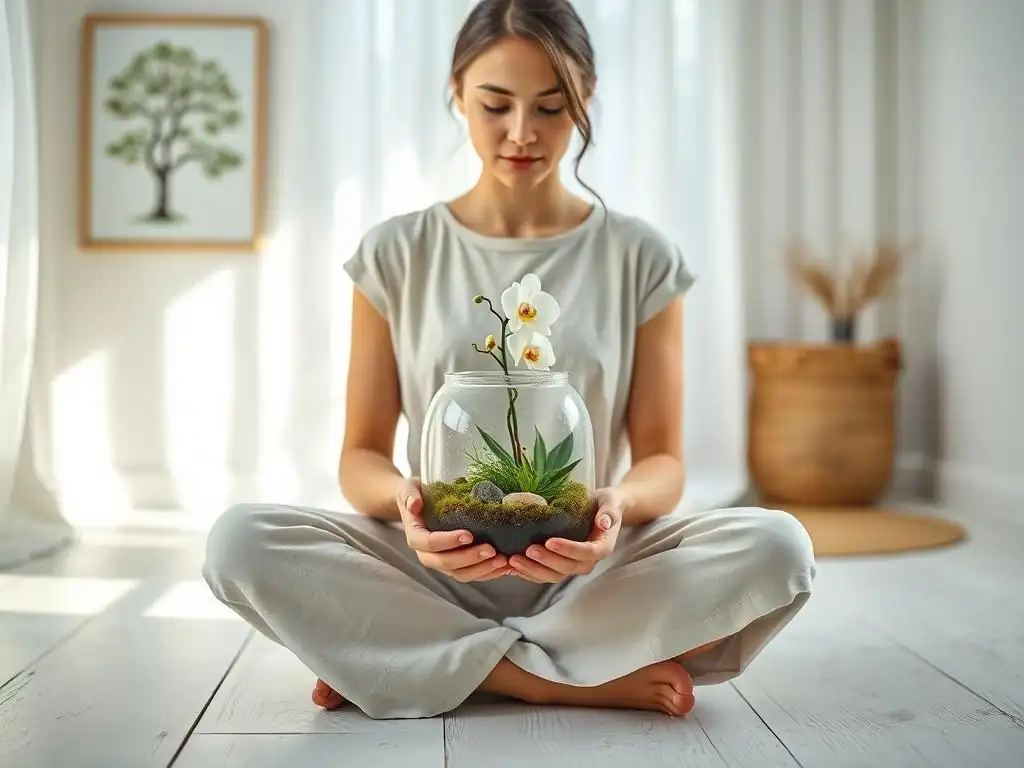
Engaging in nature-inspired crafts allows for a creative connection with the natural world, often utilizing materials found during walks or explorations, even in urban settings. Collect interesting leaves, fallen twigs, smooth stones, or dried seed pods. Use these materials to create collages, mandalas, or simple sculptures. This process encourages close observation of natural forms, textures, and colors.
Creating art from nature is a meditative activity that fosters mindfulness and appreciation for the beauty found in everyday natural objects. It's a tactile way to interact with nature's elements, bringing their unique qualities into your creative process. Even if you don't have access to forests, you can often find suitable materials under street trees or in small park areas.
Nature-Based DIY Projects for Relaxation and Mindfulness
Many DIY projects can incorporate natural elements or themes, providing a relaxing and mindful way to connect with nature without a park. Examples include pressing flowers and leaves to create decorative bookmarks or framed art, making homemade soaps or candles with natural scents like pine or lavender, or crafting bird feeders from recycled materials to attract wildlife to your window or balcony.
These projects offer a sense of accomplishment and provide tangible reminders of your connection to nature. The focus required for crafting can be deeply absorbing, helping to quiet a busy mind and reduce stress. Working with natural materials or themes brings the calming presence of the outdoors into your creative space, offering a unique form of nature connection.
9. Eat Seasonally and Locally: Connecting with Nature Through Food
The Importance of Seasonal Eating for Well-being
Connecting with nature can also happen through our food choices. Eating seasonally means consuming fruits and vegetables that are naturally ripe and available during the current time of year in your region. This practice connects you to the natural cycles of growth and harvest. Seasonal produce is often fresher, more flavorful, and potentially more nutritious as it hasn't traveled long distances or been stored for extended periods.
Choosing seasonal foods encourages an awareness of the natural rhythm of the environment and the bounty it provides. It fosters a sense of anticipation for certain fruits and vegetables as their season approaches. This mindful approach to eating is a subtle but powerful way to acknowledge and participate in the natural world's yearly cycle, enhancing your overall well-being and nature connection.
Supporting Local Farmers and Farmers Markets
Visiting local farmers markets is another excellent way to foster nature connection through food, even in urban settings. Farmers markets bring the harvest directly to the community, allowing you to see and purchase produce grown nearby. Chatting with farmers provides insight into where and how your food is grown, creating a tangible link to the land and the effort involved in cultivation.
Supporting local farmers also benefits the environment by reducing the transportation distance of food and often encourages more sustainable farming practices. The vibrant atmosphere of a farmers market, filled with fresh produce, flowers, and the sounds of community, offers a sensory experience that feels closer to nature than a conventional grocery store. It's a weekly ritual that grounds you in the local ecosystem and supports your nature connection.
10. Stargazing: Connecting with the Cosmos
Finding Dark Sky Locations in Your Area
Connecting with nature isn't limited to terrestrial elements; it also extends to the vastness of the cosmos above us. Stargazing offers a unique way to connect with nature on a grand scale, even from urban areas. While city lights create significant light pollution, making deep-sky observation challenging, it's often possible to find slightly darker pockets within or on the outskirts of urban areas.
Look for local parks that might have later closing hours or areas near bodies of water, which sometimes have less surrounding light spill. Websites and apps dedicated to light pollution maps can help you identify the best nearby spots.
Even from a relatively light-polluted location, you can often see the moon, bright planets like Venus, Jupiter, or Saturn (depending on the time of year), and the brightest stars. Learning to identify even a few constellations, like the Big Dipper or Orion, provides familiar landmarks in the night sky. Dedicate some time to simply looking up and observing the celestial display above you.
Appreciating the Night Sky: A Sense of Awe and Wonder
Stargazing fosters a profound sense of awe and wonder, connecting you to something immense and ancient. Contemplating the vast distances of space and the sheer number of stars can put daily stresses into perspective and evoke feelings of humility and interconnectedness. This feeling of awe has been linked to reduced stress and increased feelings of well-being.
Spending even 10-15 minutes observing the night sky before bed can be a calming and perspective-shifting practice. It's a reminder that nature is not just the green world around us but encompasses the entire universe we inhabit. This form of nature connection is accessible to almost everyone, requiring only a view of the sky and a willingness to look up.
Conclusion: Cultivating a Daily Nature Connection for a Healthier Mind
Integrating Nature Connection into Your Daily Routine
Cultivating a consistent nature connection without a park is entirely achievable and offers profound benefits for mental health. The key is integration – finding small, manageable ways to interact with nature daily. This could be as simple as tending to houseplants for 5 minutes in the morning, taking a mindful walk around the block during your lunch break, spending 10 minutes on your balcony garden after work, or simply pausing to observe the sky or a nearby tree throughout the day. The cumulative effect of these small moments builds a stronger, more resilient connection.
Creating habits around nature connection makes it a sustainable part of your life. Link nature activities to existing routines; for example, enjoy your morning coffee while observing birds outside your window, or listen to nature sounds during your commute. Use task lists to remind yourself of nature connection goals, like [ ] Water plants, [ ] Take 15-min mindful walk, or [ ] Observe clouds for 5 min. Consistency, even in small doses, is more impactful than infrequent, long excursions.
The Long-Term Benefits of Consistent Nature Exposure
Regular and consistent nature connection, even through urban or indoor methods, contributes significantly to long-term mental well-being. Over time, this practice can lead to reduced chronic stress, improved mood stability, enhanced cognitive function, and a greater sense of peace and presence. It fosters resilience against life's challenges by providing a reliable source of calm and restoration.
Embracing nature connection without a park is about recognizing that nature is everywhere and accessible to us all. By actively seeking out and engaging with the natural world in its myriad forms – from a houseplant to the stars above – we nourish our innate need for connection, leading to a healthier, happier, and more balanced mind. The investment of time and attention in these practices yields invaluable returns in terms of psychological and emotional health.
Frequently Asked Questions
How can I experience nature connection if I don't live near a park?
You can connect with nature without a park by incorporating natural elements into your home, like houseplants and natural light. Explore nature documentaries and sounds as a substitute.
What are some quick and easy ways to bring nature indoors?
Simple options include opening windows for fresh air, collecting natural objects like stones or leaves, or creating a small indoor herb garden. These are practical and accessible options.
Why is nature connection important for my mental well-being?
Nature connection is beneficial because it can reduce stress, improve mood, and boost overall mental health. It offers a sense of calm and connection to the wider world.
How can I utilize technology to foster a sense of nature connection?
You can use technology to access virtual nature experiences, listen to nature soundscapes, or even learn about local flora and fauna through online resources.
Can simply observing nature from my window be considered a form of nature connection?
Yes, even observing nature from a window can be a form of connection. Focusing on the details, like the light and shadows, can improve focus and promote relaxation.
Final Reflection: Reclaiming Nature's Embrace, Wherever You Are
The urgent need for daily nature connection transcends geographical limitations; access to green spaces shouldn't dictate our relationship with the natural world. This article explored ten creative ways to foster that connection, even without a nearby park, highlighting the profound impact small, intentional actions can have on our well-being. The simplicity of these suggestions belies their power to transform our daily lives and reconnect us with the restorative power of nature.
The pervasive influence of technology and urban living often isolates us from the natural world, creating a sense of disconnection that impacts our mental and physical health. This disconnect is a growing concern, and the solutions, as this article demonstrates, are surprisingly accessible. In every walk with nature, one receives far more than he seeks.
- John Muir. This quote perfectly encapsulates the unexpected rewards of seeking out nature, even in the most unexpected places. My own experience in crafting this article reinforced the truth of Muir's words; the research process itself became a journey of rediscovery, reminding me of the abundant nature surrounding us, waiting to be noticed.
Now, consider your own environment. What small changes can you implement to bring more nature into your daily routine? Perhaps it's a daily mindful walk, a window box garden, or simply taking a moment to appreciate the changing colors of the sky. Embrace the opportunity to reconnect with the natural world, regardless of your location. Let this article serve as a springboard for your own personal journey towards a more nature-rich life, one small step at a time. The rewards, both for your well-being and for the planet, are immeasurable.
Unlock Your Inner Naturalist: Take the Next Step
Thanks for taking the time to explore the joy of nature, even without a park nearby! You've discovered ten creative ways to reconnect with the natural world – now it’s time to put them into action. Ready to cultivate a more mindful and fulfilling life?
- Prioritize your favorite nature connection: Choose one of the ten ideas that resonated most with you and schedule it into your daily routine this week. Whether it’s a mindful walk around your block or creating a miniature indoor garden, consistency is key!
- Share your nature journey: Tell us (or a friend!) about your experience with your chosen nature connection. What surprised you? What did you learn? Sharing your journey inspires others and strengthens your own connection with nature.
- Explore further: Dive deeper into the world of nature mindfulness. Search online for resources on urban foraging, nature journaling, or creating a calming indoor space inspired by nature.
What small step will you take today to reconnect with the natural world around you?