
Simple Swaps: Upgrading Your Diet for a Brighter Mood


Welcome to Mind Care Guide, your sanctuary for mental well-being. Feeling weighed down? We understand. Discover how simple changes can unlock a brighter outlook. This week, we're diving into a powerful connection you might be overlooking: Healthy food mood boost. Intrigued? Let's explore how upgrading your diet can be a surprisingly effective step towards a happier, healthier you.
Simple Swaps: Upgrading Your Diet for a Brighter Mood
- Introduction: The Food-Mood Connection
- Small Changes, Big Impact: Simple Dietary Swaps for a Brighter Mood
- Power Foods for a Positive Mindset: Key Nutrients for Mental Health
- Easy Food Swaps to Incorporate into Your Daily Routine
- Beyond the Swaps: Additional Tips for a Healthy Food Mood Boost
- Conclusion: Building a Sustainable Diet for Long-Term Mental Well-being
-
Frequently Asked Questions
- What is the connection between food and mood?
- How can I use food to boost my mood?
- What are some simple food swaps I can make for a brighter mood?
- How quickly can I expect to see a difference in my mood after making dietary changes?
- Where can I find more resources and support for improving my mental well-being through diet?
- Final Reflection: Nourishing the Mind, One Bite at a Time
- Unlock Your Happiest Self: Simple Steps to a Better Mood
Introduction: The Food-Mood Connection
Understanding the Link Between Nutrition and Mental Well-being
The intricate connection between what we eat and how we feel is becoming increasingly clear in scientific research. Our brains, like any other organ, require specific nutrients to function optimally. Deficiencies or imbalances in these essential building blocks can significantly impact mood, energy levels, cognitive function, and even contribute to the development or exacerbation of mental health challenges such as anxiety and depression.
For instance, the production of neurotransmitters, the brain's chemical messengers that regulate mood, sleep, and stress response, relies heavily on the availability of specific vitamins and minerals. Serotonin, often dubbed the "feel-good" neurotransmitter, requires tryptophan, B vitamins, and magnesium for its synthesis. Dopamine, linked to motivation and pleasure, needs tyrosine, iron, and B vitamins. Ensuring a steady supply of these micronutrients through a balanced diet is fundamental to supporting a stable and positive mental state.
Why Healthy Food Can Boost Your Mood and Energy Levels
Consuming a diet rich in whole, unprocessed foods provides the sustained energy required for daily activities and mental resilience. Unlike sugary snacks or refined carbohydrates that cause rapid spikes and crashes in blood sugar, complex carbohydrates, lean proteins, and healthy fats offer a gradual release of glucose, providing a consistent fuel source for the brain and body. This stability helps prevent irritability, fatigue, and the "brain fog" often associated with erratic energy levels.
Furthermore, the antioxidants and anti-inflammatory compounds found abundantly in fruits, vegetables, and healthy fats play a crucial role in protecting brain cells from damage and reducing chronic inflammation, which has been linked to mood disorders. A diet focused on a healthy food mood boost can directly impact brain health, improving clarity, focus, and overall emotional well-being. When your body is properly nourished, you feel more energized, resilient, and better equipped to handle daily stressors.
Small Changes, Big Impact: Simple Dietary Swaps for a Brighter Mood
Swap Processed Foods for Whole Foods: A Foundation for Mood Enhancement
Processed foods, often high in unhealthy fats, added sugars, and sodium, are typically low in essential nutrients and fiber. Regular consumption has been associated with increased risks of inflammation and an imbalance in gut bacteria, both of which can negatively impact mood and mental health. Making a conscious effort to replace these items with their whole-food counterparts is perhaps the single most effective step towards a healthy food mood boost.
Consider swapping packaged snacks like chips or cookies for fresh fruit, nuts, or vegetable sticks with hummus. Instead of relying on frozen dinners or fast food, choose to prepare meals using whole ingredients like lean meats, fish, beans, lentils, and a variety of colorful vegetables. This shift ensures you are consuming nutrient-dense foods that provide the vitamins, minerals, and fiber necessary for optimal brain function and a more stable mood.
Trade Sugary Drinks for Water and Herbal Teas: Hydration and Mental Clarity
Sugary drinks, including sodas, fruit juices with added sugar, and energy drinks, contribute significantly to sugar intake without providing substantial nutritional value. The rapid influx of sugar leads to blood sugar spikes and subsequent crashes, which can result in irritability, anxiety, and difficulty concentrating. Chronic consumption is also linked to inflammation and can negatively affect the gut microbiome, impacting mental well-being.
Replacing these beverages with water is one of the simplest yet most effective swaps for a healthy food mood boost. Dehydration, even mild, can impair cognitive function, reduce energy levels, and negatively affect mood. Aiming for approximately 8 glasses (around 2 liters) of water daily can significantly improve clarity and focus. Herbal teas, such as chamomile or peppermint, offer hydration along with potential calming or invigorating properties, providing a flavorful alternative without the sugar load.
Replacing Refined Grains with Whole Grains: Stabilizing Blood Sugar and Mood
Refined grains, found in white bread, white rice, and many pastries, have been stripped of their bran and germ, losing significant amounts of fiber, vitamins, and minerals. They are quickly digested, leading to rapid increases in blood sugar and insulin, followed by a crash that can leave you feeling tired and irritable. This rollercoaster effect is detrimental to mood stability.
Opting for whole grains like whole wheat bread, brown rice, oats, quinoa, and barley provides complex carbohydrates that are digested slowly. This results in a gradual release of glucose into the bloodstream, maintaining stable energy levels and preventing mood swings. Whole grains are also richer in B vitamins, which are essential for energy production and neurotransmitter synthesis, contributing to a more consistent and positive mood.
Power Foods for a Positive Mindset: Key Nutrients for Mental Health
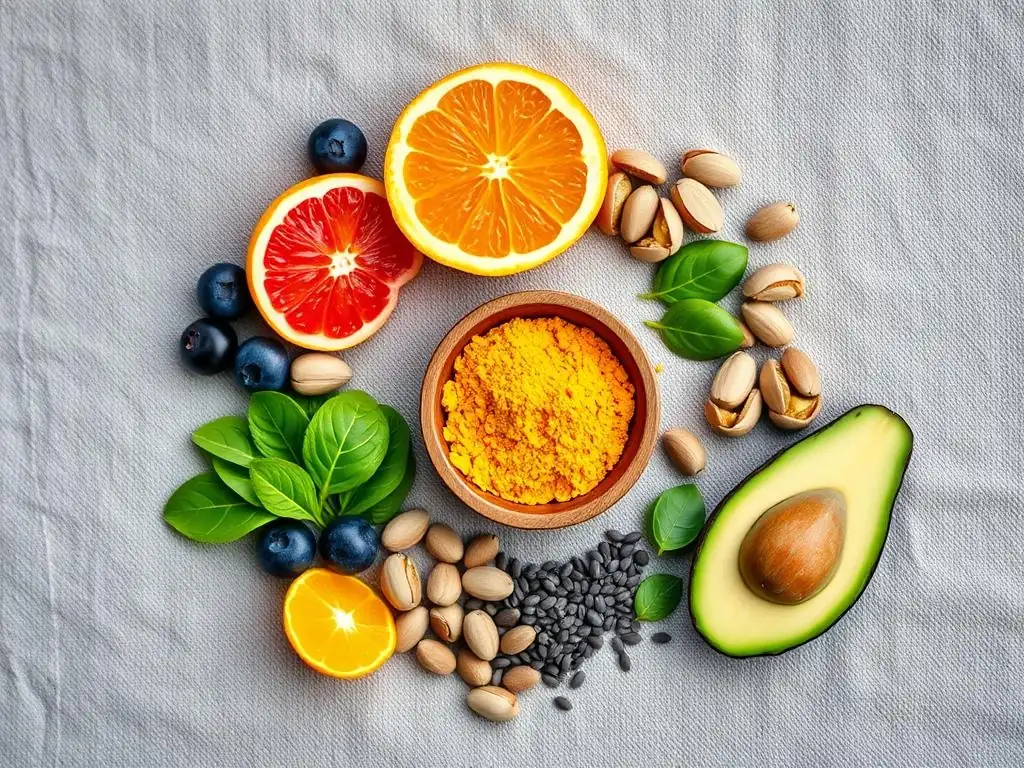
Boosting Serotonin with Tryptophan-Rich Foods: Turkey, Nuts, and Seeds
Tryptophan is an essential amino acid that serves as a precursor to serotonin. While consuming tryptophan alone doesn't guarantee increased serotonin levels in the brain (as it competes with other amino acids to cross the blood-brain barrier), including tryptophan-rich foods as part of a balanced diet is a foundational step in supporting serotonin production.
Foods particularly high in tryptophan include turkey, chicken, eggs, cheese, tofu, nuts (like almonds and walnuts), and seeds (such as pumpkin and sesame seeds). Consuming these foods, especially alongside healthy carbohydrates (which help insulin move competing amino acids out of the bloodstream), can support the body's ability to synthesize serotonin. This dietary strategy contributes to a healthy food mood boost by potentially influencing feelings of well-being and calmness.
Omega-3 Fatty Acids for Brain Health and Mood Regulation: Fatty Fish, Flaxseeds, and Walnuts
Omega-3 fatty acids, particularly EPA (eicosapentaenoic acid) and DHA (docosahexaenoic acid), are crucial components of brain cell membranes. They play a vital role in brain structure and function, influencing communication between brain cells and reducing inflammation. Research has consistently linked higher intakes of omega-3s with lower rates of depression and improved mood.
Excellent dietary sources include fatty fish like salmon, mackerel, herring, and sardines, ideally consumed two to three times per week. For vegetarians and vegans, ALA (alpha-linolenic acid), a type of omega-3, is found in flaxseeds, chia seeds, walnuts, and soybean oil. While ALA conversion to EPA and DHA in the body is limited, including these plant sources is still beneficial. Ensuring adequate omega-3 intake is a key component of a healthy food mood boost strategy.
The Role of Vitamin D in Mood and Well-being: Fortified Foods and Sunlight Exposure
Vitamin D, often called the "sunshine vitamin," is increasingly recognized for its role beyond bone health, impacting immune function and mental well-being. Receptors for Vitamin D are found in areas of the brain associated with mood, and studies suggest a link between low Vitamin D levels and increased risk of depression and seasonal affective disorder (SAD).
While primary Vitamin D synthesis occurs in the skin upon exposure to sunlight, dietary sources can contribute, especially in regions with limited sun exposure. These include fatty fish (like salmon and tuna), fortified foods such as milk, orange juice, and cereals, and egg yolks. Maintaining adequate Vitamin D levels through safe sun exposure (when possible) and diet is an important factor in supporting a positive mood and achieving a healthy food mood boost.
Easy Food Swaps to Incorporate into Your Daily Routine
Breakfast Boost: Upgrading Your Morning Meal for a Positive Start
Starting your day with a balanced breakfast sets the stage for stable energy and mood throughout the morning. Instead of a sugary cereal or pastry, which can lead to an energy crash, opt for something rich in protein, fiber, and healthy fats. This simple swap provides a significant healthy food mood boost from the outset.
Consider swapping sugary cereal for a bowl of oatmeal topped with berries, nuts, and seeds, or swap a white toast with jam for scrambled eggs with spinach and whole-grain toast. A Greek yogurt parfait with fruit and granola is another excellent swap. These options provide sustained energy and essential nutrients that fuel brain function and promote a positive mindset.
Lunchtime Leaps: Making Healthier Choices During the Day
Lunch choices can profoundly impact your energy and focus for the afternoon. A heavy, processed meal can leave you feeling sluggish, while a light, nutrient-poor option might lead to cravings and irritability later. Making strategic swaps ensures you maintain productivity and a good mood.
Swap a fast-food burger and fries for a large salad with grilled chicken or beans, mixed greens, and a variety of colorful vegetables. Instead of a pre-packaged sandwich on white bread, choose one on whole-grain bread filled with lean protein and plenty of vegetables. Bringing leftovers from a healthy dinner is also a great swap, ensuring you have a nutritious and satisfying meal that contributes to a healthy food mood boost.
Dinner Delights: Creating Mood-Boosting Evening Meals
Dinner provides an opportunity to nourish your body for restful sleep and recovery, both vital for mental well-being. Choosing nutrient-dense foods helps support the body's overnight repair processes and prepares you for the next day.
Swap a meal centered around refined carbohydrates like white pasta for one featuring whole-grain pasta or quinoa. Replace red meat several nights a week with fatty fish (like salmon) or plant-based proteins such as lentils or tofu. Ensure half your plate is filled with non-starchy vegetables. These swaps contribute essential nutrients and healthy fats that support brain health and promote a healthy food mood boost as you wind down for the evening.
Snack Smart: Replacing Unhealthy Cravings with Nutrient-Rich Options
Mid-afternoon energy slumps or evening cravings can often lead to reaching for sugary or processed snacks that provide only a temporary lift followed by a crash. Having healthy alternatives readily available is key to avoiding this trap and maintaining a stable mood.
Swap candy or cookies for a handful of almonds or walnuts, which provide protein, fiber, and healthy fats. Replace potato chips with air-popped popcorn (lightly seasoned) or vegetable sticks with hummus. Instead of sugary drinks, have a piece of fruit or a small container of Greek yogurt. These simple snack swaps deliver nutrients that sustain energy and contribute to a healthy food mood boost between meals.
Beyond the Swaps: Additional Tips for a Healthy Food Mood Boost
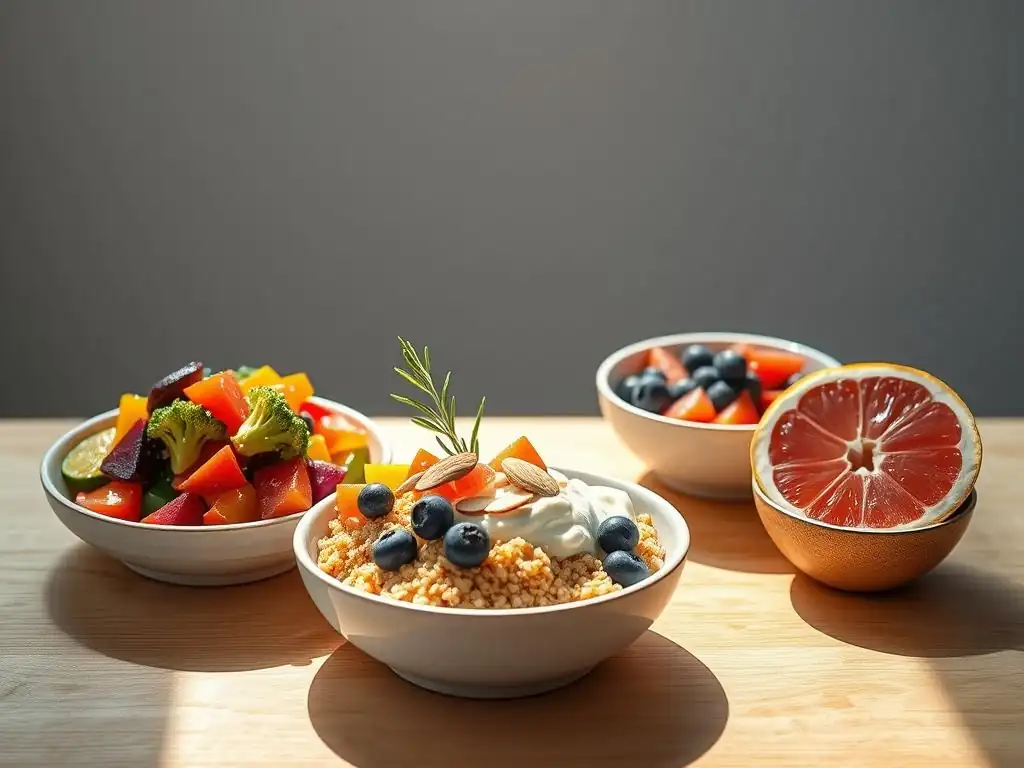
Mindful Eating Practices: Connecting with Your Food and Body
Beyond what you eat, how you eat significantly impacts digestion, nutrient absorption, and your overall relationship with food. Mindful eating involves paying attention to the experience of eating – noticing the colors, textures, smells, and tastes of your food, as well as recognizing your body's hunger and fullness cues.
Practicing mindful eating means slowing down, chewing thoroughly, and minimizing distractions like screens. This allows your brain to register fullness more effectively, preventing overeating that can lead to discomfort and lethargy. It also fosters a greater appreciation for the nourishment your food provides, creating a more positive and less stressful connection with your diet, which supports a healthy food mood boost.
Meal Planning for Success: Setting Yourself Up for Healthy Choices
Making healthy food choices is much easier when you're prepared. Trying to decide what to eat when you're already hungry can often lead to opting for the quickest, most convenient, and often least healthy option. Meal planning removes this last-minute stress and decision fatigue.
Spending some time each week planning your meals and snacks helps ensure you have the necessary ingredients on hand and reduces the likelihood of impulse buys or resorting to unhealthy takeout. Prepping some components, like chopping vegetables or cooking a batch of grains, can make weekday meal assembly much faster. This proactive approach makes consistently choosing foods that provide a healthy food mood boost significantly more manageable.
The Importance of Gut Health for Mental Well-being: Yogurt, Kefir, and Fiber-Rich Foods
Emerging research highlights the profound connection between the gut and the brain, often referred to as the gut-brain axis. Billions of bacteria reside in your gut, and the composition of this microbiome influences everything from digestion to immune function and even neurotransmitter production. An imbalanced gut microbiome has been linked to various mental health conditions.
Supporting a healthy gut involves consuming probiotic-rich foods that introduce beneficial bacteria, such as yogurt with live and active cultures, kefir, sauerkraut, and kimchi. Equally important are prebiotic-rich foods – fiber compounds that feed these beneficial bacteria – found in foods like onions, garlic, bananas, oats, and beans. Including these foods regularly in your diet helps foster a diverse and healthy gut flora, which is increasingly understood as a critical factor for achieving a healthy food mood boost.
Conclusion: Building a Sustainable Diet for Long-Term Mental Well-being
The Cumulative Effect of Small Changes on Your Mood
Embarking on a journey to improve your diet for better mental health doesn't require drastic, overnight changes. As explored through the simple swaps discussed, focusing on making small, sustainable adjustments over time can lead to significant cumulative effects on your mood and overall well-being. Each healthy food mood boost you choose contributes to a more stable energy level, better nutrient intake, and improved gut health.
Consistency is key. Replacing one sugary drink per day with water, adding a handful of nuts to your snack, or swapping white rice for brown rice a few times a week might seem minor individually, but collectively, these habits build a foundation for lasting positive change. Celebrate these small victories and focus on progress rather than perfection to make dietary upgrades a sustainable part of your life.
Resources for Further Exploration of Nutrition and Mental Health
Exploring the link between nutrition and mental health is a continuous learning process. Many reputable resources are available to help you deepen your understanding and make informed choices tailored to your individual needs. Remember that while dietary changes can be incredibly supportive, they are often most effective when part of a comprehensive approach to mental well-being.
Consider consulting with a registered dietitian or nutritionist who specializes in mental health. They can provide personalized guidance based on your specific health profile and dietary requirements. Additionally, organizations dedicated to mental health and nutritional science often publish evidence-based guides and information online, offering valuable insights into how different nutrients and dietary patterns impact mood and cognitive function, further supporting your pursuit of a healthy food mood boost.
Frequently Asked Questions
What is the connection between food and mood?
Food provides the nutrients our brains need to function properly. A lack of these nutrients can lead to mood swings, irritability, and even depression. Eating healthy foods can help stabilize and improve your mood.
How can I use food to boost my mood?
Focus on incorporating foods rich in essential vitamins and minerals, such as fruits, vegetables, and whole grains. These options promote serotonin production, which plays a crucial role in regulating mood and happiness.
What are some simple food swaps I can make for a brighter mood?
Instead of processed snacks, try reaching for fruits, vegetables, or nuts. Swap sugary drinks for water or herbal tea. Replace refined grains with whole grains like brown rice or quinoa.
How quickly can I expect to see a difference in my mood after making dietary changes?
While individual results may vary, many people experience noticeable improvements within a few weeks of adopting a healthier diet. Consistency is key to achieving long-term benefits.
Where can I find more resources and support for improving my mental well-being through diet?
Mind Care Guide offers a comprehensive guide to mental well-being, including information, support, and resources for various mental health challenges. You can also consult with a registered dietitian or therapist for personalized guidance.
Final Reflection: Nourishing the Mind, One Bite at a Time
The connection between what we eat and how we feel is undeniable, a powerful truth increasingly recognized in today's fast-paced world. We've explored simple dietary swaps that can significantly impact your mood, demonstrating that a brighter outlook isn't just about mindset; it's also about mindful nutrition. This isn't about restrictive diets, but about making conscious choices that fuel both body and mind.
The impact of food on our emotional well-being is profound, shaping not only our individual experiences but also the collective cultural understanding of health and happiness. We've seen how readily available, processed foods can contribute to mood swings and low energy, while whole foods offer a sustained sense of well-being. This resonates deeply with me, as I've personally experienced the transformative power of incorporating more nutrient-rich foods into my diet. Let food be thy medicine and medicine be thy food.
- Hippocrates. This ancient wisdom holds true today, reminding us of the inherent healing power within the foods we choose.
Now, it's your turn. Consider the small, manageable changes you can make to your diet. Start with one swap, one mindful choice, and observe the subtle shifts in your energy levels and emotional landscape. Don't be afraid to experiment, to discover what foods nourish your body and uplift your spirit. The journey to a brighter mood begins with a single, delicious bite.
Unlock Your Happiest Self: Simple Steps to a Better Mood
Thanks for taking the time to explore the power of food on your mood! We hope you've discovered some delicious and easy ways to boost your happiness. Now, it's time to put your newfound knowledge into action.
- Prioritize one simple swap: Choose just one of the recommended food swaps from the article and integrate it into your diet this week. Track how you feel!
- Share your experience: Tell us (and others!) about your chosen swap and how it impacted your mood. Share your success story or ask questions in the comments below.
- Explore further: Browse our other articles on nutrition and mental wellbeing for more tips and tricks to nurture your mind and body.
Ready to take charge of your mood? What simple swap are you most excited to try first?