
The Role of Hobbies and Interests in Supporting Emotional Health

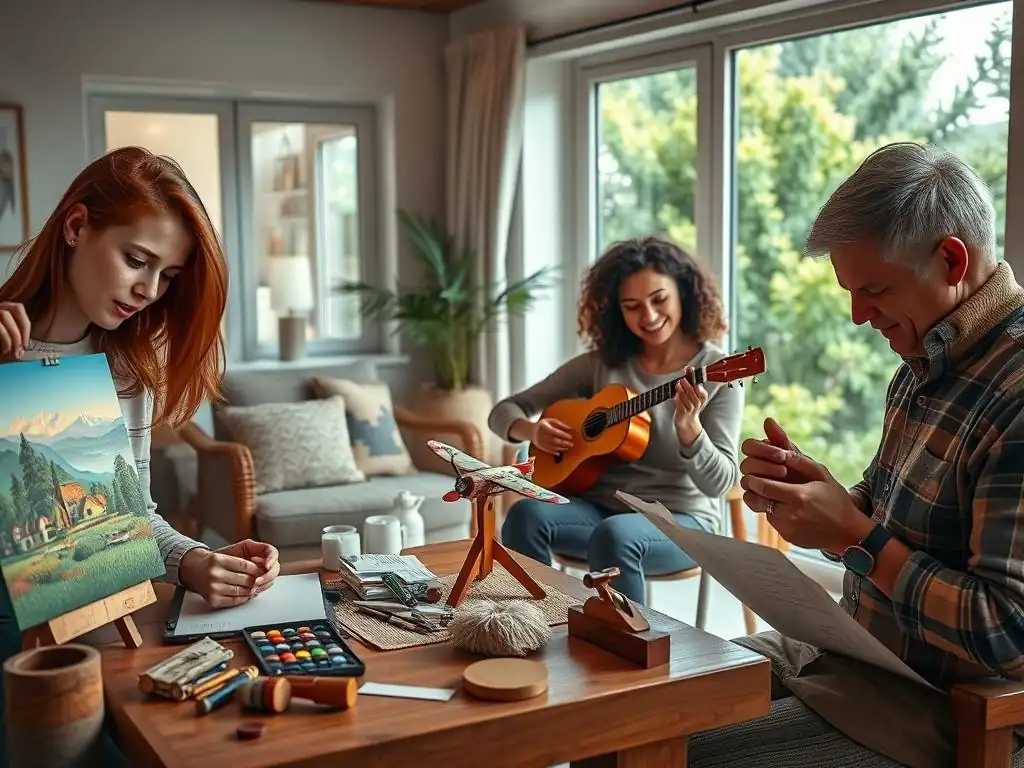
Welcome to Mind Care Guide, a space dedicated to nurturing your mental well-being.
Are you feeling the weight of daily life? Perhaps you're searching for a way to lighten the load and reconnect with yourself. You're not alone. This week, we're diving into a powerful, often overlooked tool: how hobbies boost emotional wellbeing. Discover the joy and therapeutic benefits of rediscovering old passions or exploring new interests. Let's unlock the potential of hobbies to cultivate a happier, healthier you. Intrigued? Read on to learn more and reignite your inner spark.
The Role of Hobbies and Interests in Supporting Emotional Health
- Introduction: How Hobbies Boost Emotional Wellbeing and Mental Health
- Why Hobbies are Crucial for Emotional Health and Wellbeing
-
Exploring a Variety of Hobbies for Enhanced Emotional Health
- Creative Hobbies: Painting, Writing, and Music for Emotional Expression
- Physical Activities: Sports, Hiking, and Yoga for Stress Relief and Physical Wellbeing
- Intellectual Pursuits: Reading, Learning Languages, and Puzzles for Mental Stimulation
- Social Hobbies: Volunteering, Book Clubs, and Group Activities for Connection
- The Psychological Benefits of Engaging in Hobbies
- Overcoming Barriers to Hobby Engagement: Prioritizing Emotional Wellbeing
- Integrating Hobbies into Your Daily Routine for Sustained Emotional Wellbeing
- Specific Hobbies and Their Impact on Mental Wellness: A Closer Look
- Conclusion: Nurturing Your Emotional Health Through the Power of Hobbies and Interests
-
Frequently Asked Questions
- How do hobbies contribute to emotional wellbeing?
- What types of hobbies are most effective for boosting emotional wellbeing?
- Can hobbies help with specific mental health challenges like anxiety or depression?
- How much time should I dedicate to hobbies to see a positive impact on my emotional health?
- Where can I find inspiration for new hobbies to improve my emotional well-being?
- Final Reflection: Cultivating Inner Peace Through Passion
- Unlock Your Emotional Well-being: Find Your Perfect Hobby Today!
Introduction: How Hobbies Boost Emotional Wellbeing and Mental Health
Hobbies and personal interests are often seen simply as leisure activities, pleasant ways to pass the time. However, their impact extends far beyond mere entertainment. Engaging in activities we genuinely enjoy plays a significant, often underestimated, role in maintaining and improving our emotional health and overall mental wellbeing. They provide a vital counterbalance to the stresses of daily life, offering a space for relaxation, creativity, and personal growth.
Exploring different pastimes can profoundly influence our mood, resilience, and outlook. Whether it's something active like hiking, creative like painting, or intellectual like learning a new language, hobbies offer unique benefits that contribute to a robust emotional state. Understanding this connection is the first step towards harnessing the power of hobbies to cultivate greater peace, joy, and stability in our lives.
Understanding the Connection: Hobbies, Interests, and Emotional Equilibrium
The relationship between engaging in hobbies and achieving emotional equilibrium is deeply rooted in psychological principles. When we participate in activities we find enjoyable and fulfilling, our brains release neurotransmitters like dopamine and serotonin, which are associated with pleasure, motivation, and improved mood. This biochemical response helps counteract the effects of stress hormones like cortisol, contributing to a calmer and more balanced emotional state.
Furthermore, hobbies often provide a sense of control and mastery, qualities that are crucial for emotional stability. In a world that can feel chaotic and unpredictable, dedicating time to an activity where you set the goals and see tangible results offers a powerful anchor. For instance, completing a complex puzzle or successfully baking a challenging recipe provides a clear sense of accomplishment, reinforcing positive self-perception and reducing feelings of helplessness that can contribute to anxiety or depression.
Mind Care Guide: Your Partner in Cultivating Emotional Wellness Through Engaging Activities
At Mind Care Guide, we understand that emotional wellness is a holistic journey, encompassing various aspects of life, including how you spend your free time. We recognize that hobbies boost emotional wellbeing significantly, acting as powerful tools for self-care and personal development. Our resources are designed to help you explore the profound link between engaging activities and a healthier mind, guiding you towards finding pursuits that resonate with your unique interests and needs.
We offer insights and information on how different types of hobbies can support specific emotional challenges, from managing anxiety through mindfulness practices like knitting or drawing, to combating loneliness by connecting with others through group activities like gardening clubs or sports teams. Mind Care Guide serves as a supportive resource, providing practical tips and encouragement to help you integrate fulfilling hobbies into your routine, empowering you to take active steps towards enhancing your emotional health and overall quality of life.
Why Hobbies are Crucial for Emotional Health and Wellbeing
Stress Reduction and Relaxation: Unwinding with Your Favorite Pastimes
One of the most immediate benefits of engaging in hobbies is their capacity for stress reduction. When we immerse ourselves in an enjoyable activity, it provides a much-needed distraction from worries and pressures. This mental break allows the nervous system to calm down, lowering heart rate and blood pressure. Studies suggest that even short periods dedicated to a hobby, perhaps just 15-30 minutes a few times a week, can lead to a noticeable decrease in perceived stress levels.
Consider the act of gardening: the repetitive motion of planting, the focus required for weeding, and the simple pleasure of being outdoors can induce a meditative state. Similarly, playing a musical instrument demands concentration that pulls you away from stressful thoughts, while the act of creation itself can be a powerful emotional release. These activities provide a natural antidote to the constant demands of modern life, proving that hobbies boost emotional wellbeing by offering a sanctuary for the mind.
Enhancing Self-Esteem and Confidence: Mastering New Skills Through Hobbies
Learning and practicing a hobby provides a tangible path to skill mastery, which directly impacts self-esteem and confidence. As you progress in an activity, whether it's learning a new crochet stitch, improving your running pace, or successfully coding a small program, you gain a sense of competence and achievement. This feeling of growth is incredibly validating and builds confidence not just in the hobby itself, but in your overall capabilities.
Overcoming challenges within a hobby, such as fixing a mistake in a painting or finally landing a difficult yoga pose, teaches resilience and reinforces the belief that you can tackle difficulties. This positive feedback loop is crucial, especially for individuals who may struggle with feelings of inadequacy in other areas of their lives. The sense of accomplishment derived from a hobby is purely personal and self-defined, offering a powerful boost to self-worth.
Hobbies are excellent avenues for building social connections and combating feelings of isolation. Many activities naturally lend themselves to group participation, such as joining a hiking club, attending a pottery class, or participating in a book club. These shared interests create an immediate common ground, making it easier to connect with others who share your passion. This sense of belonging is fundamental to emotional wellbeing.
Even solitary hobbies can lead to social connections through online forums, workshops, or exhibitions. For example, a writer might join a critique group, or a photographer might attend a local camera club meeting. Interacting with like-minded individuals provides support, shared experiences, and the opportunity to form meaningful friendships based on mutual interests. Research indicates that strong social connections are a key factor in reducing the risk of depression and anxiety, highlighting how hobbies boost emotional wellbeing through community.
Exploring a Variety of Hobbies for Enhanced Emotional Health
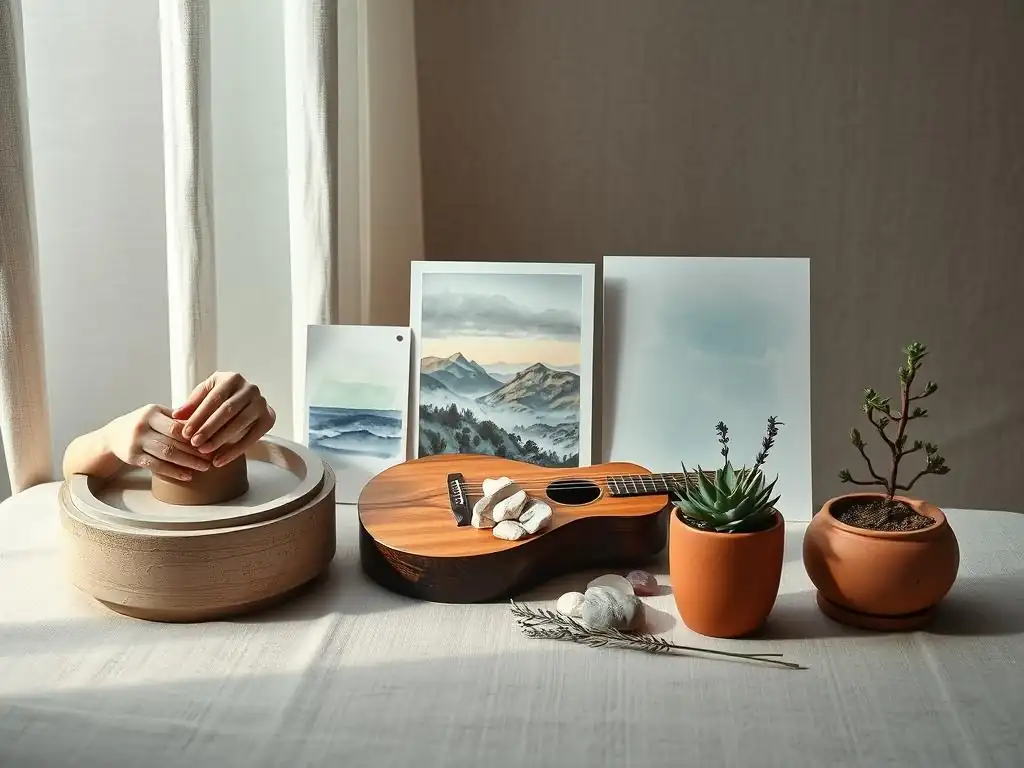
Creative Hobbies: Painting, Writing, and Music for Emotional Expression
Creative hobbies offer a powerful outlet for emotional expression, allowing individuals to process feelings and experiences in a non-verbal way. Painting, drawing, or sculpting can help externalize emotions that are difficult to articulate, providing a visual representation of inner states. The act of creation itself can be incredibly therapeutic, offering a sense of flow and mindfulness where time seems to disappear.
Writing, whether journaling, poetry, or fiction, provides a structured way to explore thoughts and feelings, offering clarity and perspective. Music, through playing an instrument, singing, or even composing, allows for the expression of a wide range of emotions and can be both cathartic and uplifting. These activities not only foster creativity but also serve as vital tools for self-discovery and emotional processing, demonstrating how creative pursuits significantly contribute to emotional health.
Physical Activities: Sports, Hiking, and Yoga for Stress Relief and Physical Wellbeing
Physical hobbies combine the benefits of exercise with the enjoyment of a specific activity, offering a dual boost to emotional and physical wellbeing. Engaging in sports provides a competitive or cooperative outlet for energy and stress, releasing endorphins that elevate mood. Participating in a team sport also adds the benefit of social interaction and camaraderie.
Activities like hiking or cycling offer the chance to connect with nature, which has been shown to reduce rumination and improve mood. Yoga and other mindful movement practices combine physical postures with breathwork and meditation, explicitly targeting stress reduction and promoting a sense of calm and groundedness. The physical exertion inherent in these hobbies helps reduce tension and improve sleep patterns, both of which are crucial for emotional stability.
Intellectual Pursuits: Reading, Learning Languages, and Puzzles for Mental Stimulation
Intellectual hobbies keep the mind sharp and engaged, offering a different kind of mental escape. Reading transports you to different worlds and perspectives, broadening your understanding and empathy. Learning a new language challenges cognitive abilities, improving memory and problem-solving skills, while also opening doors to new cultures and connections.
Engaging in puzzles, crosswords, or strategy games stimulates critical thinking and focus. Successfully solving a complex problem or understanding a difficult concept provides a satisfying sense of intellectual accomplishment. These activities not only provide mental stimulation but also offer a quiet, focused way to unwind and de-stress, proving that intellectual hobbies also play a role in supporting emotional health.
Social hobbies are specifically centered around interaction with others, directly addressing the need for belonging and community. Volunteering for a cause you care about provides a sense of purpose and connection to your community, fostering empathy and reducing feelings of isolation. It allows you to contribute to something larger than yourself, which can be incredibly fulfilling.
Joining a book club or a gaming group offers a structured way to connect with people who share similar interests, facilitating conversation and shared experiences. Participating in group classes like dancing, cooking, or pottery provides a low-pressure environment to meet new people while learning a skill. These activities build social capital, providing a support network that is vital for navigating life's challenges and enhancing overall emotional wellbeing.
The Psychological Benefits of Engaging in Hobbies
Increased Mindfulness and Focus: Being Present in the Moment
Many hobbies naturally encourage a state of mindfulness, drawing your attention to the present moment. Activities that require focus and concentration, such as knitting, playing chess, or gardening, help quiet the internal chatter of worrying thoughts. This immersion in the activity creates a "flow state" where you become completely absorbed, reducing stress and increasing feelings of calm and presence.
For example, painting requires attention to color, texture, and form, anchoring you in the visual and tactile experience. Playing a musical instrument demands focus on rhythm, melody, and technique. This deliberate attention to the task at hand serves as a powerful antidote to the mind's tendency to dwell on the past or worry about the future, promoting a greater sense of peace and mental clarity.
A Sense of Purpose and Accomplishment: Finding Meaning Beyond Work
Hobbies often provide a sense of purpose that extends beyond professional or domestic responsibilities. They offer goals to work towards, whether it's completing a project, achieving a certain skill level, or contributing to a group effort. This pursuit of personal goals, separate from external pressures, can be incredibly motivating and provide a structure to leisure time that feels meaningful.
Completing a significant hobby project, like building a piece of furniture or writing a short story, provides a tangible sense of accomplishment. This feeling of having created or mastered something reinforces self-worth and provides a source of pride. This sense of purpose and achievement is vital for emotional health, offering a counterpoint to potential feelings of stagnation or lack of control in other areas of life.
Improved Cognitive Function: Keeping Your Mind Sharp and Engaged
Engaging in hobbies that challenge the mind can significantly improve cognitive function. Activities like learning a new language, playing strategic board games, or even complex cooking or crafting projects require problem-solving, memory recall, and planning skills. Regularly exercising these cognitive muscles helps maintain mental acuity and can potentially slow cognitive decline.
For instance, learning to play an instrument has been shown to improve memory and abstract reasoning. Engaging in puzzles or strategy games enhances critical thinking and decision-making abilities. These mental workouts provided by hobbies contribute not only to a sharper mind but also to the psychological benefit of feeling capable and intellectually stimulated, demonstrating another way hobbies boost emotional wellbeing.
Overcoming Barriers to Hobby Engagement: Prioritizing Emotional Wellbeing
Time Management Strategies: Making Time for Your Passions
One of the most common barriers to engaging in hobbies is a perceived lack of time. Modern life is demanding, and carving out space for leisure can feel like a luxury. However, viewing hobbies as essential for emotional health shifts them from optional activities to necessary self-care. Effective time management strategies are key to overcoming this hurdle.
Start by scheduling your hobby time just like you would any other appointment. Even dedicating 15-30 minutes a few times a week can make a difference. Identify small pockets of time – perhaps during a lunch break, before bed, or first thing in the morning. Consider combining activities, like listening to an audiobook while commuting or exercising. Prioritizing your emotional wellbeing means actively making space for activities that nourish your spirit.
- Schedule dedicated hobby time in your calendar.
- Start with short, manageable sessions (e.g., 20 minutes).
- Identify time blocks that are currently underutilized.
- Combine hobbies with other necessary activities where possible.
Combating Perfectionism: Embracing the Learning Process and Enjoyment
Perfectionism can be a significant barrier, especially when starting a new hobby. The fear of not being good enough or not producing perfect results can prevent people from even trying or lead to frustration and giving up quickly. It's important to remember that the primary goal of a hobby is enjoyment and personal fulfillment, not professional-level mastery.
Embrace the learning process and view mistakes as opportunities for growth. Focus on the pleasure of the activity itself rather than solely on the final outcome. Celebrate small victories – successfully completing a simple sketch, playing a chord correctly, or finishing one row of knitting. Remind yourself that everyone starts as a beginner, and the value lies in the engagement and the benefits to your emotional health, not in achieving perfection.
The point of a hobby is not to be perfect at it, but to find joy and peace in the doing.
Finding Affordable Hobbies: Exploring Free and Low-Cost Options
Concerns about cost can also deter people from exploring hobbies. While some pastimes can be expensive, there are countless free or low-cost options available. Many activities require minimal or no financial investment, making them accessible to everyone regardless of budget.
Examples include hiking in local parks, visiting free museums or art galleries, joining a public library for access to books and resources, learning a language using free online apps, drawing or writing with basic supplies, or starting a walking group with friends. Exploring nature, listening to podcasts, or practicing mindfulness meditation are also free activities with significant emotional benefits. Focus on finding something you enjoy that fits within your financial means; remember that hobbies boost emotional wellbeing regardless of their cost.
- Explore local parks and trails for hiking or nature walks.
- Utilize public libraries for books, movies, and digital resources.
- Look for free online tutorials and apps for learning skills.
- Consider group activities that share costs or are free (e.g., running clubs).
- Repurpose items for crafting or creative projects.
Integrating Hobbies into Your Daily Routine for Sustained Emotional Wellbeing
Setting Realistic Goals: Starting Small and Building Momentum
Integrating hobbies into a busy life requires setting realistic expectations. Don't aim to become an expert overnight or spend hours every day if your schedule doesn't allow it. Start small with achievable goals. For instance, instead of planning to write a novel, commit to writing for 15 minutes daily. If you want to learn guitar, aim to practice for 10-15 minutes three times a week.
Achieving these small, consistent goals builds momentum and makes the hobby feel sustainable rather than overwhelming. As the activity becomes a regular part of your routine and you experience the positive effects on your emotional health, you can gradually increase the time or set more ambitious goals. The key is consistency and finding a rhythm that works for you and your life.
Creating a Dedicated Space: Fostering a Positive Environment for Your Hobbies
Having a dedicated space, however small, for your hobby can make a significant difference in making it a regular practice. This doesn't need to be an entire room; it could be a corner of a desk, a specific chair, or a designated spot in a closet for supplies. A dedicated space signals to your brain that it's time to engage in this activity and helps minimize the friction of getting started.
Ensuring this space is organized and pleasant can enhance the enjoyment of your hobby. Keep your supplies readily accessible, and make the area comfortable and inspiring. This creates a positive association with the activity, making you more likely to return to it consistently. A dedicated space helps solidify the habit and reinforces the importance of this time for your emotional wellbeing.
Tracking Your Progress and Celebrating Achievements
Tracking your progress in a hobby can be motivating and provide a clear picture of how far you've come. This could involve keeping a journal of your activities, taking photos of completed projects, logging practice times, or noting down new skills learned. Seeing tangible evidence of your growth reinforces the sense of accomplishment and encourages continued engagement.
Equally important is celebrating your achievements, no matter how small they seem. Finished a challenging chapter? Mastered a new technique? Acknowledge your effort and progress. This positive reinforcement makes the hobby more rewarding and strengthens the link between the activity and positive feelings, further solidifying how hobbies boost emotional wellbeing and making it easier to maintain consistency.
- [ ] Track practice time or sessions.
- [ ] Keep a journal of progress and challenges.
- [ ] Take photos or videos of completed work.
- [ ] Note down new skills learned.
- [ ] Acknowledge and celebrate small milestones.
Specific Hobbies and Their Impact on Mental Wellness: A Closer Look
Gardening and Emotional Grounding: Connecting with Nature
Gardening is a powerful hobby for promoting emotional grounding and connecting with the natural world. The act of working with soil, nurturing plants, and observing growth cycles provides a tangible link to nature's rhythms, which can be incredibly calming and centering. Spending time outdoors and engaging in physical activity like digging and planting also releases endorphins and reduces stress.
Studies have shown that even brief exposure to green spaces can lower cortisol levels. The responsibility of caring for living things can provide a sense of purpose and routine, which is beneficial for mental health. The simple pleasure of harvesting something you've grown, whether it's a vegetable, a flower, or an herb, offers a profound sense of accomplishment and connection to the source of life, proving that gardening is a wonderful way hobbies boost emotional wellbeing.
Cooking and Baking: Therapeutic Benefits of Culinary Arts
Cooking and baking can be deeply therapeutic activities, engaging multiple senses and offering a creative outlet with tangible results. The process of following a recipe, measuring ingredients, and transforming raw materials into a meal or treat requires focus and mindfulness, providing a welcome distraction from worries. The aromas, textures, and tastes involved make it a rich sensory experience.
Sharing food with others fosters connection and can be a way to express care and affection. The act of nourishing yourself and others through cooking is inherently nurturing. Successfully preparing a meal or baking a batch of cookies provides a clear sense of accomplishment and can boost confidence in your abilities. For many, the kitchen becomes a sanctuary, a place of creativity and comfort that significantly contributes to emotional health.
Photography and Creative Expression: Capturing Moments and Emotions
Photography is a hobby that encourages you to see the world in a new way, focusing on details, light, and composition. It promotes mindfulness by requiring you to be present and observant of your surroundings. The process of composing a shot and capturing a moment can be a form of visual journaling, allowing you to document experiences, emotions, and perspectives.
Photography provides a powerful means of creative expression, allowing you to convey feelings or tell stories through images. The technical aspects can also be intellectually stimulating, involving learning about light, exposure, and editing. Sharing your work and receiving feedback can be a way to connect with others and build confidence. The ability to capture beauty or meaning in the everyday world through photography is a rewarding experience that enhances emotional wellbeing.
Conclusion: Nurturing Your Emotional Health Through the Power of Hobbies and Interests
Engaging in hobbies and personal interests is far more than just a way to fill free time; it is a vital component of a balanced and healthy life. These activities offer powerful benefits for our emotional health, ranging from reducing stress and building self-esteem to fostering social connections and providing a sense of purpose. By actively incorporating enjoyable pastimes into our routines, we take proactive steps to nurture our mental wellbeing and build resilience against life's challenges.
Whether you rediscover a childhood passion or explore something entirely new, the journey of finding and engaging in hobbies is an investment in yourself. It's about creating space for joy, creativity, learning, and connection. Prioritizing these activities acknowledges that your emotional health is just as important as your physical health, and that simple pleasures can have profound positive impacts.
Mind Care Guide: Resources for Finding and Developing Your Passions
At Mind Care Guide, we are committed to supporting your journey towards comprehensive emotional wellness. Recognizing that hobbies boost emotional wellbeing significantly, we offer a range of resources designed to help you discover and cultivate passions that resonate with you. Our articles and guides provide information on the benefits of various activities, tips for getting started, and advice on overcoming common barriers like lack of time or perfectionism.
We aim to be your go-to resource for understanding how integrating fulfilling interests into your life can enhance your mood, reduce stress, and increase your overall life satisfaction. Explore our content to find inspiration, practical advice, and encouragement as you embark on the rewarding path of using hobbies to enrich your emotional landscape and build a more balanced life.
Embracing Hobbies for a More Balanced and Fulfilling Life
Embracing hobbies is an act of self-care and a pathway to a more balanced and fulfilling existence. By dedicating time and energy to activities you genuinely enjoy, you create opportunities for relaxation, growth, and connection that enrich your life in countless ways. It's about finding joy in the process, celebrating small achievements, and allowing yourself the freedom to explore and create.
Make the commitment today to prioritize your emotional health by making space for your passions. Whether it's through creative expression, physical activity, intellectual pursuits, or social engagement, let your hobbies be a source of strength, joy, and equilibrium. Remember that hobbies boost emotional wellbeing in profound ways, contributing to a richer, more resilient, and happier you.
Frequently Asked Questions
How do hobbies contribute to emotional wellbeing?
Hobbies provide a sense of accomplishment and purpose, diverting your attention from daily stressors and fostering feelings of joy and engagement. This actively contributes to better emotional health.
What types of hobbies are most effective for boosting emotional wellbeing?
There's no single "best" hobby. The most effective ones are those that you find genuinely enjoyable and engaging, whether it's creative pursuits, physical activities, or intellectual challenges.
Can hobbies help with specific mental health challenges like anxiety or depression?
Yes, engaging in hobbies can be a valuable tool in managing symptoms of anxiety and depression. They can provide a distraction from negative thoughts and promote a sense of control and accomplishment.
How much time should I dedicate to hobbies to see a positive impact on my emotional health?
Even dedicating a small amount of time each day or week to a hobby can make a significant difference. Consistency is key, even if it's just 15-30 minutes.
Where can I find inspiration for new hobbies to improve my emotional well-being?
Explore your past interests, consider trying something completely new, and look to online communities, local workshops, and friend recommendations for inspiration. The "Mind Care Guide" website may also offer suggestions.
Final Reflection: Cultivating Inner Peace Through Passion
The pursuit of hobbies isn't merely a pastime; it's a vital component of a thriving emotional landscape. In a world increasingly demanding and fast-paced, prioritizing activities that bring joy and fulfillment is not a luxury, but a necessity for maintaining mental and emotional well-being. The evidence presented throughout this article clearly demonstrates the powerful link between engaging in hobbies and experiencing reduced stress, increased self-esteem, and a greater sense of purpose.
The impact of hobbies extends far beyond individual well-being; they shape our communities and enrich our cultural tapestry. From the quiet solace of painting to the collaborative energy of a sports team, shared interests connect us, fostering a sense of belonging and shared experience. As the philosopher, Seneca, wisely observed: Every new beginning comes from some other beginning's end.
Embracing hobbies allows us to find new beginnings, to shed the weight of stress and cultivate a renewed sense of self, even amidst life's inevitable challenges. This continuous cycle of growth and renewal is crucial for navigating the complexities of modern life.
Consider the hobbies that ignite your passion, the activities that bring you a sense of calm and accomplishment. What small step can you take today to nurture these passions? Perhaps it's setting aside just fifteen minutes each day for a cherished activity, or joining a local group dedicated to a shared interest. Remember, the journey towards emotional well-being is a personal one, and the cultivation of hobbies is a powerful tool in your self-care arsenal. Embrace the joy, embrace the process, and embrace the transformative power of pursuing what truly resonates with your soul.
Unlock Your Emotional Well-being: Find Your Perfect Hobby Today!
Thanks for taking the time to explore the powerful connection between hobbies and emotional health! We hope you discovered new insights into nurturing your well-being. Now it's time to put that knowledge into action.
- Identify your ideal hobby: Take some time today to brainstorm activities that genuinely excite you. Think beyond the usual suspects – what's something you've always wanted to try?
- Join a community: Connect with like-minded individuals online or in your local area. Sharing your passion can be incredibly rewarding!
- Schedule dedicated hobby time: Block out even just 15 minutes a day to engage in your chosen activity. Make it a non-negotiable part of your self-care routine.
What unique hobby are you excited to explore to boost your emotional well-being? Share your ideas in the comments below!