
Supporting Family Mental Health Through Effective Conflict Resolution

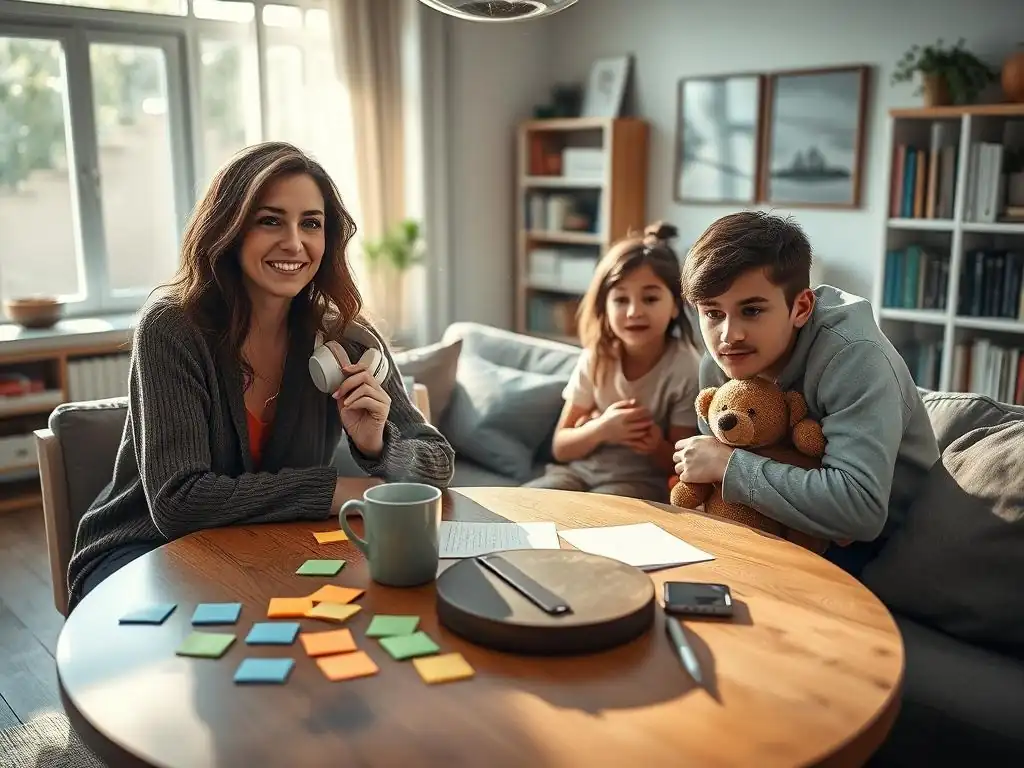
Welcome to Mind Care Guide, a space dedicated to nurturing your mental well-being.
Navigating family life can be challenging, especially when conflicts arise. Are you feeling overwhelmed by recurring disagreements within your family? You're not alone. Discover practical and empathetic Family Conflict Resolution Strategies to foster stronger, healthier relationships and create a more peaceful home environment. Let's explore how to build bridges and heal wounds together, starting now.
Supporting Family Mental Health Through Effective Conflict Resolution
- Understanding the Link Between Family Conflicts and Mental Well-being
- Key Family Conflict Resolution Strategies for Improved Mental Health
- Practical Tips for Implementing Family Conflict Resolution Strategies
- Specific Family Conflict Scenarios and Resolution Techniques
- Building a Conflict-Resilient Family: Long-Term Strategies
- Resources for Family Conflict Resolution and Mental Health Support
- The Benefits of Effective Family Conflict Resolution: A Summary
-
Frequently Asked Questions
- How does unresolved family conflict impact mental well-being?
- What are some immediate steps families can take to de-escalate arguments?
- What are "Family Conflict Resolution Strategies" and how are they helpful?
- When should a family consider seeking professional help for conflict resolution?
- How can improved communication contribute to better family mental health?
- Final Reflection: Weaving a Tapestry of Peace in Family Life
- Ignite Your Family's Harmony: Take the Next Step
Understanding the Link Between Family Conflicts and Mental Well-being
The Impact of Unresolved Family Disagreements on Mental Health
Chronic, unresolved family conflict can cast a long shadow over the mental health of everyone involved. Constant tension, arguments, or silent resentments create a stressful home environment, which is a significant risk factor for developing mental health challenges. Children exposed to frequent parental conflict, for example, are more likely to experience anxiety, depression, behavioral problems, and difficulty forming healthy relationships later in life. Adults in high-conflict family systems often report elevated levels of stress hormones like cortisol, contributing to physical health issues as well as psychological distress.
Studies consistently show a correlation between family dysfunction, often stemming from poor handling of disagreements, and increased rates of mood disorders and substance abuse. For instance, research suggests that individuals growing up in homes with high conflict may have a risk of depression that is significantly higher than those from more harmonious environments.
The emotional toll of feeling unheard, misunderstood, or constantly on edge within one's own family can erode self-esteem and create feelings of isolation, even when surrounded by loved ones. Implementing effective family conflict resolution strategies is therefore not just about stopping arguments, but about preserving psychological health.
The signs that family conflict is negatively impacting mental health can manifest in various ways, differing based on age and individual coping mechanisms. In children, these might include increased irritability, changes in sleep or eating patterns, difficulty concentrating in school, withdrawal from social activities, or physical complaints like headaches or stomach aches without medical cause. Teenagers might exhibit rebellious behavior, academic decline, increased risk-taking, or express feelings of hopelessness or excessive worry.
Adults experiencing stress and anxiety from family disputes might notice persistent fatigue, difficulty sleeping, muscle tension, or digestive issues. Psychologically, they may experience constant worrying, feeling overwhelmed, irritability, difficulty making decisions, or a sense of dread when anticipating family interactions. Recognizing these indicators is a crucial first step. It signals that the current methods of dealing with disagreements are insufficient and that exploring robust family conflict resolution strategies is essential to alleviate distress and protect mental well-being.
Why Family Conflict Resolution Strategies are Crucial for a Healthy Home
A healthy home environment is one where individuals feel safe, supported, and valued. Conflict is a natural part of any close relationship, but how conflict is handled determines whether it strengthens or weakens family bonds. Without effective family conflict resolution strategies, minor disagreements can escalate into major blowouts, leading to emotional wounds and lasting damage to relationships. This constant state of friction prevents the home from being a sanctuary and instead turns it into a source of stress.
Implementing constructive strategies allows families to navigate disagreements respectfully, understand different viewpoints, and find mutually acceptable solutions. This process builds resilience, improves communication, and fosters empathy among family members. Teaching and practicing these skills creates a positive feedback loop: resolving conflicts well reduces stress, which improves mental health, which in turn makes individuals better equipped to handle future conflicts constructively. It's an investment in the emotional health and stability of the entire family unit.
Key Family Conflict Resolution Strategies for Improved Mental Health
Active Listening: A Foundation for Resolving Family Disputes
Active listening is perhaps the most fundamental of all family conflict resolution strategies. It goes beyond simply hearing words; it involves fully concentrating on, understanding, responding to, and remembering what is being said. In a conflict, this means giving the other person your undivided attention, making eye contact, nodding to show understanding, and refraining from interrupting or formulating your rebuttal while they are speaking. It requires setting aside your own immediate reactions to truly grasp the other person's perspective and feelings.
Practicing active listening helps de-escalate tense situations because the speaker feels heard and validated, reducing defensiveness. You can demonstrate active listening by summarizing or paraphrasing what you've heard ("So, if I understand correctly, you're feeling frustrated because..."), asking clarifying questions ("Could you tell me more about...? "), and acknowledging their emotions ("It sounds like you're feeling really upset about this"). This approach shifts the dynamic from a battleground to a space for mutual understanding, laying essential groundwork for effective family conflict resolution.
Empathy and Understanding: Seeing Conflicts from Different Perspectives
Empathy is the ability to understand and share the feelings of another. In the context of family conflict resolution strategies, it means trying to see the situation from the other person's point of view, even if you don't agree with it. This involves acknowledging their feelings, motivations, and experiences, recognizing that their reality might be different from yours. For example, a teenager's defiance might stem from a need for independence and control, while a parent's strictness might come from a place of worry and concern for their safety.
Cultivating empathy requires stepping outside of your own emotional reaction and genuinely trying to connect with the other person's internal experience. This doesn't mean condoning hurtful behavior, but rather understanding the underlying reasons for it. When family members feel understood, even in disagreement, it fosters a sense of connection and reduces feelings of isolation. This shared understanding is a powerful tool among family conflict resolution strategies, melting away defensiveness and opening pathways for compromise and healing.
Clear and Respectful Communication: Expressing Needs and Boundaries
Clear and respectful communication is vital for navigating family conflicts effectively. This involves expressing your own thoughts, feelings, and needs honestly and directly, while simultaneously respecting the other person's right to do the same. Using "I" statements ("I feel frustrated when...", "I need us to...") is a key technique, as it focuses on your own experience rather than placing blame ("You always...", "You make me feel..."). This reduces defensiveness and keeps the conversation focused on the issue at hand.
Setting and communicating healthy boundaries is also a crucial aspect of respectful communication and effective family conflict resolution strategies. Boundaries define what is acceptable and unacceptable behavior within the relationship. Clearly stating your boundaries – for example, "I need to take a 10-minute break if the conversation becomes too heated" or "I am not available to discuss this after 9 PM" – helps manage interactions and prevents conflicts from becoming overwhelming or abusive. Respecting these boundaries, both your own and others', is fundamental to maintaining healthy relationships and fostering mental well-being.
Collaborative Problem-Solving: Finding Solutions that Work for Everyone
Collaborative problem-solving is a family conflict resolution strategy focused on finding solutions that meet the needs of all parties involved, rather than one person winning and another losing. This approach views conflict as a shared problem to be solved together. The process typically involves several steps: defining the problem clearly from everyone's perspective, brainstorming potential solutions without judgment, evaluating the pros and cons of each option, and finally, choosing a solution that everyone can agree to implement.
For example, a conflict over household chores could be resolved collaboratively by listing all necessary chores, having each family member identify tasks they prefer or are willing to do, and then creating a schedule that distributes the work fairly, perhaps rotating tasks periodically. This contrasts with one person dictating chores or simply complaining about imbalances. Collaborative problem-solving empowers all family members, fostering a sense of ownership over the solution and increasing the likelihood that it will be followed. It transforms conflict from a source of division into an opportunity for teamwork and mutual support.
Practical Tips for Implementing Family Conflict Resolution Strategies

Establishing Ground Rules for Family Discussions
Setting clear ground rules is a foundational step for implementing effective family conflict resolution strategies. These rules create a safe and predictable environment for addressing difficult topics. Families can collaboratively decide on rules such as "One person speaks at a time without interruption," "No yelling or name-calling," "Stay on topic," "Listen respectfully, even if you disagree," and "Take a break if anyone becomes overwhelmed." Writing these rules down and posting them visibly can serve as a helpful reminder during heated moments.
Agreeing on these rules beforehand, when emotions are calm, makes it easier to adhere to them when conflict arises. For instance, if a rule is "Take a break when needed," any family member can call for a pause without feeling guilty or like they are abandoning the discussion. These ground rules are not meant to stifle expression but to ensure that communication remains respectful and constructive, making it possible to actually engage in productive family conflict resolution strategies.
Scheduling Regular Family Meetings for Open Communication
Regular family meetings provide a dedicated time and space for open communication, proactive problem-solving, and practicing family conflict resolution strategies in a lower-stakes environment. These meetings don't have to be long or overly formal, perhaps just 20-30 minutes weekly. The agenda can include positive check-ins, discussing upcoming schedules or events, addressing minor issues before they escalate, and providing a platform for anyone to bring up concerns in a structured way.
Consistent meetings help normalize discussing challenges and practicing communication skills. They offer opportunities to give positive feedback, appreciate contributions, and reinforce family values. By addressing potential conflicts early and in a calm setting, families can prevent smaller issues from festering into major blow-ups. This proactive approach to communication is a powerful component of effective family conflict resolution strategies and contributes significantly to a harmonious home.
Identifying and Addressing Underlying Issues in Family Conflicts
Many family conflicts are not just about the surface-level disagreement but are symptoms of deeper, underlying issues. For example, arguments about chores might actually be about feeling unappreciated or an unequal distribution of labor. Conflicts over finances could mask deeper anxieties about security, control, or differing values. Effective family conflict resolution strategies require peeling back the layers to understand the root cause.
Addressing underlying issues involves open and honest conversations about feelings, needs, and expectations. It may require exploring family history, roles, and dynamics. This process can be challenging and may uncover painful truths, but it is essential for lasting resolution. Focusing only on the surface problem provides temporary fixes, whereas understanding the root allows families to implement solutions that address the core issues, leading to more sustainable peace and improved mental well-being.
Seeking Professional Guidance: When to Consider Family Therapy
Sometimes, despite best efforts to implement family conflict resolution strategies, conflicts remain persistent, intense, or damaging. This is a clear sign that professional help may be needed. Family therapy, conducted by a licensed therapist specializing in family systems, provides a safe and neutral space to explore complex dynamics, improve communication skills, and develop effective ways of resolving disagreements.
A family therapist can help identify unhealthy patterns, teach specific communication techniques, and guide the family through difficult conversations. They can offer objective insights and facilitate dialogue in a way that is often impossible for families to achieve on their own. Seeking therapy is not a sign of failure but a proactive step towards healing and strengthening family bonds. It is a powerful resource for families struggling with chronic conflict, behavioral issues, mental health challenges impacting the family, or significant life transitions that are causing friction.
Specific Family Conflict Scenarios and Resolution Techniques
Resolving Sibling Rivalry and Promoting Cooperation
Sibling rivalry is a common source of conflict in families, often stemming from competition for parental attention, resources, or perceived fairness. Resolution techniques involve parents acting as mediators rather than judges, encouraging children to express their feelings using "I" statements, and helping them brainstorm solutions together. For example, instead of deciding who gets to play with a toy first, guide siblings to negotiate a time-sharing schedule.
Promoting cooperation over competition is key. This can be done by creating shared goals that require teamwork, highlighting each child's unique strengths, and ensuring each child feels individually loved and valued, reducing the need to compete for attention. Teaching empathy by having children articulate how their actions affect their sibling ("How do you think [sibling's name] felt when you took that?") and practicing sharing and compromise are vital family conflict resolution strategies in this context.
Parent-child conflicts often arise from differing expectations, needs for independence, or disagreements over rules and boundaries. Navigating these conflicts requires a shift towards fostering mutual respect. For parents, this means validating the child's feelings and perspective, even while upholding necessary rules. For children (especially teens), it involves learning to express needs respectfully and understand the reasons behind parental guidelines.
Effective strategies include collaborative rule-setting where appropriate (e.g., agreeing on curfew times or phone usage limits together), explaining the 'why' behind rules instead of simply dictating them, and using active listening when a child expresses frustration or disagreement. When conflict occurs, focusing on the behavior rather than attacking the child's character is crucial. For example, "I'm frustrated that the dishes weren't done as agreed" is more effective than "You're so lazy and never help." These approaches build trust and make challenging conversations part of healthy family conflict resolution strategies.
Addressing Conflict Between Spouses or Partners: Strengthening the Relationship
Conflict between spouses or partners can significantly impact the entire family system. Healthy resolution strategies are essential not only for the couple's well-being but also for creating a stable environment for children. Techniques include scheduling dedicated time to discuss issues without distractions, practicing active listening and empathy towards each other's feelings, and focusing on the problem as a team against it, rather than partners against each other.
Using "I" statements, avoiding blame, and taking breaks when conversations become too intense are vital. Collaborative problem-solving to find solutions that meet both partners' needs strengthens the relationship. Couples therapy is a highly effective resource for addressing entrenched patterns of conflict, improving communication, and rebuilding connection. Prioritizing the couple's ability to use effective family conflict resolution strategies sets a powerful example for their children and forms the core of a resilient family unit.
Conflicts over finances and household responsibilities are among the most common sources of family tension. Resolving these requires transparency, clear agreements, and shared responsibility. For finances, establishing a shared budget, discussing spending habits openly, and making financial decisions together can prevent misunderstandings. For example, agreeing on a spending limit for non-essential purchases before they are made can preempt arguments.
Regarding household tasks, creating a visible chore chart or schedule, clearly defining who is responsible for what, and regularly reviewing and adjusting the division of labor can minimize resentment. Holding family meetings to discuss fairness and willingness to contribute helps. These practical family conflict resolution strategies turn potential battlegrounds into areas for cooperation and shared management, reducing stress and fostering a sense of teamwork.
Building a Conflict-Resilient Family: Long-Term Strategies

Fostering a Culture of Open Communication and Support
Building a conflict-resilient family is a long-term process that begins with cultivating a culture where open communication and mutual support are the norms. This means creating an environment where every family member feels safe to express their thoughts, feelings, and concerns without fear of judgment or reprisal. It involves actively listening to one another, validating emotions, and showing empathy consistently, not just during times of conflict.
A supportive culture also means celebrating successes together, offering comfort during difficult times, and regularly expressing appreciation for one another. It’s about building a strong foundation of trust and connection that can withstand the inevitable bumps in the road. When family members feel deeply connected and supported, they are better equipped to approach disagreements with a cooperative mindset, making the application of formal family conflict resolution strategies more effective and natural.
Teaching Children Conflict Resolution Skills from a Young Age
Teaching children effective conflict resolution skills from an early age is one of the most impactful long-term strategies for building a resilient family. Children learn by observing and participating. Parents can model healthy ways of handling disagreements with their partner and other family members. They can also directly teach skills like identifying feelings, expressing needs using "I" statements, listening to others, brainstorming solutions, and compromising.
Role-playing conflict scenarios, reading books about feelings and problem-solving, and guiding children through their own disputes with siblings or friends are practical ways to build these skills. For example, helping young children negotiate sharing a toy by suggesting taking turns or finding another activity teaches them basic compromise. As children grow, these foundational skills evolve into more sophisticated abilities to navigate complex social interactions and contribute positively to family dynamics, making family conflict resolution strategies second nature.
Practicing Forgiveness and Letting Go of Resentment
Forgiveness is a powerful, albeit sometimes challenging, component of long-term family conflict resolution strategies. Holding onto resentment over past disagreements or hurts can poison relationships and make it difficult to move forward constructively. Forgiveness doesn't necessarily mean forgetting or condoning the hurtful behavior, but rather choosing to release the anger and bitterness associated with it, allowing for emotional healing.
Practicing forgiveness within a family context can involve acknowledging the hurt, expressing remorse (if you were the one who caused hurt), and making a conscious decision to let go of the need for retribution or continued anger. This process may take time and effort, but it is essential for preventing old wounds from resurfacing during new conflicts. Letting go of resentment frees up emotional energy and allows family members to interact with more openness and less baggage, strengthening their ability to engage in healthy family conflict resolution.
Maintaining Healthy Boundaries and Individual Well-being within the Family
While fostering connection is crucial, maintaining healthy boundaries and prioritizing individual well-being are equally important for a conflict-resilient family. Boundaries protect personal space, time, energy, and emotional health. They prevent enmeshment, where individuals lose their sense of self within the family unit, and reduce the likelihood of burnout from constant demands or unresolved tensions. Examples include having personal time or space, limiting discussions of sensitive topics during certain hours, or choosing not to participate in interactions that are consistently toxic.
Encouraging and supporting each family member's individual pursuits, friendships, and self-care activities also contributes to overall family health. When individuals are emotionally healthy and have a strong sense of self, they are less likely to rely solely on the family for validation and are better equipped to handle disagreements constructively. Prioritizing individual well-being alongside collective harmony is a key element in ensuring that family conflict resolution strategies are effective and sustainable.
Resources for Family Conflict Resolution and Mental Health Support
Online Resources and Support Groups for Families
Numerous online resources offer valuable information and support for families seeking to improve communication and conflict resolution skills. Websites of reputable mental health organizations, parenting sites, and family counseling centers often provide articles, tip sheets, and guides on effective family conflict resolution strategies. Online support groups or forums can also offer a sense of community and shared experience for families facing similar challenges, though it's important to vet the quality and reliability of such groups.
While online resources cannot replace professional therapy, they can provide accessible starting points for learning basic techniques and gaining perspective. Many offer free resources on topics such as active listening, anger management within the family, and navigating common family disputes. Exploring these resources can be a proactive step for families looking to build stronger relationships and enhance their mental well-being through better handling of disagreements.
Books and Articles on Effective Communication and Conflict Resolution
A wealth of literature exists on the topics of effective communication, family dynamics, and conflict resolution. Reading books and articles written by psychologists, therapists, and communication experts can provide in-depth knowledge and practical tools. Topics covered often include understanding different communication styles, techniques for de-escalation, strategies for setting boundaries, and methods for collaborative problem-solving tailored to family contexts.
Look for titles that focus specifically on family relationships or communication within close bonds. Many popular books offer step-by-step guides and exercises that families can practice together. For example, some resources detail specific family conflict resolution strategies for dealing with particular age groups or common family structures. Engaging with this material can equip family members with a shared language and a toolkit of techniques to apply when disagreements arise.
Mental Health Professionals Specializing in Family Therapy
For families facing significant, persistent, or damaging conflicts, seeking help from mental health professionals specializing in family therapy is a crucial resource. These licensed therapists have specific training in family systems and dynamics. They can help identify complex underlying issues, mediate difficult conversations, and teach advanced family conflict resolution strategies tailored to the family's unique situation.
Finding a qualified family therapist often involves consulting with your primary care physician, looking through directories of professional psychological associations, or seeking recommendations from trusted sources. Therapy provides a confidential and structured environment to address sensitive issues like communication breakdowns, trust issues, behavioral problems, or the impact of external stressors on family relationships. Investing in family therapy is an investment in the long-term health and resilience of the family unit and the mental well-being of its members.
The Benefits of Effective Family Conflict Resolution: A Summary
Improved Family Relationships and Communication
One of the most immediate and significant benefits of implementing effective family conflict resolution strategies is a marked improvement in family relationships and overall communication. When disagreements are handled respectfully and constructively, family members feel heard, valued, and understood. This fosters trust and strengthens emotional bonds. Communication becomes more open, honest, and less guarded, as individuals feel safer expressing themselves knowing conflicts can be navigated positively.
Reduced yelling, blaming, and withdrawal lead to more positive interactions and a greater sense of connection. Family members are more likely to confide in each other and rely on one another for support when they know that disagreements won't necessarily lead to lasting damage. This enhanced connection is a cornerstone of a healthy and thriving family unit.
Reduced Stress and Anxiety for All Family Members
Chronic family conflict is a major source of stress and anxiety. Successfully applying family conflict resolution strategies directly reduces this burden. When conflicts are resolved rather than left to fester, the constant tension and uncertainty dissipate. This leads to a calmer home environment, which in turn lowers stress levels for everyone.
Children in homes where conflict is managed well experience less anxiety and feel more secure. Adults report reduced feelings of being overwhelmed, less worry about impending arguments, and better sleep. The physical and emotional toll of living in a high-conflict environment is significantly lessened, allowing family members to relax and feel more at ease in their own home.
Enhanced Mental and Emotional Well-being
The cumulative effect of improved relationships and reduced stress is a significant enhancement in the mental and emotional well-being of all family members. A home environment characterized by respect, understanding, and effective handling of disagreements provides a strong foundation for good mental health. Individuals are less prone to developing anxiety, depression, and other stress-related conditions.
Feeling connected, supported, and capable of navigating challenges within the family boosts self-esteem and resilience. It teaches valuable coping skills that extend beyond the family unit. Effective family conflict resolution contributes to a positive self-image and the capacity to form healthy relationships throughout life.
Creating a More Harmonious and Supportive Home Environment
Ultimately, the goal of implementing family conflict resolution strategies is to create a more harmonious and supportive home environment. This is a space where love, respect, and understanding are paramount, and where conflict is seen as an opportunity for growth rather than a threat to stability. It is a place where family members feel safe to be themselves, make mistakes, and rely on one another.
In a harmonious home, support flows freely, and challenges are faced together as a team. This kind of environment nurtures the emotional growth and well-being of every person within it, providing a secure base from which individuals can thrive in the wider world. It is the ultimate reward for the effort invested in learning and applying effective strategies for resolving family conflict.
Frequently Asked Questions
How does unresolved family conflict impact mental well-being?
Unresolved conflict can significantly increase stress and anxiety within family members. This ongoing tension can contribute to feelings of isolation and depression, negatively impacting overall mental health.
What are some immediate steps families can take to de-escalate arguments?
Taking a "time-out" to cool down is crucial. Practicing active listening to understand each other's perspectives can also de-escalate heated situations.
What are "Family Conflict Resolution Strategies" and how are they helpful?
They are methods for families to manage disagreements constructively. These strategies help improve communication, promote understanding, and build stronger, healthier relationships.
When should a family consider seeking professional help for conflict resolution?
If conflicts are frequent, intense, and resistant to family efforts, professional help is advisable. A therapist can provide unbiased guidance and teach effective communication skills.
How can improved communication contribute to better family mental health?
Open and honest communication fosters trust and understanding. When family members feel heard and respected, it leads to a more supportive and mentally healthy environment.
Final Reflection: Weaving a Tapestry of Peace in Family Life
The ability to navigate conflict constructively is not merely a skill; it's the bedrock of strong, healthy family relationships. In a world increasingly characterized by stress and uncertainty, the strategies outlined in this article—from active listening to empathetic communication—are more vital than ever. The ripple effect of unresolved family conflict extends far beyond the immediate family unit, impacting individual well-being, community stability, and even societal progress.
The journey towards effective family conflict resolution is a deeply personal one, requiring both self-awareness and a commitment to growth. It's a process of learning to understand not just our own emotional responses, but also the perspectives and needs of our loved ones. This understanding fosters empathy and compassion, paving the way for more meaningful connections. As the saying goes, The most important thing in communication is hearing what isn't said.
This holds particularly true within families, where unspoken tensions and unmet needs often fuel conflict. Understanding these unspoken elements is crucial to building bridges and fostering lasting peace.
You now hold the tools to cultivate a more harmonious family environment. Consider the conflicts you've faced, both past and present. Reflect on the communication styles you've employed and the impact they've had. Then, choose one strategy from this article—perhaps active listening or collaborative problem-solving—and consciously incorporate it into your next family interaction. The journey towards peaceful conflict resolution is ongoing, but with dedication and practice, you can weave a tapestry of peace within your family, enriching your lives and strengthening your bonds for years to come.
Ignite Your Family's Harmony: Take the Next Step
Thanks for investing your time in learning about effective conflict resolution for stronger family mental health. We hope you found practical strategies to build a more supportive and understanding home environment. Now, let's put that knowledge into action!
- Prioritize one small conflict resolution technique from the article to implement this week. Even a small change can make a big difference.
- Share this article with a family member or friend who might benefit from these strategies. Let's build a supportive community together!
- Consider journaling your experience – what worked, what didn't, and what you'll try next. This personal reflection can be incredibly insightful.
What's one small step you can take today to improve communication and reduce conflict within your family?