
How to Use Mindfulness to Respond, Not React, to Stress

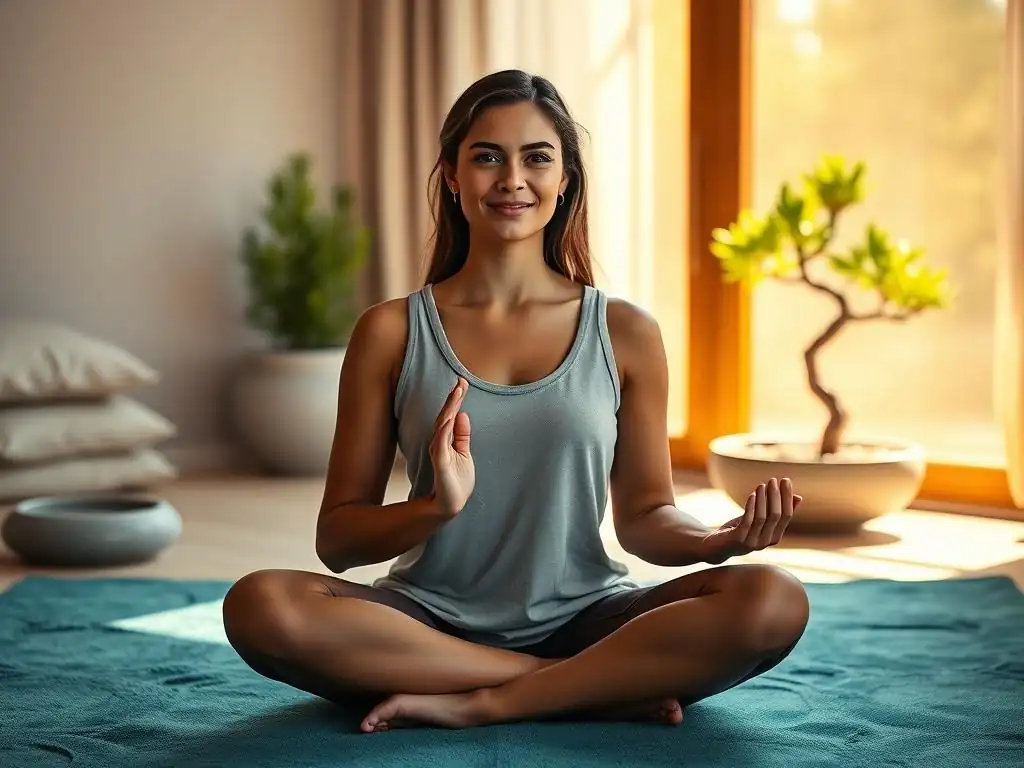
Welcome to Mind Care Guide, a sanctuary for your mental well-being.
Feeling overwhelmed by stress? You're not alone. We understand how easily stress can hijack our peace of mind. But what if you could shift from reactive chaos to mindful calm? Discover how mindfulness can reduce your stress response and empower you to navigate challenges with greater clarity and resilience. Explore our guide to unlock the transformative power of presence and reclaim your inner peace.
How to Use Mindfulness to Respond, Not React, to Stress
- Understanding the Stress Response and Its Impact
- Mindfulness: A Powerful Tool for Stress Reduction
- Mindfulness Techniques to Reduce Stress Response
- Shifting from Reaction to Response: A Mindful Approach
- Practical Application: Mindfulness in Everyday Stressful Situations
- Building a Sustainable Mindfulness Practice
- The Long-Term Benefits of Mindful Stress Management
-
Frequently Asked Questions
- How does mindfulness help reduce the stress response?
- What are some practical mindfulness techniques I can use daily?
- Is mindfulness a quick fix for stress, or does it require consistent practice?
- Can anyone practice mindfulness, even if they have a busy schedule?
- What are the potential benefits of using mindfulness to manage stress, beyond just feeling calmer?
- Final Reflection: Finding Peace in the Storm of Stress
- Unlock Your Inner Calm: Take Control of Your Stress Response
Understanding the Stress Response and Its Impact
The Physiology of Reacting to Stress: Fight, Flight, or Freeze
When faced with a perceived threat, whether it's a looming deadline or a sudden loud noise, your body activates an ancient survival mechanism known as the fight-or-flight response. This cascade begins in the amygdala, the brain's alarm center, which signals the hypothalamus. The hypothalamus then communicates with the rest of the body through the sympathetic nervous system, triggering the release of hormones like adrenaline and cortisol.
Within moments, heart rate increases, breathing quickens, muscles tense, and digestion slows down – all preparing you to either confront the threat (fight) or escape it (flight). In some cases, the body may also freeze, becoming immobilized, which can be another survival strategy.
This physiological reaction, while essential for immediate danger, can become problematic when triggered by non-life-threatening stressors common in modern life, such as traffic jams or difficult conversations. The sustained release of stress hormones keeps the body in a state of high alert, diverting energy from essential functions and contributing to wear and tear on systems. For instance, prolonged cortisol exposure can suppress the immune system, elevate blood sugar, and disrupt sleep patterns. Understanding this automatic, often unconscious reaction is the first step towards learning how mindfulness can help reduce stress response and its physical toll.
Recognizing Your Personal Stress Triggers and Patterns
Identifying what specifically activates your stress response is crucial for effective stress management. Triggers can be external, like a demanding boss, financial worries, or noisy environments, or internal, such as perfectionism, negative self-talk, or unrealistic expectations. Paying attention to when and how your body and mind react is key. Do you clench your jaw during meetings? Does your stomach tighten when you think about your to-do list? Do you become irritable after checking emails? These are valuable clues.
Over time, many people develop habitual patterns of reacting to stress. For example, someone might consistently respond to feeling overwhelmed by procrastinating, snapping at others, or withdrawing socially. These patterns often become automatic, making it difficult to choose a different behavior. Observing these recurring reactions without judgment, perhaps noting them in a journal, can illuminate the connections between specific triggers and your typical responses. This self-awareness is foundational for learning how mindfulness reduce stress response by creating space for conscious choice.
How Unmanaged Stress Affects Mental and Physical Health
Chronic, unmanaged stress has profound and far-reaching effects on both mental and physical well-being. Mentally, it contributes significantly to conditions like anxiety, depression, irritability, difficulty concentrating, and memory problems. For example, studies suggest that prolonged stress can actually alter brain structure, particularly impacting areas involved in emotional regulation and cognitive function. It can also exacerbate existing mental health challenges.
Physically, the consequences are equally serious. Unmanaged stress is linked to a wide range of health issues, including cardiovascular problems (like high blood pressure and heart disease), digestive disorders (such as IBS), headaches, muscle tension, weakened immune function, and sleep disturbances. The constant state of alert wears down the body's systems. For instance, the American Institute of Stress reports that a significant percentage of doctor visits are for stress-related ailments. Learning how mindfulness reduce stress response is therefore not just about feeling better emotionally, but also about protecting your long-term physical health.
Mindfulness: A Powerful Tool for Stress Reduction
What is Mindfulness? A Definition
Mindfulness can be defined as paying deliberate attention, in the present moment, without judgment. It's about cultivating an awareness of your thoughts, feelings, bodily sensations, and the surrounding environment as they arise, without getting carried away by them or labeling them as "good" or "bad."
It's not about emptying your mind or achieving a state of bliss; rather, it's about developing a non-reactive awareness of whatever is happening right now. Think of it as learning to observe the contents of your mind and body like watching clouds drift across the sky – they are there, but you don't have to cling to them or try to change them.
At its core, mindfulness is a practice of being rather than doing. It encourages you to step out of autopilot mode and engage fully with your current experience. This practice can be formal, through meditation, or informal, by bringing mindful awareness to everyday activities like eating, walking, or listening. The intention is to cultivate a gentle, curious attention that allows you to see things more clearly and respond more skillfully, which is central to how mindfulness reduce stress response.
The Science Behind Mindfulness and Stress Relief
Research into the effects of mindfulness has exploded over the past few decades, providing robust evidence for its ability to alleviate stress. Neuroscientific studies using fMRI scans have shown that regular mindfulness practice can lead to structural and functional changes in the brain. For example, the amygdala, the brain's stress alarm center, has been observed to decrease in size and activity in experienced meditators, suggesting a reduced reactivity to stressors. Simultaneously, areas of the prefrontal cortex, associated with higher-order functions like attention, decision-making, and emotional regulation, tend to become thicker and more active.
Furthermore, mindfulness practice has been shown to influence the body's physiological stress response. Studies have demonstrated reductions in cortisol levels, lower heart rates, and decreased blood pressure among individuals who regularly practice mindfulness. It appears to help regulate the hypothalamic-pituitary-adrenal (HPA) axis, which controls the body's stress hormone release. This body of evidence clearly supports the potential of mindfulness reduce stress response at both neurological and physiological levels.
Benefits of Practicing Mindfulness Regularly
Consistent mindfulness practice yields a wide array of benefits that go beyond just managing stress. One significant advantage is improved emotional regulation; by observing emotions without immediate reaction, you gain the ability to choose how you respond to them rather than being swept away. This enhanced emotional intelligence contributes to better relationships and increased resilience in the face of challenges.
Beyond emotional benefits, regular mindfulness practice is associated with improved focus and attention span, enhanced self-awareness, and greater compassion for oneself and others. Many practitioners report better sleep quality and a reduction in chronic pain. A meta-analysis of multiple studies might show, for example, an average reduction in perceived stress scores by a certain percentage point range among mindfulness practitioners compared to control groups. These cumulative benefits demonstrate the power of making mindfulness reduce stress response a regular part of your life.
Mindfulness Techniques to Reduce Stress Response

Mindful Breathing Exercises for Immediate Stress Relief
Focusing on your breath is one of the most accessible and immediate ways to activate your body's relaxation response and counteract the physiological effects of stress. Deep, conscious breathing signals to your nervous system that you are safe, helping to lower heart rate and blood pressure. Even just a few minutes of mindful breathing can interrupt the stress cycle.
Diaphragmatic Breathing Technique
This technique, also known as belly breathing, involves engaging the diaphragm, a large muscle located at the base of the chest cavity. To practice, find a comfortable position, sitting or lying down. Place one hand on your chest and the other on your belly, just below your rib cage. Inhale slowly and deeply through your nose, feeling your belly rise as you fill your lungs.
Your chest should remain relatively still. Exhale slowly through pursed lips, feeling your belly fall. Aim for slower exhales than inhales, perhaps inhaling for a count of four and exhaling for a count of six. Practicing this for 5-10 minutes can significantly help mindfulness reduce stress response in the moment.
Box Breathing
Box breathing is another simple yet effective technique, particularly useful when feeling overwhelmed or anxious. It involves breathing in a four-count pattern. Sit comfortably. Inhale slowly through your nose for a count of four. Hold your breath for a count of four. Exhale slowly through your mouth for a count of four. Hold your breath again for a count of four. Repeat this cycle for several minutes. The structured counting helps to quiet the racing mind and regulate the nervous system, making it a powerful tool for immediate stress reduction and fostering a mindful state.
Body Scan Meditation for Stress Awareness
The body scan is a formal mindfulness practice that involves systematically bringing attention to different parts of your body, noticing sensations without judgment. This exercise helps you become more aware of where you hold tension, a common physical manifestation of stress, and can help release it. It also anchors your awareness in the present moment, pulling you away from stressful thoughts about the past or future.
How to Perform a Body Scan Meditation
Find a quiet place where you can lie down comfortably, or sit if lying down isn't possible. Close your eyes if comfortable. Begin by bringing your attention to your breath for a few moments. Then, gently shift your awareness to your toes. Notice any sensations there – warmth, coolness, tingling, pressure, or absence of sensation.
Simply observe. Slowly move your attention up through your feet, ankles, calves, knees, and so on, gradually scanning through your entire body, including your torso, arms, hands, neck, and head. If your mind wanders, gently guide it back to the body part you intended to focus on. Spend a few minutes on each major area before moving on.
Benefits of Body Scan for Identifying Tension
Regular body scan practice helps you become intimately familiar with how stress manifests physically in your body. You might discover you consistently hold tension in your shoulders, jaw, or stomach when stressed. By noticing these sensations during the scan, you develop the ability to recognize these subtle cues earlier in your daily life, before the stress becomes overwhelming. This awareness allows you to take proactive steps, such as stretching, deep breathing, or a brief walk, to release the tension and interrupt the stress response cycle. It's a direct way mindfulness reduce stress response by tuning into the body's signals.
Mindful Observation of Thoughts and Emotions
Stress often involves a cascade of negative thoughts and intense emotions. Mindfulness teaches you to observe these internal experiences from a distance, recognizing them as temporary mental events rather than absolute truths or overwhelming realities. This practice helps to де-identify from your thoughts and feelings, reducing their power over you.
Learning to Observe Thoughts Without Judgment
Imagine your mind is like the sky, and your thoughts are like clouds drifting by. Mindfulness encourages you to simply notice the clouds – their shape, size, color – without trying to hold onto them, push them away, or judge them as good or bad. When a stressful thought arises ("I'm going to fail"), acknowledge it ("Ah, there's the thought of failing") without getting entangled in the story. You can mentally label it ("thinking," "worrying") and gently redirect your attention back to your breath or body. This creates a crucial space between the thought and your reaction to it.
Identifying and Challenging Negative Thought Patterns
While mindfulness emphasizes non-judgmental observation, increased awareness of recurring negative thought patterns is a natural outcome. You might notice you repeatedly engage in catastrophic thinking ("If this goes wrong, everything will be ruined") or self-criticism ("I'm not good enough"). Once you can identify these patterns through mindful observation, you gain the ability to gently question their validity or usefulness. Is this thought based on fact or fear?
Is this thought serving me? While not a direct challenge in the cognitive behavioral sense, mindful observation weakens the grip of these patterns by removing the automatic belief and reaction they typically trigger. This process is fundamental to how mindfulness reduce stress response by altering your relationship with your inner dialogue.
Shifting from Reaction to Response: A Mindful Approach
Creating Space Between Trigger and Reaction
The core of using mindfulness reduce stress response lies in inserting a conscious pause between experiencing a stress trigger and automatically reacting. When faced with a stressful situation – perhaps a critical email or a sudden change in plans – the automatic reaction (fight, flight, freeze, or a learned behavioral pattern like snapping) is often instantaneous. Mindfulness helps you notice that initial jolt of stress – the tightening in your chest, the surge of heat, the rush of thoughts – before you act on it. This moment of awareness, however brief, is the space where choice becomes possible.
Think of this space as a tiny gap opening up. Instead of the trigger directly leading to a predetermined reaction, mindfulness allows you to step into that gap. It's in this pause that you can remember you have options beyond your habitual response. This isn't always easy, especially when stress is high, but with practice, that gap widens, offering more opportunity for conscious intervention.
Using Mindfulness to Pause and Assess the Situation
Once you notice the space, even for a second, mindfulness encourages you to pause. Take a conscious breath. This simple act can interrupt the physiological stress cascade. During this pause, you can use your mindful awareness to quickly assess the situation with greater clarity. What is actually happening right now? What am I feeling? What thoughts are arising? This assessment is not about getting lost in analysis but about grounding yourself in the present reality of the situation and your internal state, rather than being swept away by reactive emotions or assumptions.
For example, if a coworker's comment triggers frustration, the reactive response might be to retort sharply. The mindful approach involves noticing the frustration surge, pausing, taking a breath, and assessing: Okay, I feel frustrated. What did they actually say? What's my goal in this interaction? This brief assessment, facilitated by mindfulness, allows you to move towards a more skillful response.
Developing a Mindful Action Plan
After pausing and assessing mindfully, you can then consciously choose a response rather than being dictated by an automatic reaction. This is where you develop a "mindful action plan" – deciding how to proceed based on awareness, values, and the specific context, rather than impulse. The plan might be as simple as taking another deep breath, walking away to cool down, or choosing to communicate calmly and assertively.
The key is that the action is chosen intentionally from a place of greater awareness. It might not always be the "perfect" response, but it is a conscious one, aligned with your intention to handle stress constructively. With continued practice, this three-step process – Notice the trigger -> Pause & Assess Mindfully -> Choose a Mindful Response – becomes more fluid, significantly enhancing your ability to use mindfulness reduce stress response in everyday challenges.
Practical Application: Mindfulness in Everyday Stressful Situations

The workplace is a common source of stress, from tight deadlines to challenging colleagues. Applying mindfulness here can dramatically improve your ability to cope. When faced with a demanding task, instead of feeling overwhelmed, you can practice single-tasking mindfully – focusing your full attention on the current step, rather than letting your mind race ahead to all the steps or potential problems. For example, when writing a report, focus only on the sentence you are typing, then the next, rather than worrying about the entire project timeline.
Navigating difficult interactions also benefits from mindfulness. Before responding to a critical email or entering a tense meeting, take a few mindful breaths. During the interaction, try to listen mindfully, paying full attention to the other person without formulating your rebuttal. Notice your own physiological reactions – tension in your shoulders, jaw clenching – and gently release them. This helps you stay centered and respond more constructively, demonstrating how mindfulness reduce stress response even in high-pressure professional settings.
Mindfulness at Home: Cultivating Calm Amidst Family Life
Home life, while often a source of comfort, can also bring unique stressors, from managing household chores to navigating family dynamics. Mindfulness can transform these experiences. Instead of rushing through dinner preparations while thinking about the next task, try cooking mindfully – paying attention to the smells, textures, and sounds. When interacting with family members, practice mindful listening, giving them your full, undivided attention.
When conflicts or frustrations arise, use the pause-and-assess approach. Notice the impulse to yell or withdraw, take a breath, and consider a more compassionate response. Even mundane tasks like doing laundry or washing dishes can become opportunities for informal mindfulness practice, grounding you in the present moment and reducing the background hum of stress. Integrating mindfulness reduce stress response within the home environment fosters a calmer, more connected atmosphere.
Mindfulness During Commuting
Commuting is frequently cited as a significant daily stressor, whether dealing with traffic, crowded public transport, or delays. This time, often spent in frustration or rushing, can be transformed into a practice opportunity. Instead of fuming in traffic, notice the sensations in your body – the tightness in your grip on the steering wheel, the tension in your shoulders. Gently release it. Pay attention to your breath.
Observe the sounds around you without judgment – the honking, the engine noise. Look at the scenery you're passing without getting lost in thoughts about your destination or what's waiting for you. If you're on public transport, notice the feeling of the seat beneath you or the rhythm of the movement. Even 5-10 minutes of mindful commuting can help you arrive at your destination feeling significantly less stressed than if you had spent the time ruminating on frustrations. This simple application shows how mindfulness reduce stress response in transit.
Building a Sustainable Mindfulness Practice
Integrating Mindfulness into Your Daily Routine
Building a sustainable mindfulness practice is key to experiencing its long-term benefits for stress reduction. It doesn't require hours of meditation each day; even short, consistent bursts are effective. Start small – perhaps 5-10 minutes of mindful breathing or a body scan in the morning before starting your day, or in the evening before bed. Link mindfulness to existing habits, like mindfully brushing your teeth or drinking your morning tea.
Look for "mindful moments" throughout your day. When transitioning between tasks, take three conscious breaths. Before eating, pause for a moment to appreciate your food. Set reminders on your phone to check in with your breath or body a few times a day. Consistency is more important than duration when you're aiming for mindfulness reduce stress response as a lasting skill.
Overcoming Challenges in Mindfulness Practice
It's common to encounter challenges when starting mindfulness. Your mind will wander – that's normal. The practice isn't about not having thoughts, but noticing when your mind has wandered and gently bringing it back. Don't judge yourself for it; each time you notice and return, you're strengthening your mindfulness muscle. Finding the time can also be difficult; start with just 1-2 minutes if that's all you have and gradually increase.
Boredom, restlessness, or even uncomfortable emotions can arise during practice. Approach these experiences with curiosity and acceptance, rather than resistance. If sitting meditation feels too hard initially, try walking meditation or integrating mindfulness into activities you already do. Finding a method and time that works for you is crucial for maintaining consistency and allowing mindfulness reduce stress response over time.
Resources for Continued Mindfulness Learning
To deepen your understanding and practice, numerous resources are available. There are many excellent books on mindfulness and stress reduction, often providing detailed explanations and guided exercises. Mobile apps like Calm, Headspace, or Insight Timer offer guided meditations of varying lengths and themes, suitable for beginners and experienced practitioners alike.
Local mindfulness centers or community groups may offer in-person classes or workshops, providing structure and support. Online courses and retreats are also available, offering more in-depth instruction. Exploring different resources can help you find approaches and teachers that resonate with you, supporting your journey to effectively use mindfulness reduce stress response in your life.
The Long-Term Benefits of Mindful Stress Management
Improved Emotional Regulation and Resilience
One of the most significant long-term benefits of regular mindfulness practice is a marked improvement in emotional regulation. By consistently observing emotions without getting tangled in them, you develop the capacity to experience difficult feelings like anger, sadness, or frustration without being overwhelmed or reacting impulsively. This doesn't mean you stop feeling emotions; rather, you learn to navigate them with greater skill and less suffering.
This enhanced ability to manage your emotional landscape directly contributes to increased resilience – the capacity to bounce back from adversity. When faced with setbacks or challenges, a mindful individual is better equipped to handle the associated stress and emotional turmoil without being derailed. They can acknowledge the difficulty, process their feelings, and adapt more effectively, solidifying how mindfulness reduce stress response and its debilitating effects over time.
Enhanced Self-Awareness and Compassion
Mindfulness cultivates a deeper understanding of yourself – your thoughts, feelings, habits, and physical sensations. This heightened self-awareness allows you to recognize your stress triggers and patterns more quickly and clearly, enabling you to intervene earlier. You become more attuned to your needs and limits, making it easier to set boundaries and prioritize self-care.
Furthermore, the non-judgmental stance inherent in mindfulness naturally extends to developing greater compassion, both for yourself and others. As you learn to accept your own imperfections and difficult experiences without harsh criticism, you become more understanding and empathetic towards the struggles of others. This increased compassion reduces interpersonal stress and fosters more positive relationships, demonstrating the holistic impact of using mindfulness reduce stress response.
A More Balanced and Fulfilling Life Through Mindfulness
Ultimately, integrating mindfulness reduce stress response into your life contributes to a greater sense of balance and fulfillment. By learning to stay present and not be constantly pulled away by worries about the future or regrets about the past, you are more able to appreciate the richness of your current experience. This presence allows you to engage more fully in your activities and relationships.
Reduced chronic stress frees up mental and physical energy, enabling you to pursue goals and interests with greater vitality. The clarity and self-awareness gained through practice support making choices that are more aligned with your values. While life will always present challenges, a mindful approach equips you with the tools to navigate them skillfully, leading to a life that feels more grounded, peaceful, and genuinely fulfilling.
Frequently Asked Questions
How does mindfulness help reduce the stress response?
Mindfulness helps by increasing your awareness of present moment sensations and thoughts. This allows you to observe stress triggers without immediately reacting, creating space for a more thoughtful response.
What are some practical mindfulness techniques I can use daily?
Simple techniques include mindful breathing exercises, focusing on the sensation of your breath. You can also try body scan meditations, paying attention to physical sensations throughout your body.
Is mindfulness a quick fix for stress, or does it require consistent practice?
Mindfulness requires consistent practice to cultivate its benefits. While you might experience immediate relief, the long-term stress reduction comes from regular application.
Can anyone practice mindfulness, even if they have a busy schedule?
Yes, even short periods of mindfulness can be beneficial. Start with 5-10 minutes per day and gradually increase the duration as you become more comfortable and see positive results in your stress management.
What are the potential benefits of using mindfulness to manage stress, beyond just feeling calmer?
Beyond feeling calmer, mindfulness can improve emotional regulation, increase self-awareness, and enhance your overall mental well-being by changing your response to stress.
Final Reflection: Finding Peace in the Storm of Stress
The ability to respond, rather than react, to stress is no longer a luxury; it's a necessity in our fast-paced, hyper-connected world. The techniques of mindfulness, explored throughout this article, offer a powerful antidote to the overwhelming tide of daily pressures. Mastering these practices isn't about eliminating stress entirely—that's unrealistic—but about cultivating a healthier, more resilient relationship with it.
The impact of mindfulness on our cultural landscape is undeniable. We're seeing a growing recognition of the importance of mental well-being, a shift away from solely focusing on productivity and towards a more holistic approach to life. The time to repair the roof is when the sun is shining.
This proverb perfectly encapsulates the proactive nature of mindfulness; it's about building resilience before the storm hits, equipping ourselves with the tools to navigate challenging situations with grace and composure. This isn't just a trend; it's a fundamental shift in how we understand and prioritize our mental health.
You now hold the key to unlocking a calmer, more centered you. Take a moment to reflect on the practices discussed: deep breathing, mindful movement, and the power of present moment awareness. Integrate these techniques into your daily routine, even if it's just for five minutes a day. Start small, be consistent, and watch as your ability to respond to stress with clarity and compassion grows. The journey to inner peace begins with a single, mindful breath.
Unlock Your Inner Calm: Take Control of Your Stress Response
Thanks for taking the time to explore the power of mindfulness in managing stress! We hope you gained valuable insights into how to shift from reactive to responsive behavior. Now it's time to put your newfound knowledge into practice.
- Start a daily mindfulness practice: Even 5 minutes a day can make a significant difference. Try focusing on your breath or a guided meditation. This is your key to long-term stress management.
- Share this article with someone who could benefit: Help spread the word about the transformative power of mindfulness.
- Explore different mindfulness techniques: Experiment with mindful walking, body scans, or journaling to find what resonates best with you.
What small step will you take today to cultivate more calmness and presence in your life?