
Your Brain on Vitamins: What Science Says About Nutrition and Depression

Welcome to Mind Care Guide, a safe space to explore your mental well-being.
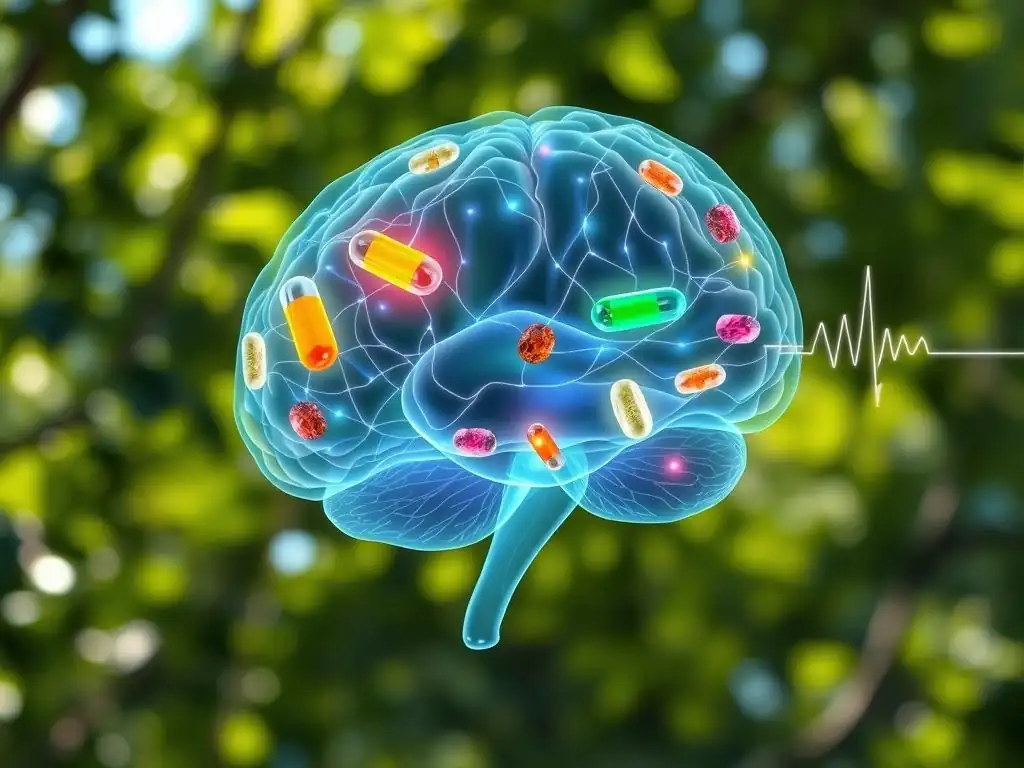
Feeling overwhelmed by the shadow of depression? You're not alone. We understand the complexities of mental health and the desire for effective solutions. Let's delve into a fascinating connection: the impact of nutrition on your brain.
Our main article, " Your Brain on Vitamins: What Science Says About Nutrition and Depression," explores the promising link between vitamins, depression, and brain health. Could the key to a brighter mood be hidden within the nutrients you consume? Discover the science-backed insights and begin your journey towards a healthier, happier you. Read on to unlock the potential of nutrition for a more resilient mind.
Your Brain on Vitamins: What Science Says About Nutrition and Depression
- Understanding the Link Between Vitamins, Depression, and Brain Health
- The Science Behind Vitamins for Depression: Evidence-Based Approaches
- Targeted Vitamin Solutions for Specific Depression Symptoms
- Choosing the Right Vitamins for Your Brain Health: A Buyer's Guide
- Real-Life Examples: Vitamin Success Stories for Depression
- Debunking Vitamin Myths and Setting Realistic Expectations
- Complementary Strategies for Enhanced Mental Well-being
- Resources for Finding Mental Health Support
-
Frequently Asked Questions
- What role can vitamins play in managing depression symptoms?
- How does vitamin deficiency impact brain health and mental well-being?
- Can taking vitamins alone cure depression?
- Which specific vitamins are most commonly linked to improved mood and brain health?
- Where can I find reliable information and support related to vitamins, depression, and brain health?
- Final Reflection: Nourishing the Mind, Nurturing the Soul
- Unlock Your Brain's Potential: Boost Your Mood Naturally
Understanding the Link Between Vitamins, Depression, and Brain Health
The Vital Role of Nutrition in Mental Well-being
Our mental state is intricately linked to our physical health, and nutrition plays a foundational role in this connection. The brain, a metabolically demanding organ, relies heavily on a consistent supply of essential nutrients to function optimally. Vitamins, minerals, and fatty acids are not merely passive components; they are active participants in neurotransmitter synthesis, energy production, nerve signaling, and the protection of brain cells from damage. A balanced diet rich in these micronutrients provides the building blocks necessary for healthy brain structure and function, directly influencing mood, cognitive performance, and resilience to stress.
Research underscores this vital link, showing that dietary patterns significantly correlate with mental health outcomes. For instance, diets high in processed foods, sugar, and unhealthy fats have been associated with an increased risk of depression and anxiety. Conversely, diets rich in fruits, vegetables, whole grains, lean proteins, and healthy fats—often described as Mediterranean-style or traditional diets—are consistently linked to a lower incidence of mental health disorders. This suggests that focusing on nutrient-dense foods is a crucial step in supporting overall brain health and potentially mitigating the risk or severity of conditions like depression.
How Vitamin Deficiencies Impact Brain Function and Mood
When the body lacks sufficient amounts of essential vitamins, the brain's complex processes can be disrupted, leading to a cascade of negative effects on mood and cognitive function. Vitamins act as cofactors for enzymes involved in critical pathways, such as the production of neurotransmitters like serotonin, dopamine, and norepinephrine, which are key regulators of mood, motivation, and pleasure. Deficiencies can impair the synthesis, release, or metabolism of these crucial brain chemicals, potentially contributing to feelings of sadness, hopelessness, and lack of interest that characterize depression.
Furthermore, certain vitamins are vital for maintaining the structural integrity of neurons and the myelin sheath that insulates nerve fibers, ensuring efficient communication within the brain. They also play roles in reducing inflammation and oxidative stress, processes implicated in the pathology of depression. A deficiency can compromise these protective mechanisms, making brain cells more vulnerable to damage and dysfunction.
This impairment in brain function, often subtle initially, can manifest as fatigue, poor concentration, irritability, and eventually, more pronounced symptoms of depression. Understanding these connections highlights why addressing vitamin deficiencies is a relevant part of supporting brain health, especially for individuals experiencing symptoms of depression.
Common Vitamin Deficiencies Linked to Depression
Several specific vitamin deficiencies have been frequently observed in individuals experiencing depressive symptoms. These include:
- Vitamin D: Often called the "sunshine vitamin," low levels are highly prevalent globally. Studies suggest that individuals with depression are significantly more likely to have deficient or insufficient Vitamin D levels compared to non-depressed individuals, with some research indicating deficiency rates potentially exceeding 50% in clinical populations.
- B Vitamins (especially B12 and Folate): These vitamins are crucial for neurotransmitter synthesis and DNA methylation, a process vital for brain health. Deficiency in B12 is relatively common, particularly among older adults and vegetarians/vegans, potentially affecting up to 15-20% of certain populations. Folate deficiency is also linked to depression, with some studies showing lower folate levels in depressed patients compared to controls.
- Other Potential Links: While research is ongoing, deficiencies or suboptimal levels of other nutrients like Magnesium, Zinc, and Omega-3 fatty acids are also being explored for their potential links to mood disorders, though the evidence for these is sometimes less direct or requires further confirmation compared to Vitamin D and B vitamins regarding depression specifically.
The Science Behind Vitamins for Depression: Evidence-Based Approaches
Vitamin D and Depression: Exploring the Sunshine Vitamin's Impact
Vitamin D receptors are present in areas of the brain known to be involved in mood regulation, including the hypothalamus, prefrontal cortex, and hippocampus. This suggests a direct role for Vitamin D in brain function beyond its well-known effects on bone health. Scientists hypothesize that Vitamin D influences the production and activity of neurotransmitters like serotonin and dopamine, which are critically involved in the regulation of mood and behavior. Low levels of Vitamin D may disrupt these pathways, contributing to the development or exacerbation of depressive symptoms.
Furthermore, Vitamin D possesses anti-inflammatory and neuroprotective properties. Chronic low-grade inflammation in the brain has been increasingly recognized as a potential factor in the development of depression. By helping to modulate the inflammatory response, Vitamin D may help protect brain cells and support healthier neural function. While the exact mechanisms are still being fully elucidated, the presence of Vitamin D receptors in key brain regions and its influence on neurotransmitter pathways and inflammation provide a biological basis for its potential impact on mental well-being and its relevance to vitamins depression brain health discussions.
Studies on Vitamin D Supplementation and Mood Improvement
Numerous studies have investigated the effects of Vitamin D supplementation on mood, particularly in individuals with depression. While findings have been mixed, meta-analyses pooling data from multiple randomized controlled trials offer valuable insights. One such meta-analysis, published in the British Journal of Psychiatry, examined data from several studies and found that Vitamin D supplementation appeared to have a small but statistically significant effect in alleviating depressive symptoms, particularly in individuals with clinically significant depression.
Another meta-analysis published in the Journal of Clinical Endocrinology & Metabolism reviewed studies specifically focusing on the association between Vitamin D levels and depression and the effect of supplementation. It concluded that low Vitamin D levels are associated with depression and that supplementation might be effective in improving mood, especially in individuals with low baseline Vitamin D levels.
These findings suggest that while Vitamin D may not be a standalone cure, ensuring adequate levels through supplementation, especially when deficiency is present, could be a valuable supportive strategy as part of a comprehensive approach to managing depression and supporting vitamins depression brain health.
B Vitamins and Mental Health: The Power of B12, Folate, and More
The B vitamin complex, including B1 (Thiamine), B2 (Riboflavin), B3 (Niacin), B5 (Pantothenic Acid), B6 (Pyridoxine), B7 (Biotin), B9 (Folate or Folic Acid), and B12 (Cobalamin), plays indispensable roles in brain metabolism and function. They are essential for converting food into energy, producing neurotransmitters, and synthesizing and repairing DNA and RNA. Folate and B12, in particular, are critical for the "methylation cycle," a biochemical process vital for synthesizing neurotransmitters and maintaining nerve health. Deficiencies in these vitamins can disrupt these fundamental processes, potentially leading to neurological and psychiatric symptoms, including depression.
For example, B12 is essential for the formation of myelin, the fatty sheath around nerve fibers that allows for rapid and efficient nerve signal transmission. A lack of B12 can lead to nerve damage and impaired communication within the brain. Folate is crucial for the synthesis of serotonin, dopamine, and norepinephrine.
Low folate levels can impair the production of these mood-regulating chemicals. This interconnectedness highlights why a deficiency in even one B vitamin can have widespread effects on brain function and underscores the importance of adequate B vitamin intake for supporting overall mental health and addressing aspects related to vitamins depression brain health.
How B Vitamin Deficiencies Can Mimic Depression Symptoms
Symptoms of B vitamin deficiencies, particularly those of B12 and folate, can remarkably overlap with the symptoms of clinical depression, sometimes making diagnosis challenging. Fatigue, lethargy, irritability, poor concentration, memory problems, and feelings of hopelessness are common to both conditions. In severe B12 deficiency, neurological symptoms like numbness or tingling in the extremities, balance problems, and cognitive decline can also occur, further complicating the clinical picture.
Consider a scenario where an individual experiences persistent fatigue, lack of motivation, and difficulty concentrating. These could be classic signs of depression. However, a blood test might reveal a significant B12 deficiency.
In such cases, the symptoms are directly attributable, at least in part, to the nutritional deficit. While not all individuals with B vitamin deficiencies will develop clinical depression, the biochemical disruptions caused by these deficiencies can certainly contribute to or exacerbate depressive symptoms. This overlap emphasizes the importance of nutritional assessment as part of a comprehensive evaluation for depression and considering vitamins depression brain health in the diagnostic process.
Omega-3 Fatty Acids and Brain Function: Beyond Vitamins
While not technically vitamins, Omega-3 fatty acids, particularly EPA (eicosapentaenoic acid) and DHA (docosahexaenoic acid), are crucial polyunsaturated fats that are integral to brain health and function. They are major structural components of brain cell membranes, influencing their fluidity and flexibility, which is essential for effective communication between neurons. DHA, for instance, is highly concentrated in the brain and retina. Adequate intake of Omega-3s supports the development and maintenance of neural pathways and synaptic function, which are vital for cognitive processes and mood regulation.
Research suggests that populations with high dietary intake of fish, a rich source of EPA and DHA, tend to have lower rates of depression. Conversely, low levels of Omega-3 fatty acids in the blood have been associated with an increased risk of depression. While the exact mechanisms are still being explored, their role in cell membrane structure, neurotransmitter function, and inflammation regulation positions Omega-3s as key players in supporting brain health and potentially influencing mood, making them a critical component of dietary considerations for mental well-being alongside vitamins depression brain health strategies.
The Role of Omega-3s in Reducing Inflammation and Supporting Brain Health
One significant way Omega-3 fatty acids may influence mood is through their powerful anti-inflammatory properties. Chronic low-grade inflammation is increasingly recognized as a contributing factor in the pathophysiology of depression. Omega-3s, particularly EPA, can help regulate the body's inflammatory response by influencing the production of signaling molecules called eicosanoids and cytokines. By reducing neuroinflammation (inflammation in the brain), Omega-3s may help protect neurons from damage and support healthier brain function, which is crucial for mood stability.
Beyond inflammation, Omega-3s also appear to influence neurotransmitter systems and neuroplasticity—the brain's ability to adapt and reorganize itself. They may affect the synthesis and activity of serotonin and dopamine and support the growth of new neurons and synapses, particularly in areas like the hippocampus, which is involved in mood and memory and is often affected by depression. This multi-faceted influence on brain structure and function highlights why ensuring adequate Omega-3 intake, whether through diet or supplementation, is considered a valuable strategy for supporting brain health and mental well-being, complementing the focus on vitamins depression brain health.
Targeted Vitamin Solutions for Specific Depression Symptoms
Addressing Fatigue and Low Energy with Vitamin B12 and Iron
Persistent fatigue and low energy are hallmark symptoms of depression that significantly impact daily functioning. While depression itself causes these symptoms, underlying nutritional deficiencies can often exacerbate them. Vitamin B12 and Iron are two key nutrients whose deficiencies are well-known causes of fatigue. B12 is essential for energy metabolism and the health of nerve cells. Iron is crucial for transporting oxygen throughout the body, including to the brain. When levels are low, cells don't receive enough oxygen or metabolic support, leading to profound tiredness.
Individuals with depression often report feeling drained and lacking the energy to engage in activities, even simple ones. If blood tests reveal low levels of B12 or iron (indicating anemia), addressing these deficiencies directly can sometimes lead to a significant improvement in energy levels and a reduction in fatigue, which can, in turn, positively impact overall mood and motivation. For instance, a study on women with iron-deficiency anemia showed that iron supplementation improved fatigue scores within weeks. Similarly, B12 injections or high-dose oral supplements are often used to correct deficiencies, frequently resulting in increased energy and reduced lethargy.
The Importance of Iron for Oxygen Transport to the Brain
Iron's primary function in the body is as a crucial component of hemoglobin, the protein in red blood cells responsible for carrying oxygen from the lungs to all tissues, including the brain. The brain is a highly oxygen-dependent organ, consuming about 20% of the body's oxygen supply despite making up only about 2% of body weight. Sufficient oxygen is vital for neurons to produce energy (ATP) and function correctly.
When iron levels are low, the body cannot produce enough hemoglobin, leading to iron-deficiency anemia. This reduces the oxygen-carrying capacity of the blood, meaning the brain receives less oxygen. This oxygen deprivation can impair cognitive function, including concentration and memory, and contribute to symptoms like fatigue and low mood, which overlap with depression. Ensuring adequate iron status is therefore essential for optimal brain function and energy levels, representing a critical aspect of supporting vitamins depression brain health, especially in individuals experiencing fatigue.
Boosting Mood and Reducing Anxiety with Magnesium
Magnesium is a mineral involved in over 300 biochemical reactions in the body, many of which are critical for brain function and mood regulation. It plays a role in nerve transmission, muscle contraction, and energy production. Importantly, magnesium is involved in the synthesis of neurotransmitters and neuromodulators that influence mood, including serotonin. It also acts as a natural calcium channel blocker, helping to regulate nerve activity and potentially reducing excitability and anxiety.
Studies have explored the link between magnesium levels and mood disorders. Some research indicates that individuals with depression and anxiety may have lower magnesium levels compared to healthy controls. While more large-scale, placebo-controlled trials are needed, preliminary studies and meta-analyses suggest that magnesium supplementation may have a beneficial effect on reducing symptoms of depression and anxiety, particularly in individuals who are deficient or insufficient. For example, a randomized trial published in PLoS One found that magnesium supplementation significantly improved symptoms of mild-to-moderate depression and anxiety in adults.
Magnesium's Role in Regulating Neurotransmitters
Magnesium's influence on mood is partly attributed to its complex interactions with neurotransmitter systems. It impacts the activity of the NMDA receptor, a key receptor for the excitatory neurotransmitter glutamate. By blocking the NMDA receptor when it's overstimulated, magnesium can help prevent excitotoxicity (nerve cell damage caused by excessive stimulation), which has been implicated in mood disorders.
Furthermore, magnesium is thought to influence the release and activity of serotonin, often called the "feel-good" neurotransmitter. While the exact mechanism is still being researched, adequate magnesium levels appear necessary for proper serotonin function. Magnesium also plays a role in the HPA axis (hypothalamic-pituitary-adrenal axis), the body's central stress response system. By helping to regulate stress hormones like cortisol, magnesium may contribute to a calmer state and reduce anxiety. These diverse roles highlight magnesium's importance in supporting neurological health and its potential relevance to vitamins depression brain health strategies.
Improving Sleep Quality with Melatonin and Vitamin D
Sleep disturbances, such as difficulty falling asleep, staying asleep, or non-restorative sleep, are extremely common symptoms of depression. Poor sleep not only adds to the distress caused by depression but can also worsen other symptoms, including fatigue, irritability, and difficulty concentrating. While melatonin is a hormone that regulates sleep-wake cycles, Vitamin D also appears to play a role in sleep quality, though its mechanism is less direct than melatonin's.
Melatonin supplements are often used to help regulate circadian rhythms and improve sleep onset, particularly for individuals with insomnia or disrupted sleep patterns. For those whose depression is accompanied by significant sleep issues, improving sleep with strategies that may include melatonin can have a positive ripple effect on other depressive symptoms.
Vitamin D receptors are also found in brain regions involved in sleep regulation. Some studies suggest an association between low Vitamin D levels and poor sleep quality or duration, although more research is needed to confirm a causal link and determine if Vitamin D supplementation directly improves sleep in depressed individuals.
How Sleep Deprivation Exacerbates Depression Symptoms
Sleep deprivation and depression share a complex, bidirectional relationship – depression often disrupts sleep, and lack of sleep can intensify depressive symptoms. Chronic sleep deprivation impairs the brain's ability to regulate mood, increases irritability, and reduces resilience to stress. It can also worsen cognitive symptoms like poor concentration and decision-making difficulties.
Furthermore, sleep deprivation can negatively impact the body's inflammatory response and stress hormone levels, pathways that are also implicated in depression. For example, insufficient sleep can lead to increased levels of cortisol and inflammatory markers. Addressing sleep problems is therefore a critical component of depression treatment. While melatonin can help regulate sleep cycles and potentially improve sleep quality, and Vitamin D may play an indirect role, focusing on comprehensive sleep hygiene and behavioral strategies is paramount. For individuals exploring vitamins depression brain health, addressing sleep through multiple avenues, including potentially targeted supplements under guidance, is key.
Choosing the Right Vitamins for Your Brain Health: A Buyer's Guide
Understanding Dosage and Potential Side Effects
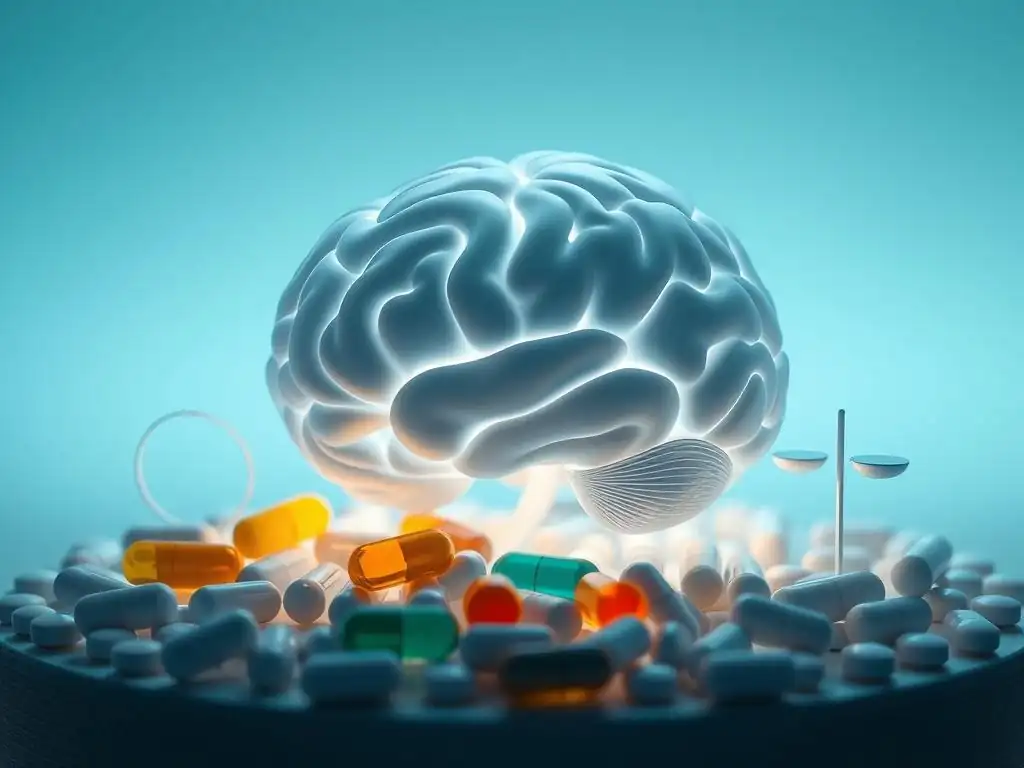
When considering vitamins and supplements for brain health and mood, it is crucial to understand appropriate dosages and potential side effects. Nutritional needs vary based on age, sex, diet, lifestyle, and underlying health conditions. What is a therapeutic dose for one person may be too much or too little for another. For example, the recommended daily allowance (RDA) for a vitamin is typically the minimum needed to prevent deficiency diseases, not necessarily the optimal amount for therapeutic effect in a specific condition like depression. Therapeutic doses used in research studies are often significantly higher than the RDA.
Supplements are not without risks. High doses of certain vitamins can be toxic (e.g., Vitamin A, D, E, K - fat-soluble vitamins). Even water-soluble vitamins, while less likely to cause toxicity as excess is often excreted, can cause side effects at high doses (e.g., B6 can cause nerve damage, Niacin can cause flushing).
Supplements can also interact with medications, such as antidepressants, blood thinners, or medications for chronic conditions. For instance, St. John's Wort, sometimes used for mood, can have dangerous interactions with many prescription drugs. Therefore, understanding the specific supplement, its typical dosage ranges for the intended purpose, and its potential side effects and interactions is absolutely essential before starting any regimen related to vitamins depression brain health.
Consulting with a Healthcare Professional: Personalized Recommendations
Given the complexity of nutritional needs and the potential risks associated with supplementation, consulting with a qualified healthcare professional is a non-negotiable step. This could be your primary care physician, a psychiatrist, a registered dietitian nutritionist (RDN), or a naturopathic doctor familiar with nutritional psychiatry. A healthcare provider can assess your overall health status, review your medical history and current medications, and discuss your symptoms and dietary habits.
Based on this comprehensive assessment, they can recommend appropriate blood tests to check for specific deficiencies (like Vitamin D, B12, or ferritin for iron). They can then provide personalized recommendations regarding whether supplementation is necessary, which specific nutrients might be beneficial, the appropriate dosage, and the duration of supplementation. They can also monitor your progress and adjust the plan as needed, ensuring that any supplement use is safe, effective, and integrated into your overall treatment plan for depression or other mental health concerns. Self-treating with high doses of vitamins without professional guidance can be ineffective or even harmful.
Evaluating Vitamin Quality and Third-Party Testing
The supplement market is vast and largely unregulated in terms of efficacy and quality compared to pharmaceuticals. This means the amount of a nutrient listed on the label may not be what is actually in the pill, and the supplement may contain contaminants. Therefore, when choosing a vitamin or supplement, it is critical to prioritize quality and purity. Look for reputable brands that adhere to Good Manufacturing Practices (GMP), which are standards set by regulatory bodies to ensure quality control.
Even better, look for supplements that have been independently tested by a third party. Organizations like USP (United States Pharmacopeia), NSF International, and ConsumerLab.com conduct voluntary testing of supplements to verify that they contain the ingredients listed on the label in the declared amounts, are free of harmful levels of contaminants (like heavy metals or pesticides), and will break down properly in the body. While third-party certification adds a layer of cost, it provides an important assurance of quality and helps ensure you are getting what you pay for when investing in vitamins depression brain health support.
Real-Life Examples: Vitamin Success Stories for Depression
Case Study 1: Vitamin D Supplementation
Consider a hypothetical case study based on common clinical observations. Sarah, a 35-year-old woman, had been experiencing symptoms of moderate depression for about a year, including persistent low mood, fatigue, and difficulty concentrating. She was already in therapy and making some lifestyle changes but still struggled significantly. Her doctor, as part of a routine check-up, ordered blood work, which revealed a severely deficient Vitamin D level (e.g., below 20 ng/mL).
Her doctor recommended a course of high-dose Vitamin D supplementation to quickly raise her levels, followed by a maintenance dose. Over the next few months, while continuing therapy, Sarah reported a noticeable improvement in her energy levels and a gradual lifting of her low mood. She felt less fatigued and found it easier to engage in activities she once enjoyed. While the Vitamin D supplementation didn't "cure" her depression, it appeared to significantly alleviate some of her most debilitating symptoms, contributing positively to her overall recovery process and highlighting the potential impact of addressing vitamins depression brain health specifically.
Case Study 2: B Vitamin Injections
Another illustrative example could involve Mark, a 60-year-old man with a history of chronic fatigue and mild depressive symptoms, including irritability and lack of motivation. Due to dietary restrictions and potentially age-related absorption issues, blood tests revealed a significant Vitamin B12 deficiency and suboptimal folate levels. Oral supplements hadn't significantly improved his B12 status.
His doctor recommended a series of Vitamin B12 injections, followed by regular oral B12 and folate supplementation. Within weeks of starting the injections, Mark reported a dramatic increase in his energy levels. The chronic fatigue that had plagued him for years began to dissipate.
Alongside this physical improvement, his mood also lifted. He felt less irritable and more motivated to engage in social activities and hobbies he had let slide. This case illustrates how correcting specific B vitamin deficiencies can directly impact energy and mood, serving as a crucial piece in the puzzle of managing symptoms related to vitamins depression brain health.
Debunking Vitamin Myths and Setting Realistic Expectations
Myth: Vitamins are a Cure for Depression
One of the most pervasive myths surrounding vitamins and mental health is that supplements can serve as a standalone cure for depression. This is a dangerous oversimplification. Clinical depression is a complex disorder influenced by a multitude of factors, including genetics, brain chemistry, life experiences, environmental stressors, and physical health. While nutritional deficiencies can contribute to or exacerbate depressive symptoms, they are rarely the sole cause of clinical depression.
Relying solely on vitamins or supplements instead of seeking appropriate medical and psychological treatment can delay recovery and potentially worsen outcomes. Depression is a serious medical condition that often requires a multi-faceted treatment approach, which may include psychotherapy (like CBT or interpersonal therapy), medication (such as antidepressants), and lifestyle interventions. Viewing vitamins as a "cure" is inaccurate and undermines the importance of evidence-based treatments for this debilitating condition.
Reality: Vitamins are a Supportive Tool, Not a Replacement for Treatment
The reality is that vitamins and nutritional interventions should be considered supportive tools within a comprehensive treatment plan for depression, not replacements for established medical and psychological therapies. For individuals with diagnosed nutritional deficiencies, correcting those deficits with targeted supplementation can certainly play a vital role in improving overall health, energy levels, and potentially mood. As seen in research and clinical practice, addressing deficiencies in Vitamin D, B12, and folate, for example, can alleviate symptoms that overlap with depression or enhance the effectiveness of other treatments.
Furthermore, ensuring a nutrient-rich diet provides the brain with the necessary building blocks for optimal function, which is foundational for mental resilience and recovery. Supplements can help fill nutritional gaps when dietary intake is insufficient or absorption is impaired. However, they work best when integrated into a broader strategy that includes evidence-based therapies, regular exercise, adequate sleep, and stress management techniques. Approaching vitamins for depression brain health with realistic expectations, seeing them as valuable adjuncts rather than miracle cures, is key to harnessing their potential benefits safely and effectively.
Complementary Strategies for Enhanced Mental Well-being
The Importance of Therapy, Exercise, and a Balanced Diet
While exploring the link between vitamins and depression is valuable, it's crucial to remember that mental well-being is supported by multiple pillars. Therapy, such as Cognitive Behavioral Therapy (CBT) or Interpersonal Therapy (IPT), provides essential tools for understanding and changing negative thought patterns and behaviors associated with depression. Exercise, often described as a natural antidepressant, releases endorphins, reduces stress hormones, improves sleep, and boosts self-esteem. Aiming for at least 150 minutes of moderate aerobic activity or 75 minutes of vigorous activity per week, along with muscle-strengthening activities, is widely recommended for mental health benefits.
A balanced diet, rich in whole foods, lean proteins, healthy fats, fruits, and vegetables, provides the broad spectrum of nutrients needed for optimal brain function. Focusing on dietary patterns known to support mental health, like the Mediterranean diet, can be highly beneficial. These core strategies—therapy, exercise, and a balanced diet—form the bedrock of depression management and recovery. Vitamins and supplements are most effective when they complement, rather than replace, these fundamental approaches to supporting vitamins depression brain health.
Integrating Mindfulness and Meditation for Stress Reduction
Chronic stress is a significant risk factor for developing depression and can worsen existing symptoms. Learning effective stress reduction techniques is therefore a vital component of a comprehensive mental health strategy. Mindfulness and meditation practices have gained considerable scientific support for their ability to reduce stress, improve emotional regulation, and enhance overall well-being.
Mindfulness involves paying attention to the present moment without judgment, which can help individuals become more aware of their thoughts and feelings without being overwhelmed by them. Regular meditation practice has been shown to alter brain structure and function in ways that promote calmness and reduce reactivity to stress.
Incorporating even a few minutes of mindfulness or meditation daily can help lower cortisol levels, improve sleep quality, and foster a greater sense of peace and resilience. These practices work synergistically with other strategies, including ensuring adequate nutritional status, to support a holistic approach to mental health and build a strong foundation for vitamins depression brain health.
Resources for Finding Mental Health Support
- Consulting a primary care physician for initial assessment and guidance.
- Seeking referral to a psychiatrist for diagnosis and medication management if needed.
- Connecting with a licensed therapist or counselor for psychotherapy.
- Exploring resources from national mental health organizations (e.g., National Alliance on Mental Illness - NAMI, Depression and Bipolar Support Alliance - DBSA).
- Utilizing local community mental health services.
- Considering support groups for peer connection and shared experiences.
- Consulting with a registered dietitian nutritionist (RDN) for personalized dietary and supplement advice.
Frequently Asked Questions
What role can vitamins play in managing depression symptoms?
Vitamins, especially B vitamins, Vitamin D, and Omega-3 fatty acids, can support brain function and potentially alleviate depression symptoms. They are often considered adjunct treatments alongside conventional therapies.
How does vitamin deficiency impact brain health and mental well-being?
Vitamin deficiencies can negatively affect brain function, leading to symptoms like fatigue, cognitive impairment, and mood disturbances, which can exacerbate or contribute to depression.
Can taking vitamins alone cure depression?
No, vitamins are generally not a standalone cure for depression. They should be used in conjunction with other treatments like therapy and/or medication, as directed by a healthcare professional.
Which specific vitamins are most commonly linked to improved mood and brain health?
Vitamin D, B vitamins (especially B12 and folate), and Omega-3 fatty acids are frequently associated with improved mood and cognitive function. They are crucial for neurotransmitter production and brain cell health.
Reputable sources include your healthcare provider, registered dietitians, and websites like Mind Care Guide that offer evidence-based information on nutrition and mental well-being. Always consult a professional before starting any new supplements.
Final Reflection: Nourishing the Mind, Nurturing the Soul
The intricate connection between nutrition and mental well-being is no longer a fringe theory; it's a critical area of ongoing research with profound implications for our understanding of depression. The evidence presented in this article highlights the undeniable role vitamins and a balanced diet play in brain health, challenging the simplistic view of depression as solely a chemical imbalance. This is not about quick fixes, but about fostering a holistic approach to mental wellness.
The journey of understanding the impact of nutrition on mental health is a testament to the interconnectedness of our physical and emotional selves. It's a journey I've personally found both enlightening and deeply moving. The body is your temple. Keep it pure and clean for the soul to reside in.
This quote, while not directly about vitamins and depression, encapsulates the fundamental truth that our physical health profoundly influences our mental state. The ongoing research in this field underscores the importance of considering the whole person, not just isolating symptoms.
Consider the implications of this knowledge for your own life. Are you nourishing your brain with the nutrients it needs to thrive? This article isn't just about reading statistics; it's a call to action. Take the time to reflect on your diet, consider consulting a healthcare professional about your vitamin levels, and explore the potential benefits of incorporating more nutrient-rich foods into your daily routine. Small changes can create significant positive shifts in your mental and physical well-being. Embrace the power of nutrition to nurture your mind and soul.
Unlock Your Brain's Potential: Boost Your Mood Naturally
Thanks for taking the time to explore the fascinating connection between nutrition and mood! We hope you gained valuable insights into how vitamins can support your mental well-being. Now it's time to put that knowledge into action.
Here's how you can start feeling brighter today:
- Prioritize your vitamin intake: Start by reviewing your current diet and identifying any nutritional gaps. Consider adding foods rich in B vitamins, vitamin D, and omega-3 fatty acids, or speaking to a healthcare professional about supplementation. This is the most significant step you can take towards optimizing your brain's health.
- Share your discoveries: Let's spread the word! Tell your friends and family about the powerful role nutrition plays in mental well-being. Share this article (or your key takeaways) on social media to inspire others to prioritize their mental health.
- Join the conversation: What specific dietary changes are you considering to support your mood? Share your thoughts and experiences in the comments below – let's learn from each other!
Ready to nourish your mind and unlock a happier, healthier you?