
Exploring the Genes Involved in Mood Regulation and Their Environmental Sensitivities

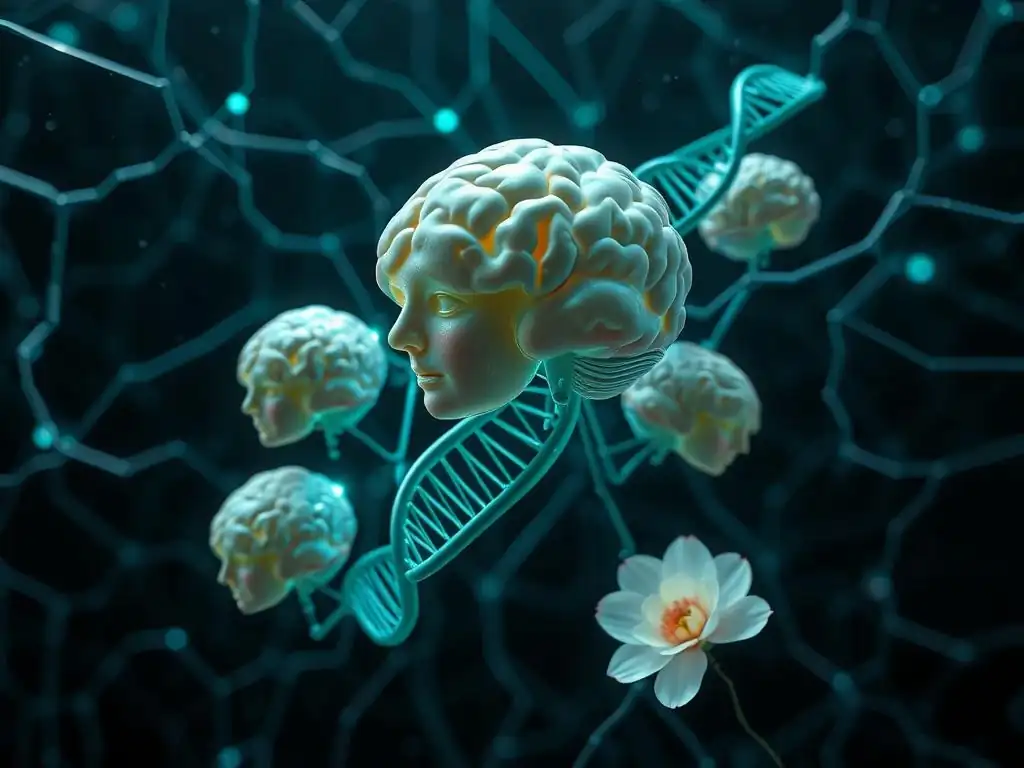
Welcome to Mind Care Guide, a sanctuary for understanding and nurturing your mental well-being.
Ever wondered if your mood is simply a matter of choice, or if something deeper is at play? This journey into the neuroscience of mental health begins with exploring the fascinating interplay of genetic mood regulation environmental factors. Discover how your genes, combined with life's experiences, shape your emotional landscape – and, more importantly, how you can influence that landscape for the better. Let's delve in and unlock the secrets to a more balanced and resilient you.
- Exploring the Genes Involved in Mood Regulation and Environmental Influences
- The Complex Interplay of Genes and Environment in Mood Regulation
- Key Genes Associated with Mood Disorders
- Environmental Factors Shaping Mood: A Detailed Look
- Gene-Environment Interactions: The Intersection of Nature and Nurture
- Research Methods for Studying Genetic Mood Regulation and Environmental Factors
- Therapeutic Implications: Tailoring Treatment Based on Genetic and Environmental Profiles
- Future Directions in Genetic and Environmental Mood Research
- Conclusion: Empowering Individuals with Knowledge of Genetic and Environmental Factors in Mood
-
Frequently Asked Questions
- How do genes influence mood regulation?
- What role do environmental factors play in mood regulation when genes are involved?
- Can genetic predispositions to mood disorders be overcome with the right environmental support?
- What are some specific genes that have been linked to mood regulation?
- How can understanding the interplay between "Genetic mood regulation environmental factors" help improve mental well-being?
- Final Reflection: Unraveling the Complex Dance of Genes and Environment in Mood
- Unlock Your Mood's Potential: Take Charge of Your Well-being
Exploring the Genes Involved in Mood Regulation and Environmental Influences
Mind Care Guide: Understanding the Genetic and Environmental Basis of Mood
Mood regulation is a fundamental aspect of mental well-being, influencing everything from our daily interactions to our overall quality of life. When mood becomes dysregulated, it can manifest as various challenges, including depression, anxiety, and bipolar disorder. Understanding the intricate factors contributing to these conditions is crucial for effective support and treatment. At Mind Care Guide, we believe that knowledge empowers individuals on their journey toward better mental health. This article delves into the fascinating intersection of our genetic makeup and the world around us, exploring how genetic mood regulation environmental factors shape our emotional landscape.
The journey into understanding mood disorders often begins with examining the complex interplay of nature and nurture. While it's commonly understood that genetics play a role, the precise mechanisms by which genes influence our mood and how environmental experiences interact with this genetic blueprint are subjects of ongoing research.
This exploration not only sheds light on the biological underpinnings of mood but also highlights the potential for interventions that address both inherent vulnerabilities and external influences. By understanding these fundamental principles of genetic mood regulation and environmental factors, individuals can gain valuable insights into their own experiences and potential pathways to resilience.
The Complex Interplay of Genes and Environment in Mood Regulation
Introduction to Genetic Mood Regulation and Environmental Factors
Our mood is not a static state but a dynamic process influenced by a multitude of factors, including our biological predispositions and the environments we inhabit. At the core of this process is the intricate relationship between our genes, which provide the instructions for building and operating our bodies and brains, and environmental influences, which range from early life experiences and stress levels to social interactions and lifestyle choices.
This complex interplay means that having a genetic predisposition for a mood disorder doesn't guarantee its development; rather, it might increase vulnerability, which can then be triggered or mitigated by environmental factors.
Consider the analogy of a seed. The seed contains the genetic potential for a specific plant, but its growth and health are heavily dependent on the soil quality, sunlight, water, and absence of pests – all environmental factors. Similarly, our genetic code provides a foundation for our psychological traits, including aspects of mood regulation.
However, the expression of these genes – whether they are turned "on" or "off," and to what extent – is significantly modulated by our environment throughout life. This gene-environment interaction is a critical concept in understanding why some individuals develop mood disorders while others with similar genetic profiles do not, emphasizing the dynamic nature of genetic mood regulation environmental factors.
Why Understanding Genetic and Environmental Influences Matters for Mental Well-being
Gaining insight into how genes and environment interact to affect mood has profound implications for mental well-being. Firstly, it helps to reduce stigma by framing mood disorders not as character flaws but as complex conditions arising from a confluence of biological and external factors. This understanding can foster self-compassion and encourage individuals to seek help without shame. Approximately one in five adults in the United States experienced a mental illness in 2020, according to the National Alliance on Mental Illness (NAMI), highlighting the widespread impact of these conditions and the need for nuanced understanding.
Secondly, understanding the specific genetic and environmental factors at play can inform more personalized and effective approaches to prevention and treatment. If an individual knows they have a genetic vulnerability, they can proactively adopt lifestyle strategies – such as stress management techniques, regular exercise, and building strong social support networks – to buffer against environmental stressors.
Conversely, therapeutic interventions can be tailored to address specific environmental triggers or leverage knowledge about how certain genetic variations might affect response to medication, moving towards a more precise model of care based on the individual's unique profile of genetic mood regulation environmental factors.
Key Genes Associated with Mood Disorders
Identifying Genes Influencing Mood Stability and Vulnerability
Research into the genetic underpinnings of mood disorders has identified numerous genes that play roles in neurobiological pathways critical for mood regulation. These genes often code for proteins involved in neurotransmitter synthesis, transport, and reception; brain development; and stress response systems. While no single "mood gene" determines whether someone will develop a disorder, variations within multiple genes can collectively increase an individual's susceptibility. Genome-wide association studies (GWAS), for example, have identified hundreds of genetic loci associated with conditions like major depressive disorder and bipolar disorder, though the effect size of each individual variant is often small.
The challenge lies in the complex polygenic nature of most mood disorders, meaning that many genes with small effects contribute to the overall risk, rather than a single gene causing the condition. Furthermore, these genetic variations often interact with each other and, crucially, with environmental factors.
For instance, a variant in a gene related to stress response might only increase the risk of depression significantly when an individual is exposed to chronic severe stress. This highlights that identifying genes influencing mood stability and vulnerability is just one part of the puzzle; understanding how they function within the broader context of genetic mood regulation environmental factors is essential.
Specific Genes Linked to Depression, Bipolar Disorder, and Anxiety
Several specific genes have been extensively studied for their association with mood disorders due to their critical roles in neurochemical signaling and brain function. These include genes involved in serotonin, dopamine, and noradrenaline pathways, as well as genes related to neurotrophic factors and stress hormone regulation. While research is ongoing and findings can be complex, certain genes stand out as having consistent, albeit often modest, associations with increased risk or altered response to treatment in individuals with mood disorders.
The Role of Serotonin Transporter Gene (SLC6A4) in Mood
One of the most studied genes in relation to mood is the serotonin transporter gene, known as SLC6A4. This gene provides instructions for creating a protein that transports serotonin, a neurotransmitter heavily implicated in mood regulation, back into neurons after it's released. A specific variation in the promoter region of SLC6A4 exists in two main forms: a "short" allele and a "long" allele.
Studies, including early work by Caspi et al. (2003), suggested that individuals carrying one or two copies of the short allele might be more susceptible to developing depression in response to stressful life events compared to those with two copies of the long allele.
While initial findings were compelling, subsequent research has yielded mixed results, with some studies replicating the association and others finding no significant link, especially when looking at large populations in meta-analyses. This inconsistency underscores the complexity of gene-environment interactions and the challenge of isolating the effects of a single gene. Nevertheless, the SLC6A4 example remains a foundational case study in the field of genetic mood regulation environmental factors, illustrating how genetic variation can potentially modulate sensitivity to environmental stress.
BDNF (Brain-Derived Neurotrophic Factor) and its Impact on Mood Regulation
Another gene of significant interest is the one coding for Brain-Derived Neurotrophic Factor (BDNF). BDNF is a protein crucial for the survival, growth, and maintenance of neurons, playing a vital role in processes like neurogenesis (the creation of new neurons) and synaptic plasticity (the ability of synapses to strengthen or weaken over time). These processes are fundamental for learning, memory, and also appear to be important for mood regulation. Lower levels of BDNF have been observed in the brains of individuals with depression, and many antidepressant treatments are thought to work, in part, by increasing BDNF levels.
A common variation in the BDNF gene, known as the Val66Met polymorphism, has been associated with altered BDNF processing and secretion, potentially impacting its function. Some studies have linked the presence of the Met allele in this polymorphism to an increased risk for depression, anxiety, and impaired cognitive function, particularly in response to stress. This highlights how genetic variations affecting neurotrophic support can influence the brain's capacity for resilience and adaptation, further illustrating the intricate relationship between genetic predisposition and environmental challenges within the context of genetic mood regulation environmental factors.
Dopamine-Related Genes and their Connection to Mood
Genes involved in the dopamine system are also relevant to mood regulation, particularly in conditions like bipolar disorder and aspects of depression related to motivation and reward. Dopamine is a neurotransmitter associated with pleasure, motivation, reward, and motor control. Genes coding for dopamine receptors (e.g., DRD2, DRD4) and the dopamine transporter ( DAT1 or SLC6A3) have been investigated for their links to mood disorders. Variations in these genes can affect how efficiently dopamine signals are transmitted and received in the brain.
For instance, variations in the DRD4 gene, particularly those involving a repeat sequence in its exon 3, have been tentatively linked to novelty-seeking behavior and certain aspects of mood regulation, although direct links to major depressive disorder or bipolar disorder are less established than for SLC6A4 or BDNF. However, disruptions in dopamine signaling are strongly implicated in the manic phases of bipolar disorder and the anhedonia (inability to experience pleasure) often seen in depression.
Research continues to explore how genetic variations in this system contribute to the complex picture of genetic mood regulation environmental factors, especially regarding reward processing and motivation.
Environmental Factors Shaping Mood: A Detailed Look

The Impact of Early Life Experiences on Gene Expression and Mood
The environment's influence on mood begins even before birth and continues throughout the lifespan, with early life experiences having a particularly profound and lasting impact. The developing brain is highly sensitive to external inputs, and experiences during critical periods can shape neural circuits and alter gene expression patterns through epigenetic mechanisms. This means that early environmental factors can leave a molecular "memory" on our DNA, influencing how genes function later in life without changing the underlying genetic sequence.
Studies have shown that positive early environments, characterized by nurturing care and stable relationships, can promote healthy brain development and resilience. Conversely, adverse early experiences can increase vulnerability to mood disorders. For example, exposure to chronic stress or neglect in childhood can lead to persistent changes in the stress response system, making individuals more reactive to stress later in life and increasing their risk for depression and anxiety. This underscores the critical role of early life as a key modulator of genetic mood regulation environmental factors.
Adverse Childhood Experiences (ACEs) and Long-Term Mood Regulation
Adverse Childhood Experiences (ACEs) encompass a range of traumatic events that occur before the age of 18, including abuse (physical, emotional, sexual), neglect (physical, emotional), household dysfunction (e.g., parental mental illness, substance abuse, divorce, incarcerated relative), and violence. A foundational study by Felitti et al. (1998) involving over 17,000 adults found a strong dose-response relationship between the number of ACEs experienced and the risk of numerous health problems later in life, including depression and anxiety disorders. For example, individuals with four or more ACEs had a significantly higher risk of developing depression compared to those with none.
The long-term impact of ACEs on mood regulation is thought to be mediated, in part, by epigenetic modifications to genes involved in stress response and brain development. For instance, studies have shown that early life stress can lead to persistent changes in the methylation patterns of genes like the glucocorticoid receptor gene ( NR3C1), which is central to the regulation of the body's stress hormone, cortisol.
These epigenetic changes can lead to a dysregulated stress response, making individuals more susceptible to mood episodes when faced with adversity later in life, highlighting the deep connection between early environmental adversity and genetic mood regulation environmental factors.
Stress and its Influence on Genetic Predisposition to Mood Disorders
Stress is a potent environmental factor that can interact with genetic predispositions to influence mood. While acute stress is a normal part of life, chronic or severe stress can overwhelm the body's coping mechanisms and contribute to the onset or exacerbation of mood disorders, particularly in individuals with genetic vulnerabilities. The body's primary stress response system, the Hypothalamic-Pituitary-Adrenal (HPA) axis, is tightly regulated, but chronic stress can lead to its dysregulation, resulting in persistently high levels of stress hormones like cortisol.
Genetic variations in genes involved in the HPA axis or neurotransmitter systems can influence an individual's sensitivity to stress and their ability to recover from stressful experiences. For example, variations in genes coding for cortisol receptors or enzymes involved in cortisol metabolism can alter how the body responds to stress signals. When combined with chronic environmental stress, these genetic factors can increase the likelihood of developing stress-related mood disorders. This emphasizes how the interaction between genetic predisposition and environmental stress is a key element of genetic mood regulation environmental factors.
The HPA Axis and its Role in Stress-Related Mood Changes
The HPA axis is a complex neuroendocrine system that governs the stress response. Upon perceiving a threat or stressor, the hypothalamus releases corticotropin-releasing hormone (CRH), which signals the pituitary gland to release adrenocorticotropic hormone (ACTH). ACTH then stimulates the adrenal glands to release cortisol. Cortisol mobilizes energy resources and prepares the body for a "fight or flight" response. Normally, once the stressor is removed, a negative feedback loop involving cortisol shutting down activity in the hypothalamus and pituitary restores balance.
However, chronic stress can disrupt this feedback loop, leading to persistently elevated cortisol levels. This can have detrimental effects on brain regions involved in mood regulation, such as the hippocampus (important for memory and stress feedback) and the prefrontal cortex (involved in executive function and emotional regulation).
Genetic variations affecting components of the HPA axis or its target regions can influence an individual's susceptibility to stress-induced HPA axis dysfunction and subsequent mood changes. For instance, studies have found altered HPA axis activity in individuals with depression and anxiety, often linked to both genetic factors and histories of chronic stress exposure, illustrating a direct biological pathway for genetic mood regulation environmental factors.
The Role of Diet and Nutrition in Modifying Genetic Expression and Mood
Emerging research suggests that diet and nutrition are not just important for physical health but can also influence mood, potentially by interacting with our genetic makeup and influencing gene expression. Nutrients serve as building blocks for neurotransmitters and are essential for optimal brain function. Deficiencies in certain vitamins and minerals, such as B vitamins, vitamin D, omega-3 fatty acids, and minerals like zinc and magnesium, have been linked to increased risk of depression and anxiety.
Furthermore, dietary components can directly influence epigenetic processes. For example, folate (vitamin B9) and other B vitamins are crucial for DNA methylation, an epigenetic mechanism that can turn genes on or off. A diet rich in these nutrients may support healthy epigenetic regulation, while deficiencies could potentially contribute to dysregulation of genes involved in mood pathways. While this field is still developing, it highlights another fascinating layer to genetic mood regulation environmental factors, suggesting that nutritional interventions could potentially be used to support mental well-being, especially in individuals with specific genetic predispositions.
The social environment is a powerful modulator of mood and can significantly interact with genetic predispositions. Strong social support networks, characterized by positive relationships and a sense of belonging, are consistently associated with greater resilience to stress and a lower risk of mood disorders. Conversely, social isolation and lack of support are significant risk factors for depression and anxiety. These social influences are not purely psychological; they can also impact our biology, including gene expression.
Research has shown that social experiences can influence activity in brain regions involved in social processing and emotional regulation, and these effects can be linked to gene expression changes. For example, studies on social isolation in animals have shown alterations in the expression of genes related to stress response and neuroinflammation.
In humans, feeling socially connected can buffer the effects of stress, potentially by modulating the HPA axis and promoting the release of neurochemicals like oxytocin, which is associated with bonding and stress reduction. This demonstrates how the social environment acts as a critical component of genetic mood regulation environmental factors, influencing biological pathways relevant to mental health.
Gene-Environment Interactions: The Intersection of Nature and Nurture
Epigenetics: How Environment Alters Gene Function Without Changing DNA Sequence
One of the most exciting areas in understanding the interplay between genes and environment is epigenetics. Epigenetics refers to heritable changes in gene expression that occur without alterations to the underlying DNA sequence. Instead, these changes involve modifications to the DNA or the proteins that package DNA (histones), which affect how accessible genes are to the cellular machinery that reads them.
Think of the DNA sequence as the hardware, and epigenetic modifications as the software that tells the hardware which programs to run and when. Environmental factors, such as diet, stress, toxins, and social interactions, can all induce epigenetic changes.
These epigenetic modifications can persist for a long time, potentially even across generations, and can significantly influence the expression of genes related to brain development, stress response, and neurotransmitter systems – all critical for mood regulation. For instance, early life stress can induce epigenetic changes that lead to long-term alterations in the expression of genes involved in the HPA axis, making individuals more reactive to stress later in life.
This provides a molecular mechanism through which environmental experiences, especially during critical developmental periods, can leave a lasting mark on our biological vulnerability to mood disorders, offering a tangible link between environment and genetic mood regulation environmental factors.
DNA Methylation and Histone Modification in Mood Regulation
Two key epigenetic mechanisms are DNA methylation and histone modification. DNA methylation typically involves adding a chemical group (a methyl group) to a cytosine base in the DNA. When methylation occurs in the regulatory region of a gene (the promoter), it often acts like a "switch" to turn gene expression off. Histone modifications involve chemical changes to the histone proteins around which DNA is wrapped. These modifications can either loosen or tighten the packaging of DNA, making genes in that region more or less accessible for transcription, thereby turning gene expression on or off.
Studies have identified specific DNA methylation patterns and histone modifications associated with mood disorders. For example, altered methylation of the BDNF gene promoter has been observed in individuals with depression, potentially leading to reduced BDNF expression. Similarly, changes in histone modifications in brain regions affected by stress have been linked to altered expression of genes involved in stress response. These findings demonstrate how specific epigenetic alterations can mediate the impact of environmental factors on the expression of genes critical for mood regulation, providing concrete examples of how environment influences genetic mood regulation environmental factors at a molecular level.
Gene-Environment Correlation: How Genes Shape the Environments We Seek
Beyond interacting with the environment, our genes can also influence the environments we are exposed to or actively seek out. This concept is known as gene-environment correlation (rGE). It highlights that the relationship between genes and environment is often bidirectional; not only does the environment influence gene expression, but our genetic predispositions can shape our environmental experiences. Understanding rGE is crucial because it can sometimes make it difficult to disentangle purely environmental effects from those influenced by genetic factors.
There are three main types of gene-environment correlation: passive, evocative, and active. Passive rGE occurs when individuals inherit both genes and environments from their parents (e.g., a child with a genetic predisposition for anxiety inherits genes from parents who also have anxiety, and also grows up in a potentially more anxious household environment created by those parents). Evocative rGE occurs when an individual's genetically influenced traits evoke specific responses from the environment (e.g., a child with a genetically influenced difficult temperament might evoke more negative or impatient reactions from caregivers).
Active rGE occurs when individuals with specific genetic predispositions actively select or create environments that are compatible with their traits (e.g., someone with a genetic tendency towards sensation-seeking might actively seek out high-risk activities). Recognizing these correlations is vital for accurately assessing the true impact of genetic mood regulation environmental factors.
Active, Passive, and Evocative Gene-Environment Correlations
Let's delve a bit deeper into the types of gene-environment correlation. Passive rGE is particularly relevant in early life. For instance, if parents have a genetic predisposition for depression and also create a less stimulating or more conflict-ridden home environment due to their own struggles, their child inherits both the genetic risk and is exposed to a potentially challenging environment that could exacerbate that risk. It's hard to separate the genetic inheritance from the environmental inheritance in this case.
Evocative rGE shows how our innate traits can shape interactions. A child genetically predisposed to be highly sensitive might react more intensely to perceived criticism, which in turn might lead others to become more cautious or even critical in their interactions with the child, creating a feedback loop where the genetic sensitivity evokes a specific environmental response. Active rGE is often seen as individuals gain more autonomy.
Someone with a genetic inclination towards introversion might actively choose solitary hobbies and less social environments, thereby reinforcing their natural tendencies and potentially limiting exposure to the mood-boosting benefits of social interaction. These correlations demonstrate the dynamic and interwoven nature of genetic mood regulation environmental factors, where genes don't just sit passively but can actively participate in shaping the experiences that influence mood.
Research Methods for Studying Genetic Mood Regulation and Environmental Factors
Twin Studies: Disentangling Genetic and Environmental Contributions
Twin studies are a classical research method used to estimate the relative contributions of genetic and environmental factors to complex traits like mood disorders. The logic is based on comparing the concordance rates (the probability that if one twin has a trait, the other twin also has it) for monozygotic (identical) twins, who share nearly 100% of their genes, and dizygotic (fraternal) twins, who share, on average, 50% of their genes, just like any other siblings.
If identical twins are significantly more likely to both have a mood disorder than fraternal twins, even when raised in similar environments, it suggests a substantial genetic influence.
By studying thousands of twin pairs, researchers can statistically model the heritability of mood disorders – the proportion of variation in a trait attributable to genetic factors within a specific population. For major depressive disorder, heritability estimates typically range from 30% to 40%, while for bipolar disorder, estimates are considerably higher, often 70% to 80%.
The remaining percentage is attributed to environmental factors (both shared environment, like growing up in the same household, and unique environment, like different peer groups or life events). Twin studies provide foundational evidence for the role of genetic mood regulation environmental factors by separating the influence of nature from nurture, though they have limitations in identifying specific genes or environmental factors.
Adoption Studies: Examining the Impact of Environment on Genetically Vulnerable Individuals
Adoption studies offer another powerful approach to disentangling genetic and environmental influences. They compare individuals who were adopted early in life with their biological parents (who contributed genes but not the rearing environment) and their adoptive parents (who contributed the rearing environment but not the genes). If an adopted individual is more similar in terms of mood disorder risk to their biological parents than to their adoptive parents, it suggests a genetic influence. Conversely, if they are more similar to their adoptive parents, it points to the impact of the shared rearing environment.
Studies comparing the rates of mood disorders in adopted children whose biological parents had a mood disorder to those whose biological parents did not have a disorder, while also considering the quality of the adoptive home environment, can provide insights into gene-environment interactions. For example, research might examine if a genetic predisposition inherited from biological parents is more likely to manifest as a mood disorder if the child is raised in a stressful or unsupportive adoptive environment.
Adoption studies are particularly valuable for studying passive gene-environment correlation and the impact of the early rearing environment on genetic vulnerability, providing further evidence for the significance of genetic mood regulation environmental factors.
Genome-Wide Association Studies (GWAS) and Candidate Gene Studies
Modern genetic research employs powerful tools like Genome-Wide Association Studies (GWAS) and candidate gene studies to pinpoint specific genetic variations associated with mood disorders. Candidate gene studies focus on variations within genes that are hypothesized to be involved in the disorder based on biological function (e.g., genes in the serotonin pathway). These studies compare the frequency of specific gene variants in individuals with a mood disorder versus healthy controls. While historically popular, candidate gene findings have often been difficult to replicate, partly due to the polygenic nature of mood disorders and the focus on single genes.
GWAS, on the other hand, take a hypothesis-free approach, scanning the entire genome for common genetic variations (specifically, single nucleotide polymorphisms or SNPs) that are statistically associated with a trait or disorder in a large population sample. GWAS have successfully identified hundreds of genetic loci associated with major depressive disorder and bipolar disorder, although each identified SNP typically contributes only a very small amount to the overall risk.
These studies require very large sample sizes (often hundreds of thousands of individuals) to detect these small effects reliably. GWAS provide valuable insights into the broad genetic landscape of mood disorders, contributing to our understanding of genetic mood regulation environmental factors by identifying potential biological pathways involved.
Epigenome-Wide Association Studies (EWAS)
Building on the insights from genetics and epigenetics, Epigenome-Wide Association Studies (EWAS) are emerging as a key method for investigating the role of environmental factors and gene-environment interactions in mood disorders. Similar to GWAS, EWAS systematically scan the entire epigenome (often focusing on DNA methylation patterns) to identify epigenetic modifications that are associated with a specific trait or disorder. Unlike genetic studies that look at fixed DNA sequence variations, EWAS can capture dynamic changes in gene expression patterns that are influenced by environmental exposures throughout life.
EWAS can examine epigenetic differences in individuals exposed to different environmental conditions (e.g., comparing methylation patterns in individuals with and without a history of childhood trauma) and correlate these differences with the presence or severity of mood disorders. For instance, EWAS have identified specific methylation sites associated with early life stress and subsequent risk of depression. While still a relatively new field compared to GWAS, EWAS holds immense promise for uncovering the molecular mechanisms through which environmental factors interact with our genome to influence mood regulation, providing direct evidence for the biological impact of genetic mood regulation environmental factors.
Therapeutic Implications: Tailoring Treatment Based on Genetic and Environmental Profiles

Personalized Medicine: Using Genetic Information to Guide Treatment Decisions
The growing understanding of genetic mood regulation environmental factors is paving the way for more personalized approaches to mental health care. Personalized medicine aims to tailor prevention, diagnosis, and treatment strategies to an individual's unique biological and environmental profile. While still in its early stages for mood disorders, incorporating genetic information could potentially help clinicians make more informed decisions about treatment selection, particularly concerning psychotropic medications.
For example, pharmacogenomics is a field that studies how genetic variations influence an individual's response to drugs. Variations in genes that code for liver enzymes responsible for metabolizing medications (like the CYP450 enzymes) can affect how quickly a drug is broken down, influencing its effectiveness and the risk of side effects.
Genetic tests are increasingly available that can identify these variations, potentially guiding the choice of antidepressant or mood stabilizer and optimizing dosing. While not a standalone solution, using genetic information alongside clinical assessment and consideration of environmental factors represents a step towards more precise and effective treatment for mood disorders influenced by genetic mood regulation environmental factors.
Lifestyle Interventions: Modifying Environmental Factors to Improve Mood
Given the significant role of environmental factors and gene-environment interactions, lifestyle interventions that modify these factors are powerful tools for promoting mood well-being and managing mood disorders. Unlike our fixed genetic sequence, many environmental factors are modifiable. Adopting healthy lifestyle habits can buffer against genetic vulnerabilities and promote resilience, even in the face of environmental stressors. These interventions empower individuals to take an active role in managing their mental health by directly addressing the environmental side of the genetic mood regulation environmental factors equation.
Effective lifestyle interventions often include regular physical activity, which has been shown to improve mood and can even influence BDNF levels; adopting a balanced diet rich in nutrients essential for brain health; ensuring sufficient and quality sleep; practicing stress reduction techniques like mindfulness or meditation; and cultivating strong social connections. These interventions can positively influence neurobiological pathways involved in mood regulation and may even induce beneficial epigenetic changes. Integrating these strategies into a comprehensive treatment plan, alongside therapy or medication when needed, can significantly improve outcomes for individuals with mood challenges.
The Role of Exercise, Mindfulness, and Social Connection
Let's look at specific lifestyle interventions. Regular aerobic exercise, such as brisk walking or running for 30 minutes most days of the week, has been shown in numerous studies to reduce symptoms of depression and anxiety, sometimes as effectively as medication for mild to moderate cases. Exercise is thought to work by increasing neurotransmitters like serotonin and dopamine, reducing inflammation, and potentially increasing BDNF levels, all of which are relevant to genetic mood regulation environmental factors.
Mindfulness and meditation practices, which involve focusing attention on the present moment without judgment, can help individuals manage stress and regulate emotions. Regular practice has been associated with changes in brain structure and function in areas involved in emotional regulation, such as the prefrontal cortex and amygdala. By altering how the brain responds to stress, mindfulness can potentially mitigate the impact of environmental stressors on individuals with genetic predispositions.
Finally, strong social connections provide emotional support, reduce feelings of isolation, and can buffer the negative effects of stress. Engaging in supportive relationships and community activities is a powerful environmental factor that promotes resilience and well-being, acting as a crucial counterpoint to potential genetic vulnerabilities and showcasing the importance of the social dimension in genetic mood regulation environmental factors.
Pharmacogenomics: How Genes Influence Drug Response in Mood Disorders
Pharmacogenomics is the study of how an individual's genetic makeup affects their response to drugs. In the context of mood disorders, this field investigates how variations in specific genes can influence how a person metabolizes psychiatric medications (pharmacokinetics) and how their body responds to the drug's effects (pharmacodynamics). Understanding these genetic influences can help predict whether a medication is likely to be effective, what dose might be optimal, and whether a person is at higher risk for side effects. This is a direct application of understanding the genetic side of genetic mood regulation environmental factors in a clinical setting.
For example, variations in genes encoding cytochrome P450 (CYP) enzymes, particularly CYP2D6 and CYP2C19, are well-known to affect the metabolism of many commonly prescribed antidepressants and antipsychotics. Individuals who are "poor metabolizers" due to certain genetic variants may process a drug more slowly, leading to higher blood levels and increased risk of side effects, while "ultrarapid metabolizers" might process the drug too quickly, resulting in lower blood levels and reduced effectiveness.
Genetic testing for these metabolic enzymes can provide valuable information to clinicians, helping them select a medication that is more likely to be safe and effective for a particular patient, thereby improving the precision of treatment based on genetic mood regulation environmental factors.
Future Directions in Genetic and Environmental Mood Research
Advancements in Gene Editing and Potential Therapeutic Applications [Ethical Considerations]
The field of genetic research is rapidly advancing, with technologies like CRISPR-Cas9 gene editing holding potential, albeit distant and highly ethically charged, therapeutic applications for complex disorders like those affecting mood. Gene editing allows for precise modifications to DNA sequences. In theory, this technology could potentially be used to correct or alter genetic variants that increase vulnerability to mood disorders or to modify gene expression in specific brain cells. However, applying gene editing to complex, polygenic traits like mood regulation in a safe and effective way presents enormous scientific and ethical challenges.
Ethical considerations surrounding gene editing are paramount. These include concerns about off-target effects (unintended genetic changes), mosaicism (editing only some cells), germline editing (changes that could be passed to future generations), equitable access to such technologies, and the fundamental question of whether it is appropriate to alter genes related to complex human behaviors and traits.
While the potential to address the root genetic causes of severe mood disorders is theoretically exciting, current research is highly preliminary, often limited to animal models or in vitro studies, and faces significant hurdles before any therapeutic use in humans for mood disorders would be considered, especially given the complex interplay of genetic mood regulation environmental factors.
The Importance of Longitudinal Studies to Understand Long-Term Effects
To fully understand the dynamic interplay between genes and environment in shaping mood over time, longitudinal studies are essential. Unlike cross-sectional studies that capture data at a single point in time, longitudinal studies follow the same individuals over extended periods, often years or even decades, collecting data on their genetic makeup, environmental exposures, and mental health outcomes. This allows researchers to observe how environmental factors experienced early in life or throughout adulthood interact with genetic predispositions to influence the trajectory of mood regulation and the development of mood disorders.
Longitudinal studies can track changes in gene expression and epigenetic marks in response to changing environmental conditions (e.g., periods of high stress vs. periods of stability). They can also help identify critical periods of vulnerability to environmental insults based on genetic background.
For instance, a longitudinal study might track individuals with a specific genetic variant and assess how their risk for depression changes depending on their cumulative exposure to stressful life events from childhood through adulthood. These studies are crucial for building a comprehensive picture of how genetic mood regulation environmental factors unfold over the life course and identifying key windows for intervention.
Integrating Genetic and Environmental Data for More Accurate Predictions of Mood Disorder Risk
A key future direction is the integration of diverse data types – including genetic profiles (e.g., polygenic risk scores derived from GWAS), epigenetic information (from EWAS), detailed environmental exposure histories (e.g., ACEs, stress, lifestyle factors), and clinical assessments – to develop more accurate models for predicting an individual's risk of developing a mood disorder. While predicting complex conditions is challenging, combining multiple layers of biological and environmental information holds more promise than relying on single factors alone.
For example, a predictive model might incorporate an individual's polygenic risk score for depression (based on the cumulative effect of many genetic variants) alongside their history of adverse childhood experiences and current stress levels. Such integrated models could potentially help identify individuals at higher risk who might benefit from early prevention strategies or more intensive monitoring. This holistic approach recognizes that mood disorders arise from the complex interplay of multiple genetic and environmental influences and aims to leverage this understanding for proactive and personalized mental health care, moving towards a truly integrated understanding of genetic mood regulation environmental factors.
Conclusion: Empowering Individuals with Knowledge of Genetic and Environmental Factors in Mood
Understanding the complex relationship between our genes and environment in shaping mood is a powerful step towards greater mental well-being. While our genetic makeup provides a foundation and can influence our vulnerabilities, it is not a rigid destiny. Environmental factors, from early life experiences and stress to diet, social connections, and lifestyle choices, interact dynamically with our genes, influencing their expression and ultimately impacting our mood. This intricate dance between nature and nurture highlights that mood regulation is a multifaceted process, where both biological predispositions and external influences play crucial roles.
By recognizing the impact of genetic mood regulation environmental factors, individuals can gain valuable insights into their own experiences and potential pathways to resilience. This knowledge can empower individuals to seek support, engage in lifestyle strategies that promote well-being, and work with healthcare professionals to develop personalized treatment plans that consider their unique genetic and environmental profiles.
While research continues to unravel the complexities of this interplay, the current understanding already underscores a message of hope and agency: while we cannot change our genes, we can often modify our environment and our responses to it, actively participating in shaping our emotional well-being.
Frequently Asked Questions
How do genes influence mood regulation?
Genes provide the blueprint for brain structures and neurochemicals, impacting how we process emotions and react to stimuli. These genes, however, don't act in isolation, making them susceptible to environmental influence.
What role do environmental factors play in mood regulation when genes are involved?
Environmental factors, such as stress, trauma, and social support, can significantly alter gene expression, influencing mood. This interplay between genes and environment is known as gene-environment interaction, shaping our mental well-being.
Can genetic predispositions to mood disorders be overcome with the right environmental support?
While genetic predispositions may increase vulnerability, a supportive environment can buffer against the development of mood disorders. Positive experiences and coping mechanisms can modify the expression of mood-related genes.
What are some specific genes that have been linked to mood regulation?
Several genes, including those involved in serotonin and dopamine pathways, have been associated with mood regulation. Understanding these genes can provide insights into the biological basis of mood disorders.
How can understanding the interplay between "Genetic mood regulation environmental factors" help improve mental well-being?
By understanding this interplay, we can develop more personalized interventions that target both genetic vulnerabilities and environmental risk factors. This knowledge can inform preventative strategies and treatment plans for improving mental well-being.
Final Reflection: Unraveling the Complex Dance of Genes and Environment in Mood
The intricate interplay between our genes and environment in shaping our mood is not merely a scientific curiosity; it's a crucial understanding for improving mental health care today. The research presented highlights the significant role specific genes play in vulnerability to mood disorders, but equally emphasizes that these genetic predispositions are not deterministic. Environmental factors, from early childhood experiences to ongoing stressors, profoundly modulate gene expression and ultimately influence our emotional well-being.
This exploration into the genetic architecture of mood regulation has profoundly impacted my understanding of mental health, shifting my perspective from a purely biological to a holistic one. It underscores the importance of considering both nature and nurture in understanding individual differences in mood and susceptibility to disorders. The human organism is not merely a passive recipient of environmental influences; it actively seeks out and shapes its environment.
This quote perfectly encapsulates the dynamic interaction between our genes and our experiences, a reciprocal relationship that deserves far greater attention in both research and clinical practice.
Consider the implications of this knowledge. Understanding your genetic predispositions doesn't mean accepting a predetermined fate. Instead, it empowers you to make informed choices about your lifestyle, seeking out supportive environments and proactively managing stressors. You have the agency to shape your emotional landscape, even with a genetic predisposition towards mood instability.
Take the time to reflect on your own life experiences and how they might interact with your genetic makeup. What steps can you take to cultivate a more nurturing and supportive environment for your mental well-being? The journey towards better mental health is a personal one, and this understanding is your compass.
Unlock Your Mood's Potential: Take Charge of Your Well-being
Thanks for taking the time to explore the fascinating world of mood regulation and its connection to both genes and environment! You've gained valuable insights into a complex yet manageable aspect of your health. Now, it's time to put that knowledge into action.
- Prioritize one small, actionable step: Maybe it's researching a specific gene mentioned in the article, exploring mindful practices, or scheduling a check-up with your doctor to discuss your genetic predisposition. This is your personal starting point.
- Share your newfound knowledge: Discuss what you've learned with a friend or family member. A simple conversation can spark important dialogues and support.
- Track your progress (in a journal or app): Notice how even small changes in your lifestyle or mindset might influence your mood. This self-reflection is powerful!
Ready to start your journey towards a more balanced and fulfilling emotional life? What's the one small step you'll take today to nurture your mental well-being?