
How Genes Affect Neurotransmitter Systems and Mental Health Risks

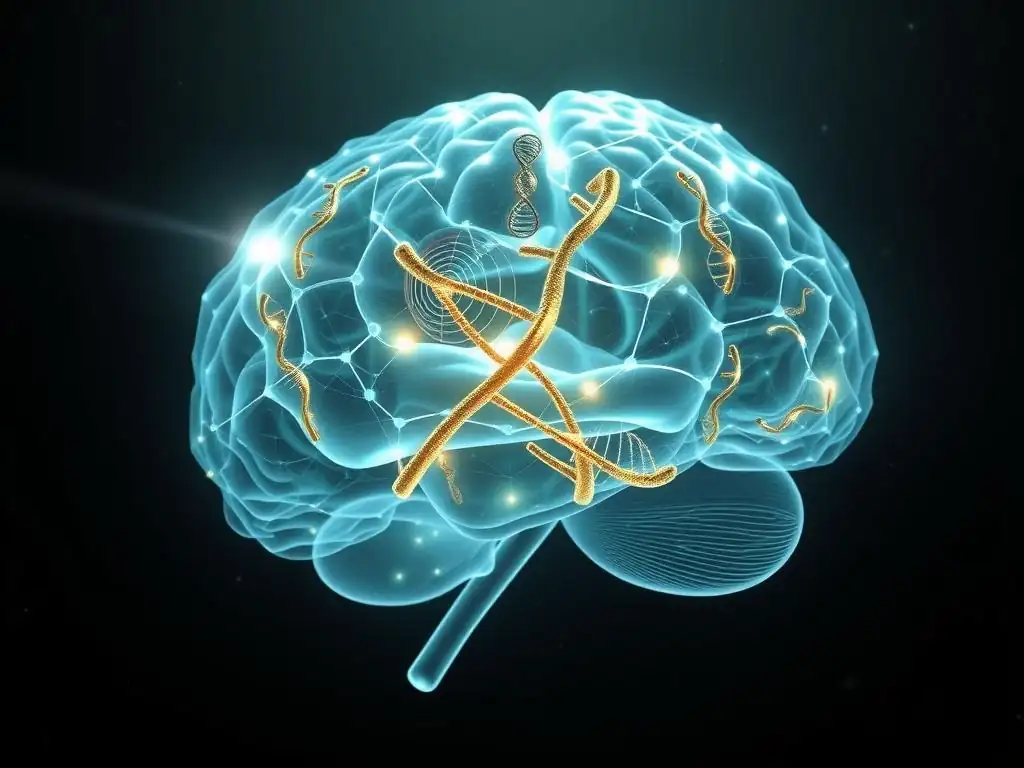
Welcome to Mind Care Guide, a space dedicated to understanding and nurturing your mental well-being. Ever wondered if your family history plays a role in your mental health journey? In this article, we delve into the fascinating world of neuroscience to uncover how genetic factors influence mental health, exploring the intricate connection between your genes and your susceptibility to various mental health challenges. Prepare to unlock valuable insights that could reshape your understanding of yourself and your path to a healthier mind. Let's explore together!
How Genes Affect Neurotransmitter Systems and Mental Health Risks
- Introduction: The Interplay of Genetics, Neurotransmitters, and Mental Well-being
- Understanding Neurotransmitter Systems: The Chemical Messengers of the Brain
- Genetic Influences on Neurotransmitter Synthesis and Function
-
The Link Between Genetic Predisposition and Mental Health Disorders
- Genes and Depression: Investigating the Genetic Basis of Depressive Disorders
- Genetic Risk Factors for Anxiety Disorders: Exploring the Heritability of Anxiety
- Schizophrenia and Genetics: Understanding the Complex Genetic Landscape
- Bipolar Disorder: Genetic Vulnerability and Neurotransmitter Imbalances
- Autism Spectrum Disorder (ASD): The Genetic Contribution to Neurotransmitter Dysfunction
- Gene-Environment Interactions: How Environment Modifies Genetic Expression in Mental Health
- Genetic Testing and Mental Health: Current Applications and Future Directions
- Lifestyle and Environmental Modifications to Mitigate Genetic Risks
- The Future of Genetic Research in Mental Health: Personalized Medicine and Targeted Therapies
- Conclusion: Leveraging Genetic Knowledge for Improved Mental Healthcare
-
Frequently Asked Questions
- How significantly do genetic factors contribute to mental health conditions?
- What specific neurotransmitter systems are most affected by genetic variations impacting mental health?
- Can genetic testing accurately predict the likelihood of developing a mental health disorder?
- How do genes influence the effectiveness of different mental health treatments?
- Besides direct gene inheritance, what other genetic mechanisms contribute to mental health risks?
- Final Reflection: Unraveling the Genetic Threads of Mental Wellbeing
- Unlock Your Brain's Potential: Take Charge of Your Mental Wellbeing
Introduction: The Interplay of Genetics, Neurotransmitters, and Mental Well-being
Understanding how genetic factors influence mental health is a complex but crucial area of study. Mental well-being is not determined by a single factor but arises from an intricate interplay between our genetic makeup, brain chemistry (specifically neurotransmitter systems), and environmental experiences. Our genes provide the blueprint for our biological systems, including the development and function of the brain and its chemical messengers.
Neurotransmitters are the chemical signals that nerve cells use to communicate, affecting everything from mood and cognition to behavior and physiological processes. Disruptions in these systems are frequently observed in various mental health conditions. Research increasingly shows that variations or mutations in specific genes can significantly impact how these neurotransmitter systems function, thereby altering susceptibility to mental health challenges. This article explores the fundamental connection between genetic factors, neurotransmitter function, and the risk of developing mental health disorders.
Understanding Neurotransmitter Systems: The Chemical Messengers of the Brain
What are Neurotransmitters and Their Role in Brain Function?
Neurotransmitters are endogenous chemicals that transmit signals across a synapse from one neuron (nerve cell) to another target cell, which can be another neuron, muscle cell, or gland cell. They are synthesized within neurons and stored in vesicles, ready to be released into the synaptic cleft when an electrical signal (action potential) arrives. Once released, they bind to specific receptors on the target cell, triggering a response. This process is fundamental to all brain activity, mediating communication between billions of neurons.
These chemical messengers regulate a vast array of functions vital for survival and well-being. They control muscle movement, regulate heart rate and breathing, influence sleep cycles, modulate pain perception, and are critically involved in complex cognitive processes like learning, memory, decision-making, and emotional regulation. The precise balance and timing of neurotransmitter activity are essential for healthy brain function, and even subtle disruptions can have widespread effects on mental states and behavior.
Key Neurotransmitter Systems Involved in Mental Health: Dopamine, Serotonin, Glutamate, GABA, Norepinephrine
Several neurotransmitter systems play particularly prominent roles in the pathophysiology of mental health disorders. Dopamine, for example, is heavily involved in reward, motivation, pleasure, motor control, and executive functions. Dysregulation of the dopaminergic system is implicated in conditions like schizophrenia, addiction, and Parkinson's disease (which has psychiatric comorbidities). Serotonin is widely known for its influence on mood, sleep, appetite, and social behavior; imbalances are strongly linked to depression and anxiety disorders.
Glutamate is the primary excitatory neurotransmitter in the brain, crucial for learning and memory. Abnormal glutamate signaling is being investigated in schizophrenia, bipolar disorder, and neurodegenerative diseases. GABA (gamma-aminobutyric acid) is the main inhibitory neurotransmitter, acting as the brain's primary brake pedal; it helps control fear and anxiety.
Deficiencies in GABAergic function are associated with anxiety disorders, epilepsy, and mood disorders. Norepinephrine (also known as noradrenaline) is involved in the body's 'fight or flight' response, alertness, arousal, and attention; dysregulation is seen in depression, anxiety, and PTSD. The complex interactions and balance among these and other neurotransmitters are vital for maintaining mental equilibrium.
How Neurotransmitters Influence Mood, Cognition, and Behavior
Neurotransmitters exert profound influence over our internal emotional states, cognitive abilities, and outward actions. For instance, sufficient levels of serotonin and norepinephrine are often associated with stable mood and energy, while deficits can contribute to feelings of sadness, hopelessness, and fatigue characteristic of depression. The intricate dance of dopamine in the brain's reward pathways drives motivation and pleasure, explaining why disruptions can lead to anhedonia (loss of pleasure) in depression or compulsive behaviors in addiction.
Cognitive functions like attention, memory, and decision-making are heavily reliant on neurotransmitter activity, particularly glutamate, acetylcholine (another important neurotransmitter), and dopamine in specific brain regions like the prefrontal cortex and hippocampus. Behavioral responses, from risk-taking governed by dopamine to the freeze response mediated by GABA and norepinephrine during fear, are direct manifestations of neurotransmitter signaling. Understanding these pathways helps explain how genetic factors influence mental health by altering the very chemicals that shape our experiences and actions.
Genetic Influences on Neurotransmitter Synthesis and Function
Genes Involved in Neurotransmitter Production: TPH1/2, SLC6A4, GAD1/2
The synthesis of neurotransmitters is a complex biochemical process controlled by enzymes, which are themselves encoded by genes. For example, serotonin is synthesized from the amino acid tryptophan through a pathway involving the enzyme tryptophan hydroxylase. The genes TPH1 and TPH2 code for different forms of this enzyme. Variations in these genes can affect the rate at which serotonin is produced, potentially influencing its availability in the brain. Similarly, dopamine is synthesized from tyrosine via enzymes encoded by genes like TH (tyrosine hydroxylase) and DDC (dopa decarboxylase).
Another critical aspect is the transport of neurotransmitter precursors or the neurotransmitters themselves. The gene SLC6A4 encodes the serotonin transporter protein (SERT), which is responsible for reuptaking serotonin from the synaptic cleft back into the presynaptic neuron. Polymorphisms, or common variations, in this gene, particularly a length polymorphism in its promoter region (often referred to as 5-HTTLPR), have been extensively studied for their association with anxiety and depression risk, although findings have been complex and sometimes inconsistent across different populations and studies. Genes like GAD1 and GAD2 encode glutamic acid decarboxylase enzymes responsible for synthesizing GABA from glutamate; variations here can impact inhibitory signaling. These examples highlight how specific genes lay the groundwork for neurotransmitter availability.
Genetic Polymorphisms and Variations Affecting Neurotransmitter Receptors
Beyond synthesis and transport, genetic factors also influence the sensitivity and number of neurotransmitter receptors. Receptors are proteins, encoded by genes, located on the surface of neurons (or other target cells) that bind to neurotransmitters, triggering a downstream signal. Polymorphisms in genes encoding these receptors can alter how strongly the receptor binds the neurotransmitter or how effectively it transmits the signal into the cell. For instance, variations in dopamine receptor genes, such as DRD2 or DRD4, have been studied in relation to personality traits, substance use disorders, and schizophrenia susceptibility.
Consider the serotonin receptor genes, like HTR2A (coding for the 5-HT2A receptor). Polymorphisms in HTR2A have been investigated for their potential role in mood disorders, treatment response to antidepressants (many of which target serotonin systems), and even conditions like obsessive-compulsive disorder. Genetic factors influence mental health by subtly tuning the responsiveness of brain circuits to chemical messages. A variation that leads to a less sensitive receptor might require higher neurotransmitter levels to achieve the same effect, potentially contributing to an imbalance.
Impact of Genetic Mutations on Neurotransmitter Transporters and Reuptake Mechanisms
Neurotransmitter transporters are proteins embedded in the neuronal membrane that are crucial for clearing neurotransmitters from the synaptic cleft, a process called reuptake. This reuptake mechanism is vital for terminating the signal and recycling neurotransmitters. Genes encoding these transporters, such as SLC6A3 (for the dopamine transporter, DAT), SLC6A4 (for the serotonin transporter, SERT), and SLC6A2 (for the norepinephrine transporter, NET), are prime candidates for genetic variations that impact mental health.
Significant mutations or even common polymorphisms in these transporter genes can alter the efficiency of reuptake. For example, some variations might lead to a transporter that clears the neurotransmitter too quickly, potentially reducing the signal strength. Conversely, a less efficient transporter could leave the neurotransmitter in the synapse longer, potentially leading to overstimulation or compensatory changes in receptor sensitivity. These alterations in transporter function, dictated by genetic variations, directly impact the overall balance and dynamics of neurotransmitter signaling, providing a clear pathway through which genetic factors influence mental health risk by modifying these critical reuptake mechanisms.
The Link Between Genetic Predisposition and Mental Health Disorders

Genes and Depression: Investigating the Genetic Basis of Depressive Disorders
Major depressive disorder (MDD) is a complex condition influenced by both genetic and environmental factors. Studies on twins and families consistently show that genetic factors influence mental health risk for depression, with heritability estimates typically ranging from 30% to 40%. While no single "depression gene" exists, genome-wide association studies (GWAS) have identified numerous genetic loci (regions on chromosomes) associated with an increased risk. These loci often contain genes involved in neurotransmitter pathways (like serotonin and norepinephrine signaling), stress response (e.g., genes related to the hypothalamic-pituitary-adrenal axis), and neurodevelopment.
Specific genes frequently studied include SLC6A4 (serotonin transporter), variations in which have been linked to altered stress sensitivity and depression risk, although this finding has been subject to debate and requires specific environmental contexts (gene-environment interaction). Other genes like BDNF (Brain-Derived Neurotrophic Factor), involved in neuronal growth and survival, and genes related to glutamate signaling have also shown associations. It's important to note that the risk conferred by any single gene variation is typically small, and it's the cumulative effect of many genes, interacting with life experiences, that contributes to the overall genetic predisposition to depression.
Genetic Risk Factors for Anxiety Disorders: Exploring the Heritability of Anxiety
Anxiety disorders, including generalized anxiety disorder, panic disorder, social anxiety disorder, and phobias, also show significant heritability, suggesting that genetic factors influence mental health vulnerabilities to these conditions. Family studies indicate that relatives of individuals with anxiety disorders have a two to six times higher risk of developing a similar disorder compared to the general population. Heritability estimates vary depending on the specific anxiety disorder, but they are generally in the range of 20% to 40%.
Research into the genetic basis of anxiety has focused on genes involved in neurotransmitter systems like serotonin, GABA, and norepinephrine, which are known to regulate fear and stress responses. Variations in genes like SLC6A4 (serotonin transporter) and genes encoding components of GABA receptors have been investigated. Additionally, genes involved in stress reactivity and the processing of emotional information are being explored. Like depression, anxiety is polygenic, meaning multiple genes with small effects contribute to the overall risk, and environmental factors, such as traumatic experiences, play a crucial role in triggering the disorder in genetically vulnerable individuals.
Schizophrenia and Genetics: Understanding the Complex Genetic Landscape
Schizophrenia is one of the most heritable mental health conditions, with genetic factors influencing mental health risk profoundly. Family studies show that having a first-degree relative (parent or sibling) with schizophrenia increases one's risk from about 1% in the general population to roughly 10%. Twin studies estimate the heritability of schizophrenia to be as high as 60% to 80%. This strong genetic component has driven extensive research to identify the specific genes involved.
Large-scale GWAS have identified hundreds of genetic loci associated with schizophrenia risk. These genes are involved in a wide range of brain functions, including synaptic function, immune system regulation (interestingly), and, critically, neurotransmitter systems, particularly dopamine and glutamate signaling. Specific genes frequently implicated include those involved in the dopamine D2 receptor ( DRD2), glutamate receptors ( GRIN2A), and synaptic proteins. Copy number variations (CNVs), which are deletions or duplications of segments of DNA, also contribute significantly to schizophrenia risk, sometimes impacting multiple genes involved in neural development and function.
Bipolar Disorder: Genetic Vulnerability and Neurotransmitter Imbalances
Bipolar disorder, characterized by dramatic mood swings between episodes of mania and depression, also has a strong genetic component. Heritability estimates for bipolar disorder are among the highest for psychiatric conditions, often cited around 60% to 80%, indicating that genetic factors influence mental health susceptibility significantly. Family studies show that individuals with a parent or sibling with bipolar disorder have a 5 to 10 times higher risk than the general population.
Genetic research has identified numerous risk variants associated with bipolar disorder, many of which are involved in neuronal communication, ion channels (which regulate electrical signaling in neurons), and neurotransmitter systems. Genes related to calcium signaling pathways have been particularly highlighted in recent studies.
While specific neurotransmitter imbalances (like altered dopamine, serotonin, and norepinephrine activity) are observed during manic and depressive episodes, the underlying genetic vulnerability likely impacts the stability and regulation of these systems over time. The polygenic nature means many genes contribute small effects, making it challenging to predict risk based on genetics alone, but the collective impact is substantial.
Autism Spectrum Disorder (ASD): The Genetic Contribution to Neurotransmitter Dysfunction
Autism Spectrum Disorder (ASD) is a neurodevelopmental condition characterized by challenges with social interaction and communication, and restricted or repetitive behaviors. Genetic factors influence mental health vulnerability in ASD significantly, with heritability estimates often cited around 50% to 90%, depending on the study methodology. ASD is highly heterogeneous, meaning it can arise from a variety of different genetic and environmental causes, leading to a spectrum of symptoms.
Research has identified a vast number of genes associated with ASD risk, including both rare, highly penetrant mutations and common variants with smaller effects. Many of these genes are involved in synaptic function, neuronal development, and cell adhesion. Critically, a substantial number of identified ASD genes play roles in regulating neurotransmitter systems, including glutamate, GABA, and serotonin signaling.
For example, variations in genes encoding synaptic proteins that interact with neurotransmitter receptors or transporters are frequently implicated. This suggests that disruptions in the intricate balance of excitatory and inhibitory neurotransmission, partly dictated by genetic factors, contribute significantly to the altered neural circuitry seen in ASD.
Gene-Environment Interactions: How Environment Modifies Genetic Expression in Mental Health
Epigenetics: The Role of Environmental Factors in Gene Regulation
While genes provide the basic instructions, environmental factors can influence how these instructions are read and executed – a field known as epigenetics. Epigenetic modifications are changes to DNA or its associated proteins that affect gene activity without altering the underlying DNA sequence. These modifications, such as DNA methylation or histone modification, can turn genes "on" or "off" or influence the level of gene expression. Crucially, environmental experiences, including stress, diet, toxins, and social interactions, can induce epigenetic changes.
These environmentally induced epigenetic changes can impact the expression of genes involved in neurotransmitter synthesis, transport, and receptor function. For instance, early life stress has been shown in animal models to induce epigenetic modifications in genes related to stress hormones and neurotransmitter systems (like the serotonin transporter gene SLC6A4) in brain regions like the hippocampus and amygdala. These changes can persist into adulthood, altering stress reactivity and potentially increasing vulnerability to mood and anxiety disorders. This highlights a key mechanism by which genetic factors influence mental health outcomes not in isolation, but through dynamic interaction with the environment.
Stress and Gene Expression: How Stressful Experiences Can Alter Neuromitter Systems
Stress, particularly chronic or severe stress, is a well-established risk factor for many mental health disorders, including depression, anxiety, and PTSD. At a molecular level, stress triggers the release of stress hormones like cortisol, which can then bind to receptors in the brain and influence gene expression. This influence can lead to changes in the production and function of various proteins, including those involved in neurotransmitter systems.
Studies have shown that prolonged exposure to stress can alter the expression of genes encoding components of the dopamine, serotonin, and norepinephrine systems in critical brain areas involved in mood and reward. For example, chronic stress can downregulate the expression of genes for certain dopamine receptors in the reward pathways, potentially contributing to anhedonia.
It can also affect the expression of genes involved in glutamate and GABA signaling, altering the balance of excitation and inhibition. These stress-induced changes in gene expression, mediated epigenetically or through other regulatory mechanisms, demonstrate how environmental challenges can modify the very systems that genetic factors influence mental health through.
The Influence of Early Life Experiences on Genetic Predisposition
Early life experiences, particularly adverse ones like neglect, abuse, or trauma, have a profound and lasting impact on brain development and mental health trajectories. Research indicates that these early experiences don't just leave psychological scars; they can also induce enduring changes in gene expression patterns through epigenetic mechanisms, particularly in brain regions critical for stress response and emotional regulation.
For instance, studies in both animals and humans have shown that poor maternal care or exposure to stress early in life can lead to epigenetic modifications in genes like the glucocorticoid receptor gene ( NR3C1), which is involved in regulating the stress response. These modifications can result in altered stress hormone sensitivity and increased reactivity to stress later in life. Furthermore, early adversity can affect the epigenetic landscape of genes involved in neurotransmitter systems, potentially programming the brain for altered emotional processing and increased vulnerability to disorders like depression and anxiety. This underscores that while genetic factors influence mental health risk from birth, early environmental inputs can significantly shape how those genetic predispositions are expressed throughout life.
Genetic Testing and Mental Health: Current Applications and Future Directions

Considerations for Genetic Testing in Psychiatry: Ethical and Practical Aspects
The increasing understanding of how genetic factors influence mental health has led to interest in genetic testing in psychiatry. Currently, genetic testing is primarily used in limited contexts, such as identifying rare genetic syndromes associated with severe developmental disorders (like some forms of intellectual disability or autism) or, more commonly, in pharmacogenomics to inform medication selection. However, using genetic testing to predict risk for complex, polygenic disorders like depression or schizophrenia is not yet standard clinical practice.
Several ethical and practical considerations limit the widespread use of genetic testing for complex mental health conditions. Ethically, there are concerns about the potential for genetic determinism (believing genes dictate fate), discrimination (in insurance or employment), and the psychological impact of receiving risk information that is probabilistic rather than definitive. Practically, for most common disorders, the predictive power of current genetic tests is low; they can identify variants associated with increased risk, but they cannot predict whether an individual will develop a disorder or the severity of symptoms. Counseling is essential to interpret results accurately and manage expectations.
Pharmacogenomics: Tailoring Treatment Based on Genetic Profiles
One area where genetic testing is gaining traction in mental healthcare is pharmacogenomics. This field studies how an individual's genetic makeup influences their response to medications. Variations in genes encoding enzymes that metabolize drugs (like Cytochrome P450 enzymes, e.g., CYP2D6, CYP2C19) or genes encoding drug targets (like neurotransmitter receptors or transporters, e.g., HTR2A, SLC6A4) can affect how quickly a drug is cleared from the body or how effectively it works.
For example, testing for variations in CYP2D6 can help predict how quickly a person metabolizes certain antidepressants or antipsychotics. Individuals with variations leading to "poor metabolism" might accumulate the drug to toxic levels, while "ultra-rapid metabolizers" might clear the drug too quickly for it to be effective. While not a perfect predictor and requiring clinical judgment, pharmacogenomic testing can sometimes help clinicians select medications that are more likely to be effective and have fewer side effects for a particular patient, representing a step towards personalized medicine in psychiatry based on how genetic factors influence treatment response.
Limitations of Genetic Testing for Mental Health Conditions
Despite advancements, genetic testing for predicting risk or diagnosing complex mental health conditions faces significant limitations. As mentioned, most common disorders are polygenic, meaning hundreds or thousands of genetic variants, each with a tiny effect, contribute to the overall risk. Current tests typically only look at a subset of known variants, and the complex interactions between these variants are not fully understood.
Furthermore, genetic predisposition is only one piece of the puzzle. Environmental factors, life experiences, and epigenetic modifications play crucial roles in whether a genetic vulnerability translates into a disorder. A genetic risk score might indicate a higher likelihood based on genetics, but it cannot account for the protective effects of a supportive environment or resilience factors.
Therefore, a negative test result does not guarantee immunity from a disorder, nor does a positive result guarantee its onset. Genetic information provides insights into predisposition, but it does not determine destiny and must be interpreted within the broader context of an individual's life.
Lifestyle and Environmental Modifications to Mitigate Genetic Risks
Diet and Nutrition: Supporting Neurotransmitter Synthesis Through Diet
Given that genetic factors influence mental health partly by affecting neurotransmitter systems, lifestyle choices, including diet and nutrition, can play a supportive role. Neurotransmitters are synthesized from dietary precursors. For example, serotonin is synthesized from tryptophan, an amino acid found in foods like poultry, nuts, and seeds. Dopamine synthesis requires tyrosine and phenylalanine, found in protein-rich foods. Adequate intake of vitamins (like B vitamins, C, and D) and minerals (like zinc and magnesium) are also essential cofactors for enzyme activity in neurotransmitter synthesis pathways.
While diet alone cannot override a strong genetic predisposition, ensuring optimal nutrient intake can support the biochemical processes that genetic factors influence. A diet rich in whole foods, fruits, vegetables, lean proteins, and healthy fats provides the necessary building blocks and cofactors for neurotransmitter production and overall brain health. Conversely, diets high in processed foods, sugar, and unhealthy fats can contribute to inflammation and oxidative stress, potentially negatively impacting brain function and exacerbating vulnerabilities stemming from genetic factors that influence mental health.
Exercise and Mental Health: The Impact of Physical Activity on Gene Expression
Regular physical activity is widely recognized for its positive impact on mental health, reducing symptoms of depression and anxiety. Beyond its immediate effects on mood and stress, exercise can also influence gene expression patterns, including those related to neurotransmitter systems and neuronal plasticity, potentially mitigating some genetic vulnerabilities.
Exercise has been shown to increase the expression of genes encoding growth factors like BDNF, which supports the survival and growth of neurons and synapses, particularly in brain areas involved in learning, memory, and mood regulation. It can also influence the expression of genes involved in the synthesis and release of neurotransmitters like dopamine, serotonin, and norepinephrine, leading to increased availability and improved signaling. These exercise-induced changes in gene expression can counteract some of the negative impacts that genetic factors influence mental health through altered neurochemistry, promoting resilience and improving overall brain function.
Stress Management Techniques: Reducing the Impact of Stress on Neurotransmitter Systems
Chronic stress can negatively impact neurotransmitter systems and alter gene expression, potentially amplifying genetic predispositions to mental health disorders. Developing effective stress management techniques is therefore crucial for individuals with a genetic vulnerability. Practices such as mindfulness meditation, deep breathing exercises, yoga, and spending time in nature can help regulate the body's stress response system (the HPA axis) and reduce the release of stress hormones.
By reducing stress levels, these techniques can indirectly influence gene expression patterns that were negatively impacted by chronic stress exposure. For instance, reducing cortisol levels can prevent or reverse some of the detrimental effects on genes involved in neurotransmitter receptor function or neurogenesis. Learning to manage stress empowers individuals to exert some control over the environmental factors that interact with their genetic makeup, potentially buffering the impact of genetic factors influence mental health risk and promoting greater emotional resilience.
The Future of Genetic Research in Mental Health: Personalized Medicine and Targeted Therapies
Advancements in Gene Editing and Therapy for Mental Disorders
The rapid advancements in genetic technologies, particularly gene editing techniques like CRISPR-Cas9, hold potential for future therapeutic interventions for mental disorders with a strong genetic basis. While still largely in the research phase and facing significant technical and ethical hurdles, the possibility exists of correcting specific genetic mutations or altering the expression of genes implicated in severe, highly heritable conditions.
For example, if a specific, high-impact genetic mutation is found to cause a severe disruption in a crucial neurotransmitter pathway leading to a debilitating mental disorder, future therapies might explore using gene editing to correct that mutation in affected brain cells. Alternatively, strategies might involve using gene therapy to increase the expression of a beneficial protein (like a neurotransmitter transporter or receptor) that is deficient due to genetic factors.
These approaches are complex due to the brain's intricate structure and the polygenic nature of most disorders, but they represent a long-term vision for leveraging genetic knowledge to develop targeted therapies.
Integrating Genetic Information into Mental Health Treatment Plans
As research continues to illuminate how genetic factors influence mental health and treatment response, the future of mental healthcare is likely to involve integrating genetic information into more personalized treatment plans. Beyond pharmacogenomics, genetic risk scores, as they become more refined and validated, might be used alongside clinical assessments and environmental factors to provide a more comprehensive picture of an individual's vulnerability and guide preventative strategies.
For instance, someone identified through genetic screening as having a higher polygenic risk for depression, combined with a history of early life stress, might benefit from targeted early intervention programs focused on resilience building and stress management. Genetic information could help tailor not just medication choices but also the type and intensity of psychotherapy or lifestyle interventions recommended.
The goal is not genetic determinism, but rather using genetic insights as one valuable tool among many to provide more precise, proactive, and effective care tailored to the individual's unique biological and environmental profile, acknowledging how genetic factors influence mental health trajectories.
Conclusion: Leveraging Genetic Knowledge for Improved Mental Healthcare
Understanding the intricate ways in which genetic factors influence mental health, particularly through their impact on neurotransmitter systems, is revolutionizing our approach to mental well-being. While genes do not dictate destiny, they provide a foundational blueprint that interacts dynamically with our environment and life experiences. Variations in genes governing the synthesis, transport, and reception of crucial neurotransmitters like dopamine, serotonin, glutamate, and GABA can significantly alter brain chemistry and increase susceptibility to disorders ranging from depression and anxiety to schizophrenia and autism.
Acknowledging the role of genetic predisposition is not about assigning blame but about gaining insight into biological vulnerabilities. This knowledge empowers us to focus on modifiable factors – such as managing stress, optimizing nutrition, engaging in regular exercise, and building supportive relationships – which can positively influence gene expression (epigenetics) and brain function, potentially mitigating genetic risks. As genetic research advances, integrating this information responsibly into clinical practice, particularly through pharmacogenomics and increasingly personalized prevention and intervention strategies, holds immense promise for improving outcomes and fostering greater mental resilience for individuals navigating the complex landscape of mental health.
Frequently Asked Questions
How significantly do genetic factors contribute to mental health conditions?
Genetic factors play a substantial role in mental health, influencing an individual's vulnerability to developing conditions. However, genes are not the sole determinant; environmental factors also play a critical role.
What specific neurotransmitter systems are most affected by genetic variations impacting mental health?
Genetic variations can impact neurotransmitter systems like serotonin, dopamine, and norepinephrine. These systems are crucial for mood regulation, motivation, and overall mental well-being.
Can genetic testing accurately predict the likelihood of developing a mental health disorder?
While genetic testing can identify potential risks, it doesn't offer a definitive prediction. It provides information about predispositions, but lifestyle and environmental factors are also vital.
How do genes influence the effectiveness of different mental health treatments?
Genes can influence how individuals respond to medications and therapies. Pharmacogenomics studies how genes affect a person's response to drugs, helping to personalize treatment plans.
Besides direct gene inheritance, what other genetic mechanisms contribute to mental health risks?
Epigenetics, which involves changes in gene expression without altering the DNA sequence, can also play a role. These modifications are influenced by the environment and can be passed down through generations.
Final Reflection: Unraveling the Genetic Threads of Mental Wellbeing
Understanding the intricate dance between our genes and neurotransmitter systems is crucial for navigating the complexities of mental health in today's world. The implications of this connection are far-reaching, impacting not only individual diagnoses and treatment plans but also the very fabric of societal support systems and preventative strategies. We are only beginning to scratch the surface of this intricate relationship, and the more we understand, the better equipped we will be to offer personalized and effective care.
The exploration of genetic influences on mental health has profoundly shifted our understanding of these conditions, moving away from simplistic explanations towards a more nuanced appreciation of individual predispositions. This journey of discovery has been both illuminating and humbling, reminding us of the vast complexity of the human brain and the delicate balance of its chemical messengers. The mind is its own place, and in itself can make a Heaven of Hell, a Hell of Heaven.
- John Milton. This quote, while not directly referencing genetics, speaks to the power of internal processes, a power significantly shaped by our inherited blueprint. The ongoing research in this field continues to challenge preconceived notions and fosters a more compassionate and informed approach to mental health care.
Consider the implications of this knowledge for your own life. Are you curious about your family history of mental health conditions? Do you wonder how your genetic makeup might influence your own well-being?
Take the time to learn more about your personal risk factors, not to fuel anxiety, but to empower yourself with knowledge. By understanding the genetic landscape of mental health, we can make informed choices about lifestyle, preventative measures, and early intervention strategies. This knowledge empowers us to advocate for ourselves and others, fostering a future where mental health is understood, supported, and valued as an integral part of overall well-being.
Unlock Your Brain's Potential: Take Charge of Your Mental Wellbeing
Thanks for diving deep into the fascinating world of genetics and mental health with us! You've now gained valuable insights into how your genes influence your neurotransmitter systems and potential mental health risks. Ready to put this knowledge to work?
- Prioritize personalized self-care: Based on your unique genetic predispositions (as discussed in the article), identify specific lifestyle choices that can support your neurotransmitter balance. Consider journaling your progress to track what works best for you.
- Share this knowledge: Help others understand the connection between genes and mental wellbeing by sharing this article with friends, family, or on social media. Let's spread awareness and empower more people to take control of their mental health journeys.
- Explore further resources: Dive deeper into the wealth of information available on genetic testing and mental health support services. Search online for reputable organizations and resources in your area.
What specific steps will you take today to better understand and manage your mental wellbeing based on what you learned?