
Exploring the Biological Roots of Personality Disorders: Genes and Early Experiences


Welcome to Mind Care Guide, a sanctuary for understanding and nurturing your mental well-being.
Ever wondered if your personality traits are simply who you are, or if something deeper, perhaps even woven into your DNA, plays a role? Dive into our insightful exploration of " Genetic personality disorder causes symptoms" and uncover the fascinating intersection of biology and experience. Join us as we unravel the complexities of personality disorders, starting with the science behind it all, and discover pathways towards greater understanding and healing.
Exploring the Biological Roots of Personality Disorders: Genes and Early Experiences
- Understanding the Biological Basis of Personality Disorders
- Genetic Predisposition and Personality Disorders: Unraveling the Links
- Early Experiences: Shaping Personality and Vulnerability to Disorders
- Gene-Environment Interactions: A Complex Dance
- Neurobiological Correlates of Personality Disorders
- Diagnosing Personality Disorders: Considering Biological and Environmental Factors
- Treatment Strategies: Addressing Biological and Environmental Influences
- Prevention Strategies: Promoting Healthy Development and Resilience
- Conclusion: A Holistic Understanding of Personality Disorders
-
Frequently Asked Questions
- How much does genetics contribute to personality disorders, and what role do early experiences play?
- Are there specific genes that have been directly linked to causing personality disorders?
- If someone has a family history of personality disorders, are they guaranteed to develop one themselves?
- What kind of early experiences are most likely to contribute to the development of a personality disorder?
- Can treatment for personality disorders address the underlying genetic and early experience factors?
- Final Reflection: Unraveling the Complex Tapestry of Personality
- Unlock Your Understanding: Deep Dive into Personality
Understanding the Biological Basis of Personality Disorders
The Interplay of Nature and Nurture in Personality Disorder Development
Personality disorders represent enduring patterns of inner experience and behavior that deviate markedly from the expectations of the individual's culture. These patterns are pervasive and inflexible, have an onset in adolescence or early adulthood, are stable over time, and lead to distress or impairment. Understanding their origins requires looking beyond simple explanations and embracing the complex interplay between an individual's genetic makeup (nature) and their environmental experiences (nurture). While genetics can predispose someone to certain temperamental traits or vulnerabilities, the environment, particularly early life experiences, significantly shapes how these predispositions manifest and potentially develop into a disorder.
Research strongly suggests that neither genes nor environment alone fully explains the development of personality disorders. Instead, it is the dynamic interaction between inherited vulnerabilities and life experiences that increases risk. For example, a genetic predisposition towards high emotional reactivity might manifest differently depending on whether a child grows up in a supportive, stable environment versus one marked by chronic stress or neglect. This complex interaction highlights why individuals with similar genetic profiles might develop different outcomes, emphasizing the critical role of understanding both biological and environmental factors when considering genetic personality disorder causes symptoms and treatment.
The National Institute of Mental Health's Perspective on Biological Factors in Mental Well-being
The National Institute of Mental Health (NIMH), a leading federal agency for research on mental disorders, emphasizes a comprehensive approach to understanding mental well-being and illness, including personality disorders. NIMH research highlights the importance of studying the brain's structure, function, and development, as well as the role of genetics, epigenetics, and environmental factors. They view mental disorders not just as psychological issues but as complex conditions arising from disruptions in brain circuits influenced by a combination of biological, psychological, and social factors.
NIMH-funded studies explore how variations in specific genes might increase susceptibility to mental health conditions, including traits associated with personality disorders. They also investigate how environmental factors, such as stress, trauma, or exposure to toxins, can interact with these genetic predispositions to affect brain development and function over time. This perspective underscores the need for integrated research efforts that combine neuroscience, genetics, psychology, and social science to fully unravel the intricate pathways leading to conditions like personality disorders and to inform effective prevention and treatment strategies.
Genetic Predisposition and Personality Disorders: Unraveling the Links
Identifying Specific Genes Potentially Linked to Personality Disorder Traits
While there isn't a single "personality disorder gene," research points to variations in several genes that may increase vulnerability to certain traits associated with these conditions. Studies often focus on genes involved in neurotransmitter systems, such as serotonin and dopamine, which play crucial roles in mood, behavior, and reward processing. For instance, variations in genes like the serotonin transporter gene (SLC6A4) have been linked to traits like anxiety, impulsivity, and emotional instability, which are prominent in several personality disorders.
Other candidate genes include those involved in regulating the stress response (like variations in genes related to the hypothalamic-pituitary-adrenal axis) or those influencing neural development and connectivity. While no specific gene variant guarantees the development of a personality disorder, possessing certain combinations of these variants, particularly when coupled with adverse environmental experiences, appears to significantly elevate risk. Research continues to identify and confirm these genetic associations, providing deeper insights into the biological underpinnings of personality disorder causes and symptoms.
Genetic Contributions to Borderline Personality Disorder: A Deep Dive
Borderline Personality Disorder (BPD) is one of the most studied personality disorders regarding its biological roots. Research, including family and twin studies, suggests a significant genetic component, with heritability estimates often ranging from 40% to 60%. This means that a substantial portion of the vulnerability to developing BPD traits or the disorder itself can be attributed to genetic factors passed down through families.
Studies investigating specific genes in BPD have implicated variations in genes related to serotonin, dopamine, and noradrenaline systems, affecting emotional regulation, impulsivity, and interpersonal sensitivity – core features of BPD. For example, certain alleles of genes involved in dopamine receptor function have been associated with impulsivity and risk-taking behaviors commonly seen in BPD. Understanding these genetic links helps clarify some of the biological underpinnings of the intense emotional dysregulation and unstable relationships that characterize the disorder, providing valuable context for addressing genetic personality disorder causes symptoms.
Symptom Manifestation and the Role of Genetics
Genetic factors can influence the severity and specific presentation of BPD symptoms. For instance, genetic variations affecting serotonin pathways might predispose an individual to more pronounced mood swings and emotional intensity. Conversely, genetic influences on dopamine systems might contribute more significantly to impulsivity and difficulties with delayed gratification. The complex interplay of multiple genes likely contributes to the heterogeneity observed in BPD presentations, where individuals may exhibit varying degrees of emotional dysregulation, impulsivity, identity disturbance, or fear of abandonment.
While genetics can influence the tendency towards certain traits like high sensitivity or impulsivity, the specific manifestation of BPD symptoms is heavily shaped by environmental factors. Genetics might load the gun, but the environment pulls the trigger. Therefore, understanding the genetic underpinnings helps explain why someone might be vulnerable to intense emotional reactions, but their life experiences often determine how these reactions play out in interpersonal relationships and behavior, ultimately contributing to the full spectrum of genetic personality disorder causes symptoms.
Differentiating Genetic Predisposition from Certainty
It is crucial to distinguish between genetic predisposition and genetic certainty. Having a genetic predisposition for BPD or any other personality disorder does not mean an individual is guaranteed to develop the condition. Genetic predisposition refers to an increased likelihood or vulnerability based on inherited factors. It is one piece of a complex puzzle that includes environmental influences, psychological factors, and personal resilience.
Think of it like having a genetic predisposition for high blood pressure; it increases your risk, but lifestyle choices like diet, exercise, and stress management significantly impact whether you actually develop the condition. Similarly, someone with a genetic vulnerability to emotional dysregulation might, through supportive early environments, healthy coping skill development, and potentially therapy, navigate life's challenges without developing a full-blown personality disorder. This distinction is vital for reducing stigma and promoting hope, emphasizing that a genetic vulnerability is not a destiny.
Twin Studies: Insights into the Genetic Influence on Personality
Twin studies are a cornerstone of behavioral genetics, providing powerful insights into the relative contributions of genetic and environmental factors to complex traits and disorders. By comparing the concordance rates (the likelihood that both twins in a pair will have the disorder if one does) between identical (monozygotic, MZ) twins, who share nearly 100% of their genes, and fraternal (dizygotic, DZ) twins, who share approximately 50% of their genes, researchers can estimate heritability.
Studies involving twins raised together and, in rarer cases, twins raised apart, have consistently shown higher concordance rates for various personality disorders among MZ twins compared to DZ twins. For example, heritability estimates for traits associated with Obsessive-Compulsive Personality Disorder or Schizoid Personality Disorder often fall in the moderate to high range. These findings strongly support the notion that genetic factors play a significant role in the etiology of personality disorders, contributing to the underlying vulnerability and the specific patterns of genetic personality disorder causes symptoms observed.
Early Experiences: Shaping Personality and Vulnerability to Disorders
The Impact of Adverse Childhood Experiences (ACEs) on Brain Development
Adverse Childhood Experiences (ACEs) encompass potentially traumatic events that occur before age 18, such as experiencing violence, abuse, neglect, or growing up in a household with substance misuse, mental health problems, or instability. Research has overwhelmingly demonstrated a strong dose-response relationship between the number and severity of ACEs and the risk of developing numerous health problems later in life, including mental health disorders like personality disorders. Chronic stress and trauma during critical periods of brain development can profoundly alter neural circuits involved in stress regulation, emotional processing, and decision-making.
Specifically, ACEs can impact the development of the prefrontal cortex (responsible for executive functions like planning and impulse control), the amygdala (involved in processing fear and emotions), and the hippocampus (crucial for memory and stress response). Early, prolonged exposure to stress hormones like cortisol can impair the growth and connectivity of neurons in these areas, leading to lasting changes in brain structure and function. These neurobiological alterations increase vulnerability to difficulties in regulating emotions, managing stress, forming stable relationships, and controlling impulses – core features of many personality disorders.
Trauma and Its Long-Term Effects on Personality Structure
Trauma, particularly interpersonal trauma such as abuse (physical, emotional, or sexual) or severe neglect occurring during formative years, can have deep and lasting effects on an individual's developing personality structure. Personality is built upon fundamental beliefs about oneself, others, and the world, as well as characteristic patterns of coping and relating. Trauma can shatter these developing foundations, leading to core beliefs of being unsafe, unworthy, or fundamentally flawed.
The long-term effects of trauma can manifest as difficulties with identity formation, persistent feelings of emptiness or worthlessness, intense fear of abandonment, difficulties trusting others, and maladaptive coping mechanisms like dissociation, self-harm, or substance misuse. These are significant features found across various personality disorders, particularly Borderline Personality Disorder and Complex Post-Traumatic Stress Disorder (CPTSD), which shares considerable overlap with personality disorder symptom profiles. The experience of trauma, therefore, acts as a powerful environmental factor interacting with potential genetic vulnerabilities to shape the development of personality disorder causes symptoms.
Attachment Theory and the Development of Personality Disorder Traits
Attachment theory, originally proposed by John Bowlby, describes the lasting psychological connection between humans. Secure attachment, formed through consistent, responsive caregiving in infancy and childhood, provides a secure base from which a child can explore the world and develop healthy self-esteem and relationship patterns. Conversely, insecure attachment patterns – such as anxious, avoidant, or disorganized attachment – result from inconsistent, rejecting, or frightening caregiving experiences.
Insecure attachment patterns developed in early life are strongly associated with an increased risk of developing personality disorders later on. Disorganized attachment, in particular, which often arises from frightening or unpredictable parental behavior (such as abuse or unresolved trauma in the parent), is highly correlated with the development of Borderline Personality Disorder.
These early relational experiences shape internal working models of self and others, influencing how individuals perceive and interact in relationships throughout life. Difficulties with intimacy, fear of abandonment, unstable sense of self, and difficulties regulating emotions in relationships, characteristic of personality disorders, can often be traced back to these early attachment experiences, highlighting the profound impact of nurture on shaping vulnerability alongside potential genetic personality disorder causes symptoms.
Gene-Environment Interactions: A Complex Dance
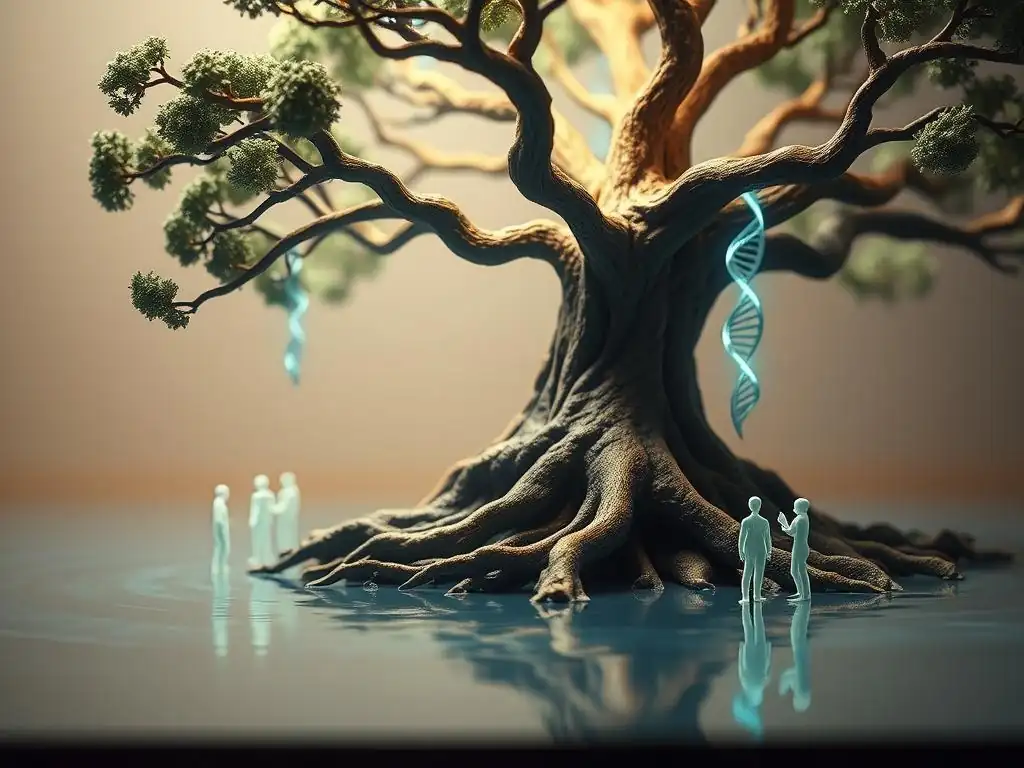
Epigenetics: How Early Experiences Can Modify Gene Expression
Epigenetics refers to changes in gene expression that do not involve alterations to the underlying DNA sequence. Instead, these changes are chemical modifications to the DNA or its associated proteins that can turn genes "on" or "off" or influence how much protein they produce. Importantly, epigenetic modifications can be influenced by environmental factors, including early life experiences, nutrition, stress, and exposure to toxins. This provides a biological mechanism through which nurture can directly impact the expression of nature.
Research in epigenetics is shedding light on how early trauma or neglect can lead to lasting changes in gene expression in brain regions critical for stress response and emotional regulation. For example, studies in both animals and humans have shown that maternal care can induce epigenetic changes in genes like the glucocorticoid receptor gene, affecting the individual's ability to handle stress throughout life. These epigenetic marks can potentially influence the degree to which genetic predispositions for traits like anxiety or impulsivity are expressed, contributing to the development of genetic personality disorder causes symptoms.
The Diathesis-Stress Model: Genetic Vulnerability Plus Environmental Stressors
The diathesis-stress model is a widely accepted framework for understanding the development of psychological disorders, including personality disorders. It posits that disorders arise from an interaction between a predisposition or vulnerability (the "diathesis") and environmental stressors. The diathesis can be genetic, biological (e.g., neurobiological differences), or psychological (e.g., maladaptive cognitive styles).
In the context of personality disorders, genetic predisposition serves as a biological diathesis. An individual may inherit genes that make them more sensitive to stress, more emotionally reactive, or prone to impulsivity. However, this vulnerability may not manifest as a disorder unless they encounter significant environmental stressors, such as childhood trauma, neglect, or chronic adversity.
The model suggests that a high genetic vulnerability might require less severe stress to trigger the disorder, while a lower genetic vulnerability might only lead to a disorder in the face of extreme or prolonged stress. This model effectively integrates the roles of both inherited factors and life experiences in explaining the emergence of genetic personality disorder causes symptoms.
A compelling example of a gene-environment interaction is the research involving the serotonin transporter gene (SLC6A4) and childhood maltreatment in the development of Antisocial Personality Disorder (ASPD) or related traits. The SLC6A4 gene has a functional polymorphism (a variation) with two main alleles: a "short" allele and a "long" allele. The short allele has been associated with reduced serotonin transporter expression and function, potentially leading to altered serotonin signaling and increased sensitivity to stress and negative emotions.
Studies have shown that individuals with the short allele of the SLC6A4 gene who also experienced significant childhood maltreatment have a significantly higher risk of developing antisocial behaviors, aggression, and traits associated with ASPD compared to individuals with the long allele who experienced maltreatment, or individuals with either allele who did not experience maltreatment. This research provides concrete evidence that a specific genetic vulnerability interacts with a specific environmental risk factor (childhood trauma) to dramatically increase the likelihood of developing severe behavioral issues and personality disorder symptoms. This highlights the complexity of genetic personality disorder causes symptoms.
Neurobiological Correlates of Personality Disorders
Brain Structure and Function Differences in Individuals with Personality Disorders
Neuroimaging studies using techniques like MRI and fMRI have revealed structural and functional differences in the brains of individuals diagnosed with various personality disorders compared to healthy controls. These differences are often found in regions involved in emotional regulation, impulse control, social cognition, and self-awareness. While these are correlational findings and don't definitively prove causation (differences could be a cause, a consequence of the disorder, or influenced by medication or co-occurring conditions), they provide important clues about the biological underpinnings.
For instance, studies of individuals with Borderline Personality Disorder often report smaller volume in the hippocampus and amygdala, brain areas critical for memory, stress response, and emotional processing. Functional fMRI studies sometimes show heightened reactivity in the amygdala to emotional stimuli and reduced activity in areas of the prefrontal cortex during tasks requiring emotional regulation or impulse control. These findings align with the core symptoms of BPD, such as intense emotional reactivity and impulsivity, and contribute to our understanding of the biological basis of genetic personality disorder causes symptoms.
Prefrontal Cortex and Impulsivity Control
The prefrontal cortex (PFC), particularly the ventromedial and orbitofrontal regions, plays a critical role in executive functions, including planning, decision-making, assessing risks and rewards, and inhibiting impulsive behaviors. Dysfunction in these areas is frequently observed in individuals with personality disorders characterized by impulsivity, such as Antisocial Personality Disorder and Borderline Personality Disorder.
Neuroimaging studies in these populations often show reduced gray matter volume or decreased activity in specific PFC subregions during tasks requiring impulse control or emotional regulation. This suggests a potential neurobiological basis for the difficulties in inhibiting urges, engaging in risky behaviors, and considering future consequences that are hallmark symptoms of these disorders. Understanding the link between PFC function and impulsivity is key to developing targeted interventions.
Amygdala and Emotional Regulation
The amygdala is a key structure in the brain's limbic system, primarily involved in processing emotions, particularly fear and threat. It plays a crucial role in the rapid detection of emotional stimuli and the generation of emotional responses. In many personality disorders, especially those characterized by emotional intensity and instability like Borderline Personality Disorder, the amygdala appears to be hyperactive or dysregulated.
Studies often find that individuals with BPD show exaggerated amygdala responses to negative emotional stimuli, which could contribute to their intense and volatile emotional experiences. Furthermore, there appears to be impaired connectivity or reduced inhibitory control from the prefrontal cortex to the amygdala, suggesting that the "emotional brain" (amygdala) may not be adequately regulated by the "thinking brain" (PFC). This neurobiological finding aligns well with the symptom of pervasive emotional dysregulation, a central feature among genetic personality disorder causes symptoms.
Neurotransmitter Imbalances and Personality Disorder Symptoms
Neurotransmitters are chemical messengers in the brain that transmit signals between neurons. Imbalances or dysregulation in various neurotransmitter systems have been implicated in the manifestation of personality disorder symptoms. While the exact nature of these imbalances is complex and not fully understood, research has focused on systems involving serotonin, dopamine, and noradrenaline.
For example, dysregulation of the serotonin system is consistently linked to mood disorders, anxiety, and impulsivity, all of which are prominent features in several personality disorders. Alterations in dopamine pathways are associated with reward processing, motivation, and risk-taking, relevant to disorders with impulsive and antisocial features. Noradrenaline is involved in the stress response and arousal, potentially contributing to the intense emotional reactivity seen in some personality disorders. While not the sole cause, addressing these potential neurotransmitter imbalances is a target for pharmacological interventions aimed at managing specific personality disorder symptoms.
Serotonin and Aggression
The neurotransmitter serotonin plays a significant role in regulating mood, sleep, appetite, and impulse control. Research consistently links low levels or impaired function of the serotonin system to increased impulsivity and aggression, traits commonly observed in Antisocial Personality Disorder and Borderline Personality Disorder. Studies in both humans and animal models have demonstrated that manipulating serotonin levels can influence aggressive behavior.
Variations in genes involved in serotonin production, transport, and reception (like the SLC6A4 gene discussed earlier) can influence how effectively the serotonin system functions. When these genetic vulnerabilities are combined with environmental factors that further disrupt serotonin signaling, such as chronic stress or trauma, it can significantly increase the propensity for impulsive aggression, contributing to the behavioral patterns seen in individuals with certain personality disorders. This provides a clear example of a biological pathway contributing to genetic personality disorder causes symptoms related to behavior.
Dopamine and Reward Processing
Dopamine is a key neurotransmitter involved in the brain's reward system, motivation, pleasure, and motor control. Dysregulation of dopamine pathways has been implicated in substance use disorders, addiction, and conditions involving impaired reward processing and decision-making. In the context of personality disorders, particularly Antisocial Personality Disorder and Narcissistic Personality Disorder, alterations in dopamine signaling may contribute to traits like grandiosity, sensation-seeking, impulsivity, and a reduced capacity for learning from punishment.
Some research suggests that individuals with ASPD may have a blunted response in brain reward circuits (involving dopamine) to social cues or consequences, while exhibiting heightened responses to immediate rewards. This could contribute to their disregard for rules, impulsive pursuit of gratification, and difficulty forming meaningful social bonds. Understanding the role of dopamine helps explain some of the motivational and behavioral aspects of these disorders, adding another layer to the biological understanding of genetic personality disorder causes symptoms.
Diagnosing Personality Disorders: Considering Biological and Environmental Factors
The Role of Comprehensive Assessments in Identifying Underlying Causes
Diagnosing a personality disorder requires a comprehensive assessment that goes beyond simply identifying symptoms. Clinicians utilize detailed clinical interviews, often incorporating information from multiple sources (e.g., family members, past treatment records), and may use standardized questionnaires or structured interviews designed specifically for personality disorders. A crucial part of this assessment involves exploring the individual's history, including their family background, early childhood experiences, history of trauma or adversity, and developmental milestones.
This thorough history-taking helps the clinician understand the potential environmental factors that may have contributed to the individual's enduring personality patterns. While genetic testing is not currently used for diagnosing personality disorders, understanding family history can provide clues about potential genetic predispositions. Integrating information about early life experiences and developmental history with the observed symptoms allows for a more nuanced understanding of the potential interplay between biological vulnerabilities and environmental influences shaping the individual's personality disorder causes symptoms.
Differentiating Between Personality Disorder Subtypes Based on Etiology
While diagnostic criteria in the DSM-5 focus primarily on observable behaviors and inner experiences, recognizing the potential etiological pathways can help differentiate between subtypes or inform treatment. For example, two individuals might meet criteria for Borderline Personality Disorder, but one might have a strong family history and minimal reported trauma, suggesting a greater role for genetic vulnerability, while the other might have a history of severe childhood abuse with no known family history, suggesting a stronger environmental contribution interacting with potential lower-level genetic risks.
Understanding these potential differences in etiology – whether the primary drivers appear to be genetic predisposition, environmental trauma, or a strong gene-environment interaction – can influence treatment planning. It highlights that while symptom presentation may overlap, the underlying mechanisms contributing to genetic personality disorder causes symptoms can vary, suggesting the need for tailored therapeutic approaches that address the specific biological and experiential factors at play.
Personalized Treatment Approaches Based on Biomarkers and Genetic Profiles
Currently, treatment for personality disorders is primarily psychotherapy-based, with medication used to manage specific symptoms like depression, anxiety, or mood swings. However, the growing understanding of the biological roots, including potential genetic and neurobiological correlates, is paving the way for more personalized treatment approaches in the future. While still largely in the research phase, the concept of using biomarkers or genetic profiles to guide treatment is gaining traction in mental health.
For example, if research identifies specific genetic variations or neurobiological patterns associated with a poor response to a particular type of therapy or a better response to a specific medication, this information could potentially be used to tailor treatment plans. Similarly, understanding an individual's specific neurobiological dysregulations (e.g., in serotonin or dopamine pathways) might inform the choice of psychopharmacological interventions. While routine genetic testing for personality disorders is not standard practice today, future advancements could lead to a more biologically informed, personalized approach to addressing genetic personality disorder causes symptoms and improving treatment outcomes.
Treatment Strategies: Addressing Biological and Environmental Influences

Psychopharmacology: Targeting Neurotransmitter Imbalances
Although there are no medications specifically approved by regulatory bodies solely for the treatment of personality disorders themselves, psychopharmacological agents are often used to target specific, distressing symptoms that may be linked to neurobiological dysregulations. These include medications that affect neurotransmitter systems implicated in personality disorder symptoms, such as antidepressants (often targeting serotonin and noradrenaline) for mood swings, anxiety, and impulsivity, or mood stabilizers for intense emotional lability.
Antipsychotic medications, often in low doses, may be used to manage severe cognitive distortions, transient psychotic symptoms, or intense emotional dysregulation, potentially by affecting dopamine pathways. While medication does not "cure" a personality disorder, it can help alleviate the intensity of certain symptoms, making it easier for individuals to engage in psychotherapy and develop healthier coping mechanisms. The use of medication acknowledges the biological components contributing to genetic personality disorder causes symptoms.
Psychotherapy: Addressing Early Trauma and Maladaptive Coping Mechanisms
Psychotherapy is considered the cornerstone of personality disorder treatment. Therapies specifically developed for personality disorders, such as Dialectical Behavior Therapy (DBT) for Borderline Personality Disorder, Schema Therapy, and Transference-Focused Psychotherapy (TFP), are highly effective. These therapies directly address the psychological and environmental factors that contribute to the disorder, particularly the impact of early experiences and the development of maladaptive patterns of thinking, feeling, and behaving.
These therapies help individuals process past trauma, understand how early experiences shaped their core beliefs and relationship patterns, develop healthier emotional regulation skills, improve interpersonal effectiveness, and build a more stable sense of self. By addressing the psychological sequelae of environmental factors and teaching new coping skills, psychotherapy helps individuals manage their symptoms and build a more stable and fulfilling life, complementing biological interventions aimed at genetic personality disorder causes symptoms.
Integrated Treatment Approaches: Combining Medication and Therapy
Given the complex interplay of biological and environmental factors in the etiology of personality disorders, the most effective treatment often involves an integrated approach that combines psychotherapy and, when appropriate, psychopharmacology. This combined strategy allows for the targeting of both the biological vulnerabilities and the psychological/environmental influences contributing to the disorder.
For example, medication might help reduce the intensity of emotional reactivity or impulsivity, making it possible for an individual to participate more effectively in therapy sessions. Psychotherapy, in turn, helps the individual process the underlying trauma, develop coping skills, and change maladaptive relationship patterns that medication cannot address. This holistic approach, addressing both the "nature" and "nurture" aspects of genetic personality disorder causes symptoms, is generally considered the most promising path towards recovery and improved well-being.
Prevention Strategies: Promoting Healthy Development and Resilience
Early Intervention Programs for At-Risk Children
Recognizing the significant impact of early experiences on personality development and vulnerability to disorders, prevention strategies increasingly focus on early intervention. Programs targeting children and families facing adversity, such as those in unstable home environments, experiencing poverty, or exposed to parental mental illness or substance abuse, can play a crucial role. These programs often aim to strengthen parenting skills, improve parent-child attachment, provide a safe and nurturing environment, and offer support services to reduce stressors.
By mitigating the impact of adverse childhood experiences and promoting healthy emotional and social development from a young age, these programs can potentially buffer against the environmental factors that interact with genetic predispositions to increase risk for personality disorders. Investing in the well-being of children is a critical step in reducing the incidence and severity of genetic personality disorder causes symptoms later in life.
Parenting Education and Support Services
Effective parenting is a powerful protective factor against the development of many mental health issues, including personality disorders. Parenting education programs can equip parents with the skills needed to provide consistent, responsive, and emotionally supportive care. This includes teaching positive discipline techniques, strategies for managing stress, fostering secure attachment, and recognizing and responding to a child's emotional needs.
Providing support services to parents, such as access to mental healthcare, substance abuse treatment, and social support networks, can also improve the home environment and reduce the likelihood of adverse experiences for children. Empowering parents to create stable and nurturing homes directly addresses one of the most significant environmental contributors to personality disorder vulnerability, helping to mitigate the impact of potential genetic personality disorder causes symptoms.
Schools play a vital role in a child's development, providing a social environment and opportunities for learning crucial life skills. School-based programs that address bullying, promote positive peer relationships, and teach social-emotional learning (SEL) skills can contribute significantly to prevention efforts. SEL curricula help children develop self-awareness, self-management, social awareness, relationship skills, and responsible decision-making.
Learning to understand and manage one's own emotions, empathize with others, resolve conflicts peacefully, and make thoughtful choices are fundamental skills that build resilience. By fostering these competencies and creating a safe and supportive school climate, educators can help mitigate the negative effects of some environmental stressors and support healthy personality development, potentially reducing the impact of genetic personality disorder causes symptoms later in life.
Conclusion: A Holistic Understanding of Personality Disorders
Understanding personality disorders requires moving beyond simplistic explanations and embracing a comprehensive bio-psycho-social model. This model recognizes that these complex conditions arise from the intricate interplay of biological factors (including genetics and neurobiology), psychological factors (such as thought patterns, coping styles, and personality traits), and social/environmental factors (like family dynamics, trauma, cultural influences, and socioeconomic status).
Focusing solely on genetics ignores the profound impact of environment, just as focusing only on environment overlooks the role of inherited vulnerabilities. A bio-psycho-social perspective acknowledges that genetic personality disorder causes symptoms are the result of multiple interacting forces. This holistic view is essential for developing effective prevention strategies, accurate diagnoses, and integrated treatment plans that address the full spectrum of factors contributing to an individual's challenges.
Promoting Hope and Recovery Through Evidence-Based Treatments
Despite the significant challenges associated with personality disorders, it is crucial to emphasize that recovery and meaningful improvement are possible. The increasing understanding of the biological and environmental factors involved is leading to more targeted and effective evidence-based treatments. Psychotherapies specifically designed for personality disorders have demonstrated significant success in helping individuals manage symptoms, improve relationships, and build more stable lives.
While the journey may be challenging, with appropriate support and treatment, individuals can learn new coping skills, process past trauma, develop healthier patterns of thinking and behaving, and reduce the intensity of their symptoms. Promoting awareness of the complex causes, including genetic personality disorder causes symptoms, while highlighting the availability and effectiveness of evidence-based treatments, is essential for reducing stigma and instilling hope in individuals affected by these conditions and their families.
Frequently Asked Questions
How much does genetics contribute to personality disorders, and what role do early experiences play?
Genetics can significantly increase susceptibility to personality disorders. However, early experiences such as trauma, neglect, or abuse are also crucial contributing factors in their development.
Are there specific genes that have been directly linked to causing personality disorders?
While no single gene directly "causes" a personality disorder, research suggests that certain genes related to neurotransmitter function and brain structure can increase vulnerability. The keyword genetic personality disorder causes symptoms relates to this.
If someone has a family history of personality disorders, are they guaranteed to develop one themselves?
Having a family history increases the risk, but it's not a guarantee. Environmental factors and coping mechanisms play a significant role in whether or not someone develops a disorder.
What kind of early experiences are most likely to contribute to the development of a personality disorder?
Traumatic experiences such as abuse or neglect, unstable family environments, and early childhood adversity are strongly associated with a higher risk of developing a personality disorder later in life.
Can treatment for personality disorders address the underlying genetic and early experience factors?
While treatment cannot change genetics, therapy can help individuals develop coping strategies to manage symptoms and address the impact of past trauma. Effective therapies like DBT and CBT can be helpful in managing the symptoms associated with a personality disorder.
Final Reflection: Unraveling the Complex Tapestry of Personality
The interplay between genetics and early experiences in shaping personality disorders is not merely an academic pursuit; it's a crucial step towards more effective diagnosis, treatment, and ultimately, a more compassionate understanding of mental health. Understanding the biological underpinnings of these conditions allows us to move beyond simplistic labels and delve into the intricate mechanisms that contribute to suffering. This knowledge empowers us to develop targeted interventions and personalized approaches to care, paving the way for a future where individuals struggling with personality disorders receive the support they deserve.
The exploration of genetic influences on personality disorders has profoundly shifted our understanding of these complex conditions. It challenges the outdated notion that these disorders are solely the result of individual failings or flawed parenting, highlighting instead the significant role of biological predisposition. This understanding fosters empathy and reduces stigma, allowing for a more nuanced and humane approach to treatment. The most basic of all human needs is the need to understand and be understood.
- Carl Rogers. This quote resonates deeply, as understanding the biological roots of personality disorders is a crucial step towards understanding the individuals who experience them.
Consider the implications of this research for your own life. Perhaps you know someone struggling with a personality disorder, or maybe you've grappled with your own internal struggles. This article encourages you to approach these challenges with a renewed sense of compassion and understanding. Take time to reflect on the complex interplay of nature and nurture, and how this knowledge can inform your interactions with yourself and others. Let this understanding fuel your commitment to promoting empathy, reducing stigma, and advocating for better mental healthcare for all.
Unlock Your Understanding: Deep Dive into Personality
Thanks for exploring the fascinating world of personality disorders with us! We hope you gained valuable insights into the interplay of genetics and early life experiences. Ready to take the next step?
- Dive deeper: Research specific personality disorders mentioned in the article to better understand their nuances and impact. Consider exploring reliable sources like the DSM-5 or reputable psychological journals. This will empower you to be more informed and empathetic.
- Share your thoughts: Join the conversation in the comments below! What surprised you most about the biological influences on personality? What questions do you still have? Sharing your perspectives helps us all learn and grow.
- Consider supporting research: Even a small donation can contribute significantly to advancing our understanding of personality disorders and improving treatment options. Explore how to support organizations dedicated to mental health research.
So, what impactful step will you take today to further your understanding of personality and its biological roots?