
How Stress Hormones Bridge the Gap Between Environment and Genetic Expression

Welcome to Mind Care Guide, a space dedicated to nurturing your mental well-being.
Ever wonder how life's daily pressures might be subtly rewriting your story? Delve into the fascinating world of neuroscience with our latest article, "How Stress Hormones Bridge the Gap Between Environment and Genetic Expression." We'll explore the intricate connection between environmental stressors and their impact on stress hormones genetic expression, uncovering how these powerful chemicals can influence your mental and physical health. Ready to understand how your experiences might be shaping your very being? Let's begin this journey of discovery together.
How Stress Hormones Bridge the Gap Between Environment and Genetic Expression
- Introduction: Understanding the Link Between Stress, Hormones, and Genes
- Stress Hormones: The Body's Messengers in Response to Stress
- Genetic Expression: Decoding the Language of Our Genes
- The Bridge: How Stress Hormones Impact Genetic Expression
- Examples of Stress Hormone-Mediated Genetic Changes
- Implications for Mental Health Disorders
- Modulating Stress Hormone Influence: Potential Therapeutic Strategies
- Conclusion: The Future of Understanding Stress Hormones and Genetic Expression
-
Frequently Asked Questions
- How do stress hormones influence genetic expression?
- What is "genetic expression" and why is it important?
- Can chronic stress permanently alter genetic expression?
- What role does Mind Care Guide play in understanding this complex interplay?
- Are there ways to mitigate the negative impact of stress on genetic expression?
- Final Reflection: Unraveling the Epigenetic Tapestry of Stress
- Unlock Your Body's Resilience: Take Control of Your Stress Response
Introduction: Understanding the Link Between Stress, Hormones, and Genes
The Interplay of Environment, Stress Hormones, and Genetic Predisposition in Mental Health
Our mental well-being is not determined by a single factor but is a complex interplay between our surrounding environment, our biological responses to that environment, and our inherent genetic makeup. The environment we experience, encompassing everything from daily stressors and social interactions to early life experiences and nutrition, triggers physiological responses within our bodies. A key part of this response system involves the release of stress hormones.
These powerful chemical messengers then act as a crucial bridge, translating environmental signals into biological actions, including influencing how our genes are expressed. This dynamic process means that while we may have a genetic predisposition for certain traits or vulnerabilities, our environmental experiences, mediated by stress hormones, can significantly impact whether and how those genes manifest, ultimately affecting our mental health trajectory.
Consider, for instance, individuals with a family history of anxiety disorders. While they may carry certain genetic variants associated with a higher risk, their actual development and severity of anxiety symptoms can be profoundly shaped by their life experiences. Chronic exposure to stressful environments, such as unstable living conditions or demanding work situations, leads to sustained activation of the body's stress response system and prolonged elevation of stress hormones like cortisol.
Research suggests that this chronic hormonal exposure can induce changes in stress hormones genetic expression patterns in brain regions critical for regulating mood and fear, such as the amygdala and hippocampus. These gene expression changes can, in turn, alter neural circuits, potentially amplifying the individual's vulnerability and contributing to the onset or worsening of an anxiety disorder. This highlights how environmental stress, through the action of stress hormones, can interact with genetic background to influence mental health outcomes.
Why Understanding Stress Hormone Influence on Gene Expression Matters for Mental Wellbeing
Understanding how stress hormones influence genetic expression is fundamental to unlocking deeper insights into the biological roots of mental health challenges and developing more effective interventions. It moves beyond a simple nature-versus-nurture debate, emphasizing the intricate interplay where environment directly impacts our genetic landscape via hormonal signaling.
For example, conditions like depression, anxiety, and PTSD are increasingly understood not just as psychological issues but as disorders involving significant neurobiological changes, many of which are linked to altered gene function driven by stress exposure. By mapping the specific pathways through which stress hormones modulate stress hormones genetic expression, scientists can identify potential biomarkers for vulnerability or resilience, predict individual responses to stress, and pinpoint novel targets for therapeutic strategies.
Furthermore, gaining knowledge about the mechanisms of stress hormones genetic expression empowers individuals and clinicians alike. It provides a biological basis for understanding why stress management techniques are so crucial – they don't just alleviate symptoms but can potentially mitigate the negative biological impact of stress on our genes. It also opens the door for personalized medicine approaches.
If we can identify specific gene expression patterns linked to stress hormone exposure that predict a poor response to certain therapies, clinicians might be able to tailor treatment plans more effectively. Ultimately, this knowledge fosters an empathetic understanding that mental health conditions often have a tangible biological component influenced by life experiences, reducing stigma and paving the way for more compassionate and scientifically informed support.
Stress Hormones: The Body's Messengers in Response to Stress
What are Stress Hormones? A Definition and Overview
Stress hormones are a class of chemical messengers produced by the endocrine system in response to perceived threats or challenges, whether physical or psychological. They are part of the body's sophisticated "fight or flight" or stress response system, designed to mobilize energy resources, heighten awareness, and prepare the organism to cope with or escape from a stressful situation.
While essential for survival in acute situations, prolonged or excessive release of these hormones due to chronic stress can have detrimental effects on various bodily systems, including the brain, immune system, and metabolic processes. The primary stress hormones include cortisol, adrenaline (epinephrine), and noradrenaline (norepinephrine), each playing distinct but often overlapping roles in mediating the body's reaction to stress.
These hormones are released rapidly in response to a stressor. Adrenaline and noradrenaline, primarily produced by the adrenal medulla, cause immediate physiological changes like increased heart rate, elevated blood pressure, and redirection of blood flow to muscles. Cortisol, a corticosteroid produced by the adrenal cortex, has a more sustained effect.
It helps regulate metabolism, suppress inflammation, and modulate immune responses, but its prolonged presence at high levels can disrupt these functions. Understanding the actions of these hormones is crucial because they serve as the direct link between the external environment (stressors) and the internal biological machinery, including the intricate processes of stress hormones genetic expression.
Key Stress Hormones: Cortisol, Adrenaline, and Noradrenaline
Cortisol is often referred to as the primary "stress hormone" for its central role in the long-term stress response. It is a steroid hormone that influences nearly every tissue in the body. Its main functions during stress include increasing blood glucose levels to provide energy, suppressing non-essential functions like digestion and reproduction, and modulating the immune system.
Cortisol achieves many of its effects by binding to specific receptors, primarily the glucocorticoid receptor (GR), which then acts as a transcription factor, directly influencing stress hormones genetic expression by binding to DNA sequences called Glucocorticoid Response Elements (GREs). High levels of cortisol can also bind to mineralocorticoid receptors (MR), particularly in the brain, affecting mood and cognition.
Adrenaline (epinephrine) and Noradrenaline (norepinephrine) are catecholamines produced by the adrenal medulla and nerve endings in the sympathetic nervous system. They are responsible for the immediate, rapid response to stress. Adrenaline has a strong effect on the heart and metabolic processes, while noradrenaline is more involved in regulating blood pressure and attention.
These hormones primarily exert their effects by binding to adrenergic receptors on cell surfaces, triggering intracellular signaling cascades. While they don't directly bind to DNA like cortisol, these signaling pathways can activate transcription factors that, in turn, modulate stress hormones genetic expression in target cells, contributing to the overall stress response and its long-term consequences. For example, activation of adrenergic receptors can lead to increased expression of genes involved in inflammation or neuronal plasticity.
How Stress Hormones are Released: The Hypothalamic-Pituitary-Adrenal (HPA) Axis
The release of cortisol is primarily orchestrated by the Hypothalamic-Pituitary-Adrenal (HPA) axis, a complex neuroendocrine pathway. When the brain perceives a stressor, the hypothalamus releases corticotropin-releasing hormone (CRH). CRH travels to the pituitary gland, signaling it to release adrenocorticotropic hormone (ACTH).
ACTH then travels through the bloodstream to the adrenal glands, stimulating the adrenal cortex to produce and release cortisol. This cascade ensures a coordinated hormonal response to stress. The HPA axis also has a negative feedback loop: elevated cortisol levels signal back to the hypothalamus and pituitary to reduce the release of CRH and ACTH, ideally shutting down the stress response once the threat has passed.
Disruption of this delicate feedback loop is a common feature in chronic stress and many stress-related mental health conditions. For example, prolonged stress can lead to HPA axis dysregulation, resulting in chronically elevated or abnormally patterned cortisol release. This persistent hormonal signal contributes significantly to the long-term impact of stress, including widespread changes in stress hormones genetic expression throughout the body and brain. Understanding the HPA axis is key to appreciating how environmental stressors translate into sustained hormonal signals that can alter our biological blueprint at the genetic level.
Genetic Expression: Decoding the Language of Our Genes
What is Genetic Expression? From DNA to Protein
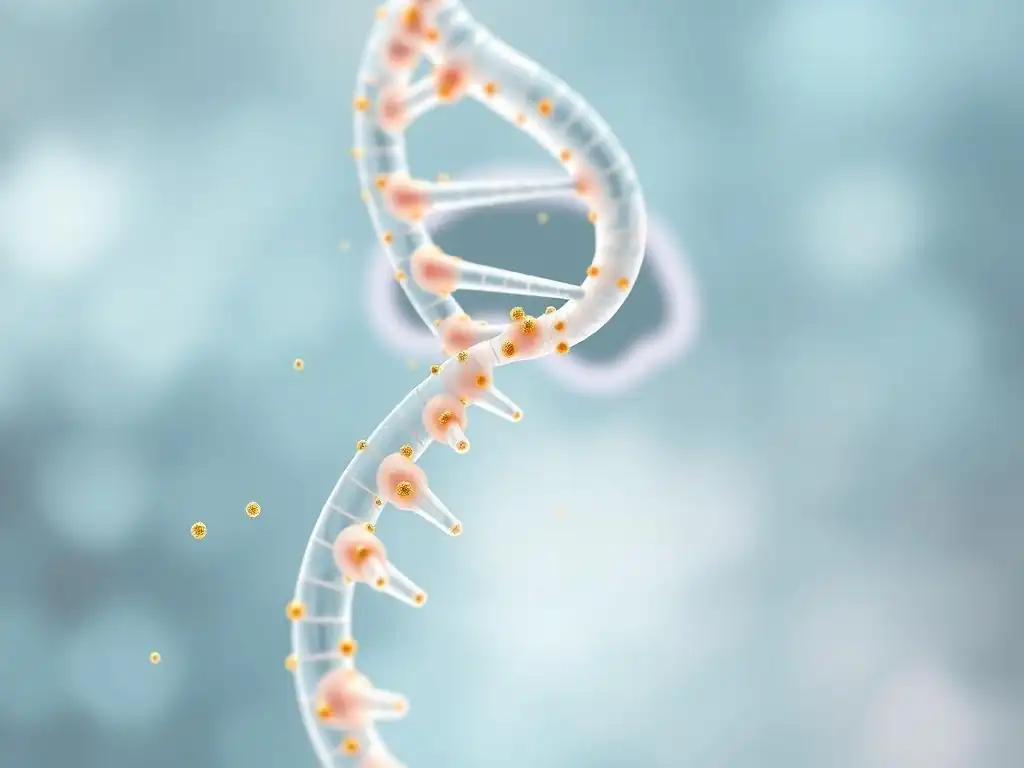
Genetic expression is the fundamental process by which information encoded in a gene is used to synthesize a functional product, typically a protein. Our DNA contains the instructions for building and maintaining our bodies, but these instructions are not constantly active. Gene expression is a tightly regulated process that determines which genes are turned "on" or "off" in specific cells at specific times, allowing cells to perform specialized functions.
The journey from gene to protein involves two main steps: transcription and translation. Transcription is the process where a segment of DNA is copied into a messenger RNA (mRNA) molecule. Translation is the process where the mRNA molecule is used as a template to synthesize a specific sequence of amino acids, forming a protein.
Proteins are the workhorses of the cell, performing a vast array of functions, from catalyzing metabolic reactions (enzymes) to building cellular structures, transmitting signals, and regulating other genes. Therefore, changes in stress hormones genetic expression ultimately mean changes in the types and amounts of proteins produced by cells, which can profoundly alter cellular function, tissue structure, and overall physiological processes, including those critical for brain function and mental health. The precise control over which genes are expressed and when is crucial for normal development and function, and disruptions in this regulation can contribute to disease.
Epigenetics: How Environment Modifies Gene Function
While our DNA sequence is largely fixed from birth, the environment can influence how our genes are expressed without altering the underlying DNA code. This is the realm of epigenetics. Epigenetic modifications are chemical tags or structural changes to DNA or the proteins that package DNA (histones) that affect gene activity.
These modifications can effectively "turn genes on" or "turn them off," influencing whether transcription occurs and how efficiently. Unlike genetic mutations, epigenetic changes can be dynamic and, in some cases, reversible. They represent a crucial mechanism through which environmental factors, including stress and the associated stress hormones, can leave a lasting imprint on our genome's functionality.
Common epigenetic mechanisms include DNA methylation, where a methyl group is added to a DNA base (often cytosine), typically leading to gene silencing, and histone modification, where chemical groups are added to histone proteins, altering how tightly DNA is wrapped and thus its accessibility for transcription. Research has shown that exposure to stress, particularly during critical developmental periods, can induce stable epigenetic changes on genes involved in stress response and neurodevelopment.
For example, studies have demonstrated increased methylation of the glucocorticoid receptor (GR) gene promoter in individuals exposed to early life adversity, a modification linked to altered HPA axis function and increased vulnerability to stress-related disorders. This illustrates how stress hormones genetic expression is intricately tied to epigenetic processes.
The Role of Transcription Factors in Gene Regulation
Transcription factors are proteins that play a pivotal role in regulating gene expression by controlling the rate of transcription. They work by binding to specific DNA sequences, often located near the beginning of a gene (in the promoter region), and either promoting or inhibiting the recruitment of the cellular machinery required for transcription (like RNA polymerase).
Think of them as molecular switches that can turn genes on or off, or dial their activity up or down. The activity and availability of specific transcription factors are often regulated by intracellular signaling pathways, which can be triggered by external signals, including hormones.
Many stress hormones exert their influence on stress hormones genetic expression precisely by interacting with transcription factors. For example, the glucocorticoid receptor (GR), which binds cortisol, is itself a type of transcription factor. Once cortisol binds to GR, the activated complex can translocate to the nucleus and bind directly to DNA sequences (like GREs), thereby directly influencing the transcription rate of target genes.
Similarly, signaling cascades activated by adrenaline and noradrenaline binding to adrenergic receptors can lead to the activation or inactivation of other transcription factors, indirectly modulating gene expression. This interaction highlights how stress hormones, through their effects on transcription factors, act as key mediators in translating environmental stress signals into changes in the genetic landscape.
The Bridge: How Stress Hormones Impact Genetic Expression
Stress Hormones as Environmental Signals: Influencing Gene Transcription
Stress hormones serve as critical biochemical messengers that translate environmental challenges into cellular responses, fundamentally influencing gene expression. When the body perceives a stressor, the resulting surge in hormones like cortisol, adrenaline, and noradrenaline acts as a powerful signal to cells throughout the body, including those in the brain.
These hormones interact with specific receptors on or within cells, triggering a cascade of events that ultimately impacts the cell's nucleus and its genetic machinery. Cortisol, being a steroid hormone, can easily cross cell membranes and bind to intracellular receptors like the glucocorticoid receptor (GR), while catecholamines like adrenaline bind to receptors on the cell surface, initiating intracellular signaling pathways.
This hormonal signaling acts as an "environmental input" at the cellular level, directly influencing which genes are transcribed and translated into proteins. For instance, the binding of activated GR to DNA can either enhance or suppress the transcription of hundreds, potentially thousands, of genes involved in processes ranging from metabolism and immune function to neuronal plasticity and stress response regulation.
Similarly, adrenaline-activated pathways can lead to the phosphorylation and activation of transcription factors like CREB (cAMP response element-binding protein), which then binds to specific DNA sequences (CREs) to regulate the expression of genes involved in memory formation and synaptic function. Thus, stress hormones genetic expression is directly modified as these hormonal signals are received and processed by the cell's regulatory mechanisms.
Specific Mechanisms: How Cortisol, Adrenaline, and Noradrenaline Interact with DNA
Cortisol's primary mechanism for influencing stress hormones genetic expression involves its interaction with the glucocorticoid receptor (GR). In its inactive state, GR resides in the cytoplasm. Upon binding cortisol, GR undergoes a conformational change, dissociates from chaperone proteins, and translocates into the nucleus.
Once in the nucleus, the activated GR can bind directly to specific DNA sequences called Glucocorticoid Response Elements (GREs) located in the promoter or enhancer regions of target genes. Binding to positive GREs typically enhances gene transcription, while binding to negative GREs can suppress it. For example, cortisol binding to GR and subsequent interaction with positive GREs can increase the expression of genes involved in glucose metabolism.
Beyond direct DNA binding, activated GR can also interact with other transcription factors, such as NF-κB (Nuclear Factor kappa-light-chain-enhancer of activated B cells) and AP-1 (Activator protein 1). These interactions are particularly important for the anti-inflammatory effects of cortisol, as GR can suppress the activity of pro-inflammatory transcription factors like NF-κB, thereby reducing the expression of inflammatory genes. Adrenaline and noradrenaline, acting through G protein-coupled receptors on the cell surface, utilize different mechanisms.
Their binding activates intracellular signaling cascades (like the cAMP pathway), which can lead to the activation or phosphorylation of various kinases and transcription factors (e.g., PKA, CREB). These activated transcription factors then translocate to the nucleus and bind to their specific DNA recognition sites (e.g., CREs), modulating the transcription of target genes involved in processes like energy mobilization, cardiovascular function, and neuronal signaling. This multi-faceted interaction highlights the diverse ways stress hormones genetic expression is regulated.
The Impact of Chronic Stress on Genetic Expression: Long-Term Implications
While acute stress triggers temporary, adaptive changes in stress hormones genetic expression, chronic or prolonged stress can lead to persistent and potentially maladaptive alterations. Sustained high levels of cortisol, for instance, can overwhelm the negative feedback loop of the HPA axis, leading to chronic HPA axis dysregulation.
This prolonged exposure to elevated hormones results in continuous signaling that keeps certain genes abnormally activated or suppressed. Over time, these chronic changes in gene expression can remodel neural circuits, disrupt neurotransmitter systems, impair immune function, and alter metabolic processes, contributing to the development and progression of various physical and mental health disorders.
Research has demonstrated that chronic stress can lead to long-lasting epigenetic modifications, such as altered DNA methylation patterns, on genes critical for stress response and brain function. These epigenetic tags can be relatively stable and even potentially transmissible across cell divisions, meaning that the impact of chronic stress on stress hormones genetic expression can persist long after the stressor is removed.
For example, studies in rodents exposed to chronic stress have shown lasting changes in the expression of genes related to neurogenesis and synaptic plasticity in the hippocampus, a brain region vulnerable to stress and important for memory and mood regulation. These persistent changes in gene function are thought to underpin the increased vulnerability to depression, anxiety, and cognitive deficits observed following chronic stress exposure.
Examples of Stress Hormone-Mediated Genetic Changes
Stress hormones, particularly cortisol, play a significant role in modulating the immune system and inflammatory responses by influencing the stress hormones genetic expression of inflammation-related genes. Under acute stress, cortisol can initially enhance certain immune functions, but chronically elevated cortisol typically suppresses the expression of many pro-inflammatory genes.
Cortisol achieves this primarily by activating the glucocorticoid receptor (GR), which then interacts with transcription factors like NF-κB and AP-1, key regulators of inflammatory gene expression. By binding to negative GREs or by protein-protein interaction with NF-κB/AP-1, activated GR can inhibit their ability to promote the transcription of genes encoding pro-inflammatory cytokines (e.g., TNF-α, IL-1β, IL-6) and enzymes (e.g., COX-2, iNOS).
However, paradoxical effects can occur with chronic stress. While some anti-inflammatory effects persist, prolonged exposure to high cortisol can lead to glucocorticoid resistance in immune cells. This means that cells become less responsive to cortisol's inhibitory signals, allowing pro-inflammatory pathways to become more active.
Studies have shown that individuals experiencing chronic stress or conditions like major depression often exhibit higher levels of inflammatory markers (like C-reactive protein and IL-6) despite having high or dysregulated cortisol levels. This suggests a failure of cortisol to effectively suppress inflammation due to altered cellular signaling and potentially persistent changes in the stress hormones genetic expression of inflammatory genes, contributing to the link between chronic stress, inflammation, and various diseases, including depression.
Stress Hormones and Genetic Expression in Brain Regions Affected by Stress (e.g., Hippocampus, Amygdala)
Key brain regions involved in processing stress and emotion, such as the hippocampus (involved in memory and mood) and the amygdala (involved in fear and anxiety), are particularly sensitive to stress hormones and exhibit significant changes in stress hormones genetic expression under stressful conditions. Both regions contain a high density of glucocorticoid receptors (GR) and mineralocorticoid receptors (MR), making them primary targets for cortisol action. Acute stress can transiently alter the expression of genes related to synaptic plasticity and neuronal excitability in these areas, which is part of an adaptive response to encode threatening experiences.
However, chronic stress leads to more profound and potentially damaging changes. In the hippocampus, prolonged exposure to high cortisol can suppress the expression of genes involved in neurogenesis (the birth of new neurons) and synaptic plasticity (the ability of synapses to strengthen or weaken), such as BDNF (Brain-Derived Neurotrophic Factor). Reduced BDNF expression is linked to hippocampal atrophy and cognitive impairments observed in chronic stress and depression.
In the amygdala, chronic stress can increase the expression of genes that enhance neuronal excitability and connectivity, potentially contributing to heightened fear responses and anxiety. Studies have shown that chronic stress can increase the expression of genes like CRH (corticotropin-releasing hormone) in the amygdala, creating a positive feedback loop that sustains the stress response. These region-specific changes in stress hormones genetic expression are considered central to the pathophysiology of stress-related mental health disorders.
Stress Hormones and GR (Glucocorticoid Receptor) Gene Expression
The glucocorticoid receptor (GR), encoded by the NR3C1 gene, is a critical mediator of cortisol's effects, and its own expression is significantly influenced by stress hormones and environmental factors, often through epigenetic mechanisms. The NR3C1 gene has multiple promoter regions, allowing for complex regulation of its expression. Studies, particularly those investigating the impact of early life adversity, have shown that stress can induce stable epigenetic modifications, such as increased DNA methylation, in specific promoter regions of the NR3C1 gene, particularly in the hippocampus and other brain areas.
For example, research in humans has found that individuals exposed to significant childhood trauma often exhibit increased methylation of the NR3C1 promoter compared to those without such history. This increased methylation is associated with reduced expression of the GR protein in the brain. Lower levels of GR can impair the negative feedback mechanism of the HPA axis, leading to chronically elevated cortisol levels.
This creates a vicious cycle: stress leads to epigenetic changes that reduce GR expression, which in turn impairs the ability to shut off the stress response, leading to prolonged exposure to stress hormones and further potential dysregulation of stress hormones genetic expression throughout the brain and body. This specific example powerfully illustrates how environmental stress, mediated by hormones and epigenetics, can alter the expression of a gene central to the stress response itself, increasing vulnerability to future stress and mental health issues.
Implications for Mental Health Disorders
Stress Hormones, Genetic Expression, and Depression
Major Depressive Disorder (MDD) is strongly linked to chronic stress exposure and dysregulation of the HPA axis, with altered stress hormones genetic expression playing a significant role in its pathology. Many individuals with depression exhibit hypercortisolism (elevated cortisol levels) or a blunted response to dexamethasone suppression tests, indicating impaired HPA axis feedback. At the molecular level, research points to widespread changes in gene expression in brain regions implicated in depression, such as the prefrontal cortex, hippocampus, and amygdala. These changes are often consistent with prolonged exposure to stress hormones.
Studies have identified altered expression of genes involved in neurotransmitter systems (like serotonin and dopamine), neuronal plasticity (e.g., BDNF, TrkB), and the stress response itself (e.g., CRH, GR, FKBP5) in individuals with depression. For instance, reduced expression of BDNF in the hippocampus is a consistent finding in animal models of depression and post-mortem studies of depressed patients, a change that can be induced by chronic stress and high cortisol.
Conversely, increased expression of genes like FKBP5, which encodes a protein that regulates GR sensitivity, has been associated with greater severity and treatment resistance in depression. This highlights how altered stress hormones genetic expression contributes to the neurobiological changes underlying depressive symptoms.
Stress Hormones, Genetic Expression, and Anxiety Disorders
Anxiety disorders, including Generalized Anxiety Disorder (GAD), Social Anxiety Disorder, and Panic Disorder, are characterized by excessive fear and worry and are often triggered or exacerbated by stress. The amygdala, a brain region central to processing fear, is highly sensitive to stress hormones. Chronic stress exposure can lead to hypertrophy (enlargement) and increased activity of the amygdala, changes associated with heightened fear responses. This is accompanied by alterations in stress hormones genetic expression within the amygdala, promoting increased neuronal excitability and connectivity.
Research indicates that chronic stress can upregulate the expression of genes involved in excitatory neurotransmission and downregulate those involved in inhibitory signaling in the amygdala. For example, increased expression of CRH and its receptors in the amygdala, driven partly by stress hormones, can enhance fear conditioning and anxiety-like behaviors.
Furthermore, epigenetic changes induced by stress, such as altered methylation patterns on genes like BDNF or genes encoding components of the GABAergic system (the brain's main inhibitory system), can contribute to the persistent state of heightened arousal seen in anxiety disorders. These findings underscore the role of stress hormones genetic expression changes in mediating the effects of stress on brain circuits involved in anxiety.
Stress Hormones, Genetic Expression, and Post-Traumatic Stress Disorder (PTSD)
Post-Traumatic Stress Disorder (PTSD) is a severe stress-related disorder that develops after exposure to a traumatic event. Unlike depression, PTSD is often associated with a hypocortisolism (lower than normal cortisol levels) and heightened sensitivity of the HPA axis negative feedback loop, although this can vary. Despite lower baseline cortisol, individuals with PTSD exhibit an exaggerated response to subsequent stressors. The link between stress hormones genetic expression and PTSD is particularly strong, with significant research focusing on the FKBP5 gene.
Variants in the FKBP5 gene have been shown to interact with childhood trauma to predict the risk of developing PTSD. Furthermore, exposure to trauma, particularly early in life, can induce stable epigenetic changes, such as reduced methylation, in specific regions of the FKBP5 gene. This hypomethylation leads to increased FKBP5 gene expression, resulting in higher levels of the FKBP5 protein.
FKBP5 protein binds to the glucocorticoid receptor (GR), reducing its sensitivity to cortisol. This decreased GR sensitivity contributes to impaired HPA axis feedback and the characteristic stress hormone profile seen in PTSD. This is a prime example of how a specific gene's expression ( FKBP5), modified by stress hormones and epigenetic marks induced by trauma, directly impacts the stress response system and increases vulnerability to a specific mental health disorder.
Modulating Stress Hormone Influence: Potential Therapeutic Strategies
Lifestyle Interventions: Diet, Exercise, and Mindfulness
Given the profound impact of stress hormones on stress hormones genetic expression and mental health, lifestyle interventions aimed at reducing stress and modulating the stress response are powerful therapeutic strategies. Regular physical exercise, for instance, has been shown to buffer the effects of stress and can positively influence gene expression patterns in the brain. Exercise can increase the expression of neurotrophic factors like BDNF, which are often downregulated by chronic stress, potentially promoting neurogenesis and synaptic plasticity. Studies suggest that exercise can even influence epigenetic marks, promoting a healthier gene expression profile.
Mindfulness and meditation practices are also effective in reducing perceived stress and altering physiological stress responses. Regular mindfulness practice can lead to lower cortisol levels and modulate activity in brain regions involved in stress processing. Research using techniques like fMRI and gene expression analysis is beginning to show that mindfulness can influence the stress hormones genetic expression of genes related to inflammation and stress response pathways.
A balanced diet, rich in omega-3 fatty acids and antioxidants, also supports overall brain health and can help regulate inflammatory responses, indirectly influencing stress hormone activity and potentially buffering negative impacts on gene expression. These interventions empower individuals to actively mitigate the biological effects of stress.
Pharmacological Approaches: Medications Targeting the HPA Axis
Pharmacological interventions can target the HPA axis to modulate stress hormone levels and signaling, indirectly influencing stress hormones genetic expression. While not always the first line of treatment for stress-related disorders, certain medications can be used in specific cases. For example, some antidepressants, particularly SSRIs, are thought to exert some of their therapeutic effects partly by normalizing HPA axis function over time, potentially leading to a normalization of stress hormone-induced gene expression changes in the brain.
In more severe cases of HPA axis hyperactivity, such as in certain forms of depression with psychotic features, medications that block cortisol synthesis (e.g., ketoconazole, metyrapone) or block glucocorticoid receptors (e.g., mifepristone) have been explored, although their use is limited by side effects. These medications aim to directly reduce the hormonal signal that drives altered stress hormones genetic expression.
While these approaches can be beneficial, they highlight the complexity of the HPA axis, and directly manipulating hormone levels requires careful consideration due to potential systemic side effects. Future pharmacological developments may focus on more targeted approaches that influence specific downstream signaling pathways or transcription factors activated by stress hormones.
Epigenetic Therapies: HDAC Inhibitors and DNA Methylation Modulators
An exciting frontier in modulating stress hormone influence on stress hormones genetic expression involves epigenetic therapies. These approaches aim to reverse or counteract the stress-induced epigenetic modifications that contribute to maladaptive gene expression patterns. Histone deacetylase (HDAC) inhibitors are a class of drugs that can alter histone modifications, making DNA more accessible for transcription. Preclinical studies have shown that certain HDAC inhibitors can reverse stress-induced changes in gene expression and behavior in animal models of depression and anxiety, potentially by restoring expression of genes like BDNF.
Similarly, research is exploring compounds that can modulate DNA methylation patterns. While targeting specific methylation sites is challenging, broader approaches or compounds that influence the enzymes involved in methylation (e.g., DNA methyltransferases) are under investigation. For example, some dietary components or supplements are being studied for their potential mild epigenetic effects. The goal of these epigenetic therapies is to "reset" the stress-induced alterations in stress hormones genetic expression, promoting a healthier and more resilient biological state. However, this field is still in its early stages, and developing therapies with sufficient specificity and safety remains a significant challenge.
Conclusion: The Future of Understanding Stress Hormones and Genetic Expression
The Importance of Personalized Approaches to Mental Health
Understanding the intricate relationship between stress hormones and genetic expression underscores the need for personalized approaches to mental health care. Each individual possesses a unique genetic makeup and has experienced a unique history of environmental exposures and stressors. This results in a highly individualized pattern of stress hormones genetic expression changes that contribute to their specific vulnerabilities and resilience. Therefore, a one-size-fits-all approach is often insufficient. Future mental health care should ideally consider an individual's genetic predispositions, their history of stress exposure, and their current stress hormone profile to tailor prevention and treatment strategies.
For example, identifying individuals who carry genetic variants that interact with stress (like specific FKBP5 alleles) or exhibit specific epigenetic signatures linked to stress exposure might allow for targeted early interventions or more intensive stress management training. Similarly, understanding how an individual's stress hormones genetic expression profile responds to different types of interventions – whether lifestyle changes, psychotherapy, or medication – could inform treatment selection and optimization. Embracing personalized approaches based on this biological understanding holds the promise of more effective and compassionate mental health support.
Further Research: Unraveling the Complex Interactions
While significant progress has been made in understanding how stress hormones influence stress hormones genetic expression, much remains to be discovered. The interactions are incredibly complex, involving thousands of genes, multiple types of epigenetic modifications, and intricate signaling networks that vary across different cell types and brain regions. Future research needs to delve deeper into:
- Mapping the precise epigenetic landscapes altered by different types and durations of stress across various brain regions.
- Identifying the specific transcription factors and signaling pathways that mediate the effects of different stress hormones on gene expression.
- Understanding how genetic variations influence an individual's susceptibility to stress-induced epigenetic changes and gene expression alterations.
- Developing non-invasive methods to assess stress hormone levels and relevant gene expression/epigenetic markers in clinical settings.
- Investigating the reversibility of stress-induced gene expression changes and the mechanisms by which interventions promote resilience.
These research avenues will be crucial for translating the knowledge about stress hormones genetic expression into practical diagnostic tools and therapeutic strategies.
Empowering Mental Well-being Through Understanding the Biology of Stress
Gaining a deeper understanding of how stress hormones bridge the gap between our environment and our genetic expression is incredibly empowering. It provides a scientific basis for recognizing that stress is not just a psychological state but has tangible biological consequences that can alter our fundamental biological blueprint. This knowledge can help destigmatize mental health challenges by highlighting their biological underpinnings, influenced by life experiences.
For individuals, understanding that stress can impact their genes can be a powerful motivator for adopting stress-reducing strategies and prioritizing mental well-being. It shifts the perspective from simply coping with feelings to actively influencing one's own biological resilience. As research continues to unravel these complex interactions, the insights gained into stress hormones genetic expression will undoubtedly pave the way for more effective prevention, earlier intervention, and more personalized treatments, ultimately empowering individuals to achieve and maintain better mental health.
Frequently Asked Questions
How do stress hormones influence genetic expression?
Stress hormones like cortisol can bind to receptors inside cells, influencing the transcription of certain genes. This process can either increase or decrease the production of specific proteins, altering cell function. The environment thus impacts our genes.
What is "genetic expression" and why is it important?
Genetic expression refers to the process by which information encoded in a gene is used to synthesize a functional gene product, like a protein. It's crucial because it determines how our genes manifest in our physical and behavioral traits, and how we respond to our environment.
Can chronic stress permanently alter genetic expression?
Yes, prolonged exposure to stress hormones can lead to epigenetic changes which can alter gene expression in the long term. These changes can potentially be passed down through generations, impacting future health outcomes.
What role does Mind Care Guide play in understanding this complex interplay?
Mind Care Guide provides information, support, and resources for individuals seeking to understand and manage the impact of stress on their mental well-being. This includes resources explaining how stress hormones affect the body and mind.
Are there ways to mitigate the negative impact of stress on genetic expression?
Lifestyle modifications like regular exercise, mindfulness practices, and a healthy diet can help regulate stress hormone levels and potentially reduce the adverse effects on genetic expression. Early intervention is key.
Final Reflection: Unraveling the Epigenetic Tapestry of Stress
The intricate dance between our environment and our genes, mediated by stress hormones, is not merely a scientific curiosity; it's a fundamental truth shaping our health and well-being today. Understanding this connection empowers us to take proactive steps towards mitigating the negative impacts of chronic stress and fostering resilience in the face of adversity. The implications are profound, reaching far beyond the laboratory and into the very fabric of our lives.
The ongoing research into the epigenetic effects of stress hormones highlights the dynamic nature of our genetic landscape. It underscores the fact that we are not simply passive recipients of our genetic inheritance, but active participants in shaping its expression. The genome is not a blueprint, but a toolbox.
This quote perfectly encapsulates the malleability of our genetic potential, influenced profoundly by our experiences and the hormonal responses they trigger. This understanding shifts the paradigm from a deterministic view of genetics to one of dynamic interaction and potential for positive change.
Consider the power you now hold. Armed with this knowledge of the profound impact of stress on your genetic expression, you can make conscious choices to manage stress levels effectively. Practice mindfulness, prioritize healthy lifestyle choices, and cultivate strong social connections. These are not merely suggestions, but powerful tools to influence your epigenetic landscape, promoting health and well-being across generations. Embrace the opportunity to rewrite your narrative, one mindful breath, one healthy choice, at a time.
Unlock Your Body's Resilience: Take Control of Your Stress Response
Thanks for diving deep into the fascinating world of stress hormones and gene expression! You've now gained valuable insights into how your environment directly impacts your health at a cellular level. Ready to put this knowledge into action?
- Prioritize one stress-reducing activity this week: This could be anything from a short walk in nature to practicing mindful breathing for just five minutes. Small steps make a big difference!
- Share this article with someone who could benefit: Help spread awareness about the powerful connection between stress and our genes.
- Explore a new relaxation technique: Try something you haven't before—yoga, meditation, or even listening to calming music. Discover what works best for you.
What small change will you make today to cultivate a more resilient you?